Growing Hydrangeas in Connecticut: Types, Color and Winter
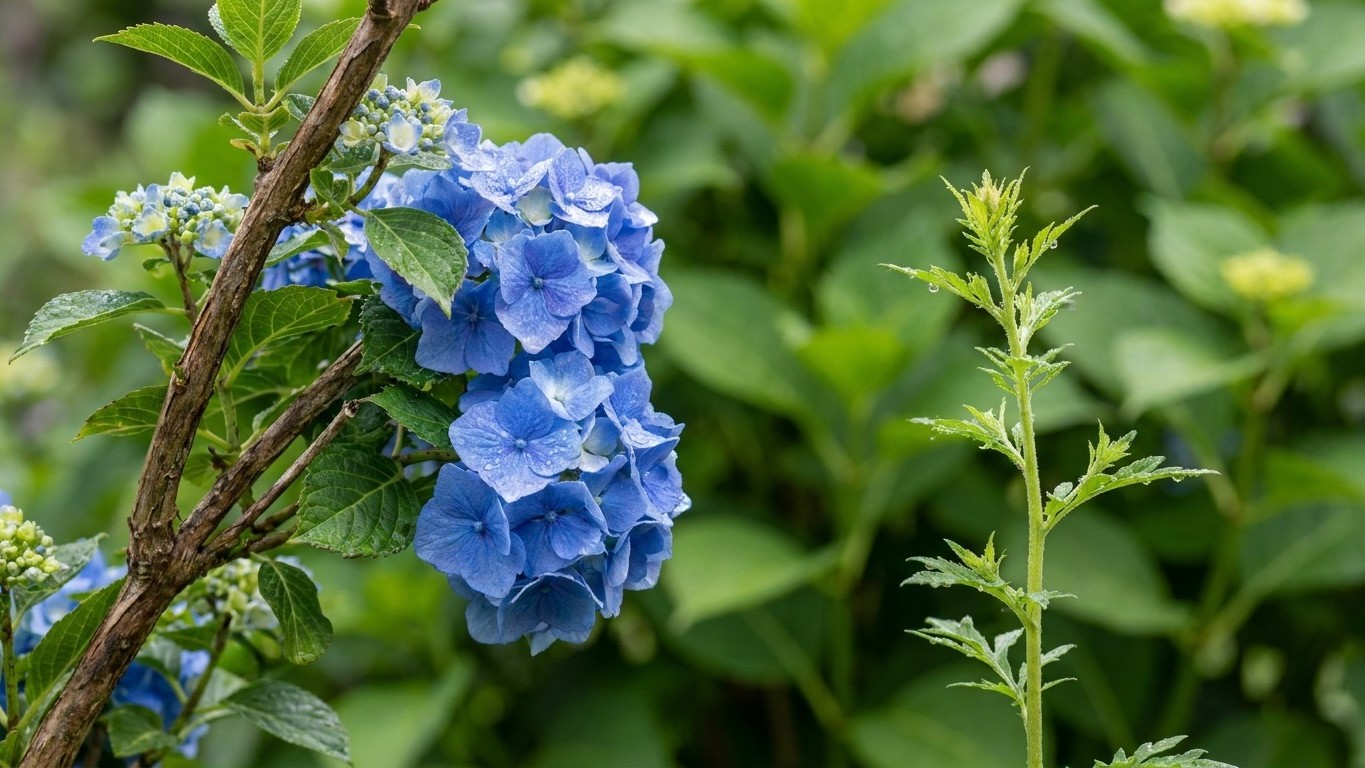
Connecticut gardeners can plant container-grown hydrangeas from mid-spring through late summer, but bloom color and winter survival depend on two things…
Home & garden, state by state
Everything we have worked out for Connecticut: what to plant and when, which varieties finish in time, the pests that actually turn up here, and the jobs that pay off month by month. We also cover the rest of the property, from lawns and soil to home care and energy, because a garden rarely stops at the vegetable bed.
The numbers first, because everything else follows from them. Measured at the weather station in Bridgeport, the last spring freeze runs April 2 to April 12 and the first fall freeze runs October 28 to November 10, USDA zones 6a-7b, 3,314 growing degree days in the year.
Garlic does well: 21.8 weeks below 40 °F, comfortably past the six it needs to form a proper head.
Elsewhere on the property in Connecticut: the pests that turn up here.
Figures from NOAA's 1991-2020 climate normals. A state is not one climate: elevation, a large lake or the coast can move these dates by two weeks either way, so check your own county with the extension service before you spend money.
Connecticut gardeners can plant container-grown hydrangeas from mid-spring through late summer, but bloom color and winter survival depend on two things…
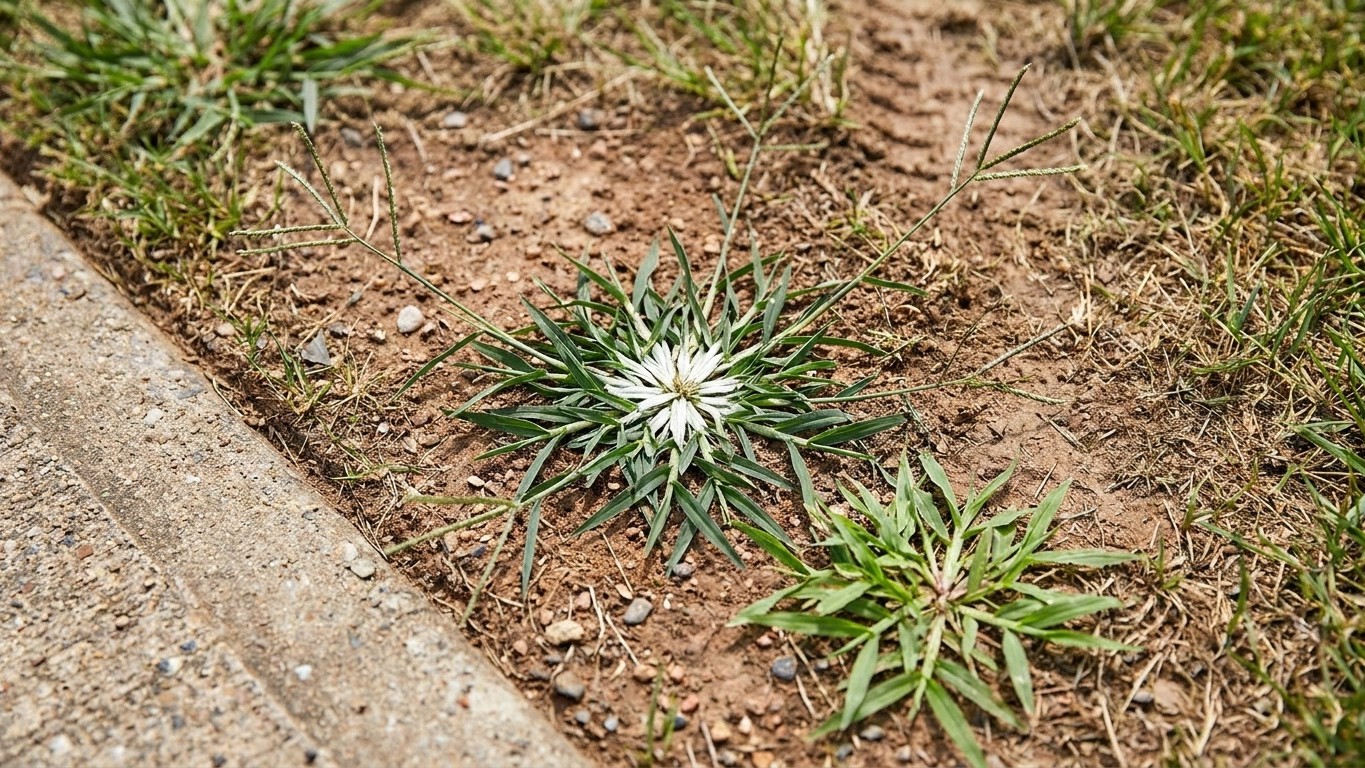
In most of Connecticut, the safe overseeding window runs from early September to no later than mid-to-late September, and it isn’t picked from a calendar…
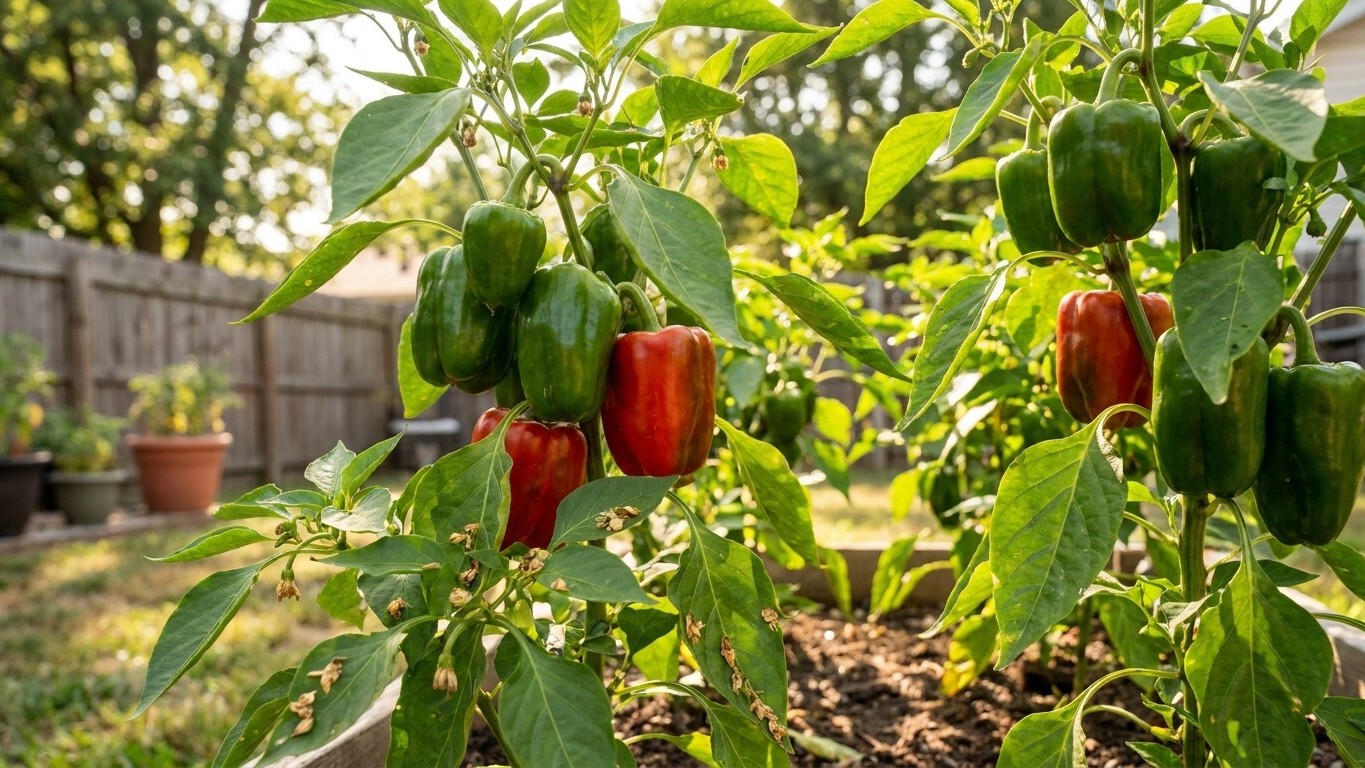
Connecticut gardeners growing peppers mainly deal with five insects documented by UConn Extension: brown marmorated stink bug, Colorado potato beetle…
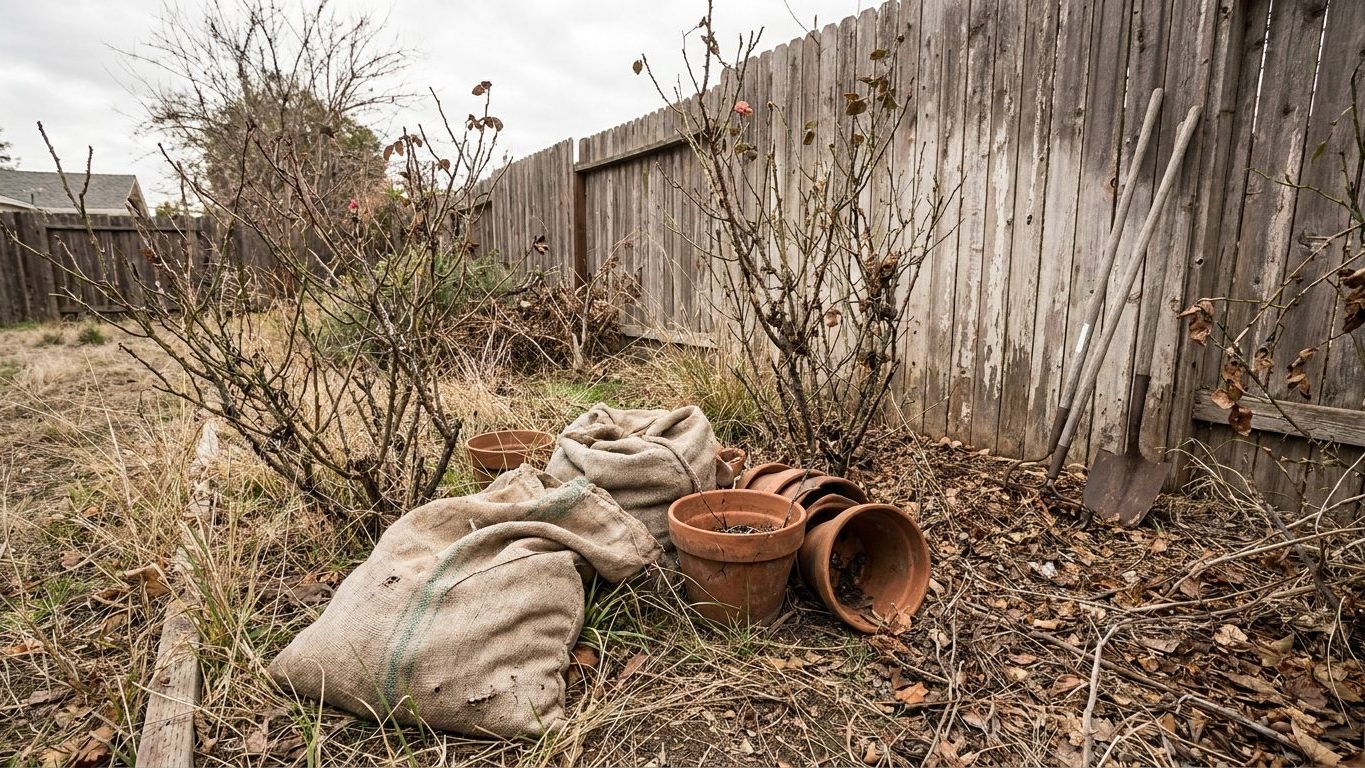
If you garden in Connecticut, the working numbers are simple: expect a last spring frost sometime between April 2 and April 12, and a first fall frost…
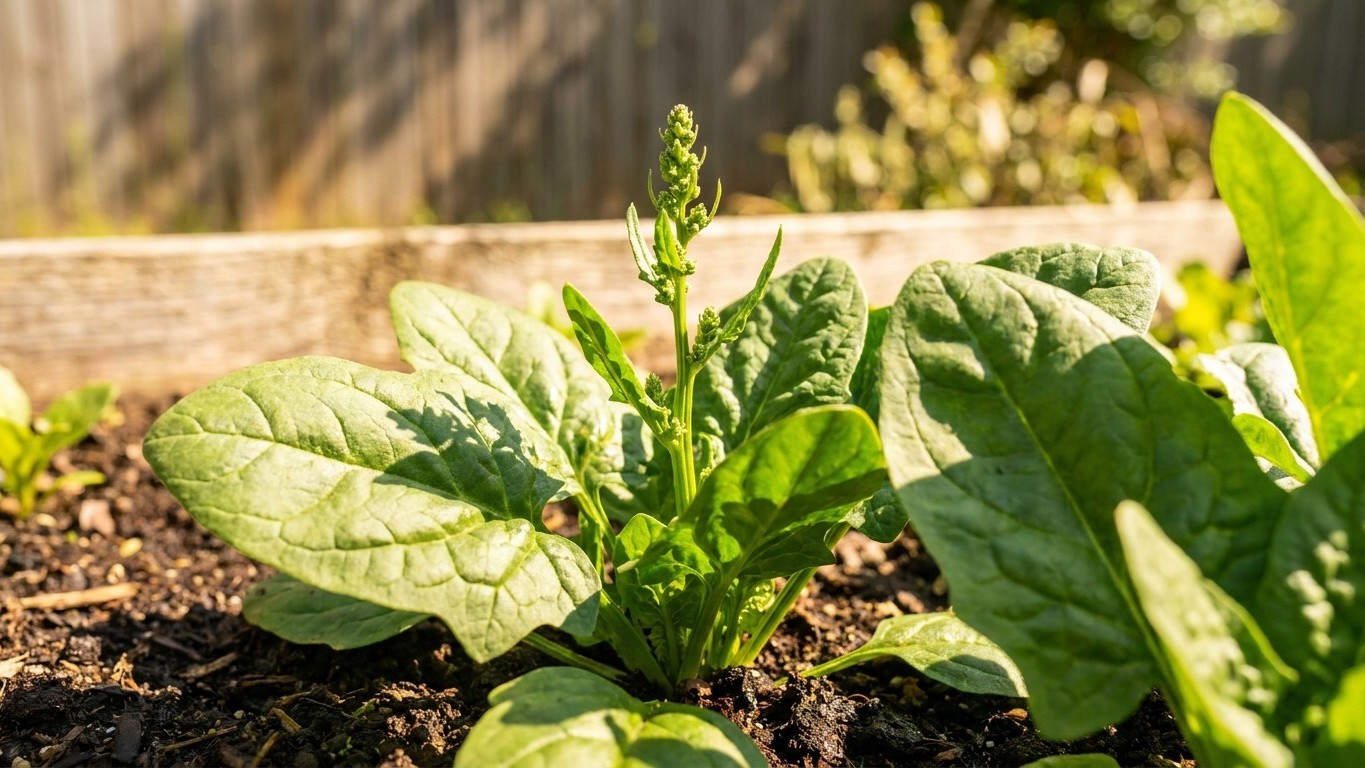
Two insects in Connecticut have any real business on a spinach leaf: cutworms that sever young seedlings near the soil line, and four-lined plant bugs…
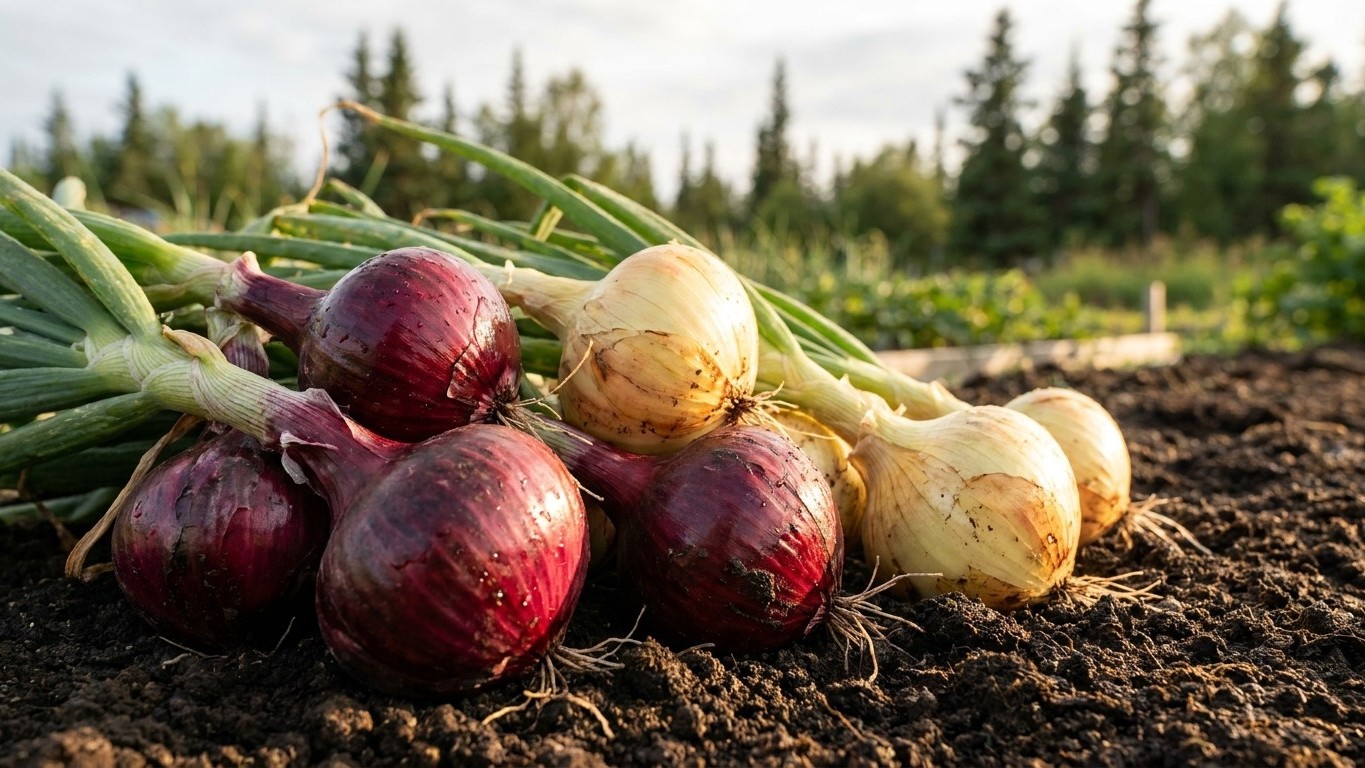
Connecticut gardeners lose onion crops to two insects, not the dozen you might expect from a general pest list: allium leafminer and cutworms.
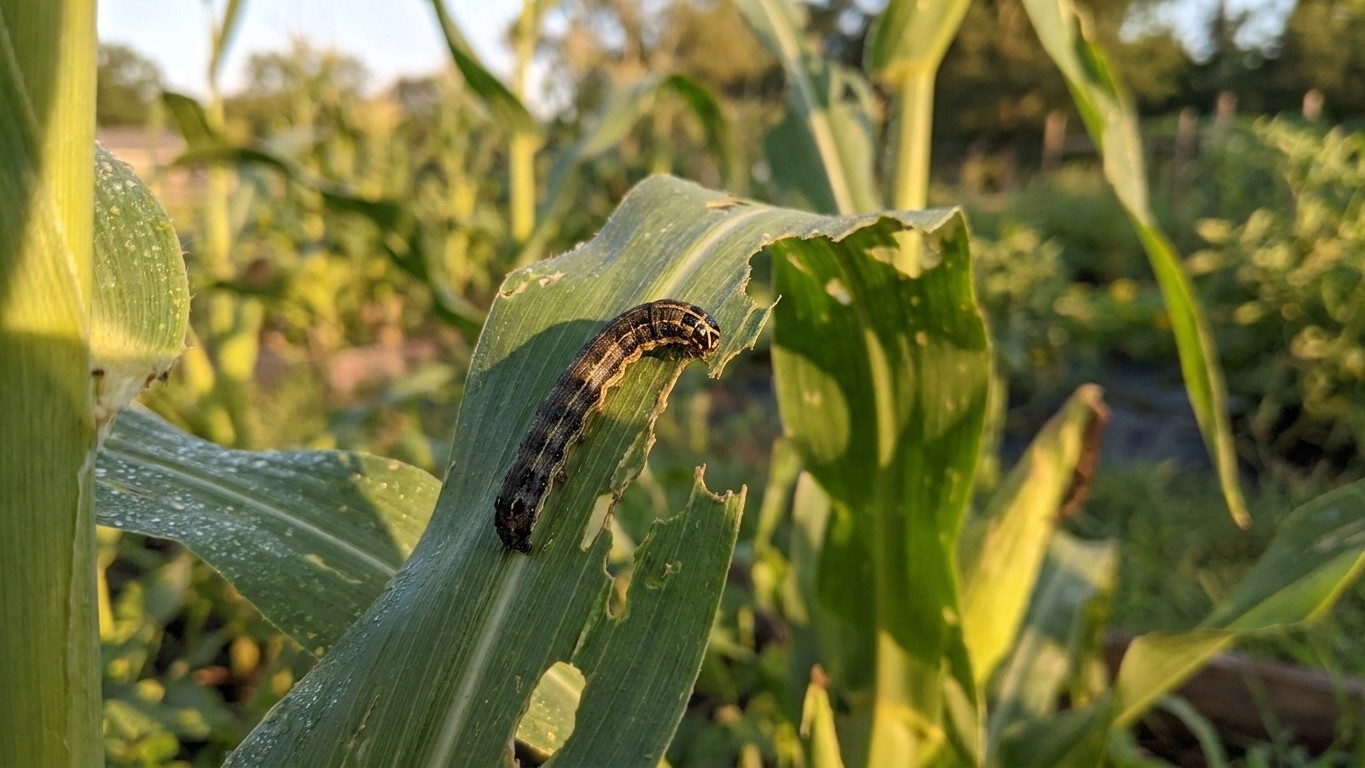
Three of the pests Connecticut’s extension service tracks actually feed on corn: cutworms, which cut down seedlings early in the season; Japanese…
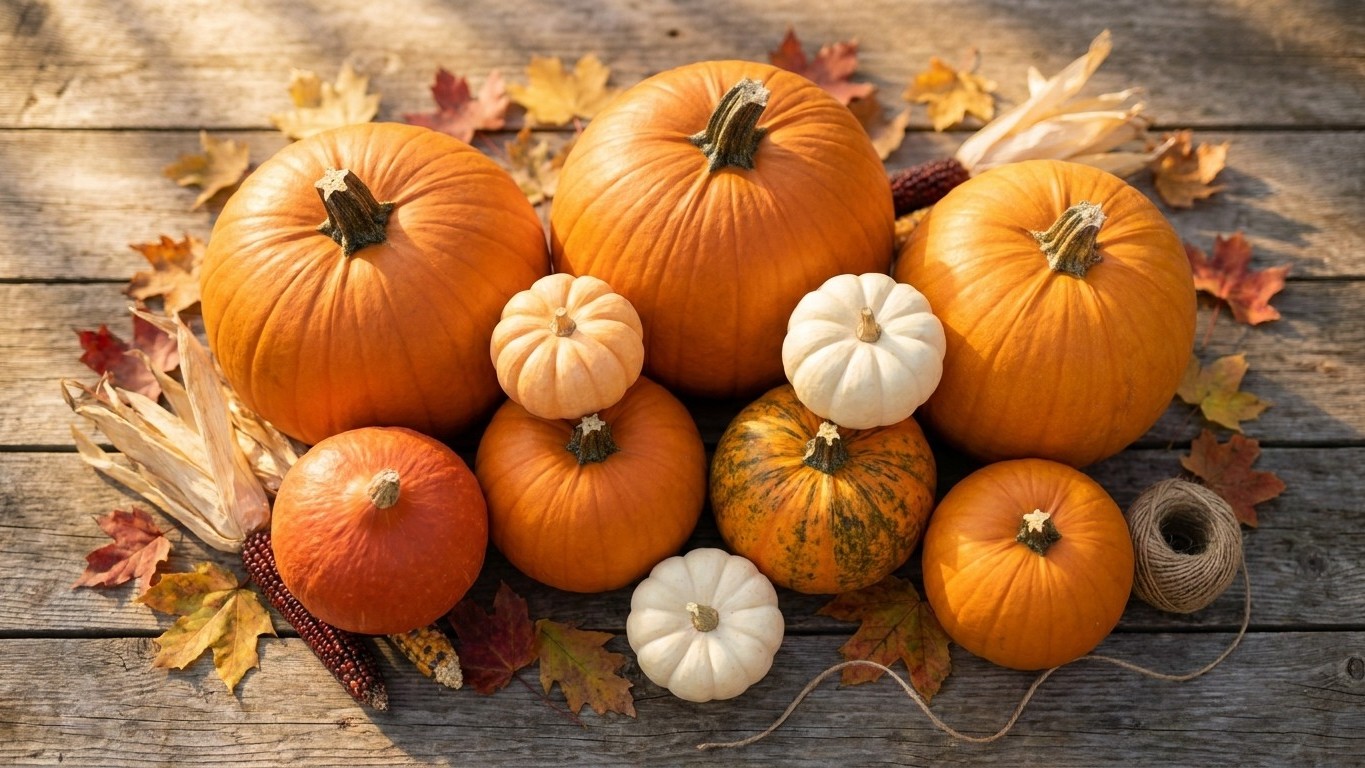
UConn Extension documents ten garden pests for Connecticut, but only a handful actually feed on pumpkin: squash bug, squash vine borer, and striped…
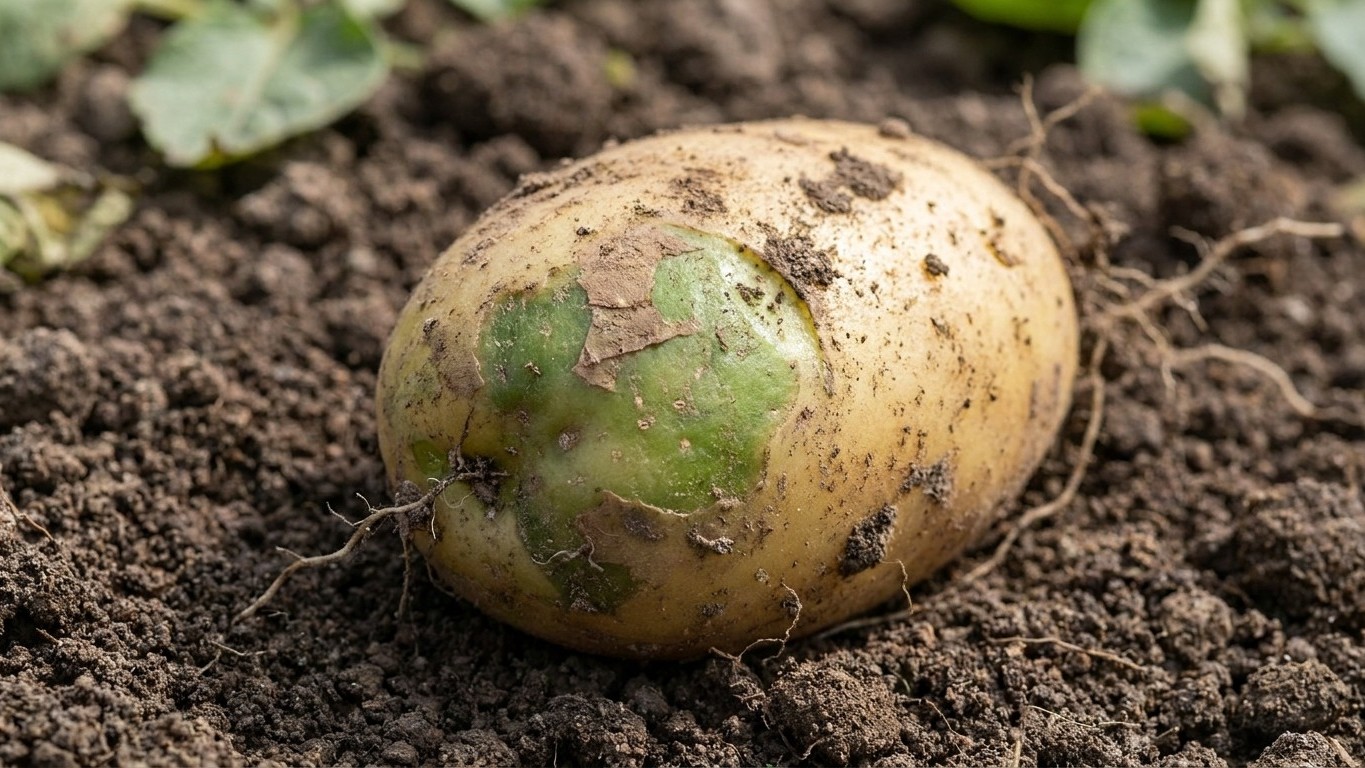
Connecticut gardeners lose potato foliage to a short list of insects that UConn Extension actually documents for the state, not the long roster you’ll…
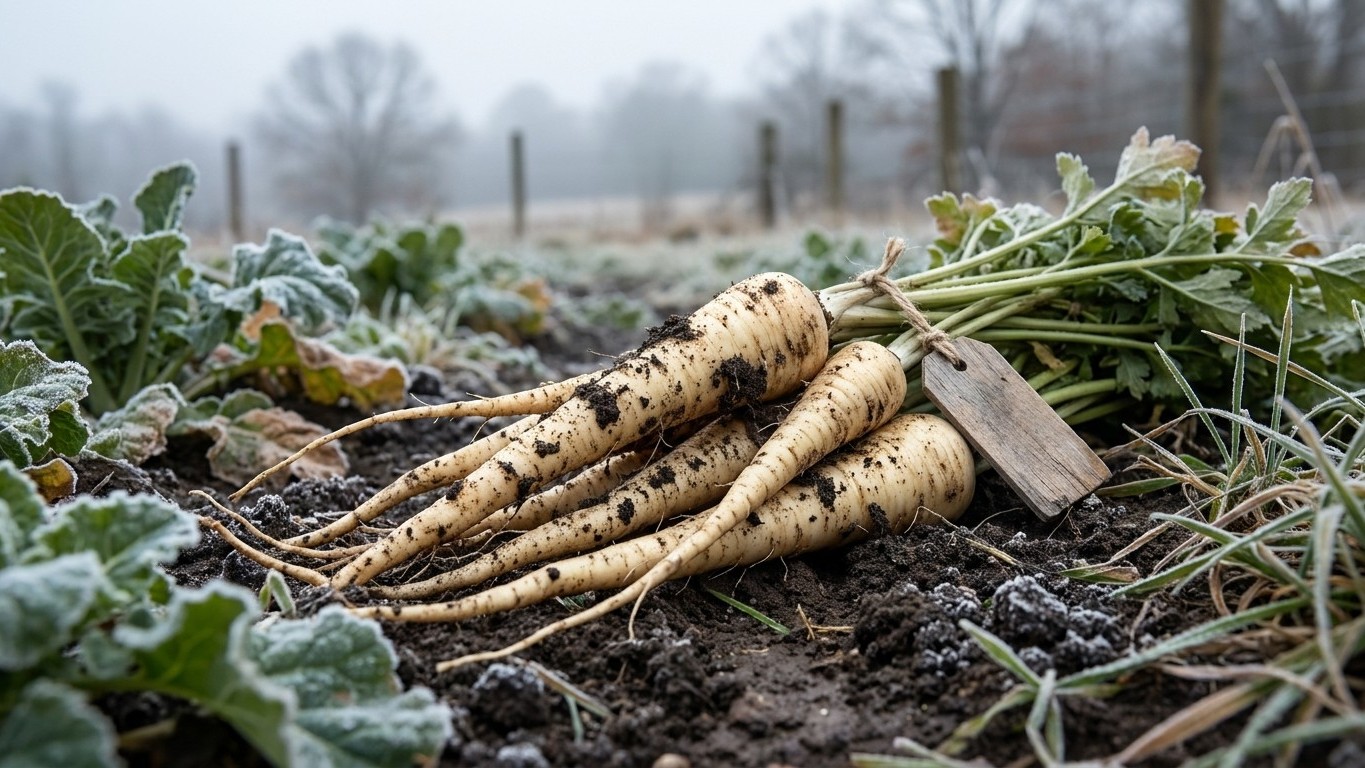
Four of the ten pests that UConn Extension documents in Connecticut vegetable gardens will feed on parsnip foliage or seedlings: brown marmorated stink…