Fourlined plant bug in Connecticut: When It Shows Up and What Stops It
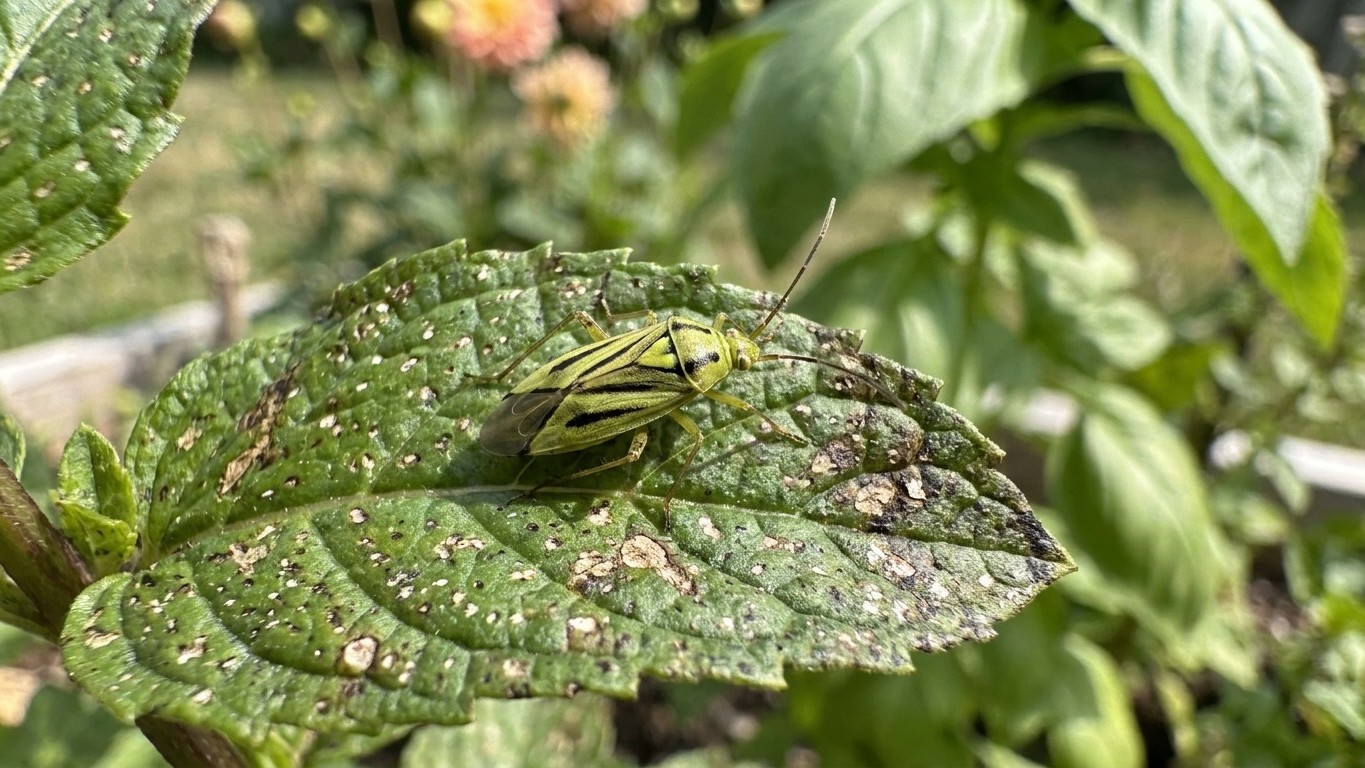
Fourlined plant bug shows up in Connecticut gardens once new growth on mint, basil, and other tender perennials reaches a few inches tall, generally…
Home & garden, state by state
Everything we have worked out for Connecticut: what to plant and when, which varieties finish in time, the pests that actually turn up here, and the jobs that pay off month by month. We also cover the rest of the property, from lawns and soil to home care and energy, because a garden rarely stops at the vegetable bed.
The numbers first, because everything else follows from them. Measured at the weather station in Bridgeport, the last spring freeze runs April 2 to April 12 and the first fall freeze runs October 28 to November 10, USDA zones 6a-7b, 3,314 growing degree days in the year.
Garlic does well: 21.8 weeks below 40 °F, comfortably past the six it needs to form a proper head.
Elsewhere on the property in Connecticut: the pests that turn up here.
Figures from NOAA's 1991-2020 climate normals. A state is not one climate: elevation, a large lake or the coast can move these dates by two weeks either way, so check your own county with the extension service before you spend money.
Fourlined plant bug shows up in Connecticut gardens once new growth on mint, basil, and other tender perennials reaches a few inches tall, generally…
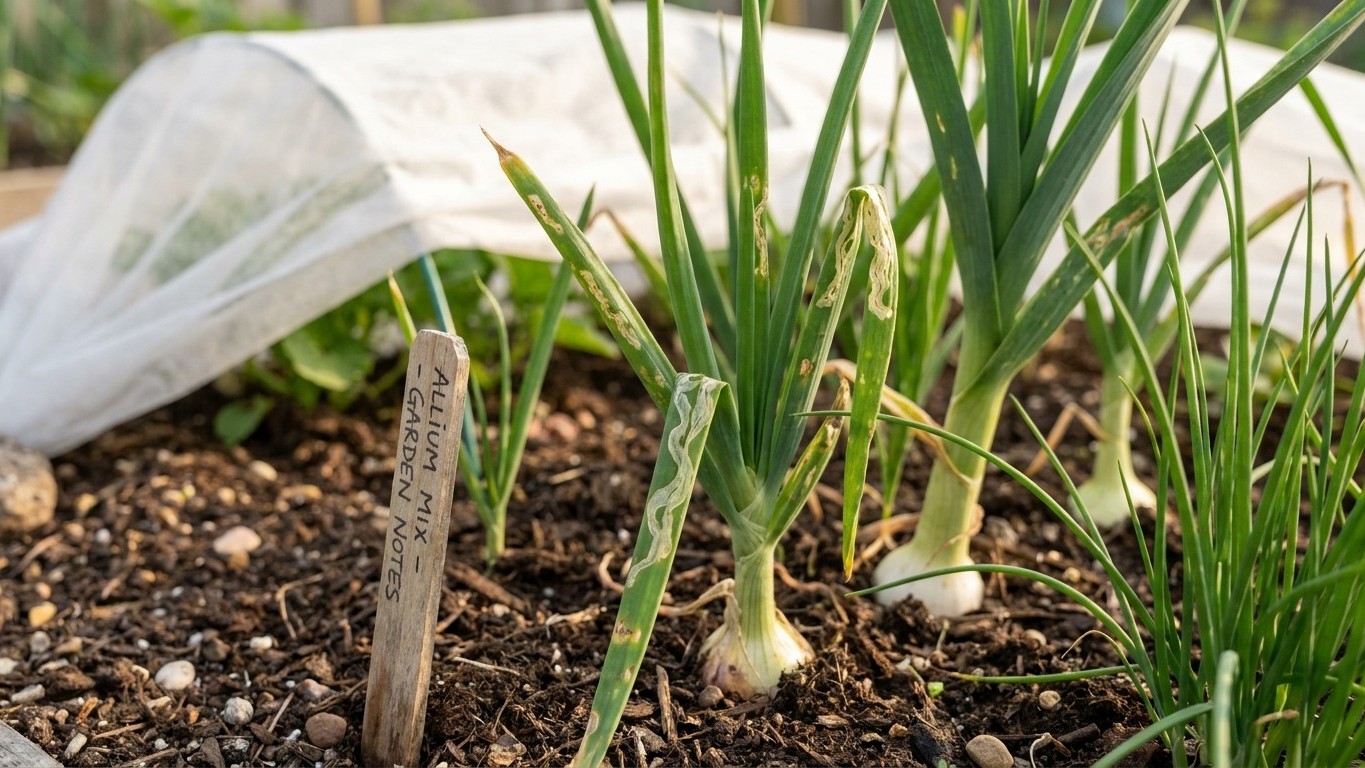
Allium leafminer shows up in Connecticut in two separate waves tied to spring warmth and fall cooling, not to a fixed date on the calendar.

Cross Connecticut’s USDA hardiness range against the 65 landscape plants tracked on this site, and the news is good: 62 species survive the winter…
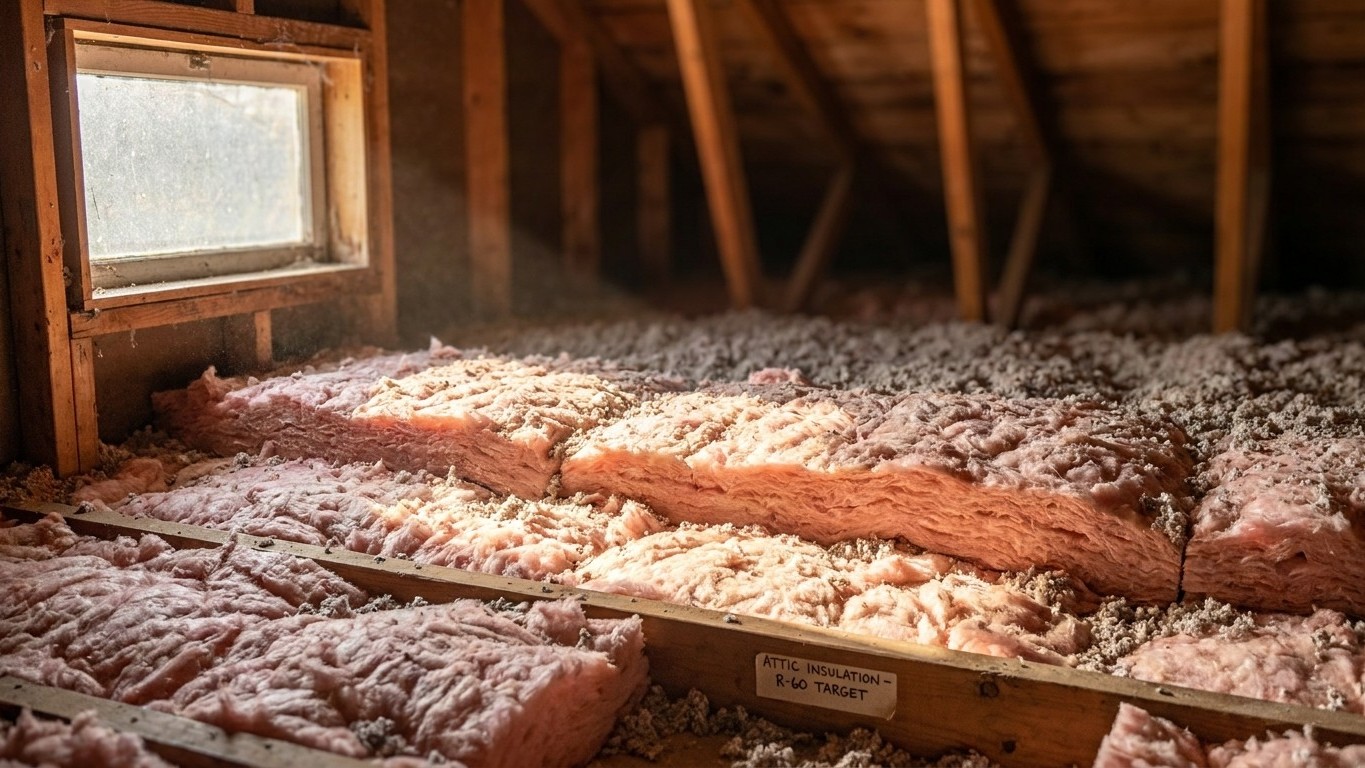
Connecticut sits entirely in IECC climate zone 5A, so there’s no county-by-county guessing here.

Connecticut homes typically switch the furnace or boiler off sometime in spring and don’t call for the air conditioner in earnest until early summer.
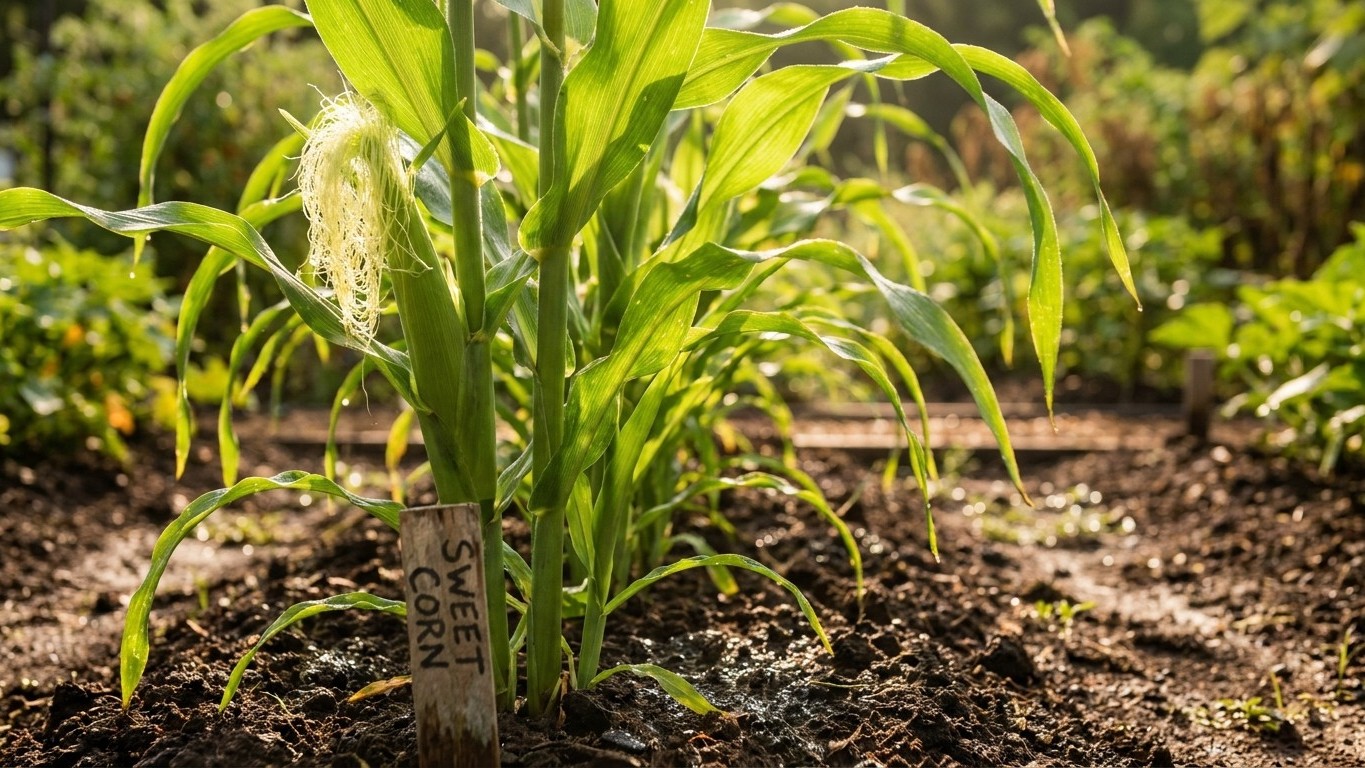
Yes, sweet corn ripens reliably in Connecticut in most years, but the timing depends on soil temperature more than on the calendar frost date.
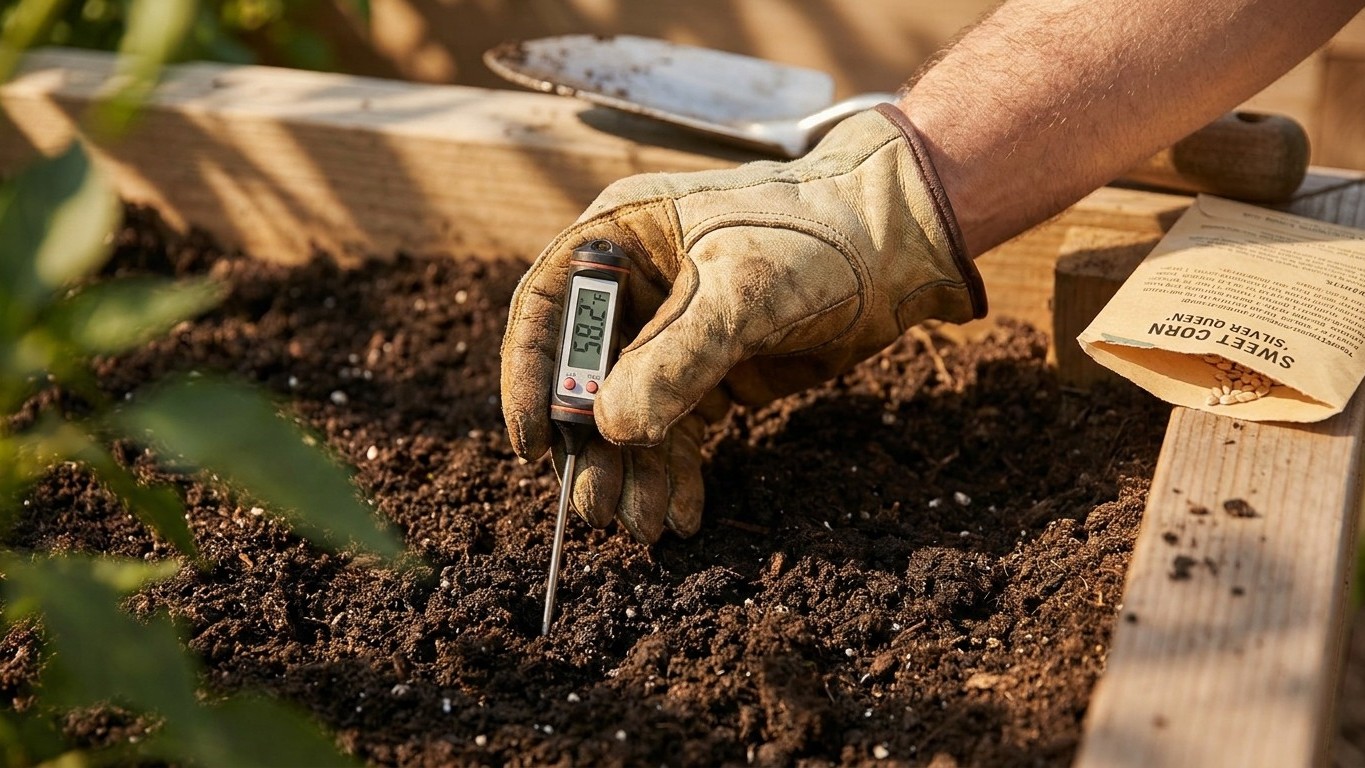
Sweet corn in Connecticut goes in the ground once the soil itself reads at least 60 F, and that threshold lands well after the last spring frost, not on…
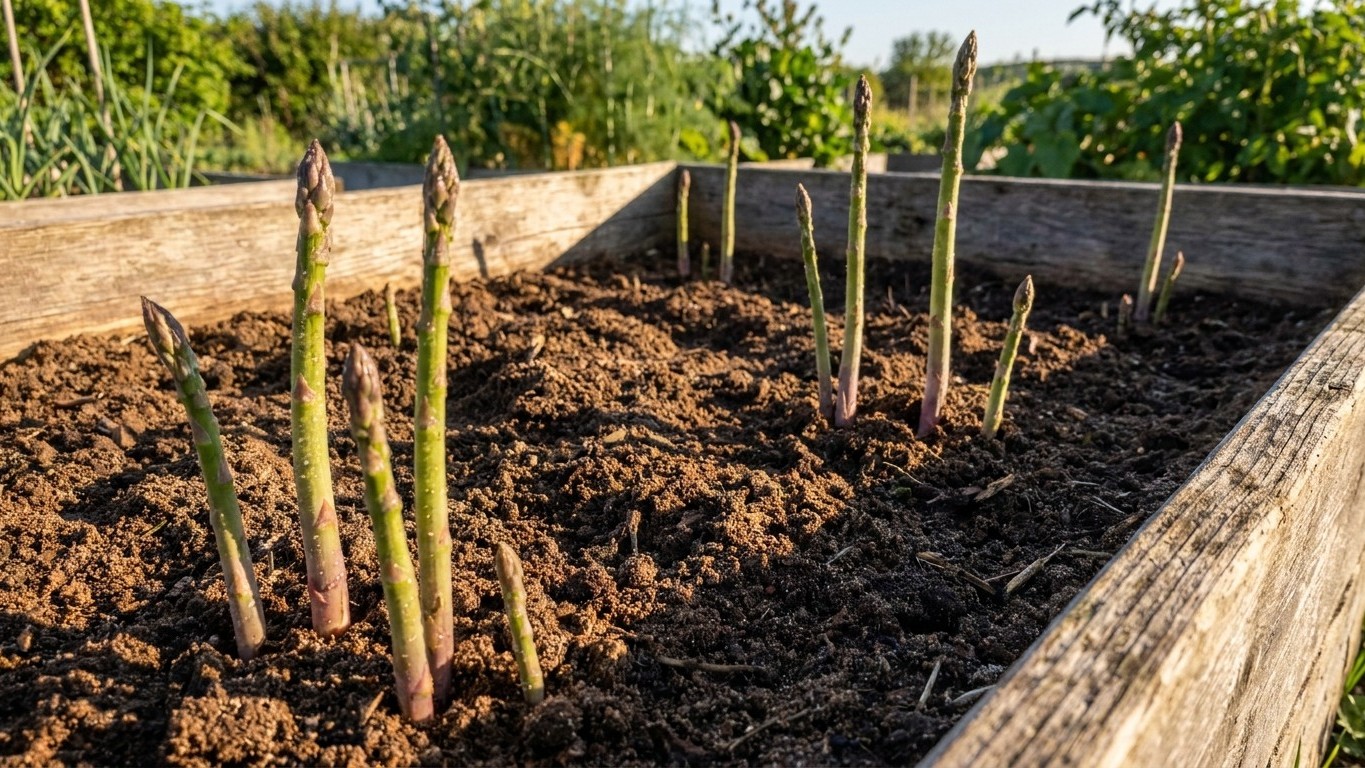
Yes, mostly. The Windsor series, the soil USDA lists as representative of Connecticut, is officially “excessively drained” sandy ground, and the only…
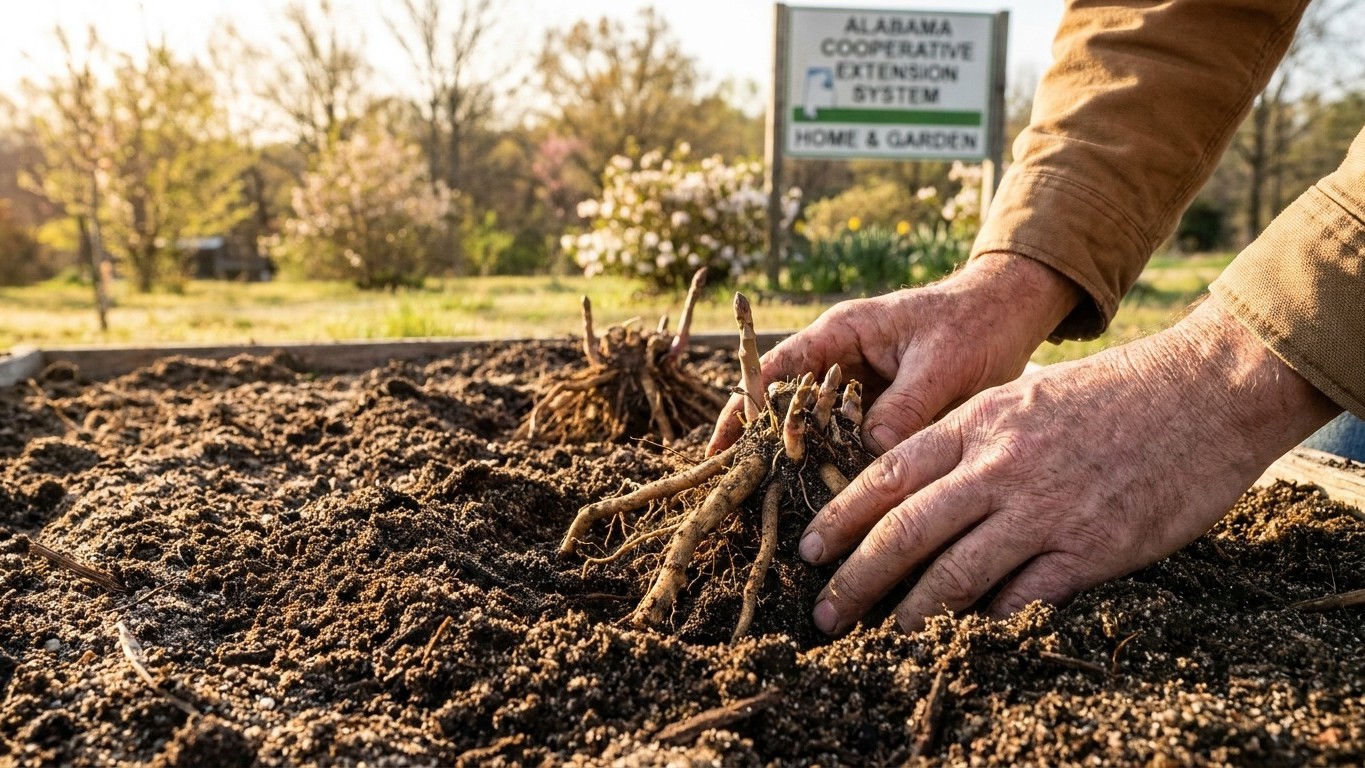
Plant asparagus crowns in Connecticut in early spring, once the ground has thawed and can be worked, timed to the region’s last-frost window rather than…
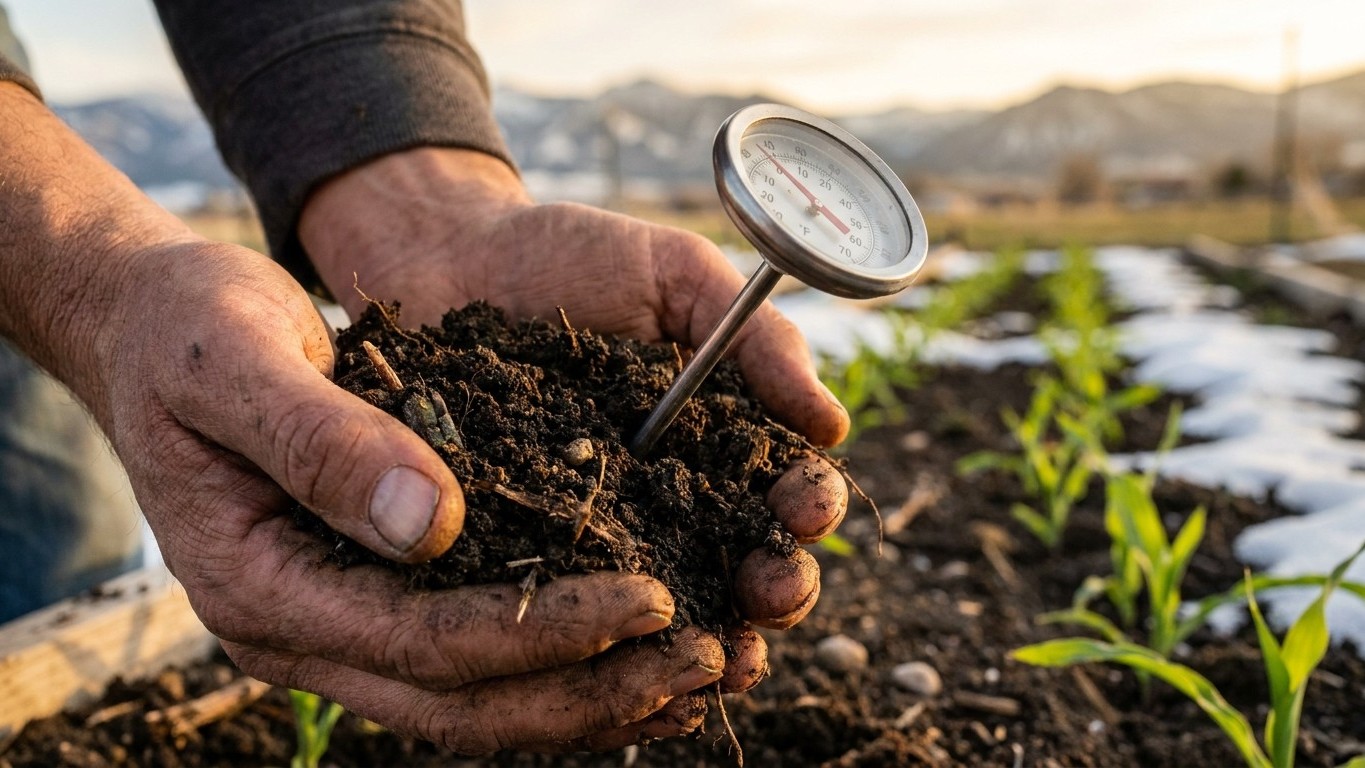
Yes, but the timing is closer than the frost dates suggest. Connecticut sweet corn ripens when growers respect two separate calendars: one for warming…