Skip to content

The Homestead Post

Home & garden, state by state

  • Home
  • Garden
    • Flowers
    • Lawn
    • Soil & Compost
    • Trees & Shrubs
    • Vegetables
  • Home Care
    • Electrical
    • Foundations
    • HVAC
    • Plumbing
    • Roofing
  • Energy
    • Heating & Cooling
    • Insulation
    • Rebates & Credits
    • Solar
  • Pests
    • Ants
    • Mosquitoes
    • Rodents
    • Termites
    • Ticks
  • Decor
    • Bedrooms
    • Kitchens
    • Living Rooms
    • Outdoor Spaces
  • DIY
    • Repairs
    • Tools
    • Weekend Projects
  • State Guides
    • Northeast
      • Connecticut
      • Maine
      • Massachusetts
      • New Hampshire
      • New Jersey
      • New York
      • Pennsylvania
      • Rhode Island
      • Vermont
    • Southeast
      • Alabama
      • Arkansas
      • Delaware
      • Florida
      • Georgia
      • Kentucky
      • Louisiana
      • Maryland
      • Mississippi
      • North Carolina
      • South Carolina
      • Tennessee
      • Virginia
      • West Virginia
    • Midwest
      • Illinois
      • Indiana
      • Iowa
      • Kansas
      • Michigan
      • Minnesota
      • Missouri
      • Nebraska
      • North Dakota
      • Ohio
      • South Dakota
      • Wisconsin
    • Southwest
      • Arizona
      • New Mexico
      • Oklahoma
      • Texas
    • West
      • Alaska
      • California
      • Colorado
      • Hawaii
      • Idaho
      • Montana
      • Nevada
      • Utah
      • Wyoming
    • Pacific Northwest
      • Oregon
      • Washington
    • Canada
      • Alberta
      • British Columbia
      • Manitoba
      • New Brunswick
      • Newfoundland and Labrador
      • Northwest Territories
      • Nova Scotia
      • Nunavut
      • Ontario
      • Prince Edward Island
      • Quebec
      • Saskatchewan
      • Yukon

Mineral Wool: What It Does That Fiberglass Does Not
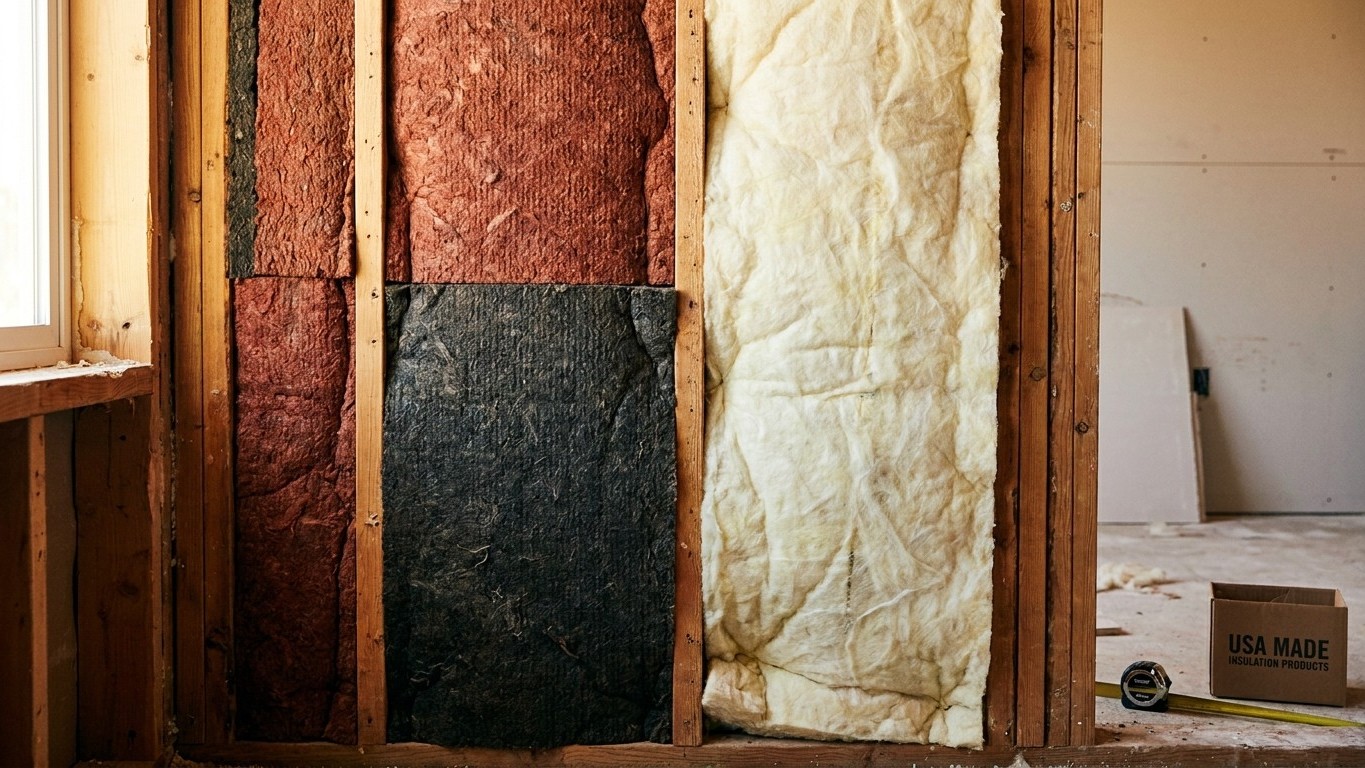
Mineral Wool: What It Does That Fiberglass Does Not

Mineral wool costs more than fiberglass for the same R-value, and homeowners often assume that gap is just marketing. It is not.
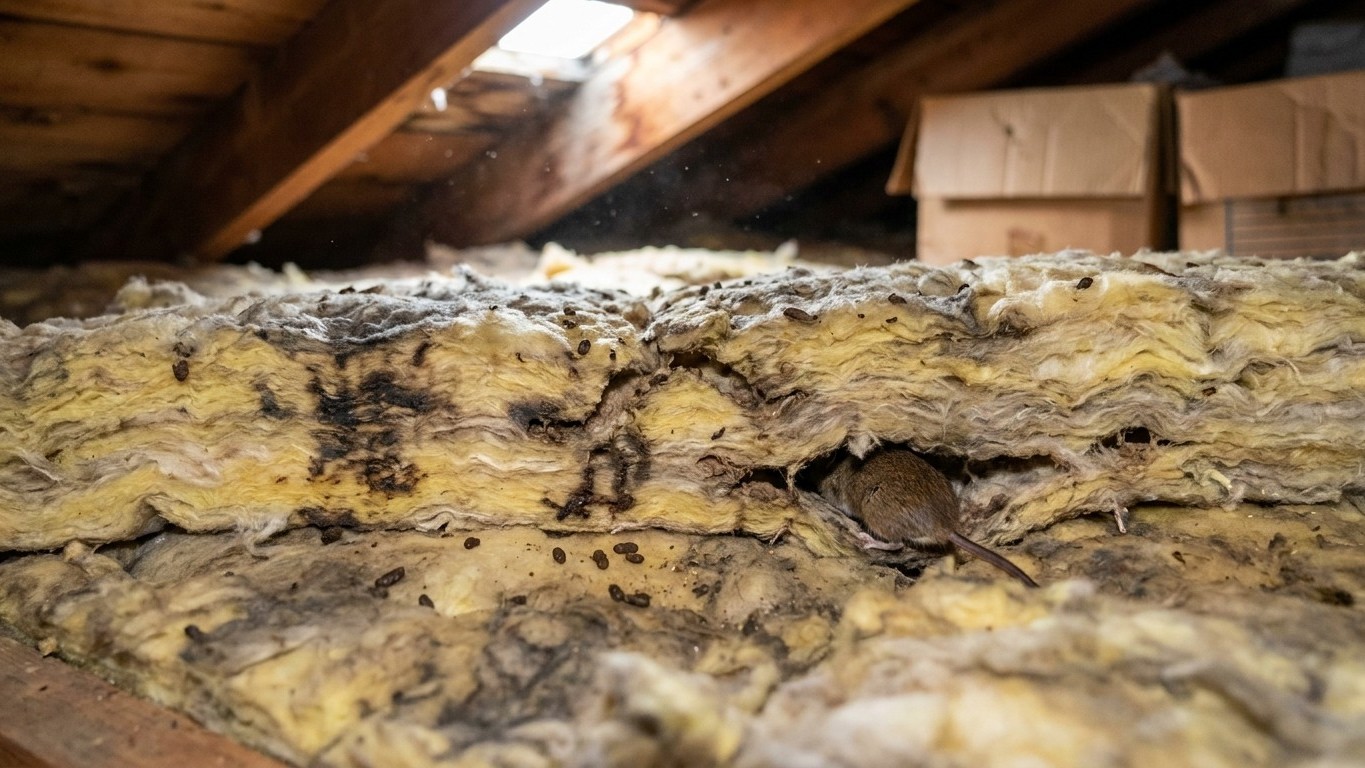
When Something Is Living in Your Insulation

When Something Is Living in Your Insulation

Mice, rats, squirrels, and sometimes roaches or carpenter ants treat insulation as prime real estate: it’s warm, undisturbed, and soft enough to tunnel…
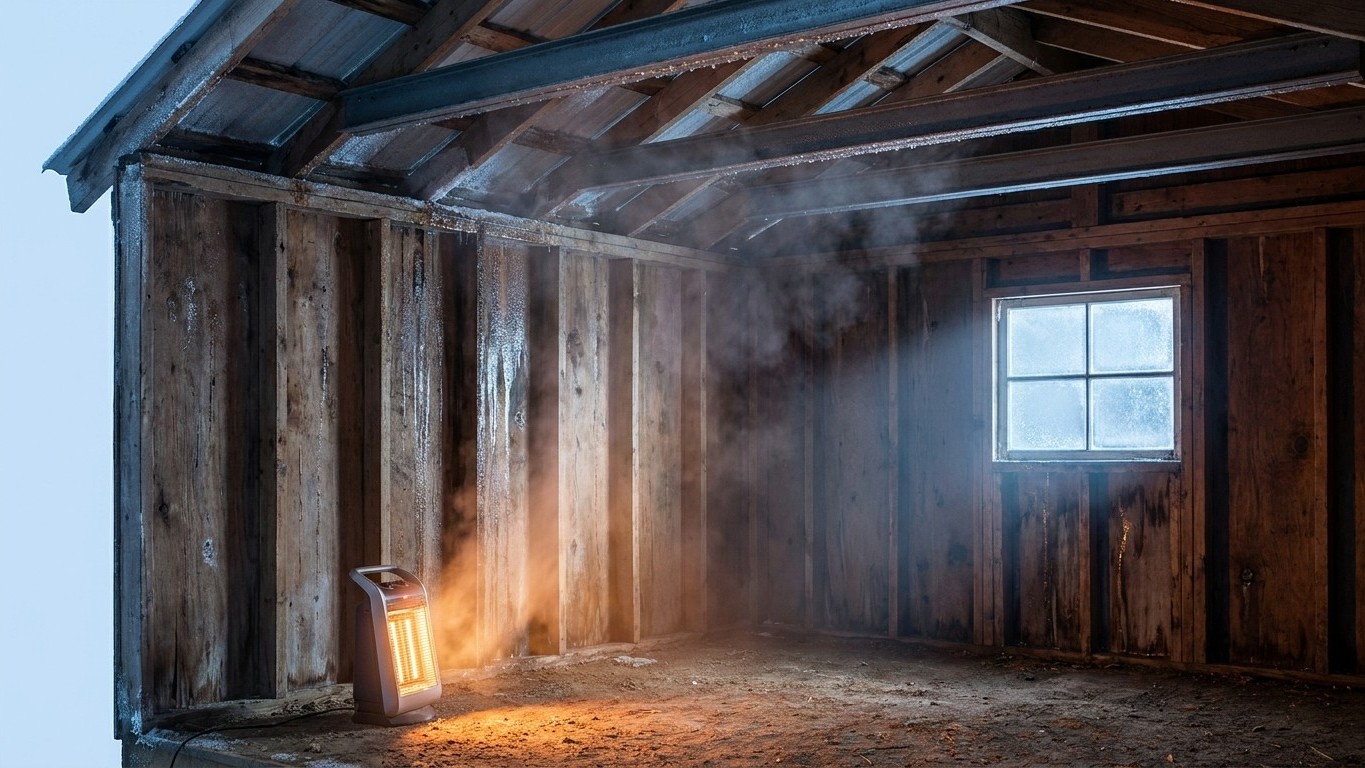
Insulating a Shed or Workshop You Only Heat Sometimes

Insulating a Shed or Workshop You Only Heat Sometimes

A shed or workshop that only gets heated when you’re working in it faces a moisture problem that a full-time heated house never sees.
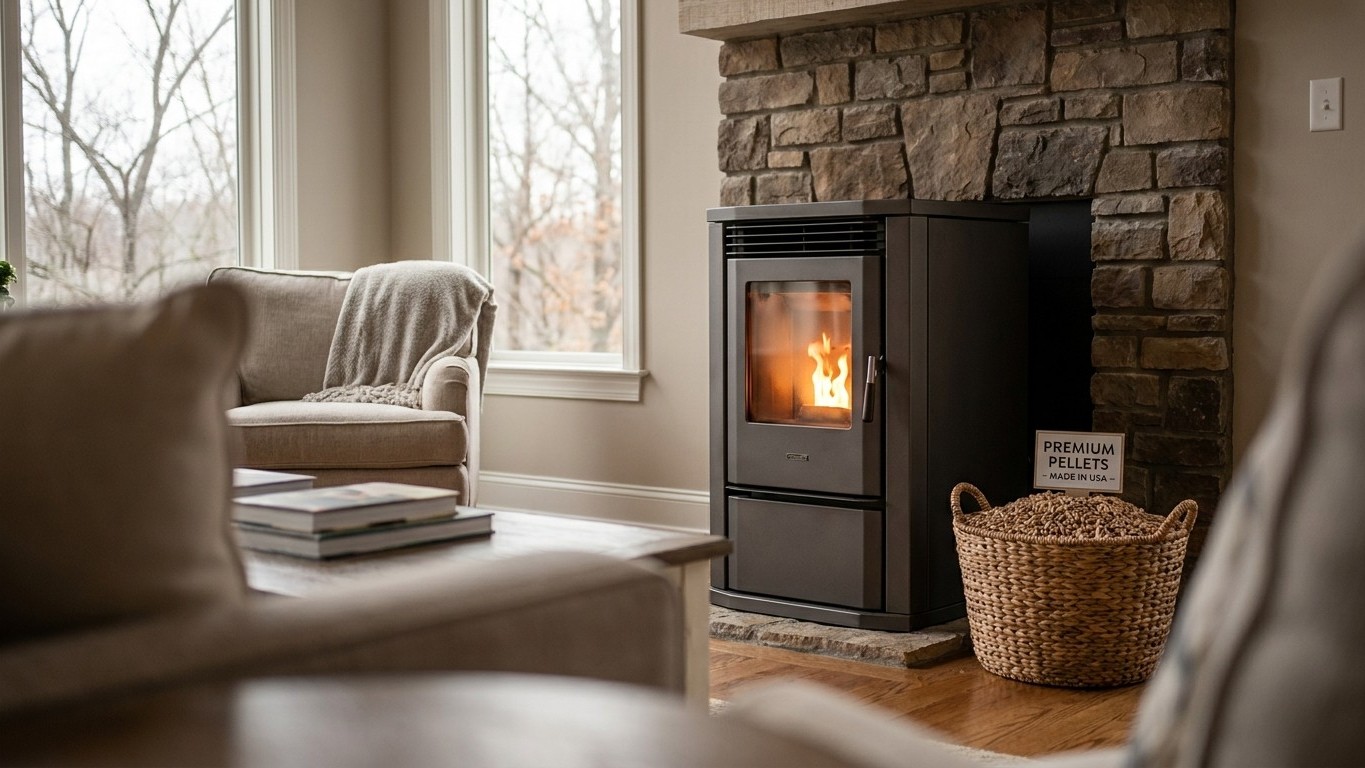
Heating With Pellets in Yukon: What a Winter Takes

Heating With Pellets in Yukon: What a Winter Takes

Whitehorse racks up about 6,584 heating degree days a year below 18°C, and the heating season here never really closes.
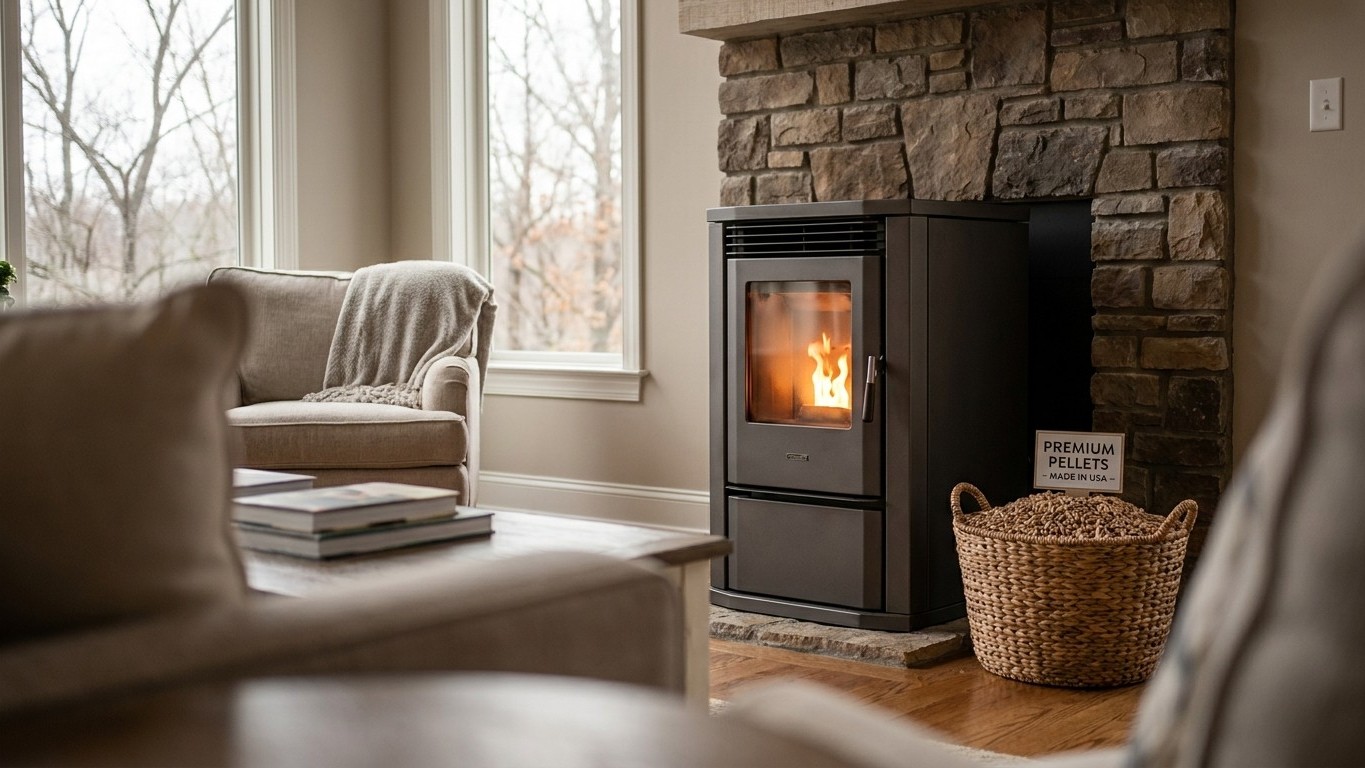
Heating With Pellets in Wyoming: What a Winter Takes

Heating With Pellets in Wyoming: What a Winter Takes

A pellet stove in Wyoming isn’t decoration. With roughly 6,959 heating degree days a year at the Cheyenne reference station, this is one of the coldest…
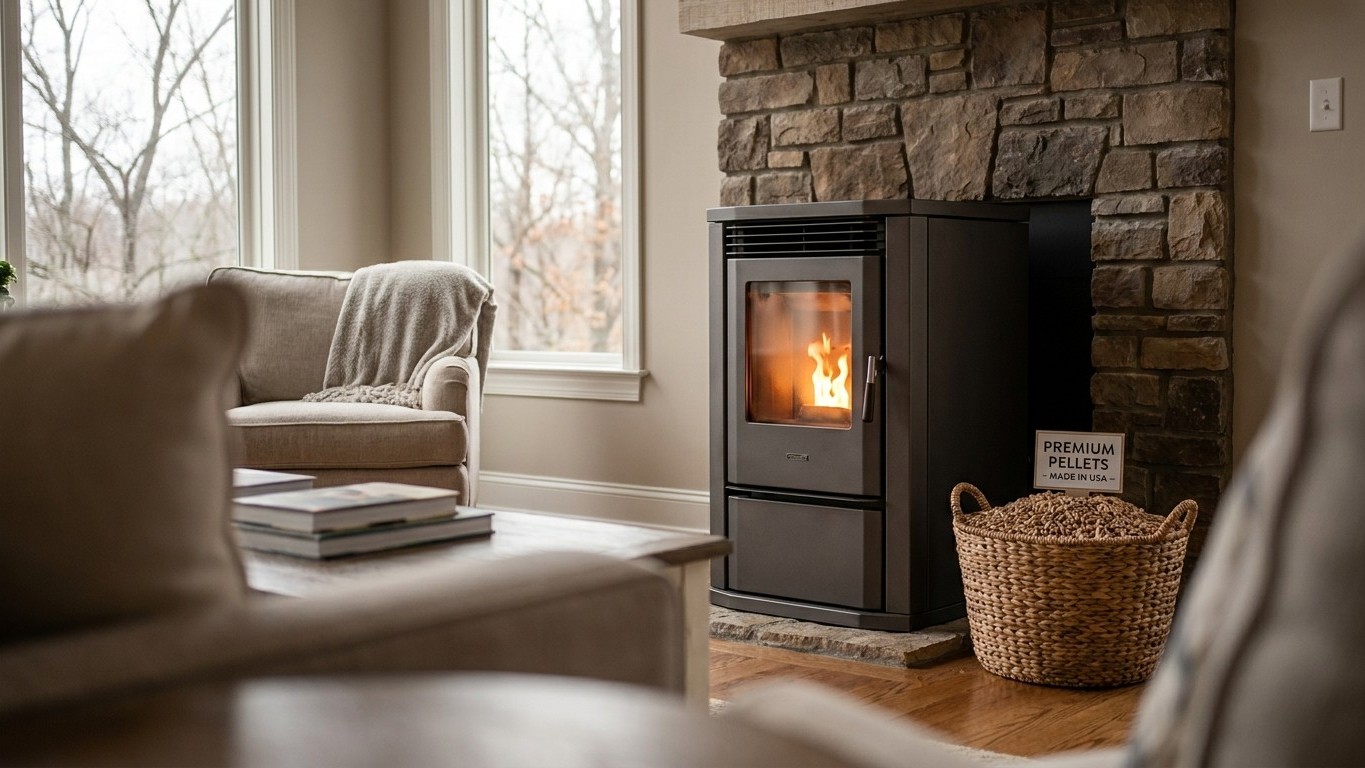
Heating With Pellets in Wisconsin: What a Winter Takes

Heating With Pellets in Wisconsin: What a Winter Takes

Milwaukee’s reference station logs about 6,450 heating degree days a year, one of the coldest tallies in the Midwest, spread across a heating season that…
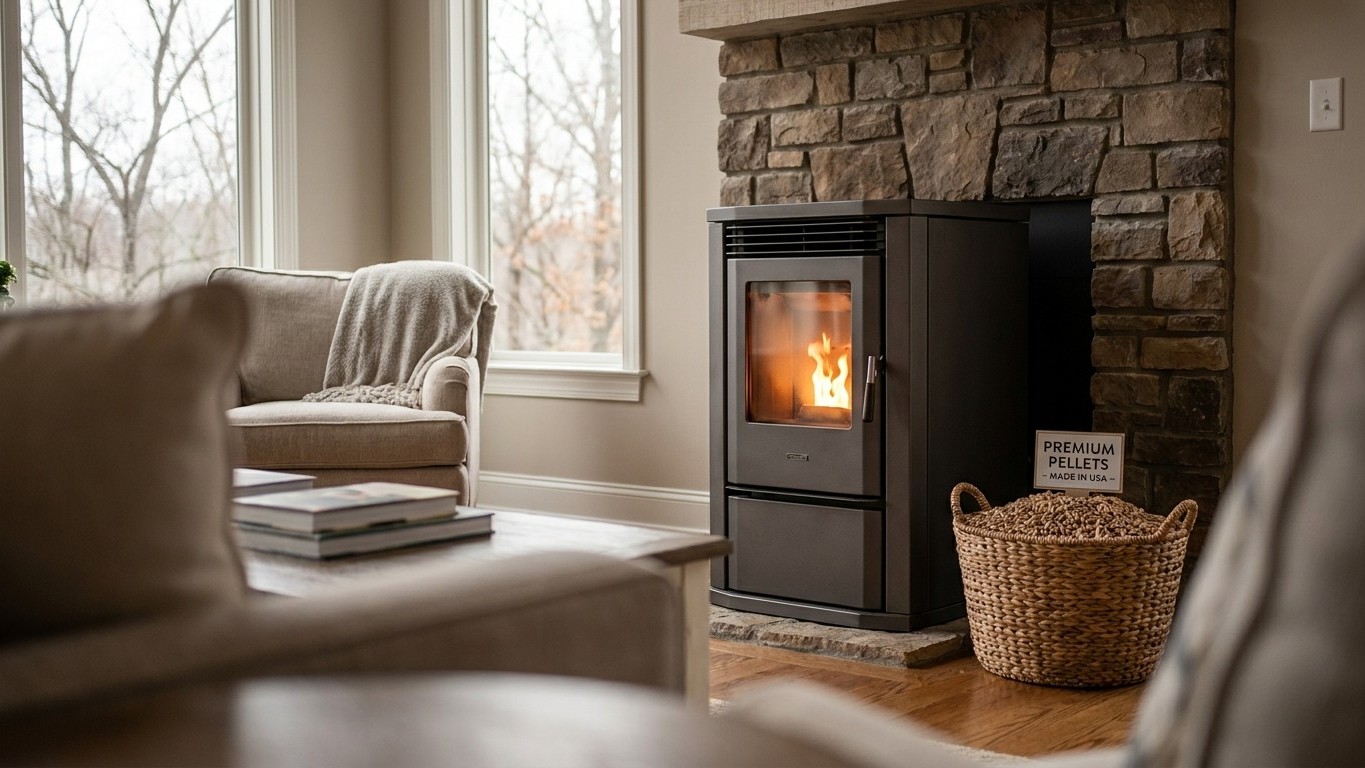
Heating With Pellets in West Virginia: What a Winter Takes

Heating With Pellets in West Virginia: What a Winter Takes

Charleston, West Virginia averages about 4,353 heating degree days a year, and that single number tells most of the story: a pellet stove here isn’t a…
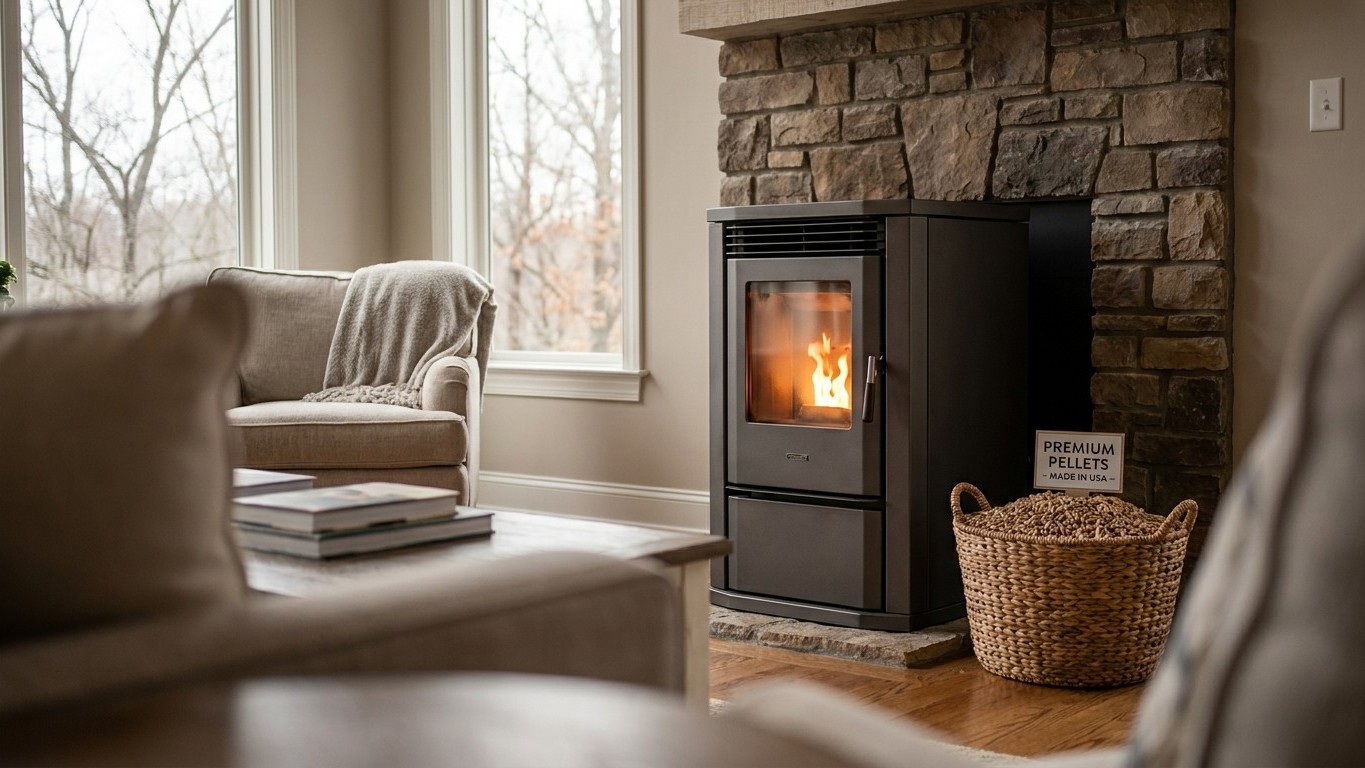
Heating With Pellets in Washington: What a Winter Takes

Heating With Pellets in Washington: What a Winter Takes

A winter in western Washington runs long before it runs brutal. Around Seattle, heating degree days land near 4,376 a year, a moderate load stretched…
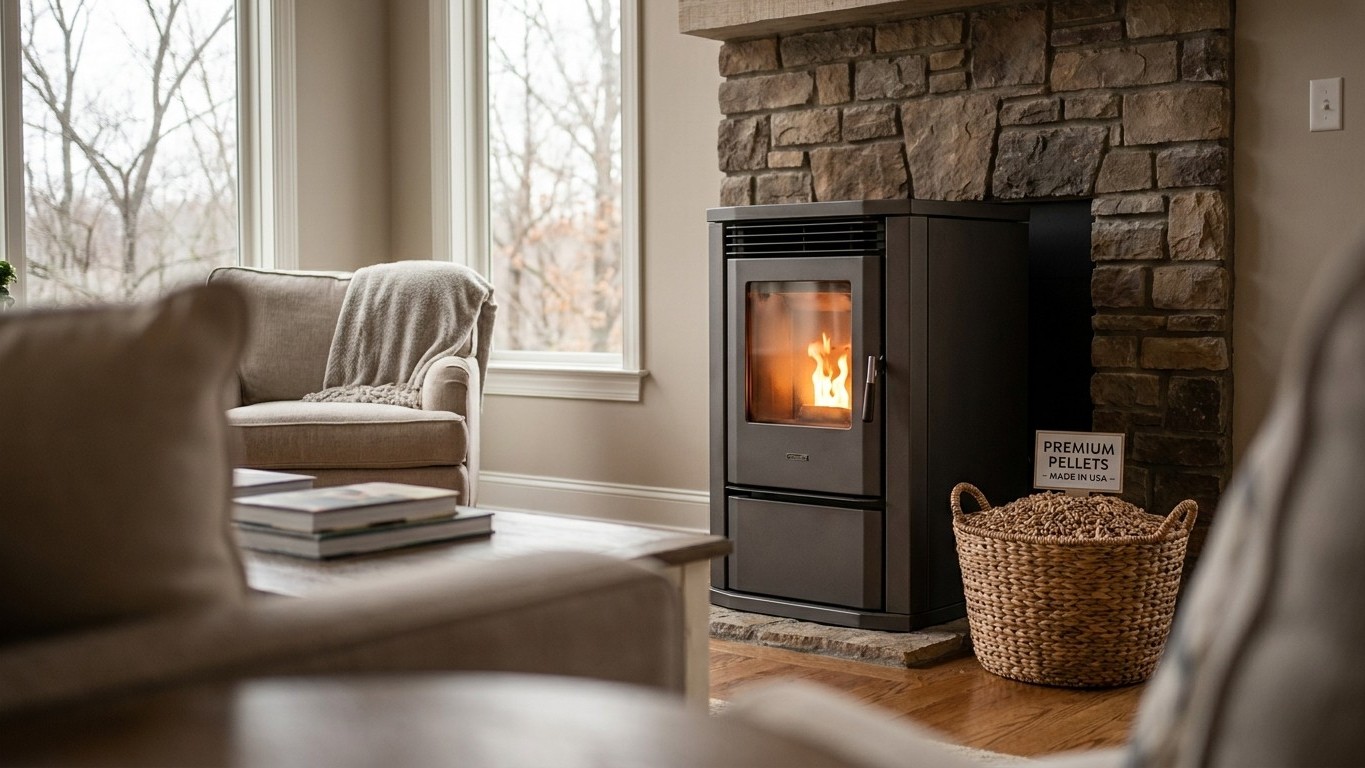
Heating With Pellets in Virginia: What a Winter Takes

Heating With Pellets in Virginia: What a Winter Takes

A pellet stove in Virginia is answering to about 3,424 heating degree days a year and a heating season that runs roughly seven months, from October…
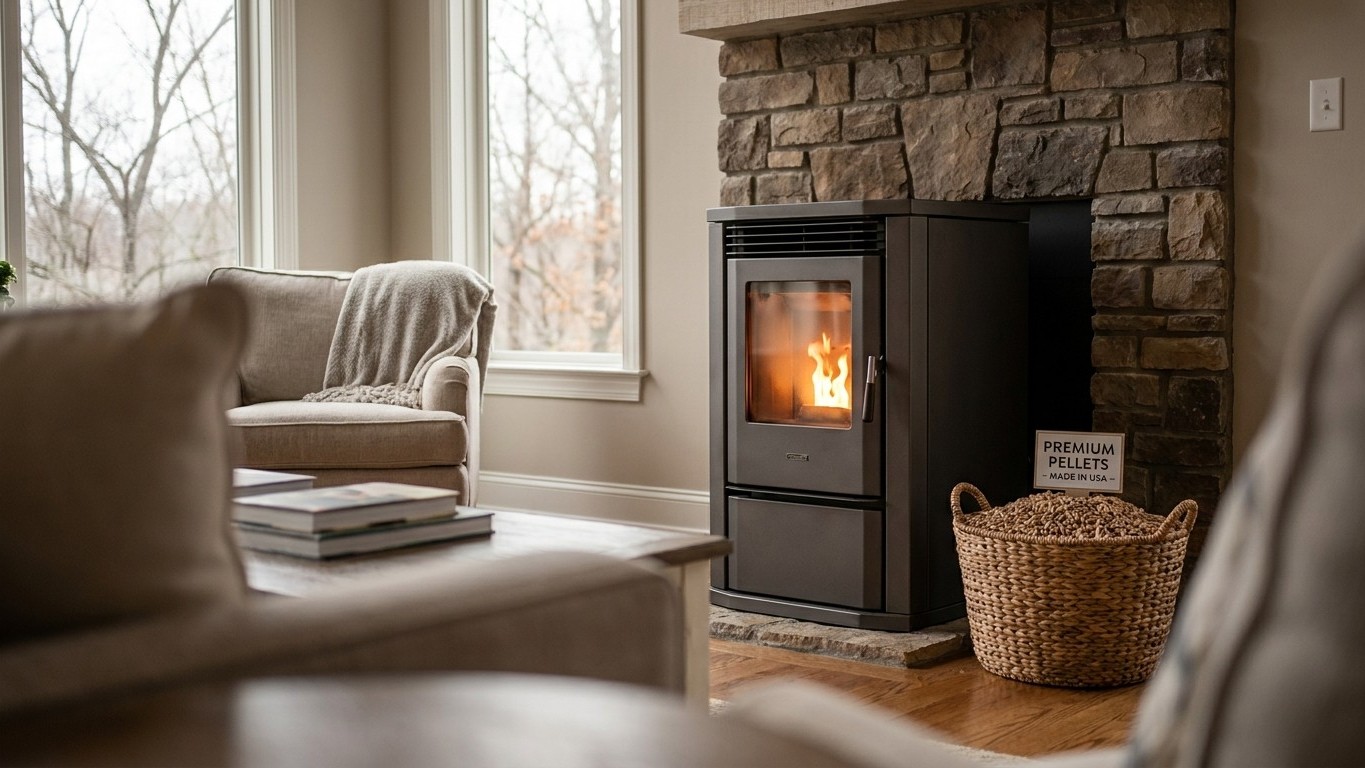
Heating With Pellets in Vermont: What a Winter Takes

Heating With Pellets in Vermont: What a Winter Takes

In Burlington, Vermont, winters run up about 6,960 heating degree days a year, one of the coldest tallies in the Northeast.

Older posts
Newer posts
← Previous Page1 … Page24 Page25 Page26 … Page93 Next →

The Homestead Post

Home and garden advice with the numbers attached — written for your climate, your season and your local rules.

Sections

  • Garden
  • Home Care
  • Energy
  • Pests
  • Decor
  • DIY

Popular states

  • California
  • Texas
  • Florida
  • New York
  • Pennsylvania
  • Ohio
  • Georgia
  • North Carolina
  • All states →

The Post

  • About us
  • Contact
  • Editorial guidelines
  • Affiliate disclosure
  • Privacy policy
  • Terms of use
© 2026 The Homestead Post·Home & garden, state by state