Skip to content

The Homestead Post

Home & garden, state by state

  • Home
  • Garden
    • Flowers
    • Lawn
    • Soil & Compost
    • Trees & Shrubs
    • Vegetables
  • Home Care
    • Electrical
    • Foundations
    • HVAC
    • Plumbing
    • Roofing
  • Energy
    • Heating & Cooling
    • Insulation
    • Rebates & Credits
    • Solar
  • Pests
    • Ants
    • Mosquitoes
    • Rodents
    • Termites
    • Ticks
  • Decor
    • Bedrooms
    • Kitchens
    • Living Rooms
    • Outdoor Spaces
  • DIY
    • Repairs
    • Tools
    • Weekend Projects
  • State Guides
    • Northeast
      • Connecticut
      • Maine
      • Massachusetts
      • New Hampshire
      • New Jersey
      • New York
      • Pennsylvania
      • Rhode Island
      • Vermont
    • Southeast
      • Alabama
      • Arkansas
      • Delaware
      • Florida
      • Georgia
      • Kentucky
      • Louisiana
      • Maryland
      • Mississippi
      • North Carolina
      • South Carolina
      • Tennessee
      • Virginia
      • West Virginia
    • Midwest
      • Illinois
      • Indiana
      • Iowa
      • Kansas
      • Michigan
      • Minnesota
      • Missouri
      • Nebraska
      • North Dakota
      • Ohio
      • South Dakota
      • Wisconsin
    • Southwest
      • Arizona
      • New Mexico
      • Oklahoma
      • Texas
    • West
      • Alaska
      • California
      • Colorado
      • Hawaii
      • Idaho
      • Montana
      • Nevada
      • Utah
      • Wyoming
    • Pacific Northwest
      • Oregon
      • Washington
    • Canada
      • Alberta
      • British Columbia
      • Manitoba
      • New Brunswick
      • Newfoundland and Labrador
      • Northwest Territories
      • Nova Scotia
      • Nunavut
      • Ontario
      • Prince Edward Island
      • Quebec
      • Saskatchewan
      • Yukon

The Frozen Pipe That Stops a Boiler in a Cold Snap
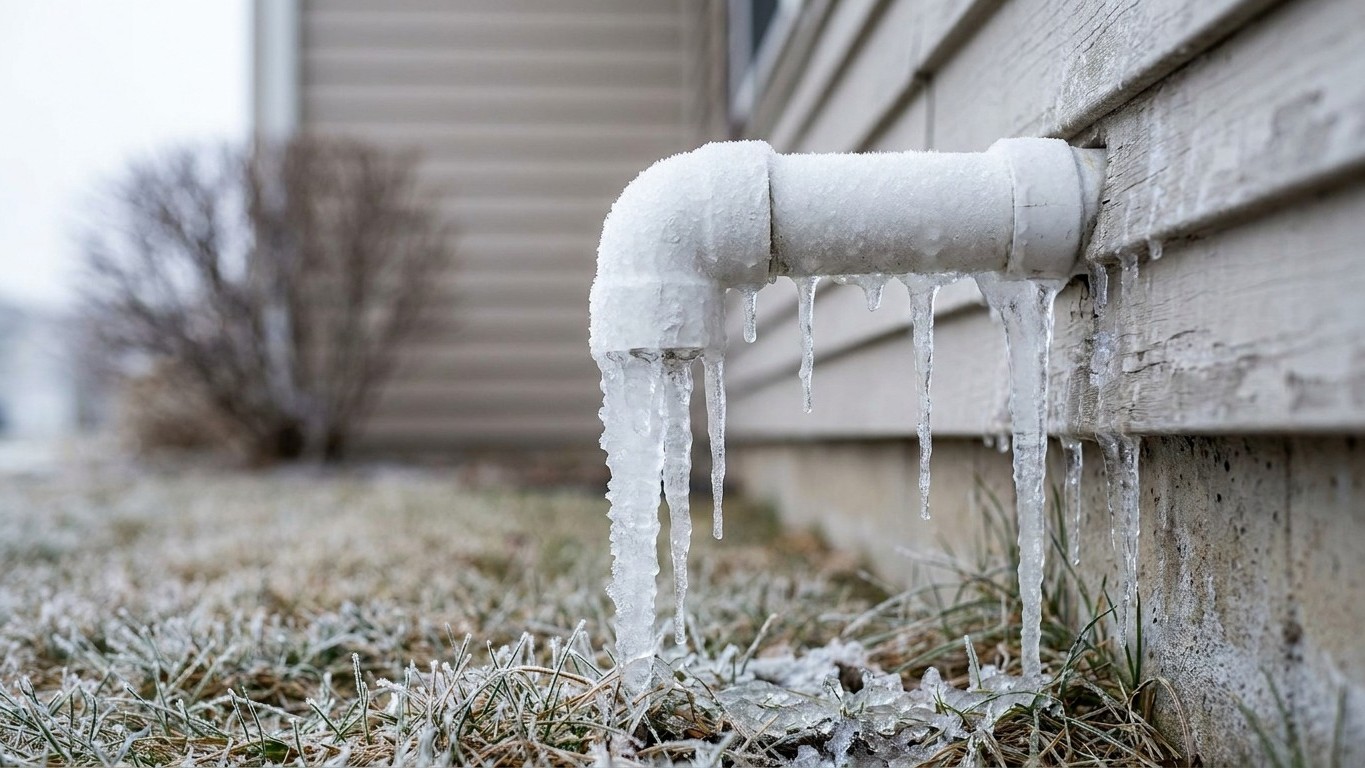
The Frozen Pipe That Stops a Boiler in a Cold Snap

A frozen condensate pipe stops a modern gas boiler cold, usually overnight, usually during the first hard freeze of the season.
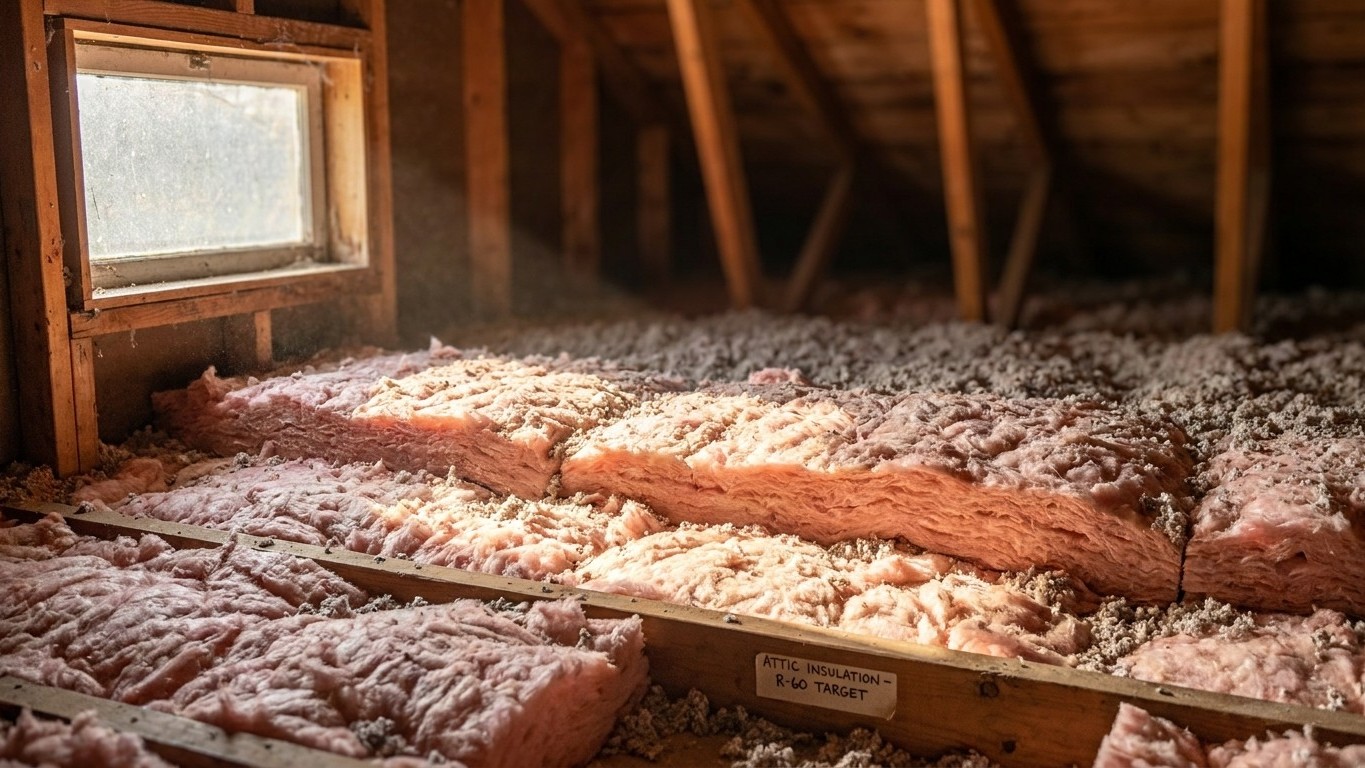
How Much Insulation Does a Home in Yukon Need?

How Much Insulation Does a Home in Yukon Need?

The only hard number available for Yukon comes from a single weather station: Whitehorse A, at roughly 6,584 heating degree days a year, sits in climate…
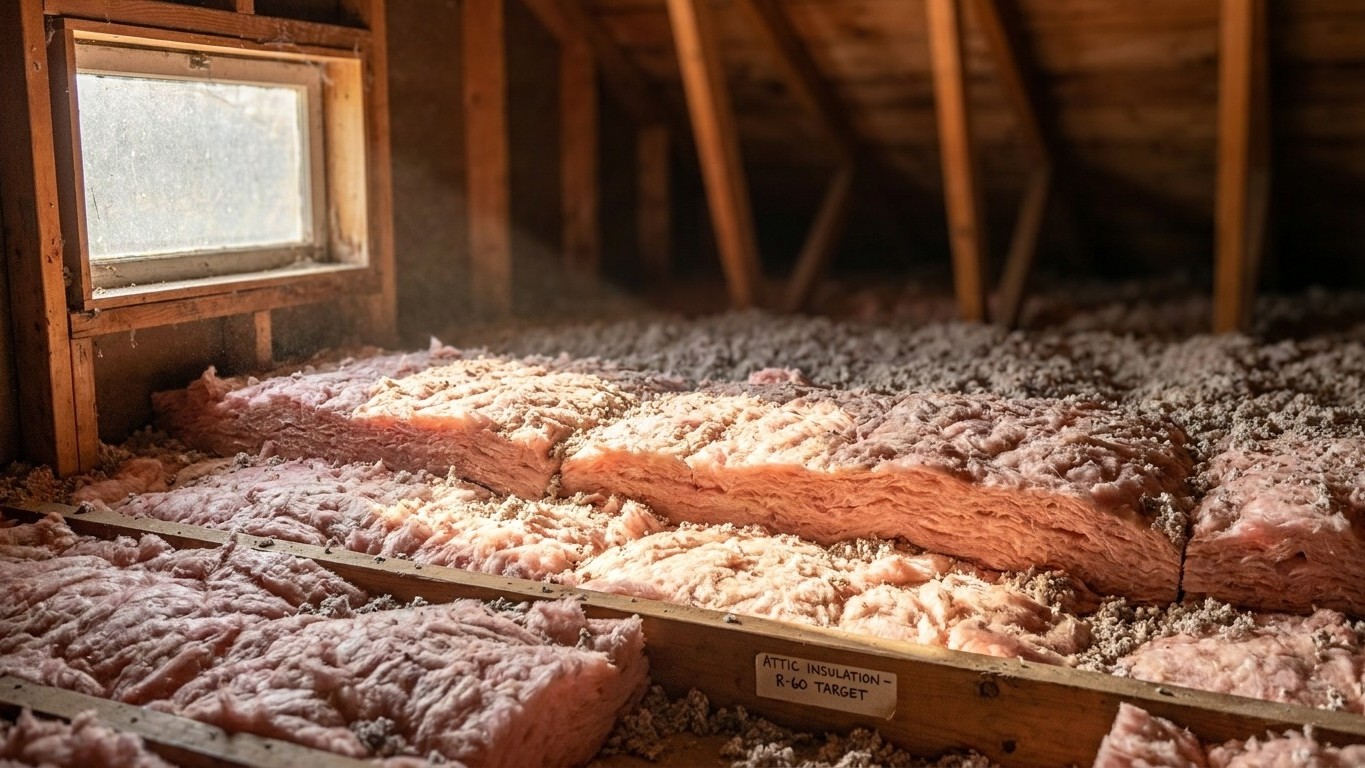
How Much Insulation Does a Home in Saskatchewan Need?

How Much Insulation Does a Home in Saskatchewan Need?

At Saskatoon’s Diefenbaker International Airport weather station, sitting in Natural Resources Canada’s climate zone 7a, the recommended minimums run…
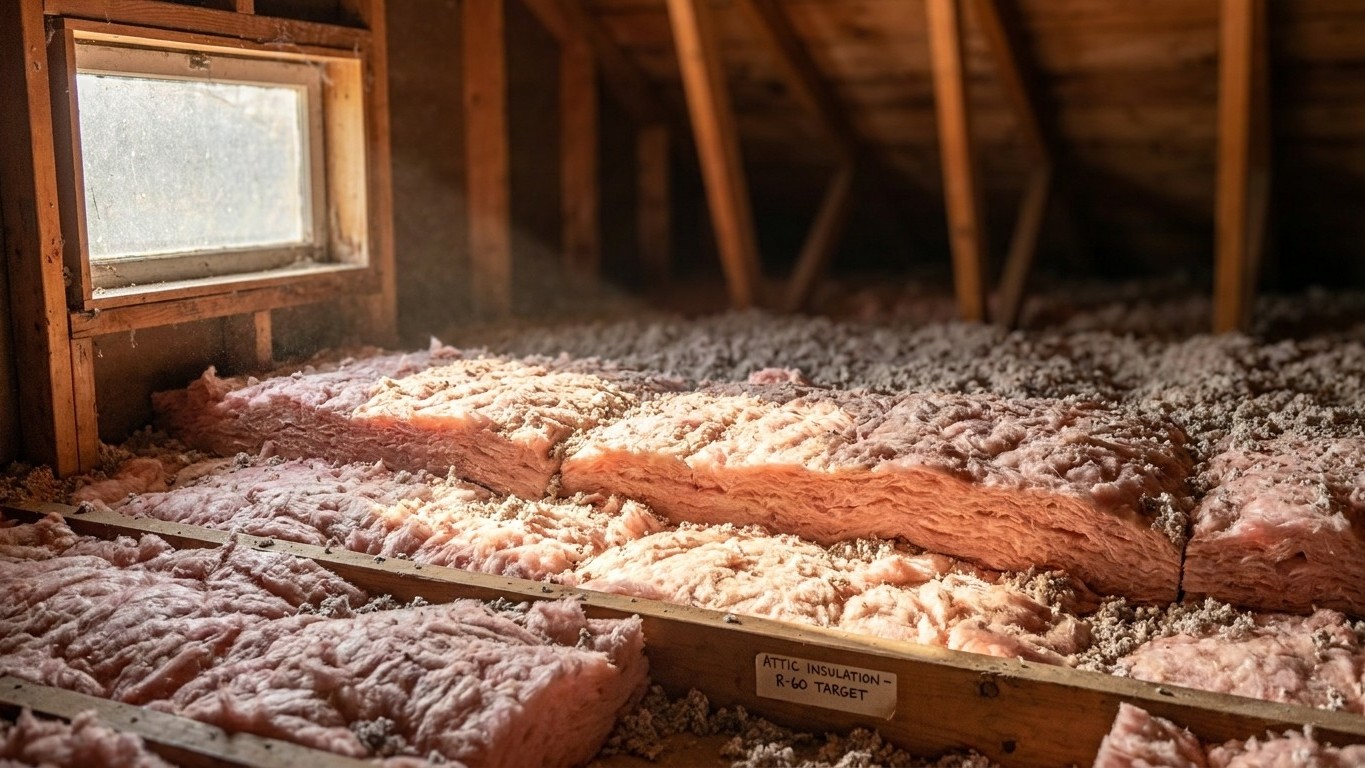
How Much Insulation Does a Home in Quebec Need?

How Much Insulation Does a Home in Quebec Need?

Quebec’s benchmark weather station, at Montreal-Trudeau, logs about 4,363 heating degree days a year below 18°C.
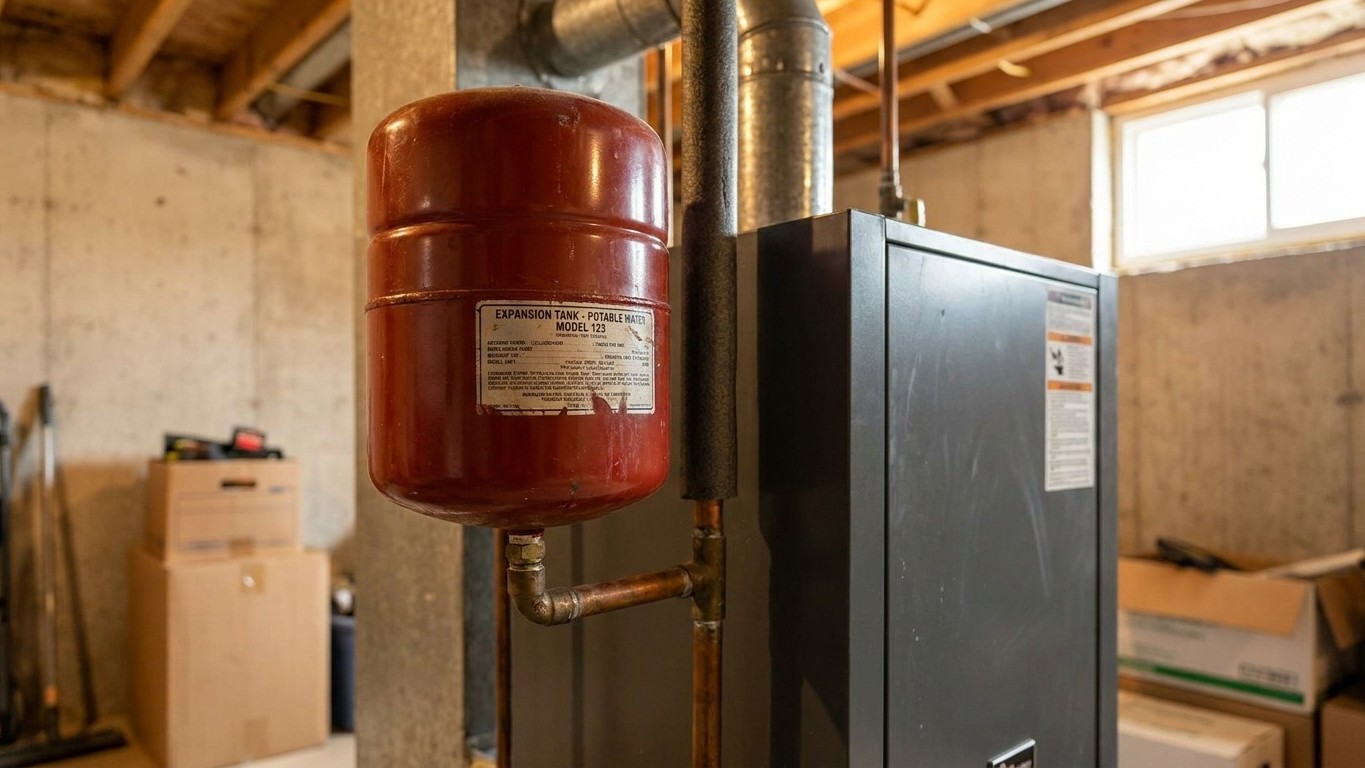
The Expansion Tank: The Part Nobody Checks

The Expansion Tank: The Part Nobody Checks

An expansion tank absorbs the extra volume water creates as it heats up in a closed boiler loop.
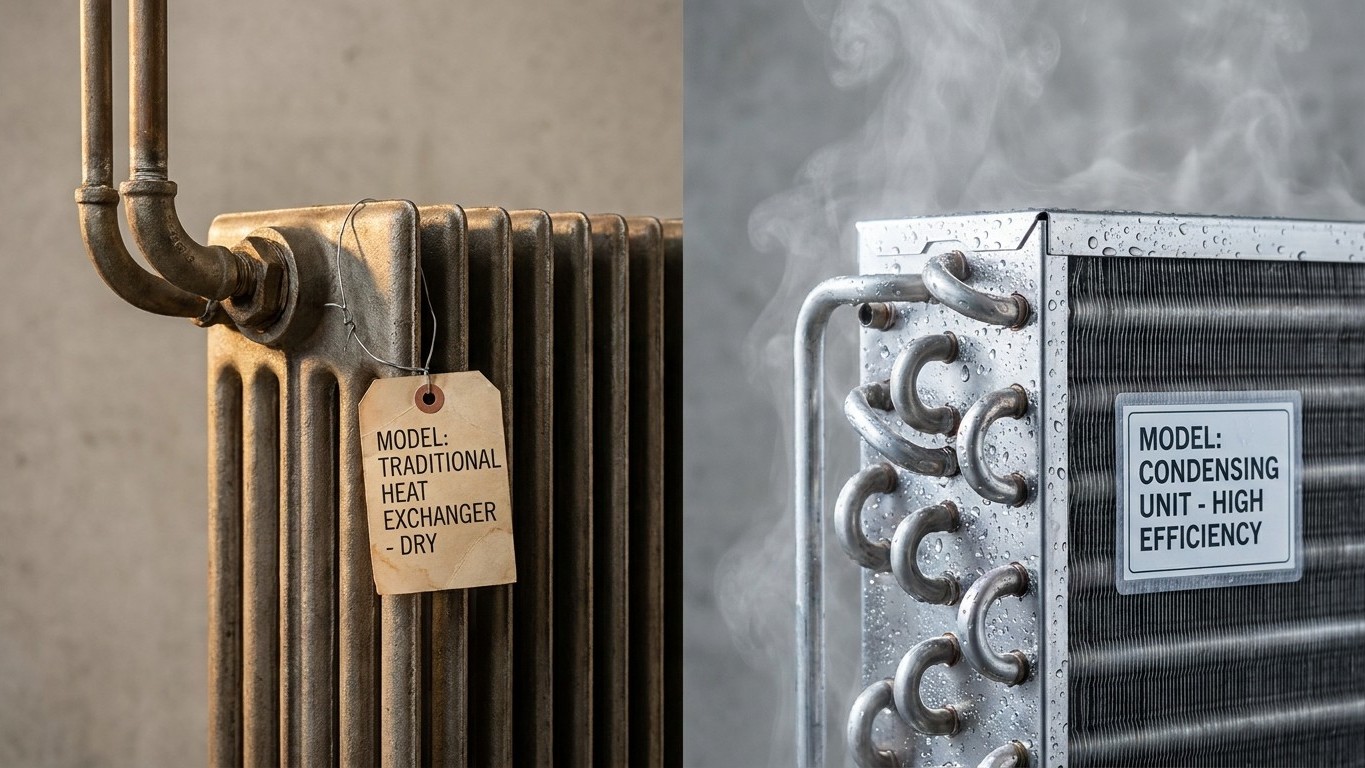
Condensing Boilers: Why the Return Temperature Decides Everything

Condensing Boilers: Why the Return Temperature Decides Everything

A condensing boiler only delivers its high efficiency rating when the water returning to it is cool enough to pull the extra heat out of the exhaust gas.
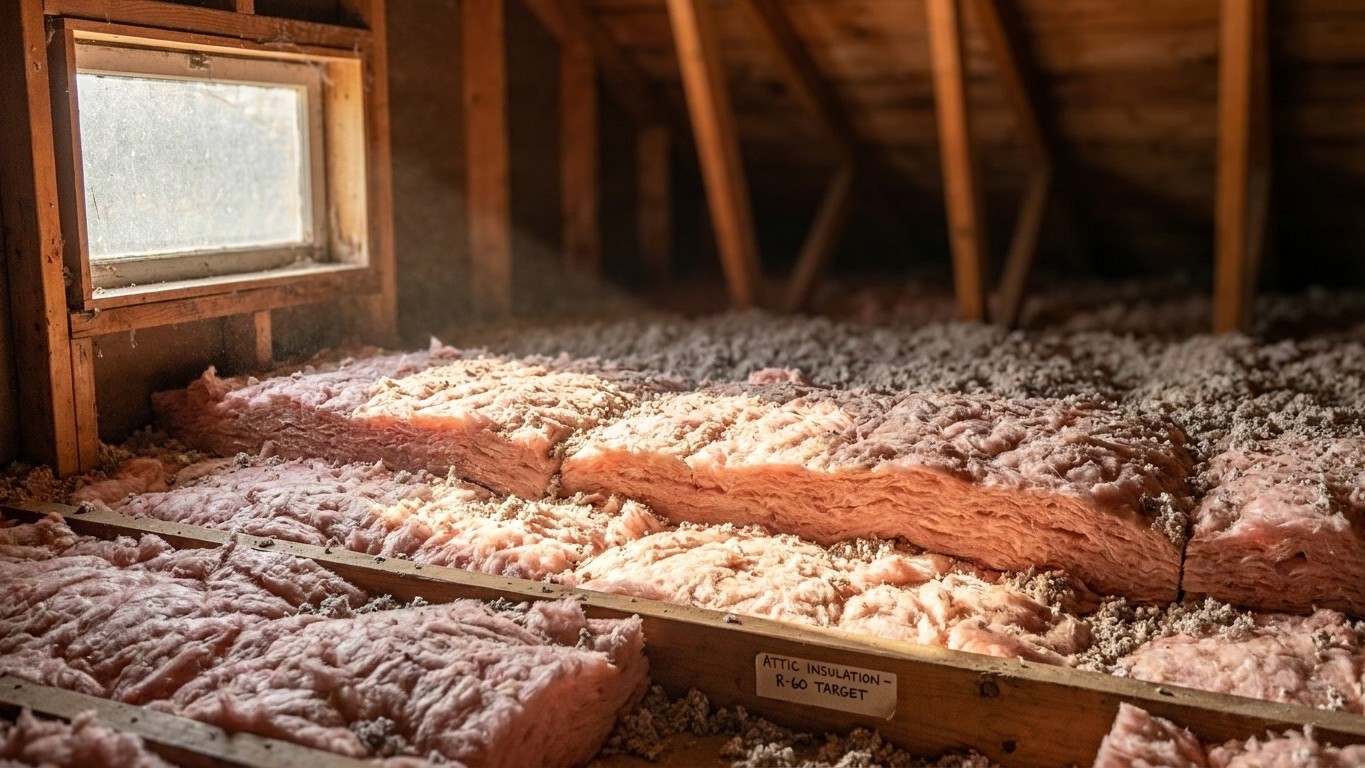
How Much Insulation Does a Home in Prince Edward Island Need?

How Much Insulation Does a Home in Prince Edward Island Need?

For a home near Charlottetown, the reference station puts Prince Edward Island in climate zone 6, and Natural Resources Canada’s recommended minimums for…
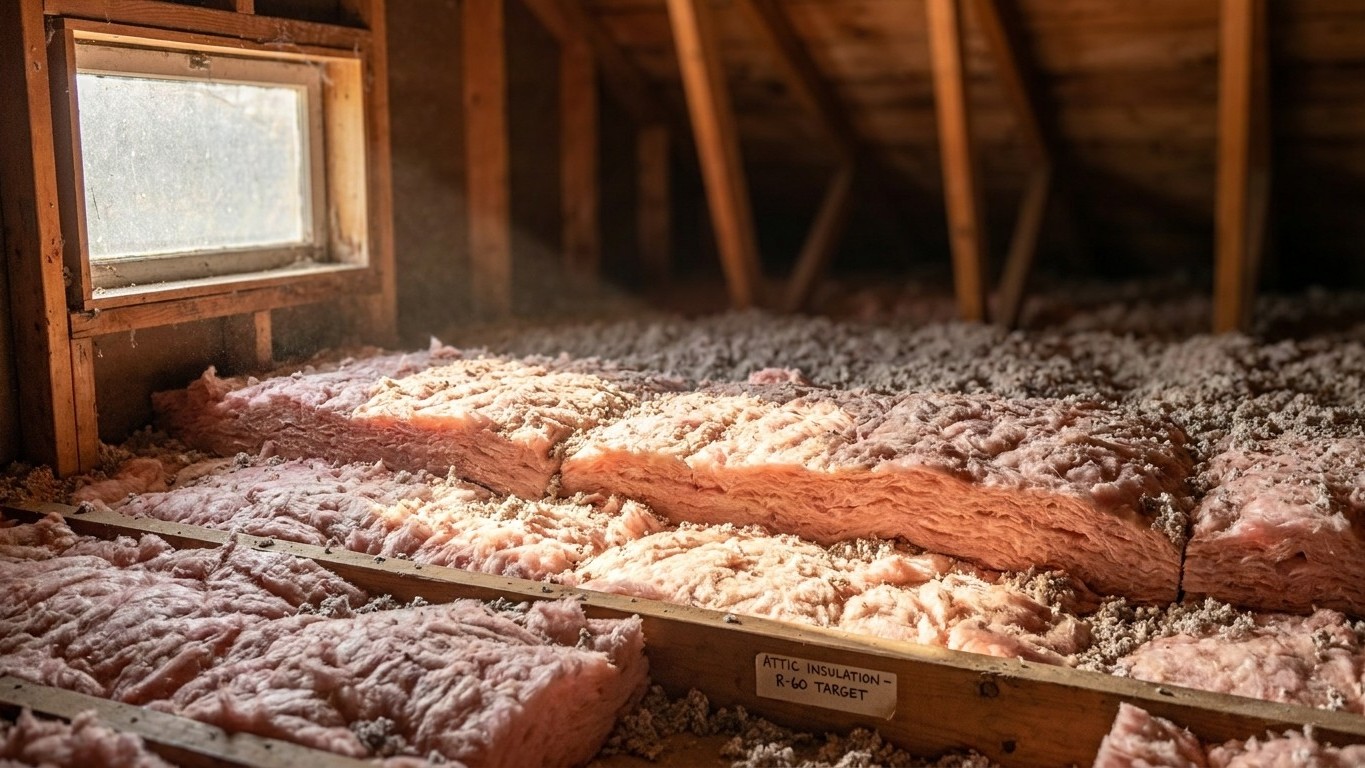
How Much Insulation Does a Home in Ontario Need?

How Much Insulation Does a Home in Ontario Need?

The recommended minimums for climate zone 6, the zone that covers the Toronto area, run RSI 10.6 (R 60) for the roof or ceiling, RSI 4.8 (R 27) for…
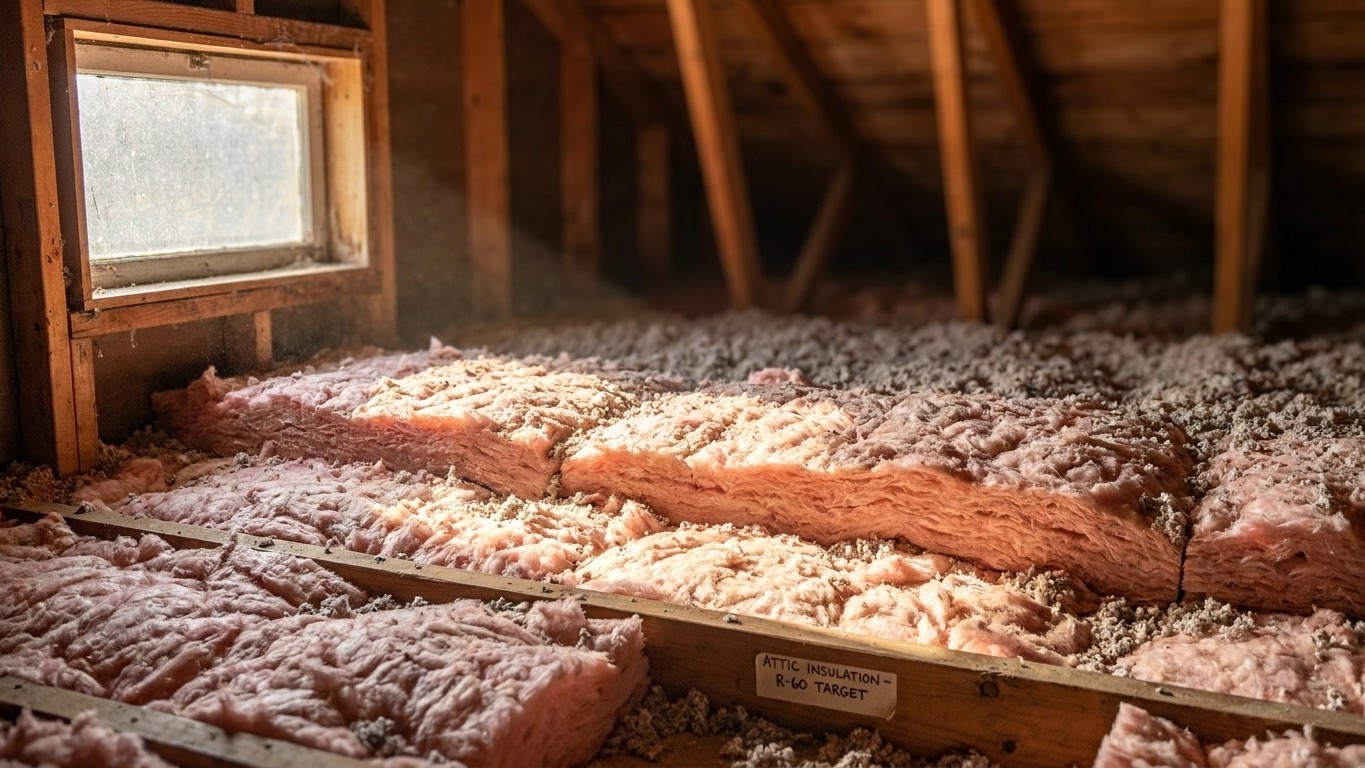
How Much Insulation Does a Home in Nunavut Need?

How Much Insulation Does a Home in Nunavut Need?

Nunavut’s only reliable benchmark, the Rankin Inlet A weather station, logs about 10,376 heating degree days below 18°C in an average year.
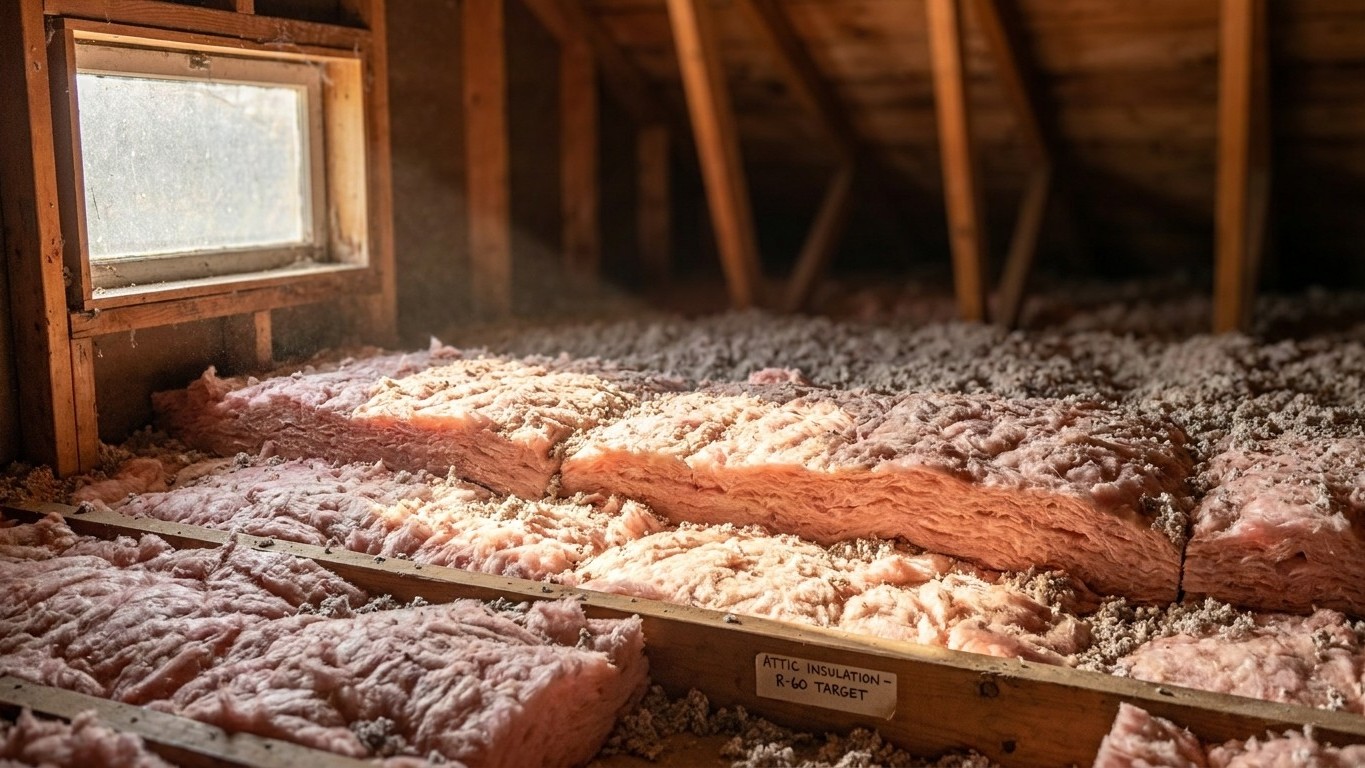
How Much Insulation Does a Home in Nova Scotia Need?

How Much Insulation Does a Home in Nova Scotia Need?

Nova Scotia’s reference weather station, Halifax Stanfield, sits in Natural Resources Canada’s climate zone 6.

Older posts
Newer posts
← Previous Page1 … Page41 Page42 Page43 … Page100 Next →

The Homestead Post

Home and garden advice with the numbers attached — written for your climate, your season and your local rules.

Sections

  • Garden
  • Home Care
  • Energy
  • Pests
  • Decor
  • DIY

Popular states

  • California
  • Texas
  • Florida
  • New York
  • Pennsylvania
  • Ohio
  • Georgia
  • North Carolina
  • All states →

The Post

  • About us
  • Contact
  • Editorial guidelines
  • Affiliate disclosure
  • Privacy policy
  • Terms of use
© 2026 The Homestead Post·Home & garden, state by state