How Much Insulation Does a Home in Saskatchewan Need?
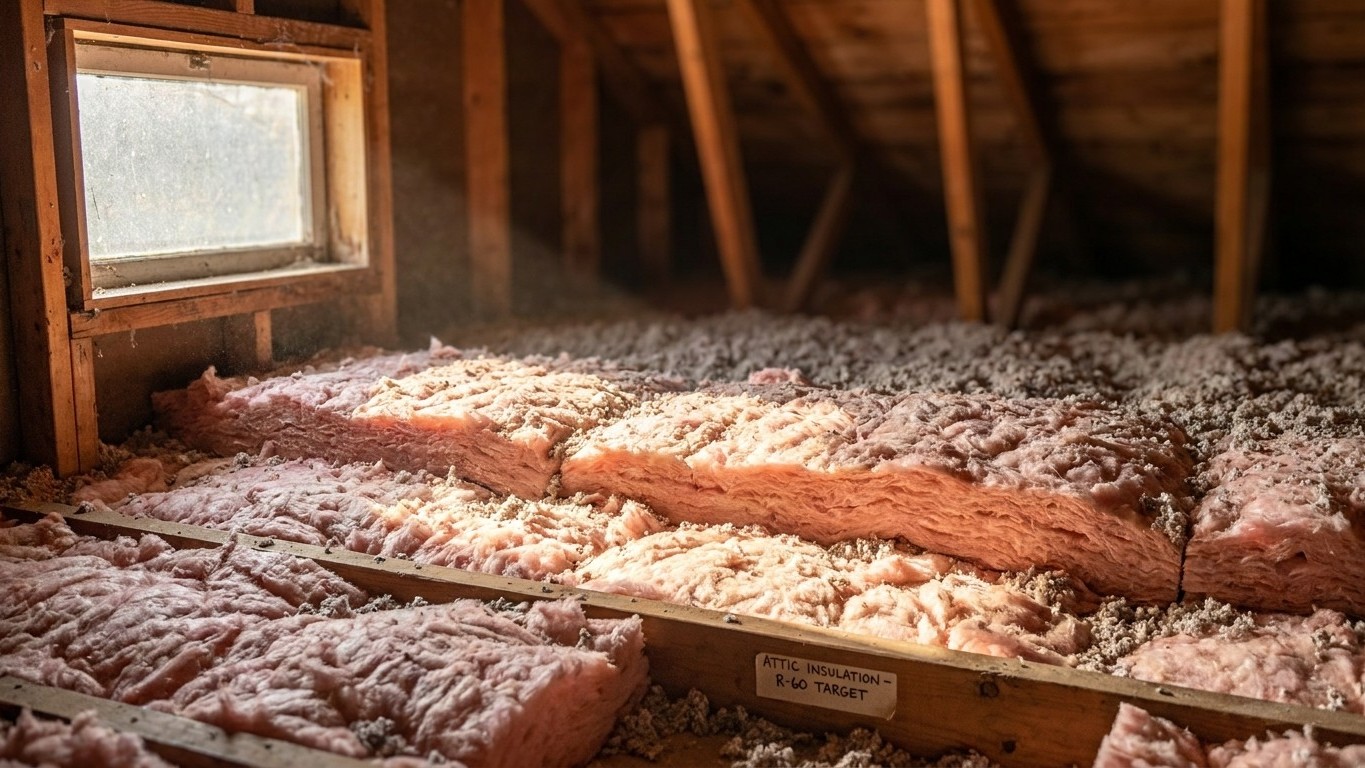
At Saskatoon’s Diefenbaker International Airport weather station, sitting in Natural Resources Canada’s climate zone 7a, the recommended minimums run…
Home & garden, state by state
At Saskatoon’s Diefenbaker International Airport weather station, sitting in Natural Resources Canada’s climate zone 7a, the recommended minimums run…
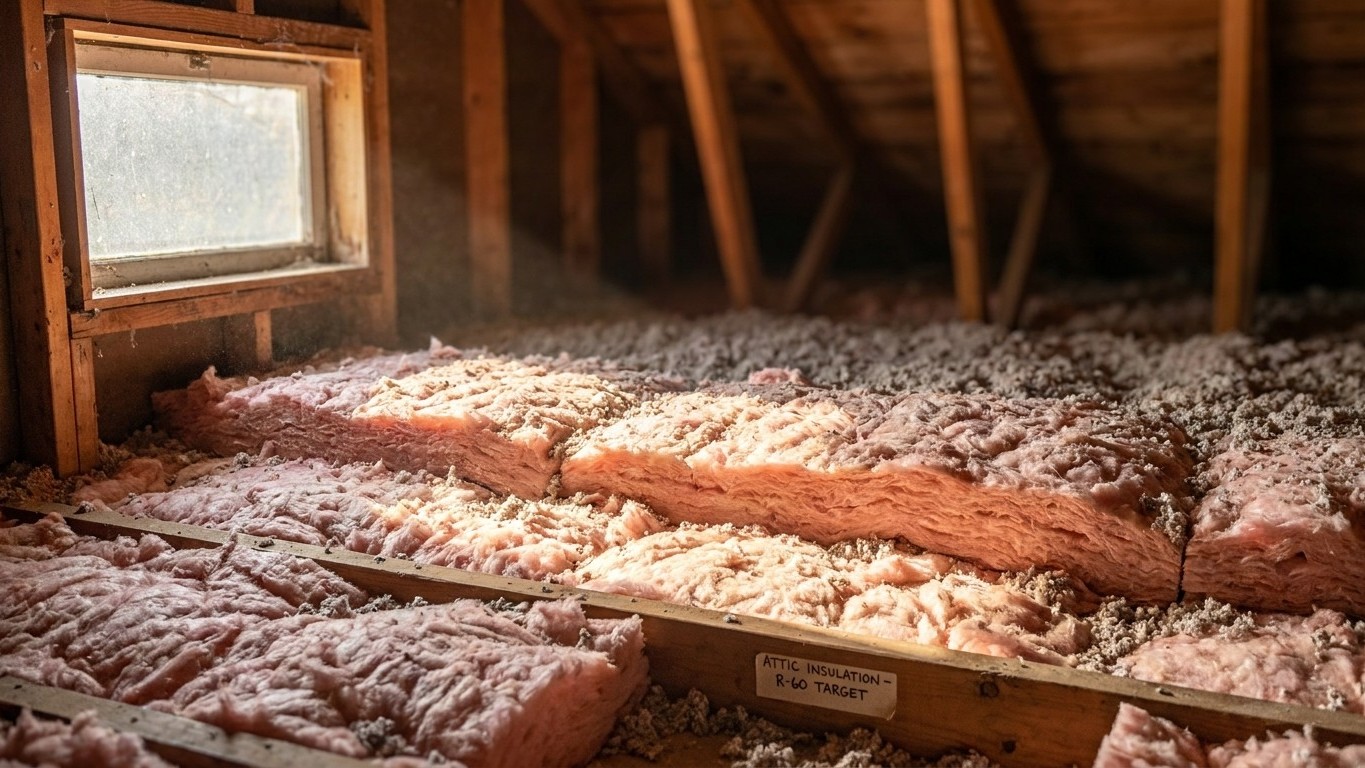
Quebec’s benchmark weather station, at Montreal-Trudeau, logs about 4,363 heating degree days a year below 18°C.
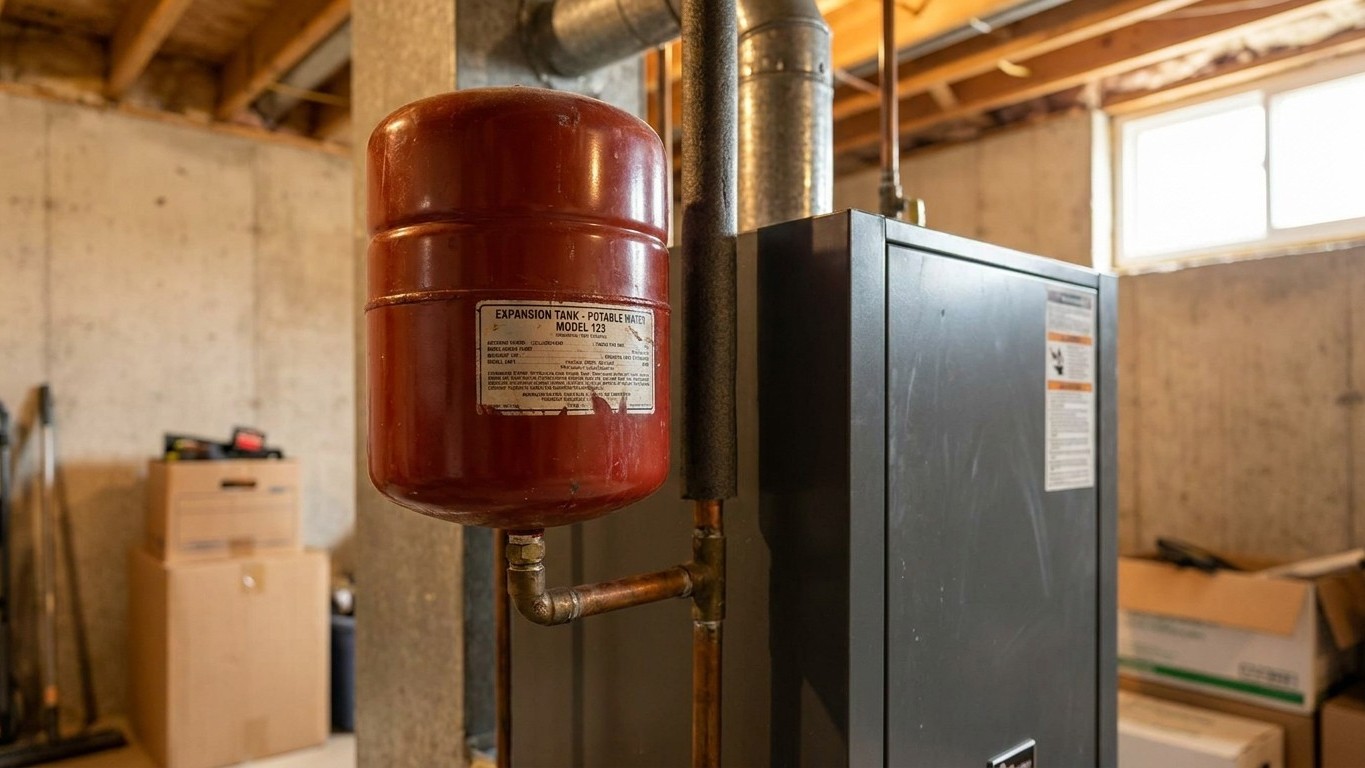
An expansion tank absorbs the extra volume water creates as it heats up in a closed boiler loop.
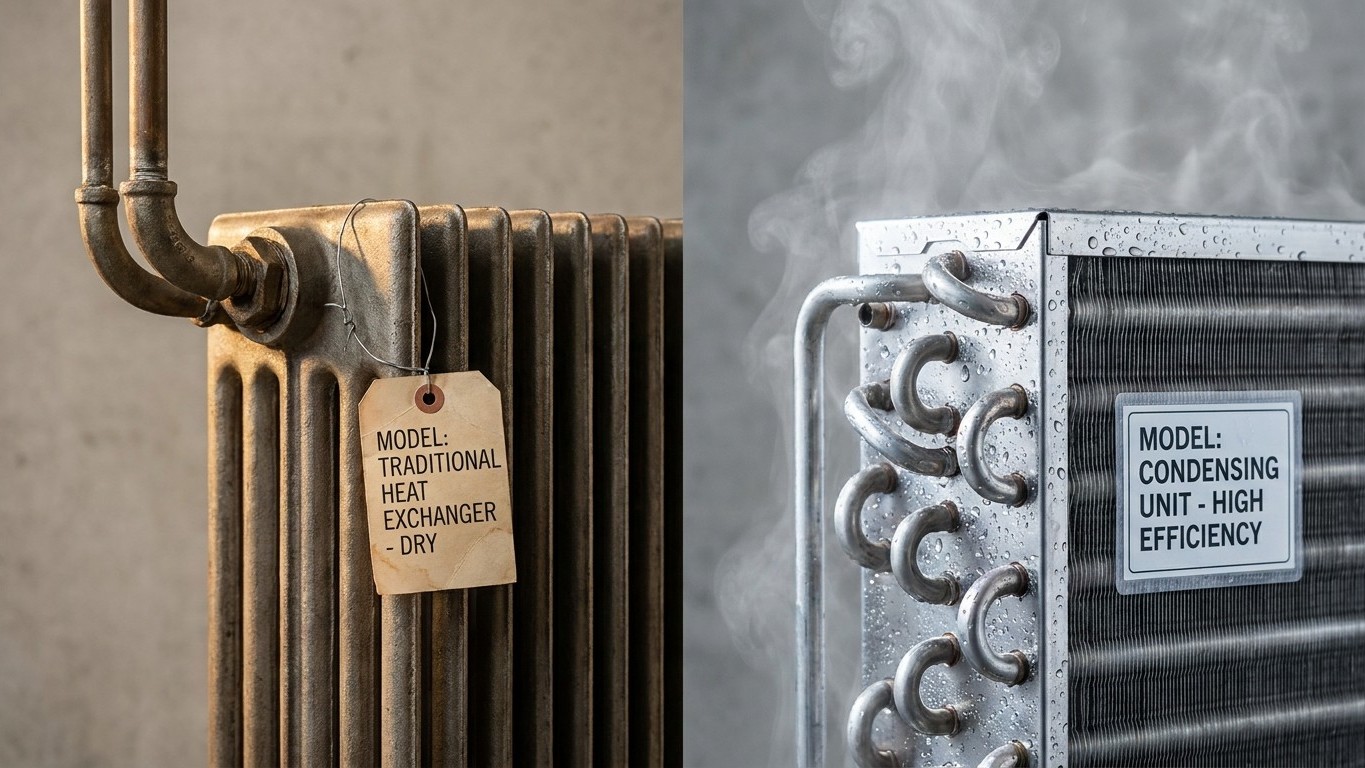
A condensing boiler only delivers its high efficiency rating when the water returning to it is cool enough to pull the extra heat out of the exhaust gas.
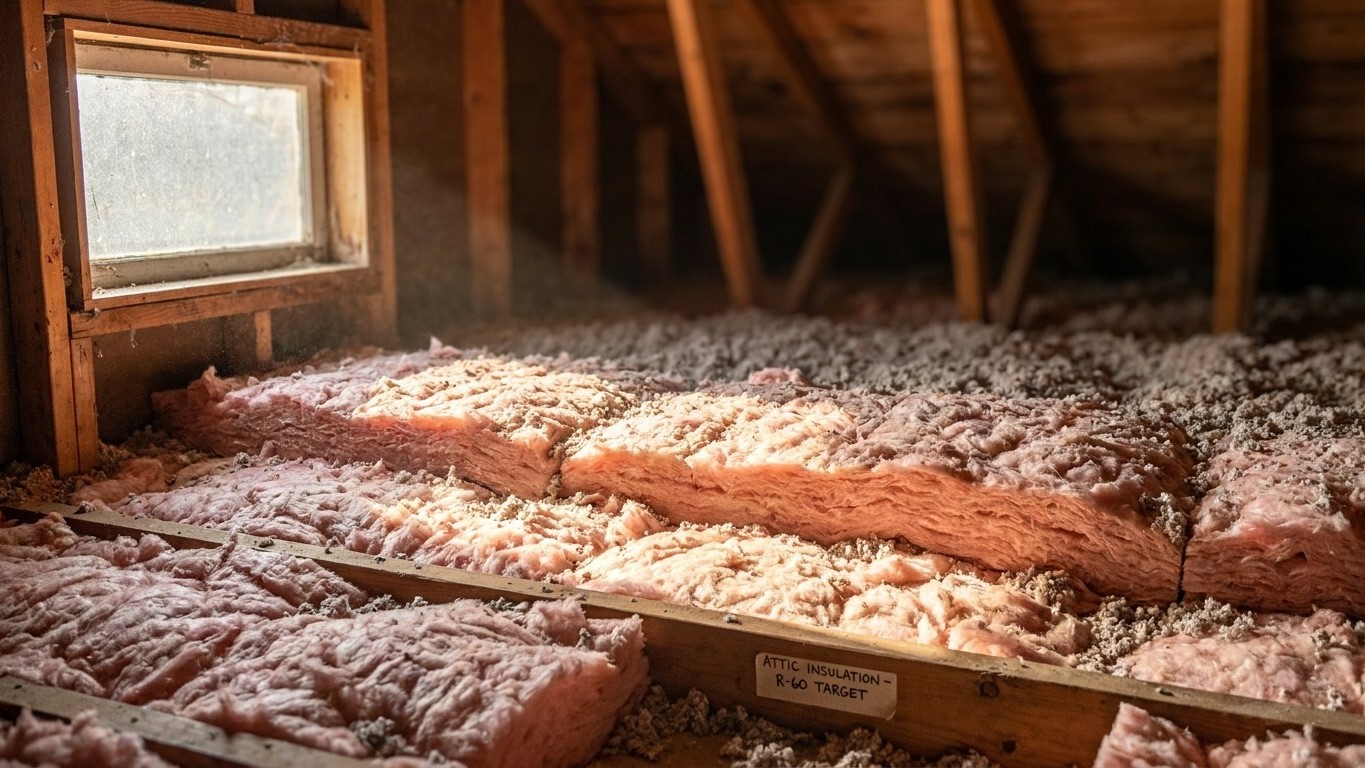
For a home near Charlottetown, the reference station puts Prince Edward Island in climate zone 6, and Natural Resources Canada’s recommended minimums for…
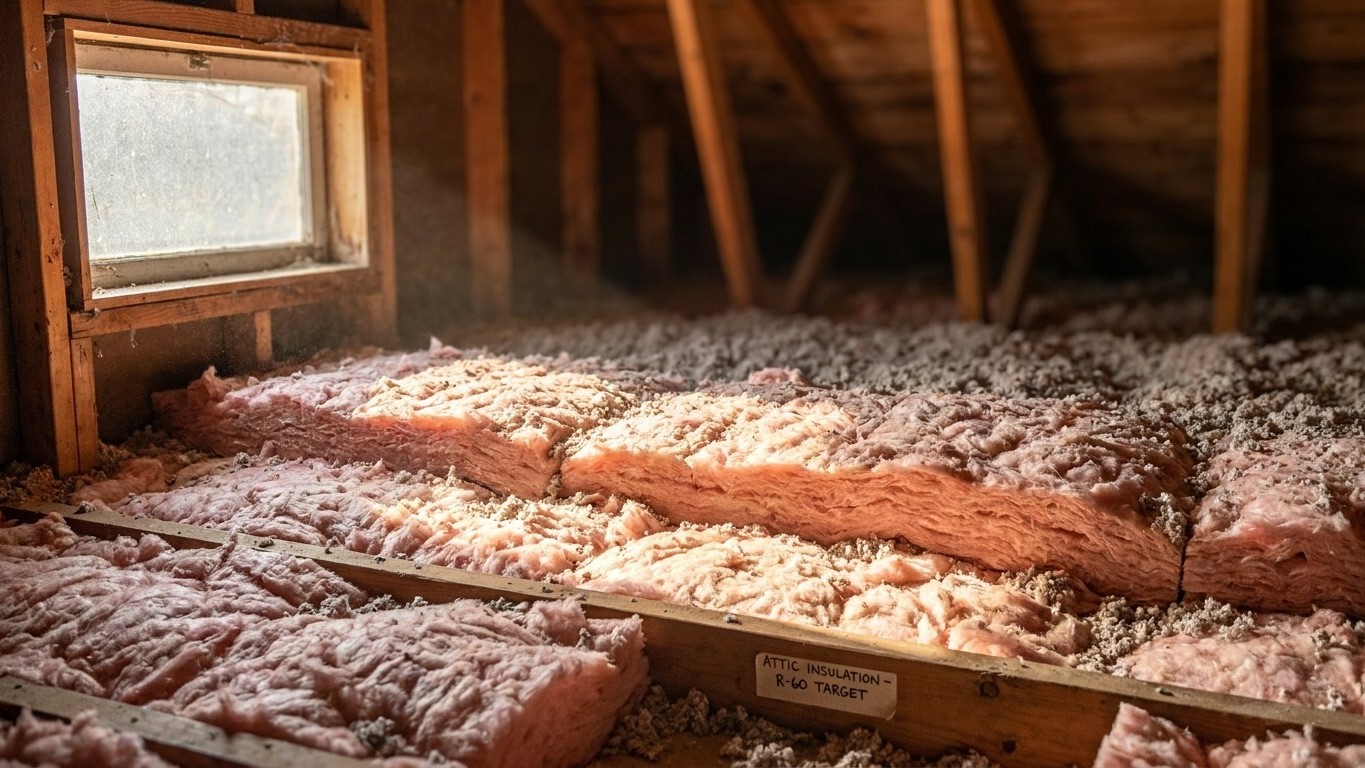
The recommended minimums for climate zone 6, the zone that covers the Toronto area, run RSI 10.6 (R 60) for the roof or ceiling, RSI 4.8 (R 27) for…
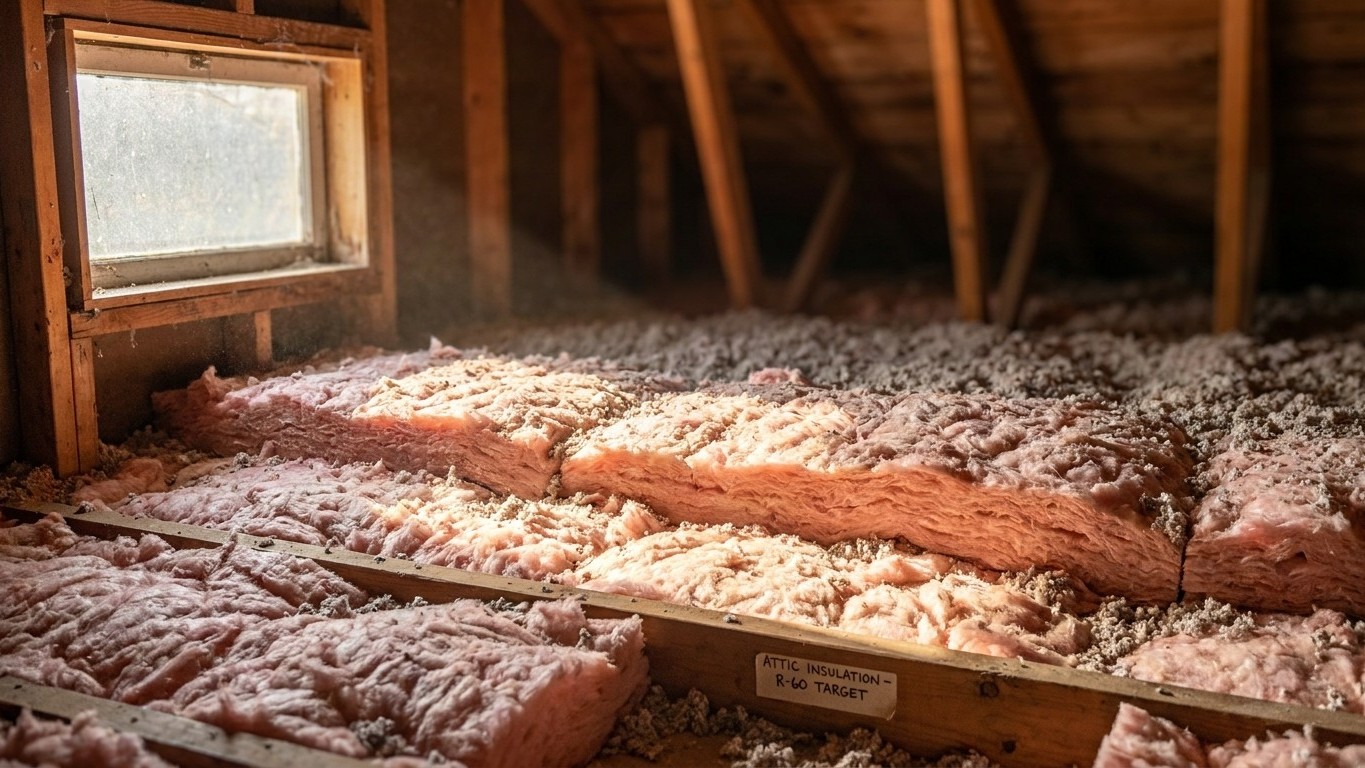
Nunavut’s only reliable benchmark, the Rankin Inlet A weather station, logs about 10,376 heating degree days below 18°C in an average year.
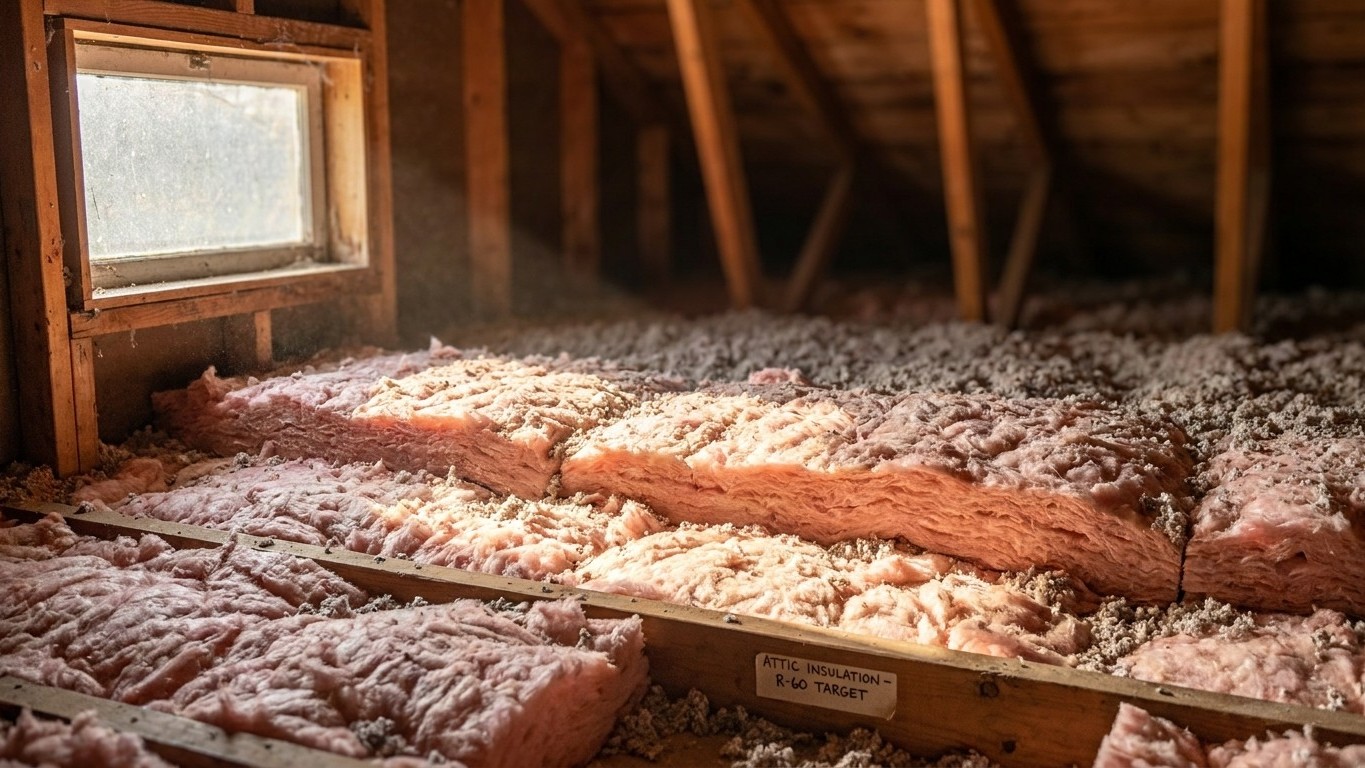
Nova Scotia’s reference weather station, Halifax Stanfield, sits in Natural Resources Canada’s climate zone 6.
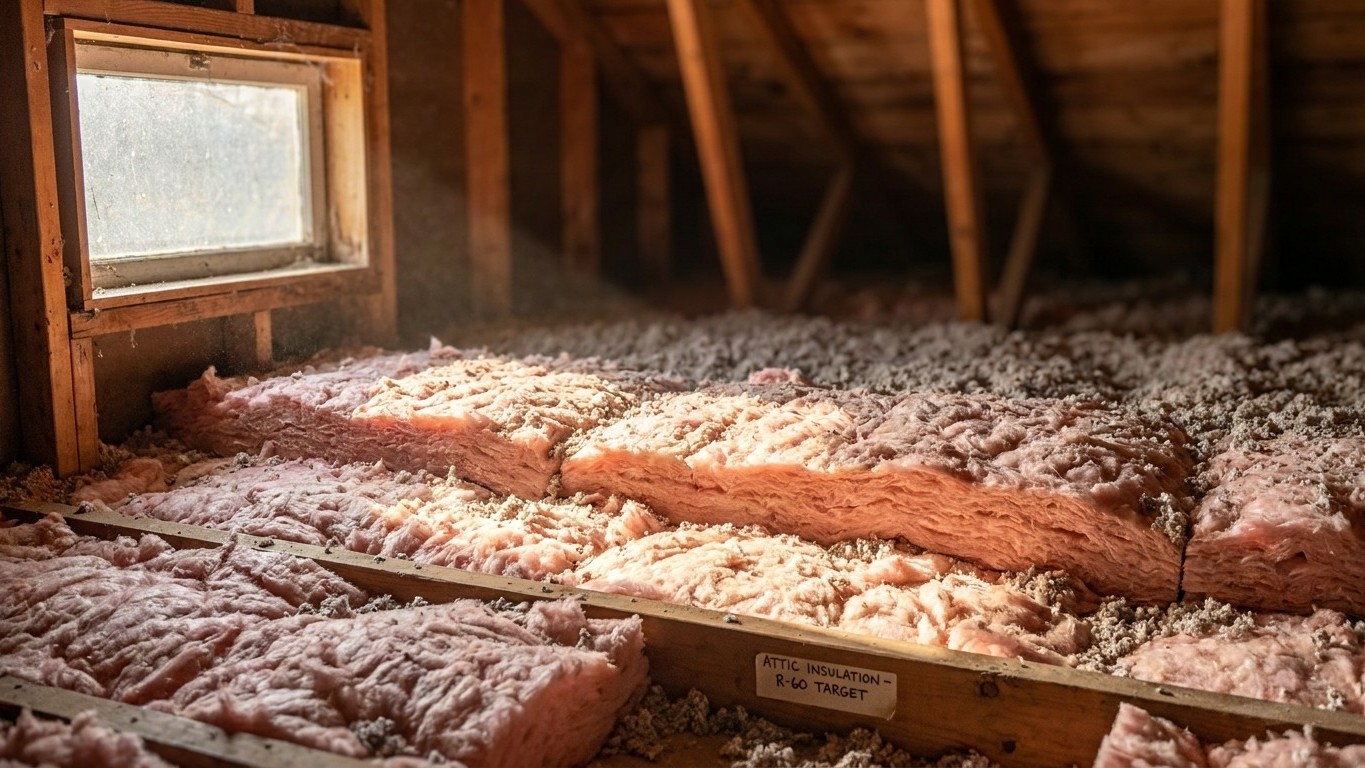
There’s no single R-value that covers all of Northwest Territories. The only reference point published by Natural Resources Canada comes from…
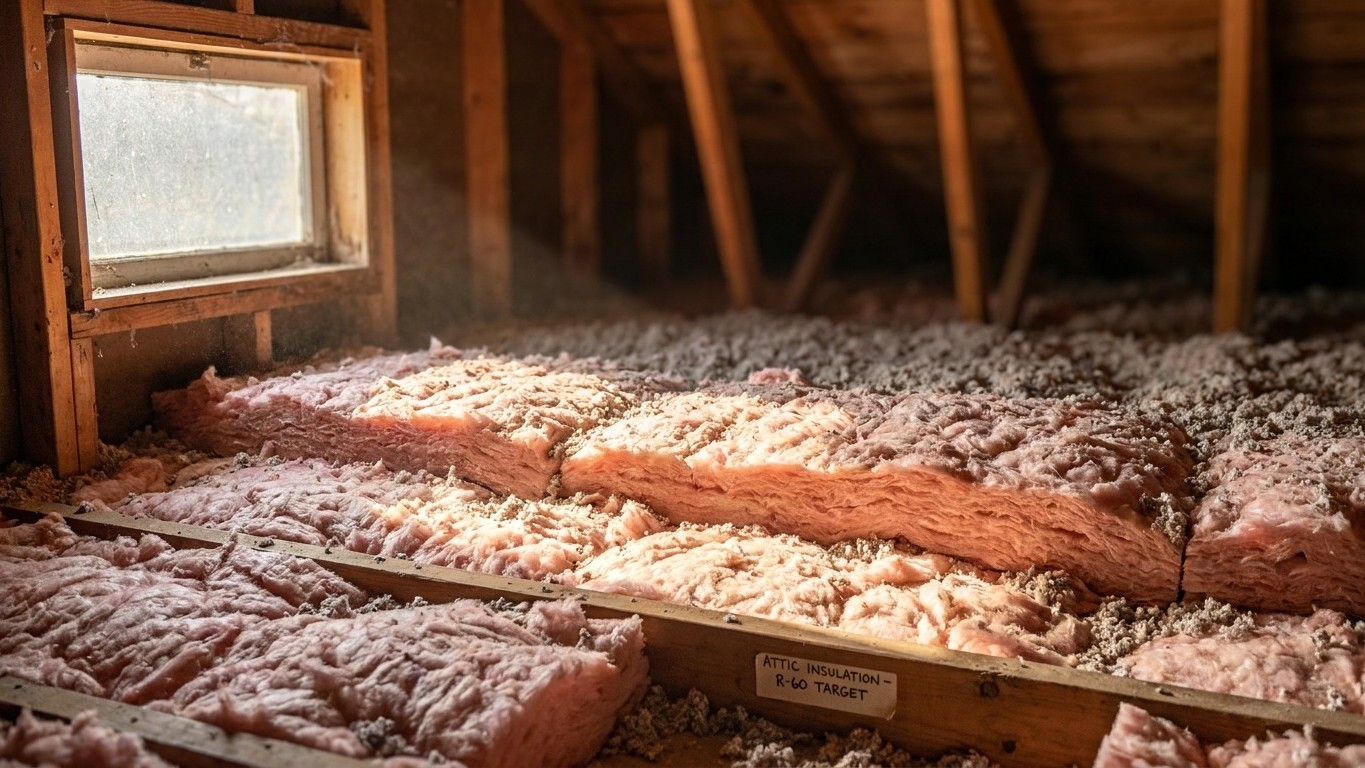
There isn’t one number for the whole province. Natural Resources Canada rates the reference station at St.