How a Water Heater Actually Works
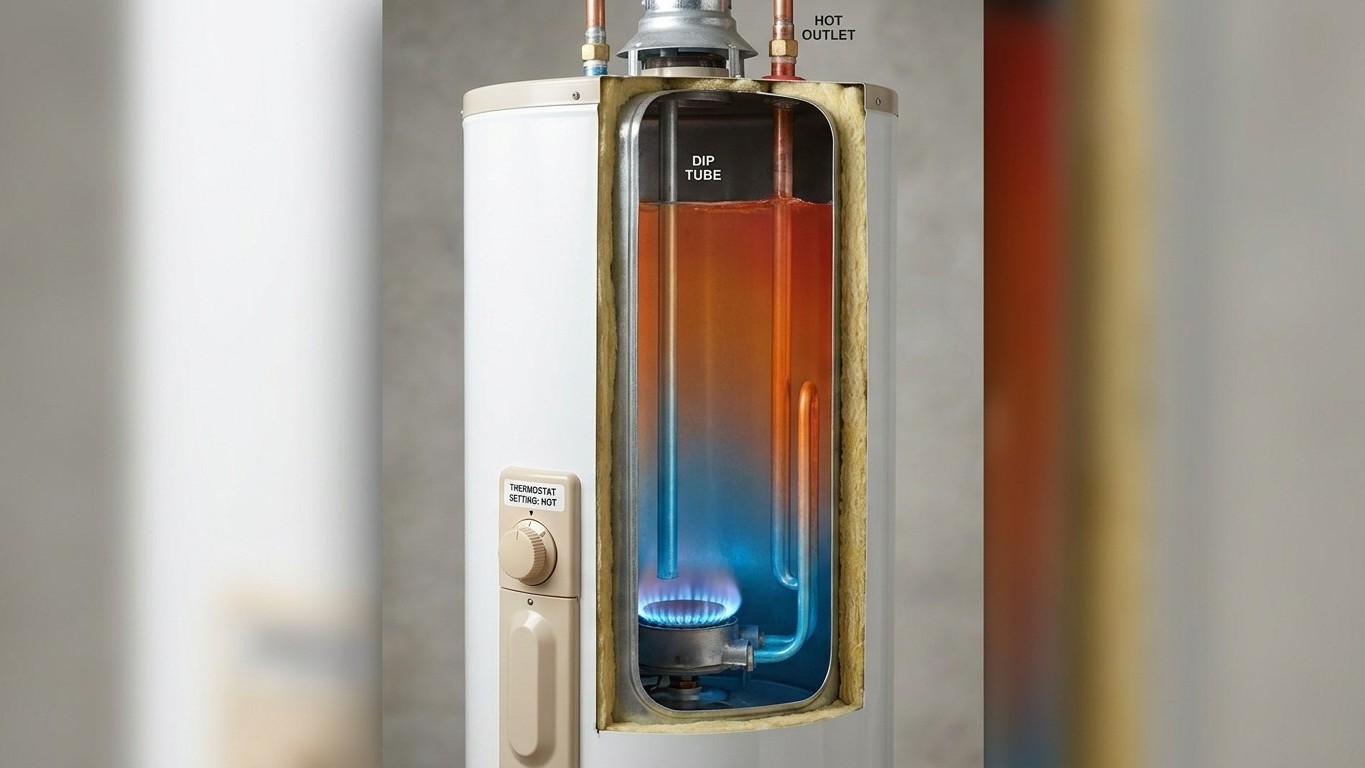
A storage water heater is essentially an insulated tank that keeps a supply of water hot around the clock, ready the moment someone opens a tap.
Home & garden, state by state
A storage water heater is essentially an insulated tank that keeps a supply of water hot around the clock, ready the moment someone opens a tap.
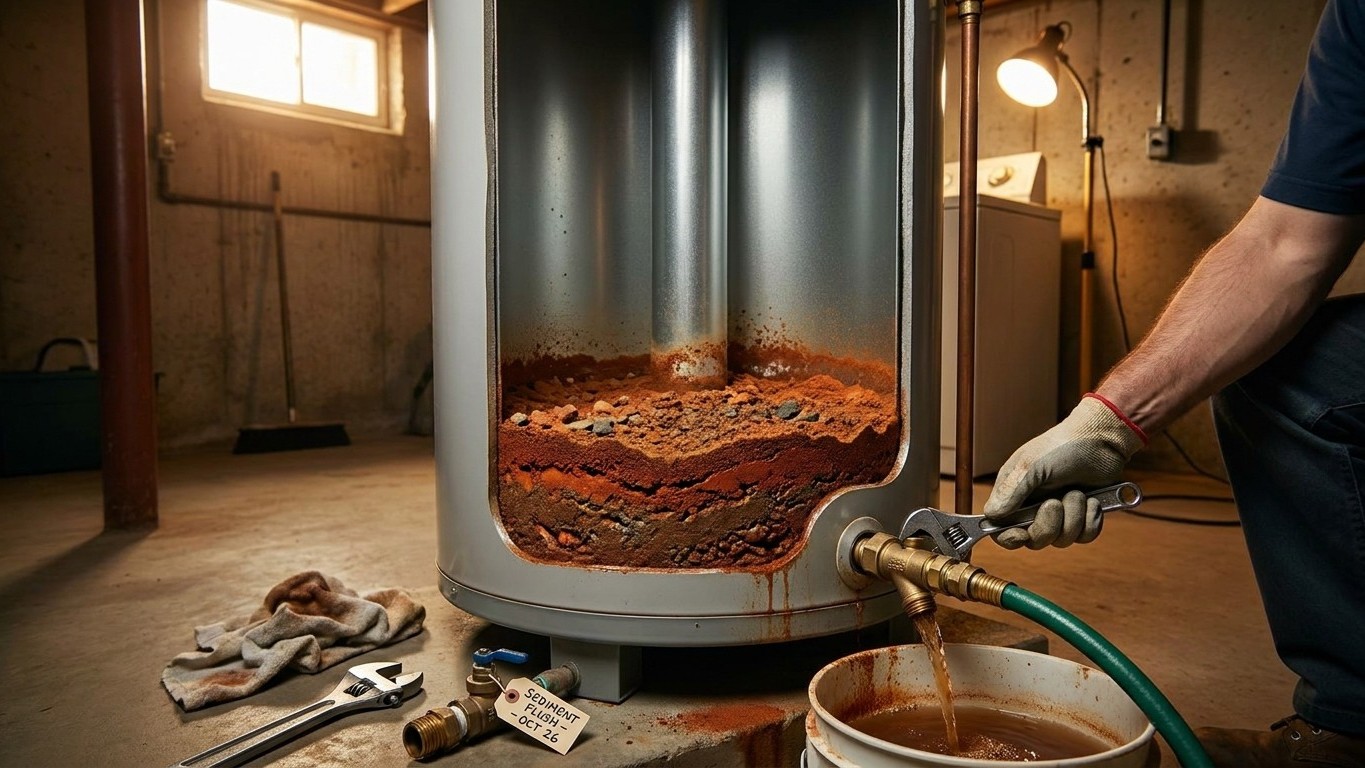
Most manufacturers and plumbers recommend flushing a water heater once a year, and homes on hard water often need it twice that often.
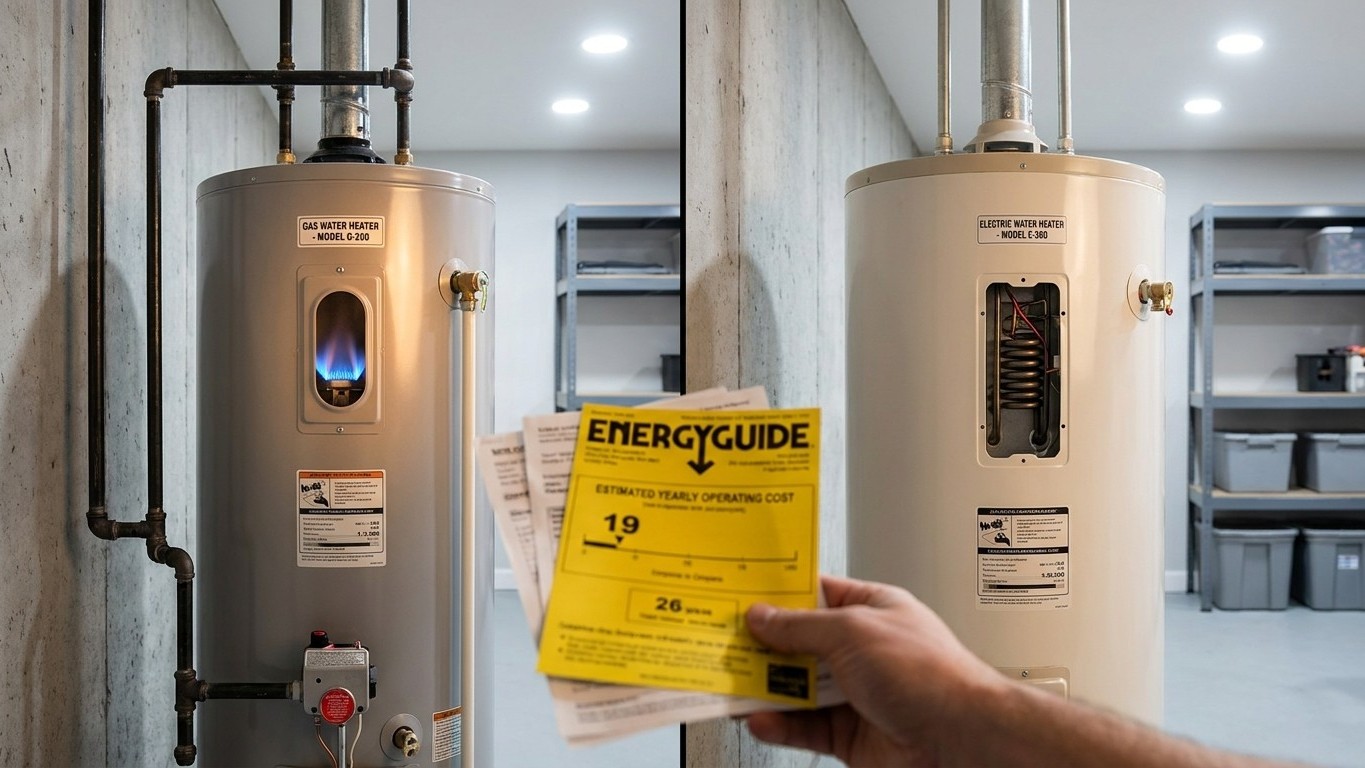
Neither fuel wins outright. Gas typically costs less per unit of heat delivered, while electric units waste less of what they draw simply moving heat…
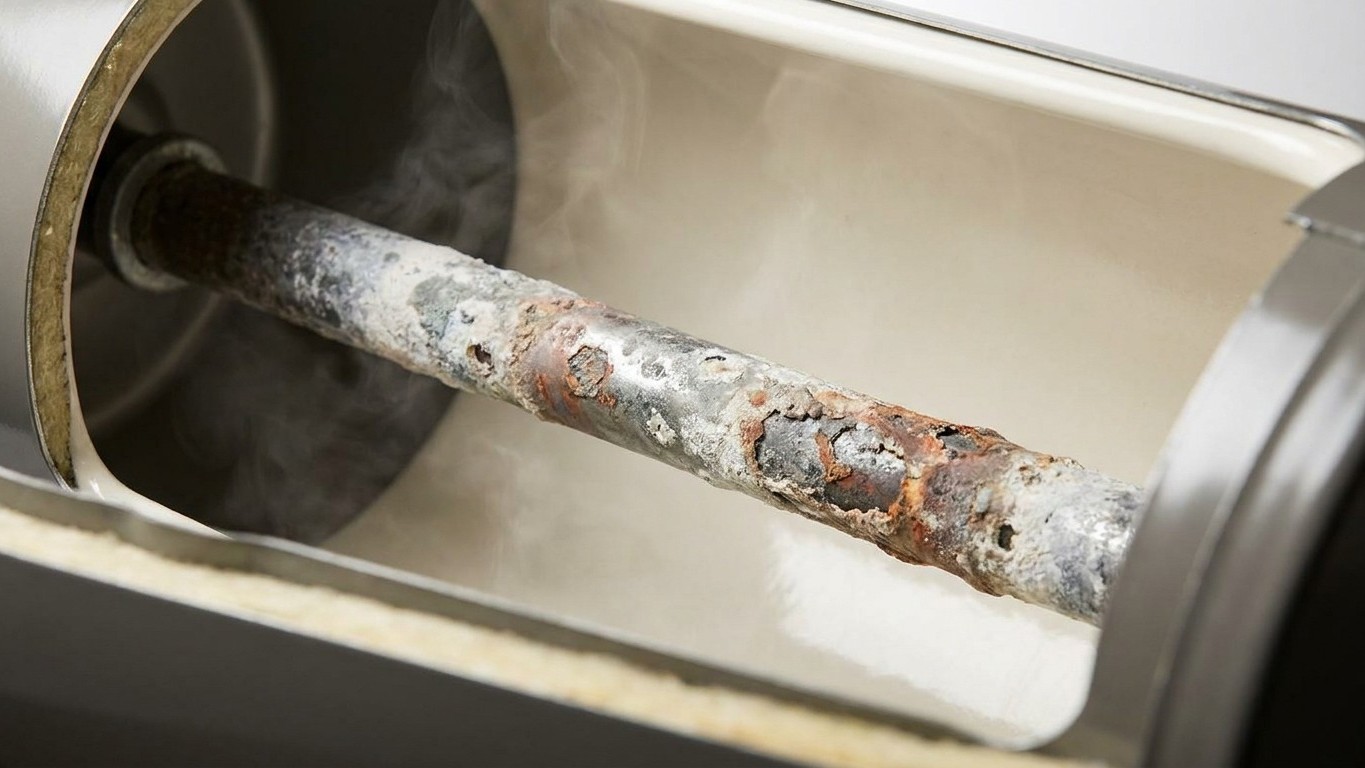
The anode rod is a rod of reactive metal, usually magnesium or aluminum, suspended inside a water heater tank. Its whole purpose is to corrode first.
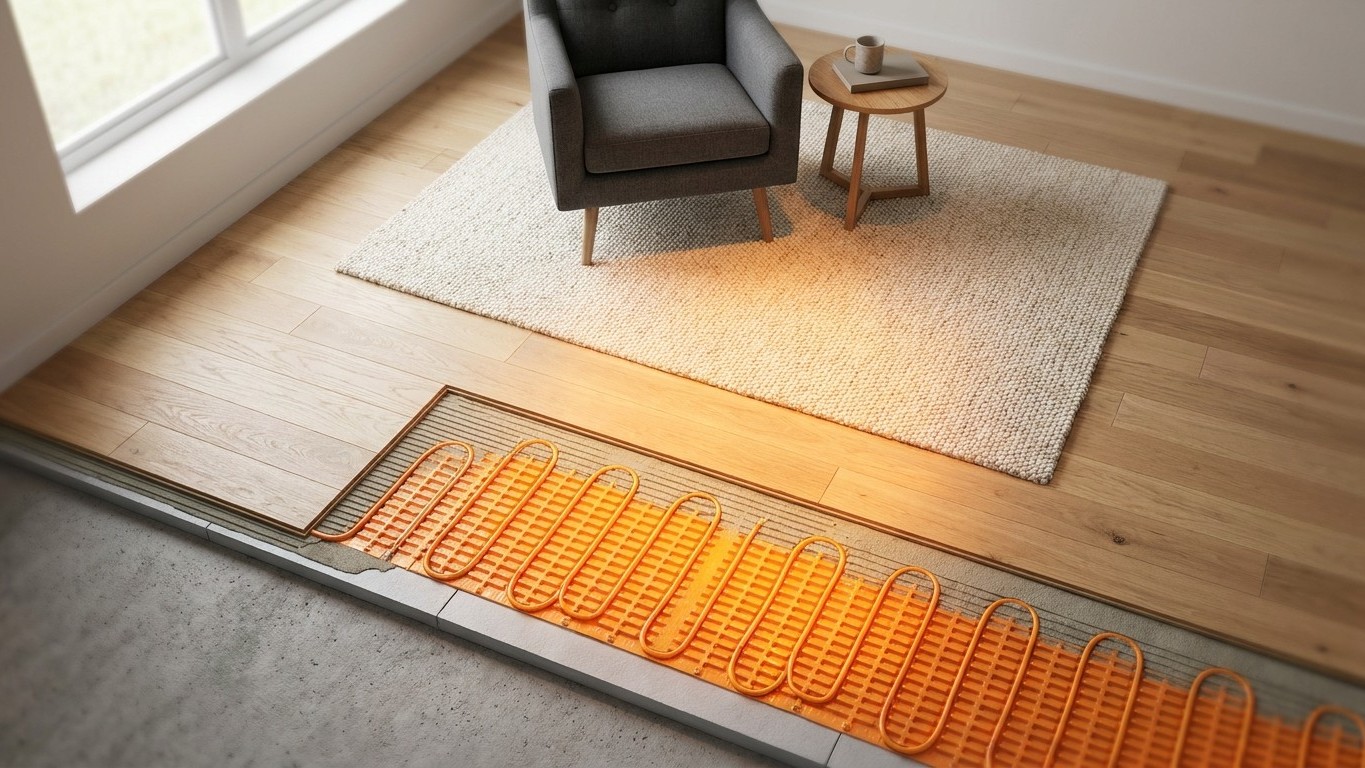
Radiant floor heating warms a room by turning the floor itself into a low, even heat source, using either electric cable mats or hydronic tubing that…
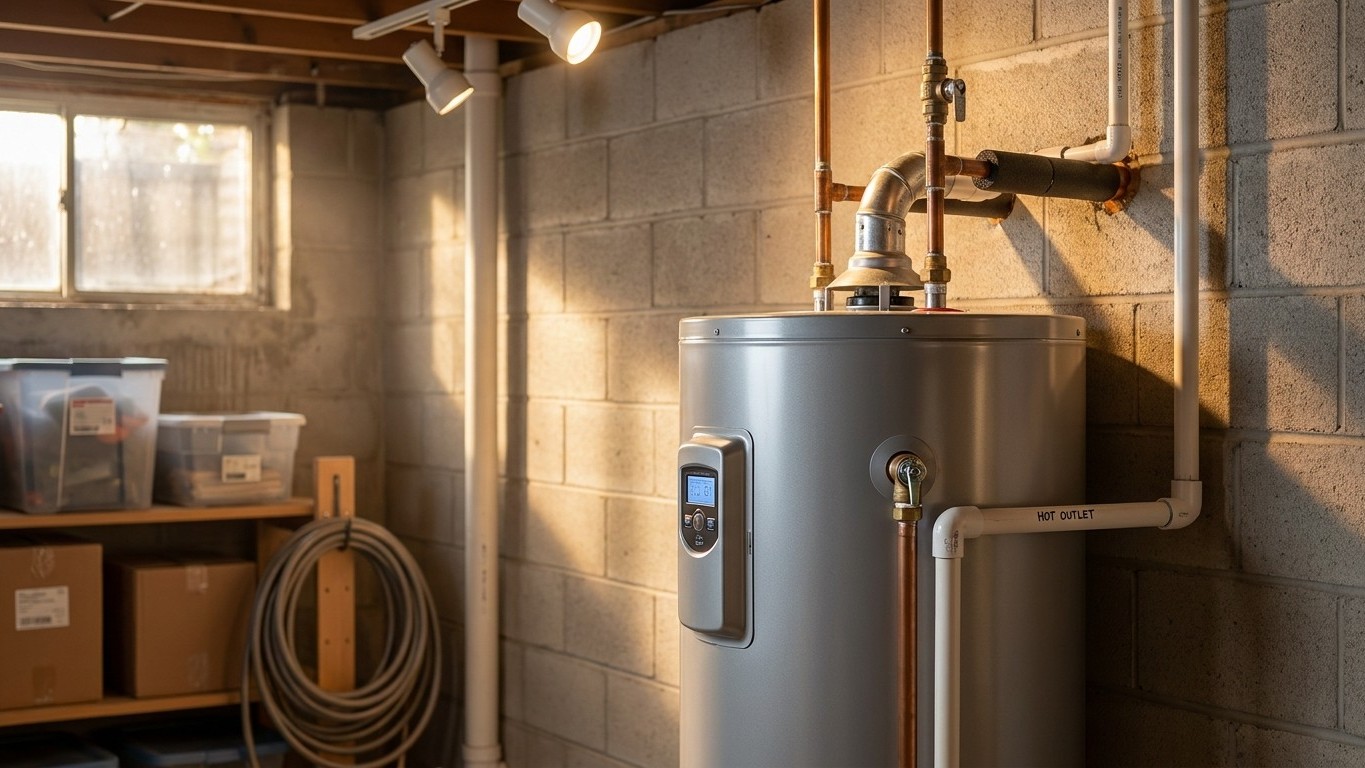
A water heater’s job is simple to state and easy to get wrong in practice: heat water, store or deliver it on demand, and do so safely for years without…
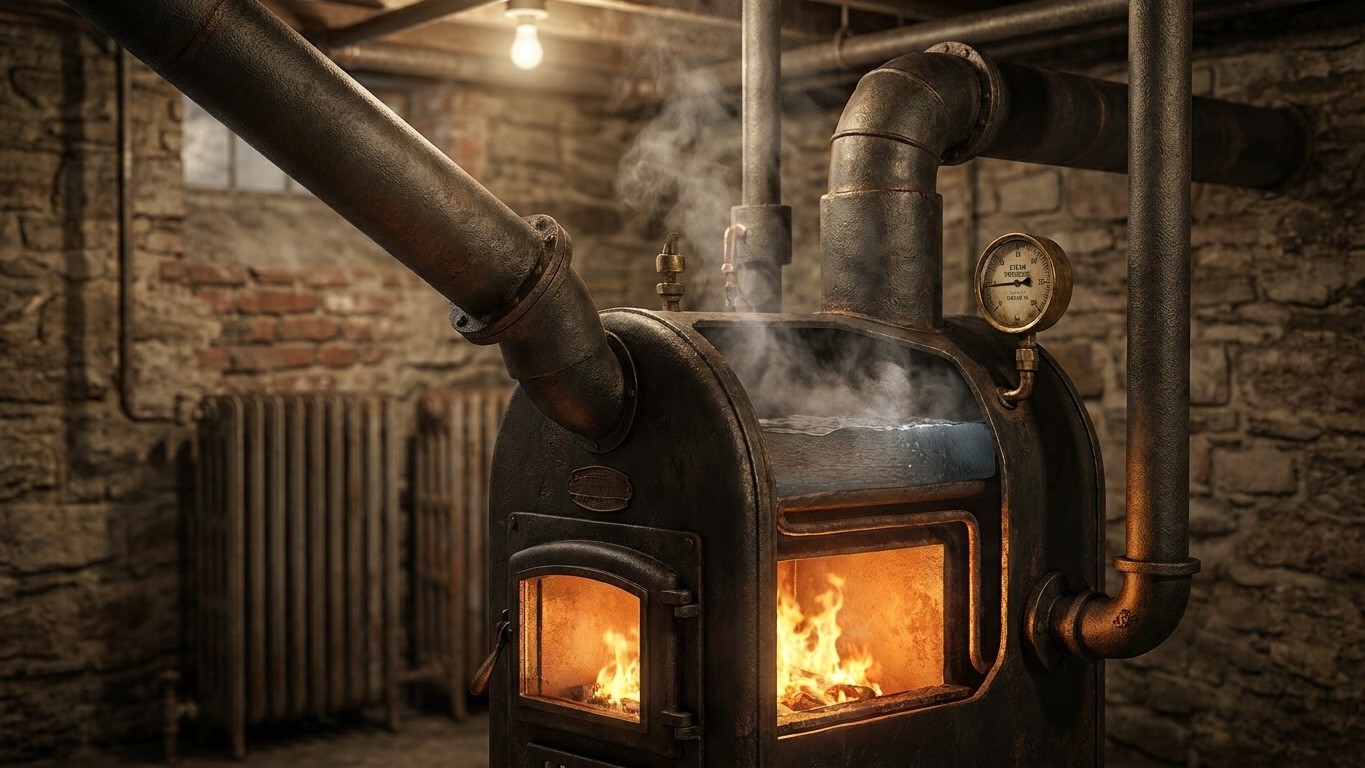
A steam boiler doesn’t push hot water through pipes with a pump. It boils water into steam, which expands and rises on its own into radiators, gives up…
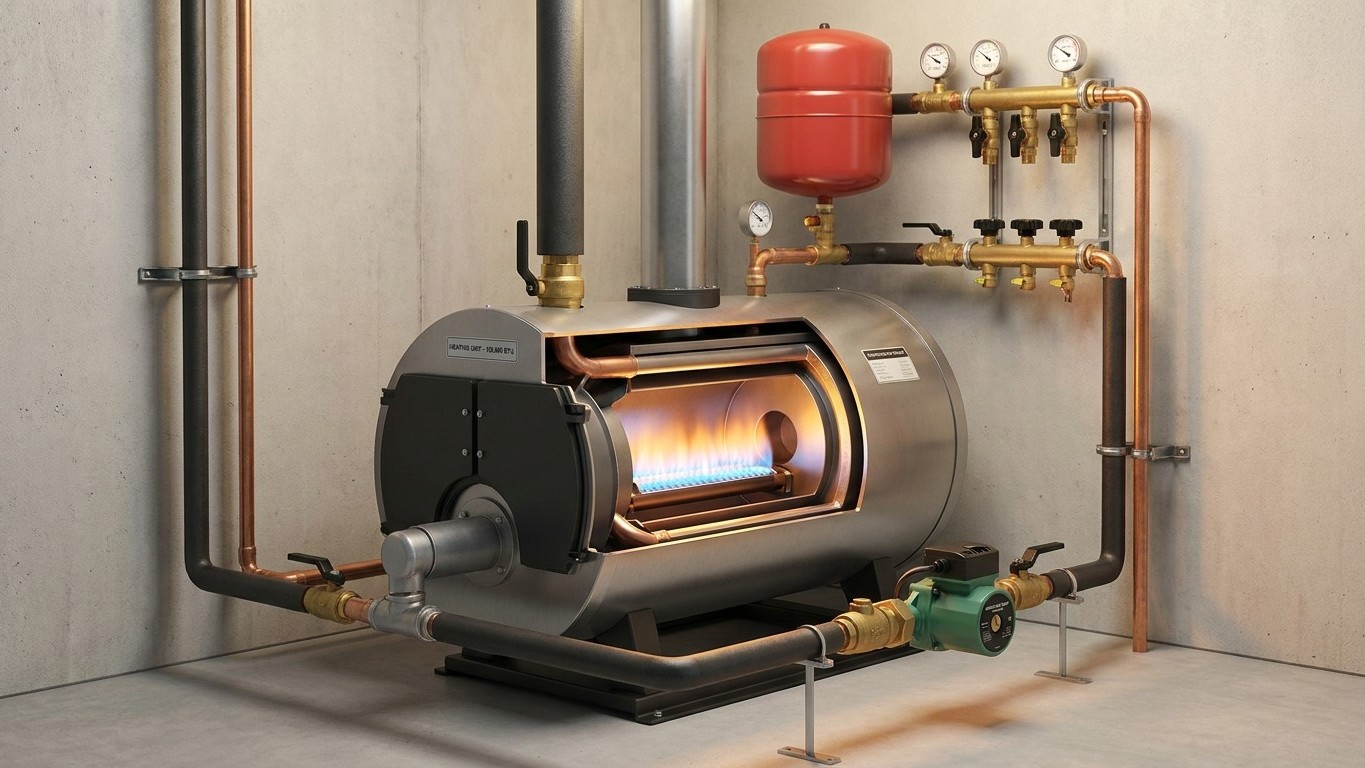
A boiler doesn’t blow hot air through your house. It heats water, keeps that water moving through a sealed loop of pipes, and lets radiators, baseboard…
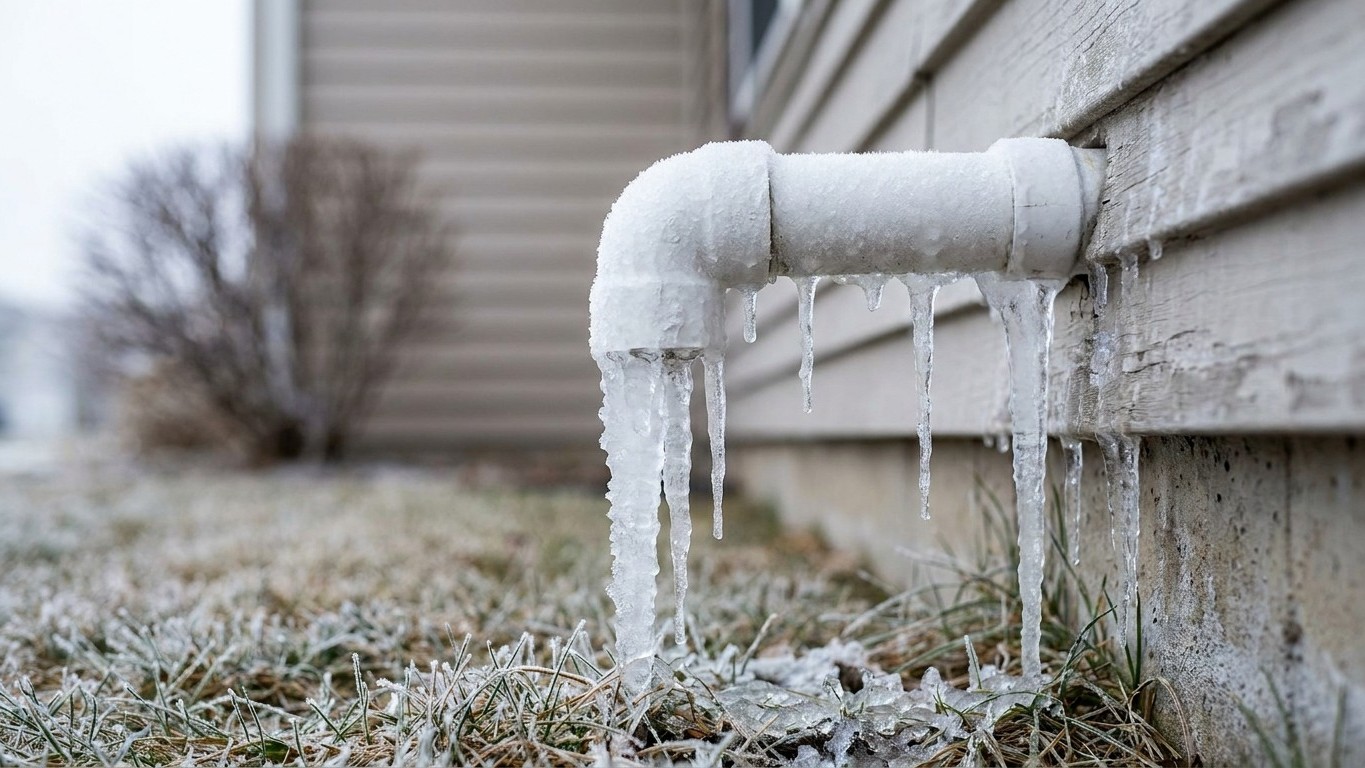
A frozen condensate pipe stops a modern gas boiler cold, usually overnight, usually during the first hard freeze of the season.
The only hard number available for Yukon comes from a single weather station: Whitehorse A, at roughly 6,584 heating degree days a year, sits in climate…