How Much Insulation Does a Home in New Brunswick Need?
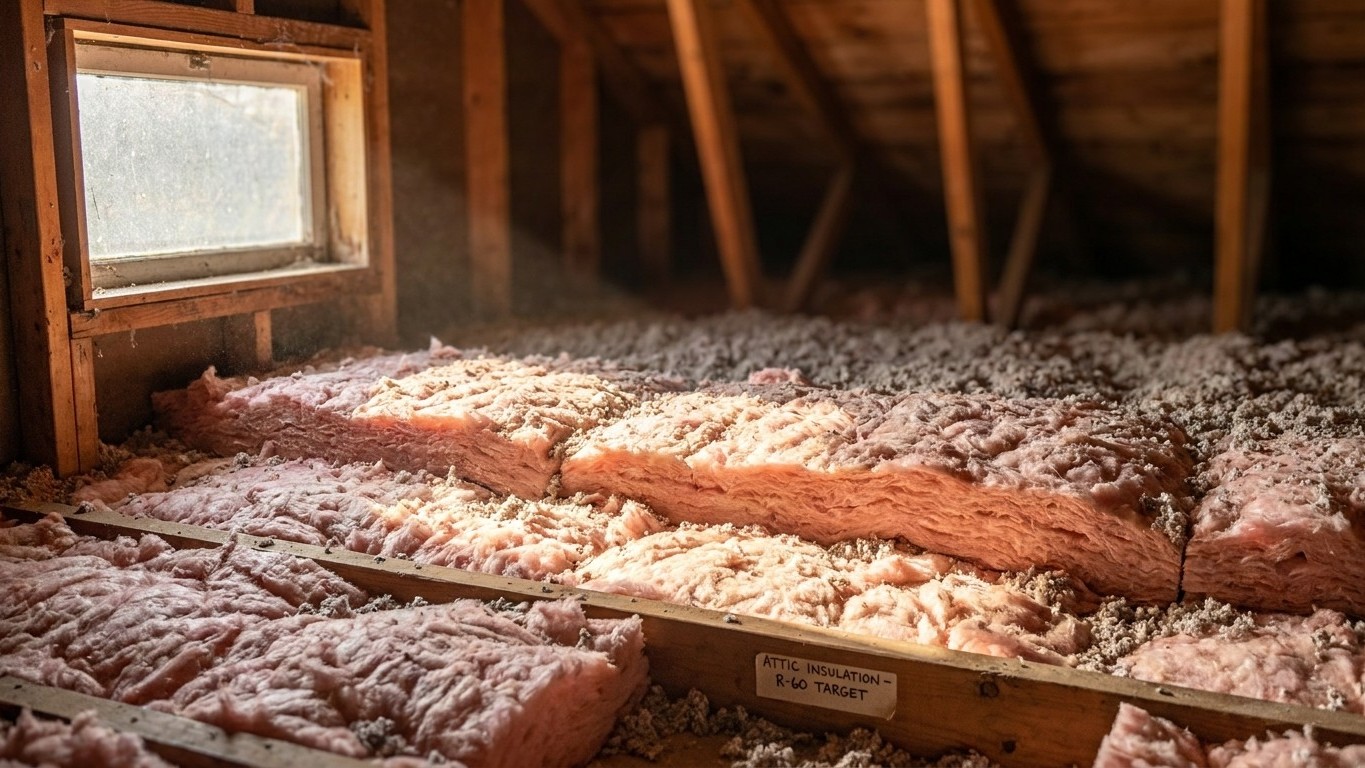
New Brunswick’s benchmark weather station, Moncton A, logs about 4,696 heating degree days a year below 18°C.
Home & garden, state by state
New Brunswick’s benchmark weather station, Moncton A, logs about 4,696 heating degree days a year below 18°C.
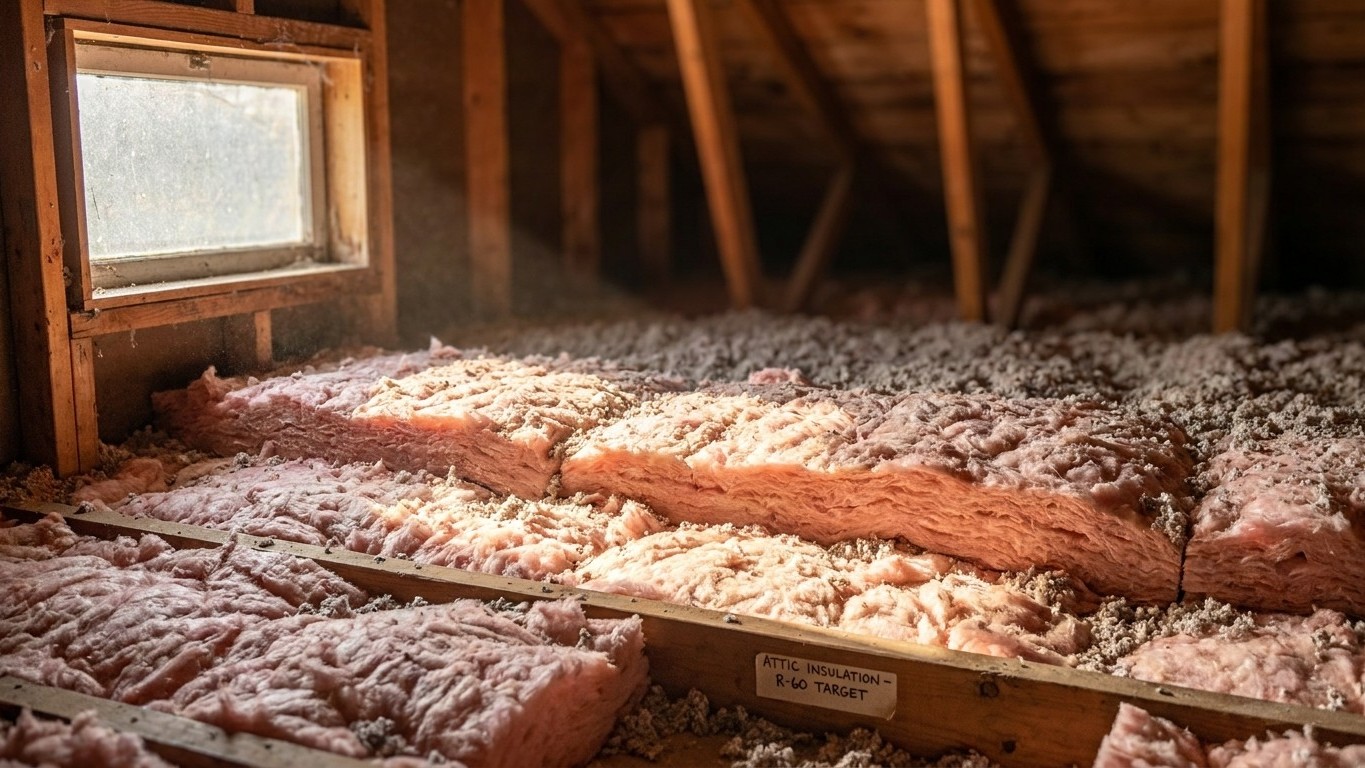
The reference weather station for the province, Winnipeg Richardson International Airport, sits squarely in Natural Resources Canada’s climate zone 7a.
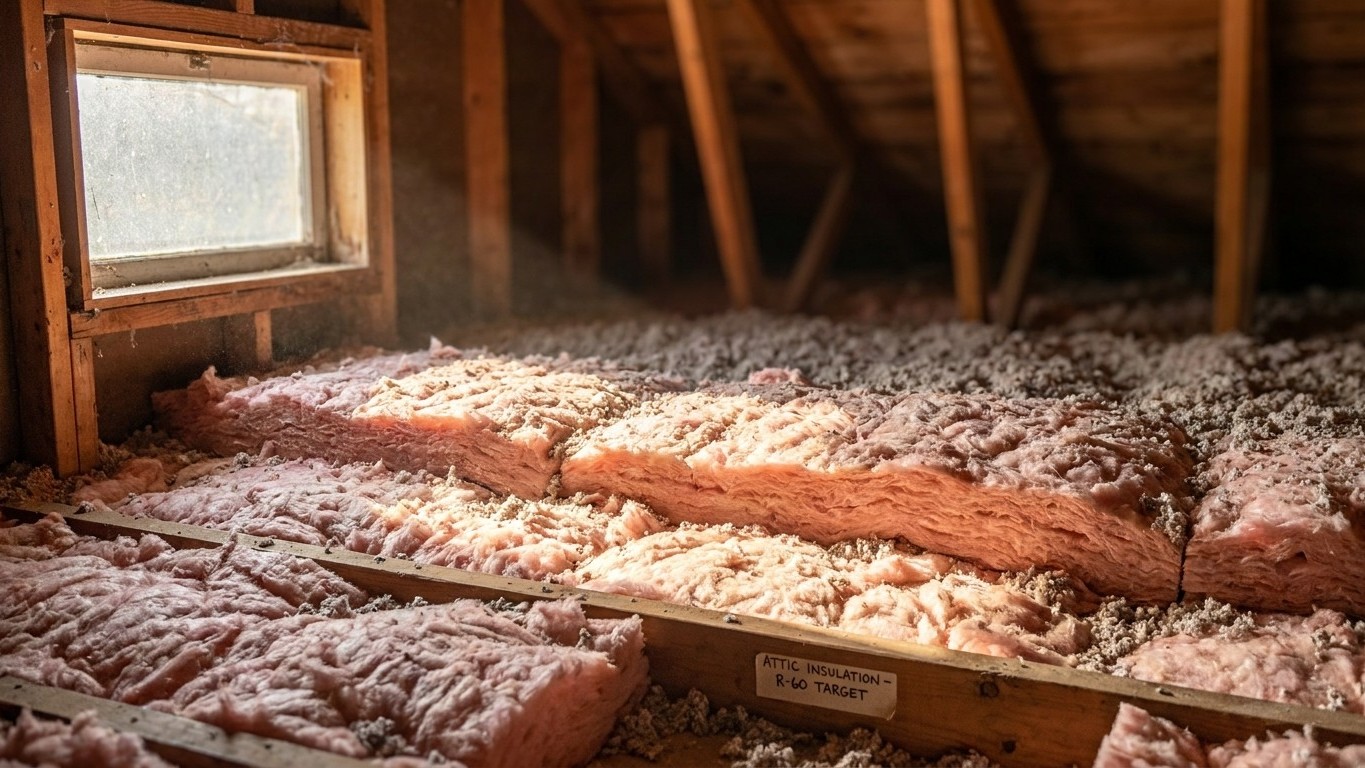
Vancouver Int’l A, the reference weather station most often used for the coast, sits in NRCan climate zone 4, with about 2,818 heating degree days a year…
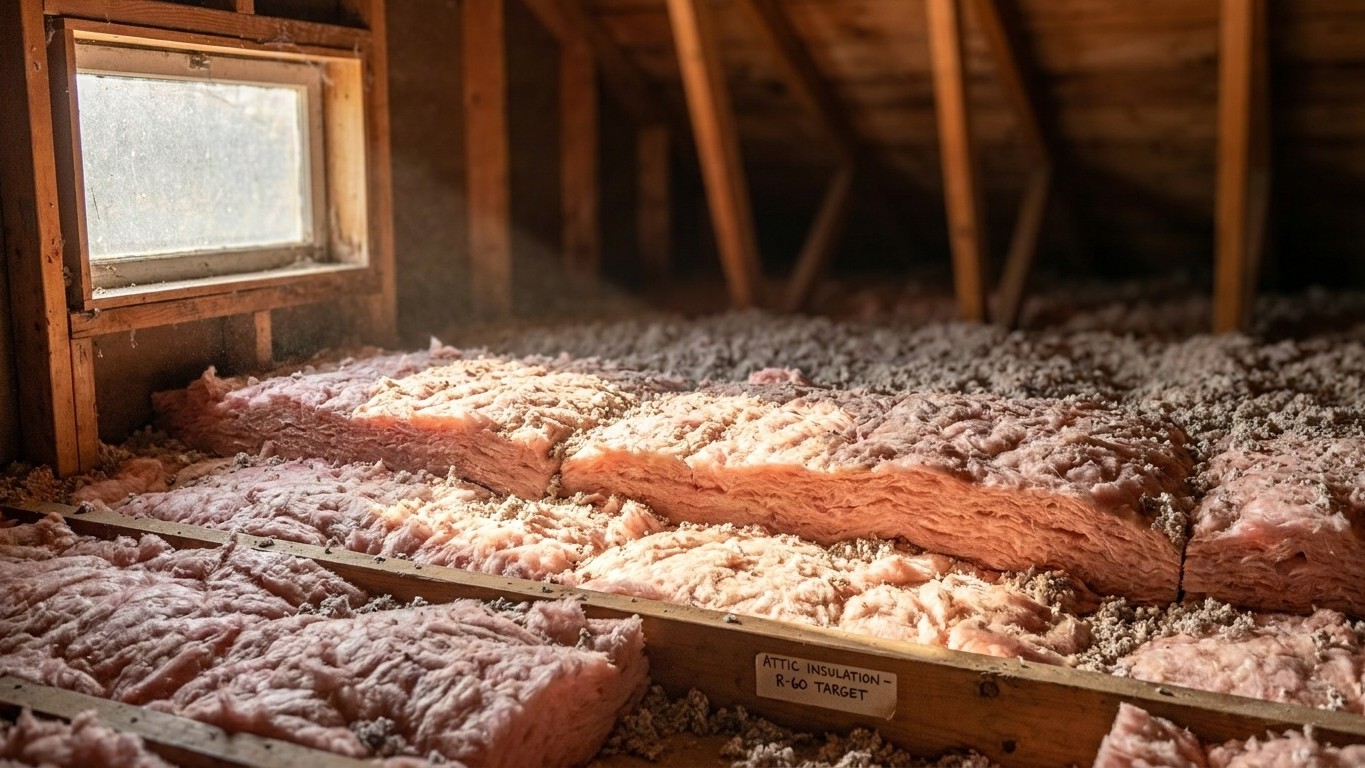
Alberta’s official reference point sits in NRCan climate zone 6, based on the Calgary International Airport weather station, which logs about 4,979…

Saskatchewan’s quietest month is July, when heating and cooling demand together add up to about 81 degree-days at the Saskatoon reference station.

In Quebec, the heat can safely go quiet for a few weeks in June, when the average temperature finally climbs back above 18°C and neither furnace nor air…

In Prince Edward Island, the answer sits in August. That’s the month when heating and cooling demand together drop to their lowest point of the year…

The straightforward answer: June is when the heat can safely go off for the year in Ontario.

The short answer: late June or July is the closest thing Nova Scotia gets to a break from both heating and cooling, and even then the house rarely goes…

Short answer: in Newfoundland and Labrador, there’s no real day when the whole house goes quiet.