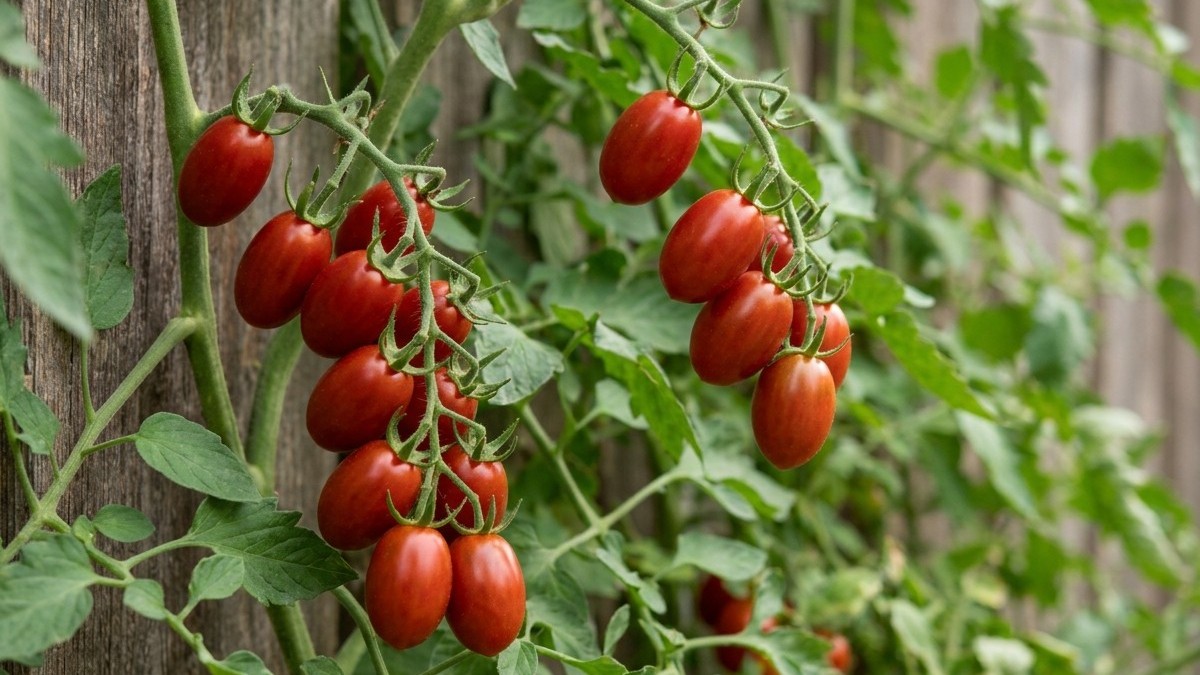

The right time to pick a Florida tomato depends less on the calendar and more on which Florida you’re gardening in. North Florida growers work around two frost windows a year and pick before the first one arrives. Central and south Florida gardeners rarely see frost at all, so the whole rhythm of picking, and what “too late” even means, flips upside down. Here’s how to read your own yard.
When to Pick Tomatoes in Florida
Ripening on the vine is the goal for flavor, but Florida’s climate rarely lets a gardener wait for perfect timing on every fruit. Two things force an earlier harvest: an approaching frost in the north, and a stretch of brutal heat that stalls the plant everywhere else. Cool nights slow down the enzymes that turn a tomato from green to red, and once a hard freeze is forecast, any fruit still on the vine is at risk of turning to mush overnight. That’s the real driver behind “when to pick,” more than any fixed date on a chart.
North Florida’s frost bookends
For north Florida, the reference point is Jacksonville, using data from the NOAA NCEI 1991-2020 Climate Normals at station USW00013889. There, the last spring frost typically falls somewhere between February 16 and March 7, and the first fall frost arrives between November 26 and December 13. Those are windows, not fixed dates, because freeze timing shifts from year to year. It’s also worth knowing that this station sits at an inland airport site, and in three of the thirty years behind that normal, no fall freeze showed up at all. Some years you’ll be picking green tomatoes off the vine by Thanksgiving out of caution; other years the plants would have handled another few weeks just fine.
Central and south Florida invert the calendar
Move south past roughly the Orlando line, and this frost-driven logic stops applying. Central and south Florida are effectively frost-free zones, which flips the whole growing season. Instead of planting in spring and racing a fall freeze, gardeners there plant through fall and winter, when temperatures are mild and consistent, and treat summer as the obstacle. Extended heat during a Florida summer stops fruit set and can leave plants sitting green and stalled for months. So “when to pick” in Miami or Fort Myers isn’t about outrunning frost at all, it’s about getting fruit off the plant before the summer slump sets in, or accepting that little will ripen until temperatures ease again.
| Region | Reference station/data | Main growing period | What forces harvest |
|---|---|---|---|
| North Florida (Jacksonville area) | NOAA NCEI, USW00013889 | Spring through fall | Approaching frost window (Nov 26-Dec 13) |
| Central & South Florida | Not published here | Fall through winter | Summer heat stalling fruit set |
Florida’s USDA hardiness zones span 8b to 11b, a range so wide it covers everything from occasional hard freezes to essentially tropical conditions. That system is built on one number, the average annual extreme minimum temperature, so it tells you almost nothing about summer heat or humidity. Use it as a starting point for your general climate, not as a picking calendar. For anything specific to your county, the local Extension office is the better resource than a statewide zone map.
What to do with the green ones
Not every tomato left on the vine when the season turns is a lost cause. A tomato that has reached full size, with a pale green to whitish-green color and a slight waxy sheen on the skin, has usually finished growing and just needs time to ripen. Pick those first if frost is closing in or the plant is being pulled for the season. Smaller, dark green fruit that’s still firm and glossy hasn’t matured yet, and it’s far less likely to ripen well off the vine, so don’t count on those.
Sorting before you store
Once fruit is picked, a quick sort saves a lot of frustration later. Separate tomatoes by size, since larger green fruit generally ripens faster than smaller ones picked at the same stage. Set aside anything with cracks, soft spots, insect damage, or sunscald; those won’t hold up during the ripening process and can spread rot to fruit sitting near them. Wipe off garden soil, but skip washing until you’re ready to actually eat the tomato, since extra moisture invites mold during storage.
In north Florida, this sorting usually happens once, right before the first frost window in late November or early December, when the whole plant gets stripped at once. In central and south Florida, it can happen more gradually, as gardeners pull green fruit ahead of the worst summer heat rather than all in one dramatic harvest. Either way, the logic is the same: fruit that’s reached full size and started to pale is worth saving, and fruit that hasn’t gotten there yet is better left as compost than stored on a windowsill for weeks with nothing to show for it.
It also helps to remember that a green tomato picked for ripening indoors is a different project than a green tomato picked to eat green, fried or pickled. If you’re aiming for that, size and firmness matter more than color, and the fruit doesn’t need the pale, mature look described above. That’s a separate harvest decision, not a step on the way to a ripe tomato.
Ripening indoors, and how long they keep
Mature green tomatoes ripen indoors through the same basic process they’d go through on the vine, just without direct sun. Spread them out in a single layer, not stacked or touching, somewhere at normal room temperature and out of direct sunlight. A sunny windowsill actually works against you here; the heat and light can cause the fruit to shrivel or ripen unevenly rather than turning color the way you’d expect.
Speeding it up, or slowing it down
Tomatoes give off a natural gas called ethylene as they ripen, and that gas triggers more ripening in whatever fruit sits nearby. Tucking green tomatoes into a paper bag along with a ripe banana or apple concentrates that gas and speeds things along. Loosely folding the bag closed, rather than sealing it tight, still lets a little air exchange happen, which helps prevent condensation and mold buildup inside. If the goal is to slow things down instead, say a large harvest that would otherwise all ripen at once, spreading fruit out in a cooler spot without added ethylene sources will stretch the timeline.
Check the batch daily. Any tomato that starts to soften, wrinkle, or show signs of rot needs to come out immediately, since one spoiling fruit can take down the ones next to it. Move each tomato to the counter as it finishes ripening rather than waiting for the whole batch to turn at once. There’s no single published timeline that fits every fruit and every kitchen, since ripening speed depends on how mature the tomato was at picking, the room’s temperature, and how much ethylene it’s exposed to, so treat the daily check as the real schedule, not a fixed number of days.
Refrigeration isn’t part of this process. Cold temperatures halt the ripening enzymes and can leave the fruit mealy and flat-tasting even after it’s brought back to room temperature. Once a tomato is fully ripe, it’s fine to refrigerate briefly if you need to hold it a day or two before eating, but green or partially ripe fruit should stay out on the counter the whole way through.
What goes wrong here
The most common mistake is picking too early out of nerves rather than necessity, especially in north Florida as that fall frost window approaches. Small, immature green fruit pulled weeks ahead of any real cold threat often just sits and shrivels instead of ripening, because it hadn’t finished developing on the vine yet. Waiting until closer to the actual freeze forecast, rather than pulling everything at the first cool snap, gives more fruit a real shot at ripening well.
Mold inside a ripening bag is the second frequent problem, and it usually comes down to overcrowding or trapped moisture. Too many tomatoes packed into one bag means less air movement and more contact between fruit, which is exactly how one soft spot spreads to its neighbors. Wiping fruit dry before bagging, and checking daily rather than forgetting about the bag on a counter for a week, catches most of these problems before they spread.
Florida’s humidity makes this worse than it might be in a drier climate, since damp air slows evaporation and gives mold more time to establish itself on any bruised or cracked skin. Blotchy, uneven ripening is another common complaint, and it’s often tied to inconsistent temperatures during storage, a spot too close to a drafty window or an air conditioning vent, rather than anything wrong with the fruit itself. If ripening problems keep showing up season after season despite following the basics, a local Extension office visit can rule out variety-specific issues or a disease already present in the garden, since not every ripening problem is really a storage problem.
Common questions
Do I need to pick every tomato before a Florida frost?
Only fruit that’s reached full size and started to pale is worth saving; small, hard, dark green tomatoes rarely ripen well after picking, so leaving those behind and composting the plant isn’t a real loss.
Can I plant tomatoes through winter in south Florida?
Yes, since central and south Florida are frost-free, the main tomato season there runs through fall and winter rather than spring and summer, which is the opposite pattern from north Florida.
Why did my green tomatoes shrivel instead of ripening?
Direct sun, drafts, or a spot that’s too warm or too dry can cause this; a stable room-temperature spot out of direct light, checked daily, usually solves it.
Is it safe to ripen tomatoes in the refrigerator to make them last longer?
No, cold temperatures stop the ripening process and tend to leave the texture mealy, so green or partially ripe fruit ripens better left out at room temperature.