Tomato Planting Dates in Vermont: Counting Back From Your Frost Window
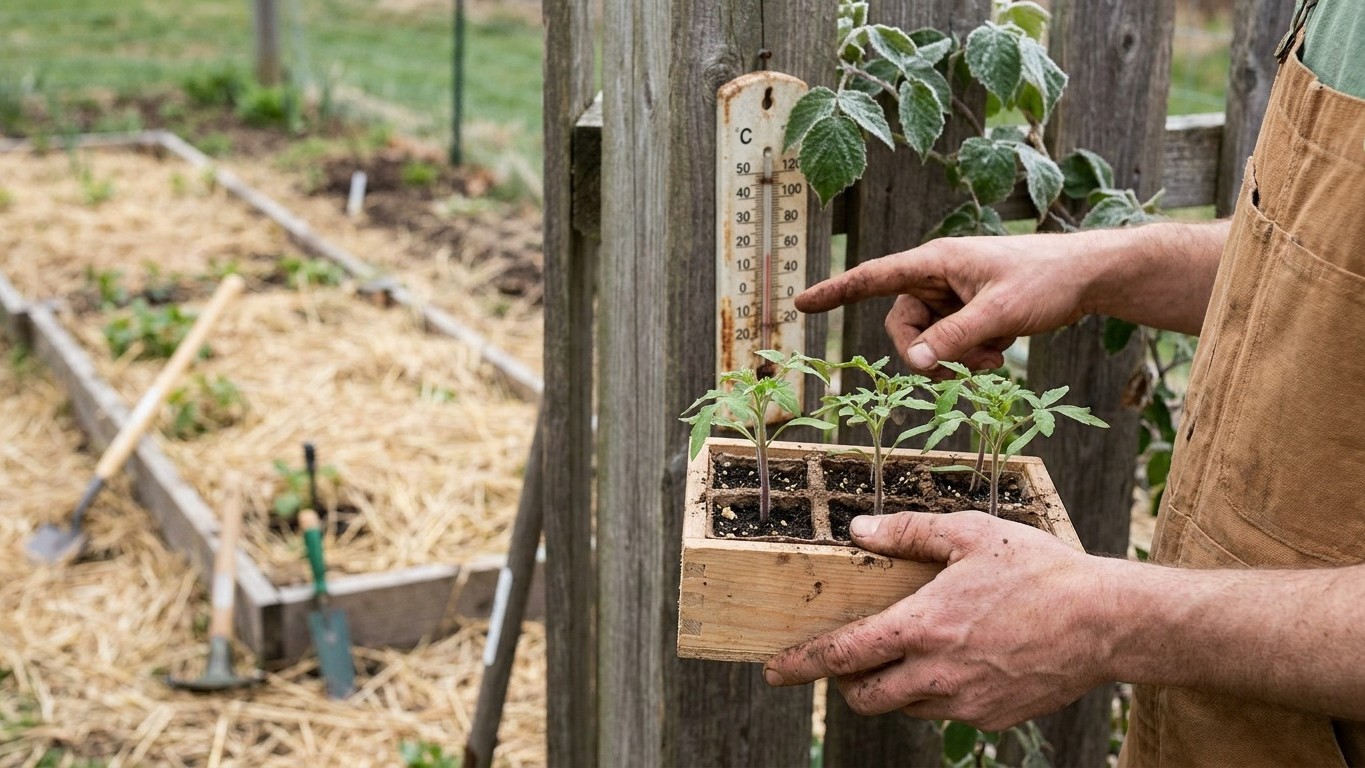
Vermont’s frost-free season runs from Burlington’s April 30-May 10 last freeze to its October 3-13 first freeze, per NOAA’s 1991-2020 normals.
Home & garden, state by state
Vermont’s frost-free season runs from Burlington’s April 30-May 10 last freeze to its October 3-13 first freeze, per NOAA’s 1991-2020 normals.
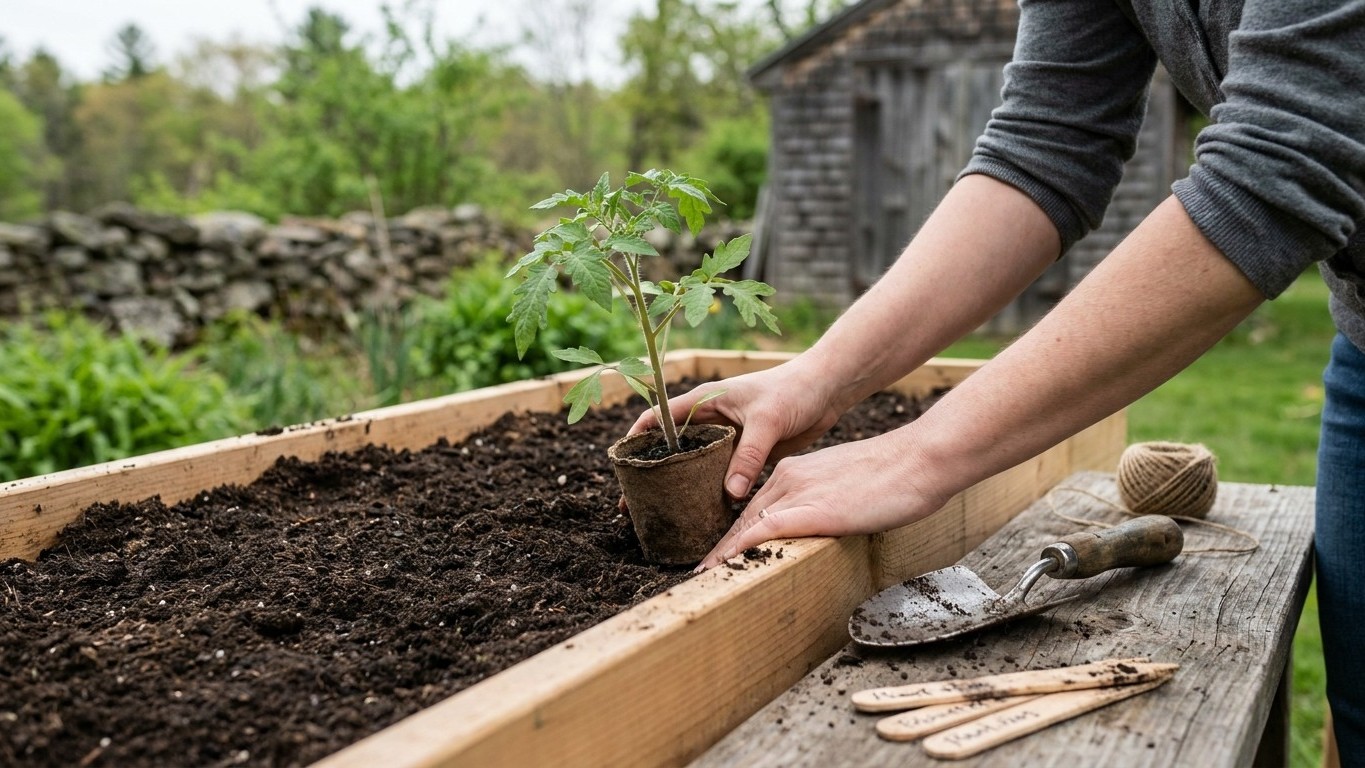
Explains how to use Manchester’s frost-date range to calculate safe tomato sowing and transplant windows anywhere in New Hampshire, plus how local conditions shift the numbers.
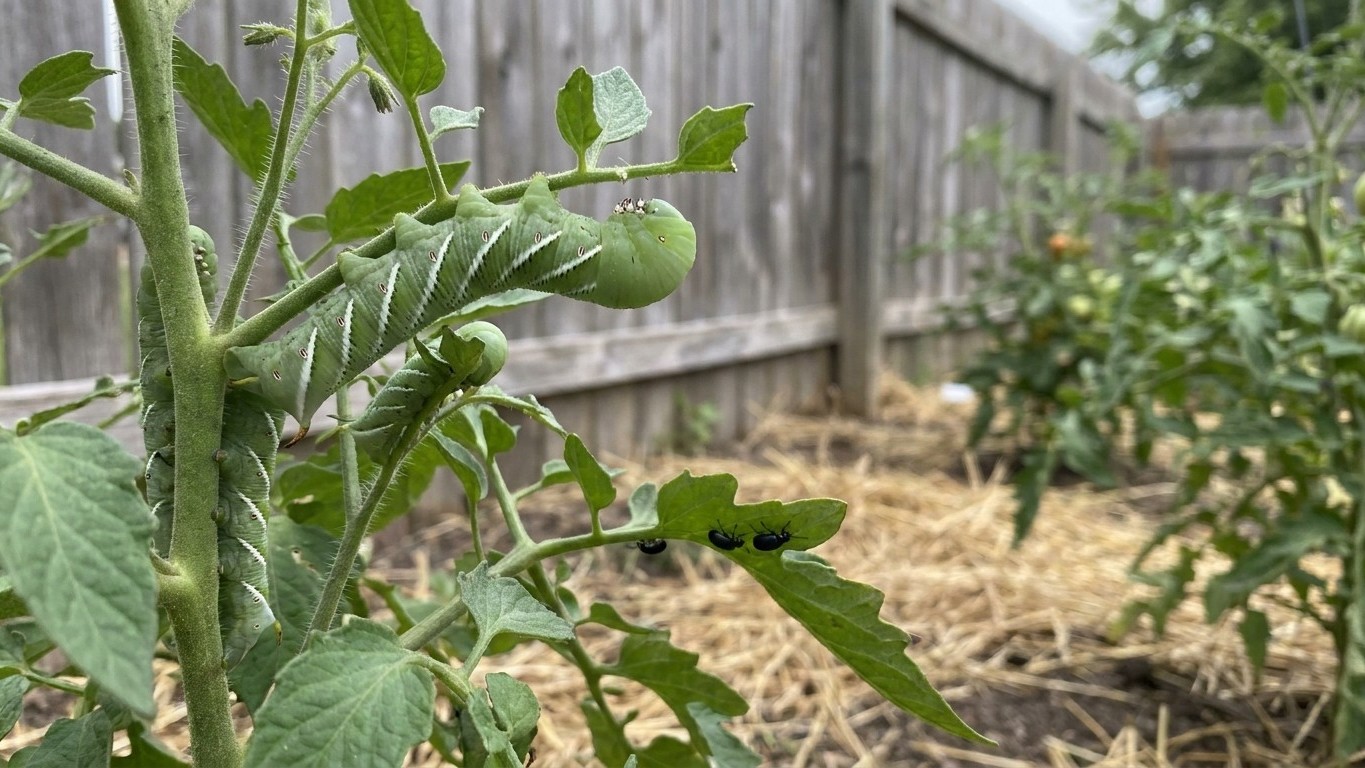
A season-by-season guide to the tomato pests that actually turn up in Nebraska gardens, how to identify each one, and what actually controls it.
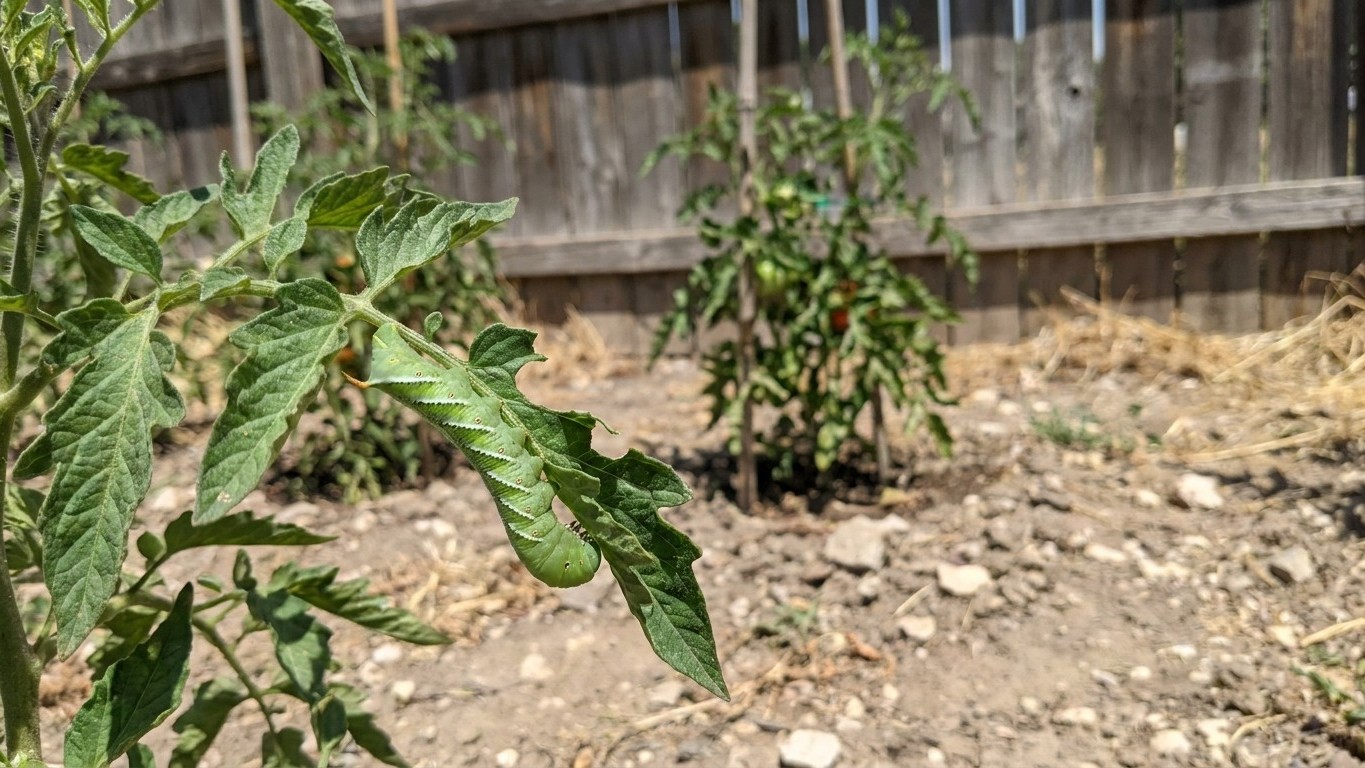
Utah tomato pests arrive on a predictable schedule tied to the frost window. Here is what shows up, when, and what works.
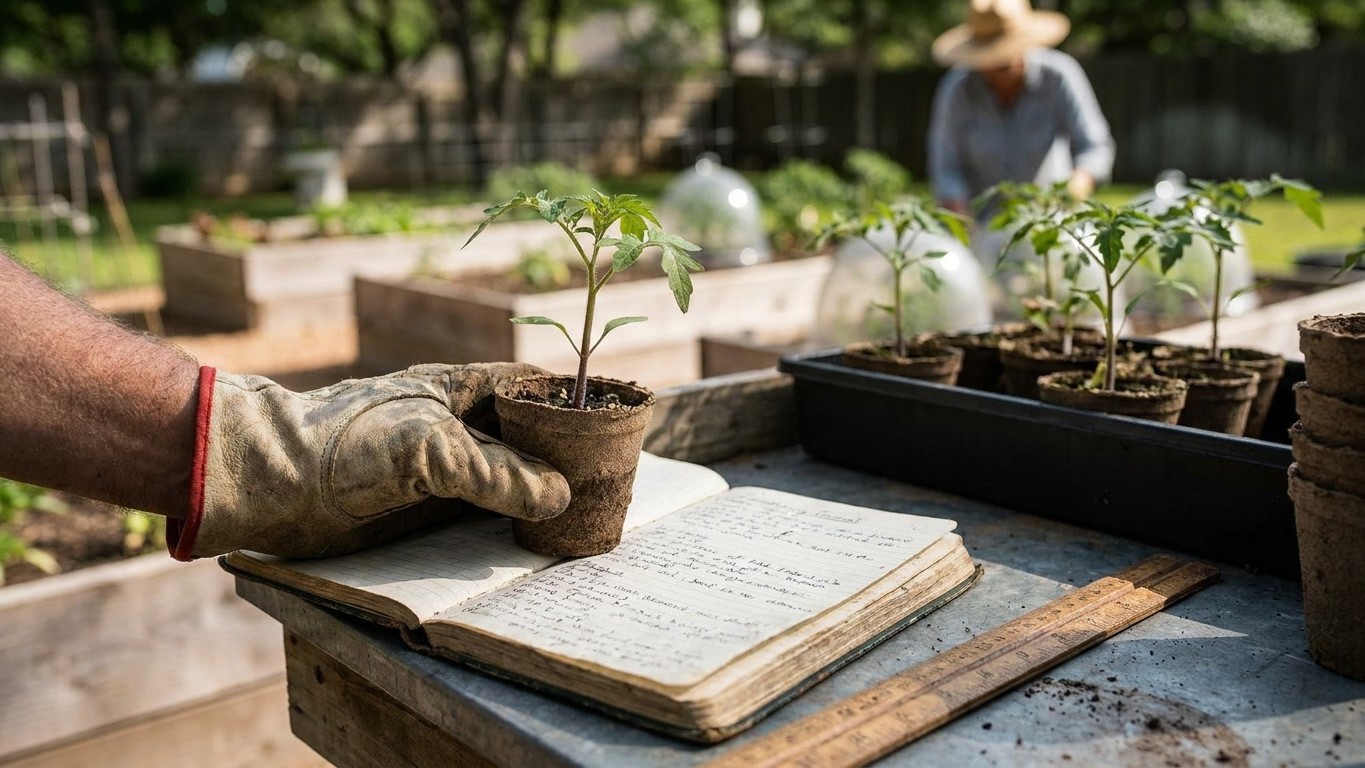
Texas tomato planting dates depend on your local frost window; this piece shows how to calculate transplant timing from NOAA’s Houston frost data and your own county’s dates.
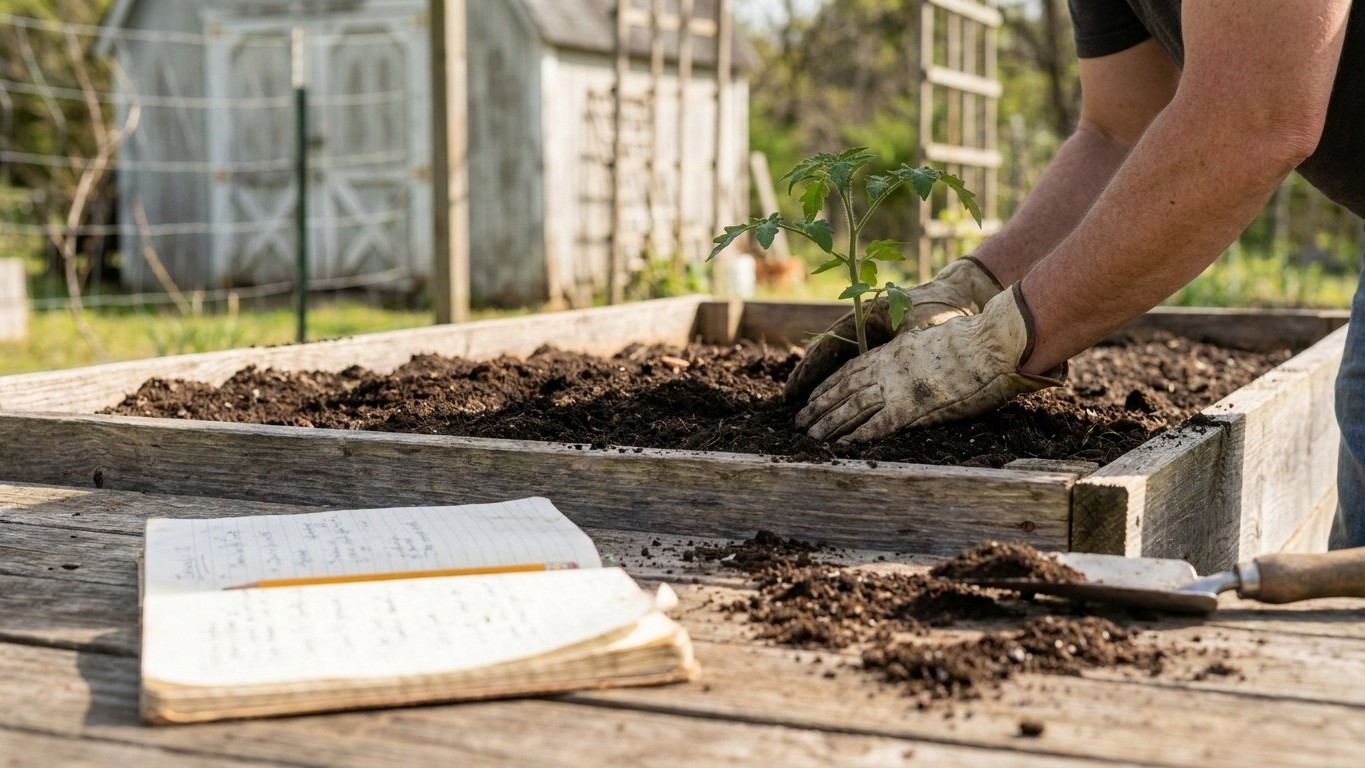
Tennessee tomato planting dates start from NOAA’s Nashville frost window, then get adjusted for elevation, region, and the cultivar’s days to maturity.
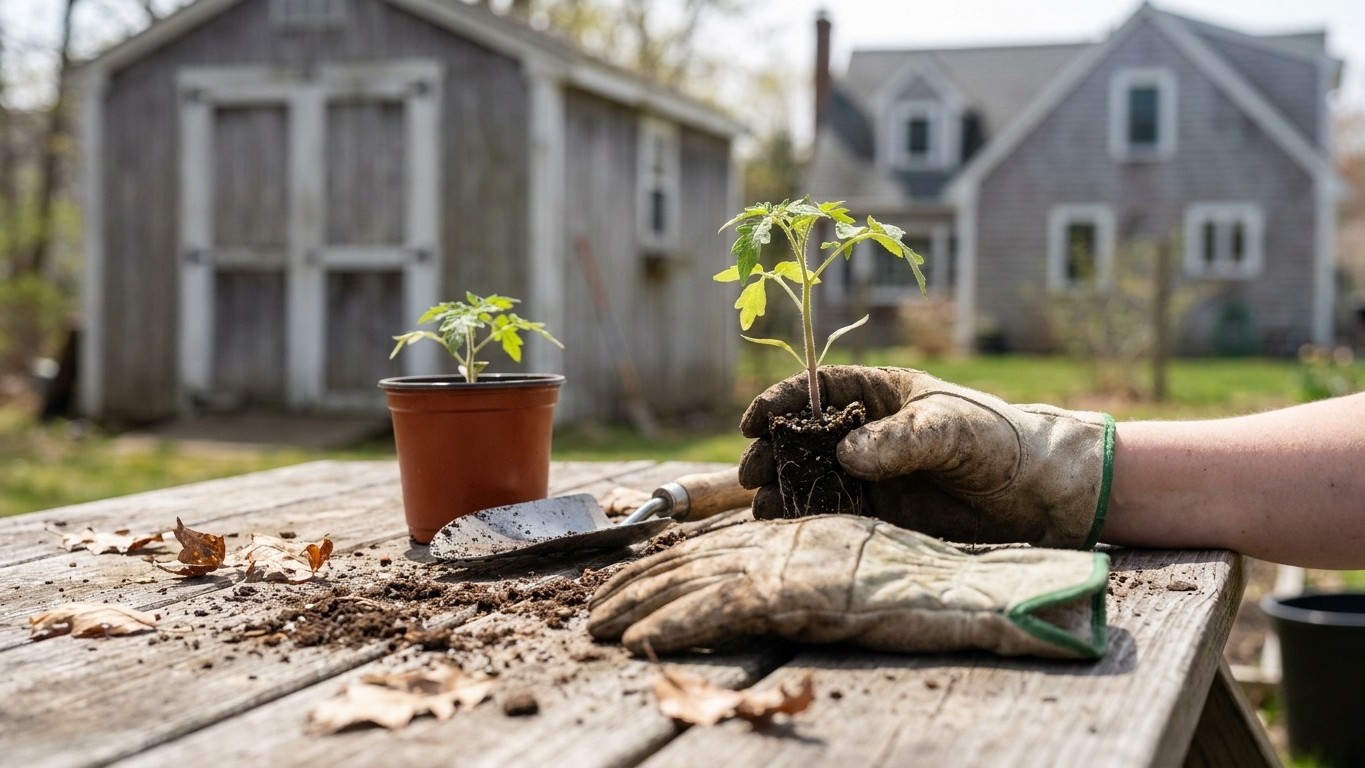
Rhode Island tomato dates hinge on Providence’s NOAA frost window; this guide shows the counting-back method so you can set your own.
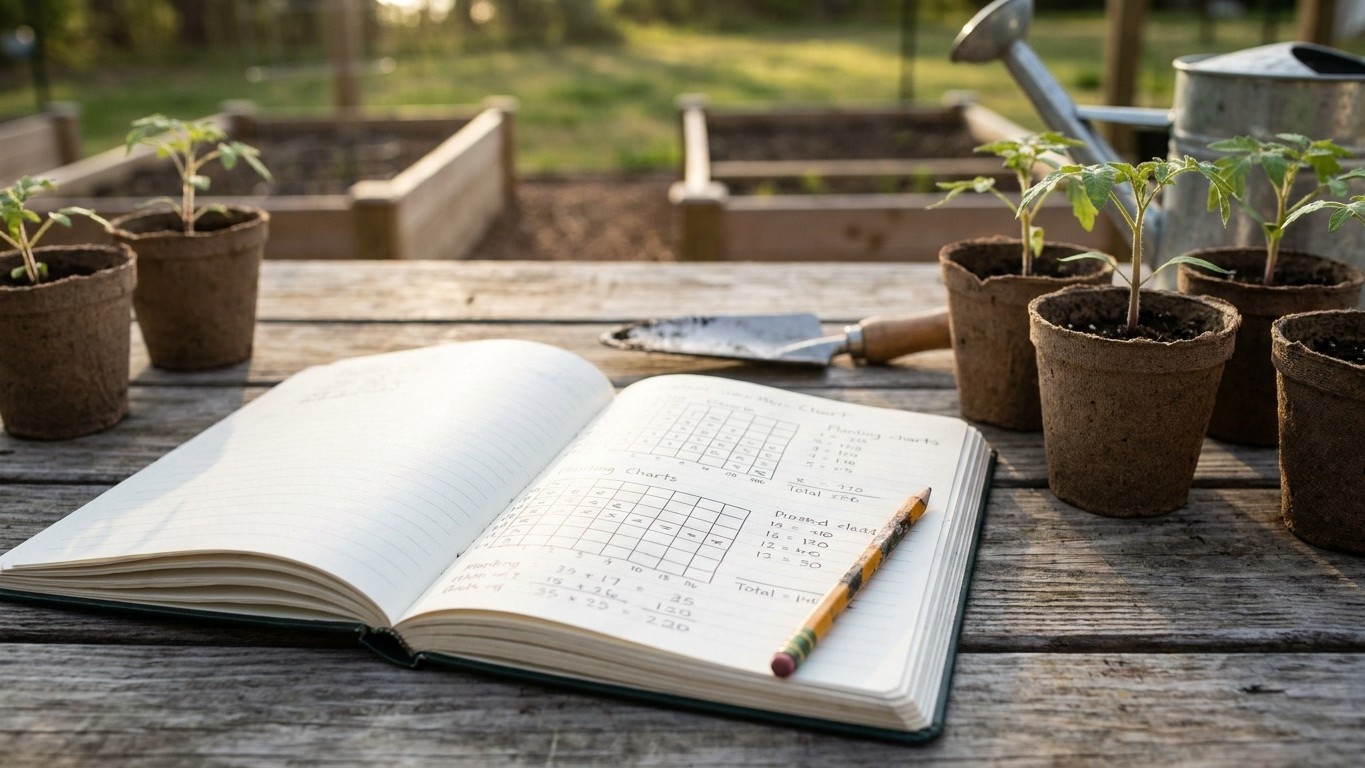
Explains how Charlotte’s NOAA frost window sets North Carolina tomato transplant timing, and how to adjust the count for a different county or elevation.
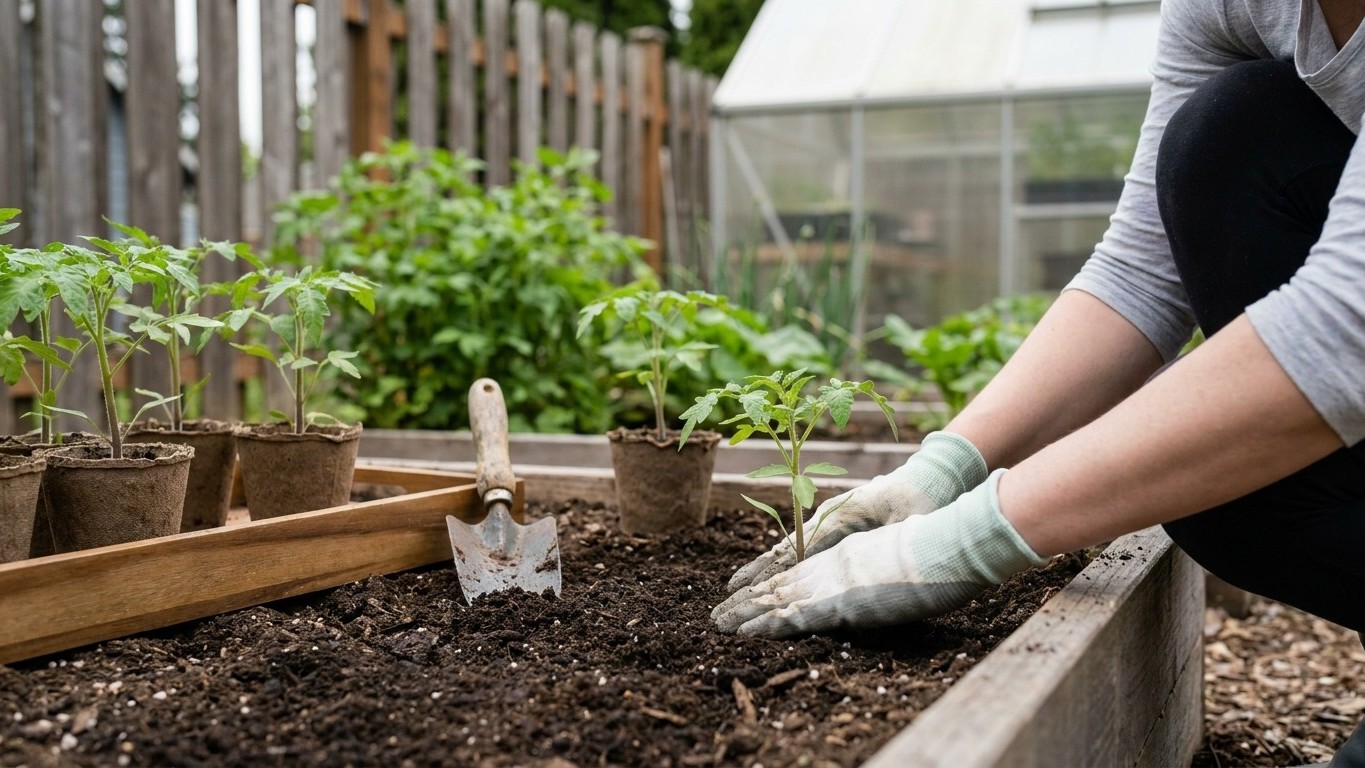
Oregon’s tomato transplant date comes from NOAA’s Portland frost data, and this page shows how to count forward using each variety’s days to maturity.
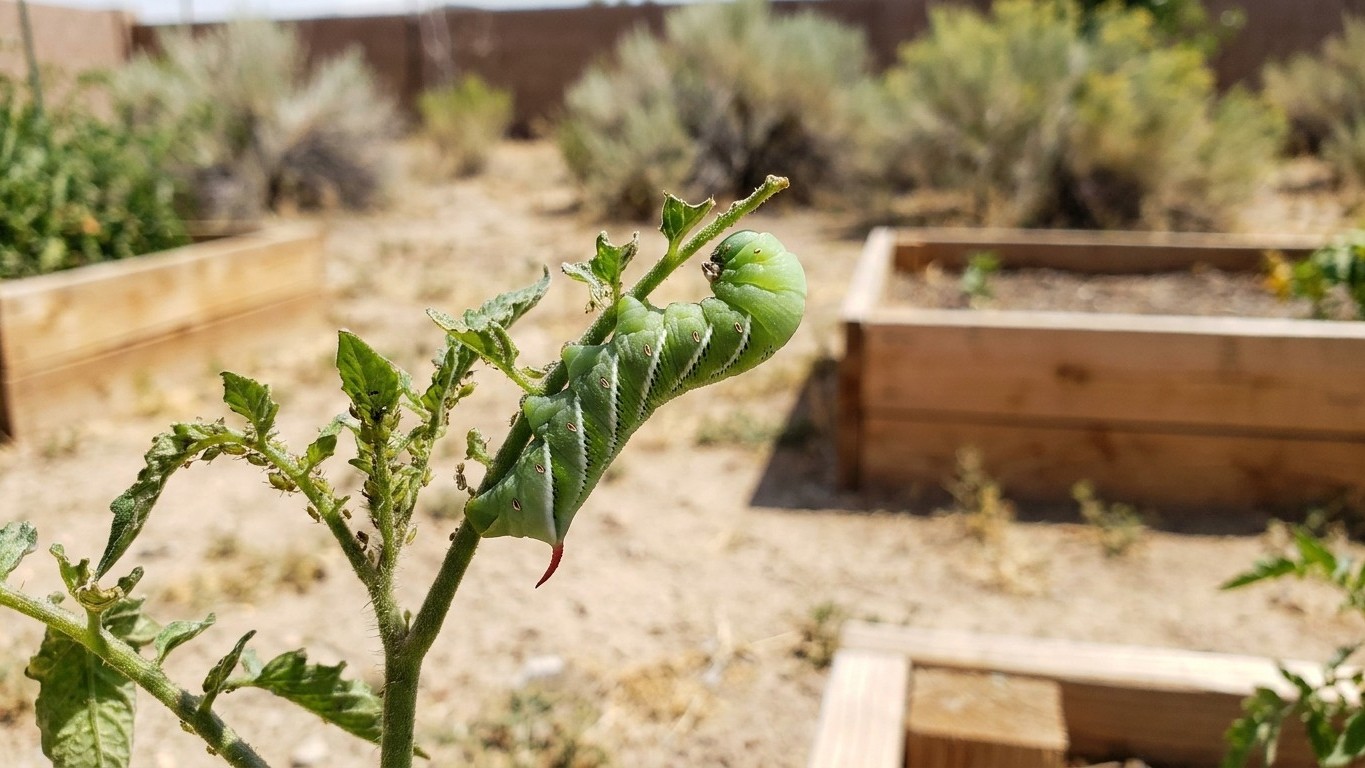
A season-by-season rundown of the tomato pests that actually turn up in Nevada gardens, from early cutworms to late-summer whiteflies.