When to Mulch Strawberries and Perennials for Winter in Arizona
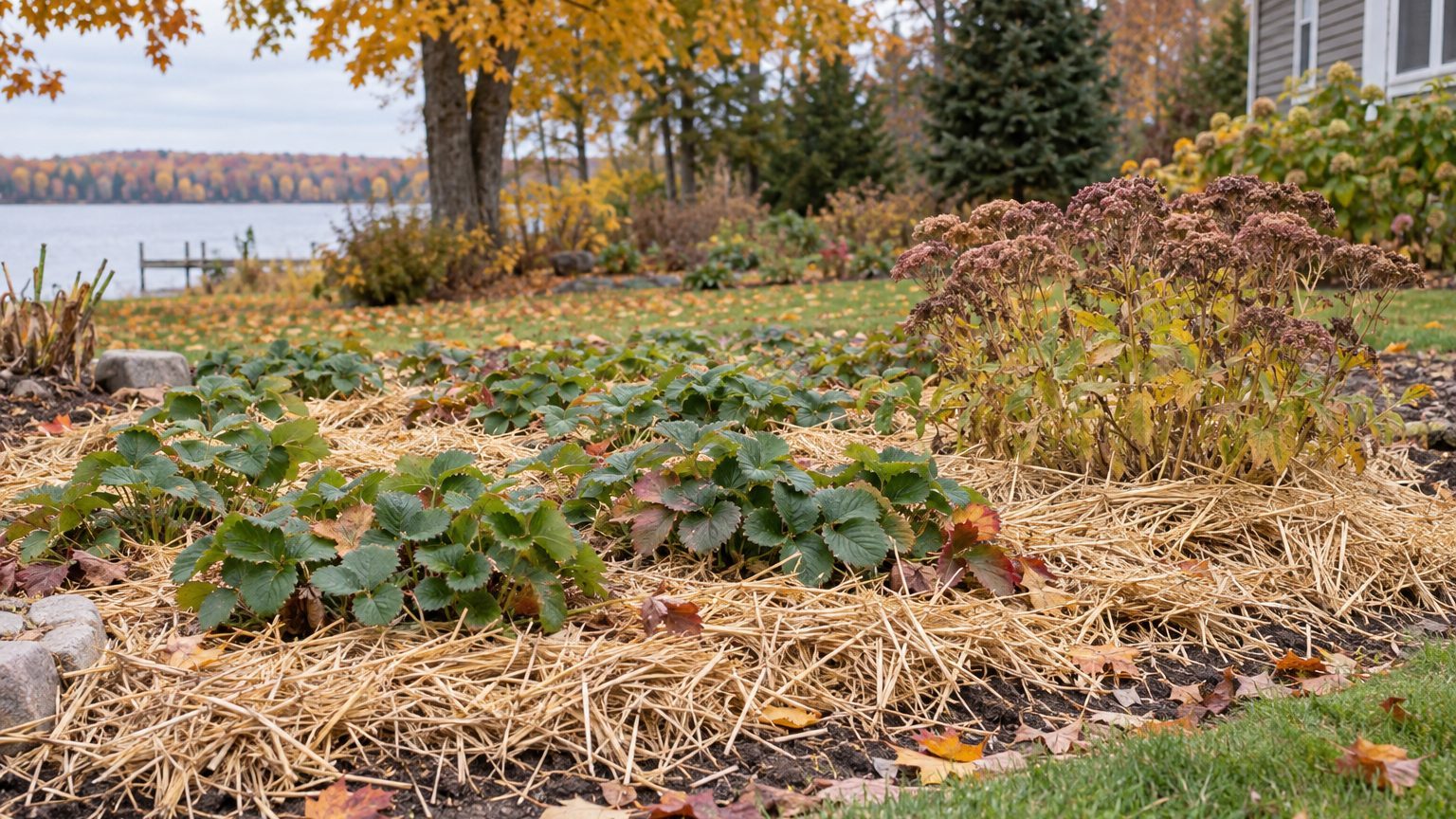
In the low desert around Phoenix, there is no winter mulching date. The ground doesn’t freeze, and NOAA lists the frost-free season there as 365 days.
Home & garden, state by state
In the low desert around Phoenix, there is no winter mulching date. The ground doesn’t freeze, and NOAA lists the frost-free season there as 365 days.
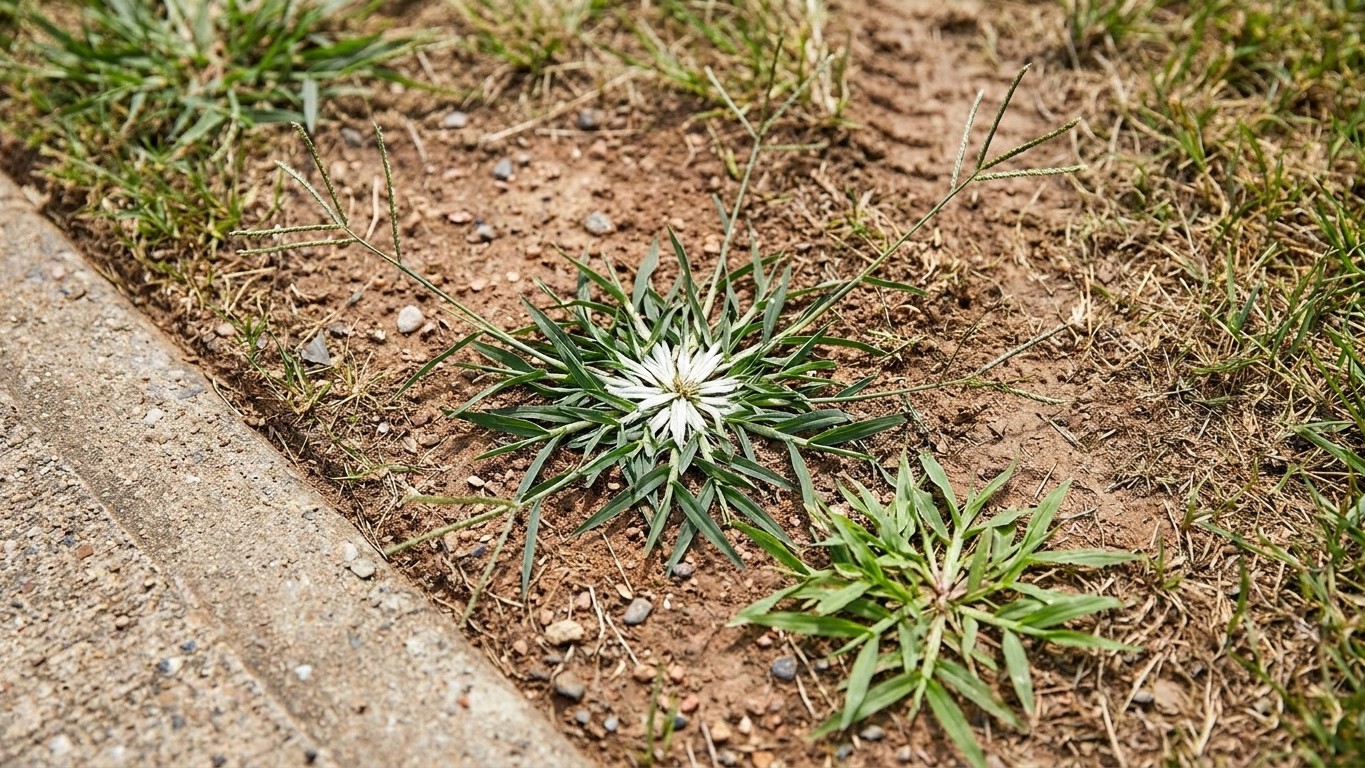
In Oklahoma, cool-season seed (tall fescue, Kentucky bluegrass, perennial ryegrass) goes down in September.
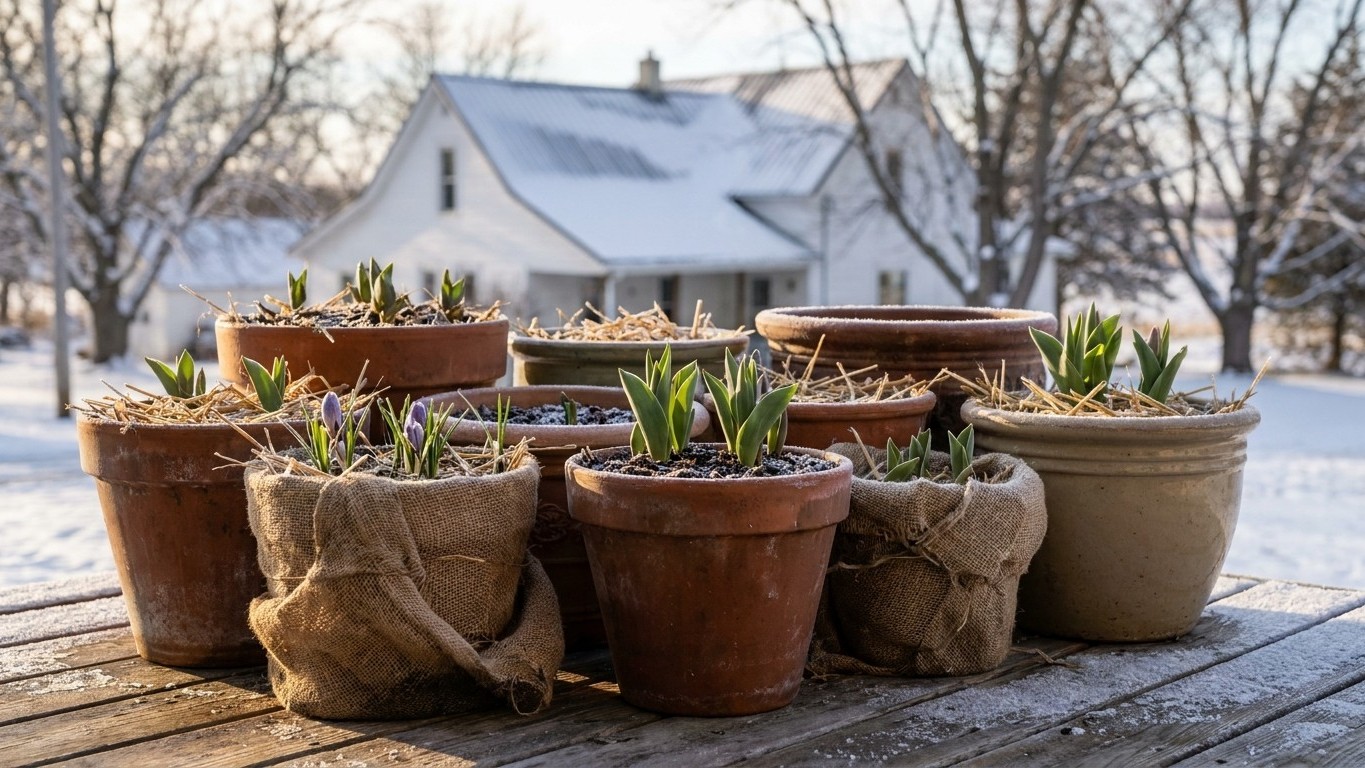
Whether to dig up dahlias, cannas and gladiolus in Arizona depends on which Arizona you garden in.
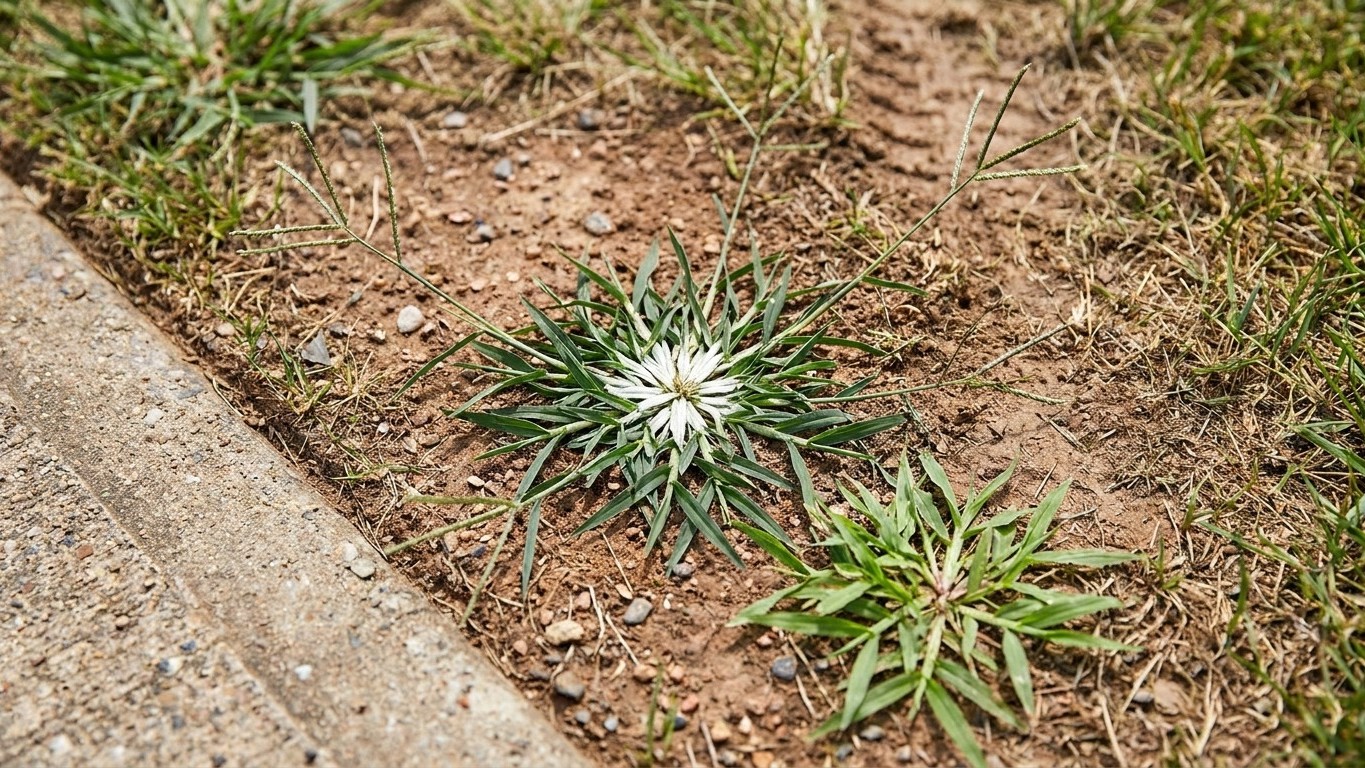
Most Ohio lawns should be mowed between 1.5 and 3.5 inches, depending on the grass. Tall fescue wants 3 to 3.5 inches.
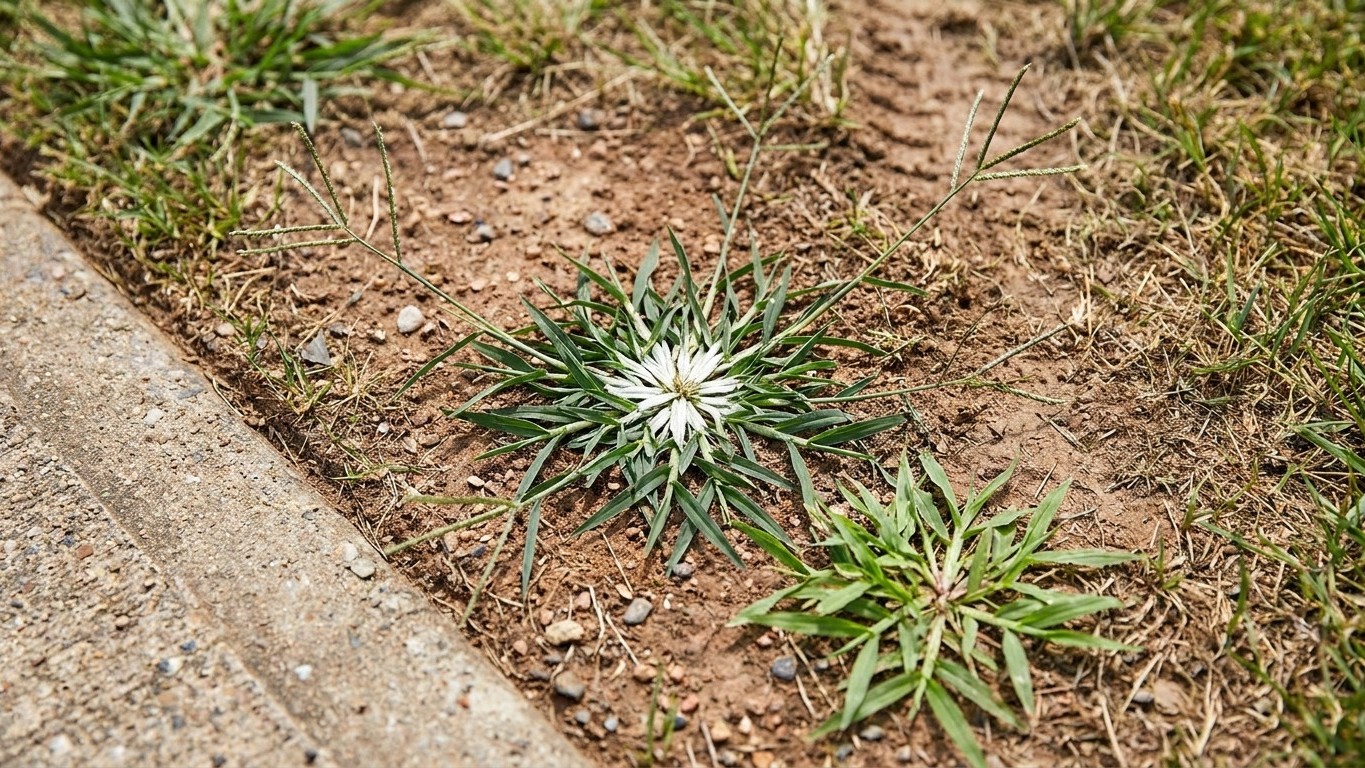
Cool-season grass seed needs soil at 50 to 65 °F and about 45 days of growing weather before the first fall freeze.
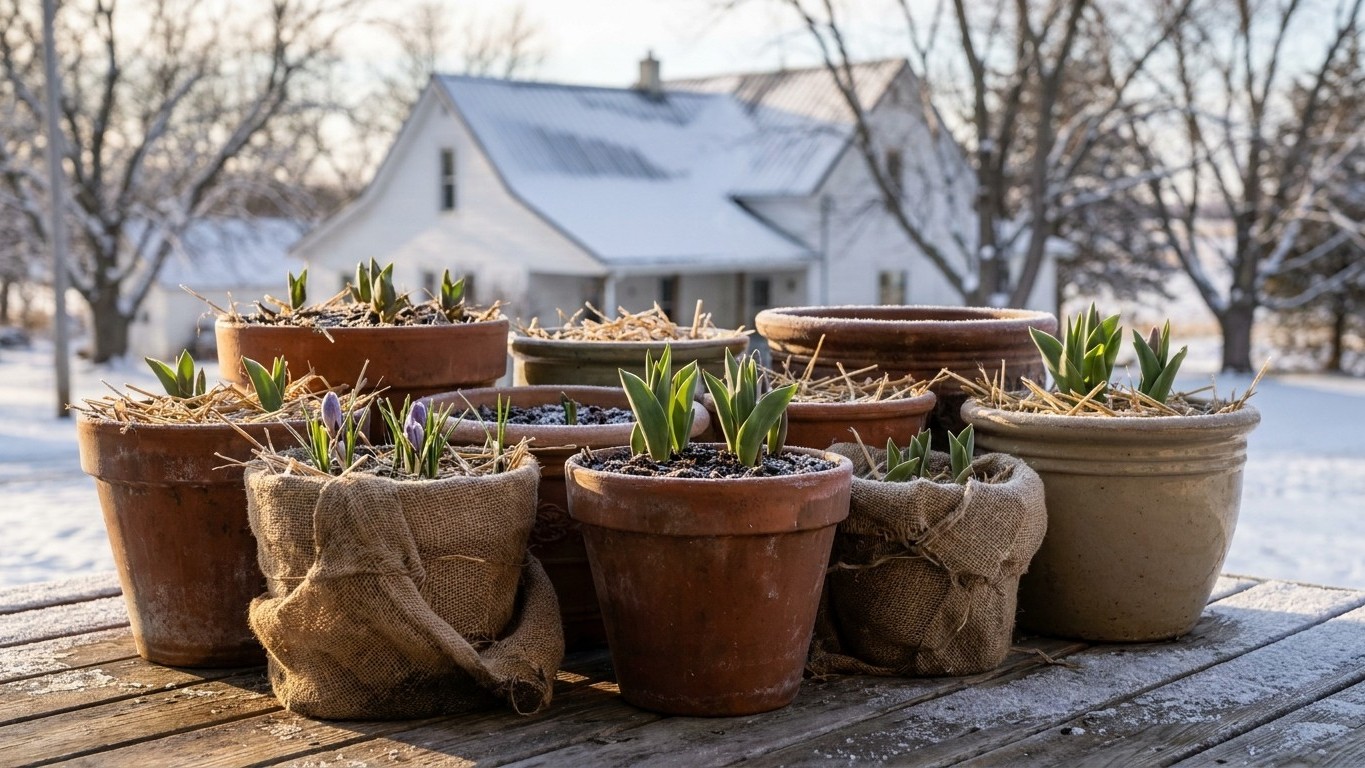
In Yukon, dahlias, cannas and gladiolus come out of the ground after the first frost blackens the foliage.
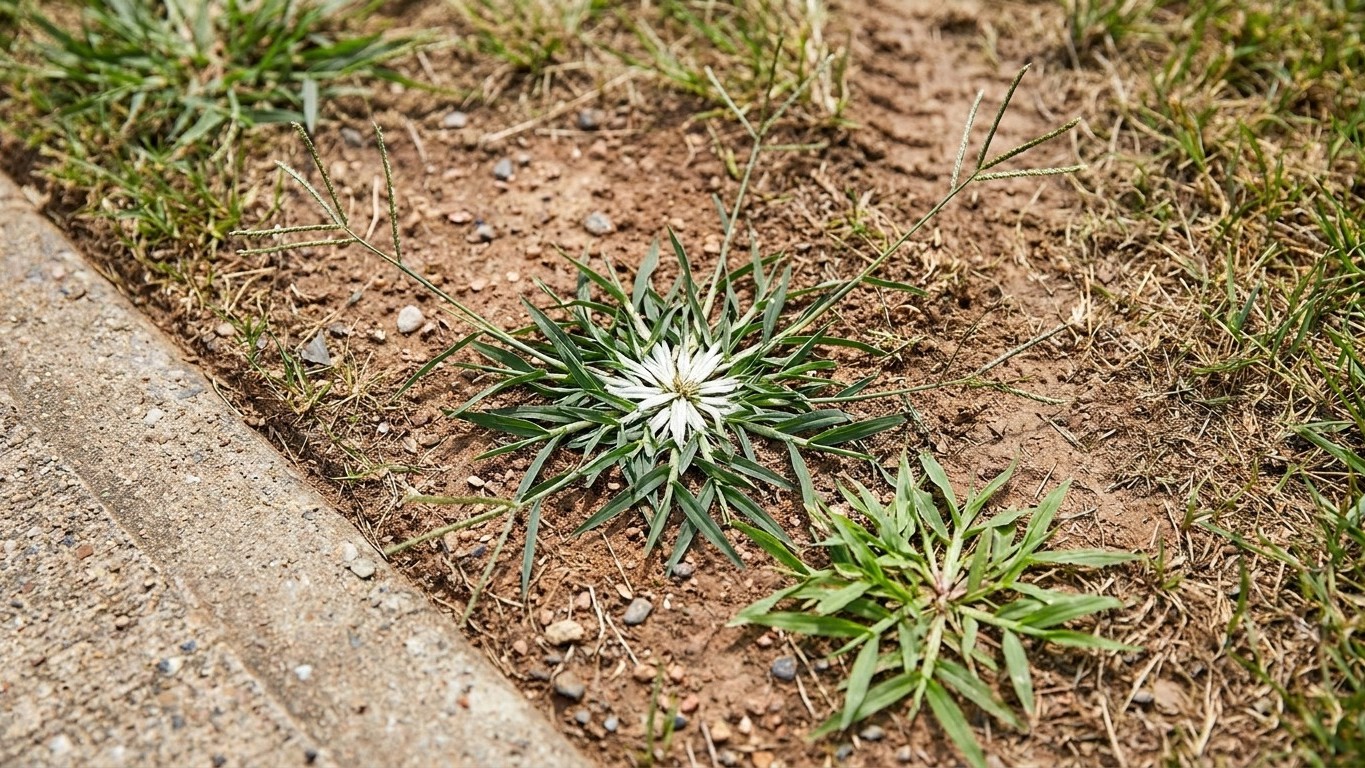
Most Ohio lawns do not need dethatching. Cut a wedge of turf with a spade and measure the brown, spongy layer between the green blades and the soil.
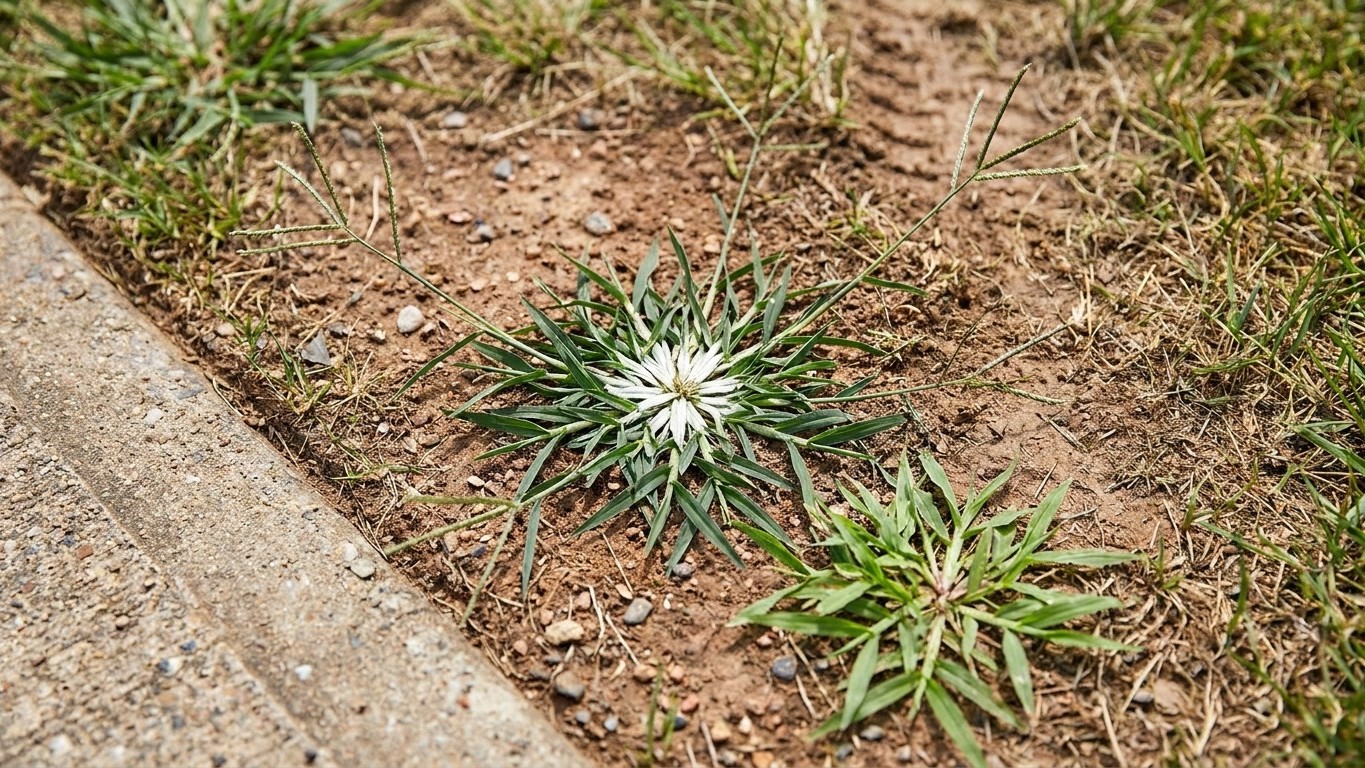
Mow Kentucky bluegrass and fine fescues at 2 to 3 inches, tall fescue at 3 to 3.5 inches, and perennial ryegrass and rough bluegrass at 1.5 to 2.5 inches.
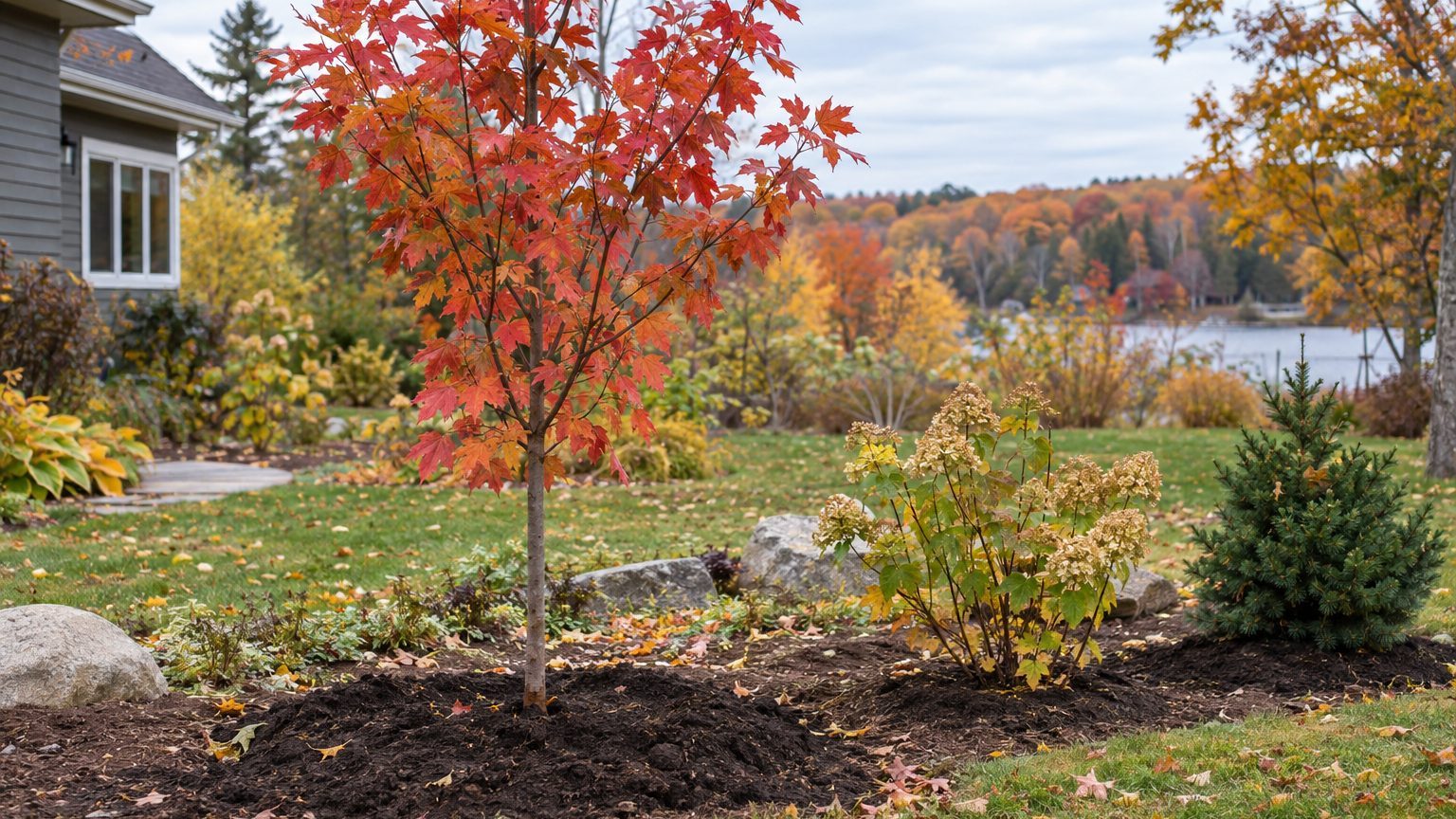
In Yukon, the safe target for fall planting is six weeks before the first fall frost, which at Whitehorse works out to mid-July.
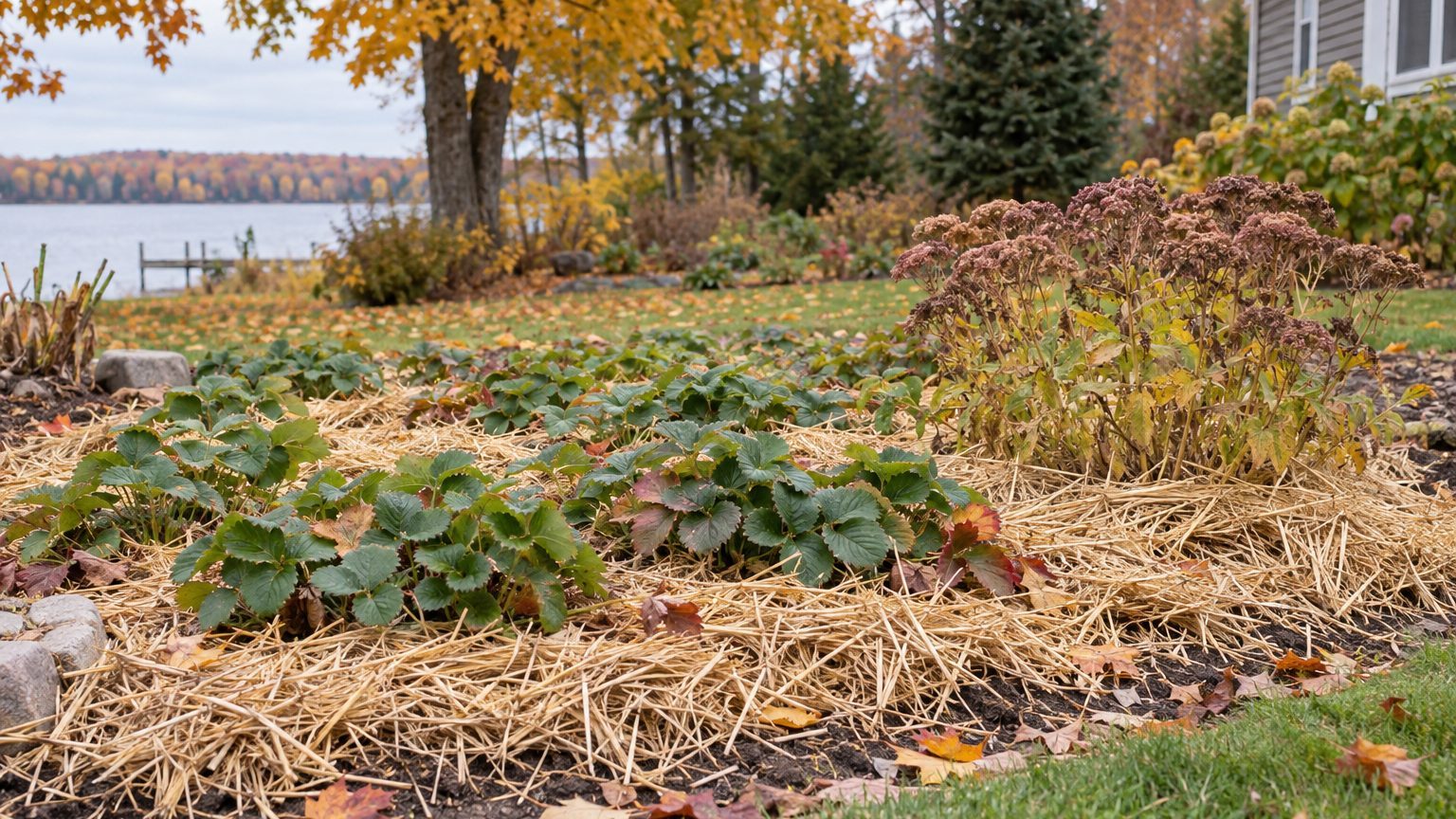
Wait for the ground. Winter mulch in Yukon goes on after the soil starts to freeze, not when the first frost shows up.