Protecting Hydrangeas Through a Nova Scotia Winter
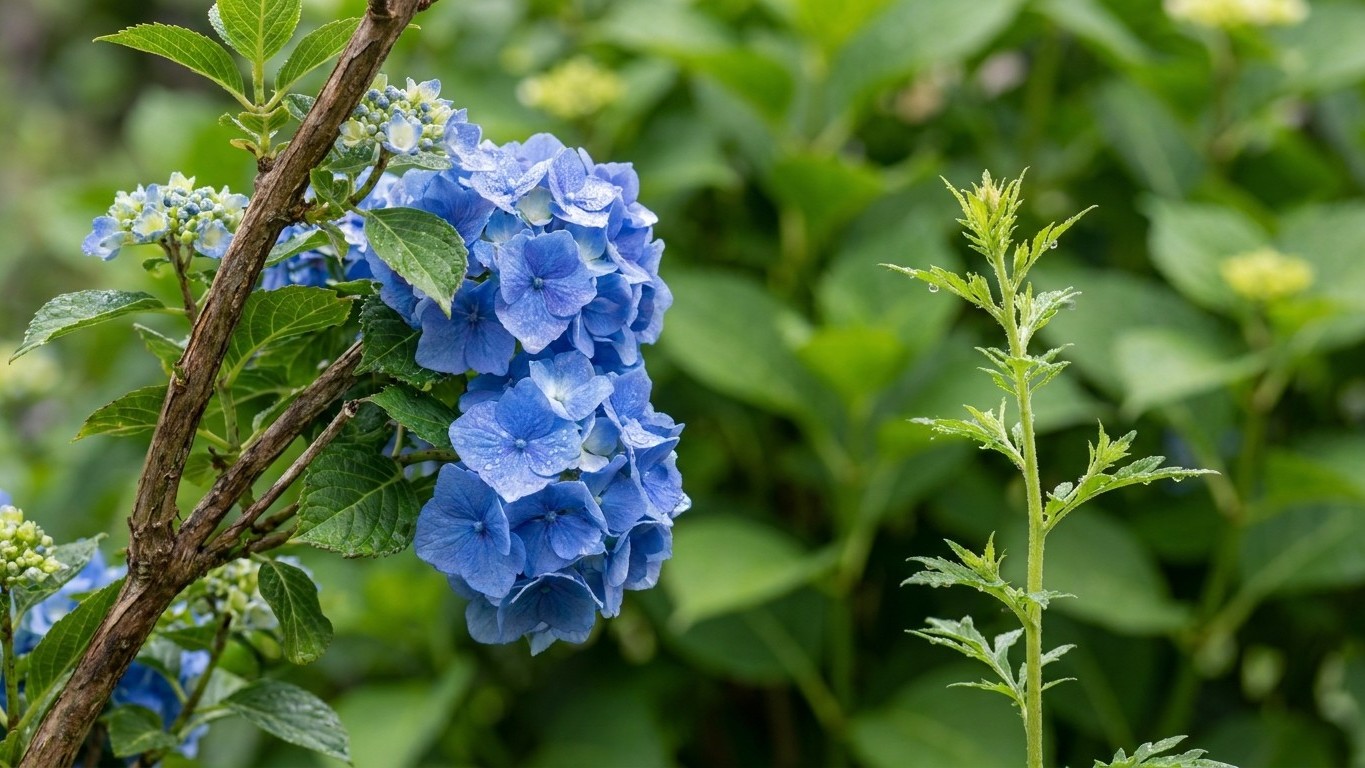
Most hydrangeas in Nova Scotia get through winter on their own roots and a thick blanket of mulch.
Home & garden, state by state
Most hydrangeas in Nova Scotia get through winter on their own roots and a thick blanket of mulch.
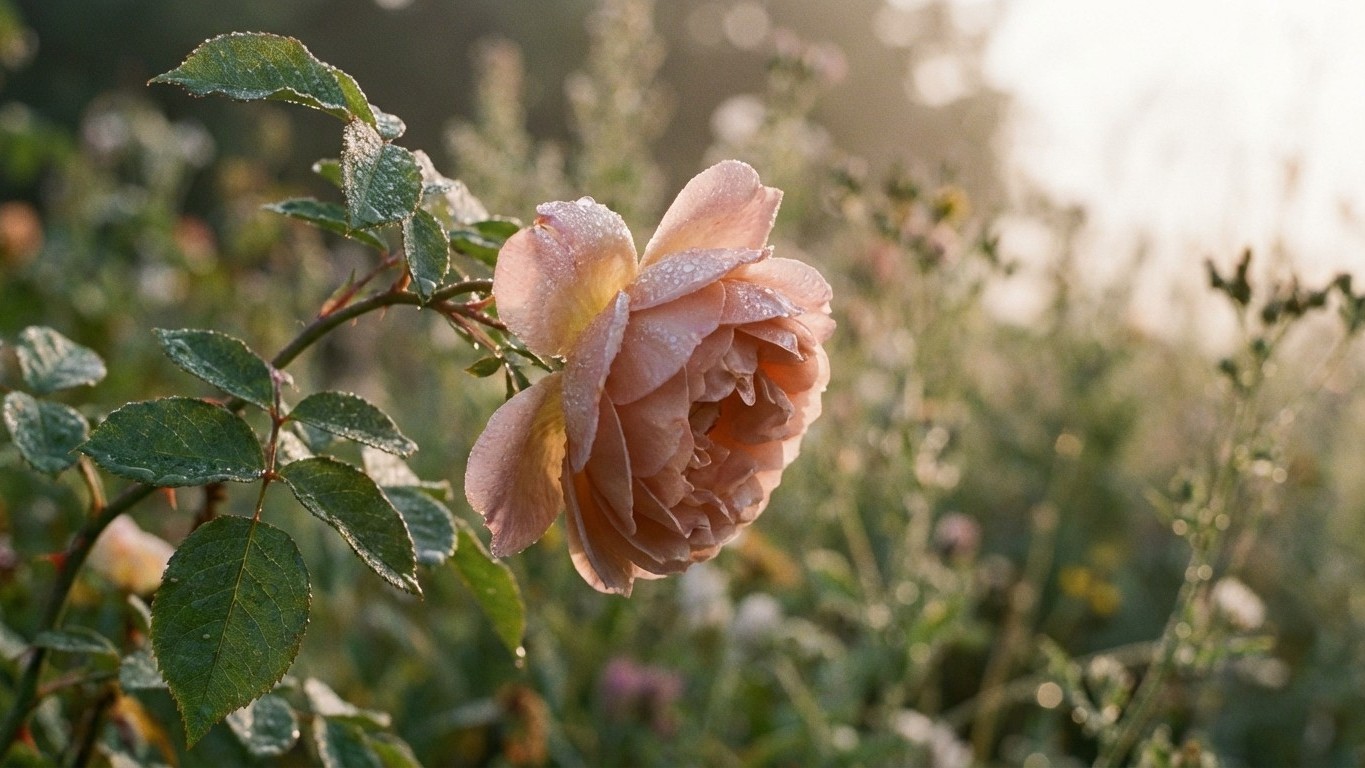
Rugosa roses, the Canadian Explorer and Parkland series, and a handful of tough shrub roses on their own roots come through North Dakota winters with…
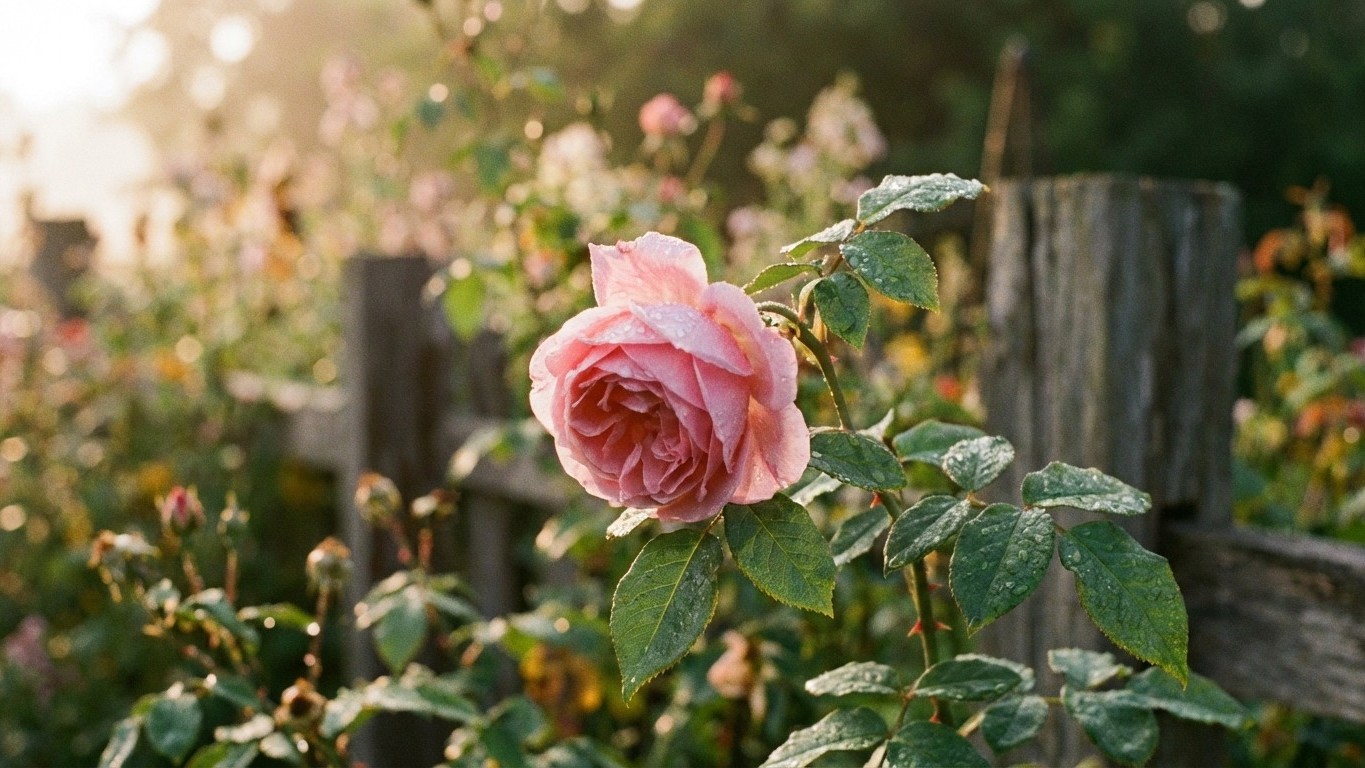
Prune hybrid teas, floribundas, grandifloras and repeat-blooming shrub roses in spring, from late April to mid-May, once the buds swell and the winter…
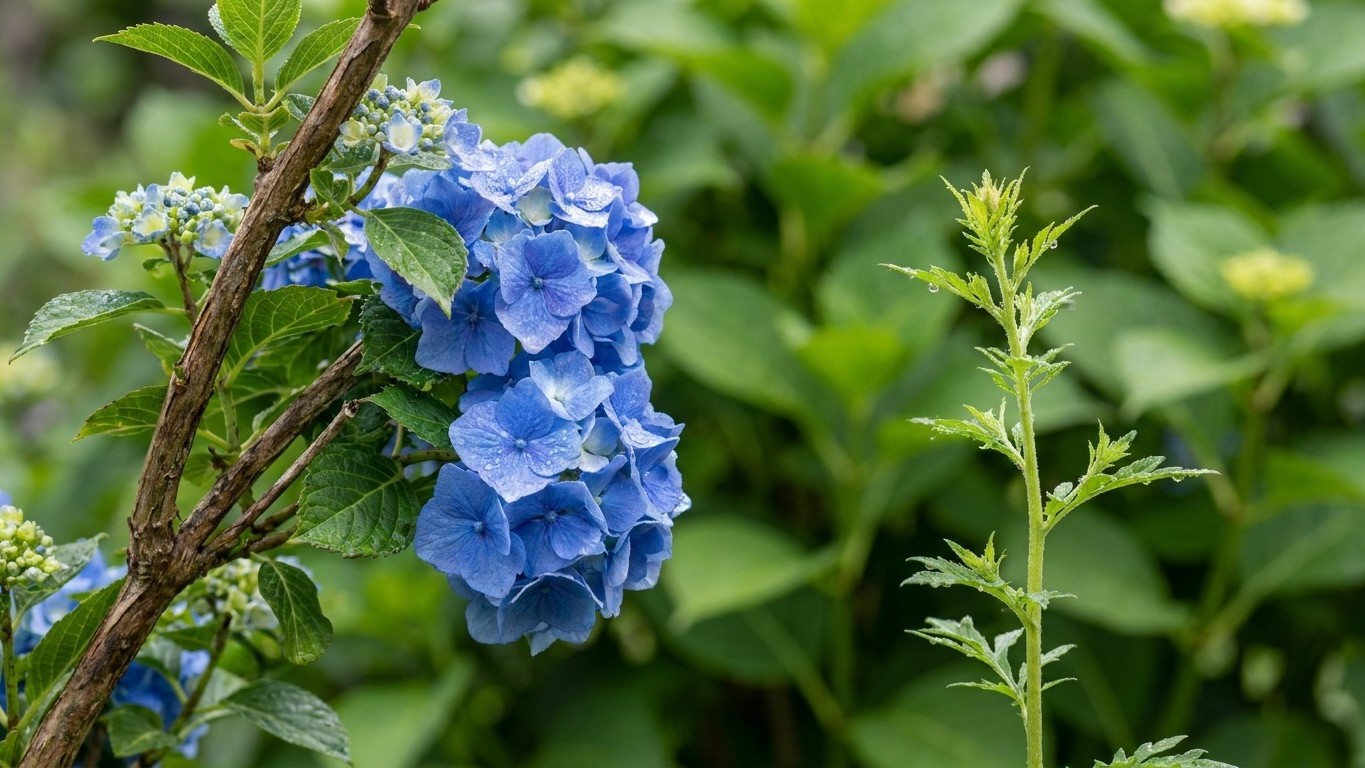
Hydrangeas that flower on new wood survive a Nova Scotia winter and bloom afterward, even when the stems die back to the ground.
Three leaf diseases do most of the damage to roses in North Dakota: black spot, powdery mildew and downy mildew.
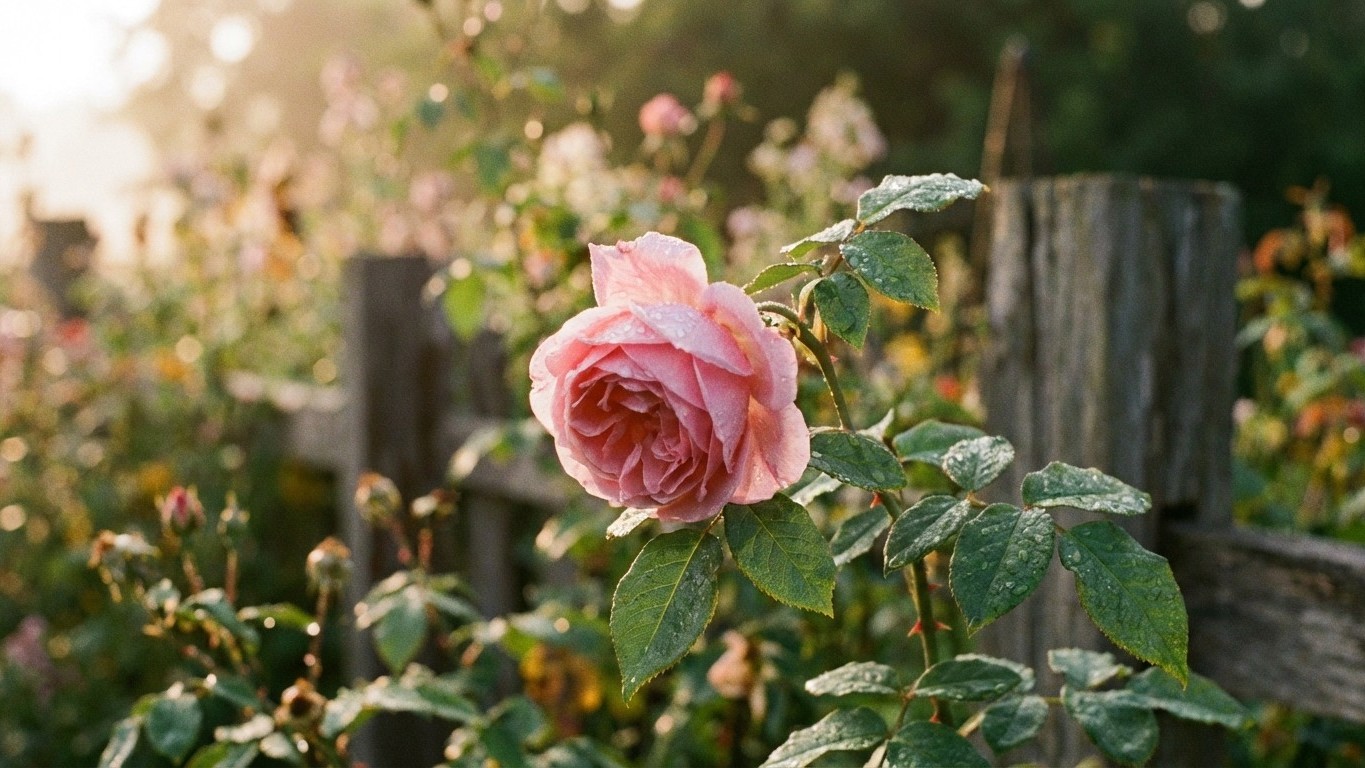
Most roses in the warmer parts of North Carolina need no winter protection, and the ones that do need very little.
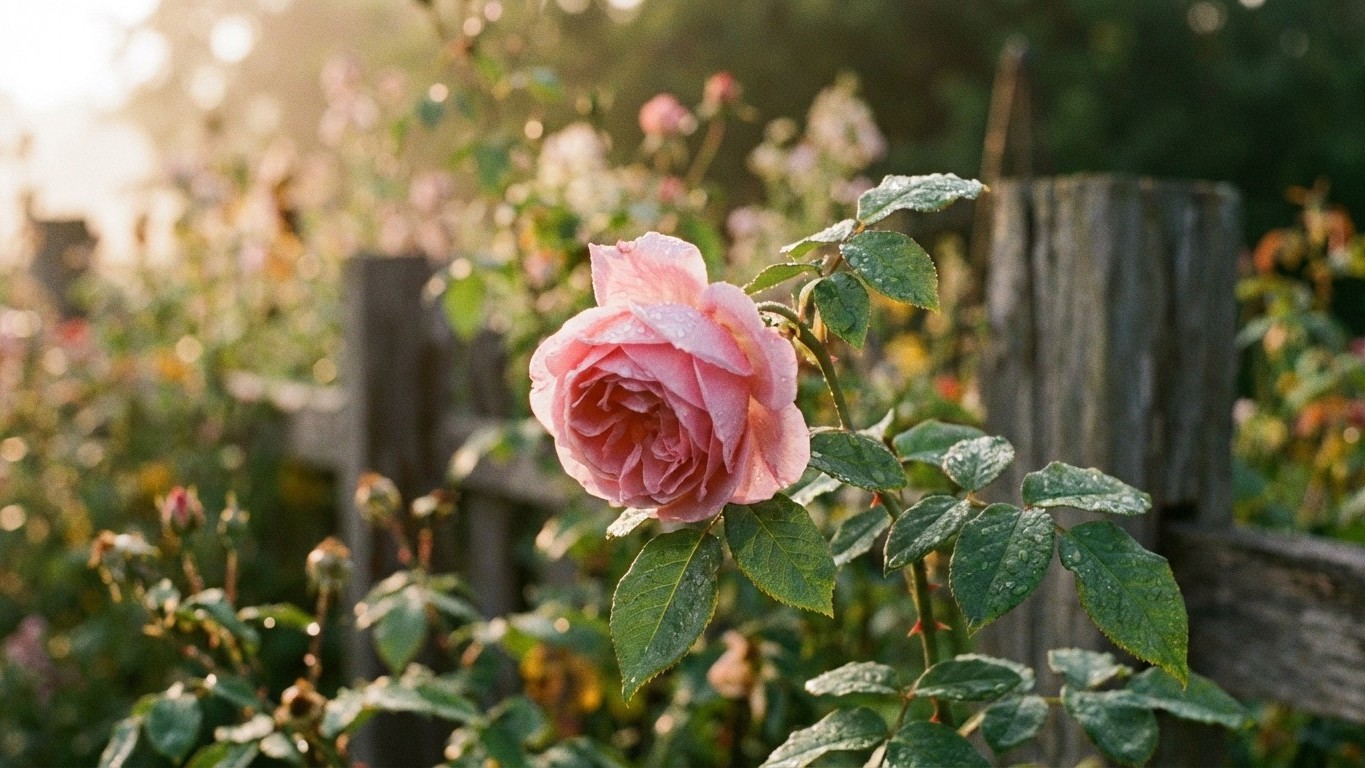
Shrub roses such as Knock Out, rugosas like Hansa and Therese Bugnet, and the climber New Dawn come through North Carolina winters without protection…
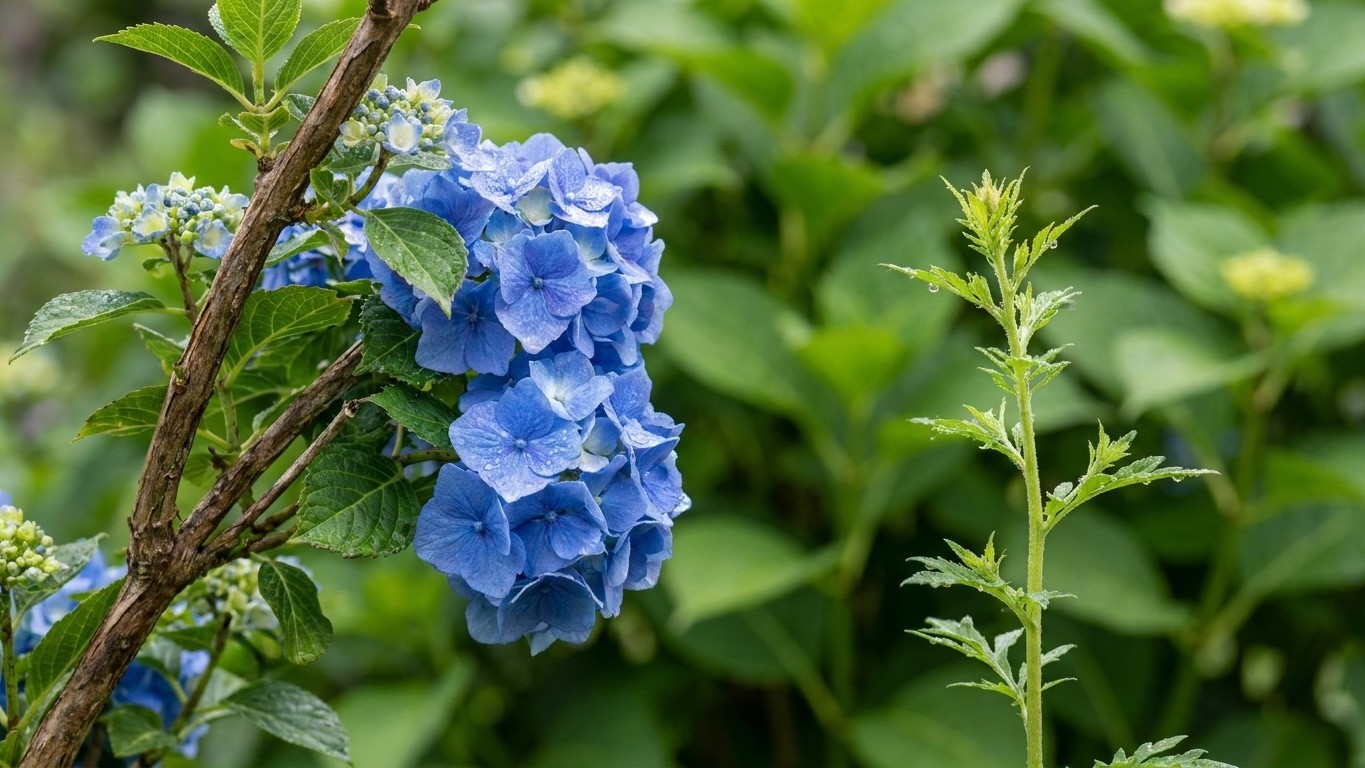
Hydrangeas turn out pink in Nova Scotia gardens when the plant cannot take up aluminum, and that depends on soil chemistry rather than on the plant itself.
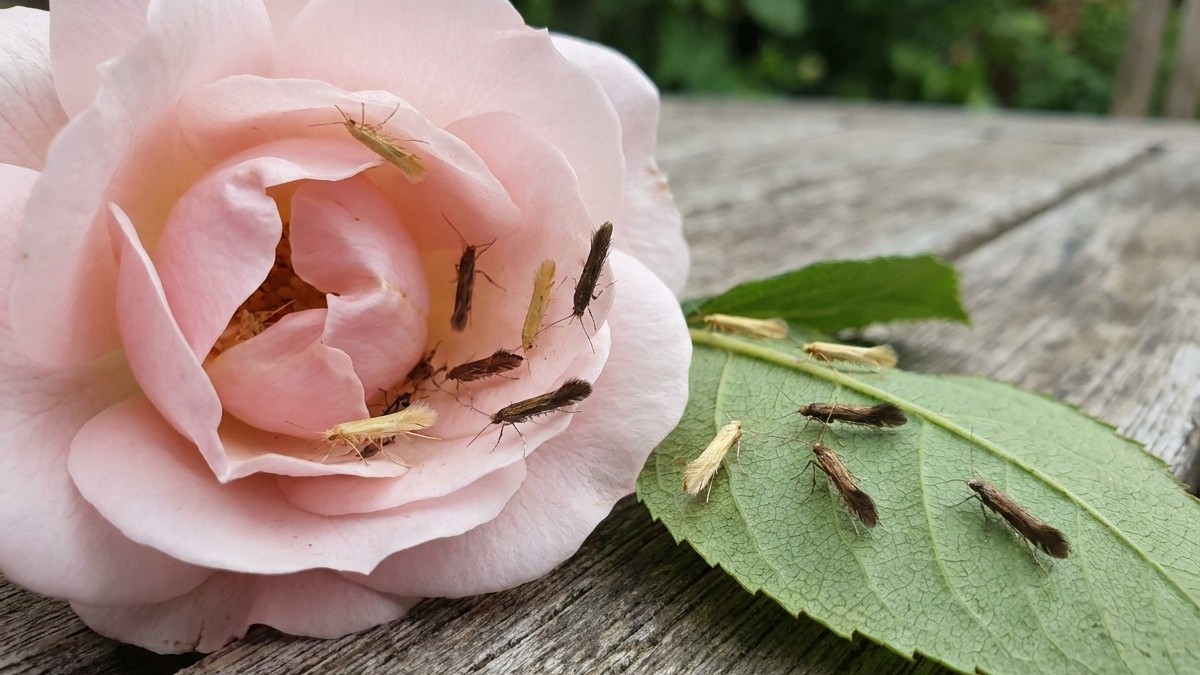
In Charlotte, most roses should be pruned between February 20 and March 15, while the buds are swelling but before leaves open.
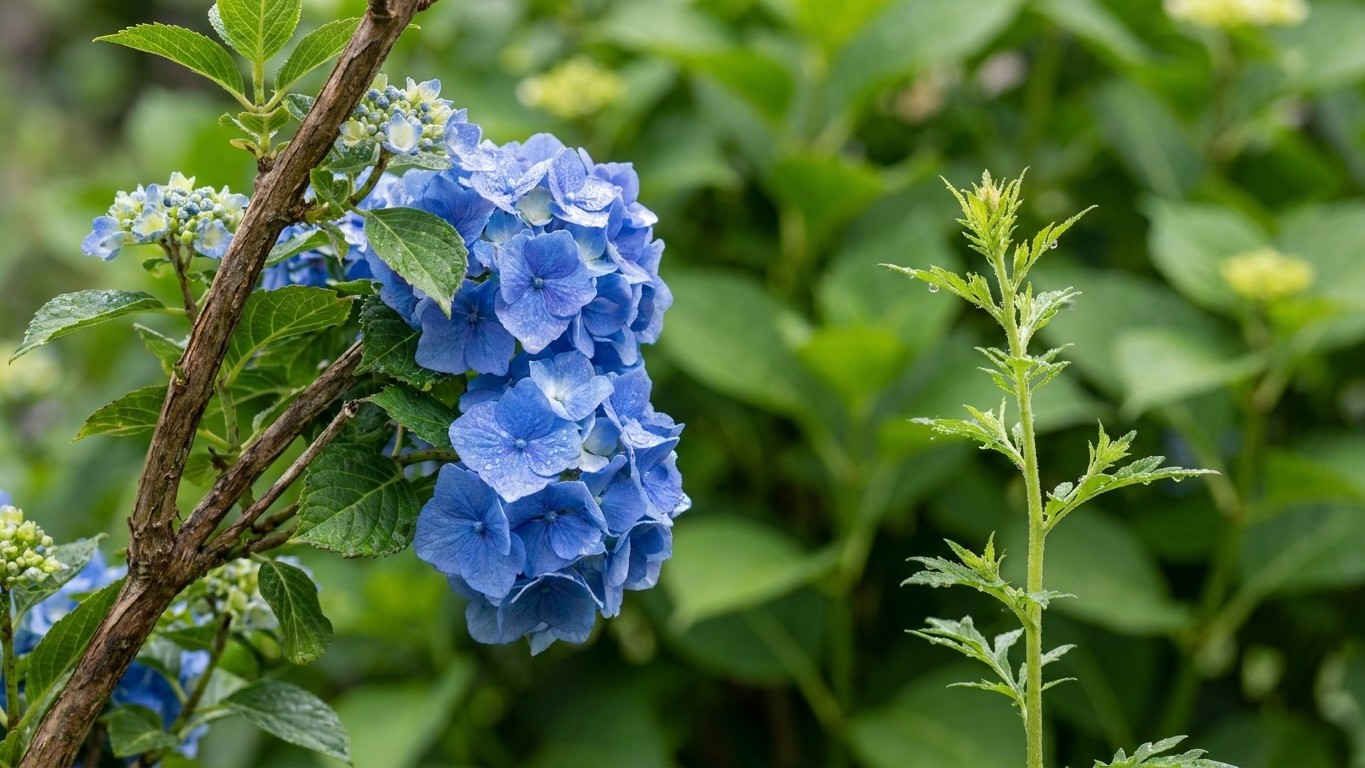
Prune hydrangeas that flower on new wood in late winter or very early spring, before the buds swell.