When to Plant Herbs in Yukon
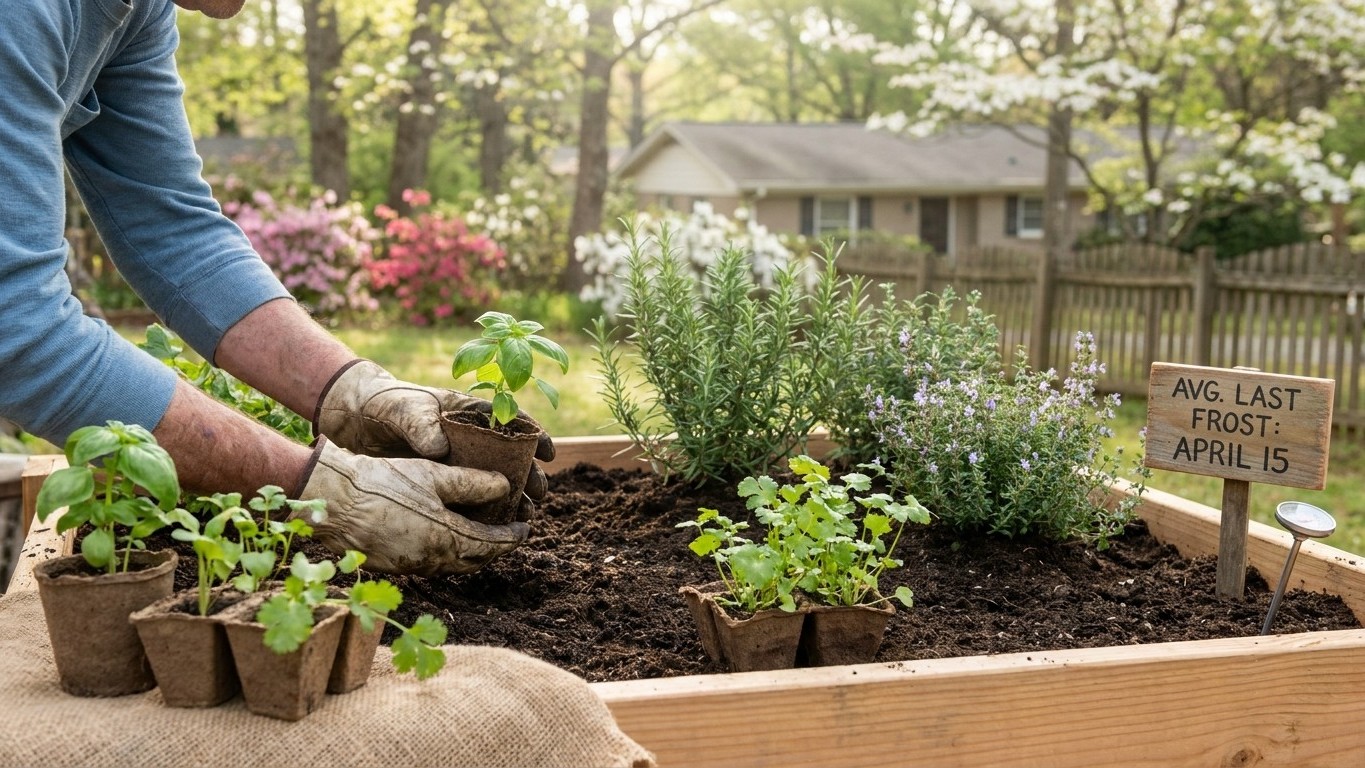
The average last spring frost in Yukon falls on June 5, and the average first fall frost on August 25, according to the Whitehorse A weather station.
Home & garden, state by state
The average last spring frost in Yukon falls on June 5, and the average first fall frost on August 25, according to the Whitehorse A weather station.
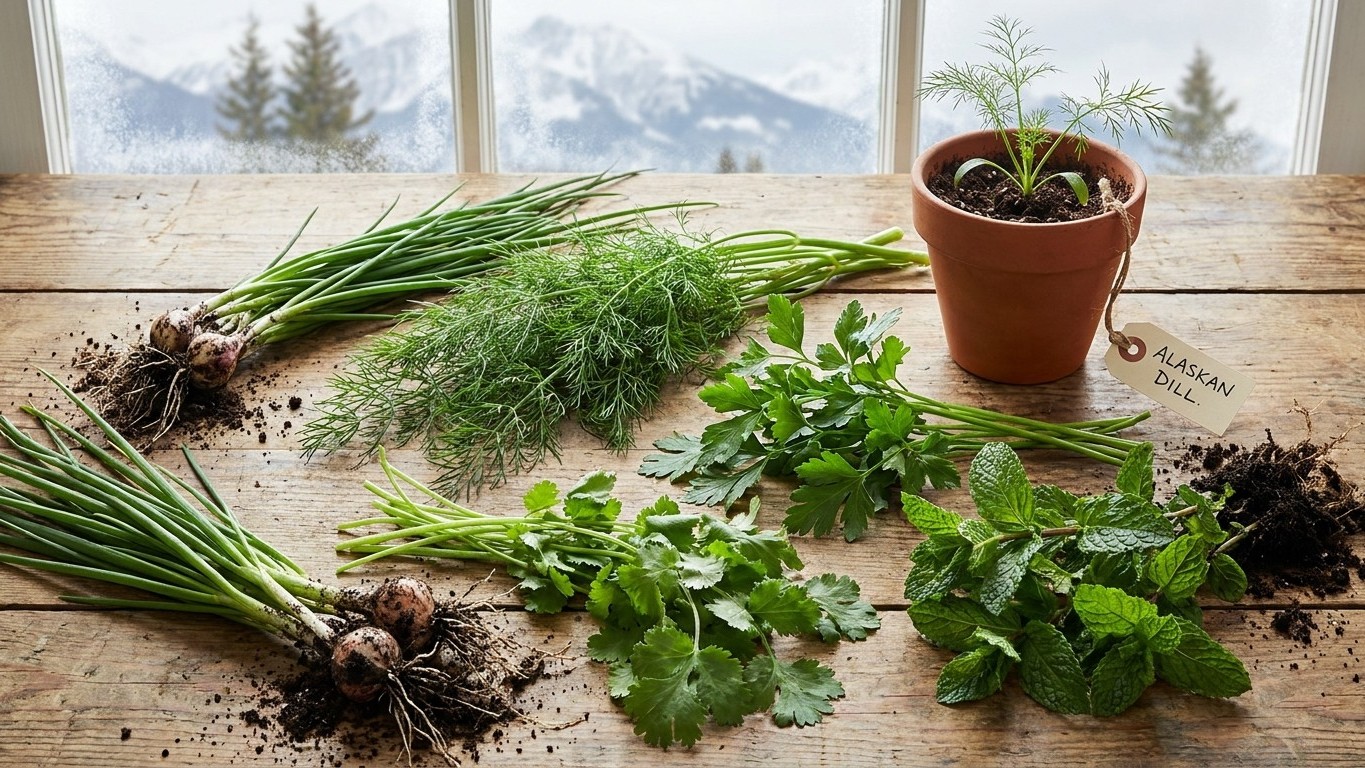
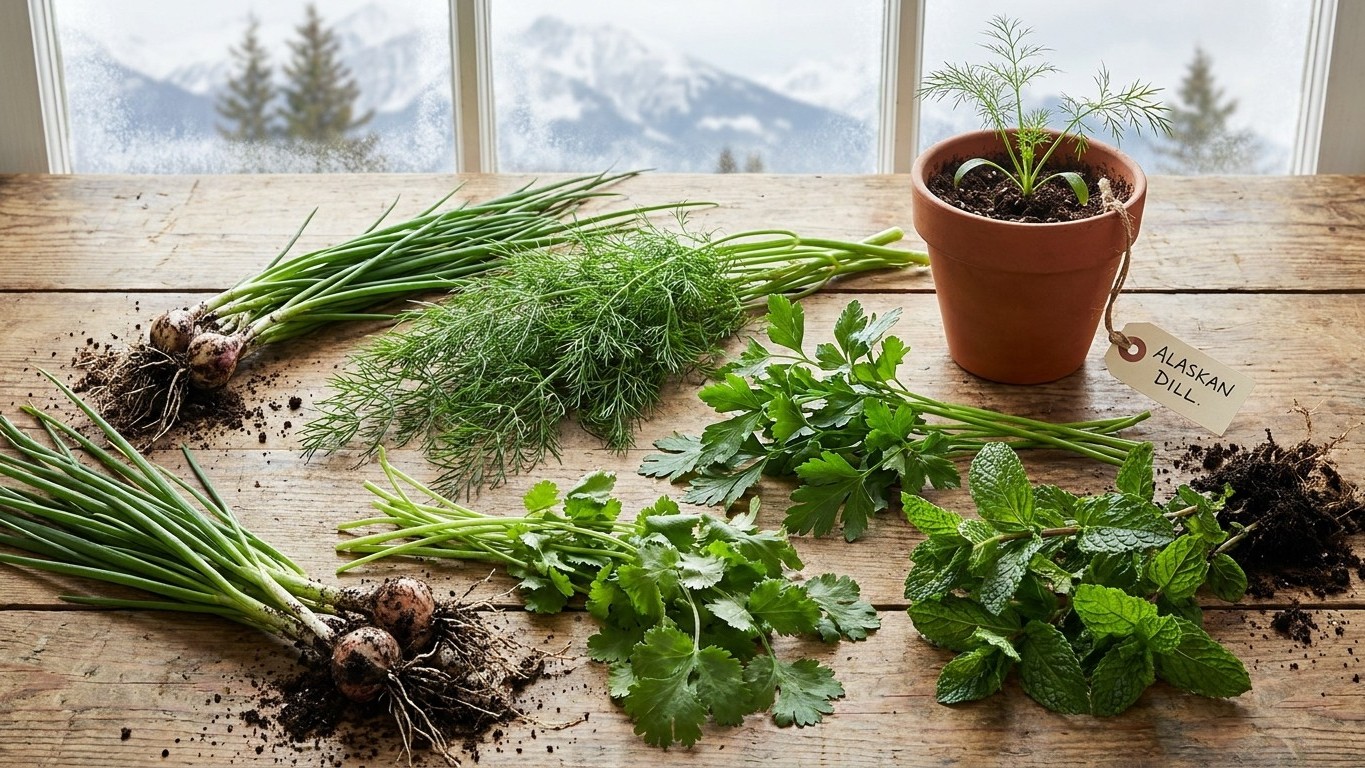
Yukon’s herb garden works on a short clock: chives, dill, cilantro, parsley, and other quick, cold-tolerant herbs handle it well, while basil, rosemary…
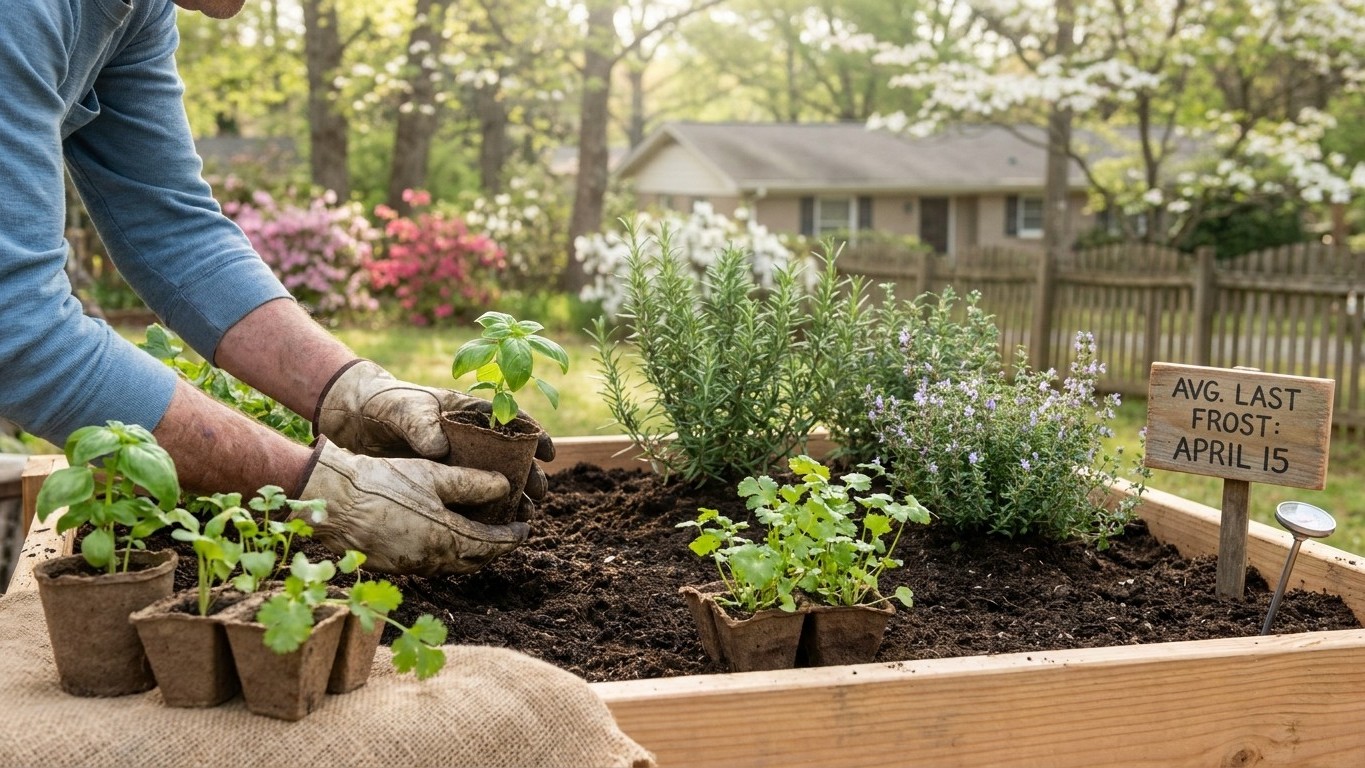
In most of Wyoming, direct-sow hardy herbs like dill, cilantro, and chives once the soil has thawed in late April, then wait until the May 7 to May 18…
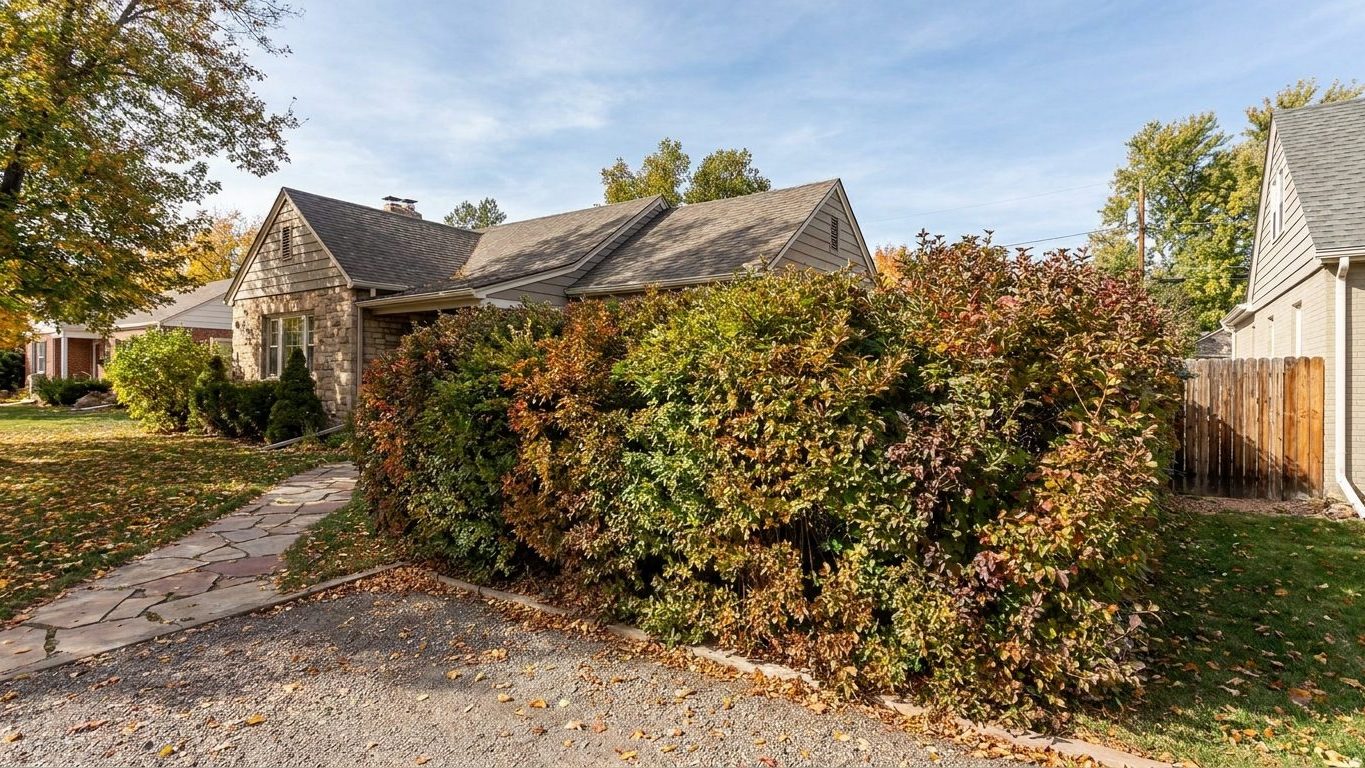
Ohio has no statewide hedge height limit. Search all you want through the Ohio Revised Code and you won’t find a number that tells you how tall your…
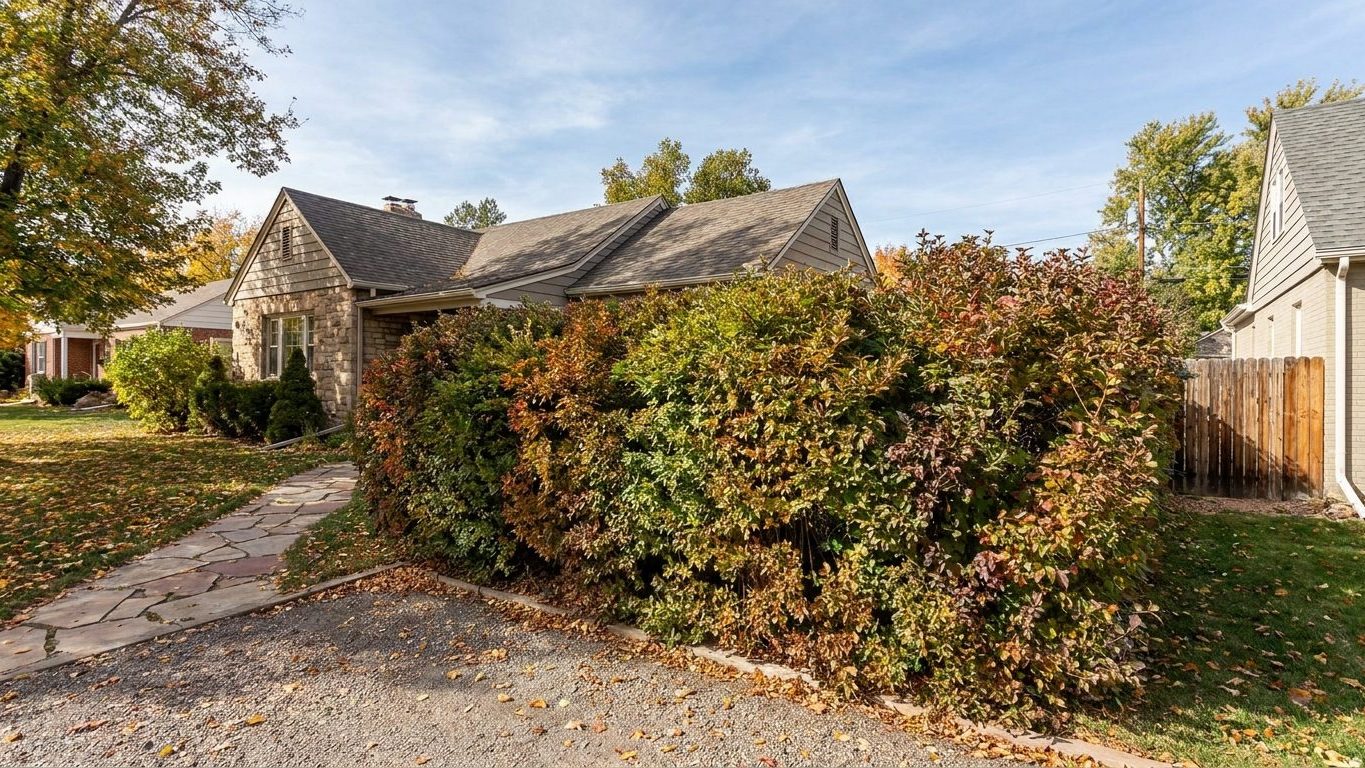
Colorado has no statewide statute capping hedge height. Search the Colorado Revised Statutes all you want: there is no section stating a hedge can be 6…
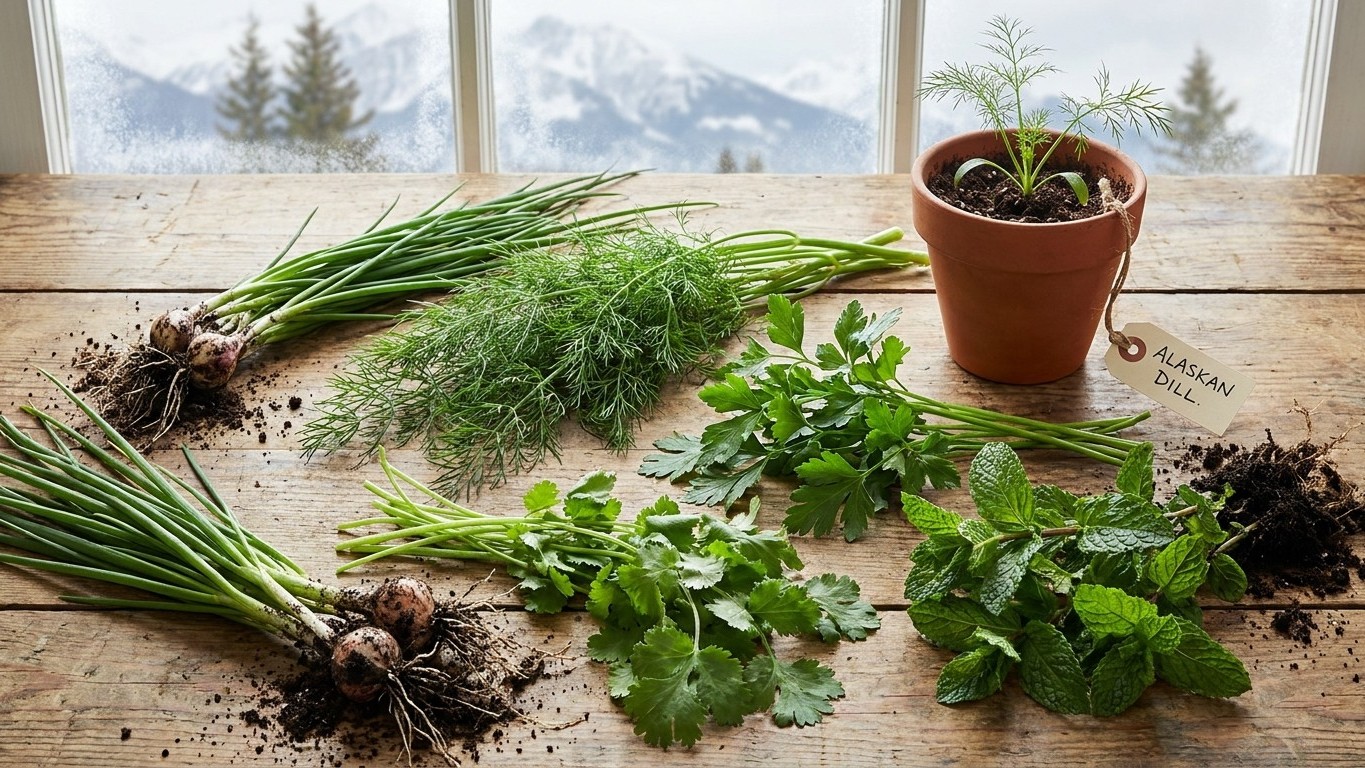
Wyoming’s short growing season and wide temperature swings favor cold-hardy, fast-maturing herbs.
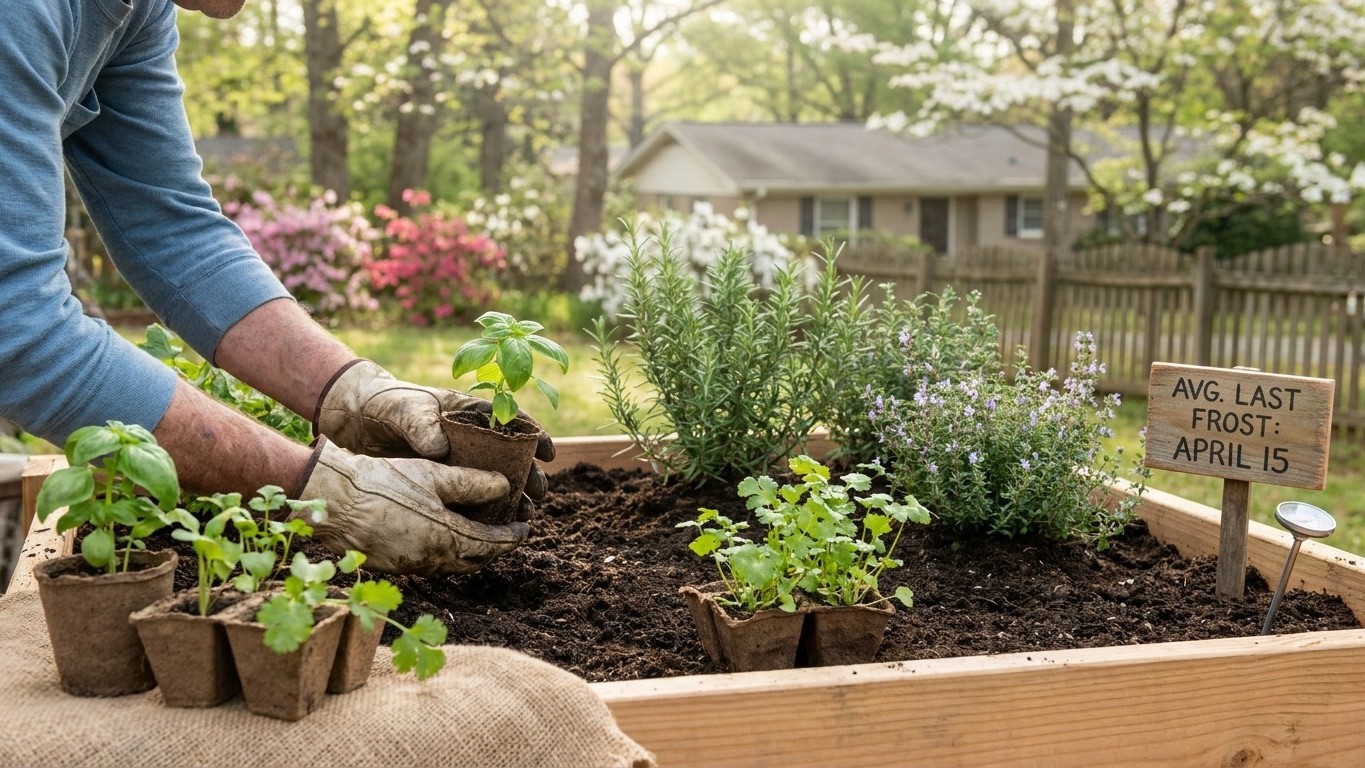
Sow hardy herbs like parsley, cilantro, and chives directly outdoors once the last spring frost has passed, using the April 16 to April 29 window as your…
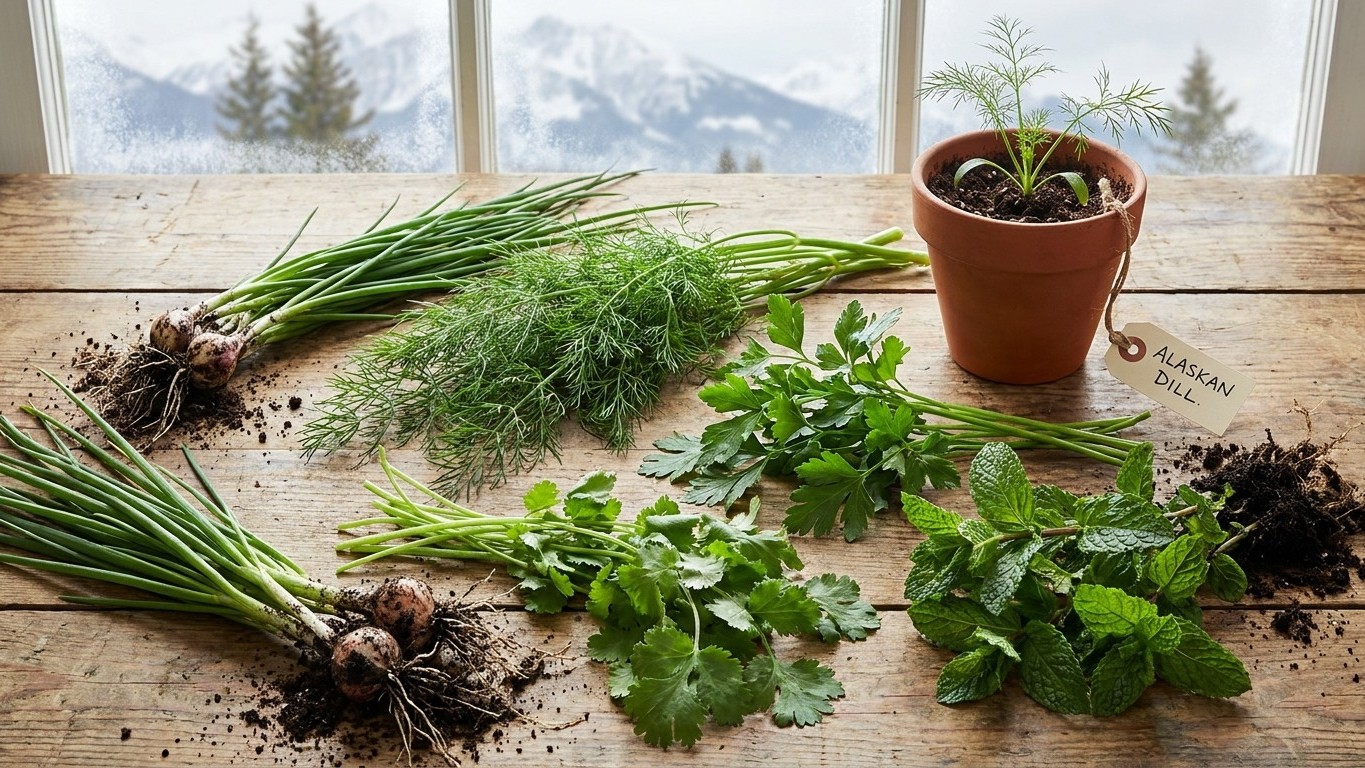
The best herbs for Wisconsin gardens are fast-maturing annuals like basil, dill, and cilantro, plus a short list of genuinely cold-hardy perennials such…
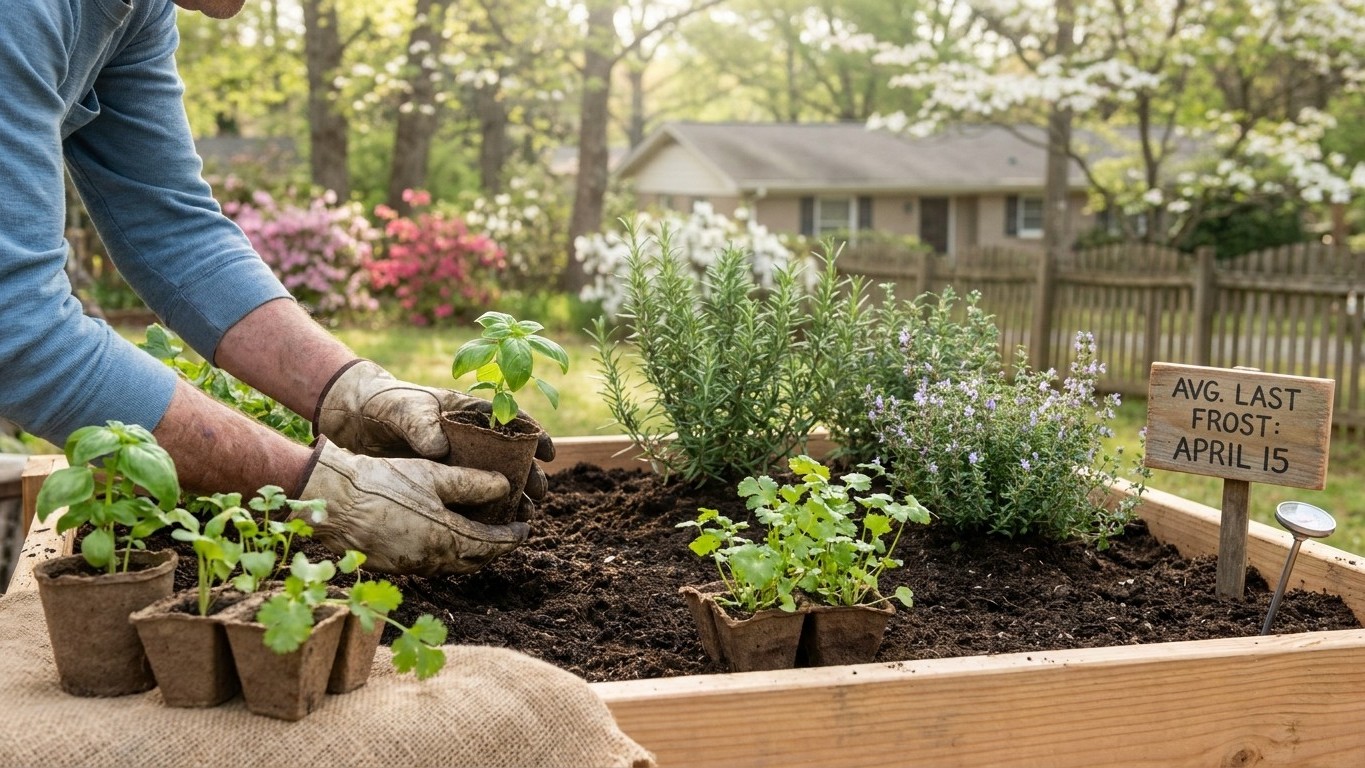
Plant herbs outdoors in West Virginia once the danger of frost has passed in your area, generally between April 9 and April 23 at lower elevations.
West Virginia’s mountain climate means no single answer fits the whole state: gardeners in the Eastern Panhandle valleys can grow heat-loving basil and…