Growing Beets in Washington: Soil, Sowing and Bolting
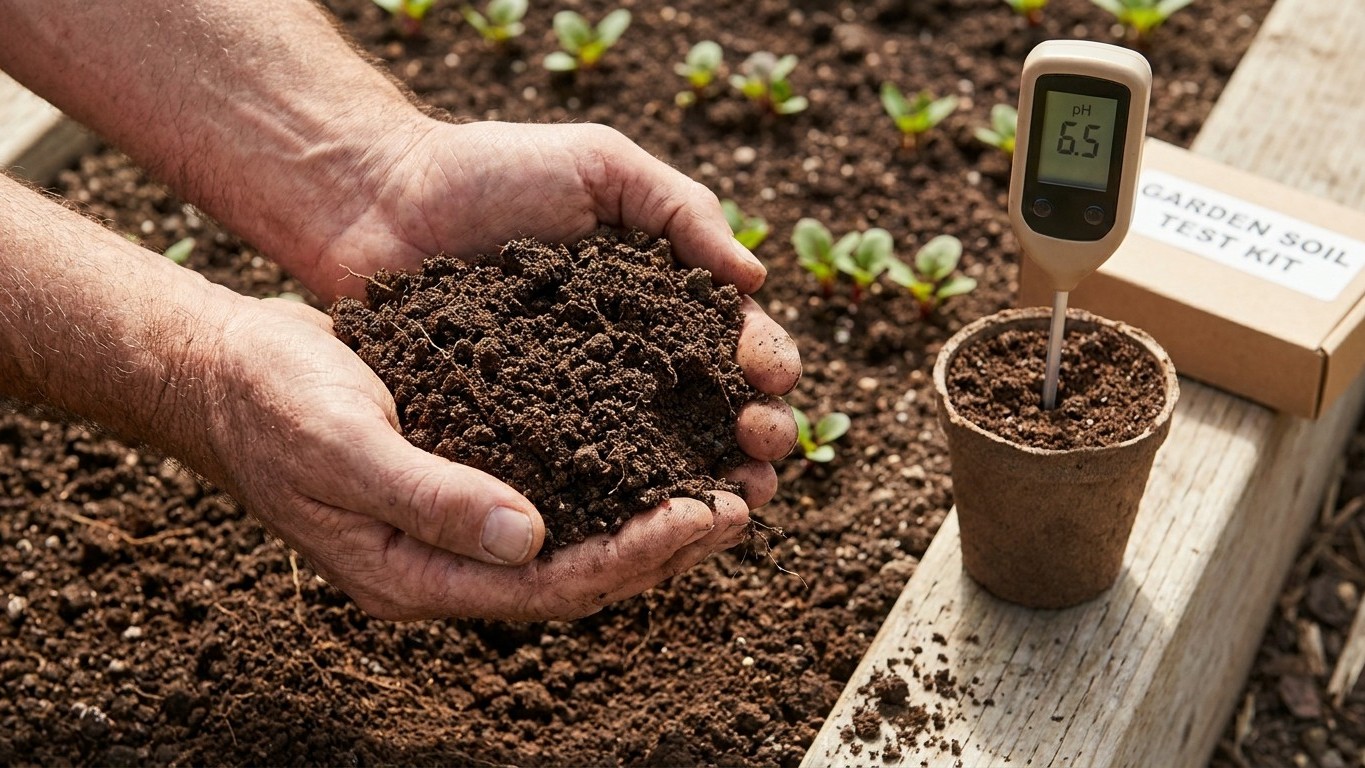
Washington’s official state soil, the Tokul series, is a volcanic-ash Andisol: light, porous, and unusually good at holding both water and phosphorus…
Home & garden, state by state
Washington’s official state soil, the Tokul series, is a volcanic-ash Andisol: light, porous, and unusually good at holding both water and phosphorus…
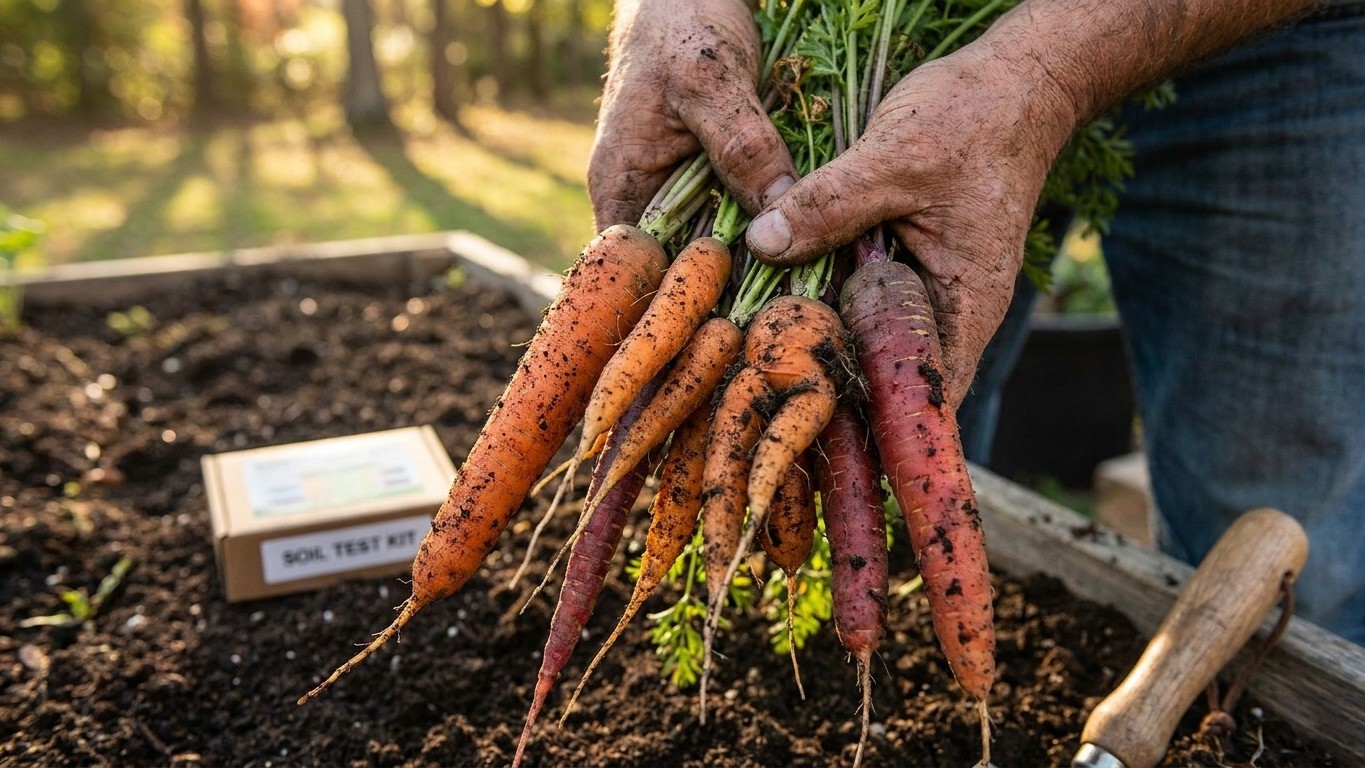
Virginia’s benchmark soil, the Pamunkey series, runs 50 percent sand and only 11 percent clay, well drained and slightly acid.
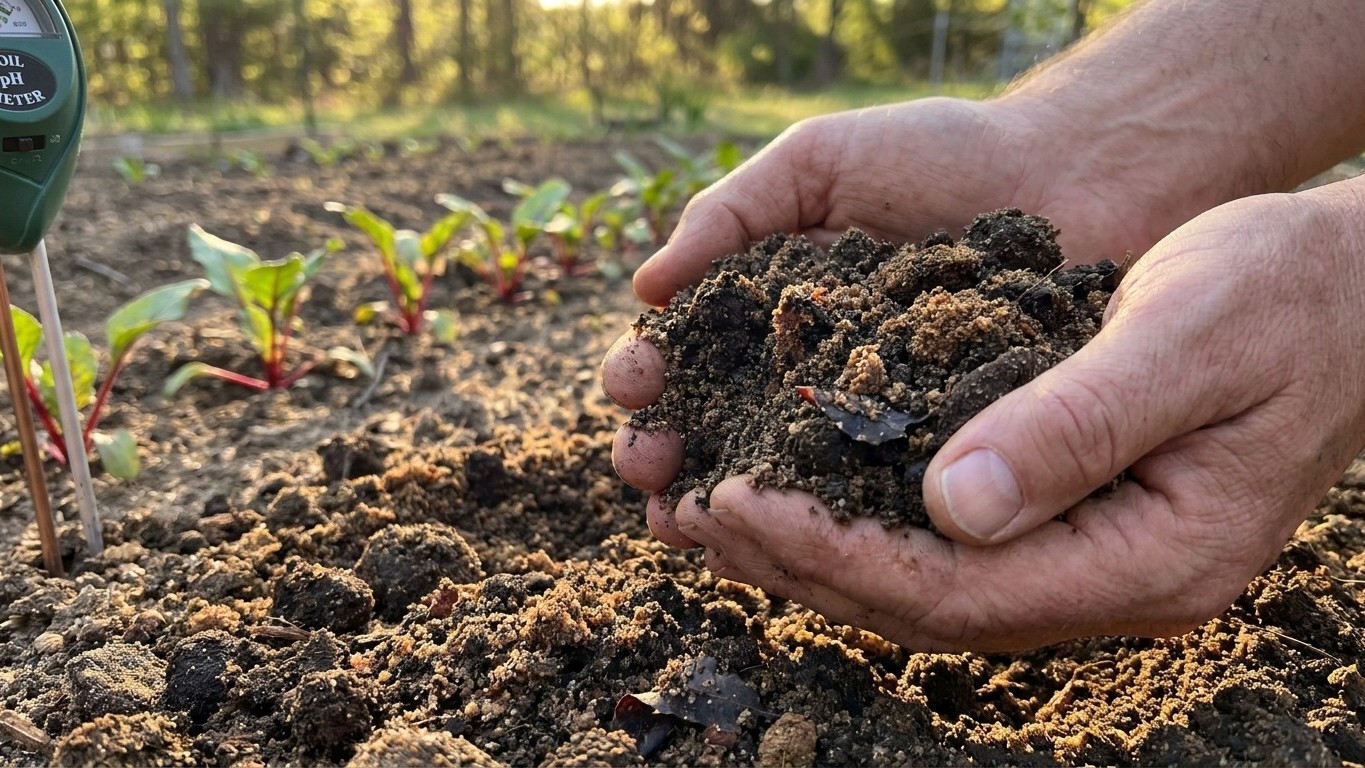
Virginia’s representative topsoil, the Pamunkey series, is a well-drained loam to silt loam running 50 percent sand, 39 percent silt and only 11 percent…
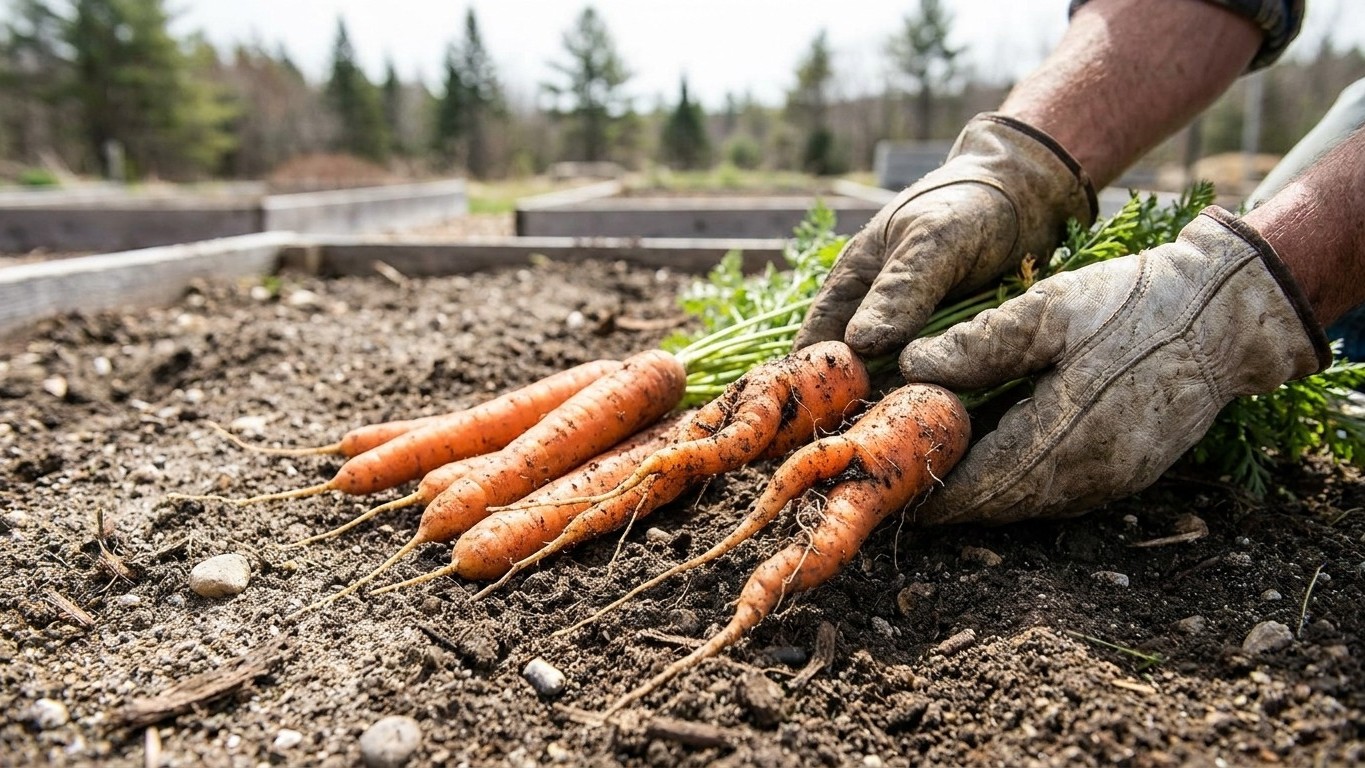
Vermont’s benchmark soil, the Tunbridge series, is sandy and well drained, which is exactly the texture carrots want.
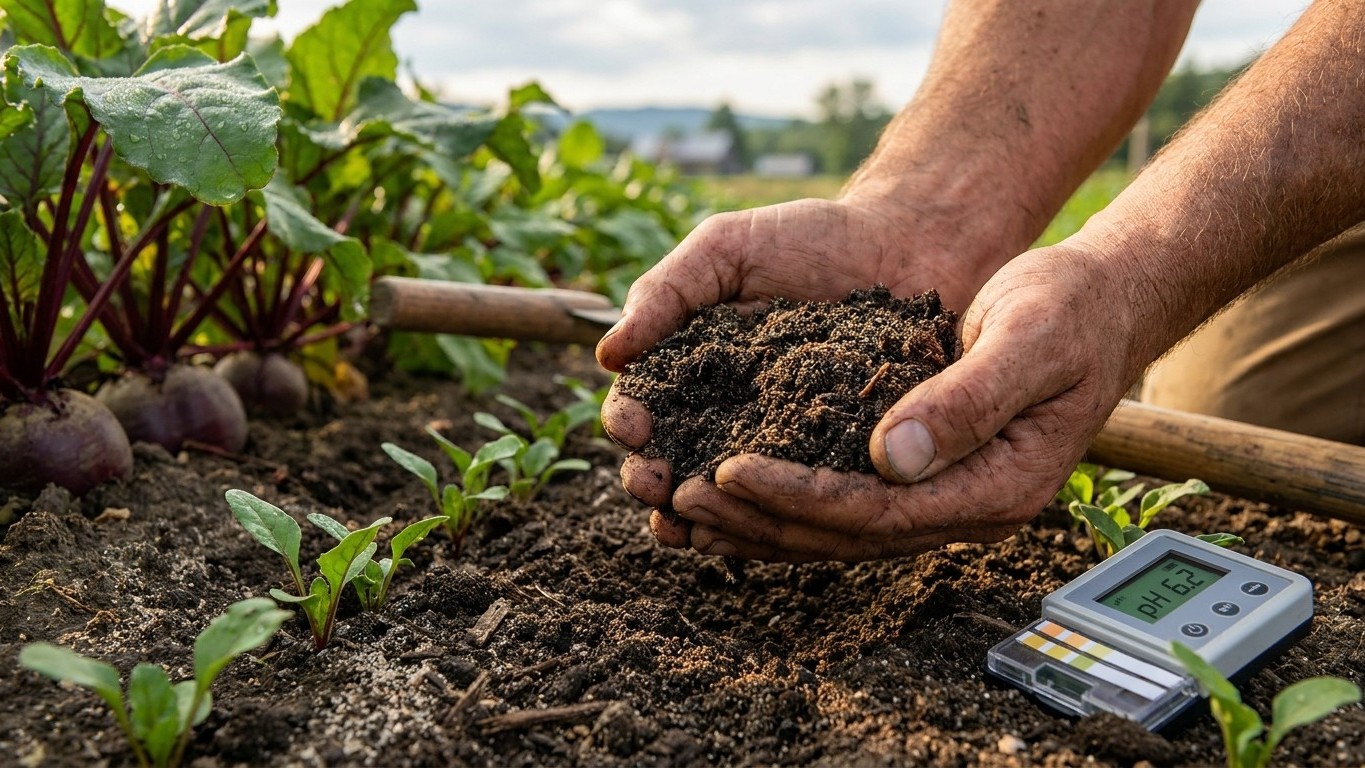
Vermont’s official state soil, the Tunbridge series, is sandy, strongly acid and naturally well drained, which is a mixed bag for beets: good drainage…
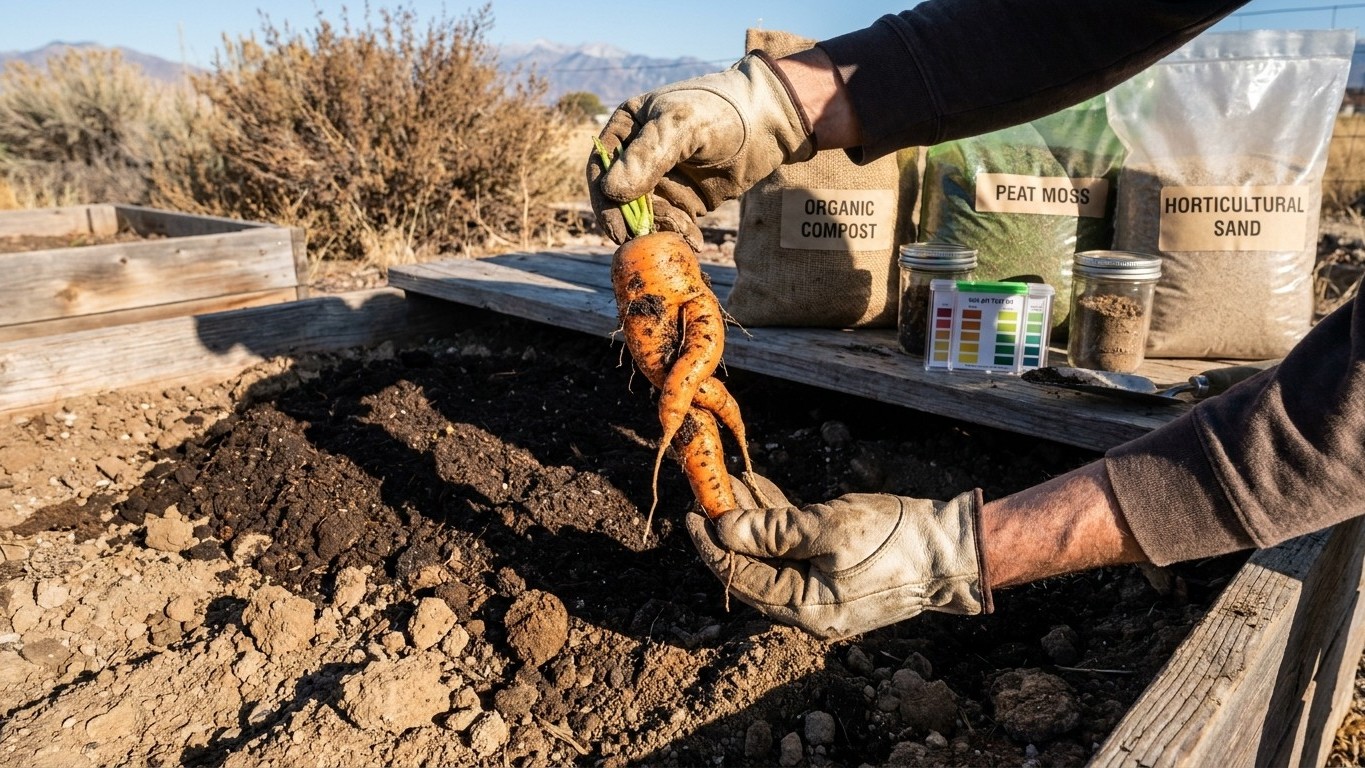
Utah’s representative topsoil runs sandy and alkaline, which sounds like decent news for a root crop that hates heavy ground.
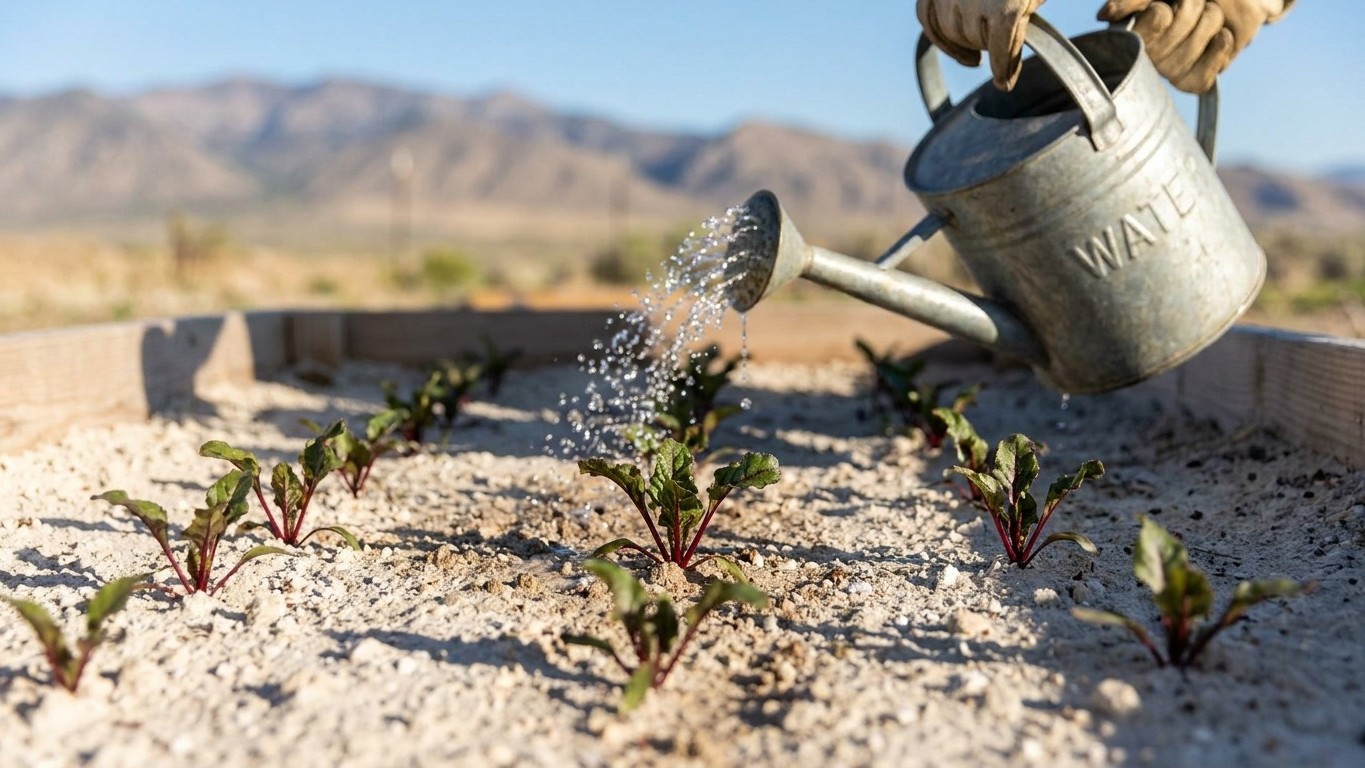
Beets grow fine in Utah if you work around two separate problems: soil that’s alkaline, sandy and quick to dry out, and a narrow spring window that sits…
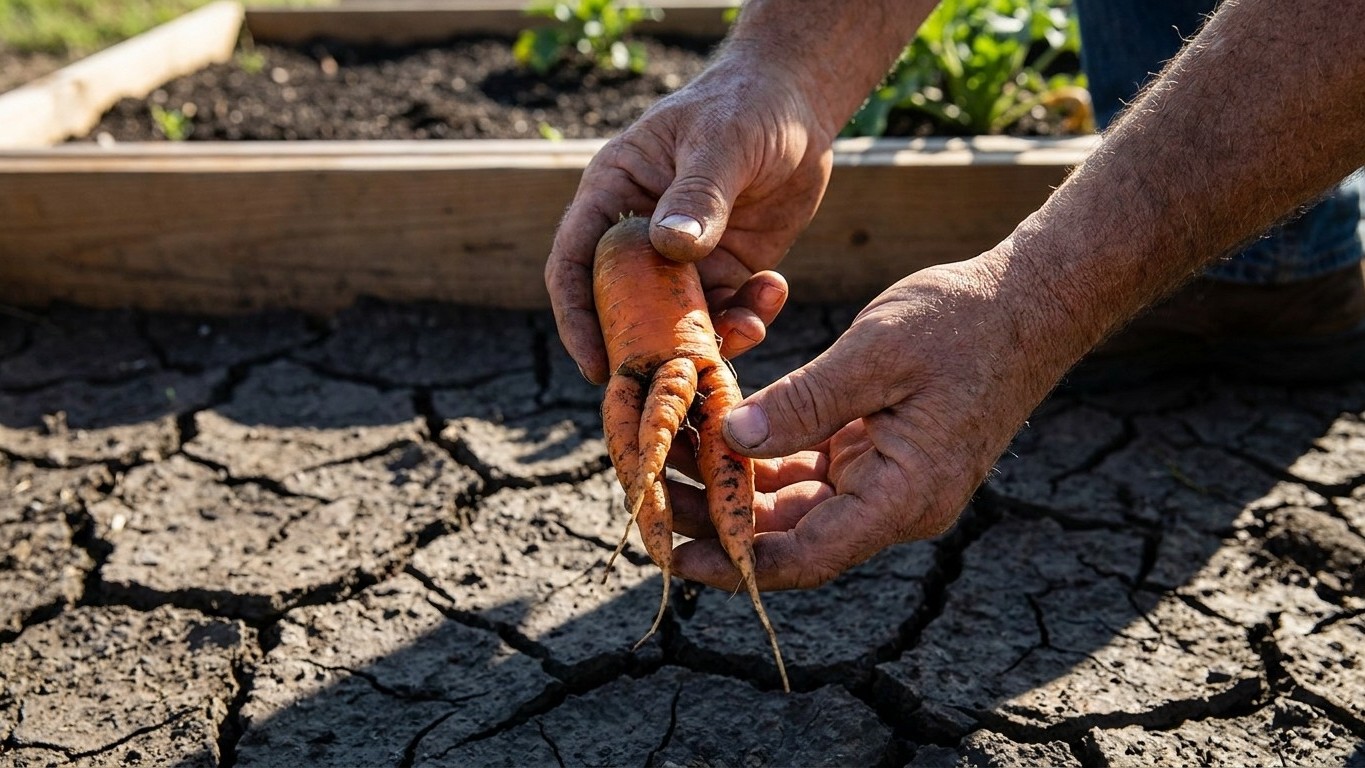
If you’re planting carrots in Texas, the soil under your boots is more likely to fight you than help you.
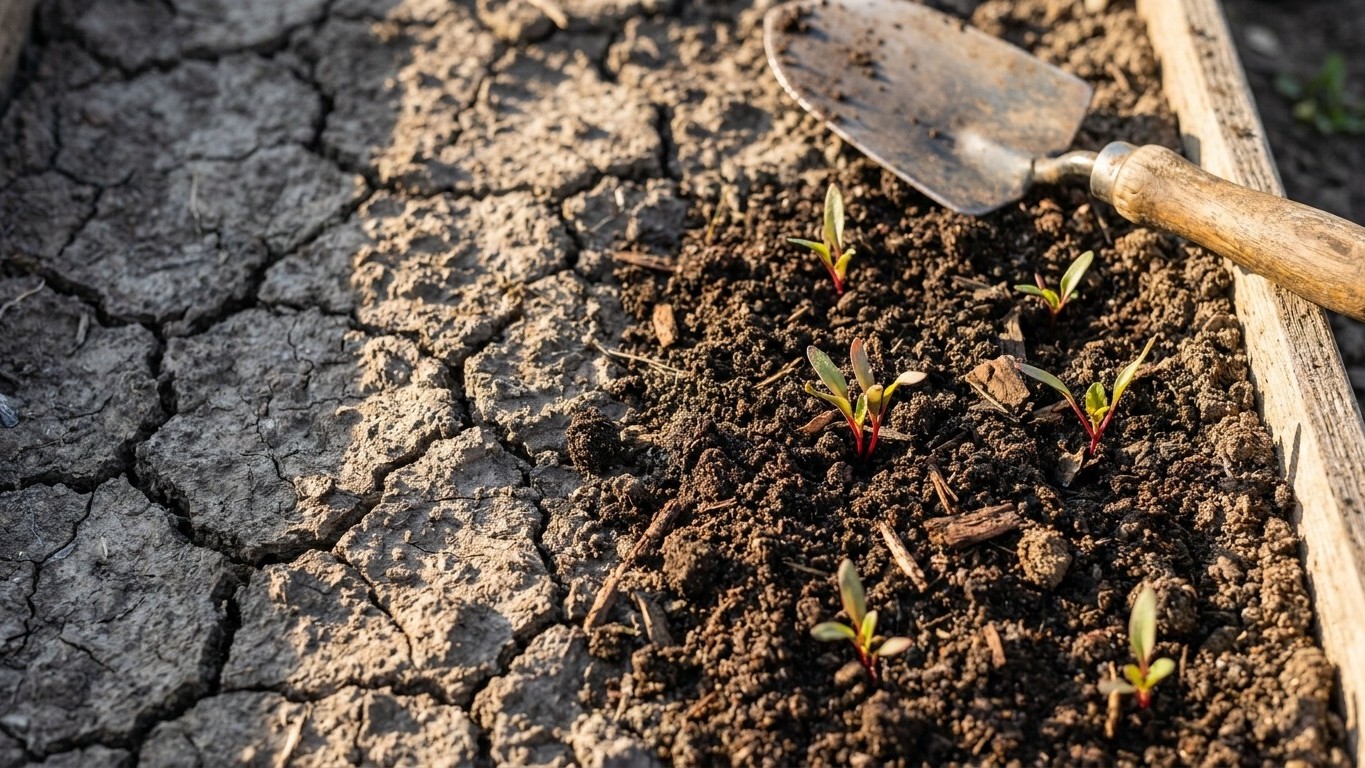
Texas beets face two separate threats: a heavy alkaline clay that swings between concrete-hard and sticky glue, and a spring window that can turn hot…
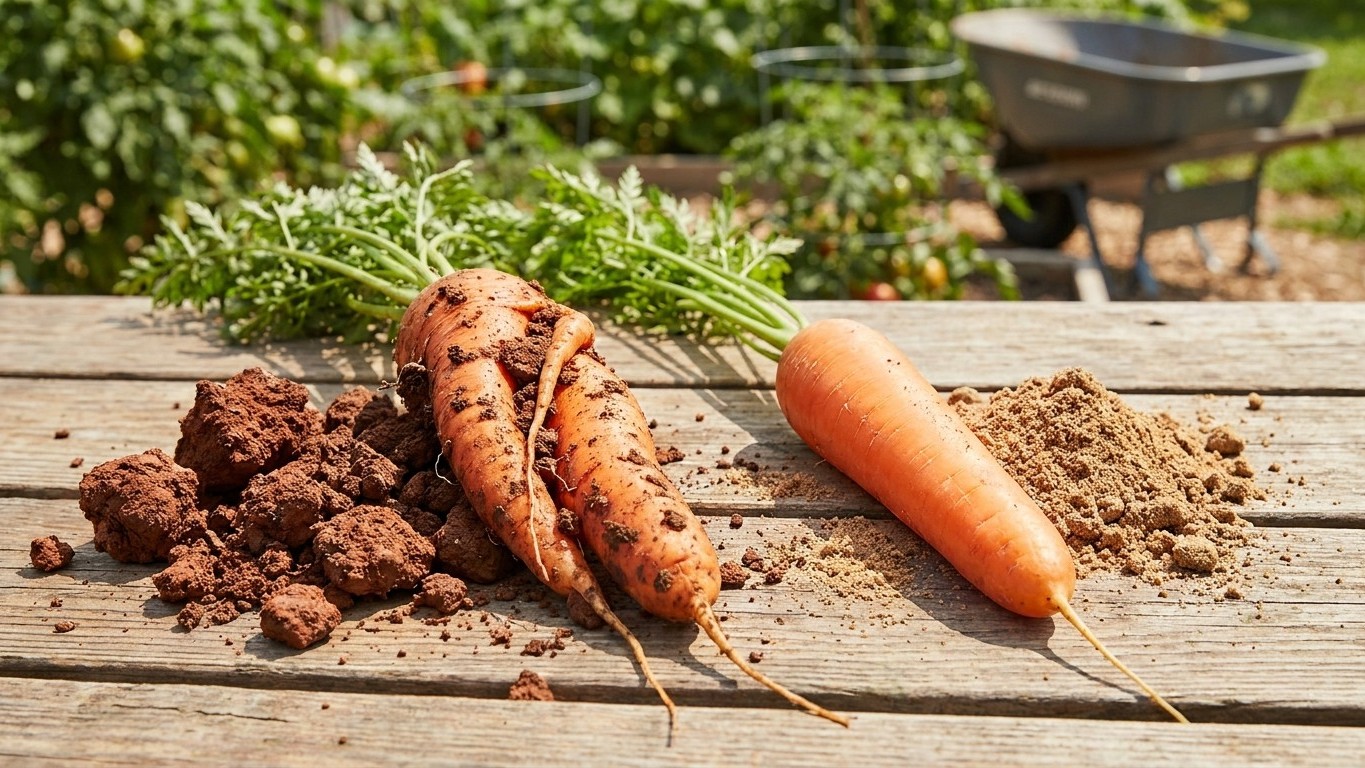
Tennessee’s benchmark soil carries just 11 percent sand against 68 percent silt and 20 percent clay, and that ratio alone tells you most of what you need…