Will Carrots Fork in Alaska Soil?
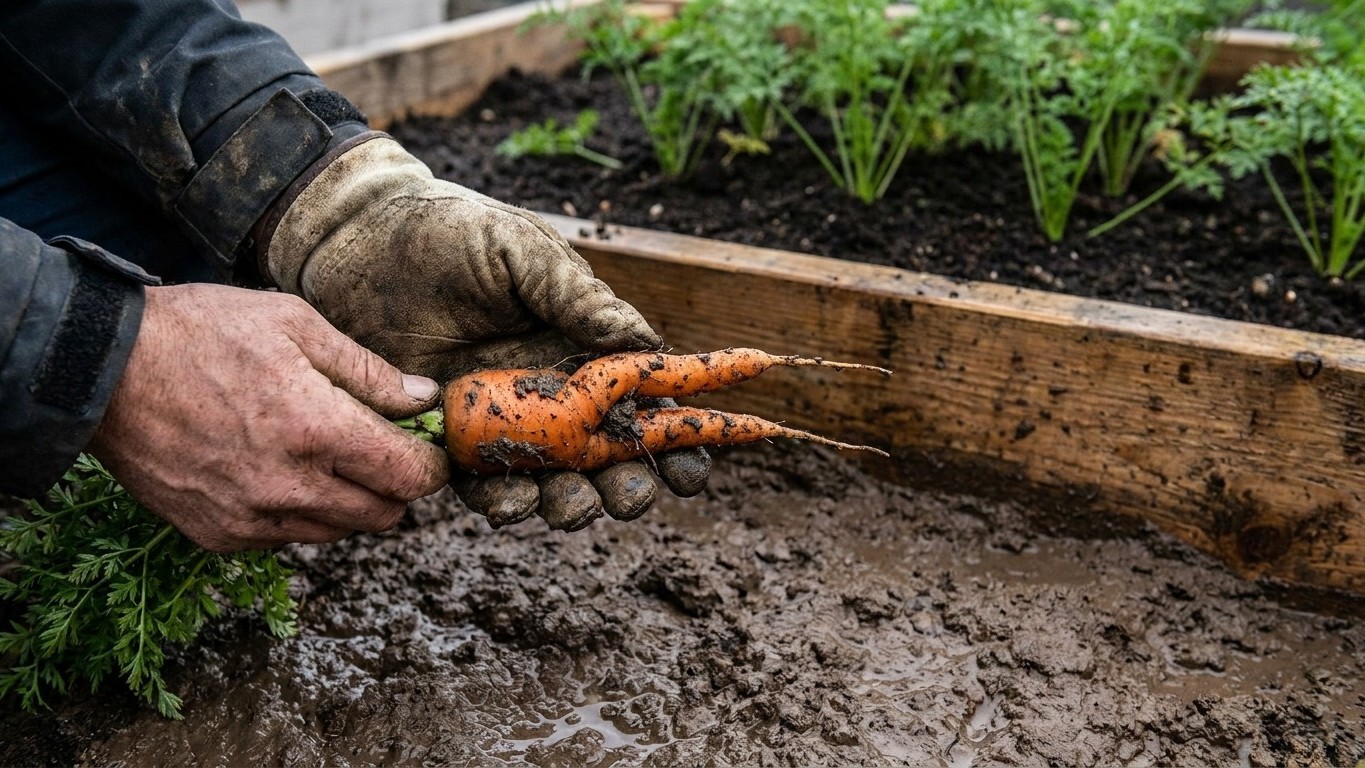
Yes, carrots planted straight into unmodified ground that matches Alaska’s representative soil profile are likely to fork or stall.
Home & garden, state by state
Yes, carrots planted straight into unmodified ground that matches Alaska’s representative soil profile are likely to fork or stall.
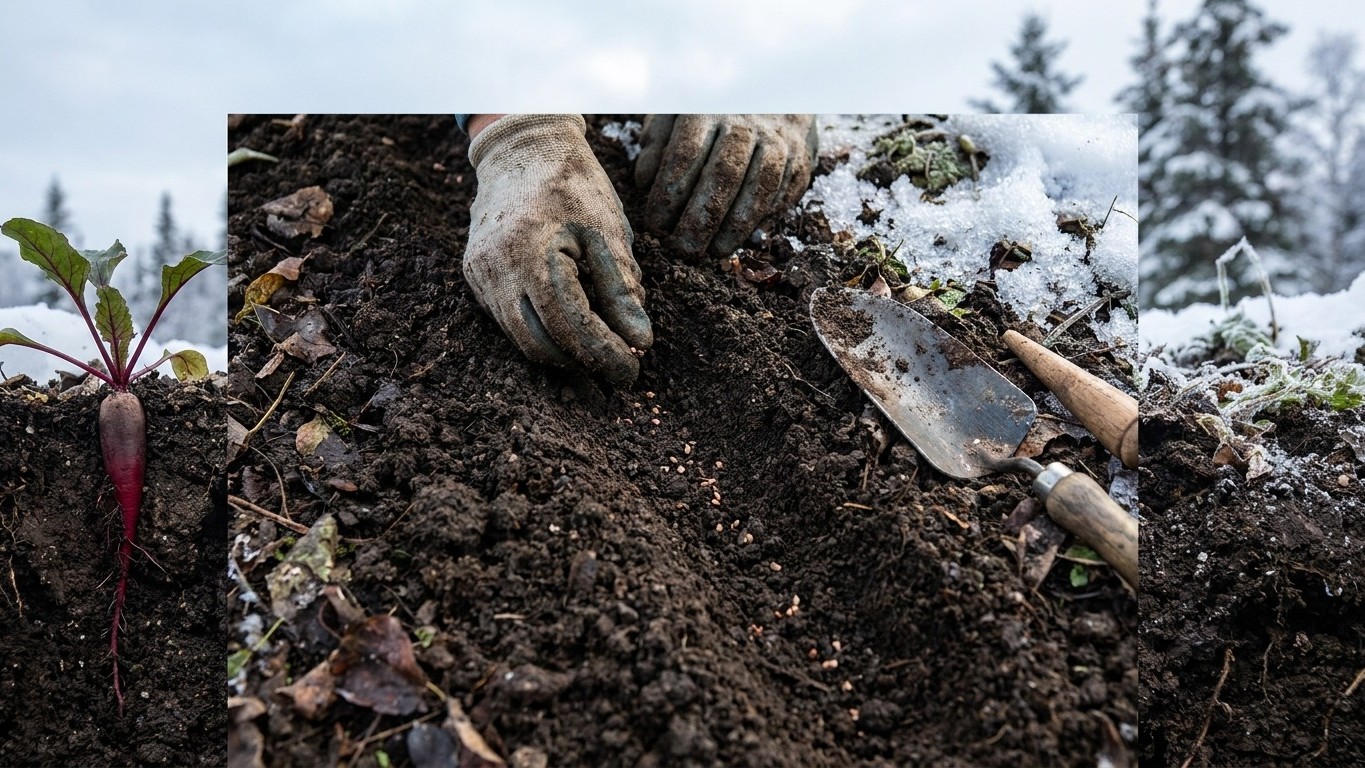
The safest window to sow beets outdoors in the Anchorage area runs from about April 12 to April 28, two to three weeks ahead of the average last spring…
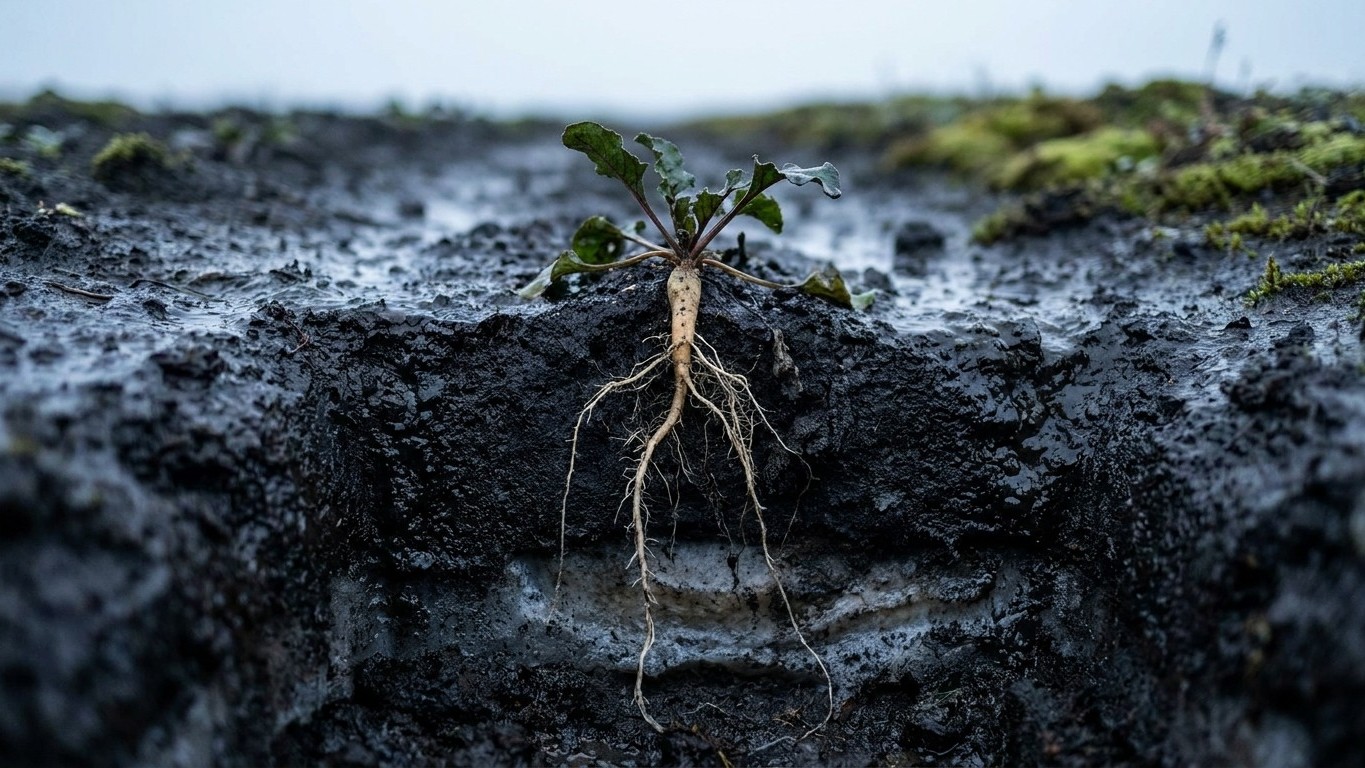
Alaska’s beets meet a soil built around permafrost, not root vegetables: strongly acid, poorly drained, and carrying organic matter that has nothing to…
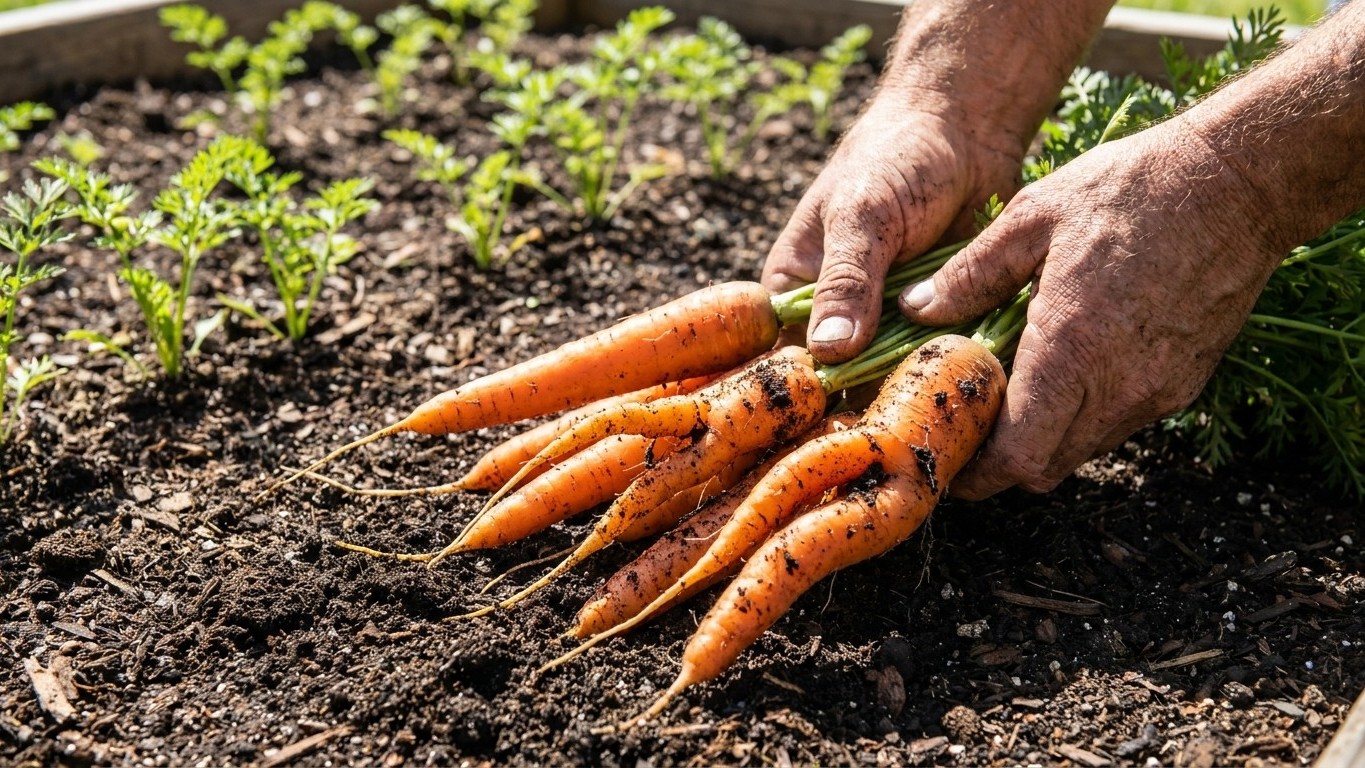
Carrots go into Alabama ground while it’s still cool, sown directly where they’ll grow, several weeks ahead of the local last frost date, since that date…
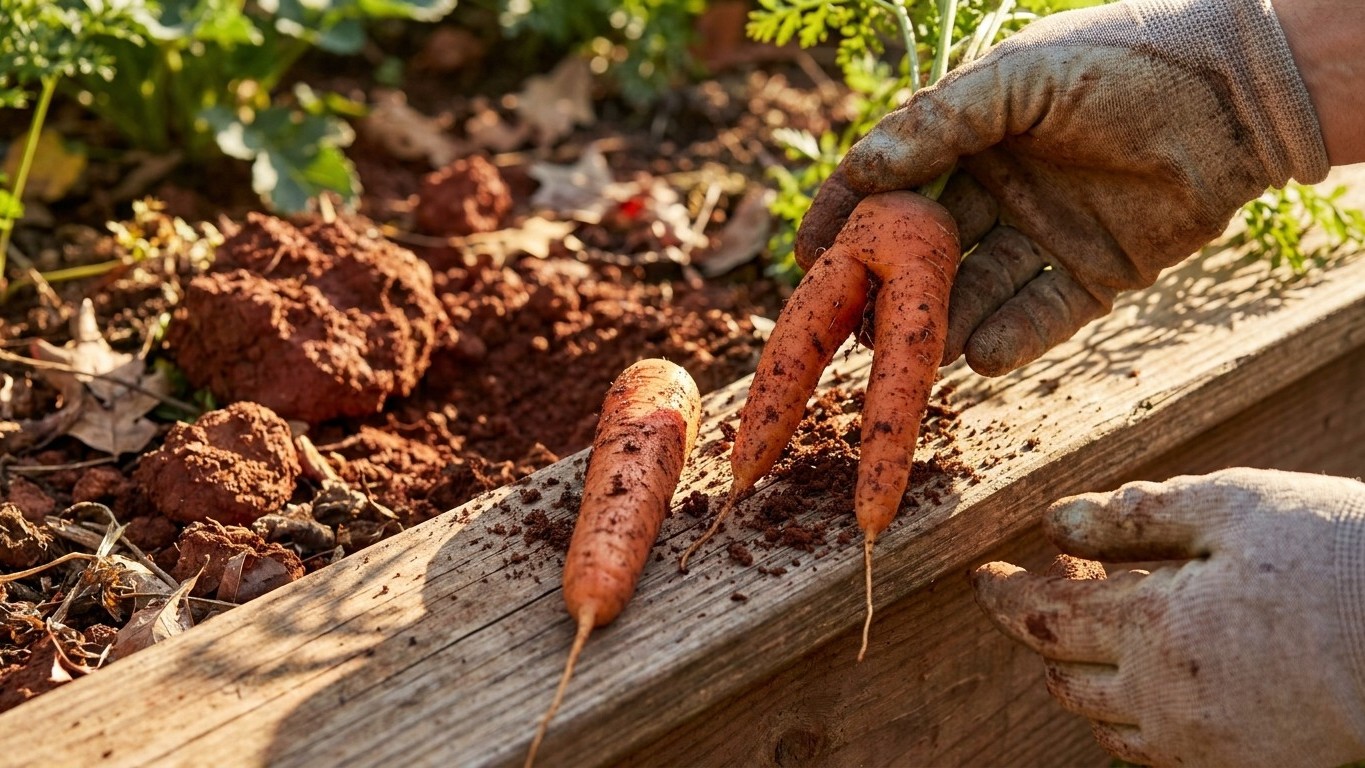
Alabama’s state soil, the sandy, well-drained Bama series, gives carrots a fighting chance at growing straight where it’s found.
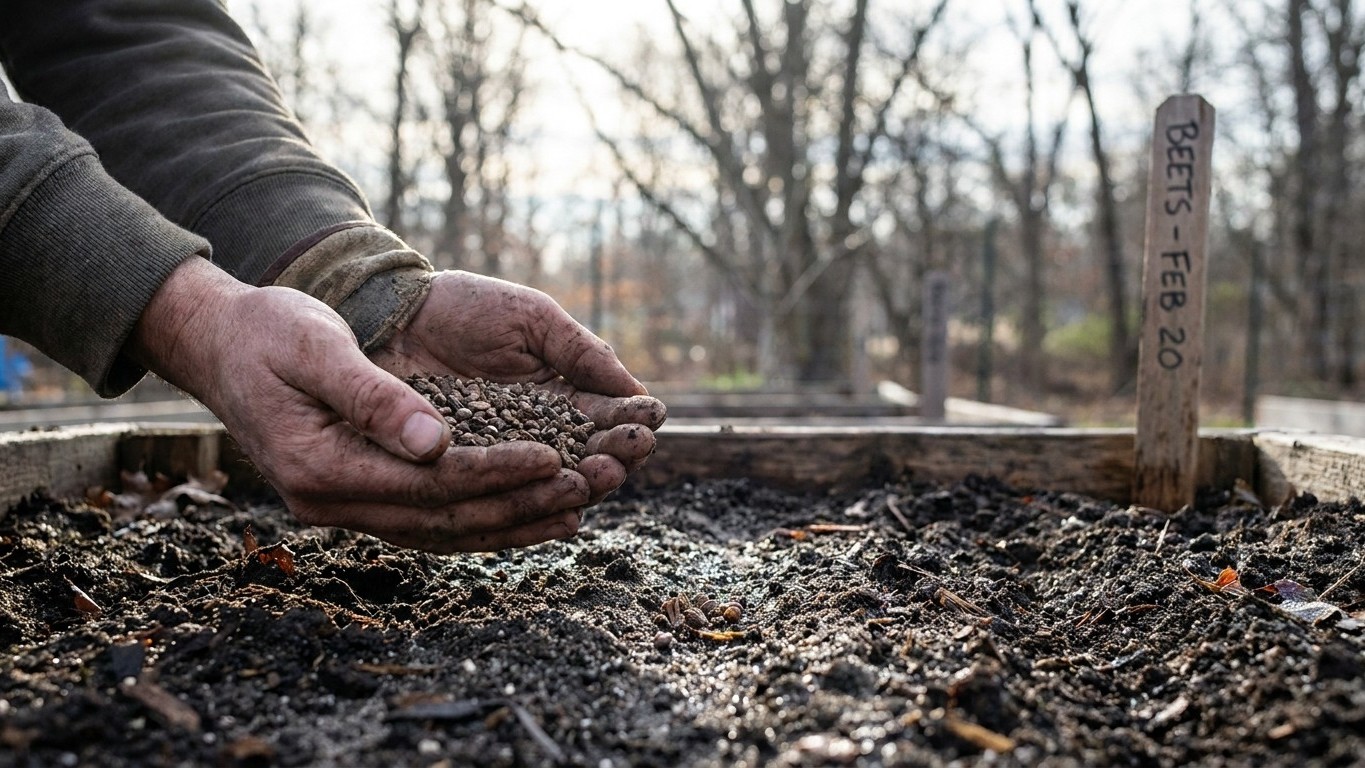
In most of Alabama, sow beet seed directly in the ground two to three weeks before the last spring frost, which the reference weather station places…
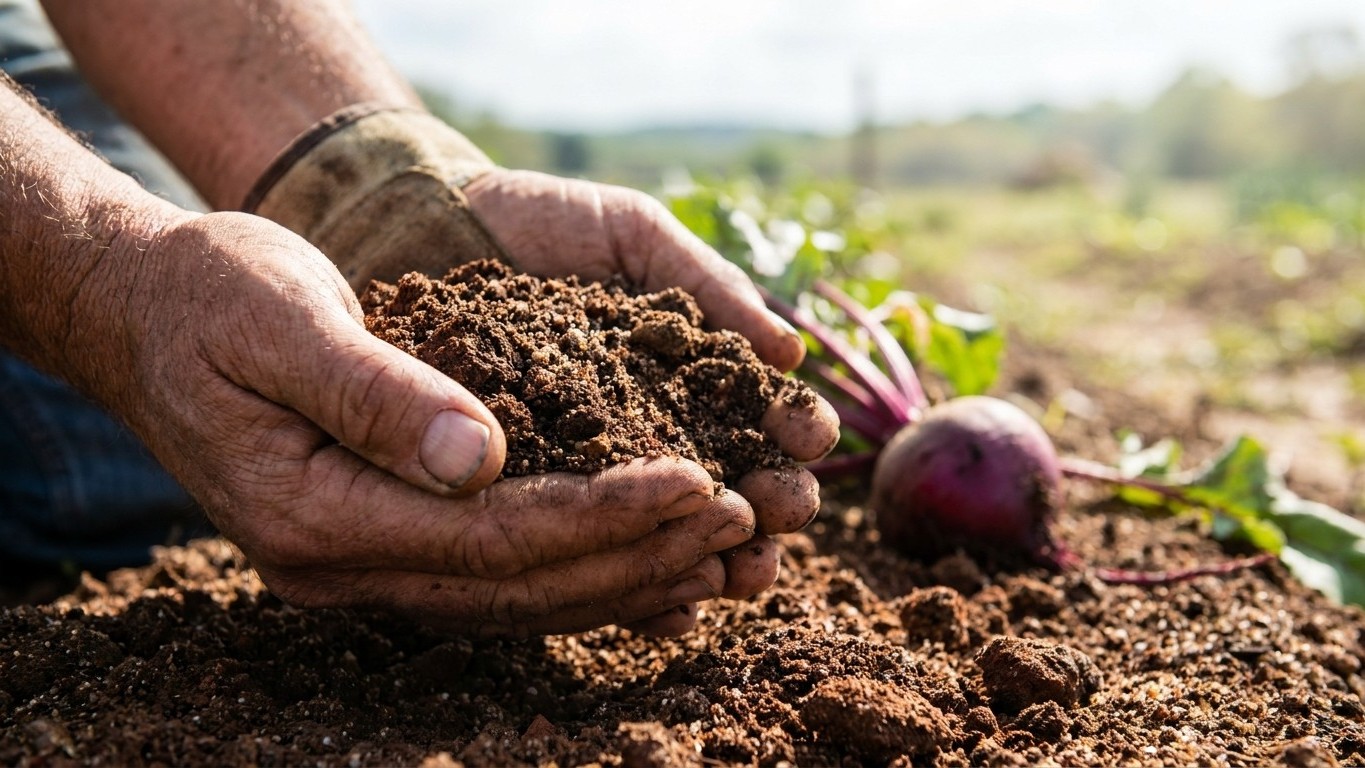
Alabama’s official state soil, the Bama series, is sandy, acidic and short on organic matter, which drains fast enough to suit a beet root but starves it…
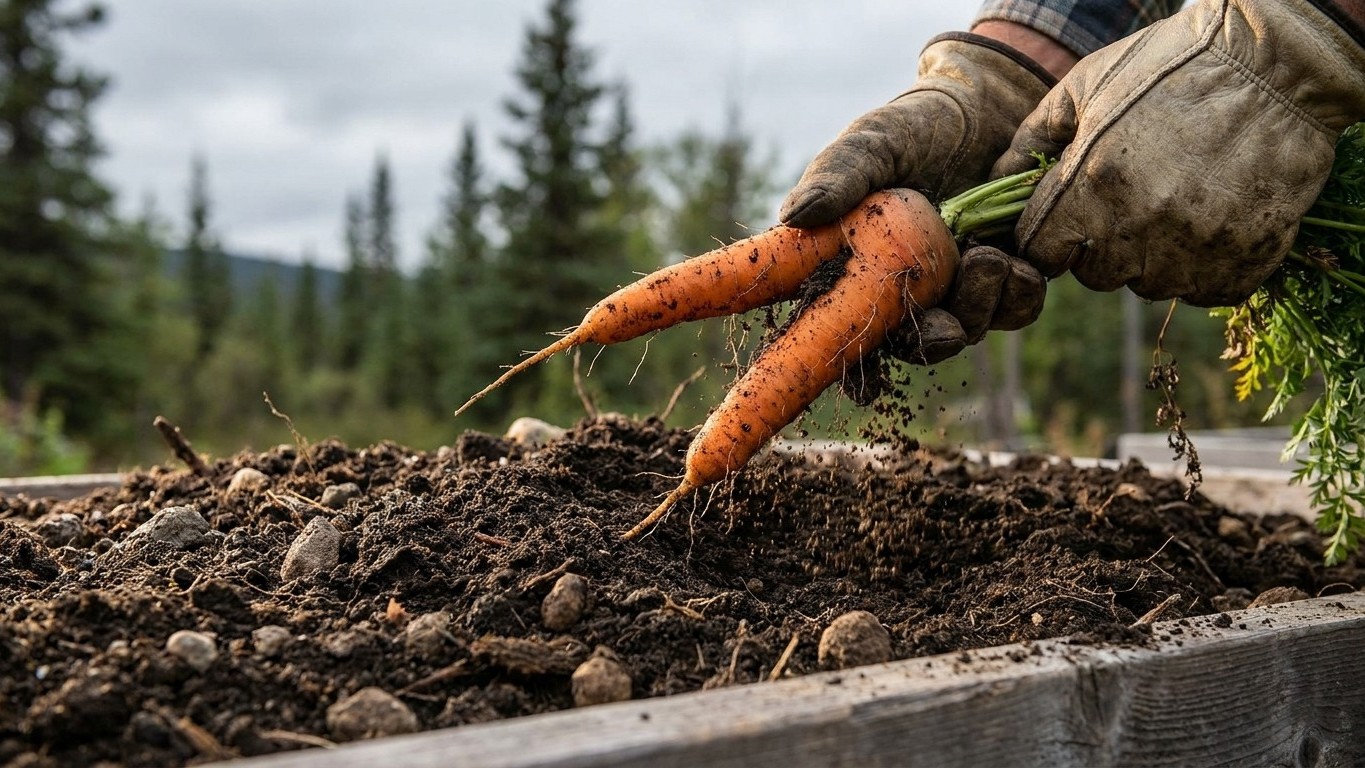
Yukon’s most common ground is a loam-to-silt Brunisol, well short of the sandy, stone-free bed carrots want, and it drains imperfectly rather than freely.
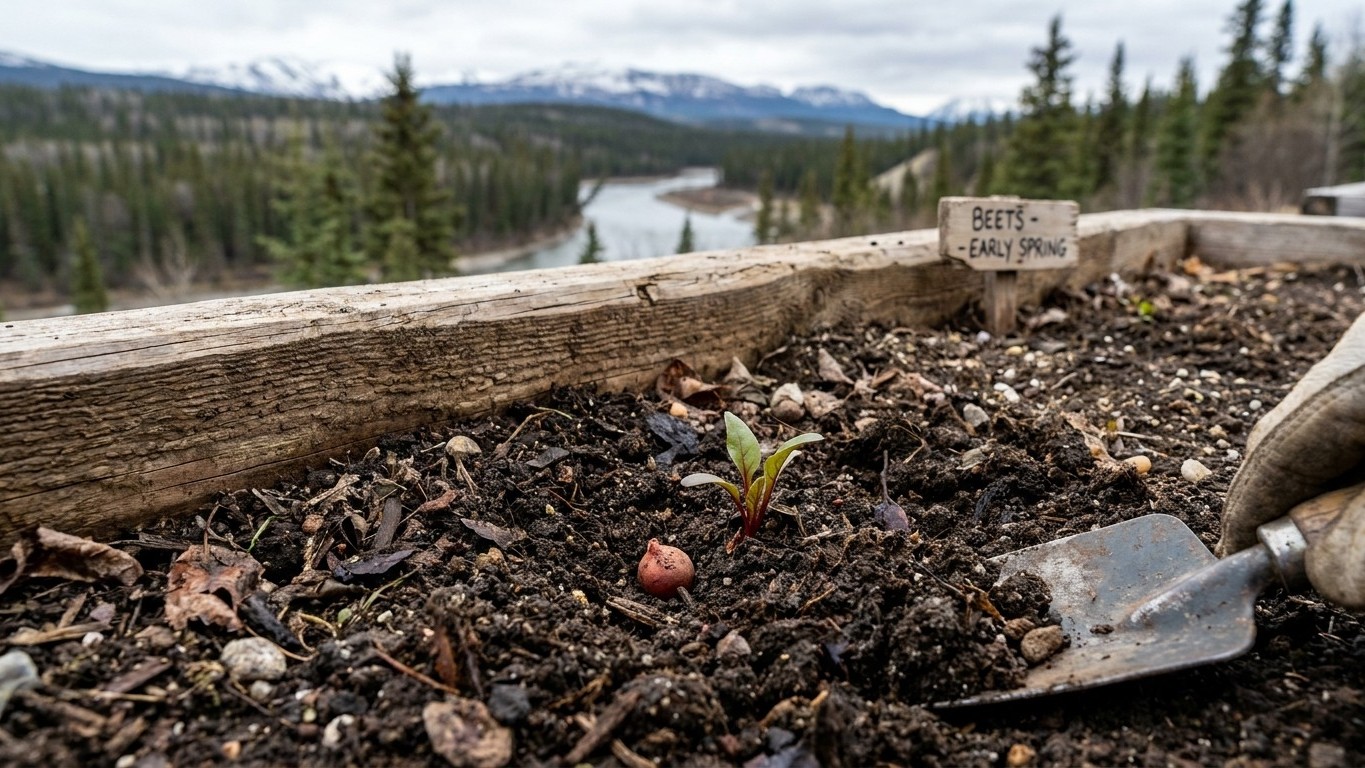
Yukon’s ground starts as a Brunisol, a young soil common on recently formed material, running loam to silt with imperfect drainage and a near-neutral pH…
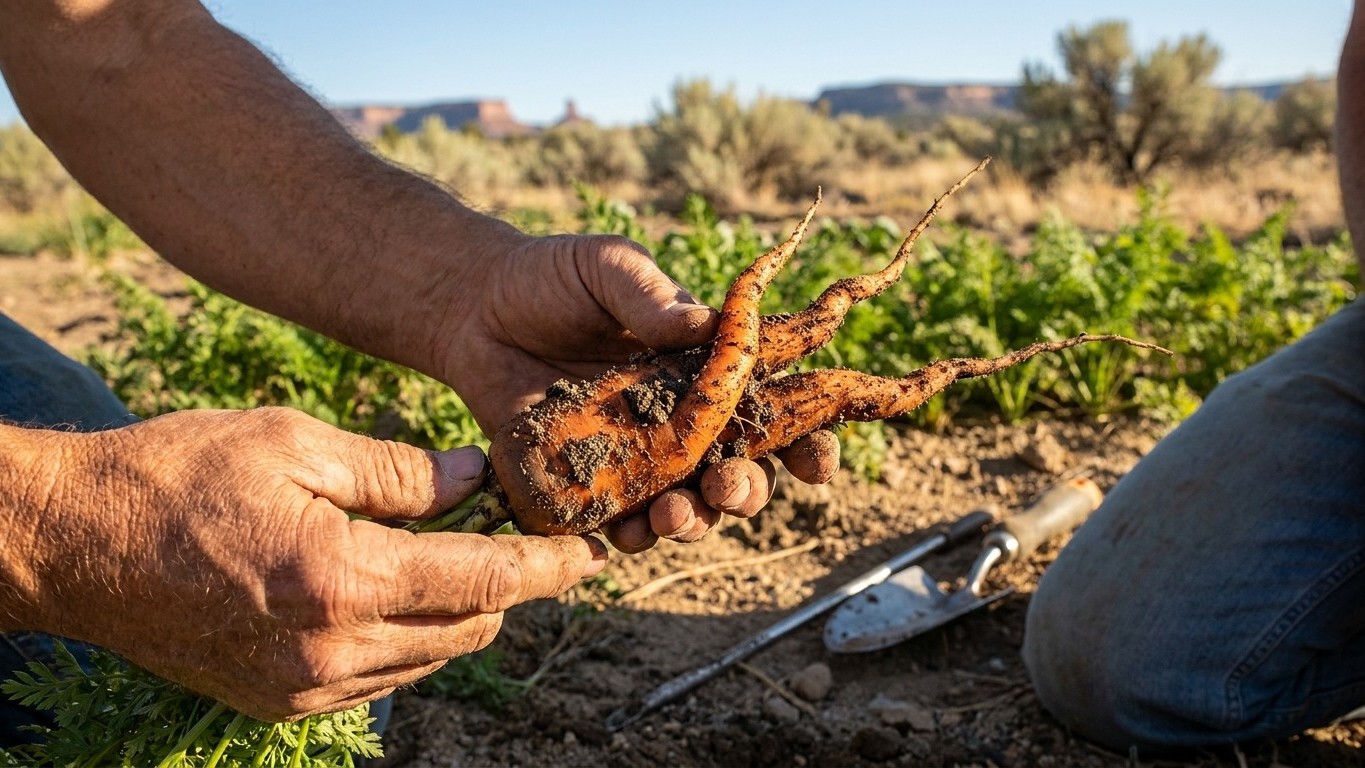
Wyoming’s benchmark soil, the Forkwood series, is a well-drained loam rather than the dense clay that twists carrot roots into knots.