Growing Beets in Massachusetts: Soil, Sowing and Bolting
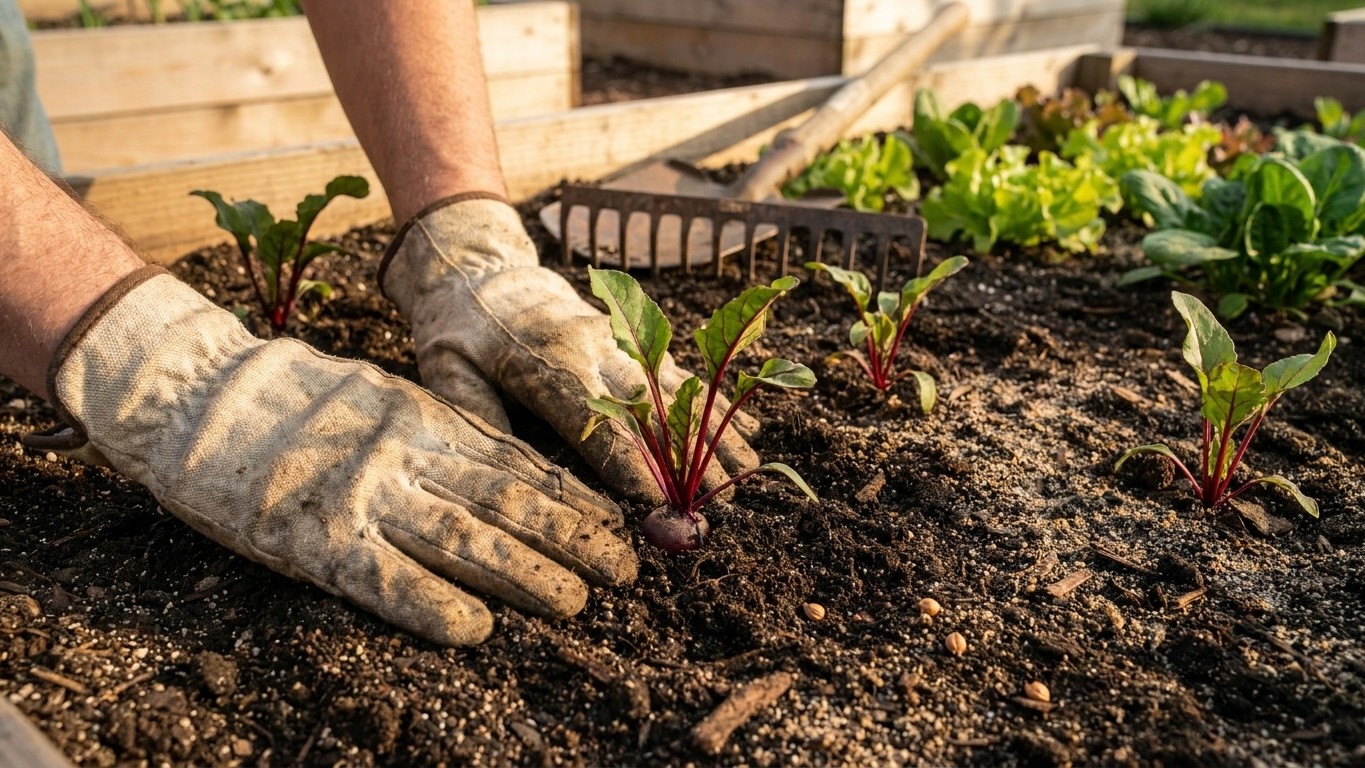
In Massachusetts, beets do best sown directly into deep, well-drained, sandy soil with organic matter worked in, about two to three weeks before the last…
Home & garden, state by state
In Massachusetts, beets do best sown directly into deep, well-drained, sandy soil with organic matter worked in, about two to three weeks before the last…
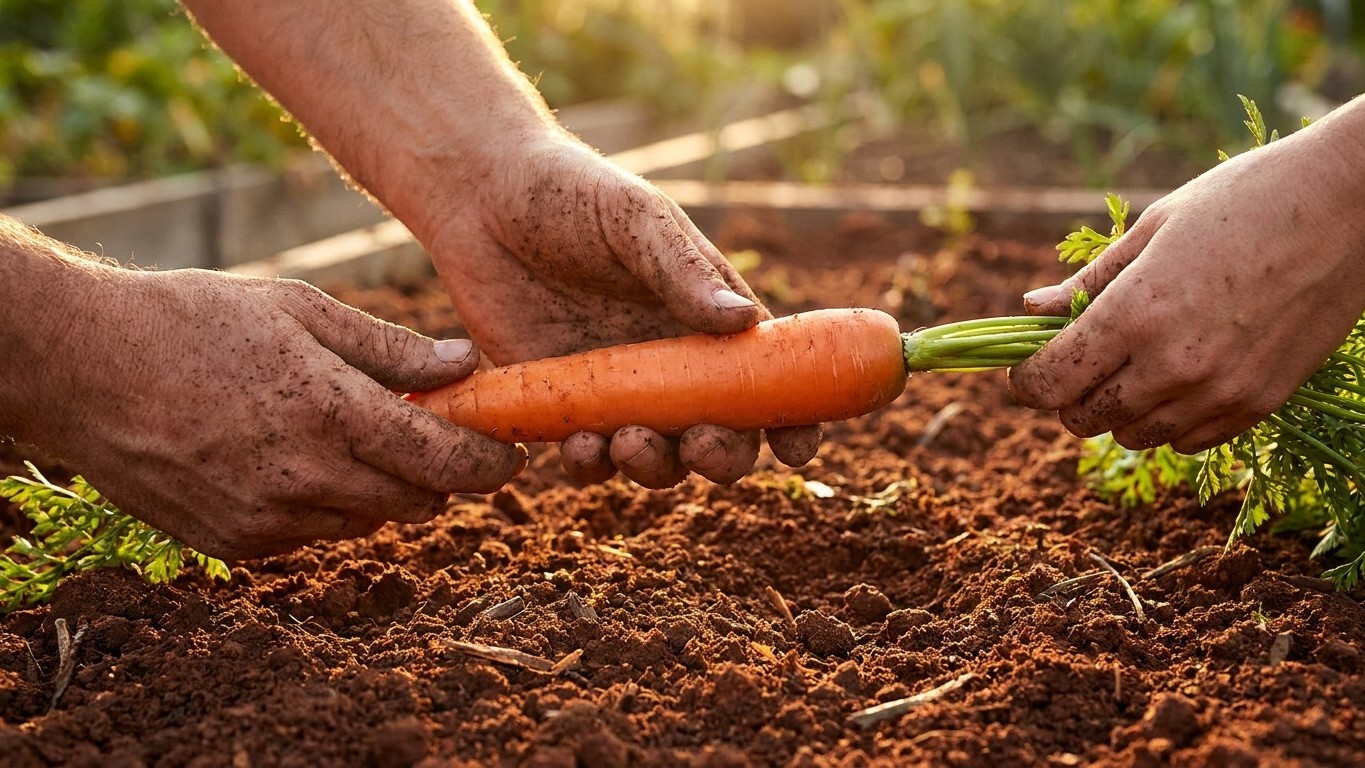
Maryland’s state-representative soil, the Sassafras series, is sandy and well drained, which is good news for carrots that hate wet feet and forked tips.
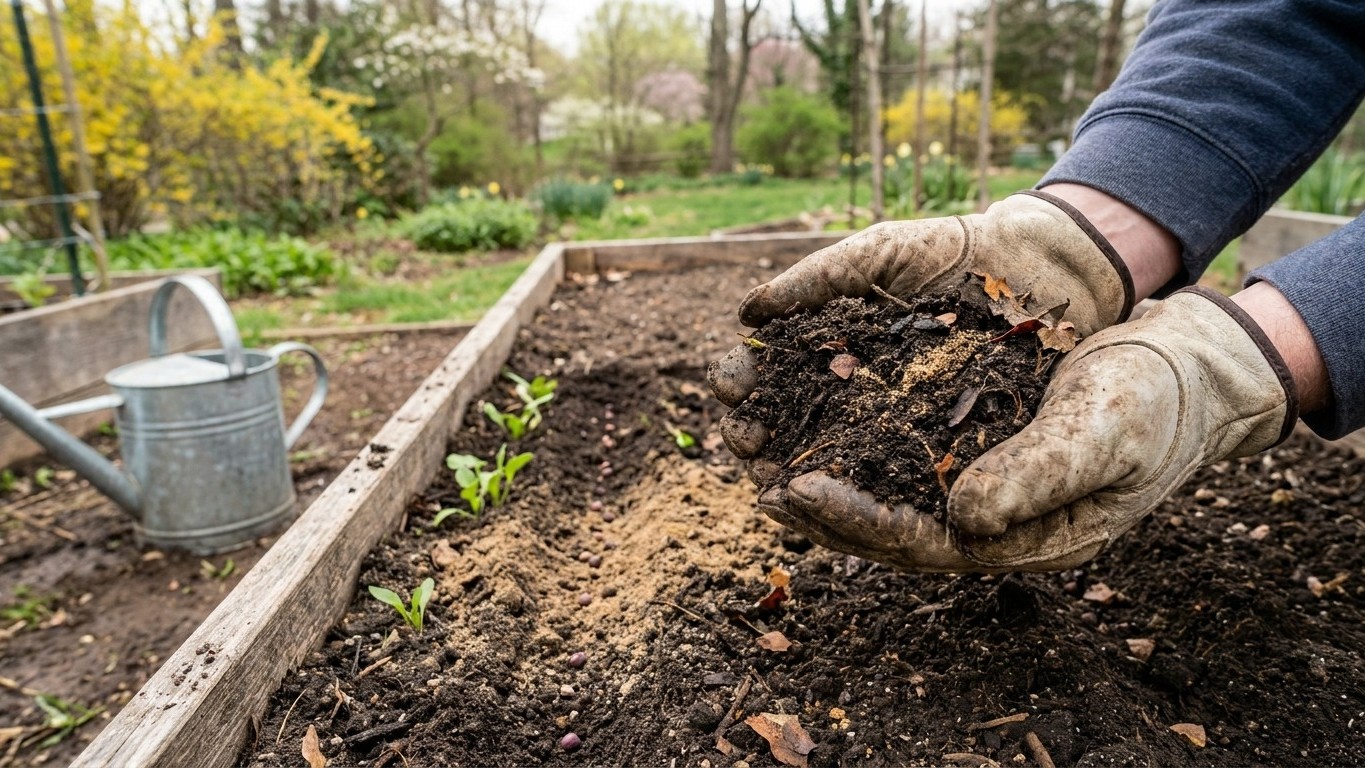
Maryland’s benchmark soil runs sandy, acid and fast-draining, decent bones for a beet but poor at holding nutrients and moisture without help.
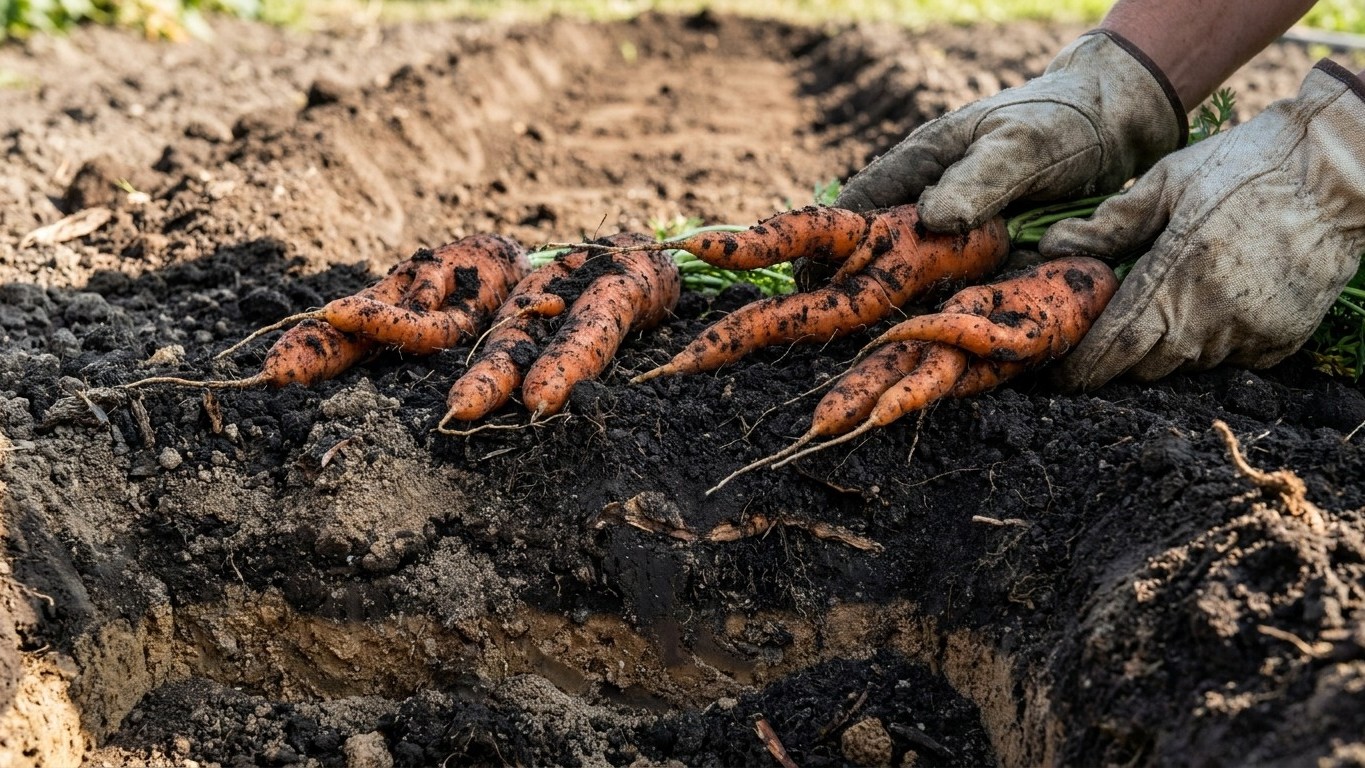
Manitoba’s typical garden soil runs 45 percent sand, 24 percent clay and 31 percent silt, a loam that leans alkaline (median pH around 7.6) and drains…
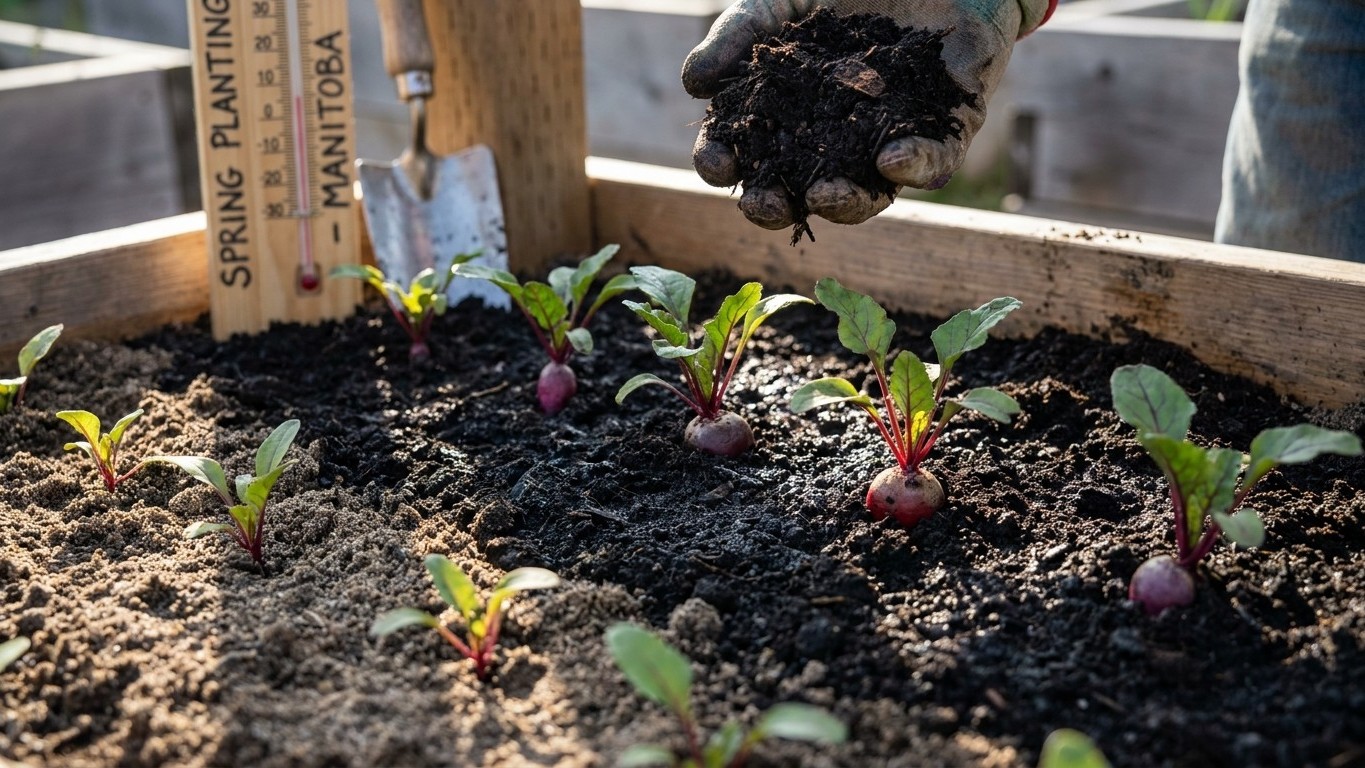
Manitoba’s ground runs alkaline and moisture-heavy in ways that push against what a beet actually wants: deep, well-drained, sandy soil loosened with a…
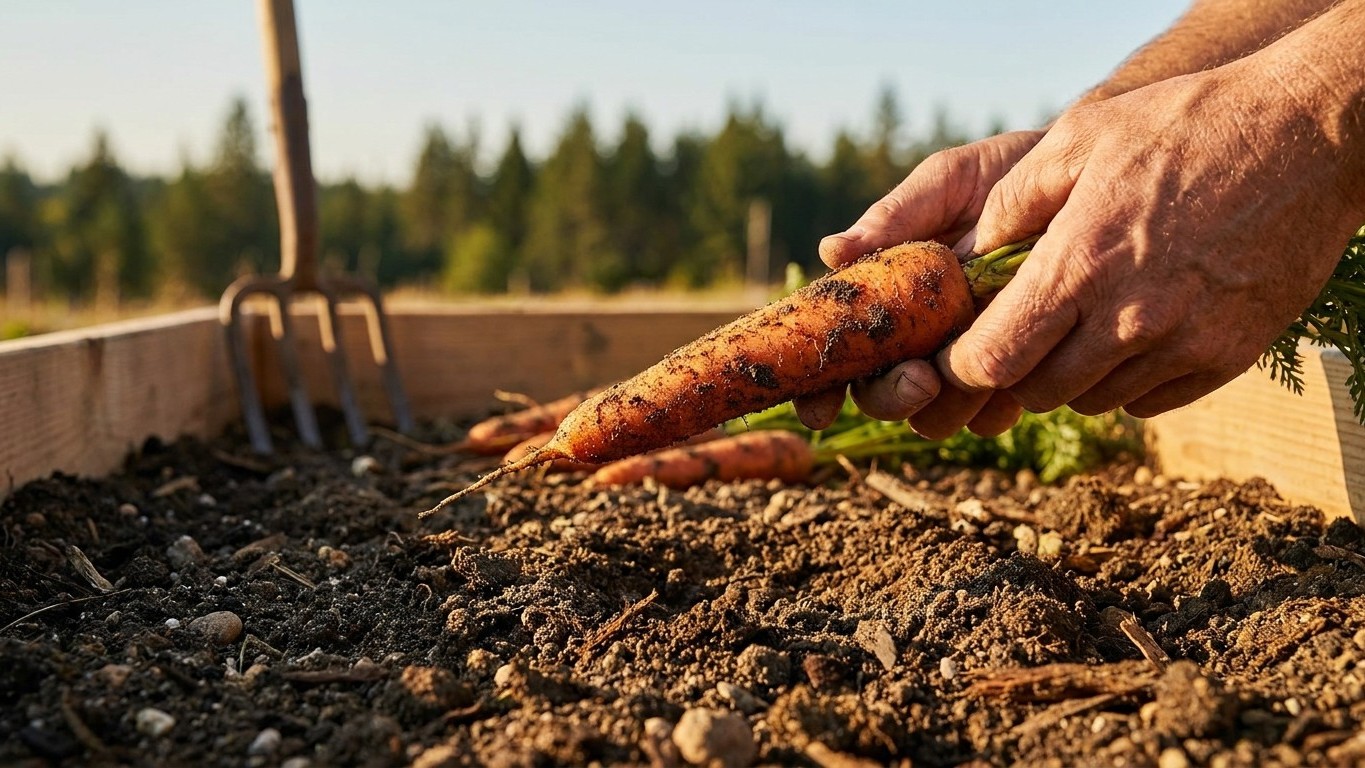
Maine’s official state soil, the Chesuncook series, is sandy, acid and moderately well drained under a coating of forest litter.
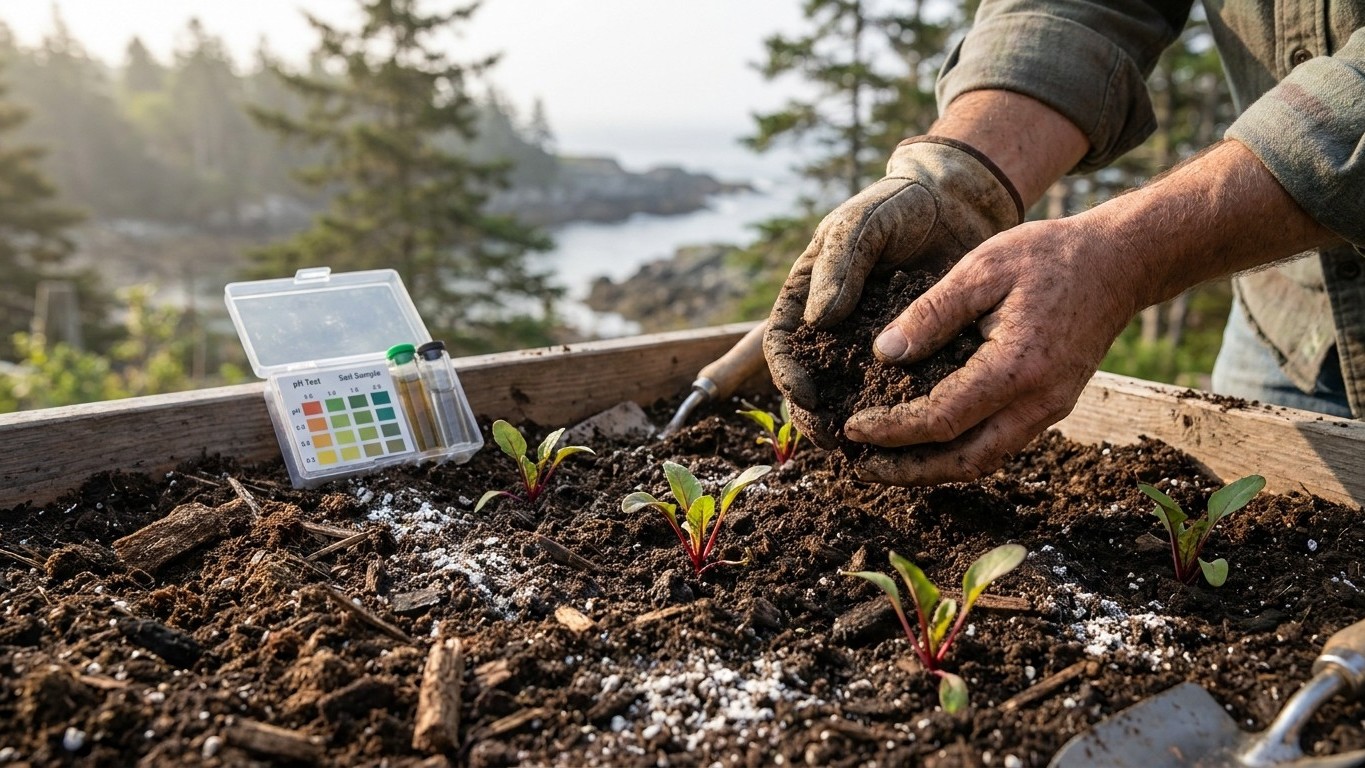
Maine’s official state soil, the Chesuncook series, is a sandy, strongly acid Spodosol that formed under conifer stands, not a tilled vegetable bed.
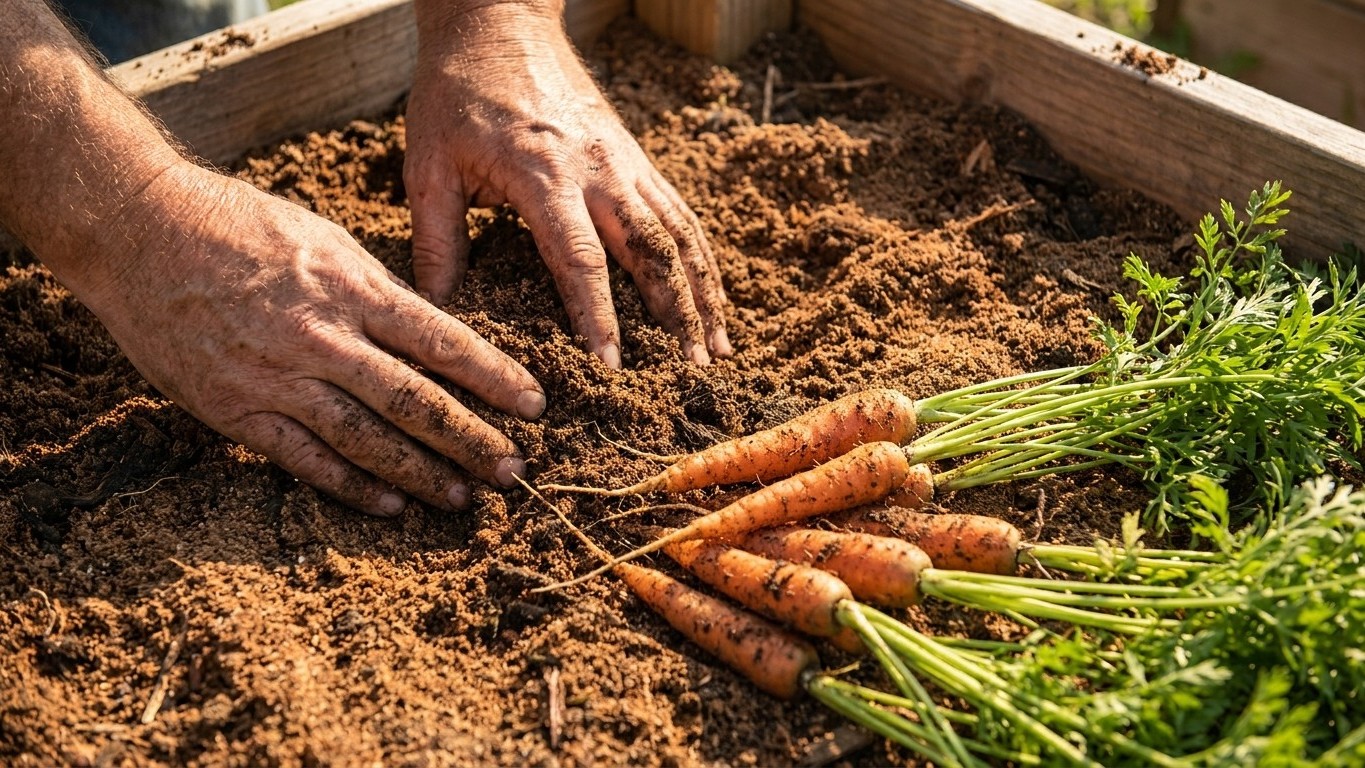
Louisiana gardeners get a partial break from the classic carrot problem. The soil USDA treats as representative of the state runs sandy rather than…
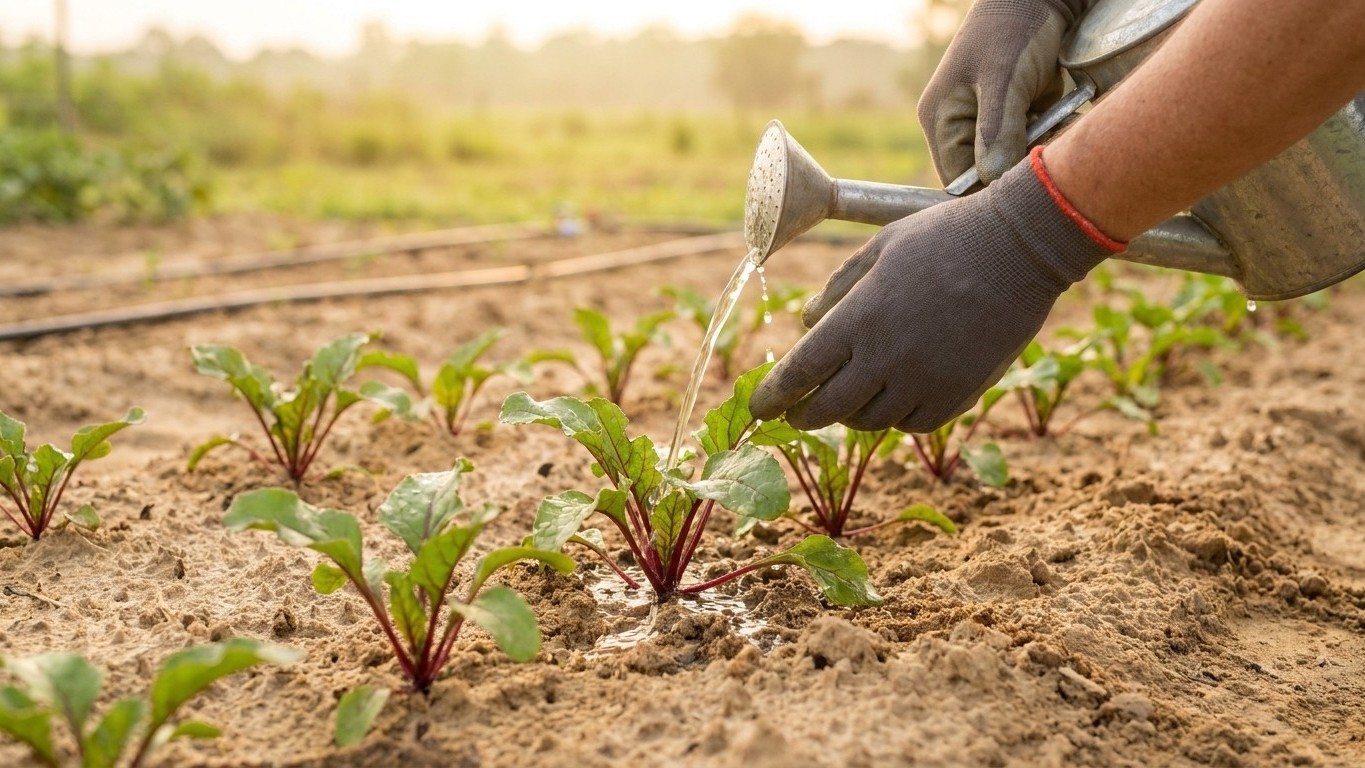
In Louisiana, the two threats to a beet crop are thirst in the first six weeks and heat during root fill, not frost.
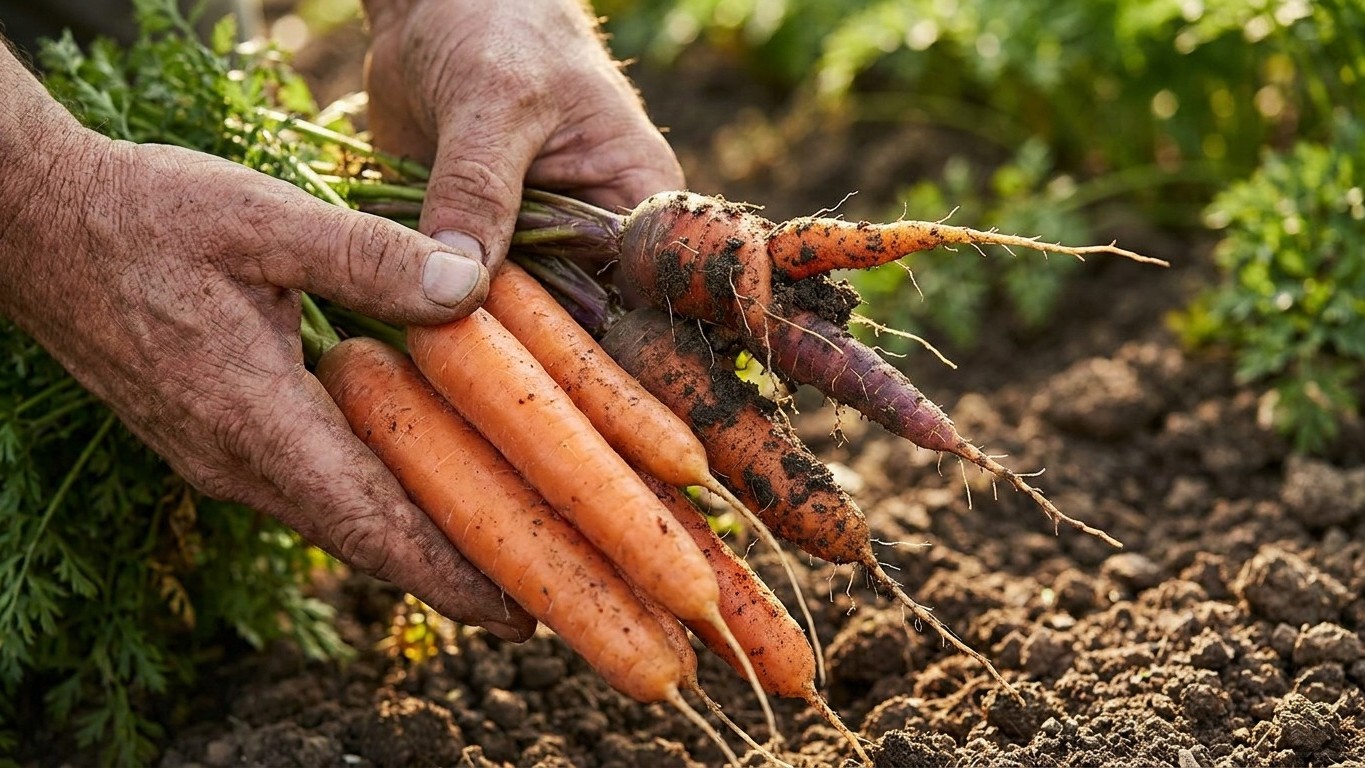
The Crider series, Kentucky’s official state soil, is a well-drained silt loam sitting at a surface pH near 6.2, which puts most gardens broadly in…