Growing Carrots in Georgia: Soil, Sowing and Forked Roots
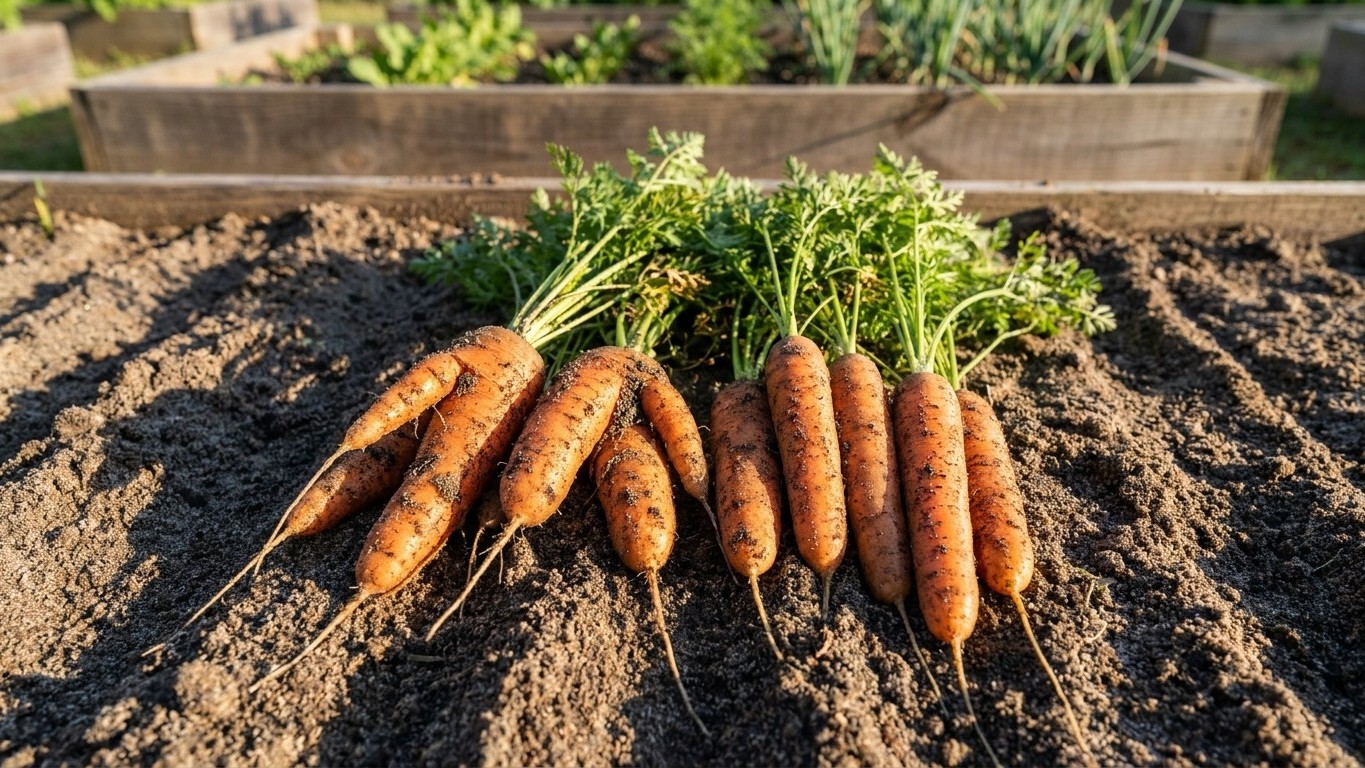
Georgia’s representative soil, the Tifton series, is 84 percent sand with only 6 percent clay, which sounds like ideal carrot country.
Home & garden, state by state
Georgia’s representative soil, the Tifton series, is 84 percent sand with only 6 percent clay, which sounds like ideal carrot country.
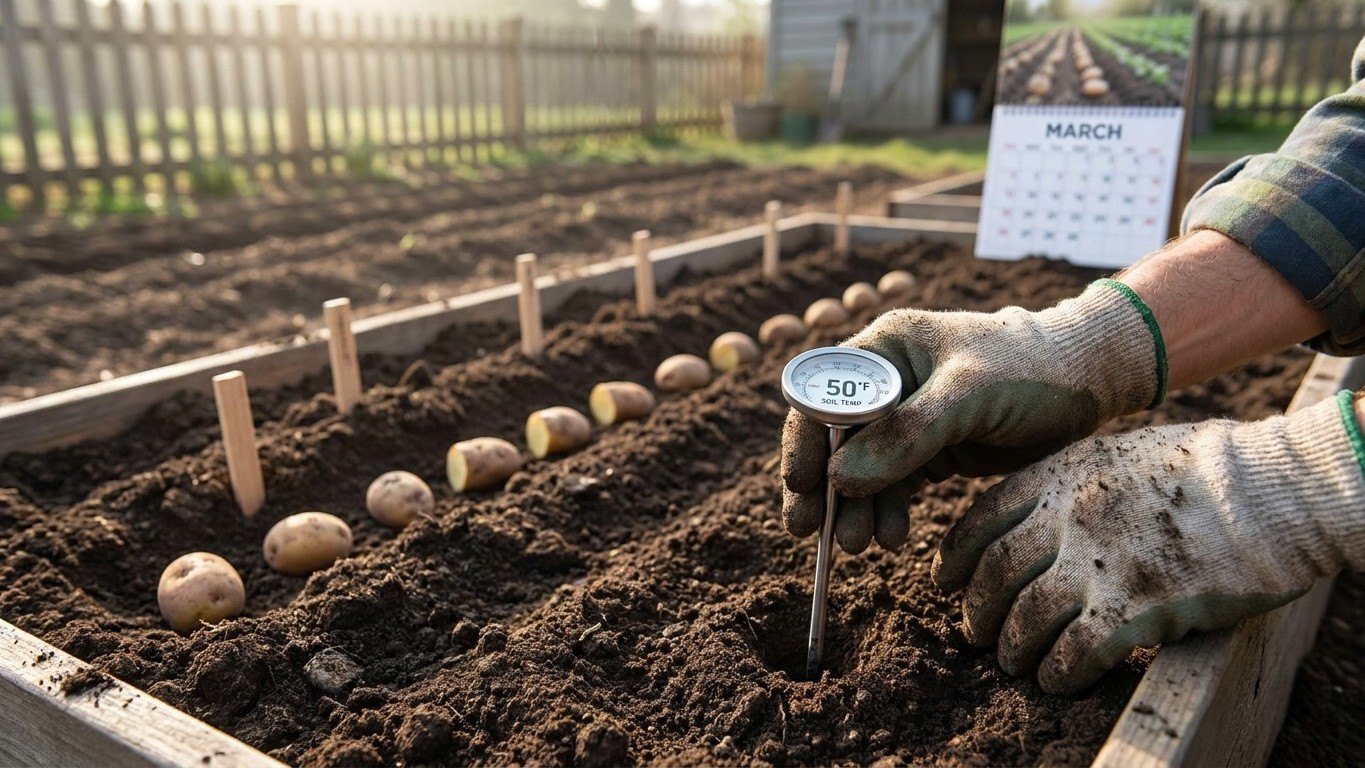
Soil temperature decides potato planting, not the date on a calendar. Plant as soon as the soil reaches 50°F, a point that typically falls 14 to 21 days…
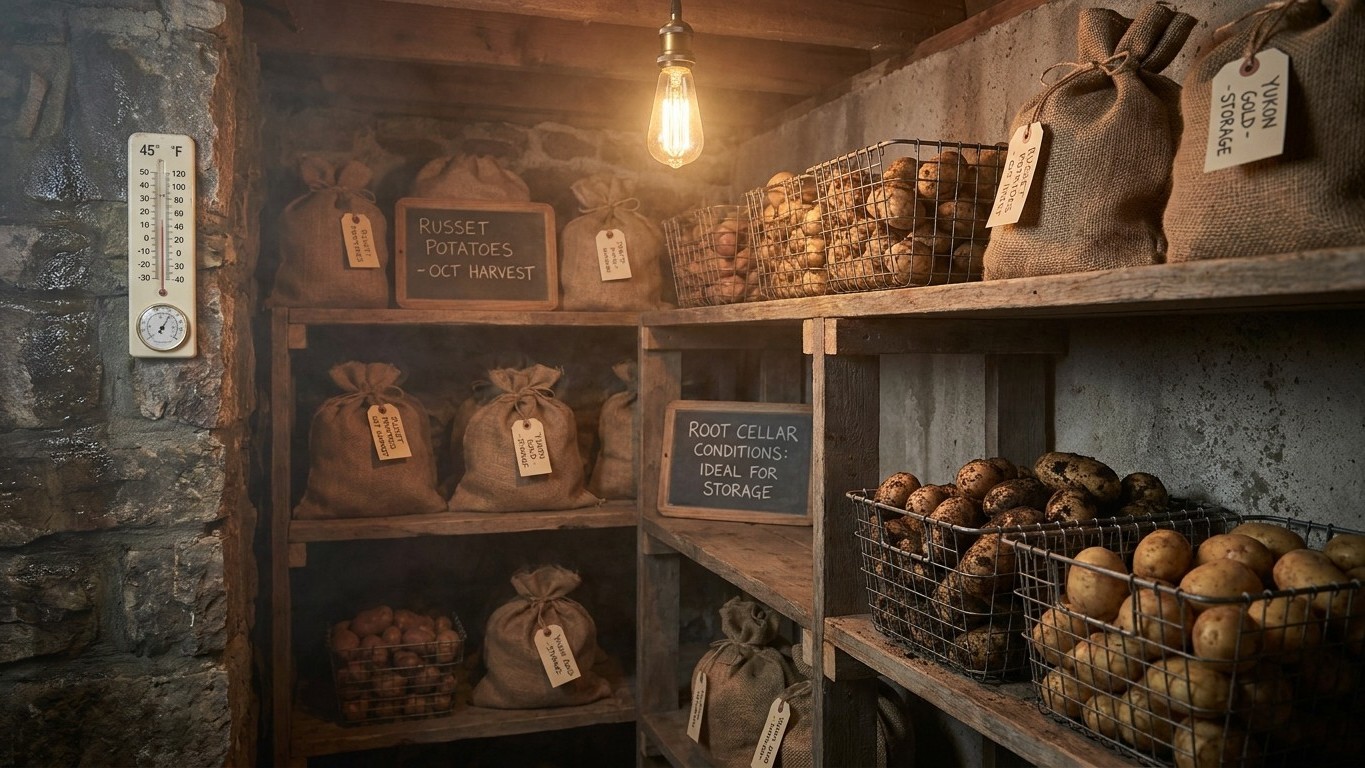
Two extension services, two numbers. The University of Maine Cooperative Extension puts ideal storage at 38 F with 95 percent humidity.
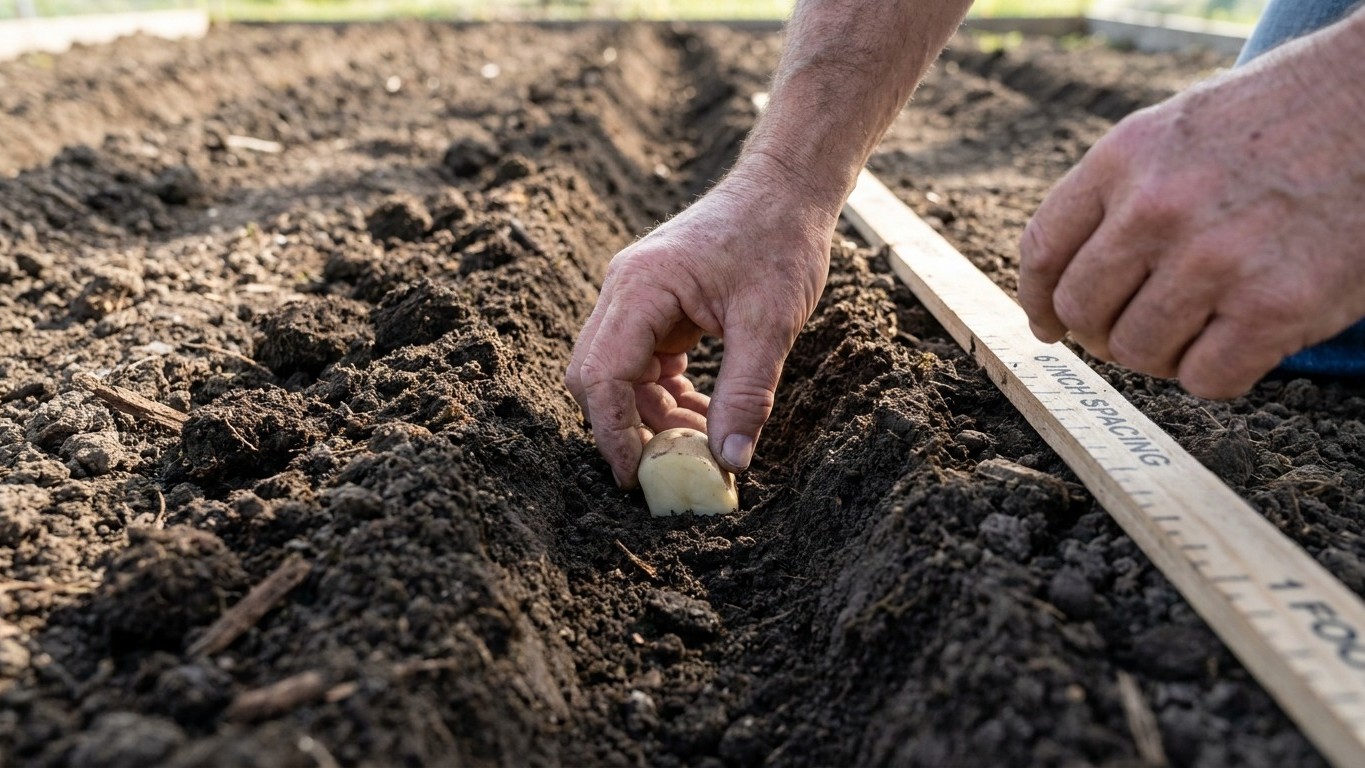
Plant seed potatoes in a furrow 4 to 6 inches deep, then cover them with about 2 inches of soil, according to the University of Maine Cooperative…
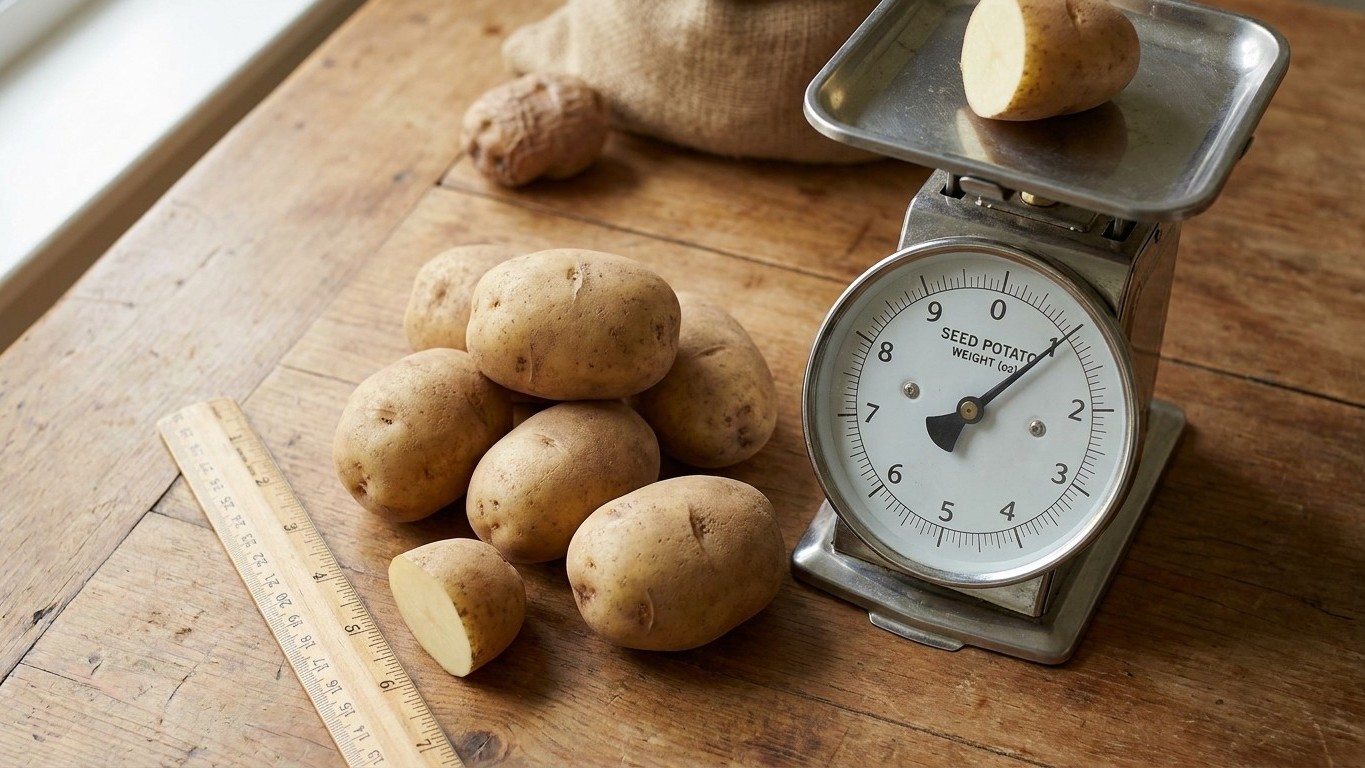
Certified seed potatoes are not optional because uncertified seed carries plant virus that can quietly wreck an entire planting, according to Utah State…
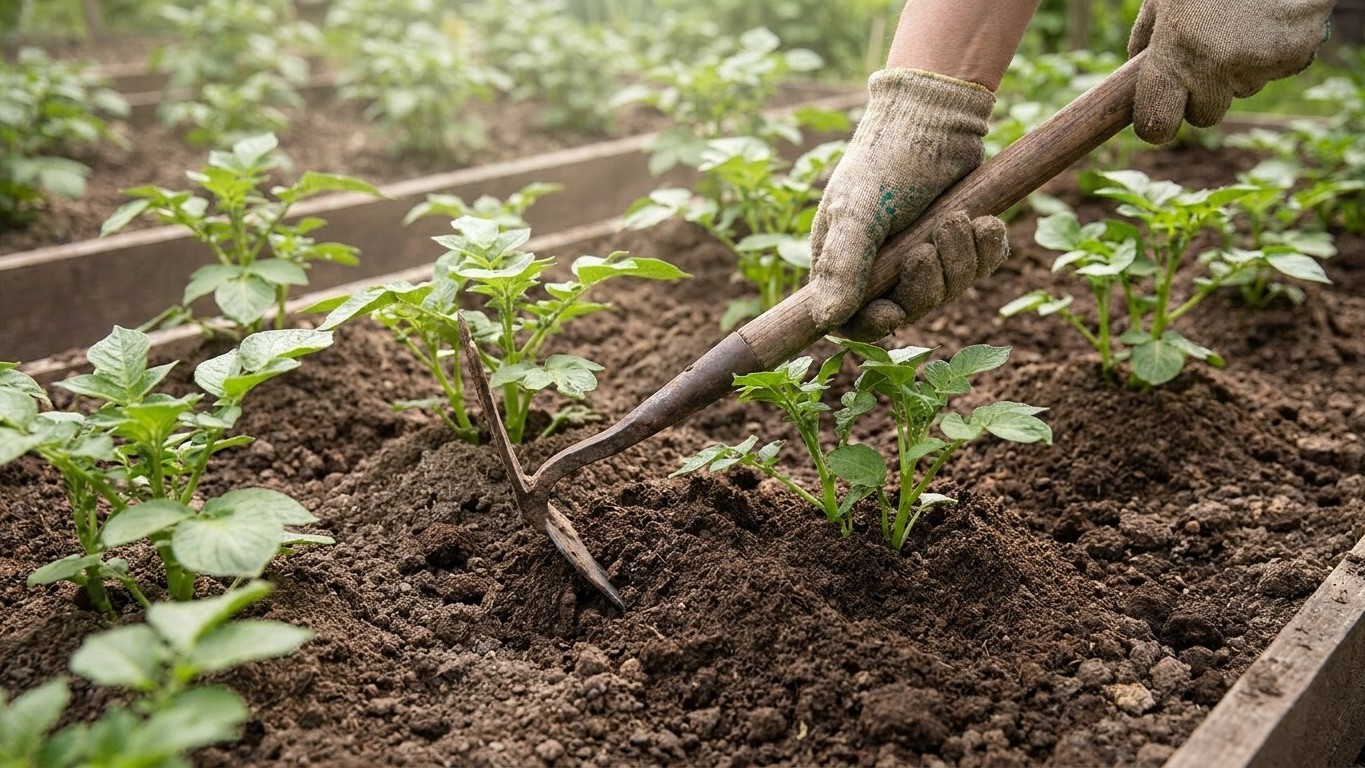
Hill potatoes once the plants reach about 6 inches tall, and plan on doing it up to three times over the growing season, according to the University of…
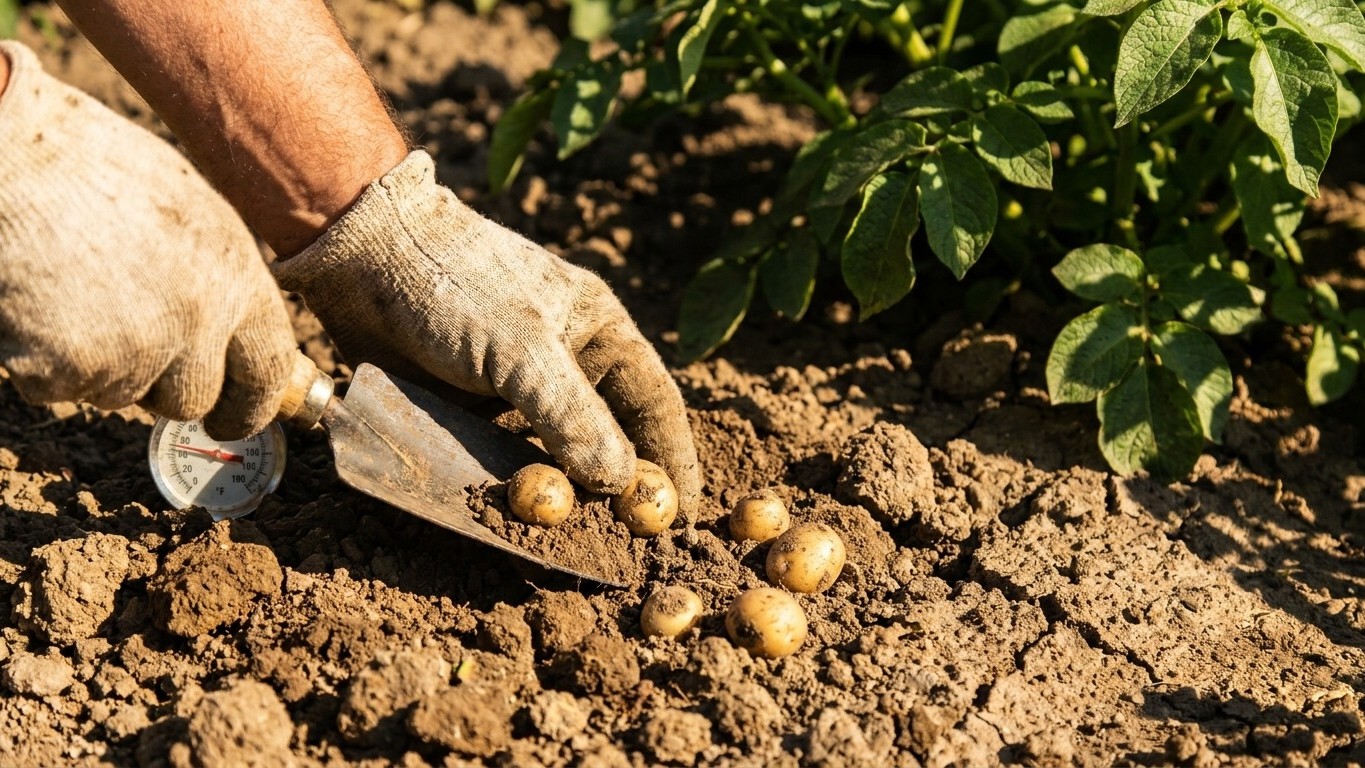
When soil temperatures climb above 90°F, potato tubers stop sizing up, according to Utah State University Extension’s guidance on growing potatoes in the…
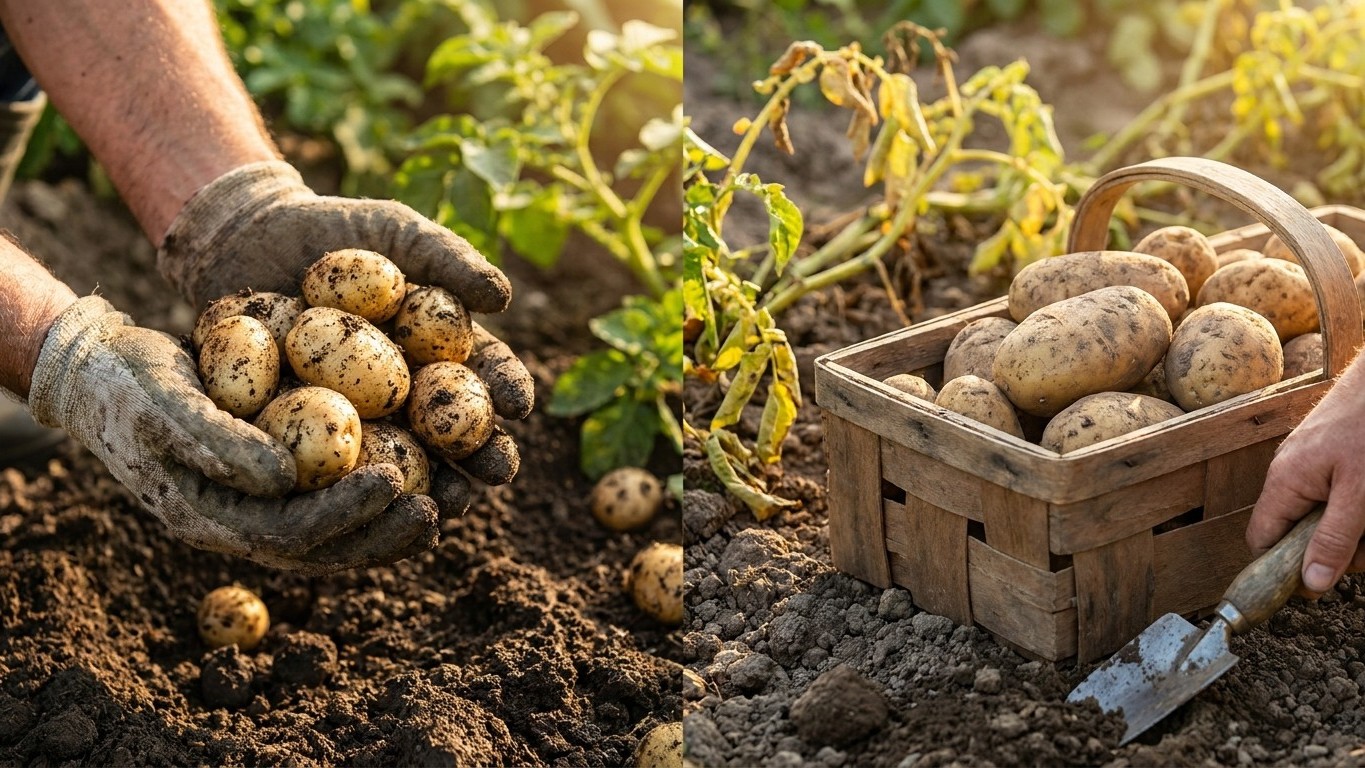
The choice is a trade, not a date on a calendar. Dig new potatoes early and you get thin-skinned, tender tubers meant for the table that same week.
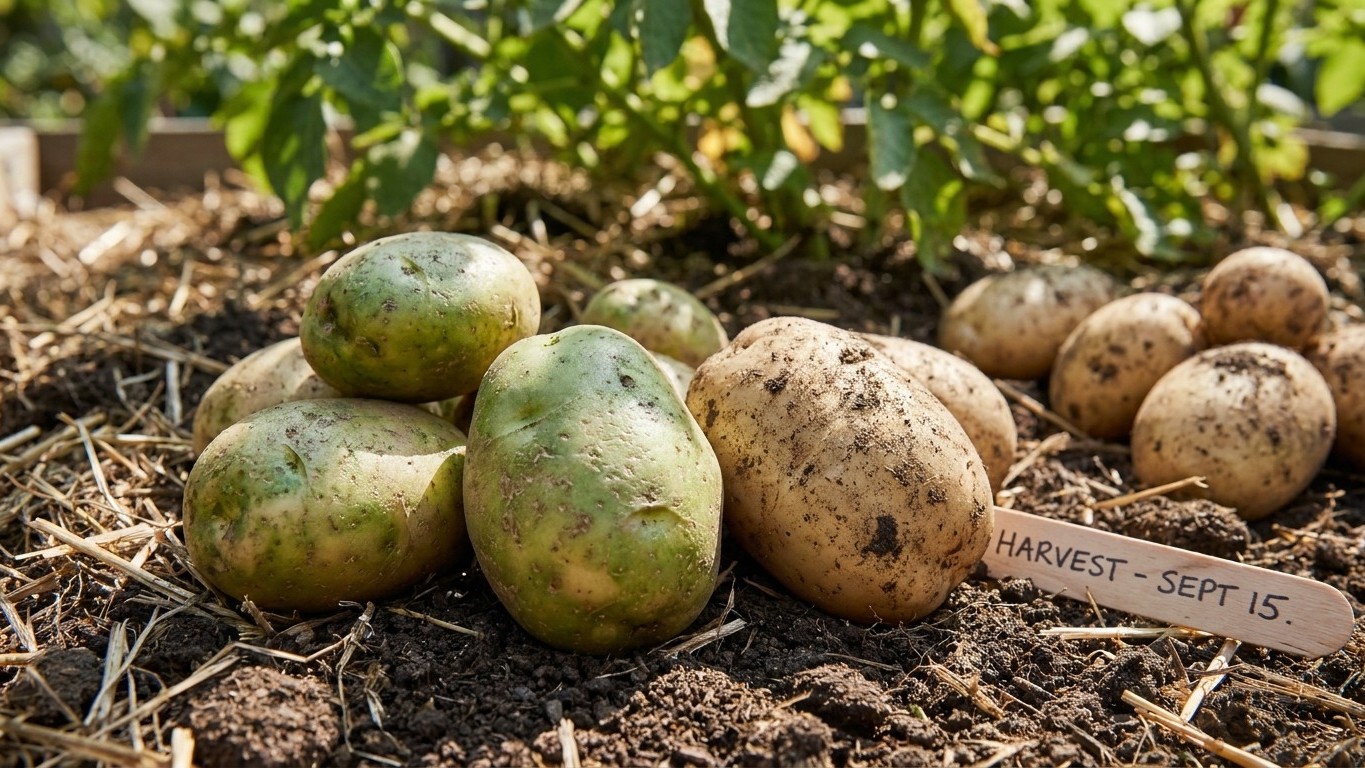
Light does it. Whether it’s sunlight falling on a tuber poking through loose soil, a kitchen counter near a window, or the fluorescent glare of a grocery…
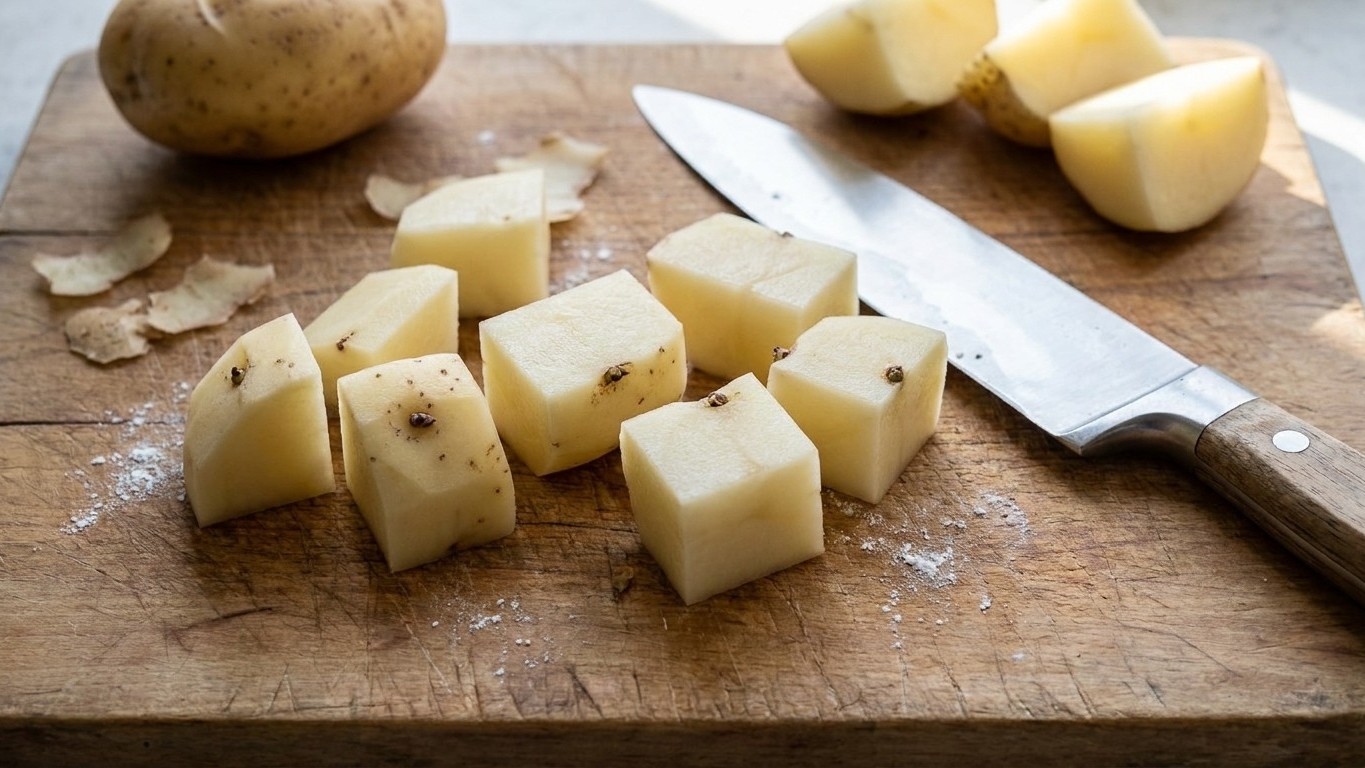
Cut seed potatoes into blocky pieces weighing 1 3/4 to 2 1/4 ounces, each carrying at least one eye, and never let a piece measure under an inch across.