Which Spring Bulbs Survive Your Winter — and Which Never Get Enough Cold
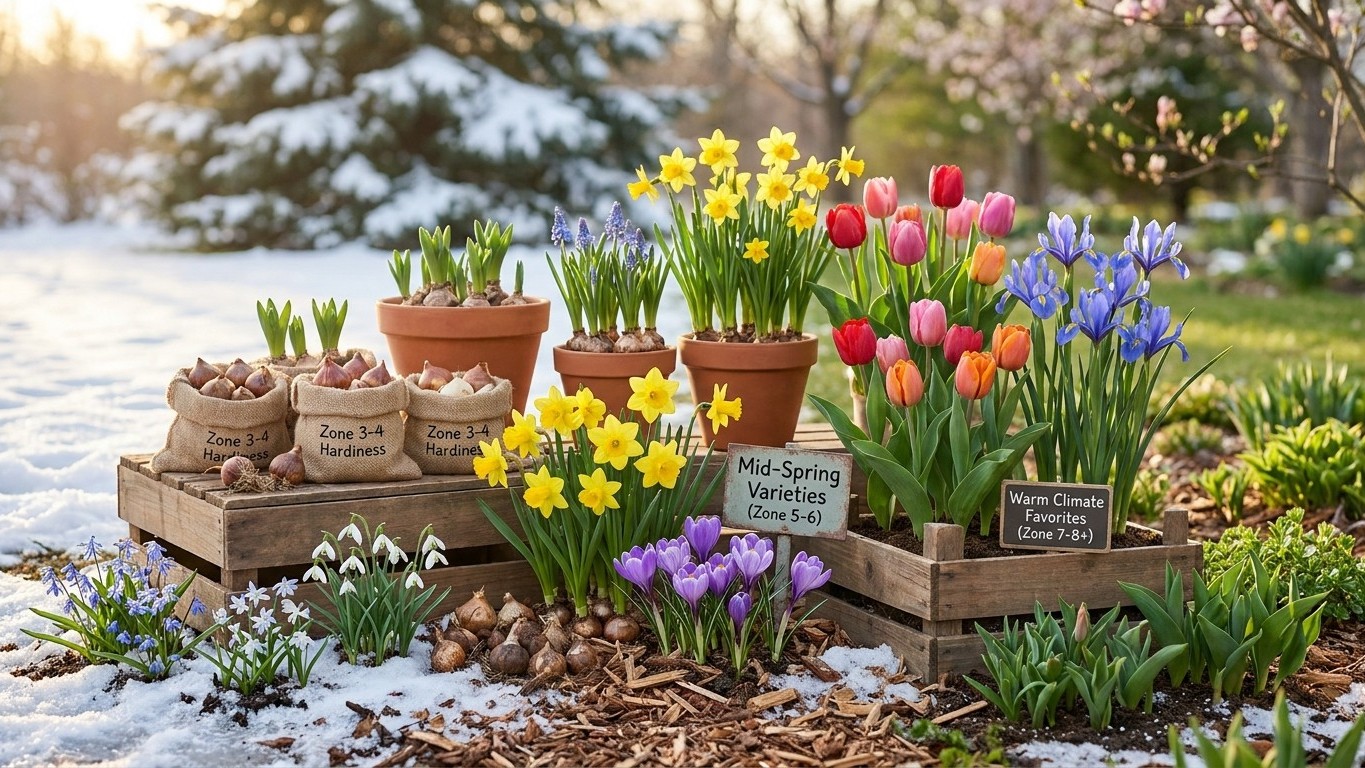
Eighteen popular spring bulbs carry hardiness ranges that run from zone 2-8 down to zone 6-9, and that spread is what decides who survives your winter…
Home & garden, state by state
Eighteen popular spring bulbs carry hardiness ranges that run from zone 2-8 down to zone 6-9, and that spread is what decides who survives your winter…
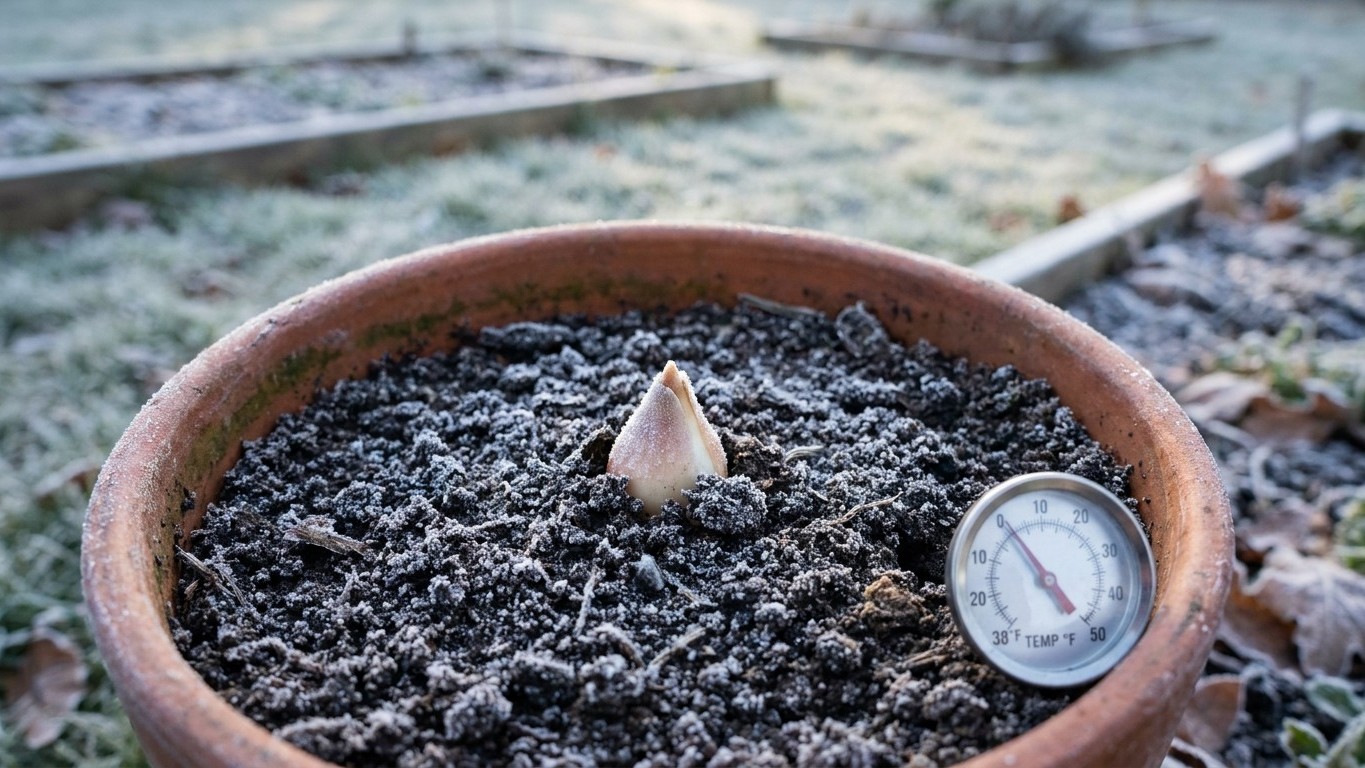
Thirteen weeks. That’s the span of cold, below 45 F, that a spring-flowering bulb needs to complete before it will send up a bloom instead of just leaves.
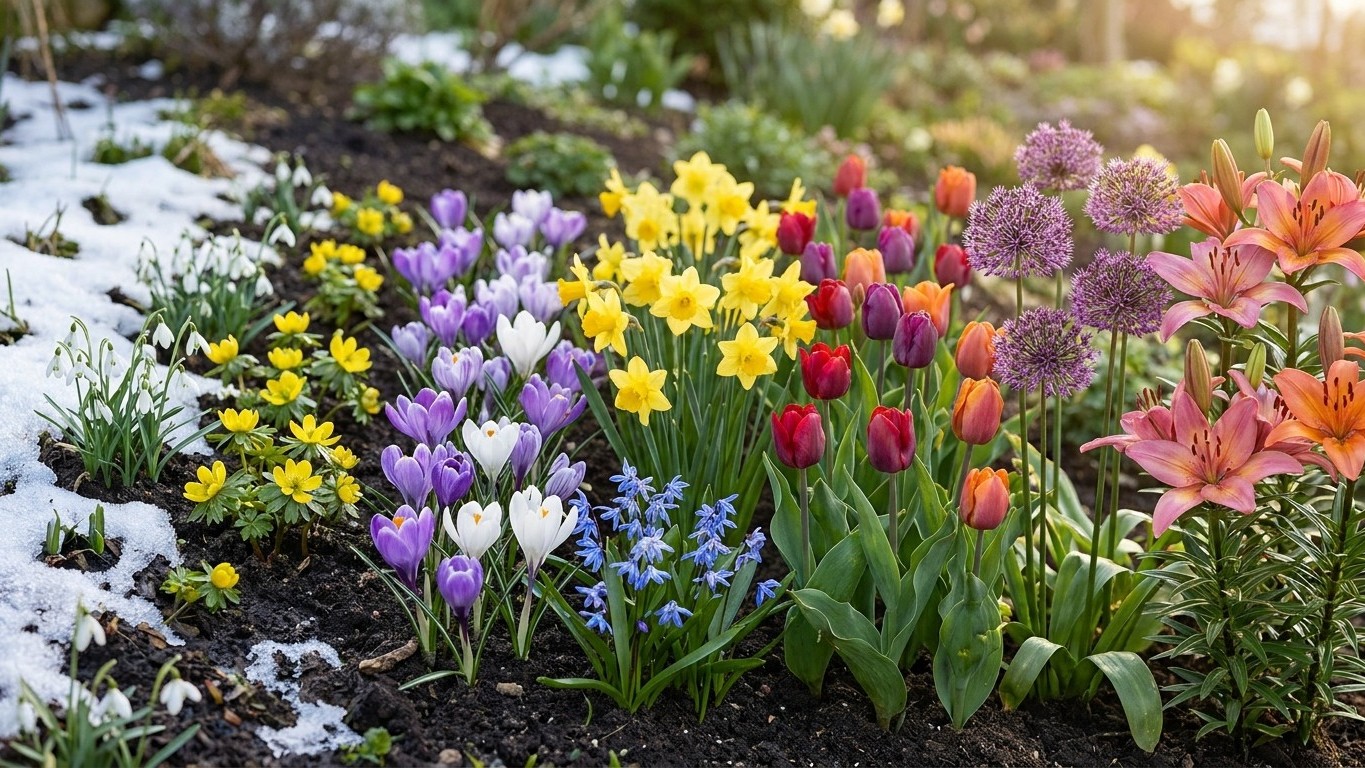
Spring bulbs don’t bloom on a single calendar date. They bloom in seven waves, each one triggered by soil warming past whatever threshold that species…
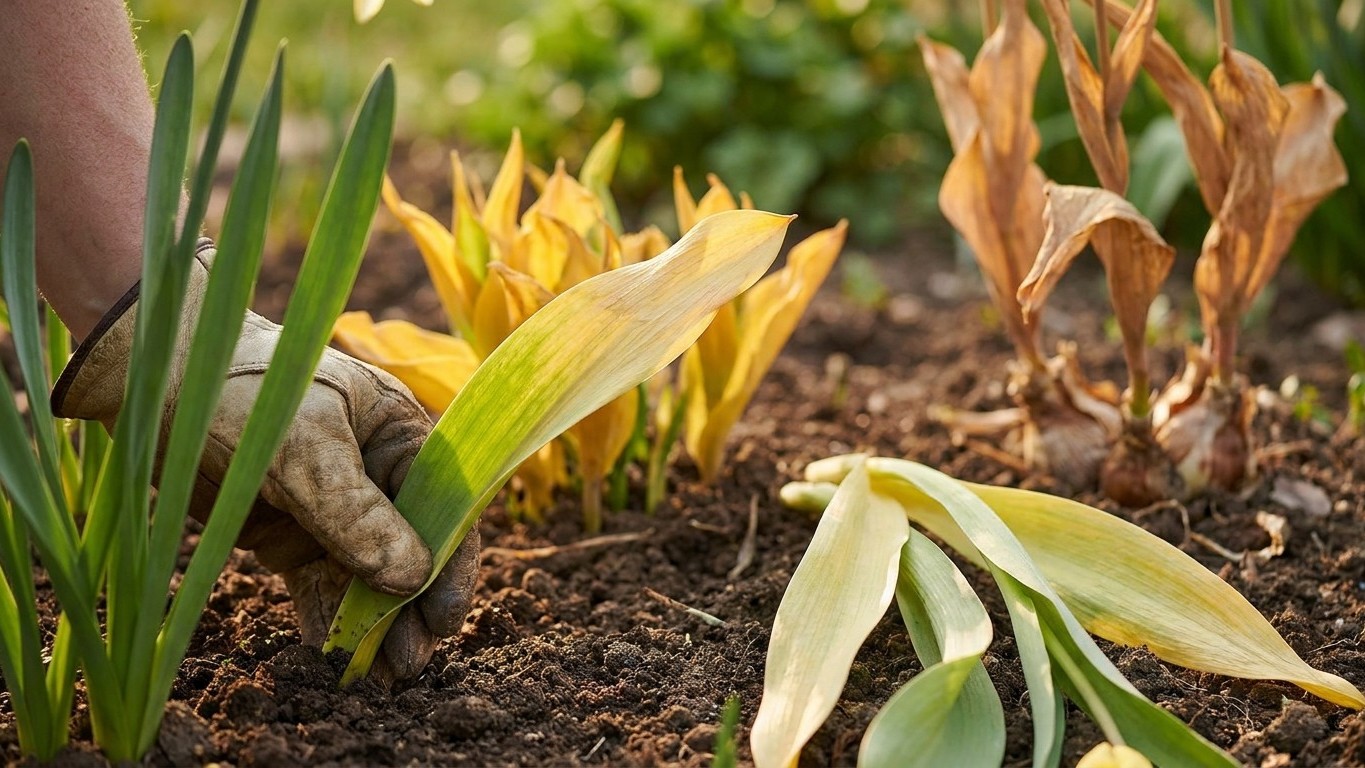
Leave the foliage standing until it turns yellow and pulls away from the bulb with a gentle tug, usually six to eight weeks after the flowers fade.
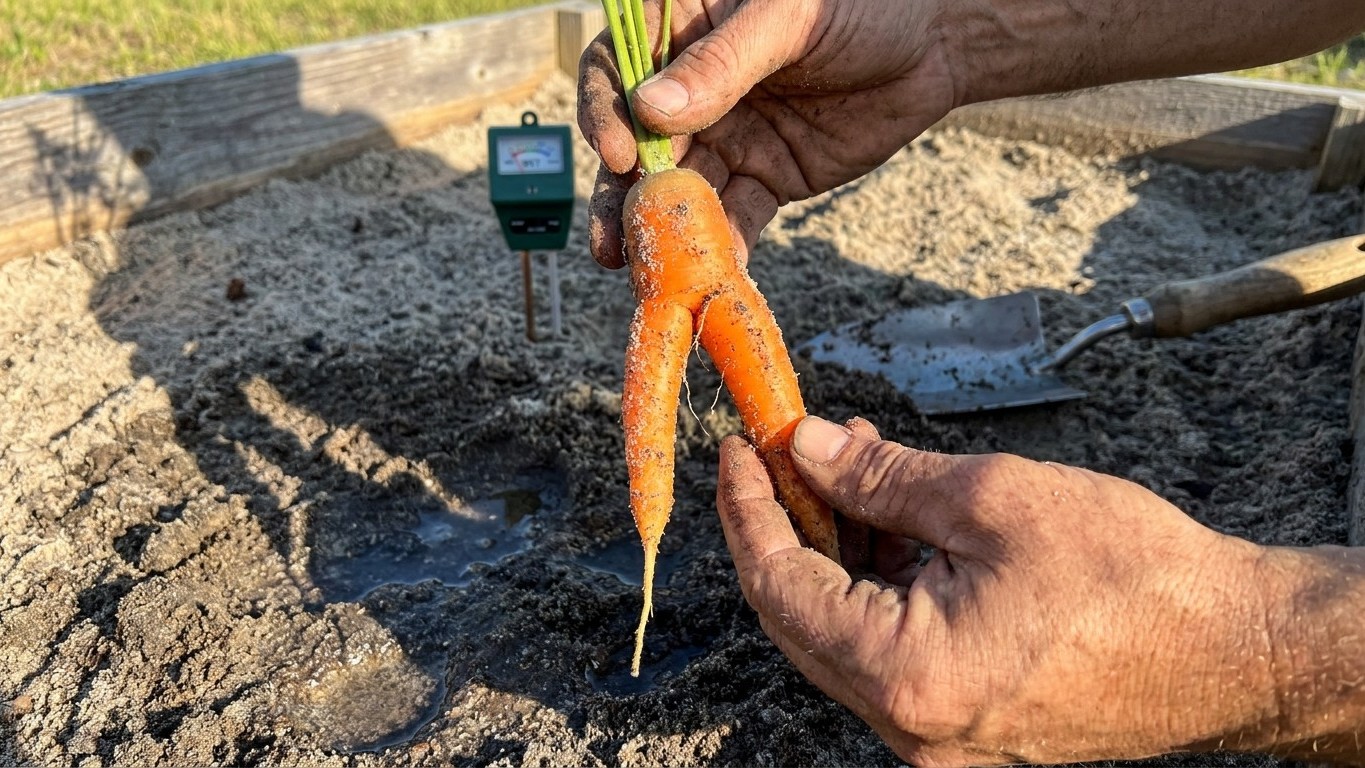
Florida’s official state soil is almost pure sand, which sounds like carrot heaven until you learn it’s also rated poorly drained.
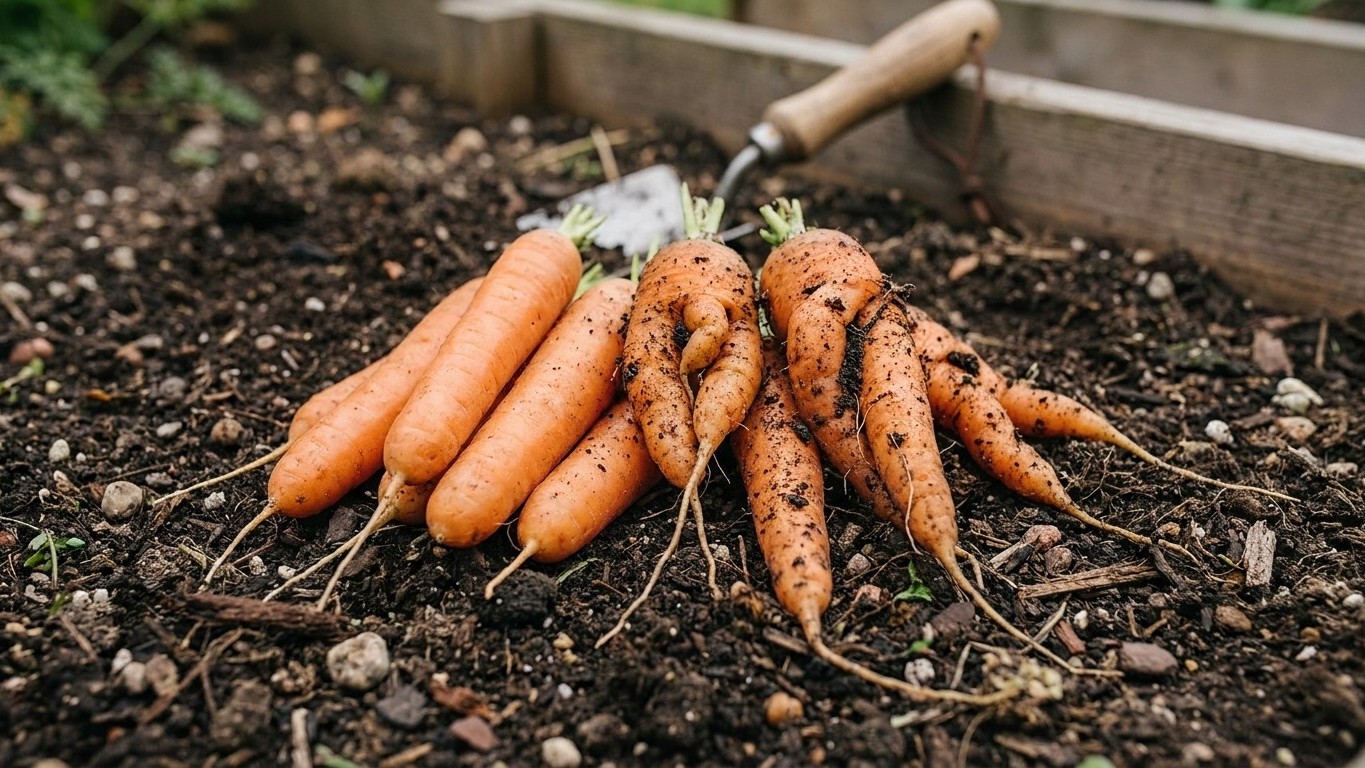
Delaware’s official state soil, the Greenwich series, runs well drained and only mildly acid, which sounds encouraging for carrots.
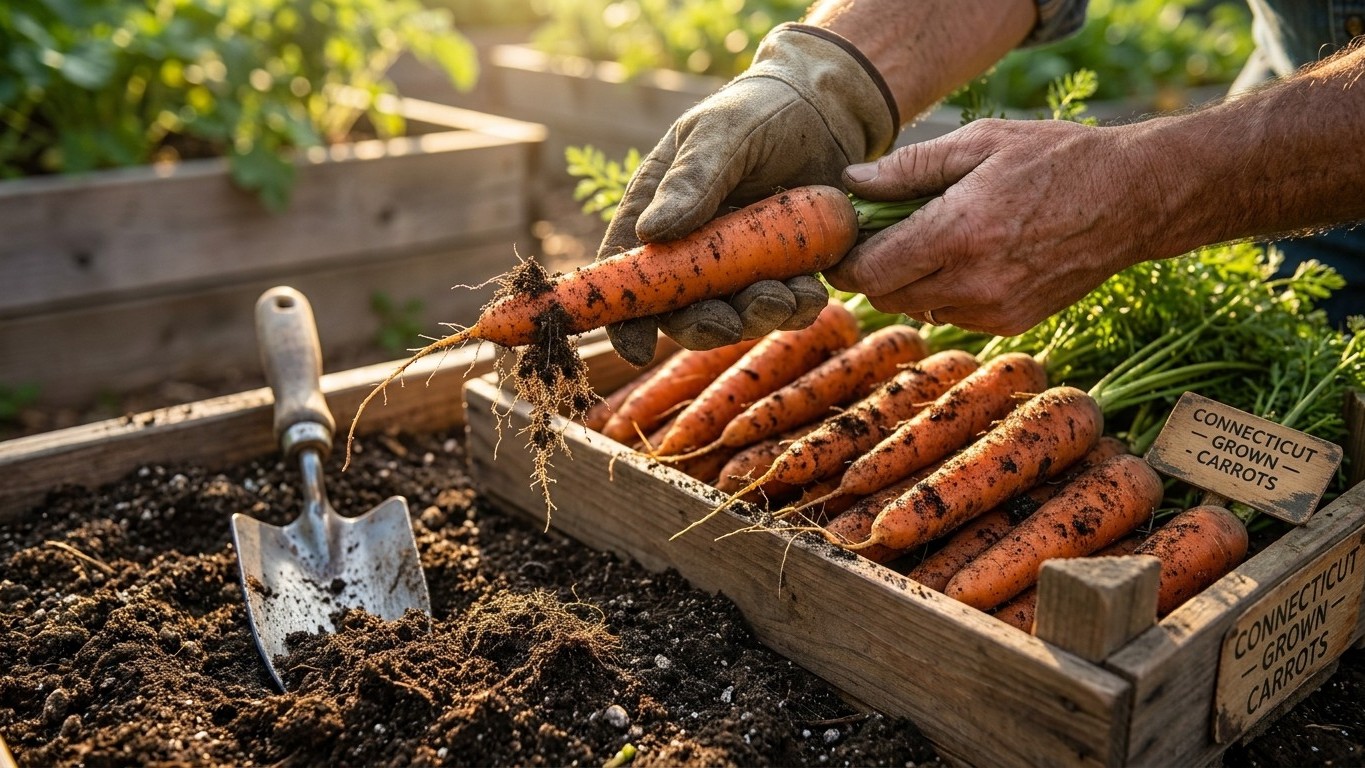
Connecticut’s most representative soil, the Windsor series, is sandy and sharp-draining, the opposite of the heavy, waterlogged ground that twists a…
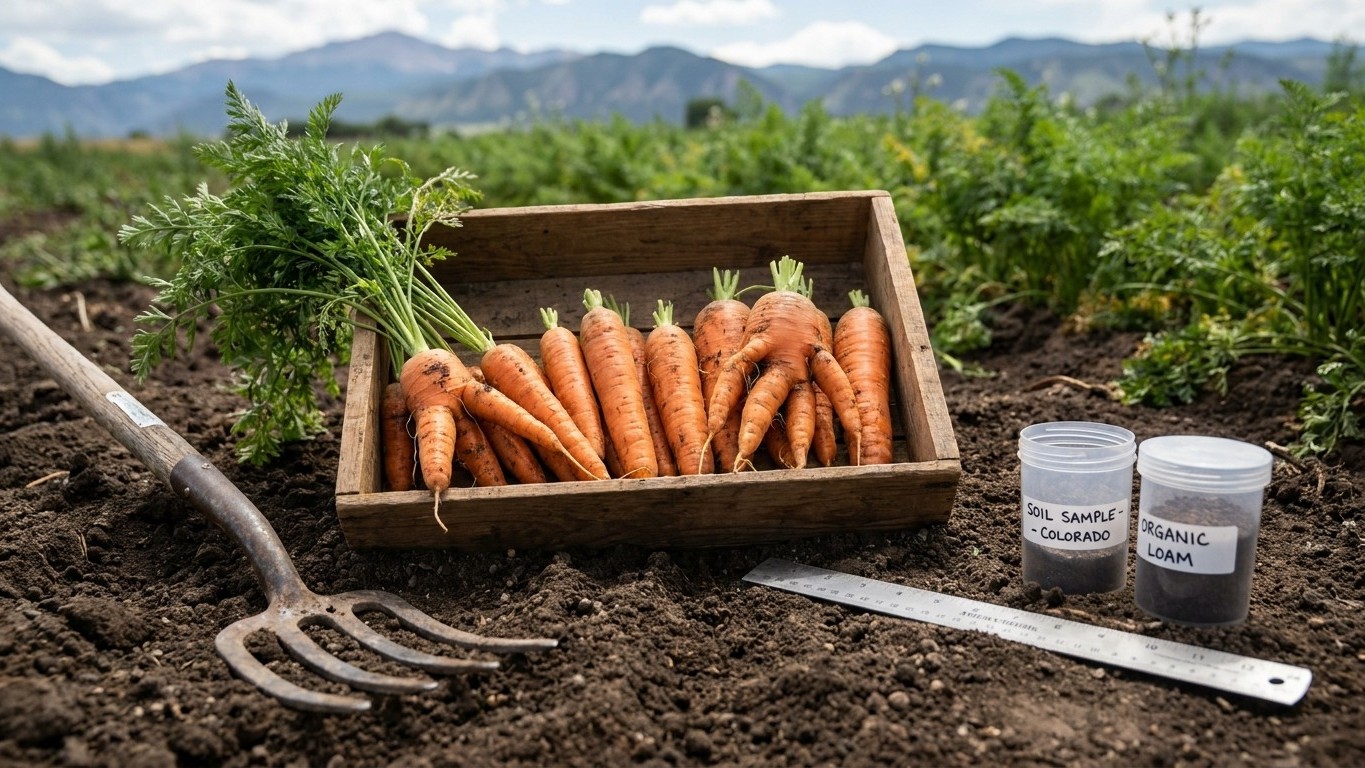
Colorado’s representative soil (the Seitz series) is a loam-to-silt Alfisol that’s well drained but leans just acidic and light on clay.
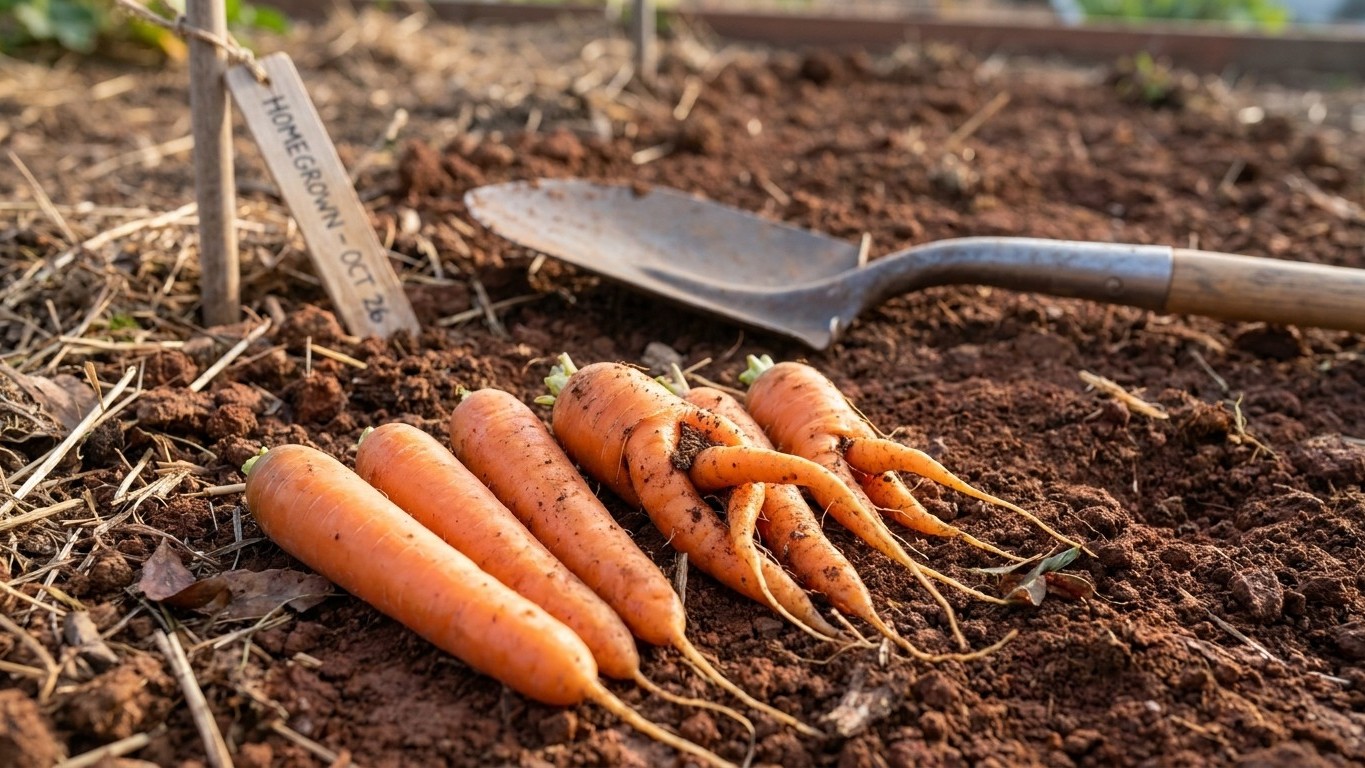
California’s official soil isn’t sandy at all — it’s a clay-heavy loam that resists a straight taproot more than it helps one.
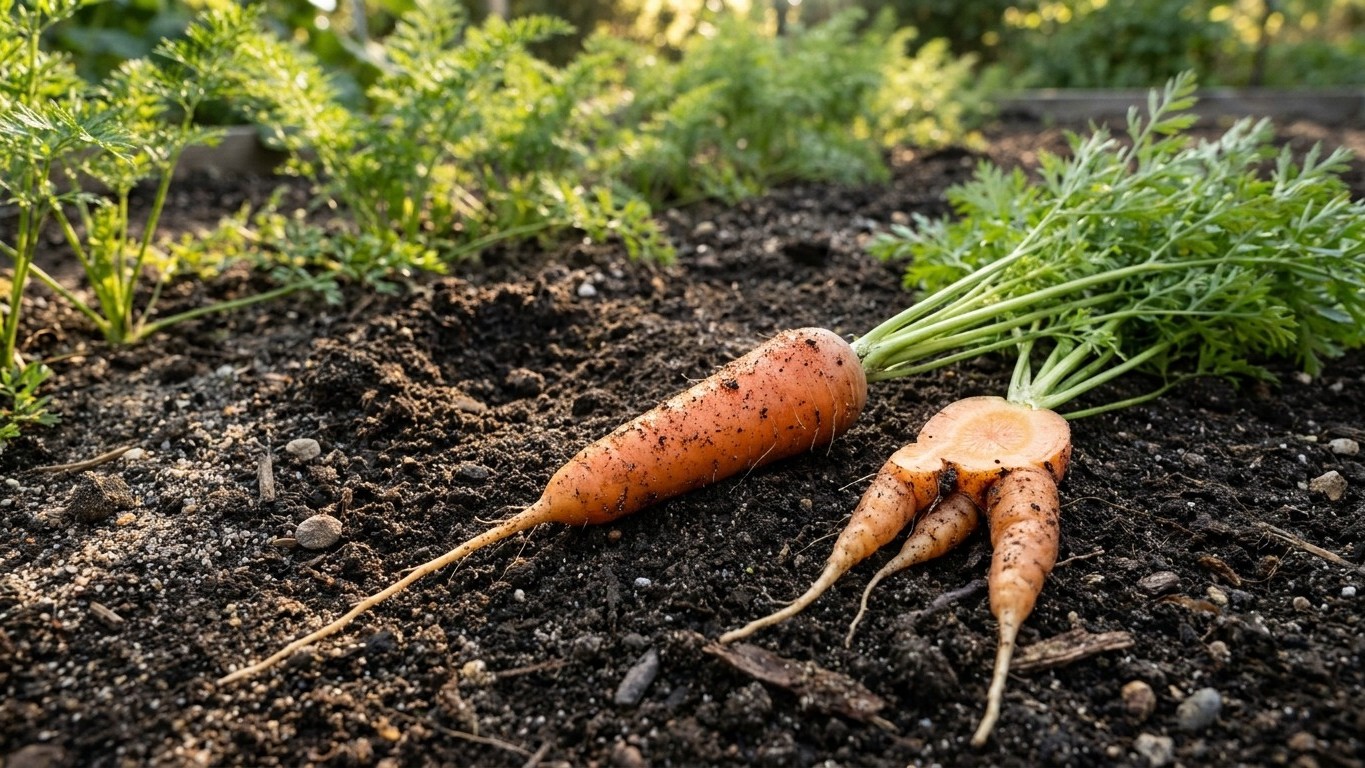
British Columbia’s farmland skews sandy and well drained, with only about 10 percent clay in a typical surface horizon.