Growing Carrots in Alaska: Soil, Sowing and Forked Roots
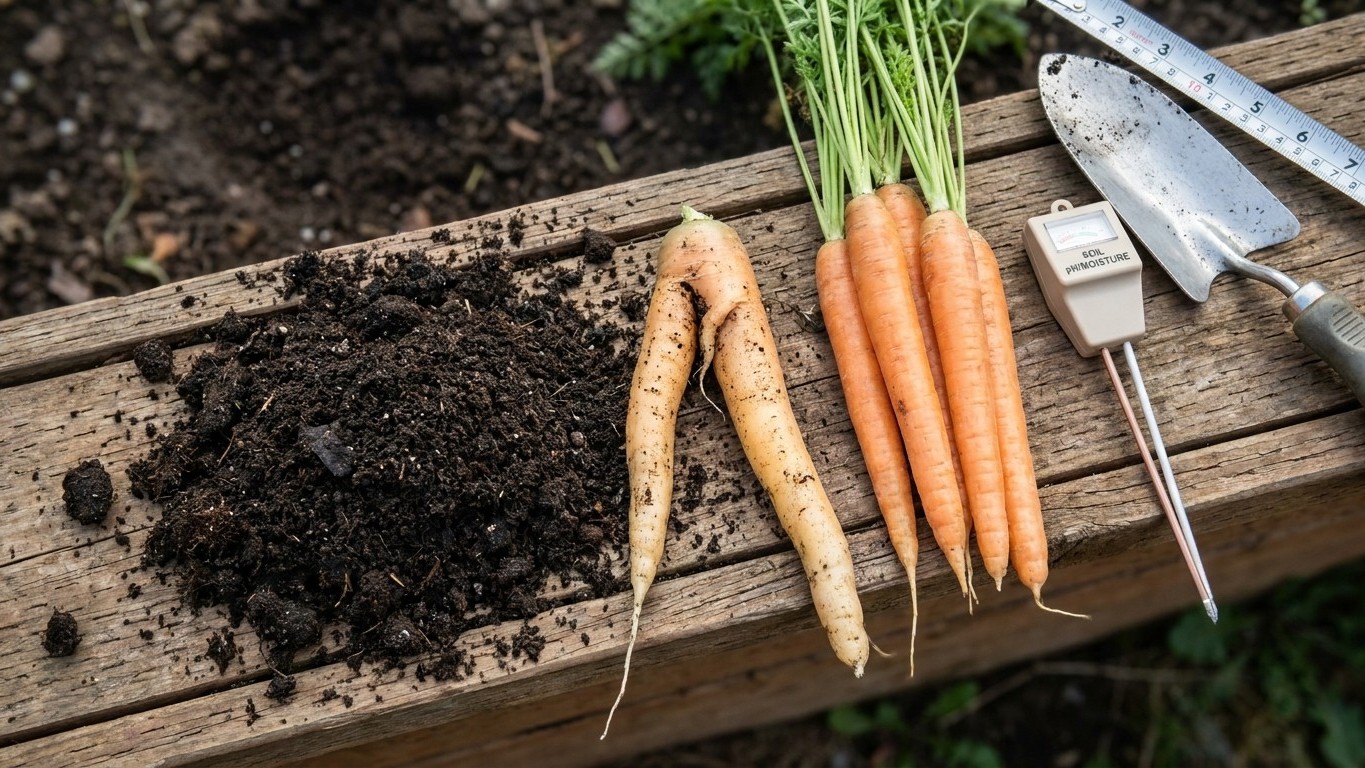
Alaska’s cold, acidic, poorly drained ground is not carrot-friendly by default, and the state’s signature soil actively encourages forked roots.
Home & garden, state by state
Alaska’s cold, acidic, poorly drained ground is not carrot-friendly by default, and the state’s signature soil actively encourages forked roots.
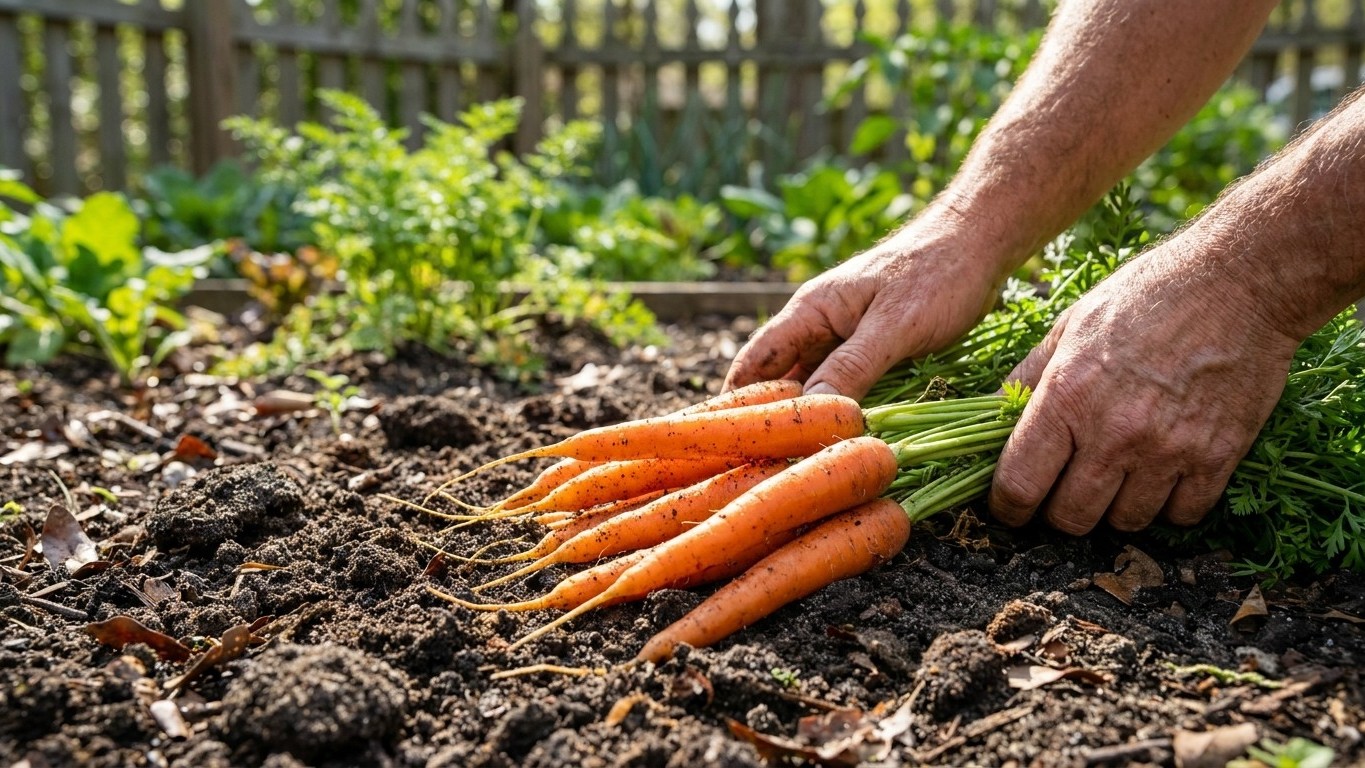
Alabama’s official state soil, the Bama series, is sandy and well drained but strongly acid and low in organic matter.
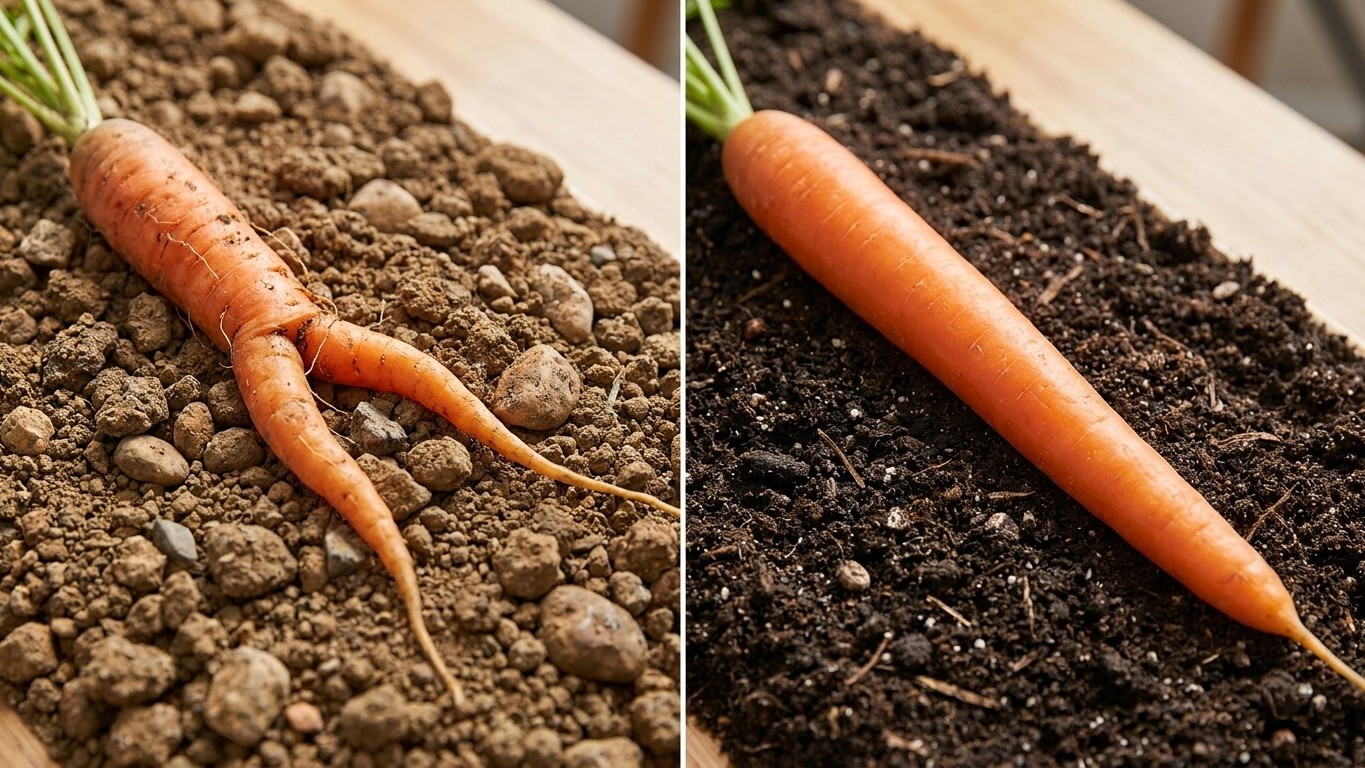
Carrots grown in heavy, rocky, or shallow soil come out forked, stunted, or twisted around whatever they hit underground.
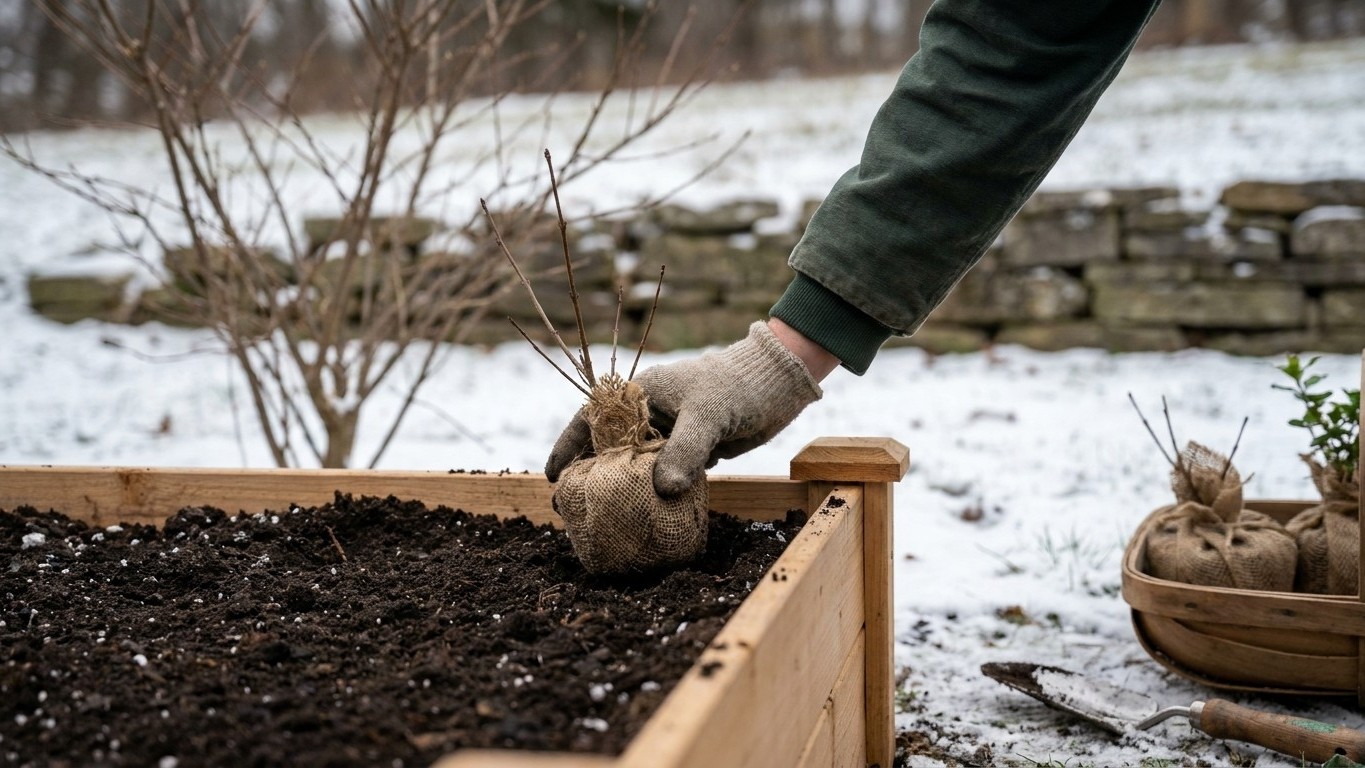
December in Nunavut is not a planting month. The ground is frozen solid, most communities sit in or near polar night, and there is no open-ground…
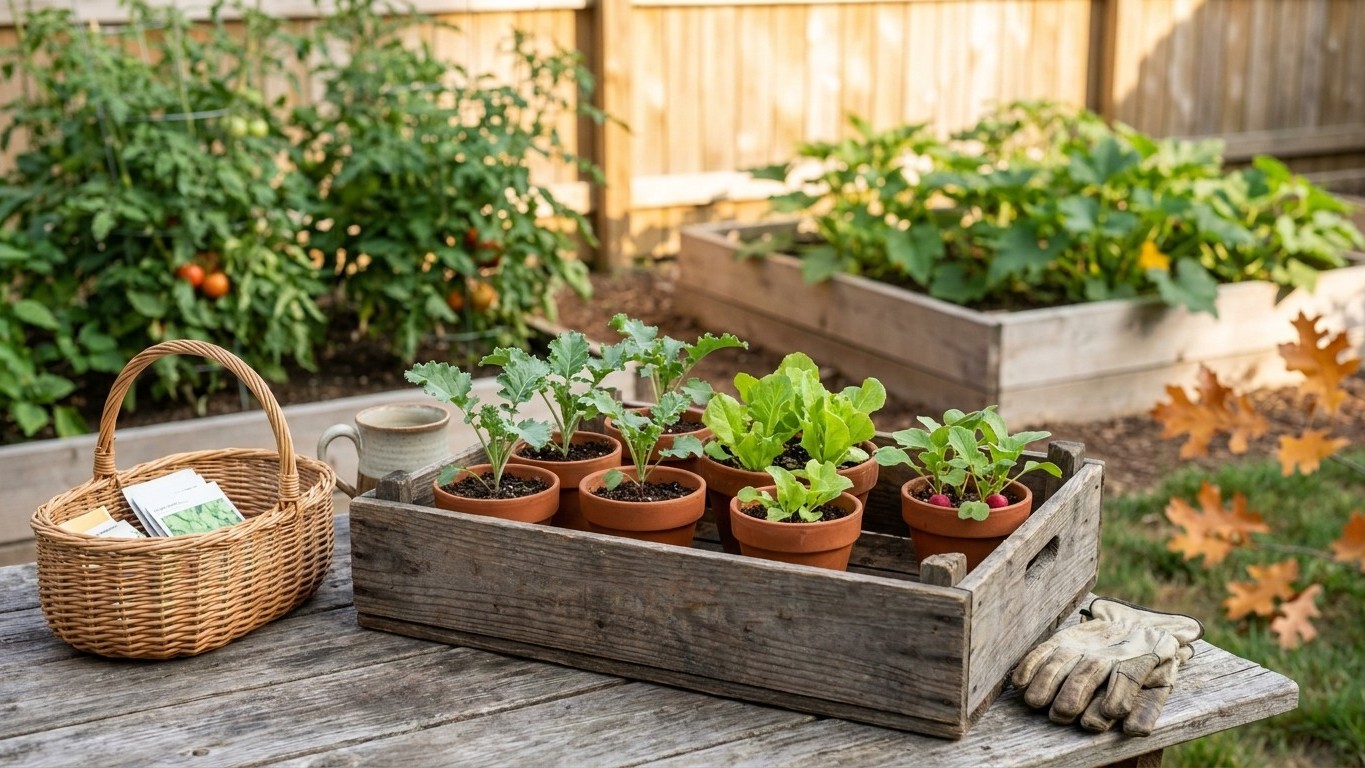
In Nunavut, August falls inside the territory’s brief frost-free stretch, but only just: the average last spring frost lands around June 19 and the…
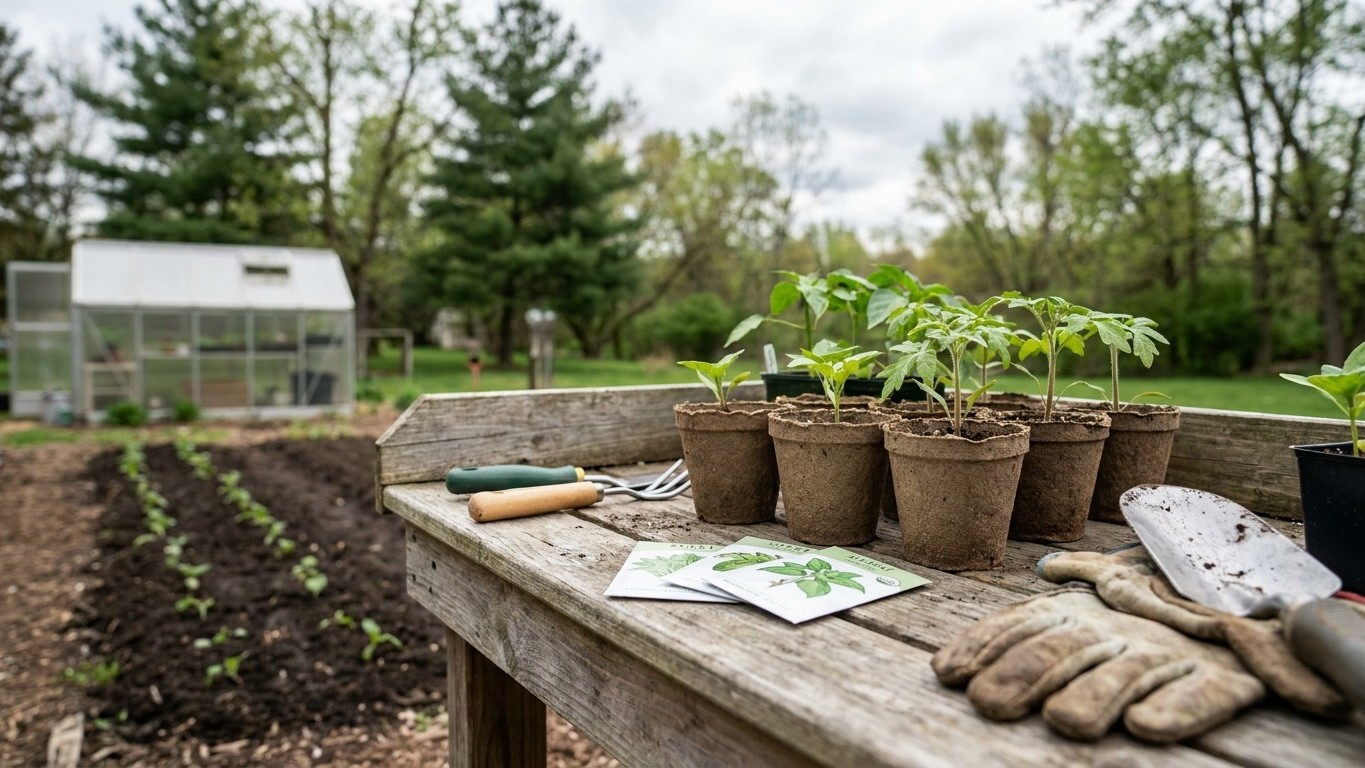
In Nunavut, April is not a planting month. Ground is frozen solid under snow across the territory, air temperatures are still well below freezing most…
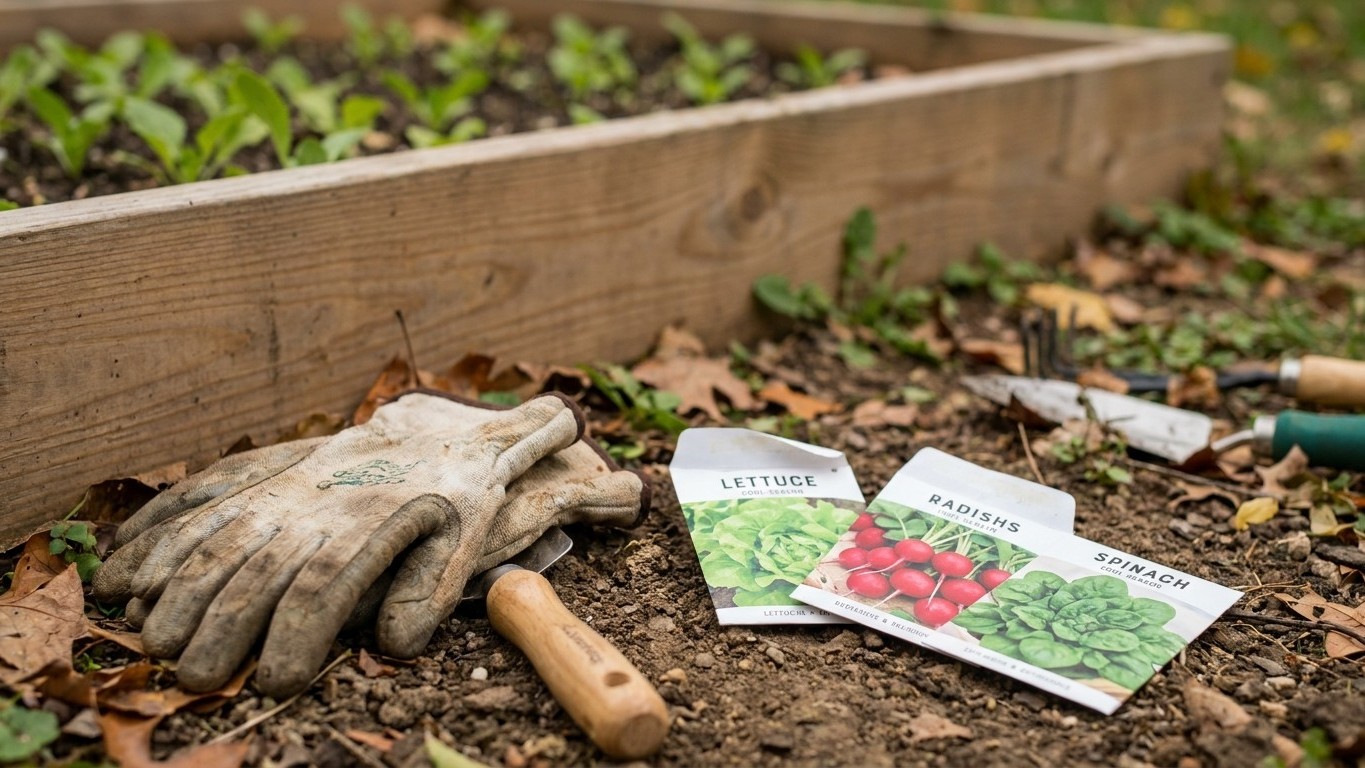
September in Nova Scotia still sits inside the growing season. The average first fall frost at Halifax Stanfield lands October 18, so there are roughly…
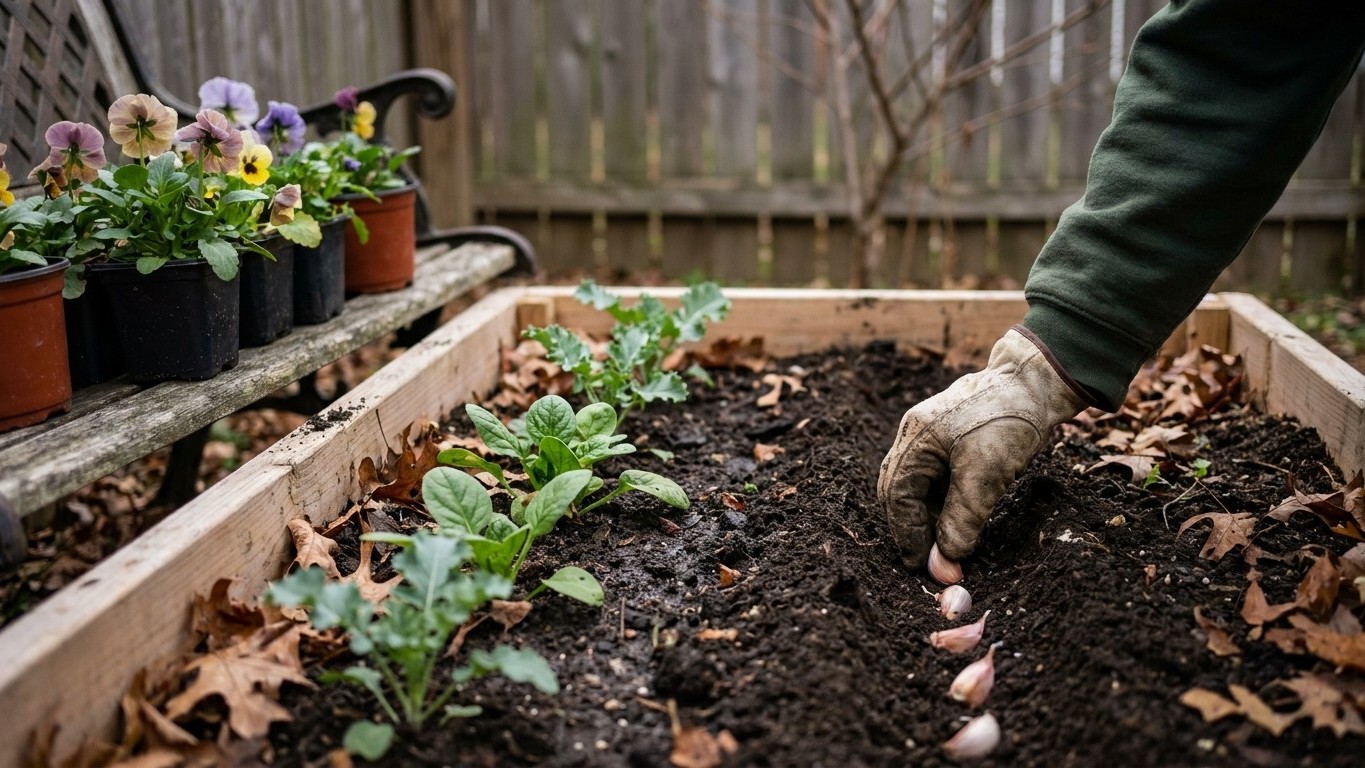
October in Nova Scotia sits right at the edge of the frost line. Garlic and shallots still go into the ground, hardy greens sown early in the month can…
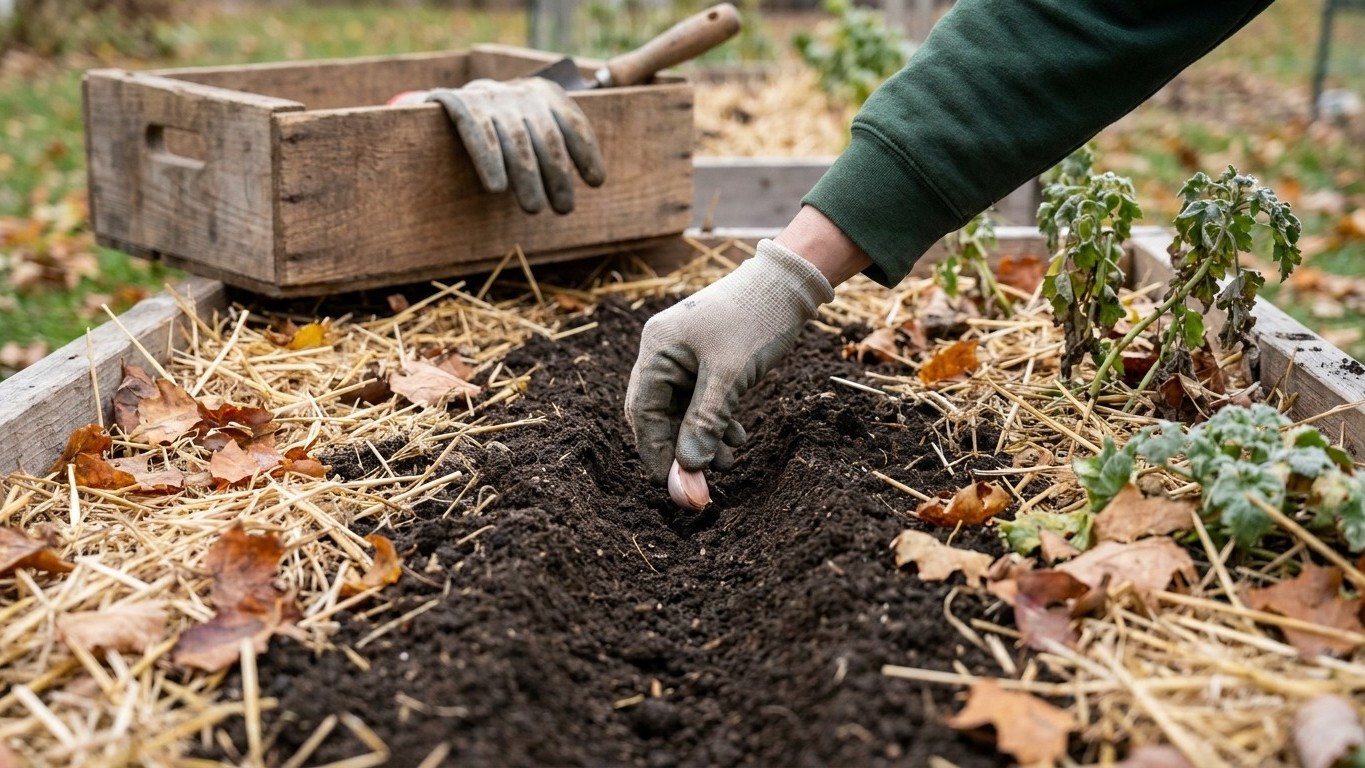
By November, Nova Scotia has already crossed its average first fall frost, so this is not a month for new outdoor sowing of anything tender.
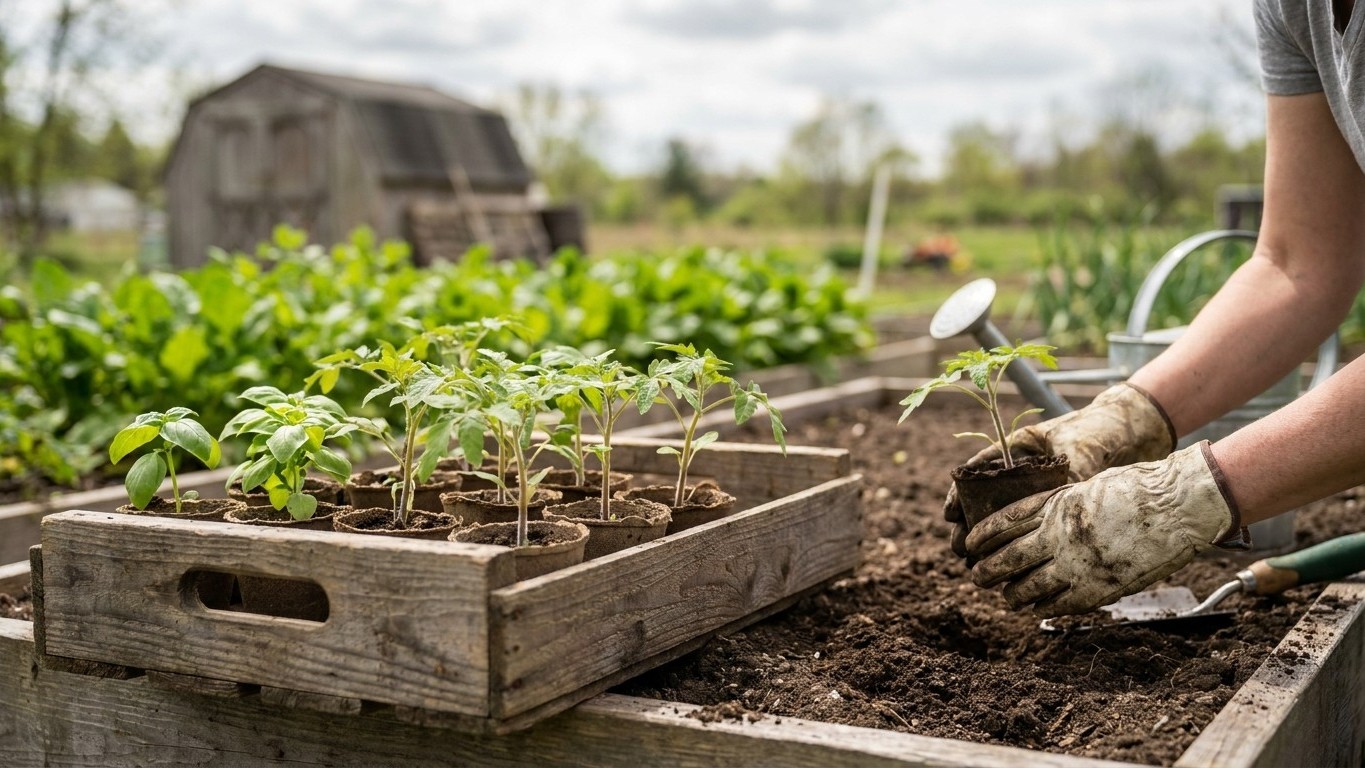
May in Nova Scotia sits right on the edge of the frost window, so the safe list is short but real: cold-hardy greens, alliums, peas, and seedlings…