Growing an Apple Tree in a Container
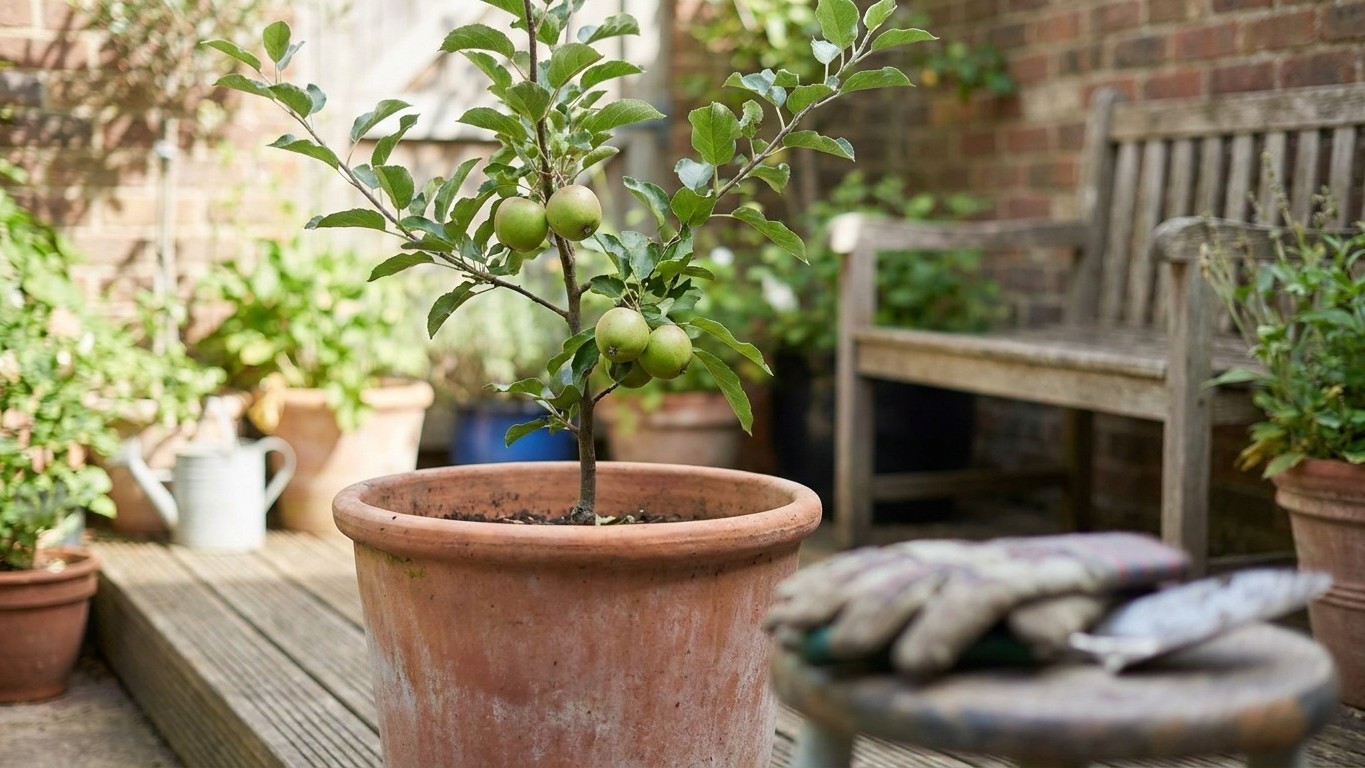
Explains which apple rootstocks stay small enough for a container, how to time planting and repotting by dormancy, and how pollination works in a pot.
Home & garden, state by state
Explains which apple rootstocks stay small enough for a container, how to time planting and repotting by dormancy, and how pollination works in a pot.
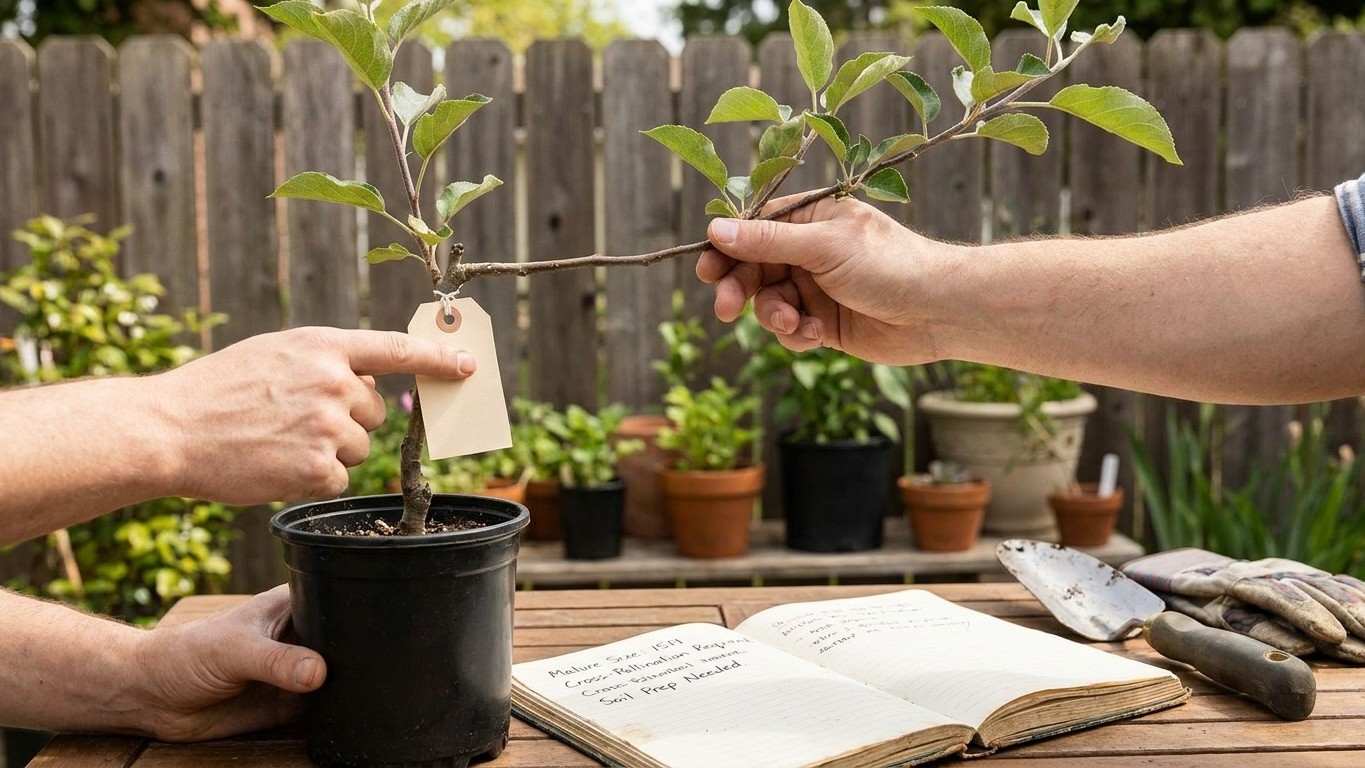
Learn why the rootstock code on an apple tree tag, not the variety name, decides its mature height and pollination needs before you buy.
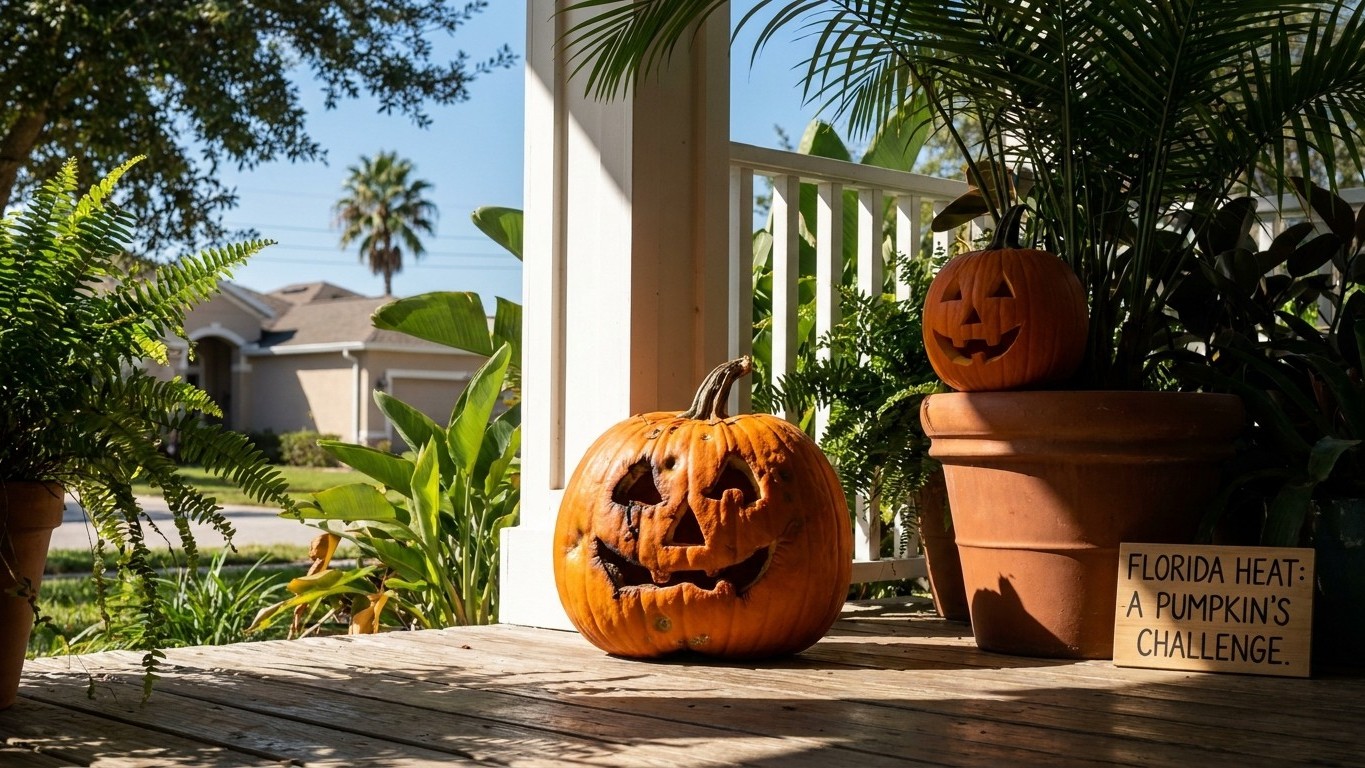
In Jacksonville, the mean first fall frost lands somewhere around November 26 to December 13.
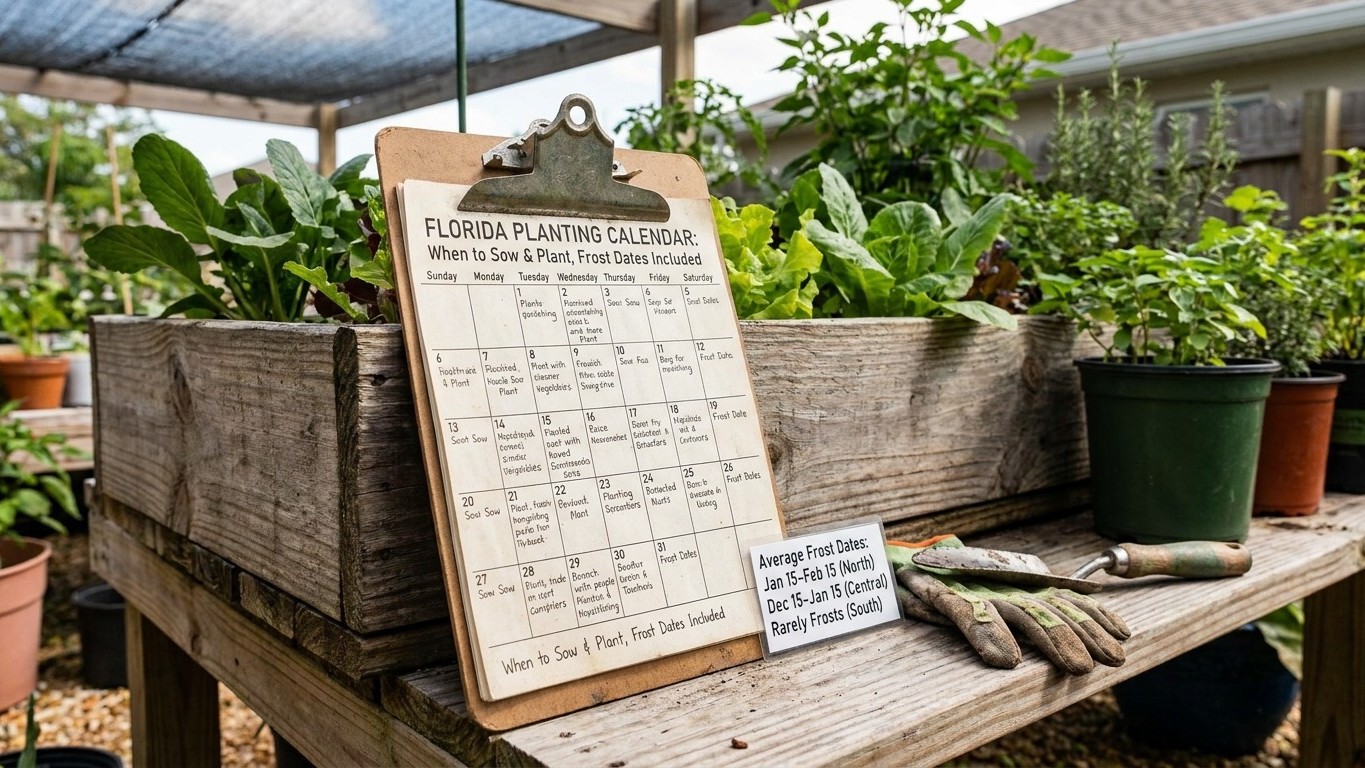
North Florida’s frost window runs into early March while the rest of the state gardens all winter, and this calendar covers both patterns.
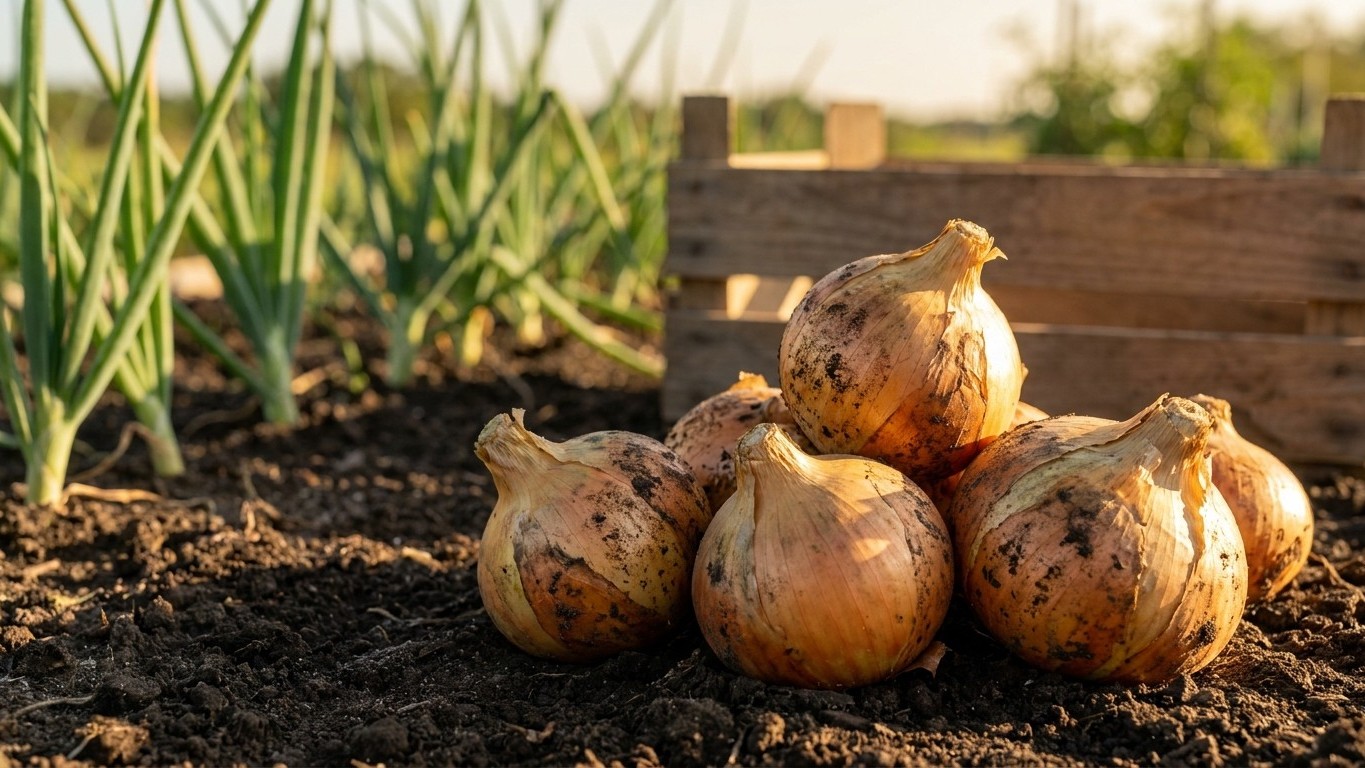
Jacksonville sits at 30.48 degrees north, and on the longest day of the year it gets 13 hours and 58 minutes of daylight.
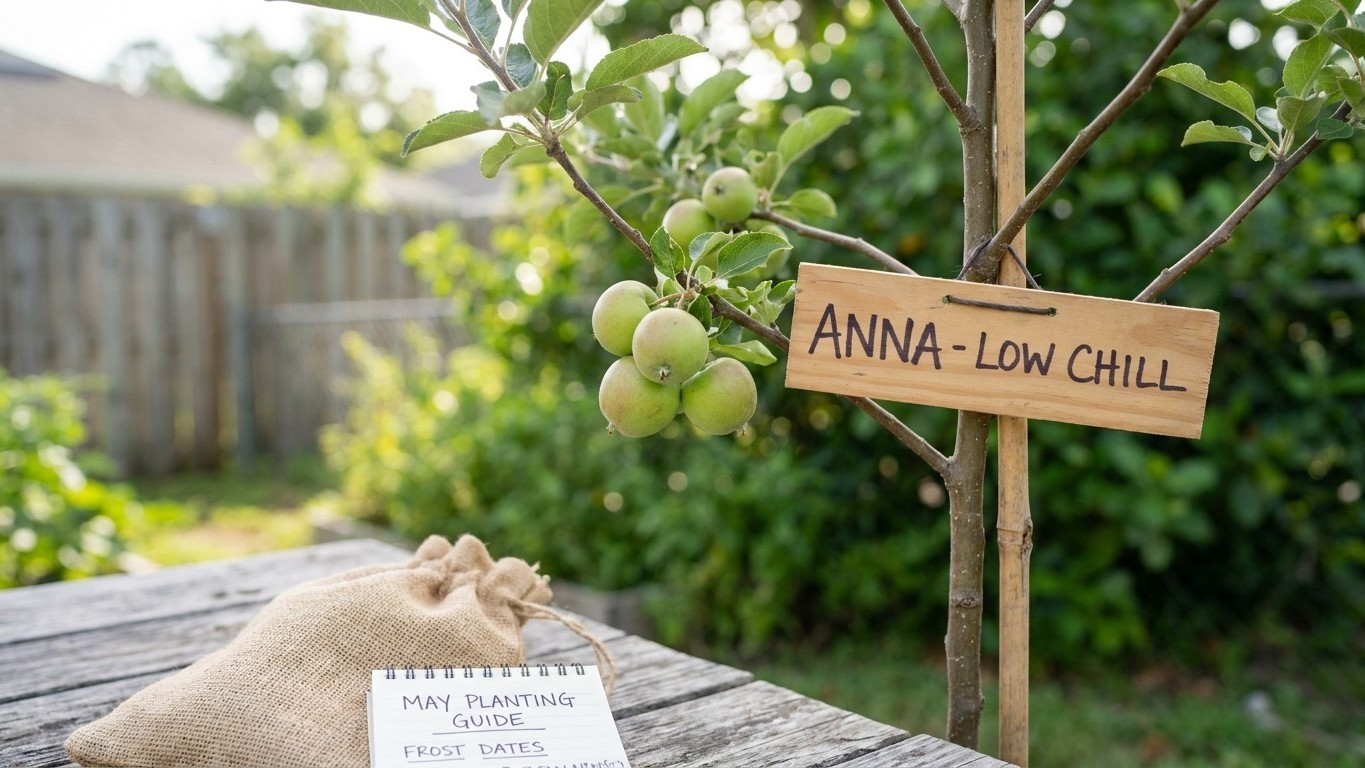
North Florida can grow apples with low-chill varieties such as Anna and Dorsett Golden, unlike the rest of the frost-free state.
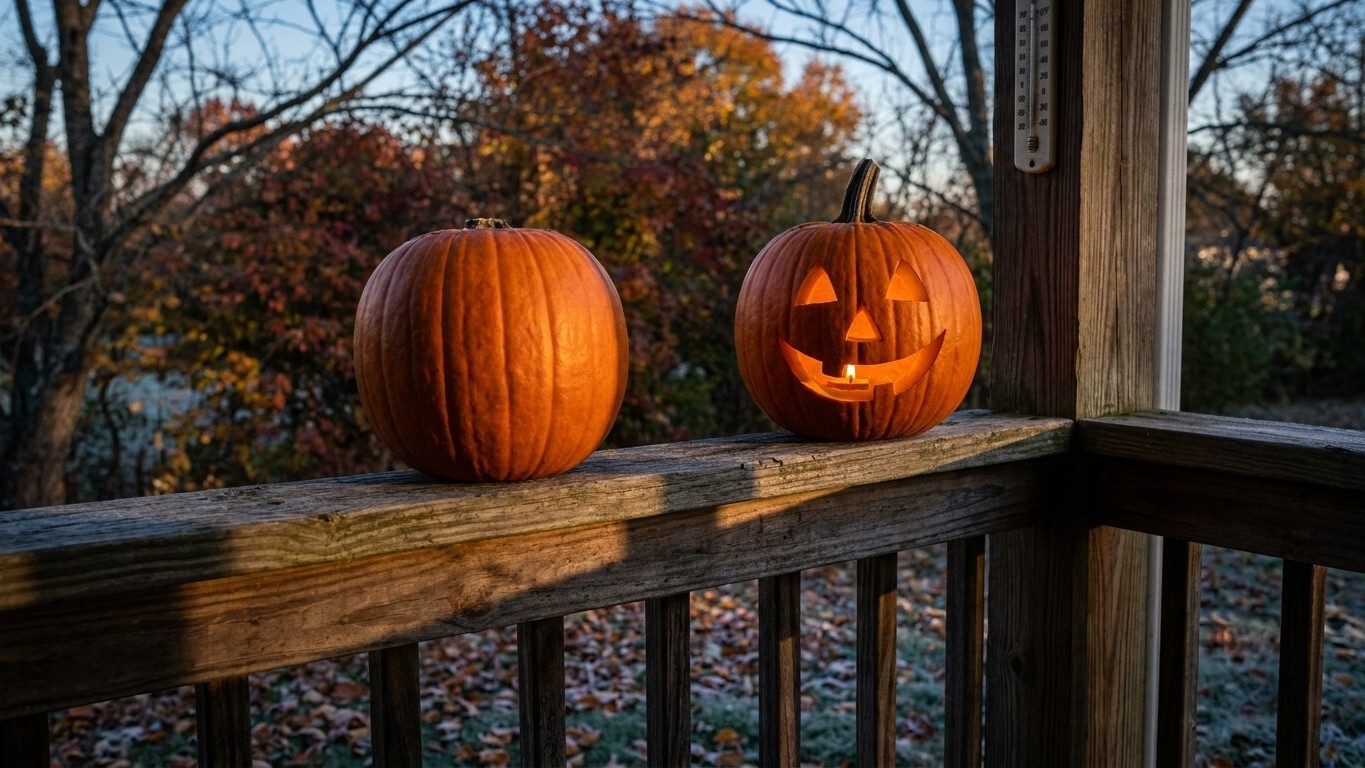
Delaware’s mean first fall frost runs from around October 26 to November 7, based on 1991-2020 climate normals from the Wilmington reference station.
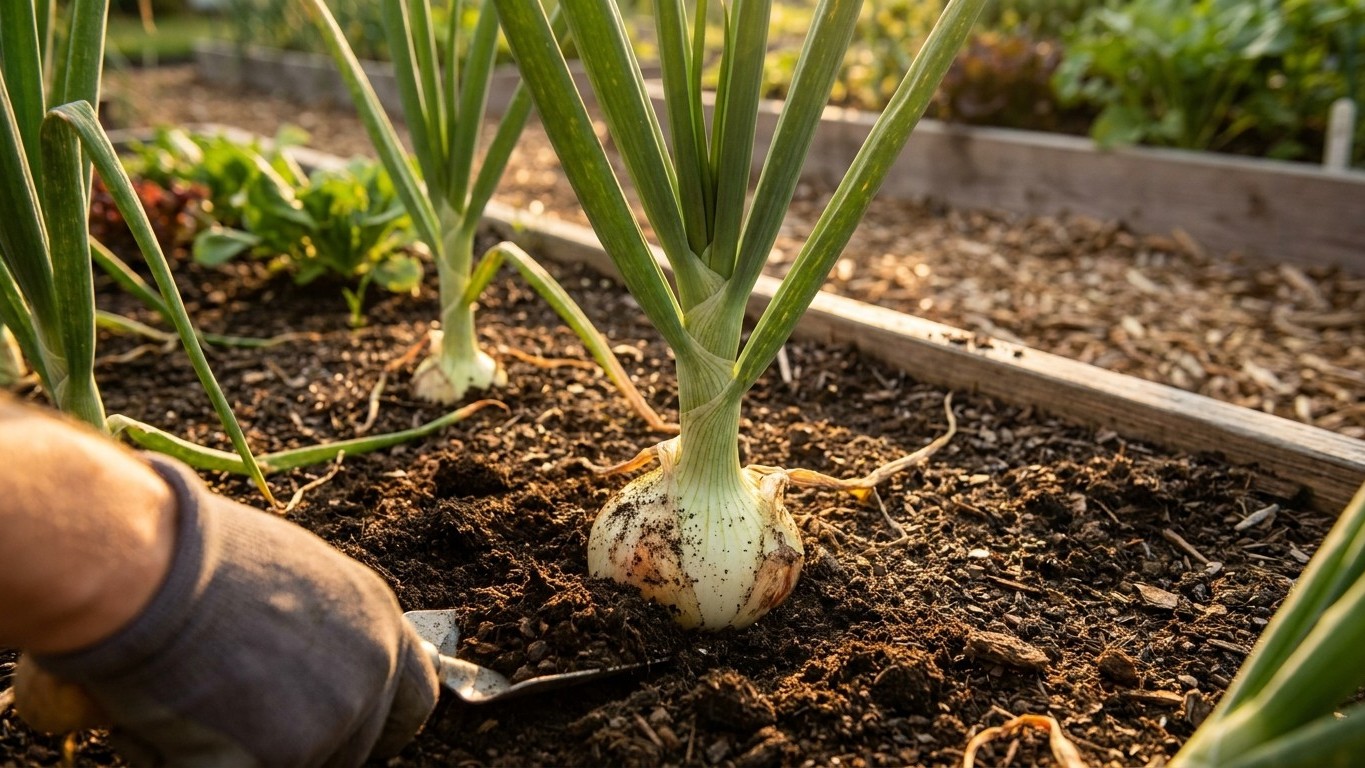
Wilmington sits at 39.67 degrees north, and on the longest day of the year it gets 14 hours and 49 minutes of daylight.
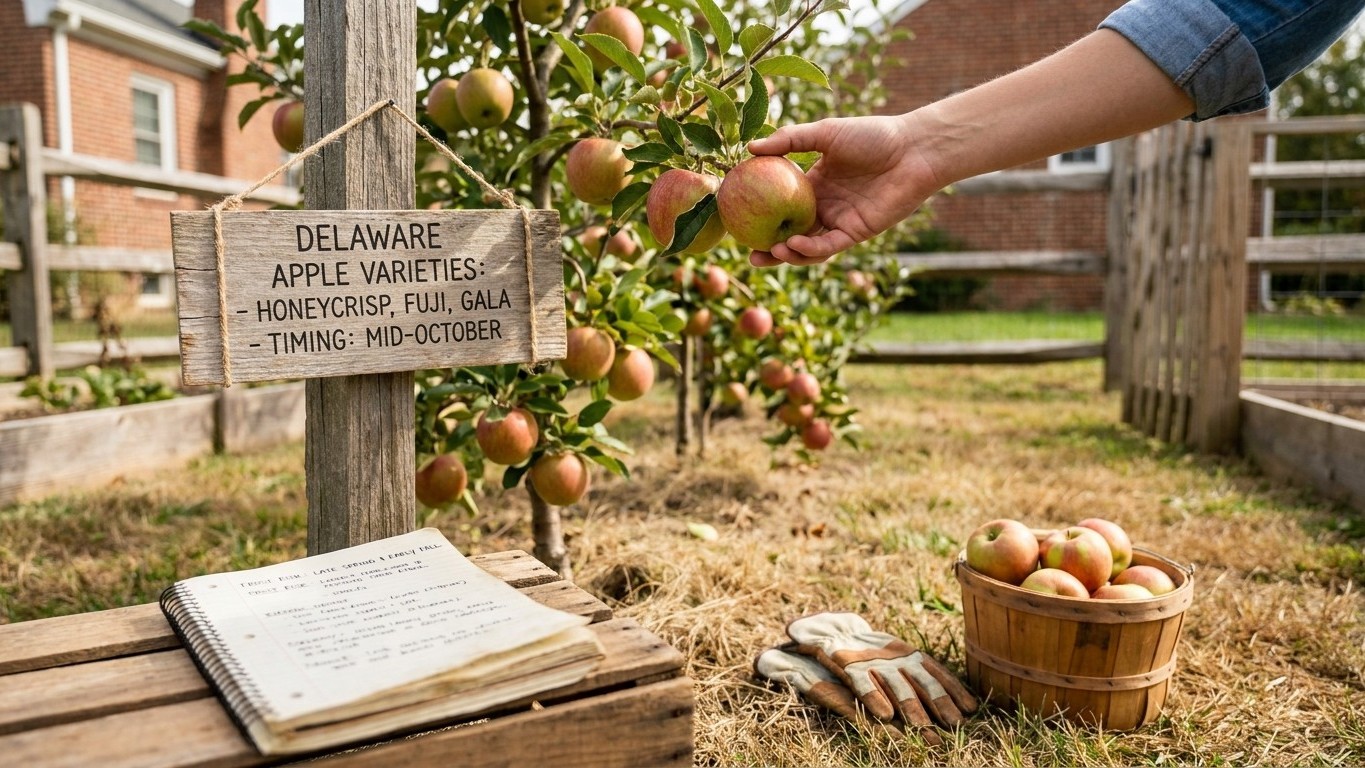
Delaware’s USDA zone 7a-8a climate and moderate winter chill support apple growing, with variety choice and pollination partners deciding whether trees fruit well.
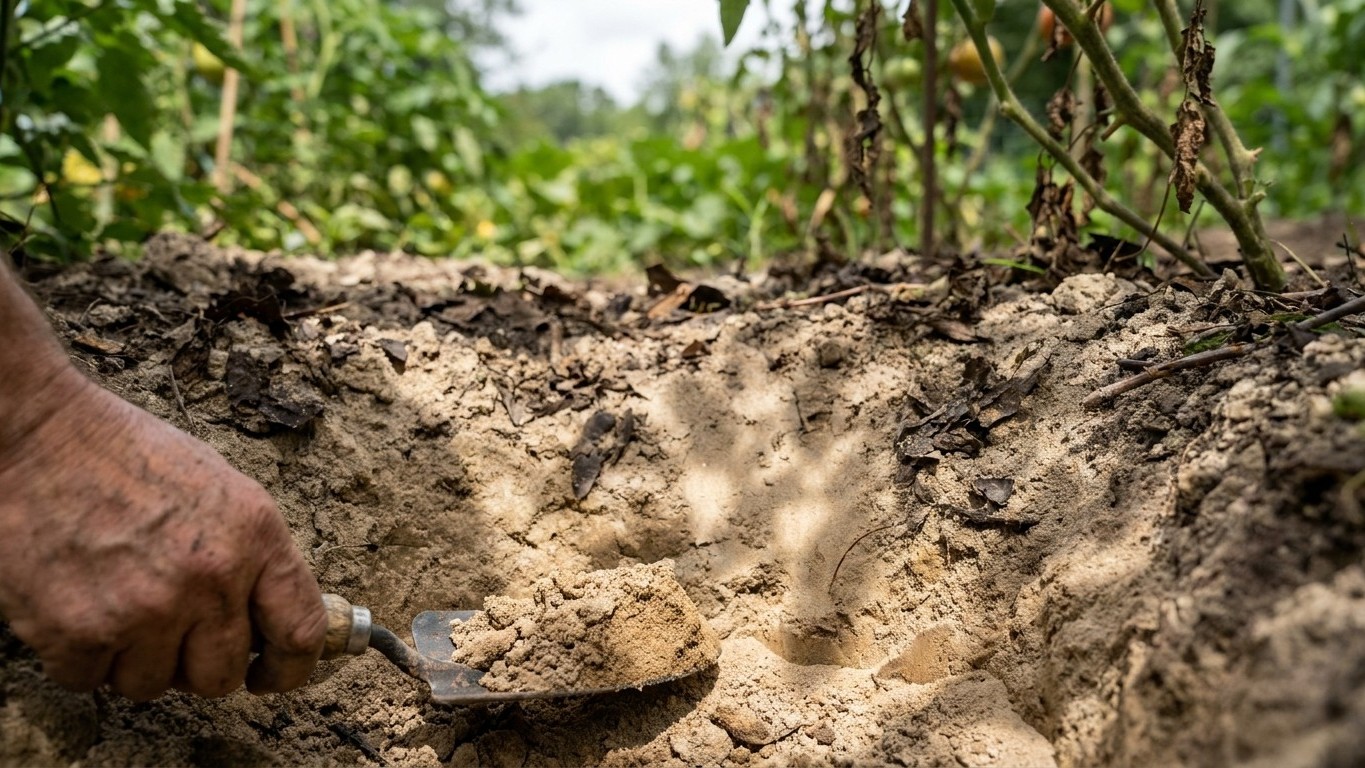
Connecticut’s official soil series is the Windsor series, a sandy, fast-draining ground that tells you almost nothing about what’s actually under your…