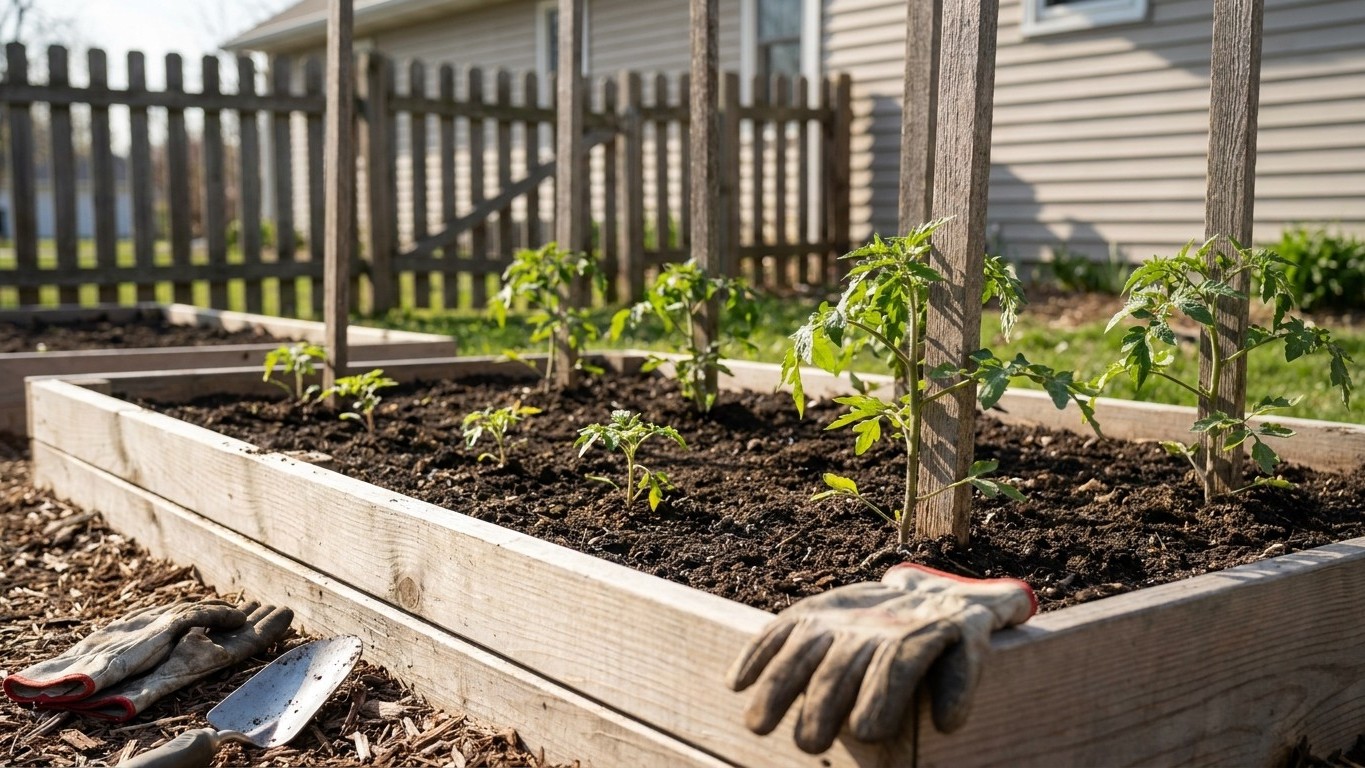
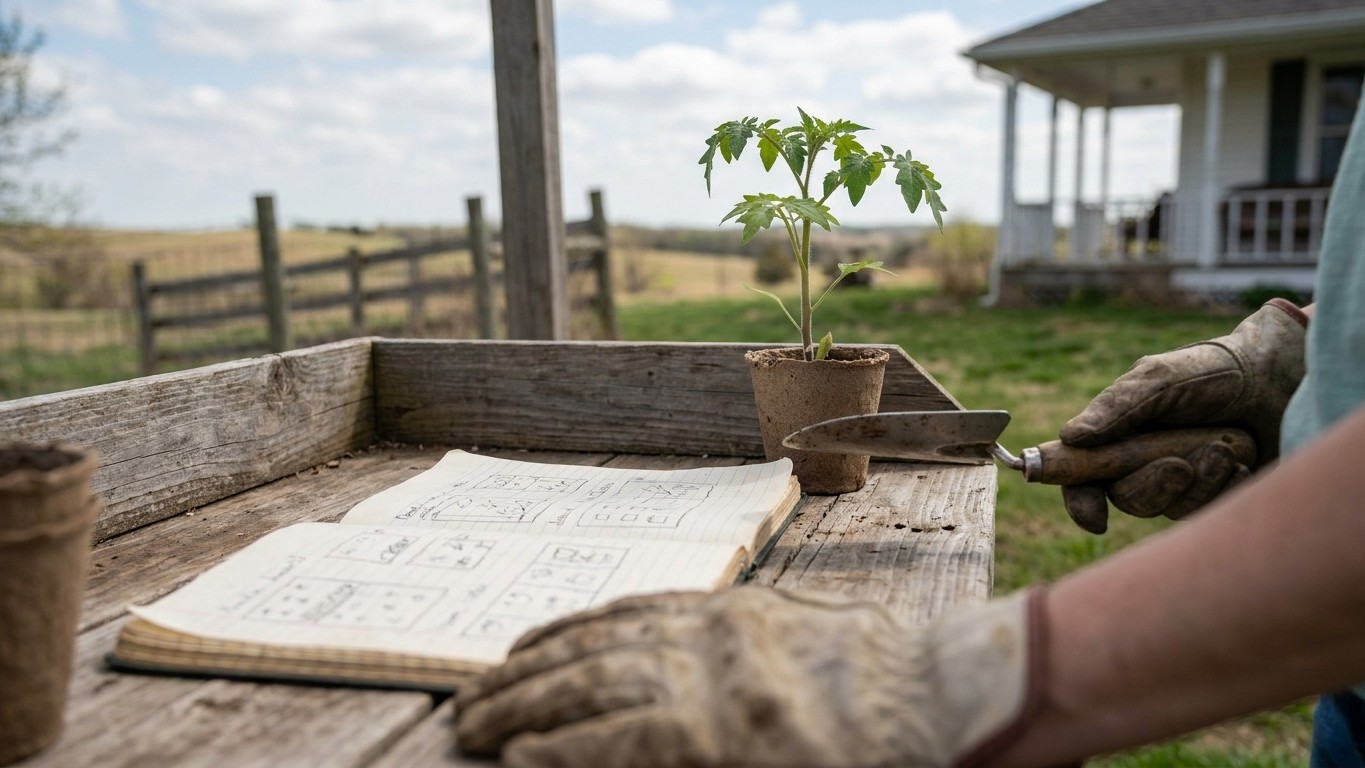
Tomato Planting Dates in Missouri: Counting Back From Your Frost Window
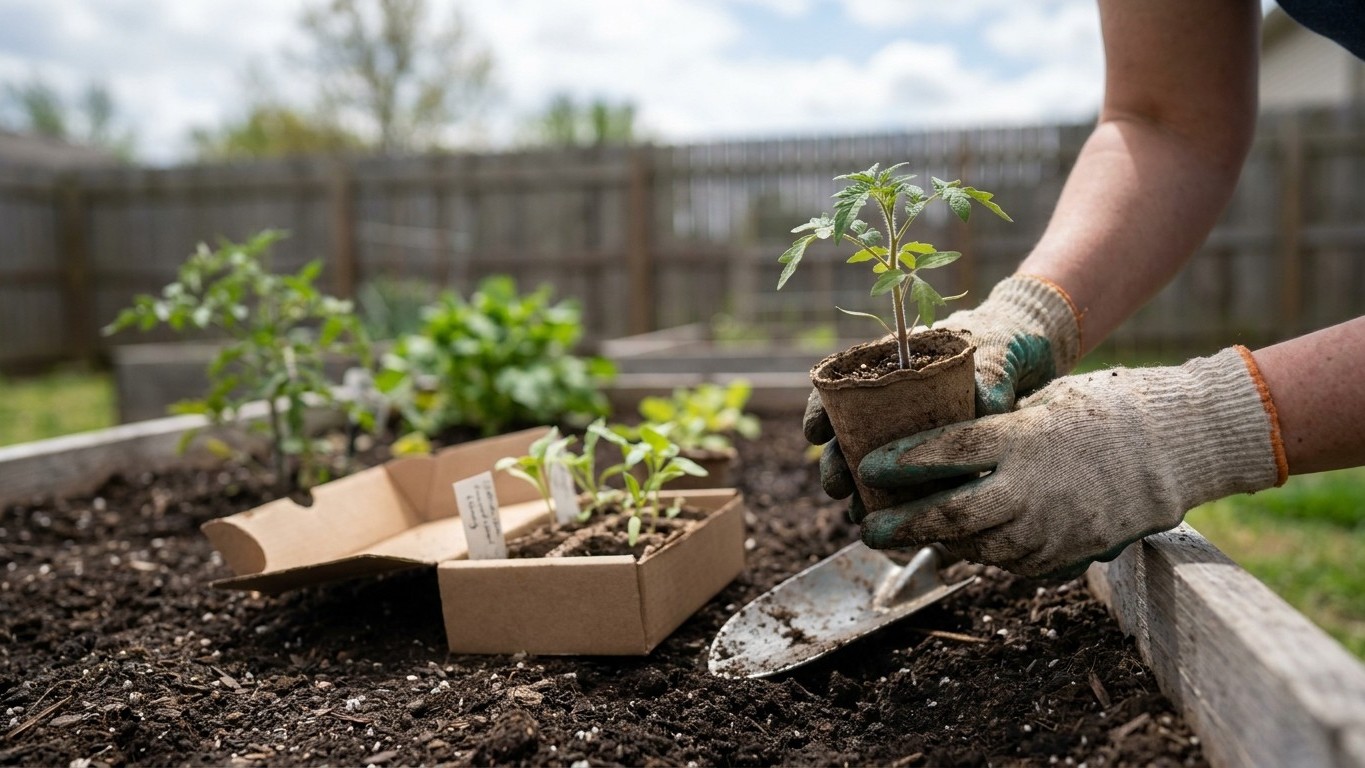
Missouri’s tomato transplant window runs mid-April to early May based on Kansas City frost data, with adjustments for soil temperature and location across the state.
Home & garden, state by state
Missouri’s tomato transplant window runs mid-April to early May based on Kansas City frost data, with adjustments for soil temperature and location across the state.
Nine catalog tomato varieties are checked against Wisconsin’s frost window, from 55-day cherry tomatoes to 78-day paste types, to show which finish before frost.
Learn how to use NOAA’s Charleston frost dates and a cultivar’s days-to-maturity to work out your own tomato planting window in South Carolina.
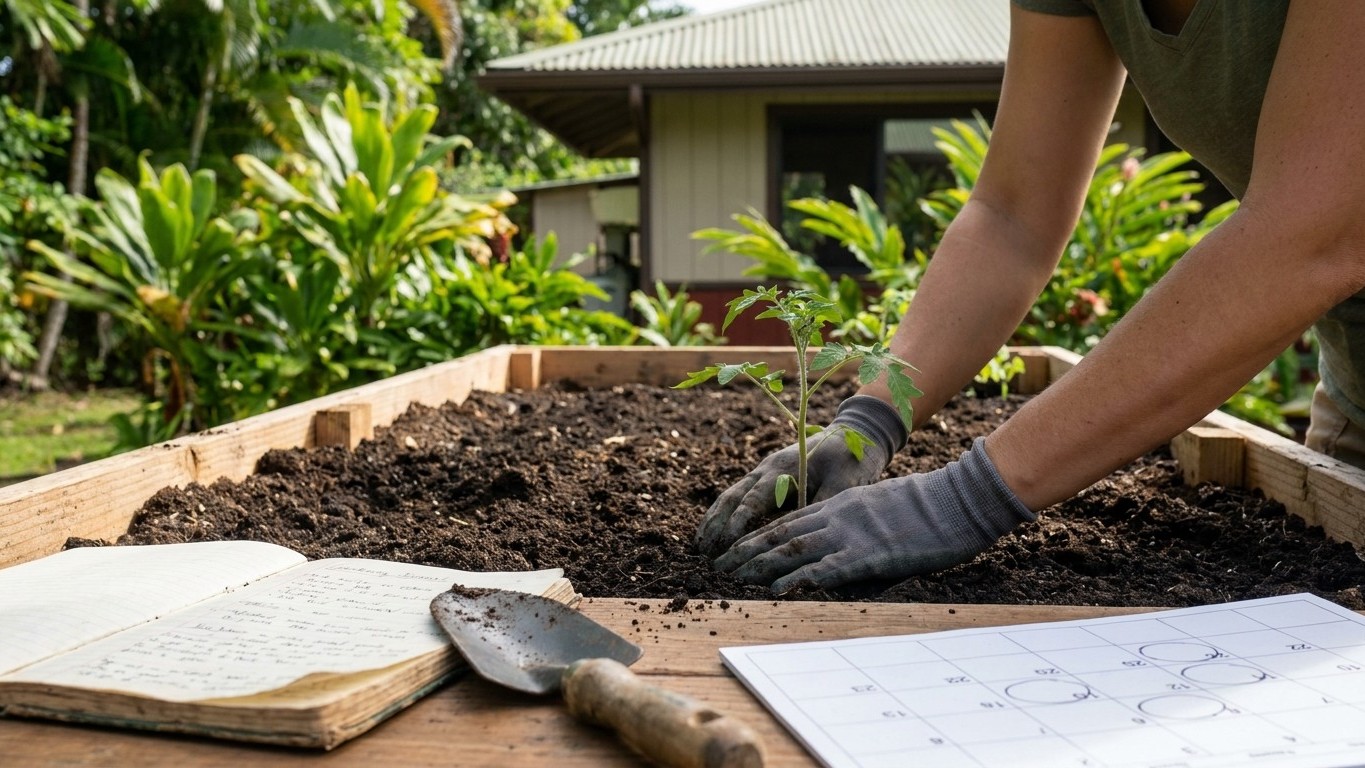
NOAA’s climate data show no frost in Hawaii’s inhabited areas, so tomato planting dates depend on elevation and rainfall, not frost.
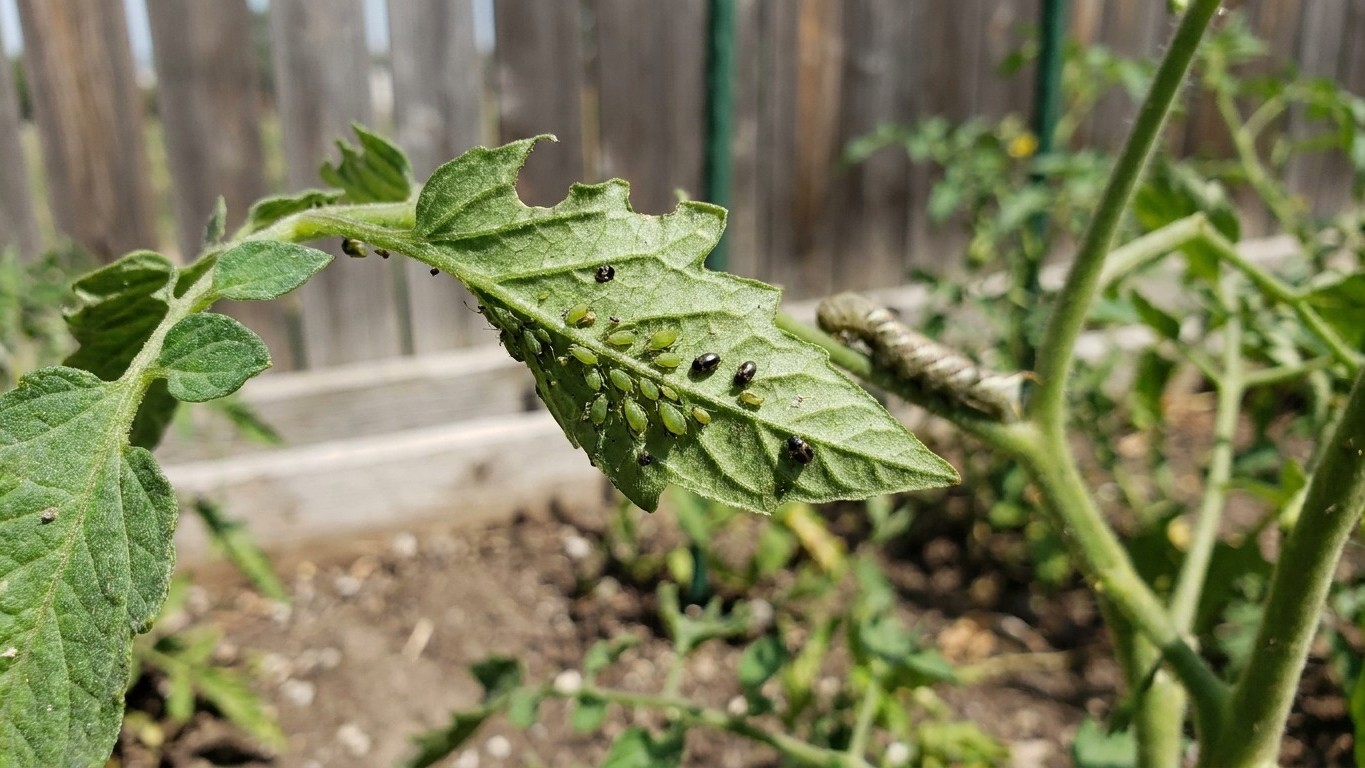
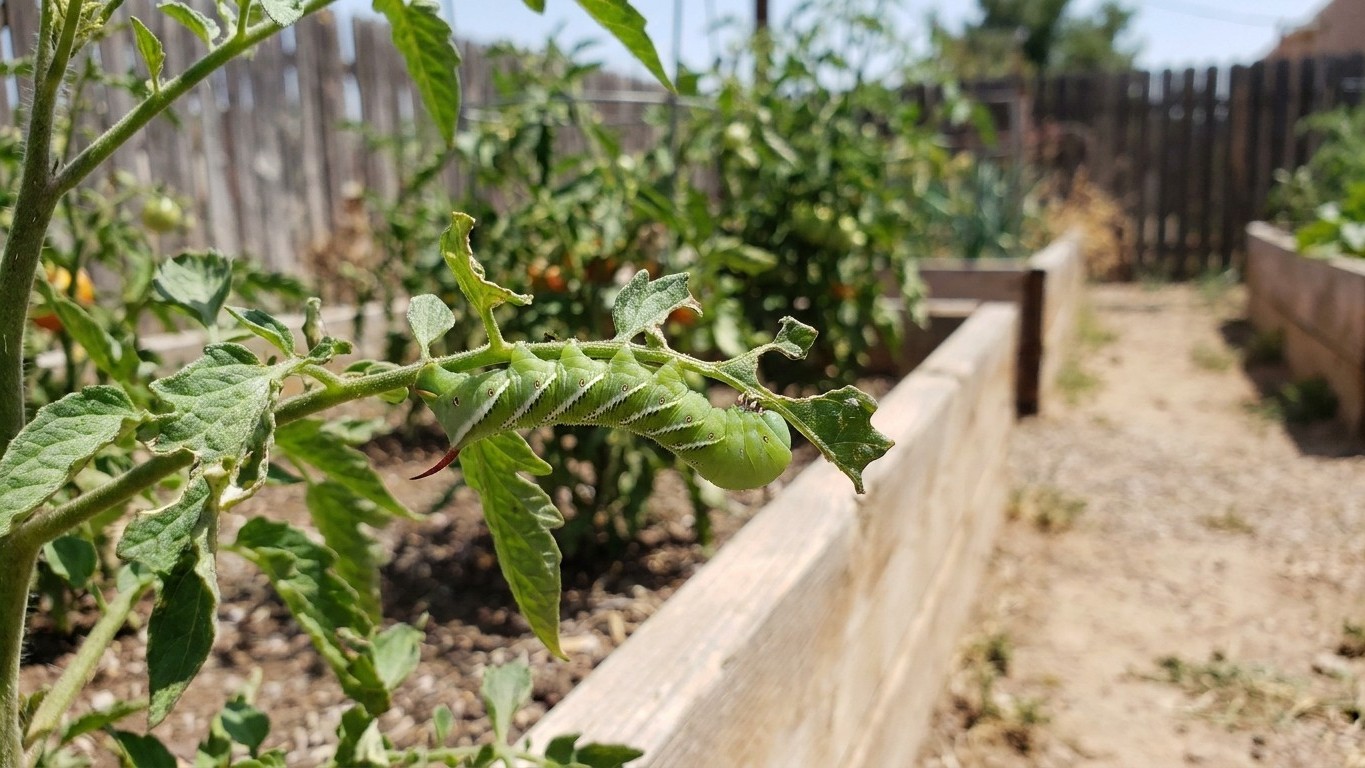
A season-by-season look at the tomato pests that actually appear in Montana gardens, with identification tips, damage signs, and effective controls for each one.
New Mexico tomato growers deal with cutworms, aphids, spider mites, leafhoppers carrying curly top virus, hornworms and whiteflies, each appearing at a different point in the season.
Explains how to use Seattle’s NOAA frost window and a tomato variety’s days to maturity to work out a realistic planting date anywhere in Washington.
Explains how to set tomato transplant dates in Iowa by counting forward from NOAA’s last-frost window and backward from named cultivars’ days to maturity.
Arkansas gardeners can use NOAA’s Little Rock frost data and the state’s light-frost threshold to time tomato transplants without losing plants to a late cold snap.
How NOAA’s Wichita frost window and simple day-counting math translate into real tomato transplant and seed-starting dates for Kansas gardens.