Tomato Varieties That Ripen in Time in Pennsylvania
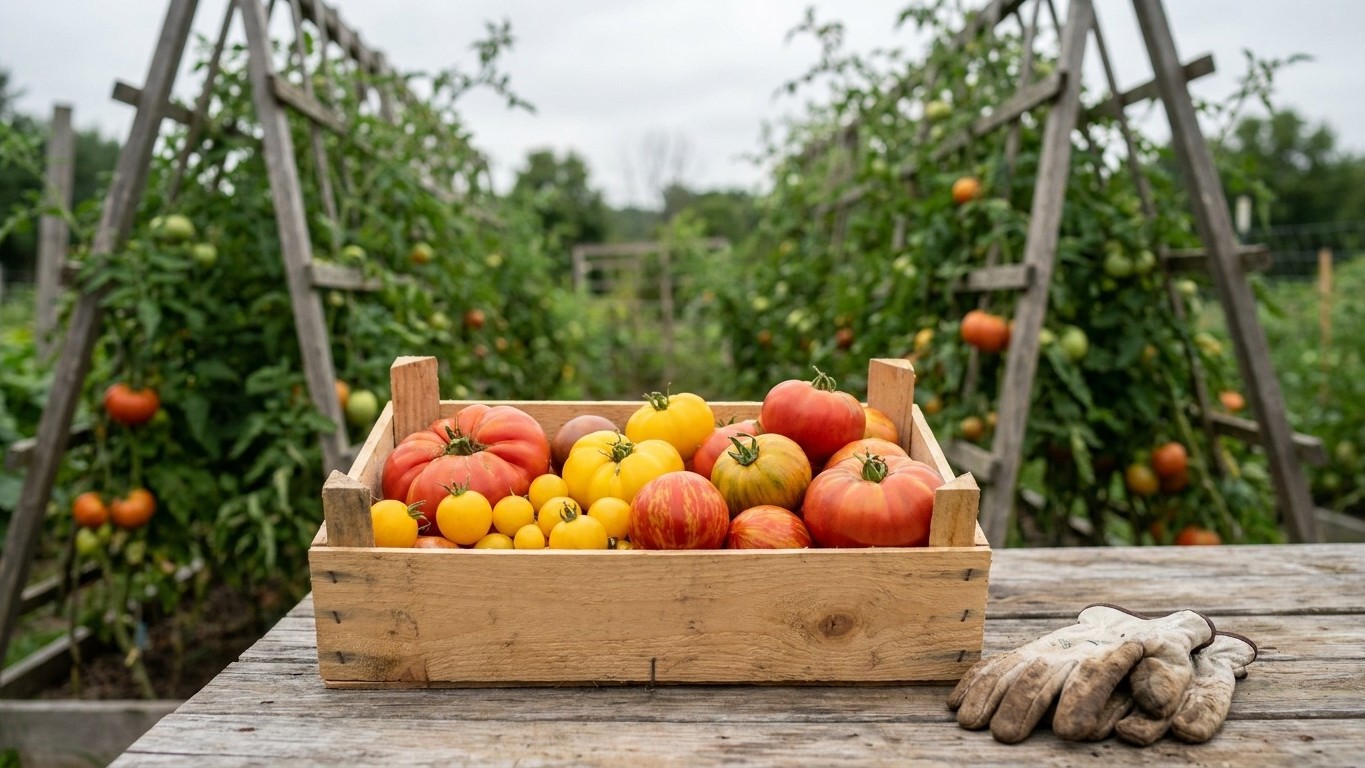
A county-by-county look at which named tomato cultivars have enough days to mature before Pennsylvania’s first fall frost, from cherry types to paste tomatoes.
Home & garden, state by state
A county-by-county look at which named tomato cultivars have enough days to mature before Pennsylvania’s first fall frost, from cherry types to paste tomatoes.

Maine gardeners can use NOAA’s Portland frost dates and a tomato variety’s days to maturity to calculate a safe transplant window for their own garden.
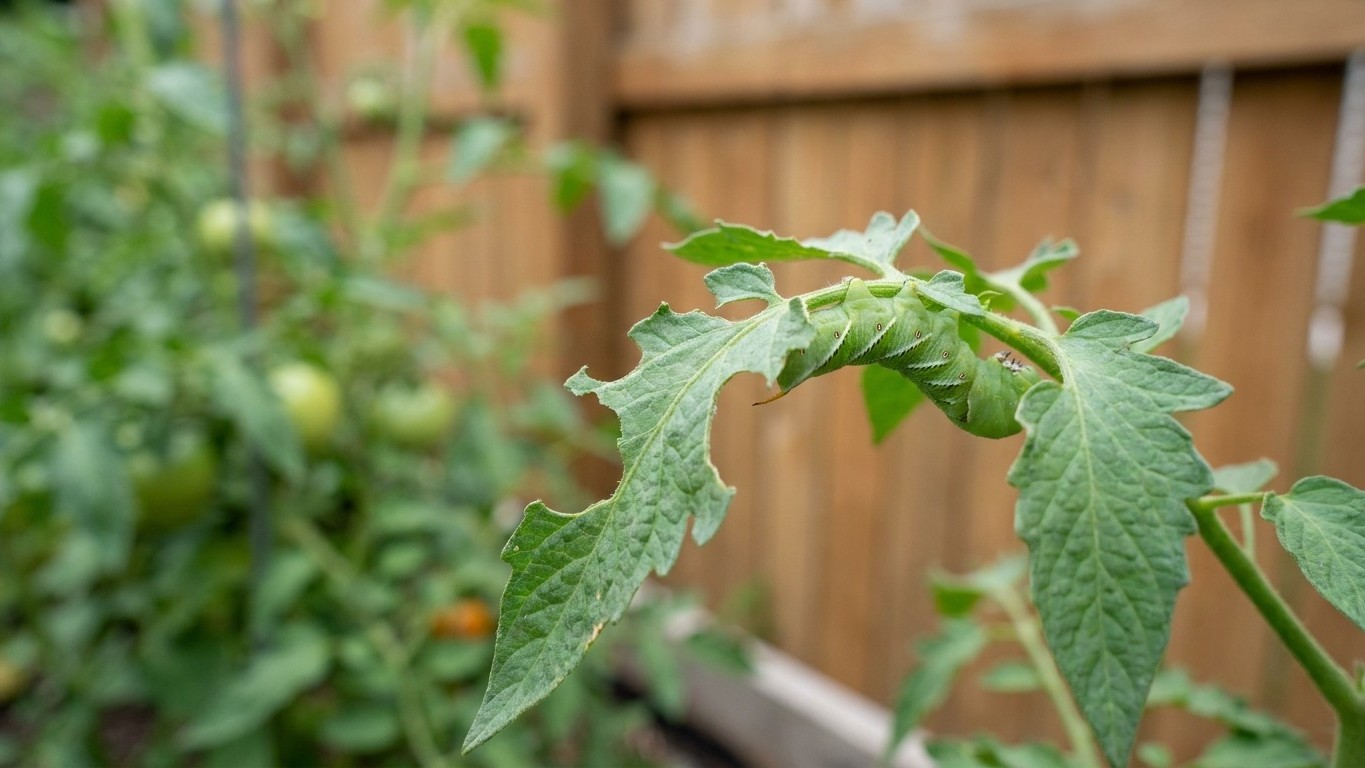
A season-by-season rundown of the tomato pests that actually appear in Minnesota gardens, how to identify each one, and what controls them.
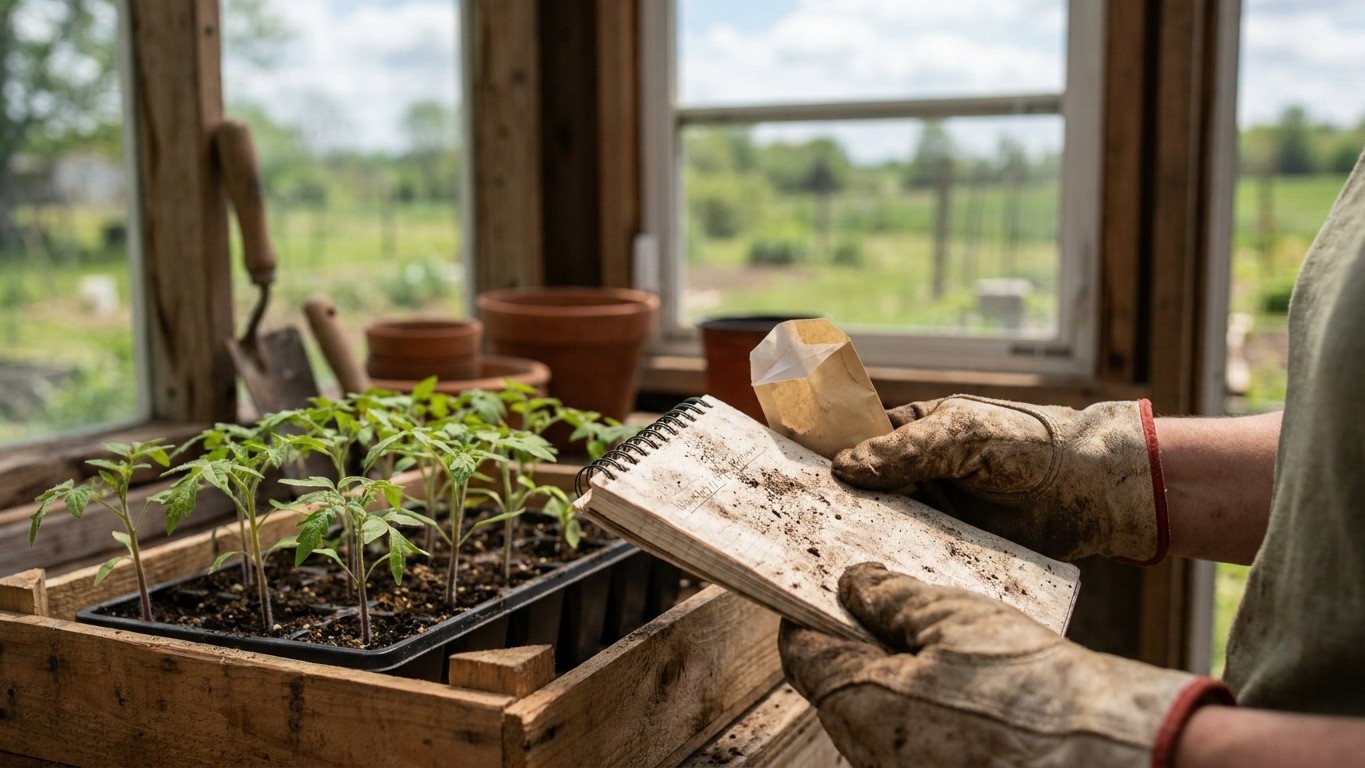
Kentucky tomato transplant dates run from Louisville’s NOAA frost window, adjusted for elevation, urban heat, and how far a garden sits from the reference station.
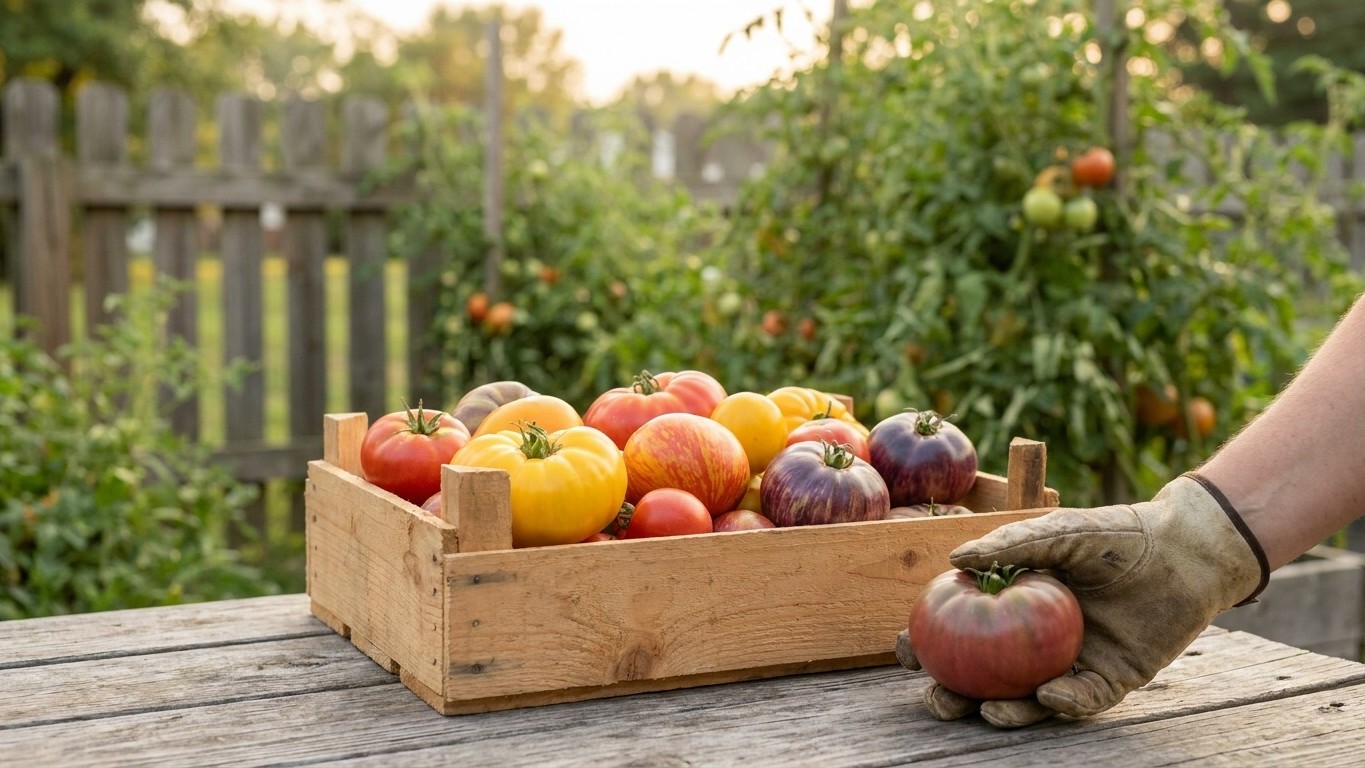
Louisville’s NOAA frost normals set Kentucky’s tomato season at about seven months, long enough for fast cherries and slow paste tomatoes alike to ripen.
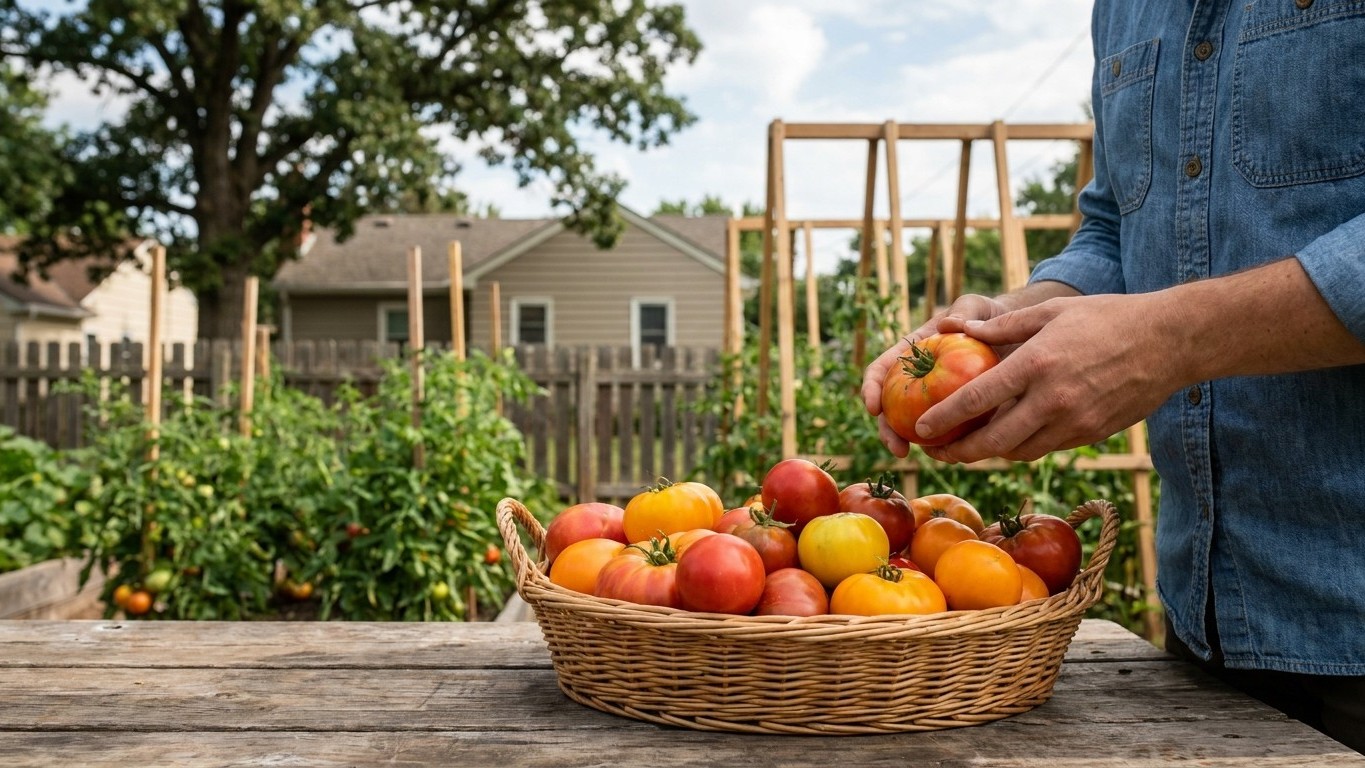
A season-by-season look at which tomato varieties, from cherry to paste, have enough days to mature before Minnesota’s first fall frost arrives.
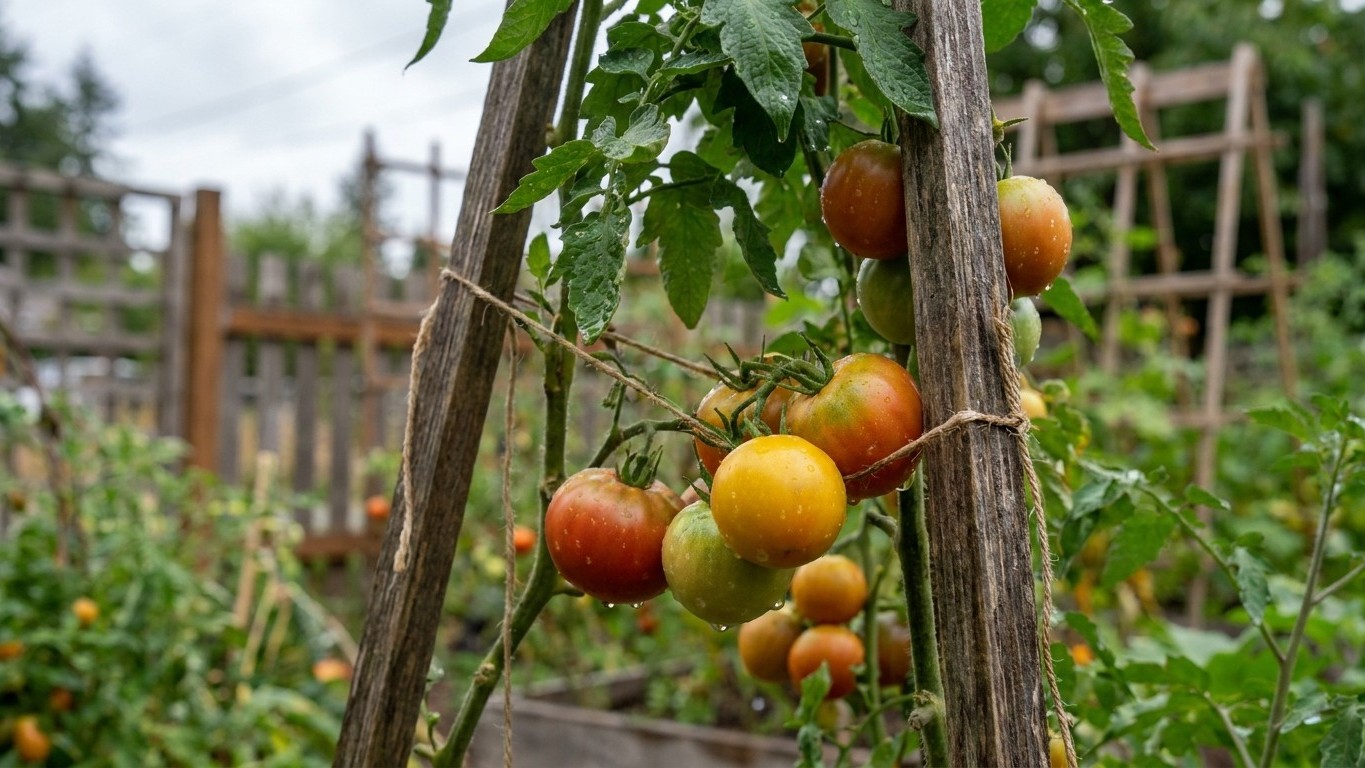
Nine tomato varieties matched to Seattle’s frost window, from 55-day cherry tomatoes to 78-day paste types, with the days-to-maturity math shown.
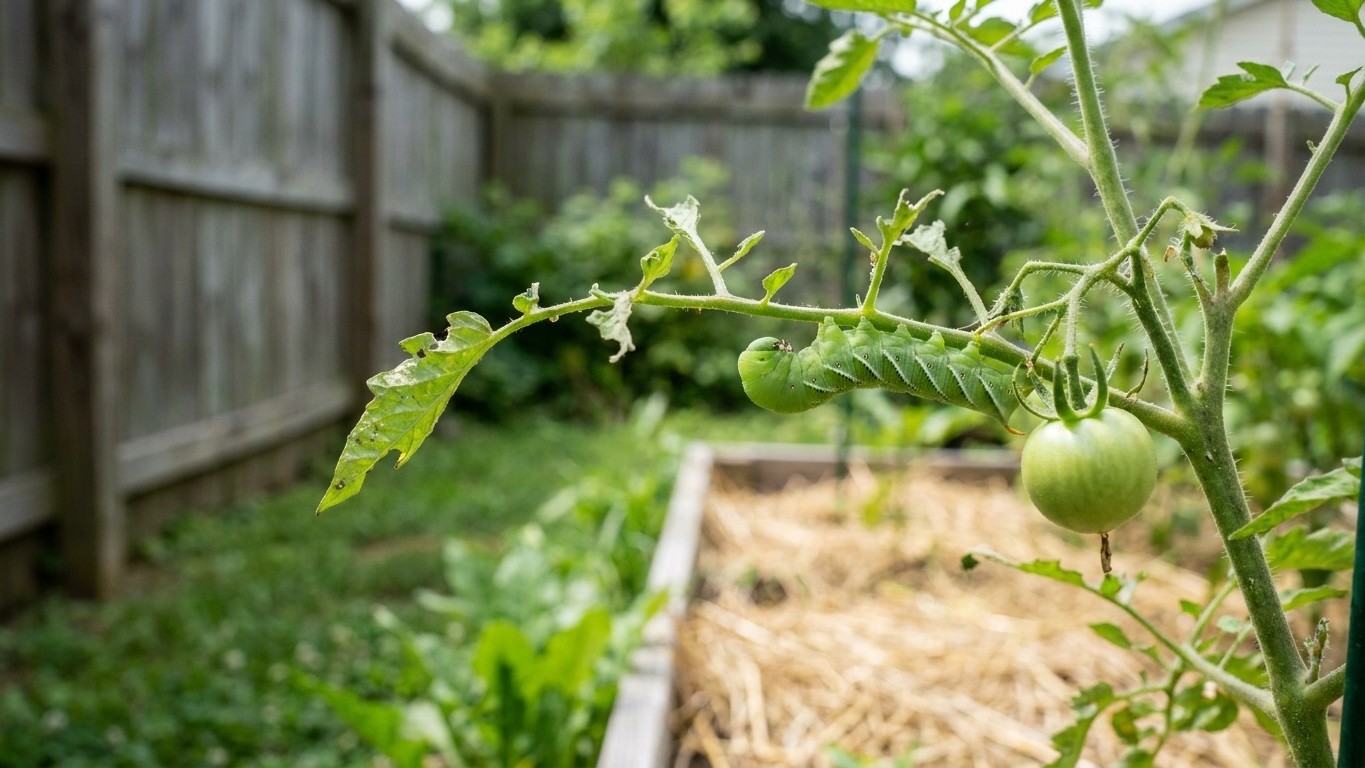
Kentucky tomato growers see the same handful of insects yearly: flea beetles, cutworms, aphids, Colorado potato beetles, hornworms, stink bugs and fruitworms depending on the month.
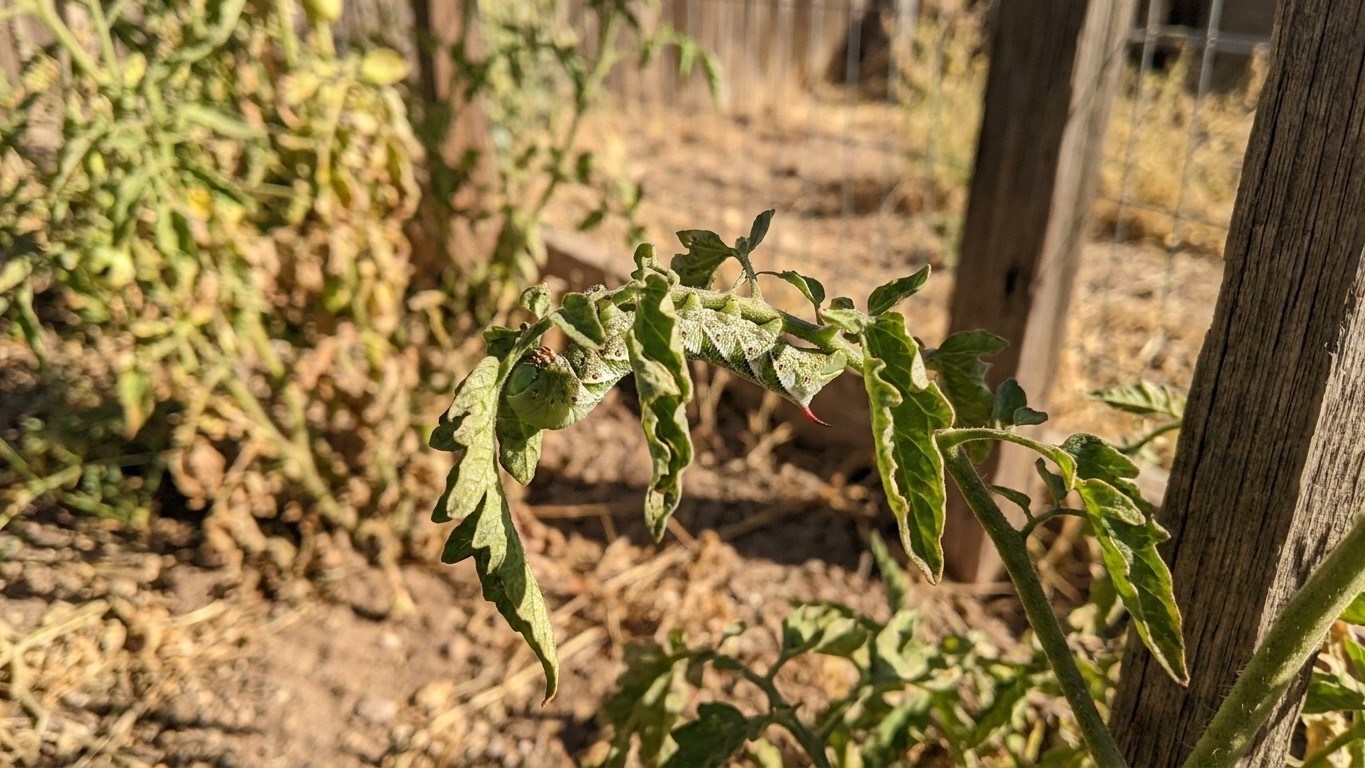
Arizona’s mild winters let common tomato pests persist nearly year-round, from early-season aphids to late-season leaffooted bugs that damage ripening fruit.
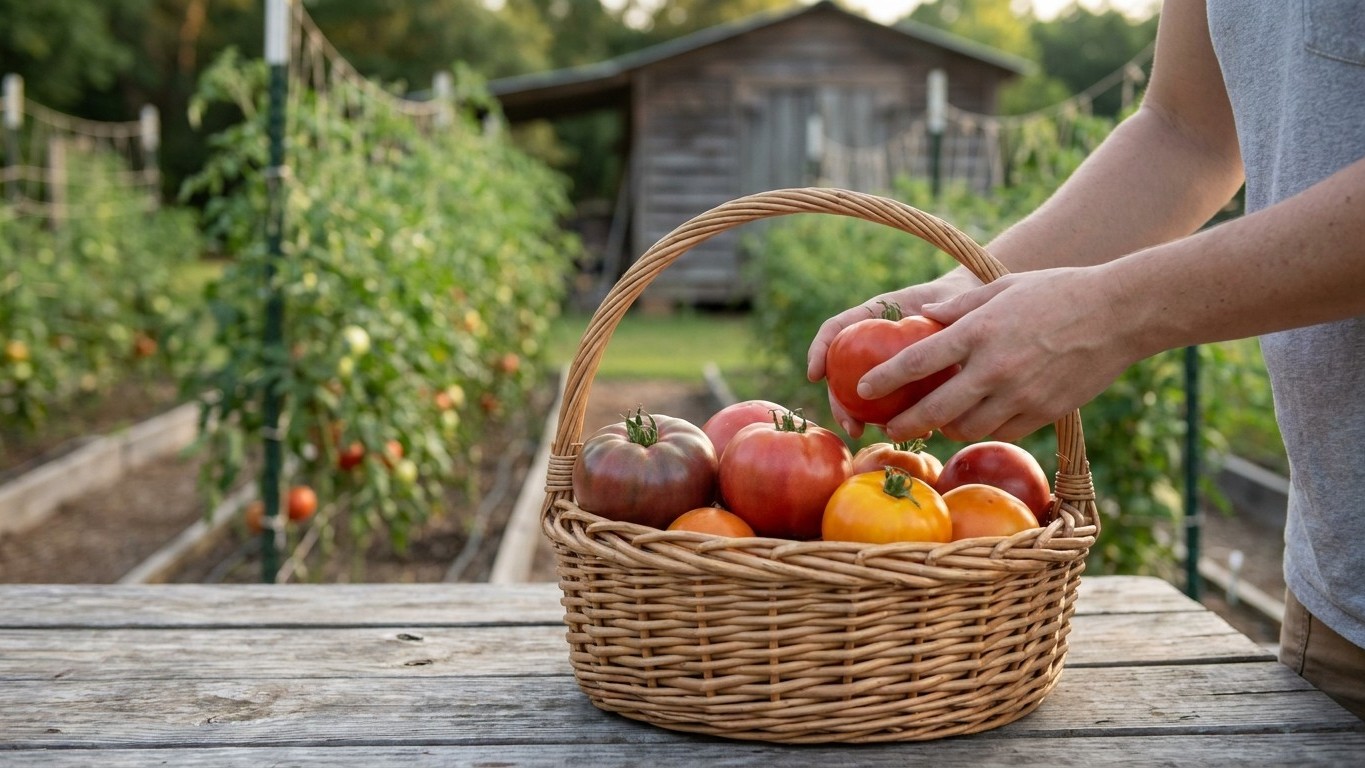
Mississippi’s frost-free window at Jackson runs long enough to grow both fast cherry tomatoes and slow heirlooms, if you match variety to season length.