Mulching an Apple Tree Without Killing It
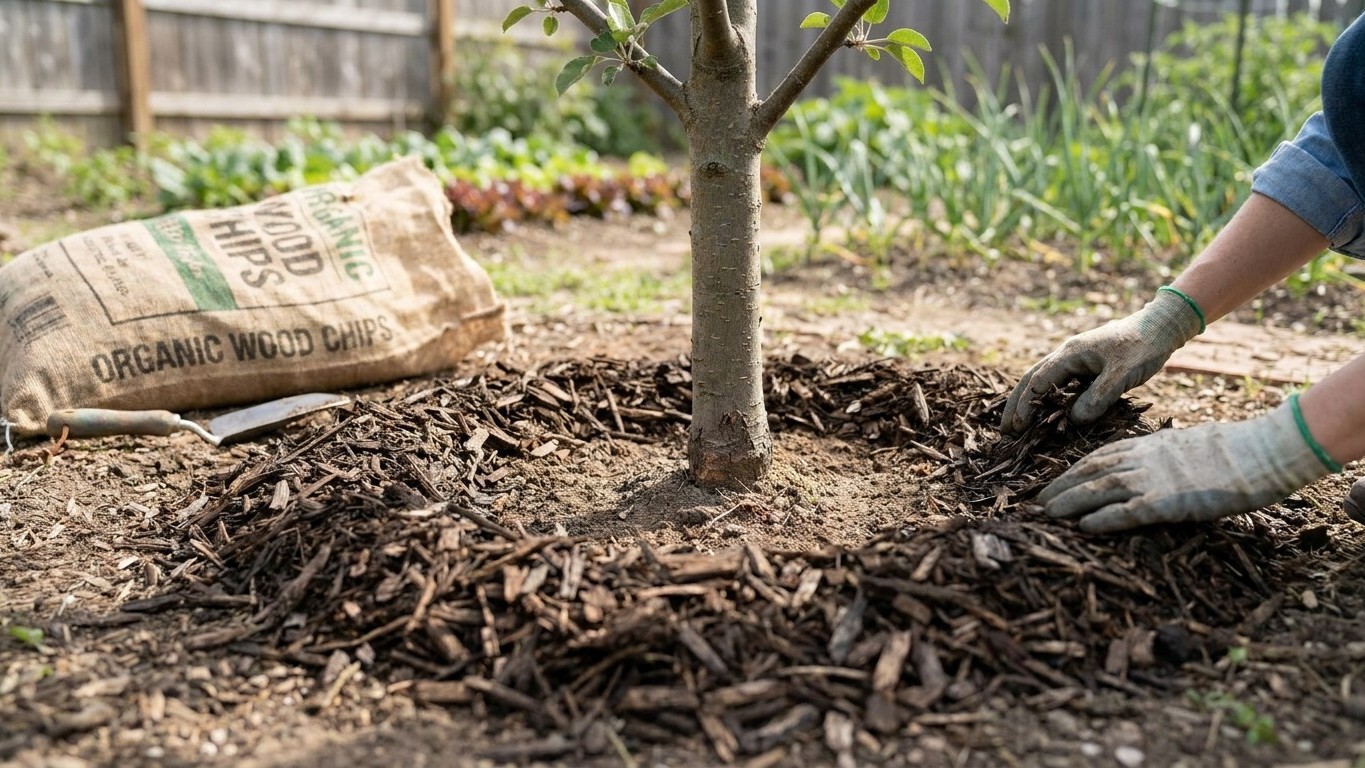
Explains how to mulch an apple tree without smothering roots or rotting the trunk, including ring width, depth, and which materials work best.
Home & garden, state by state
Explains how to mulch an apple tree without smothering roots or rotting the trunk, including ring width, depth, and which materials work best.
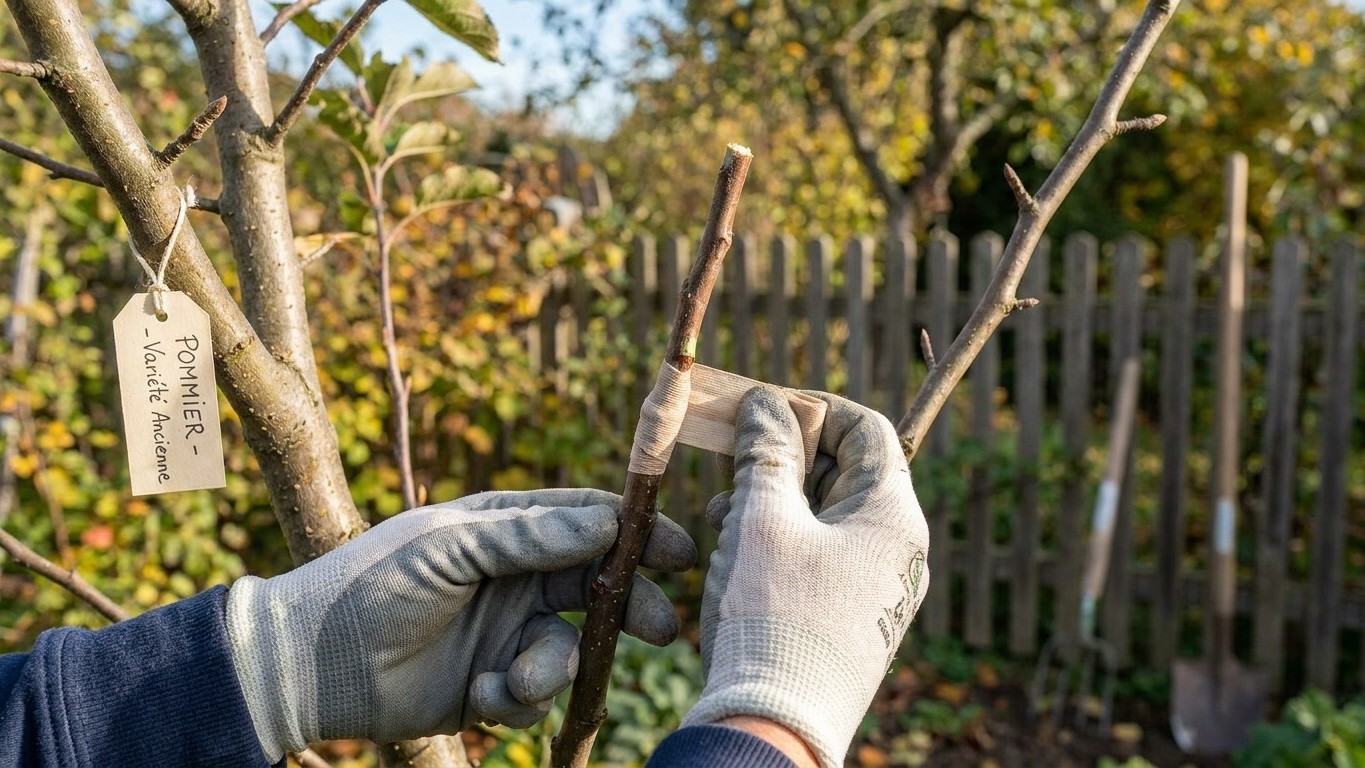
How and when to graft a new apple variety onto an established tree, from choosing scion wood to fixing a pollination gap.
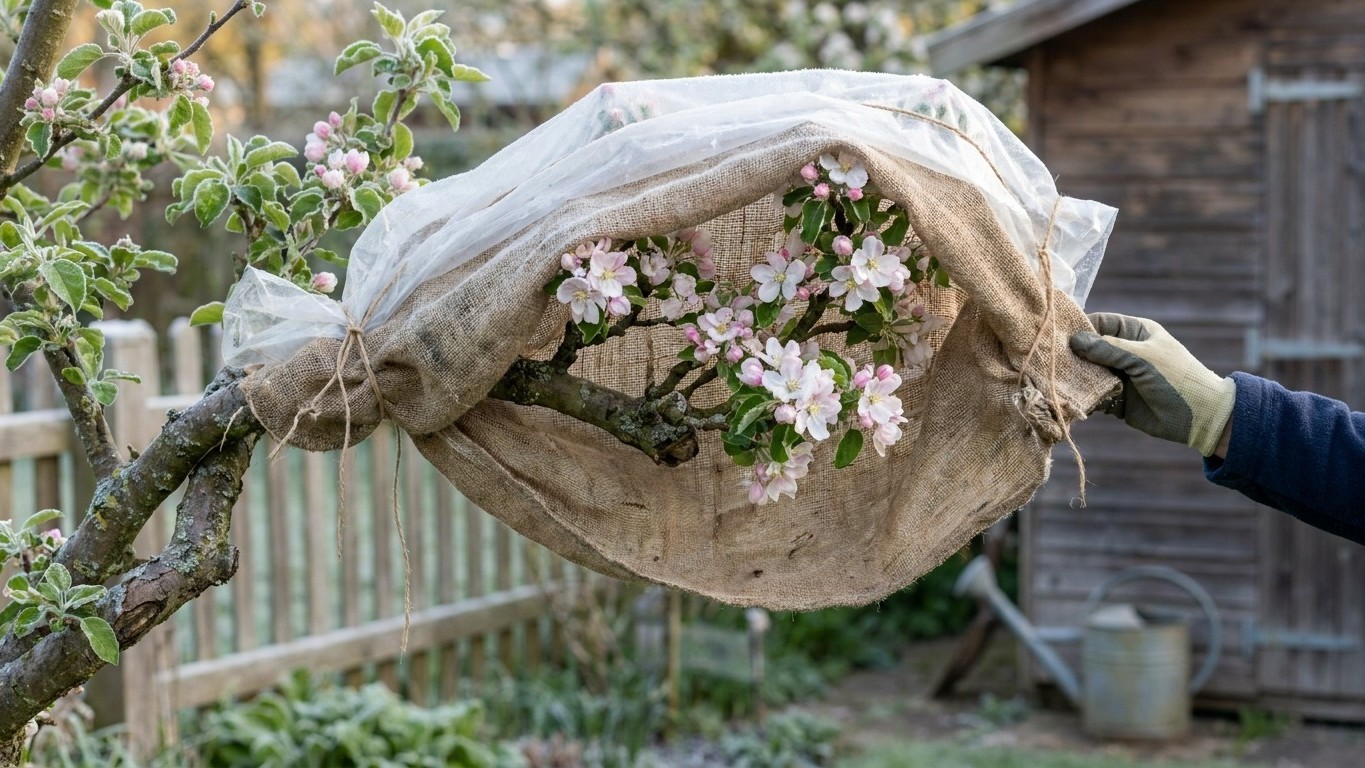
Explains how apple bloom stage, not the calendar, determines when to cover, water, or hold off pruning to save flowers from a late frost.
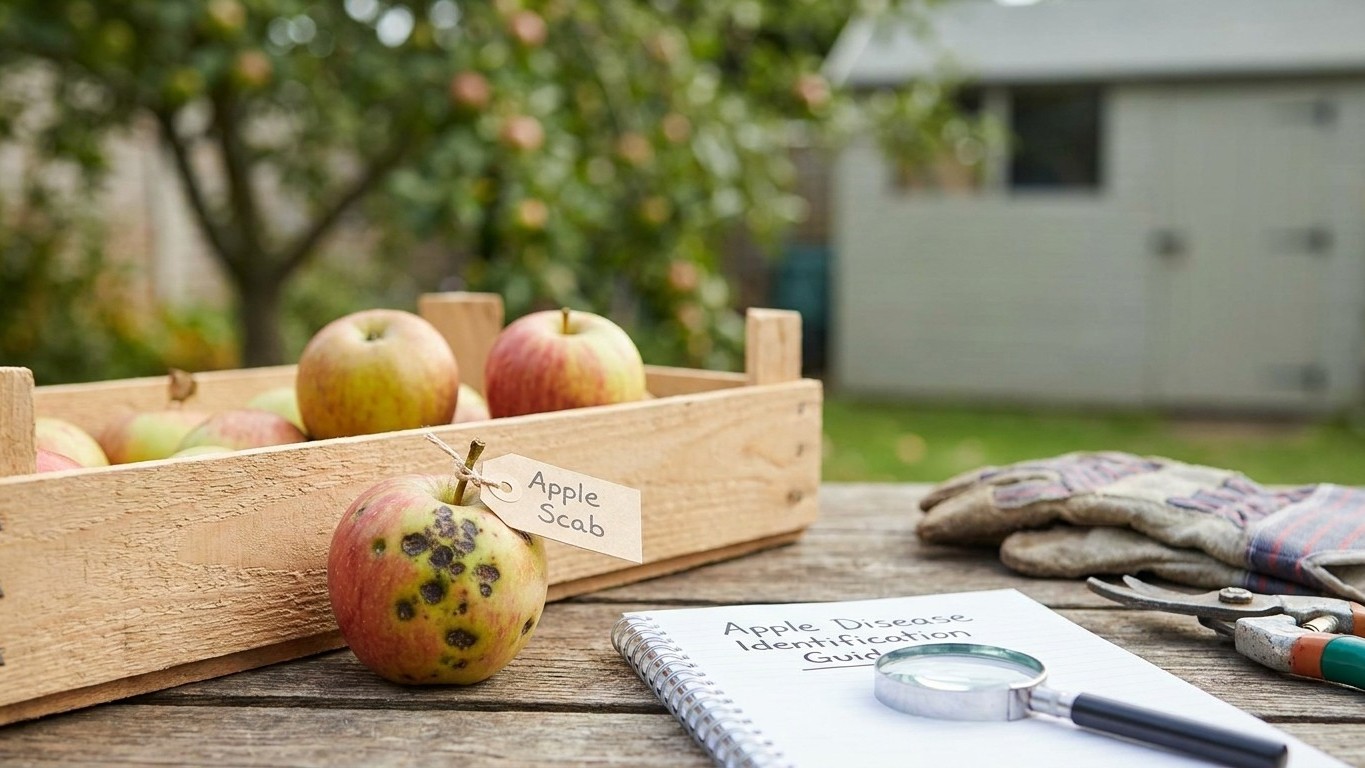
A plain guide to spotting apple scab, fire blight, cedar rust, powdery mildew and black rot by their leaf and fruit marks before treating.
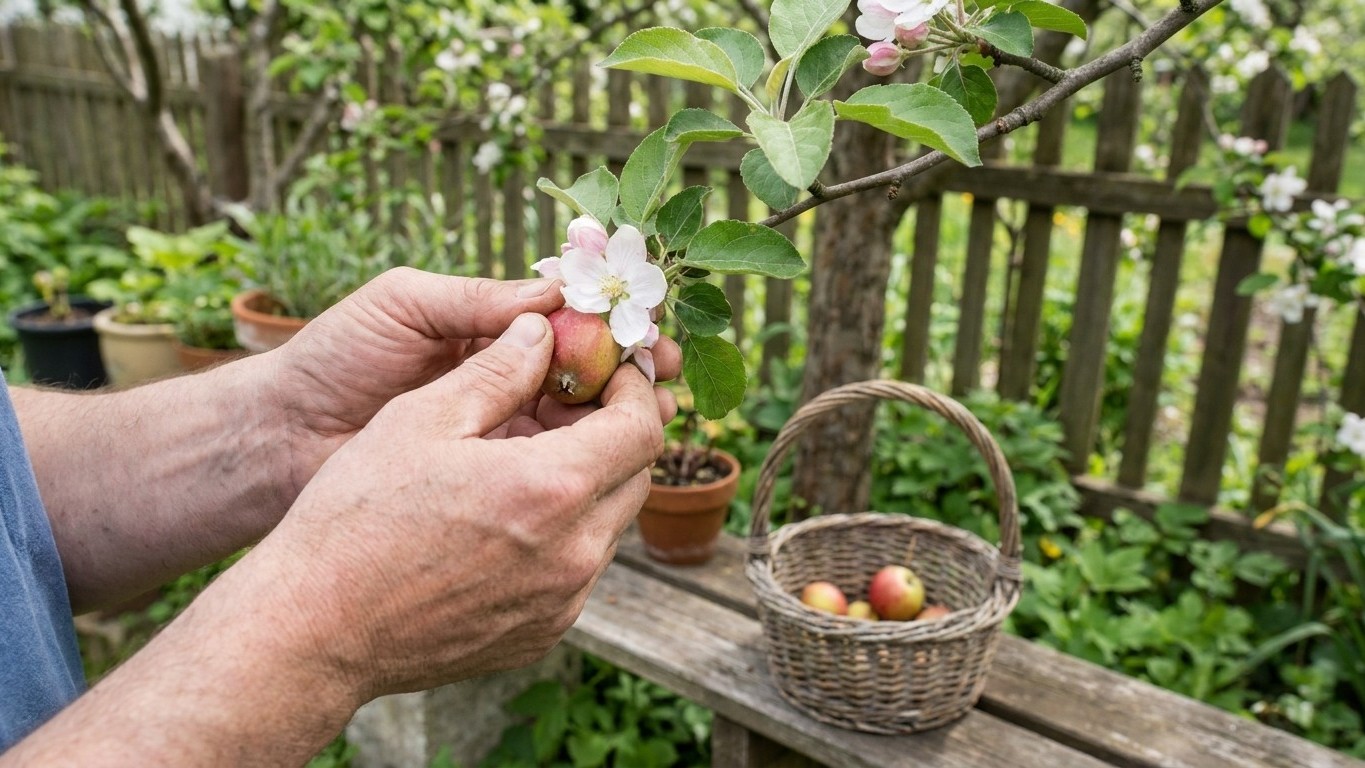
A flowering crabapple gives self-sterile apple varieties like Jonagold and Winesap the viable pollen they can’t produce themselves, if timed and placed correctly.
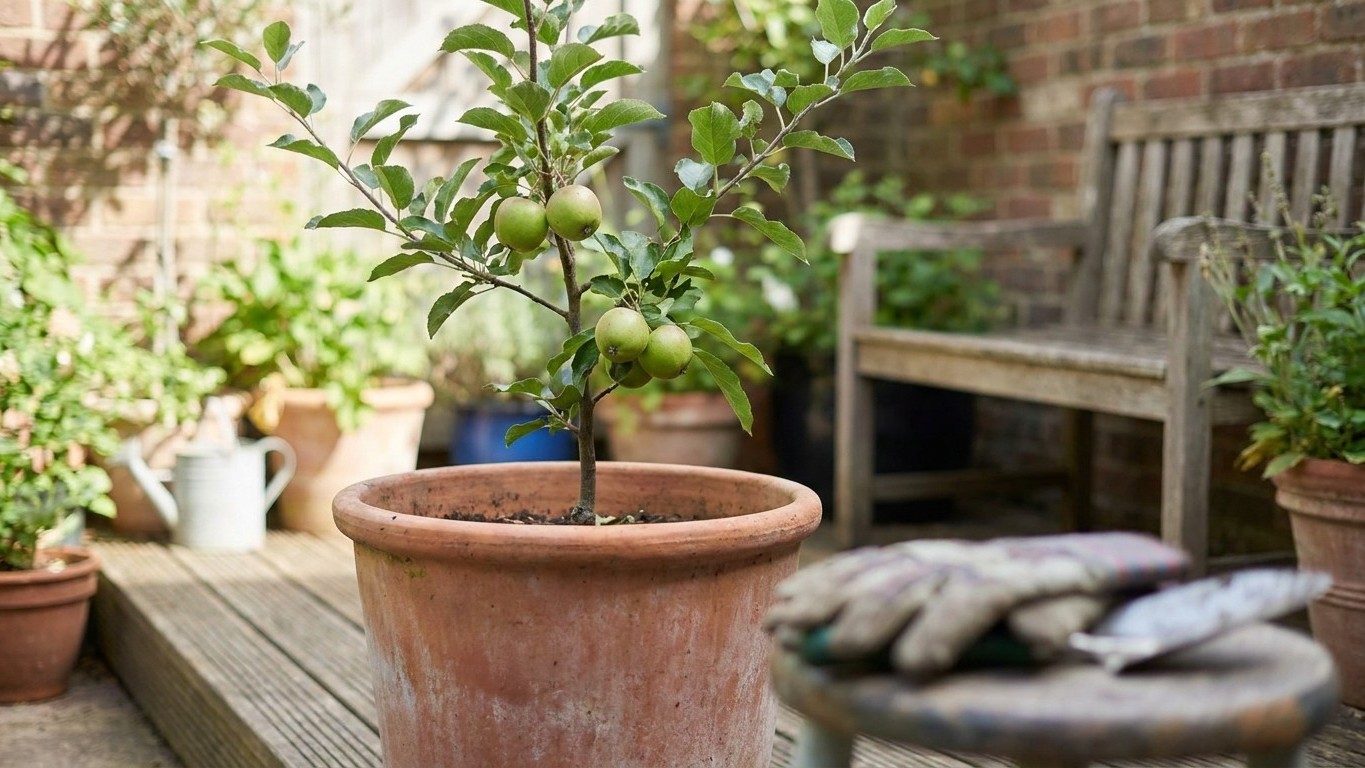
Explains which apple rootstocks stay small enough for a container, how to time planting and repotting by dormancy, and how pollination works in a pot.
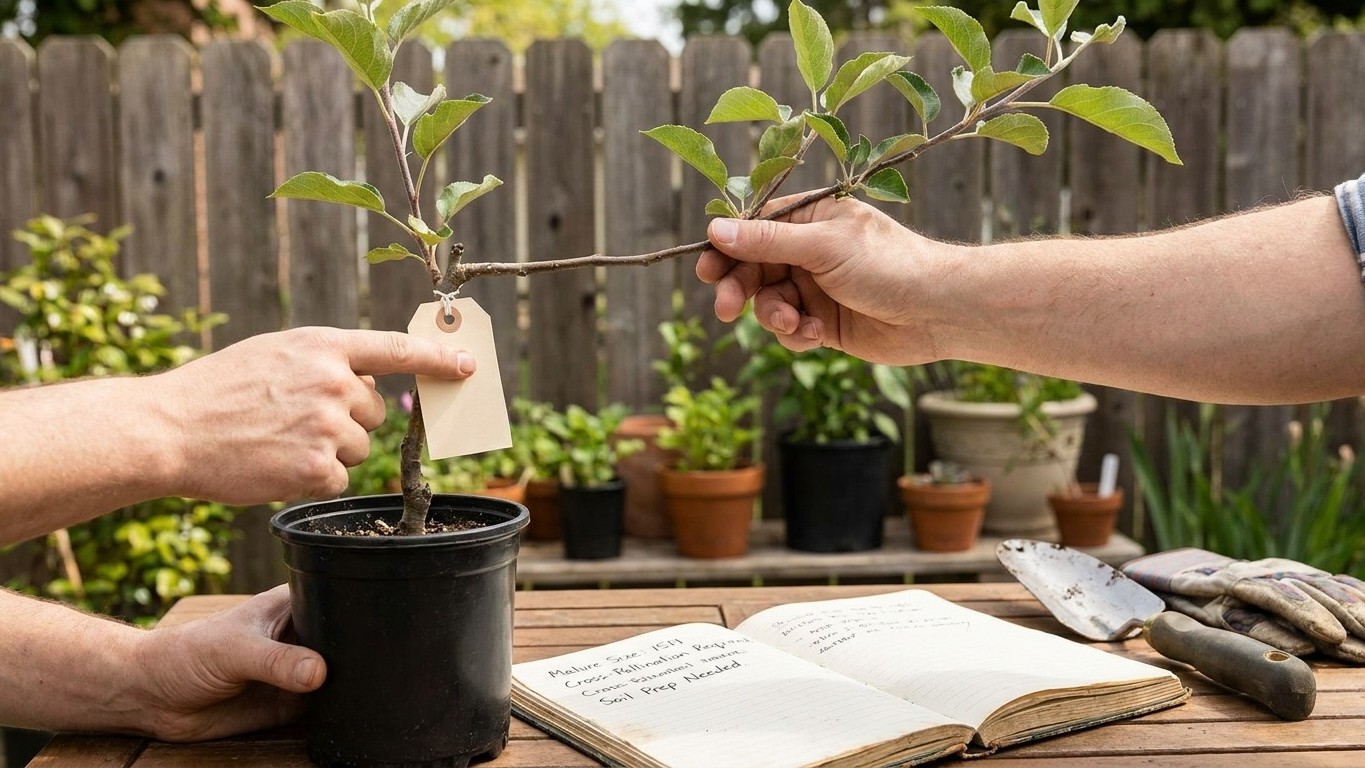
Learn why the rootstock code on an apple tree tag, not the variety name, decides its mature height and pollination needs before you buy.
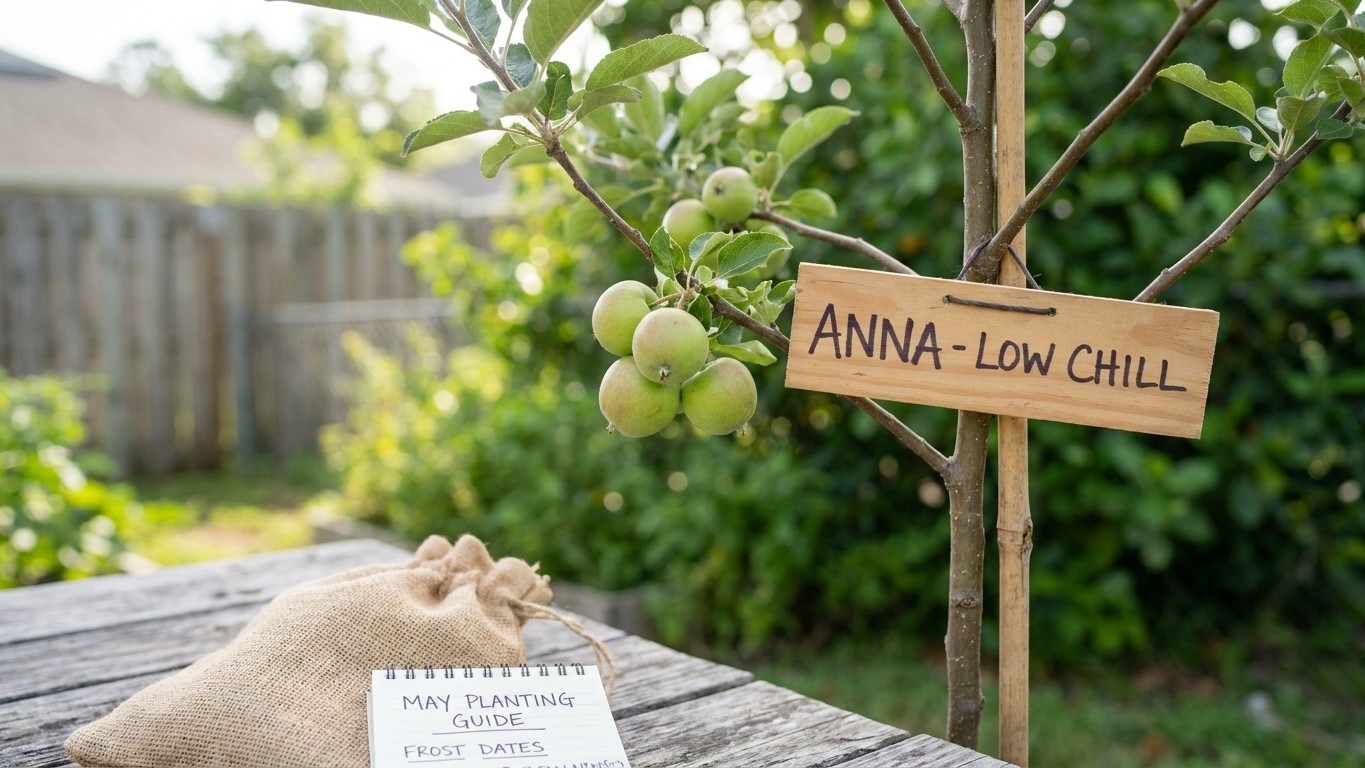
North Florida can grow apples with low-chill varieties such as Anna and Dorsett Golden, unlike the rest of the frost-free state.
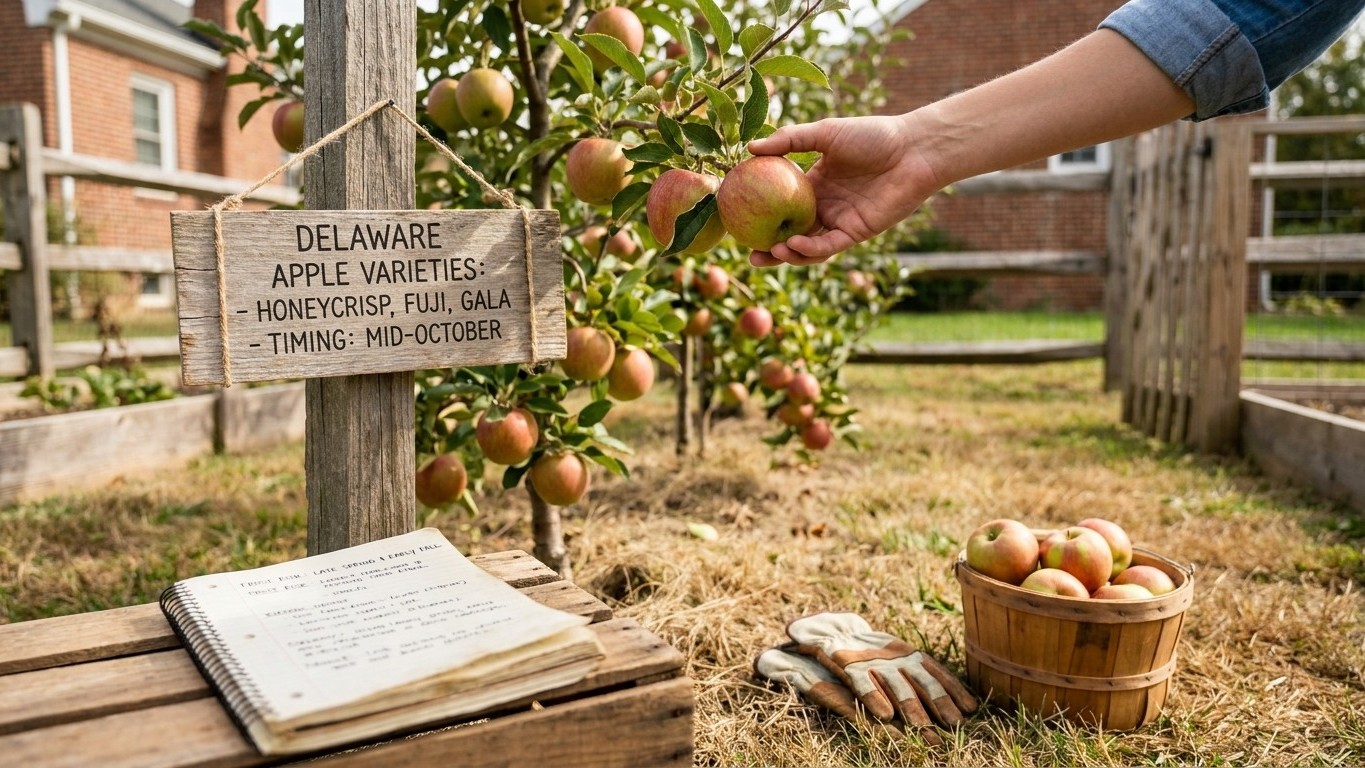
Delaware’s USDA zone 7a-8a climate and moderate winter chill support apple growing, with variety choice and pollination partners deciding whether trees fruit well.
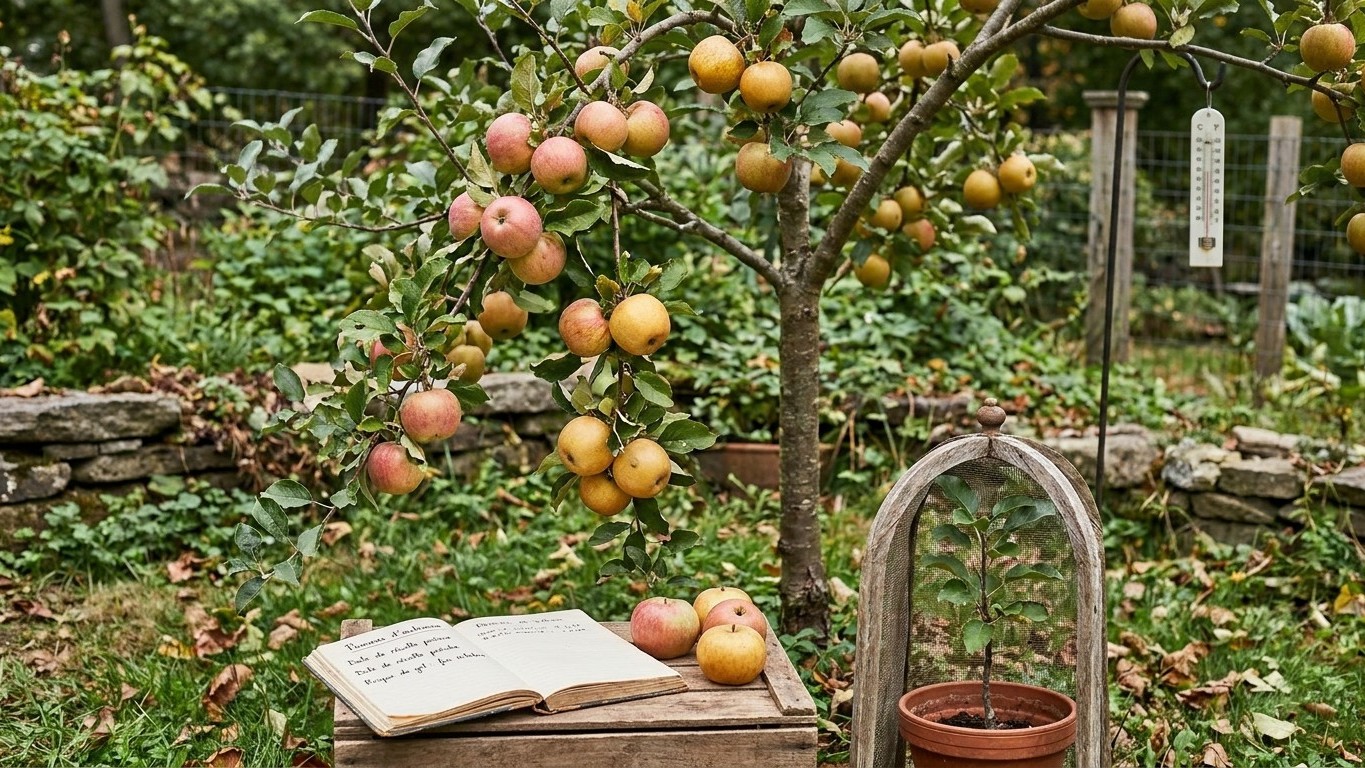
A practical look at which apple varieties survive Connecticut’s winters, when frost threatens blossoms, and how to plant a pollinating pair that actually works.