Seedling Rootstock: A 35-40 Foot Apple Tree
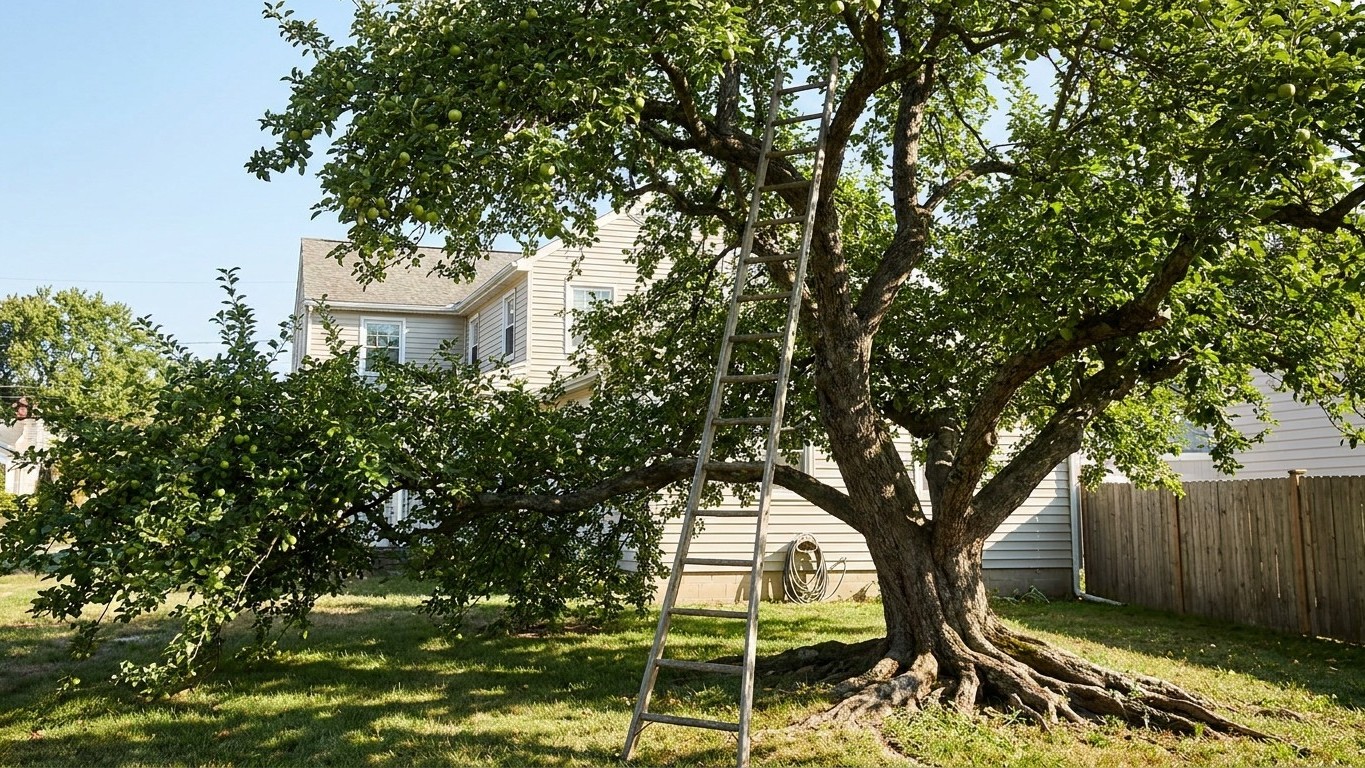
Seedling apple rootstock is the least controlled choice a grower can make: it produces a full-size, 35-40 foot tree, needs no staking once established…
Home & garden, state by state
Seedling apple rootstock is the least controlled choice a grower can make: it produces a full-size, 35-40 foot tree, needs no staking once established…
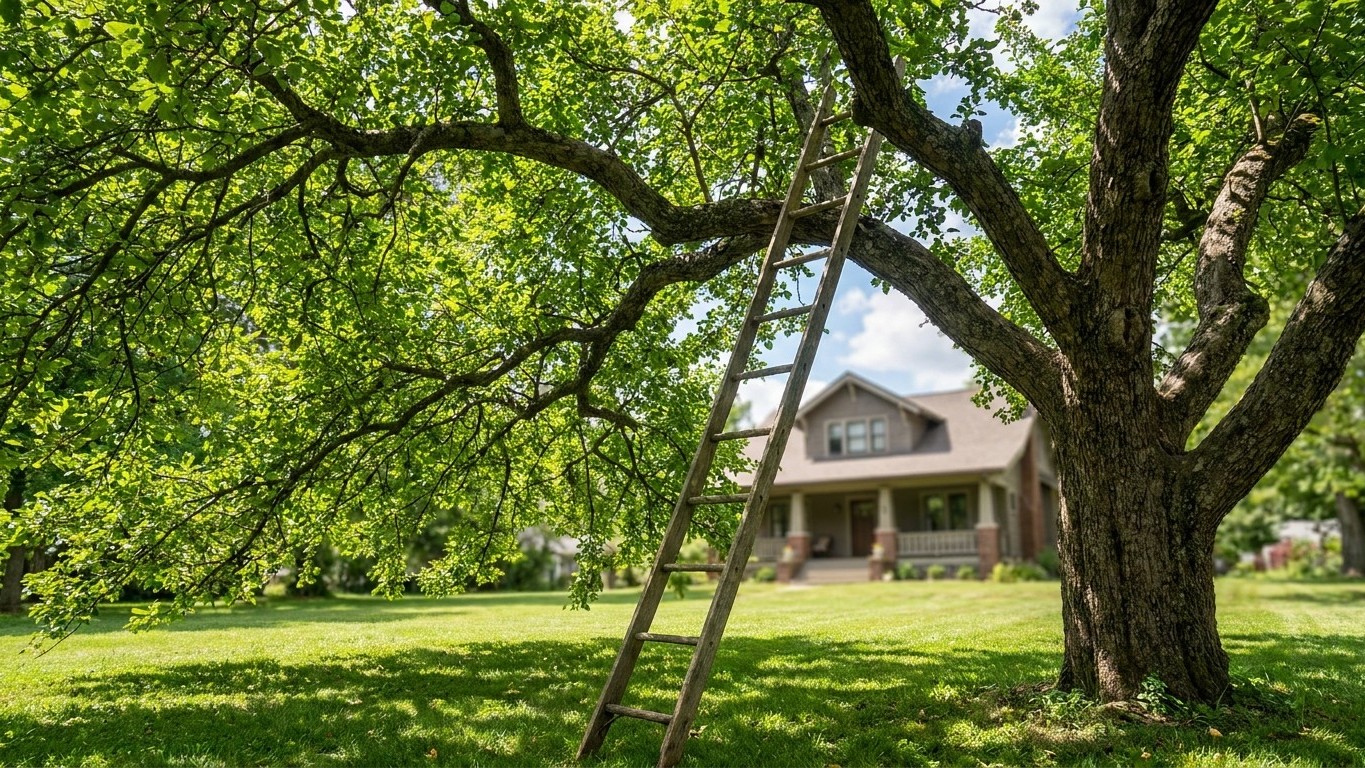
MM.111 is a semi-vigorous apple rootstock that grows a full-size home orchard tree, reaching 30-35 feet at maturity according to Utah State University…
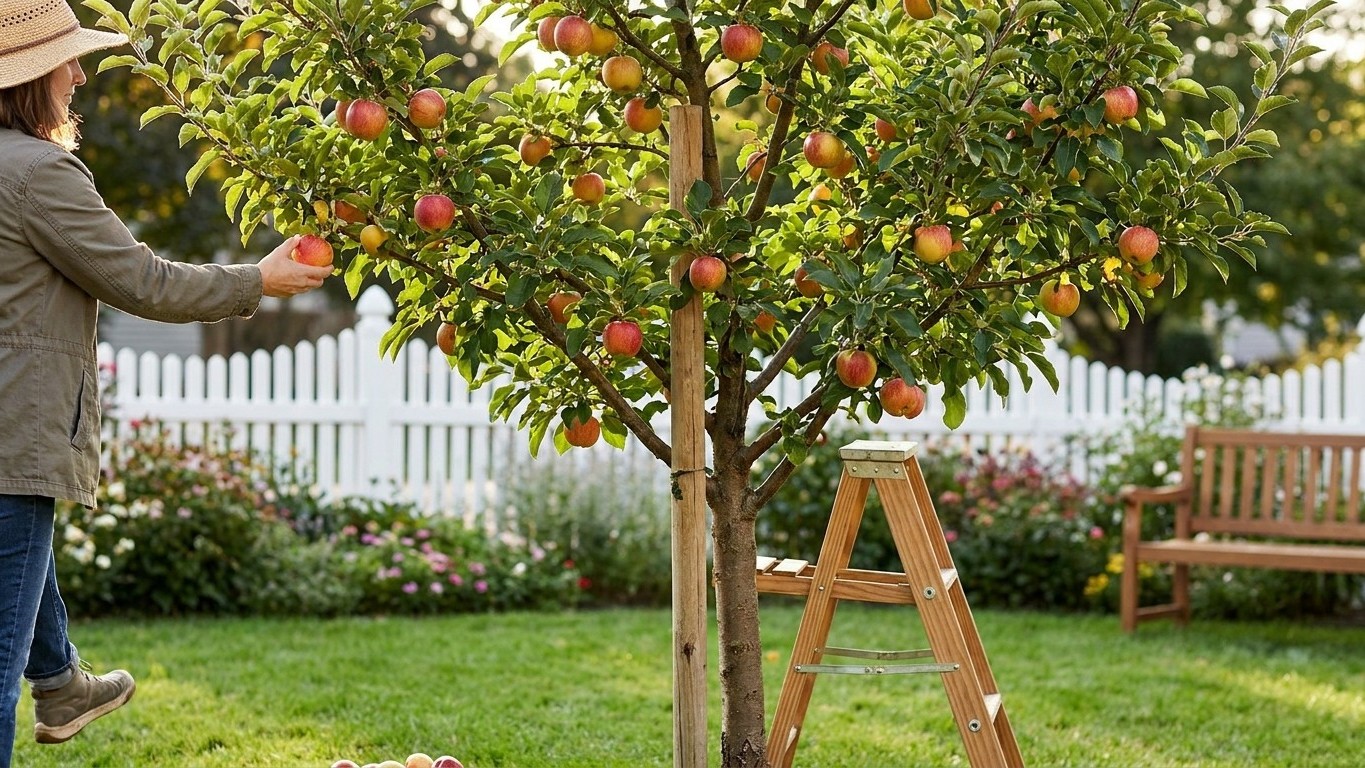
M.9 apple rootstock is the classic dwarfing stock of the home garden: a tree grafted onto it tops out at 8 to 12 feet, according to Utah State University…
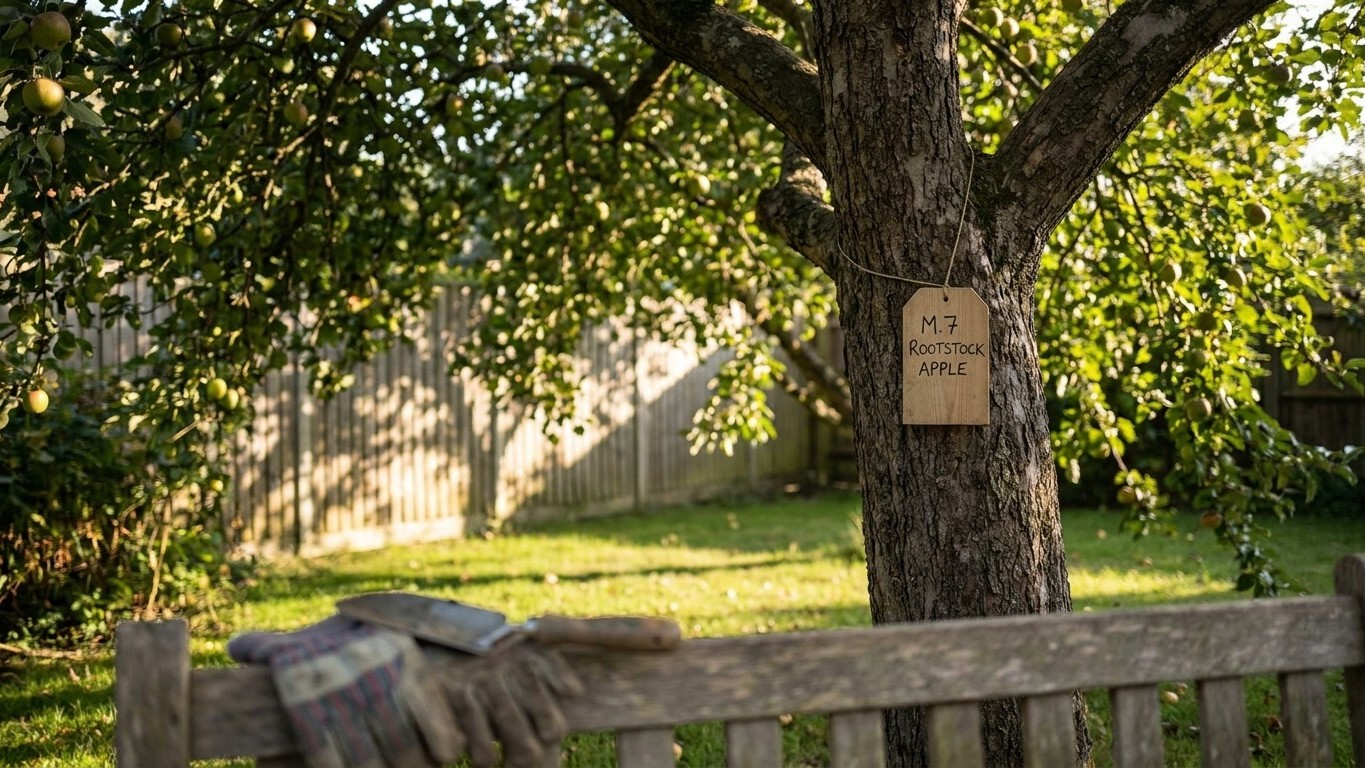
M.7 rootstock produces an 18 to 20 foot apple tree that needs early staking, a ladder for harvest, and real spacing, per USU Extension.
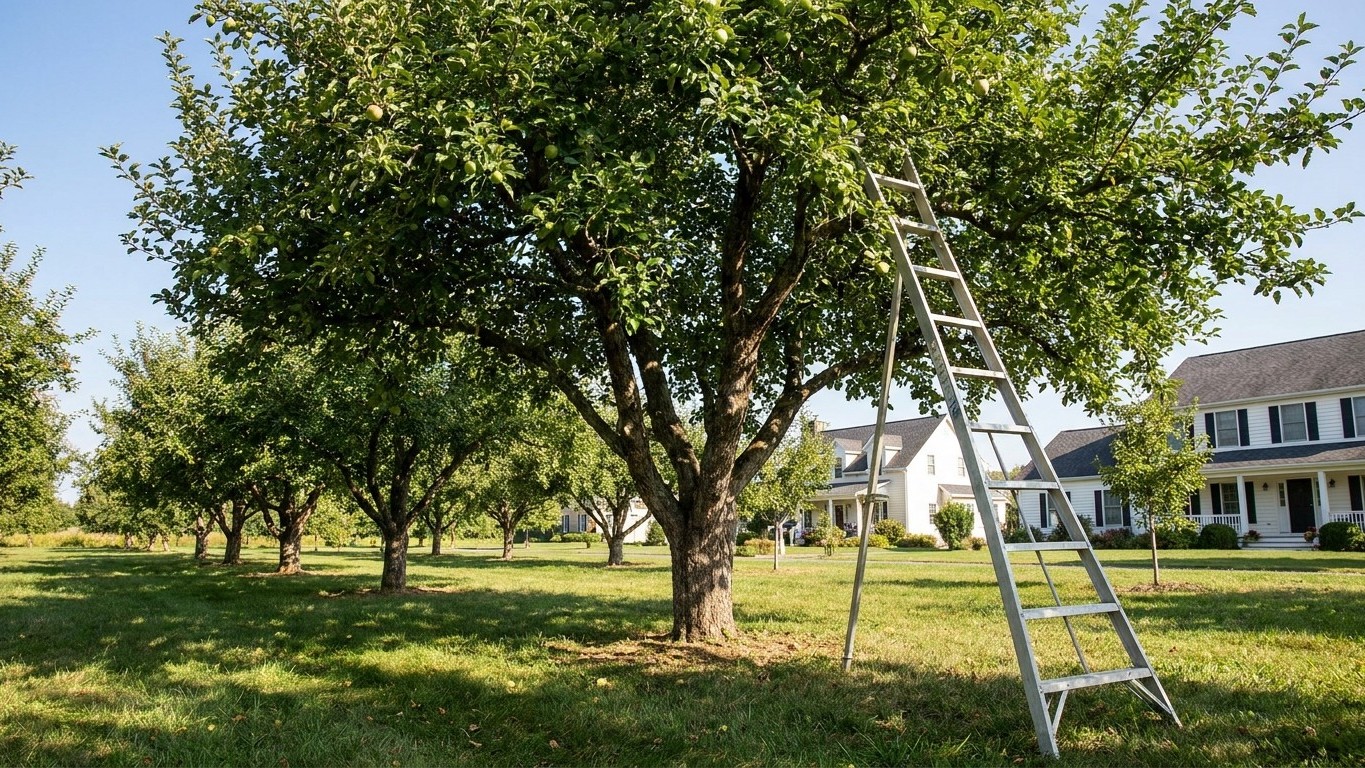
M.106 is a semi-vigorous apple rootstock that produces a mature tree of 25 to 30 feet, according to Utah State University Extension.
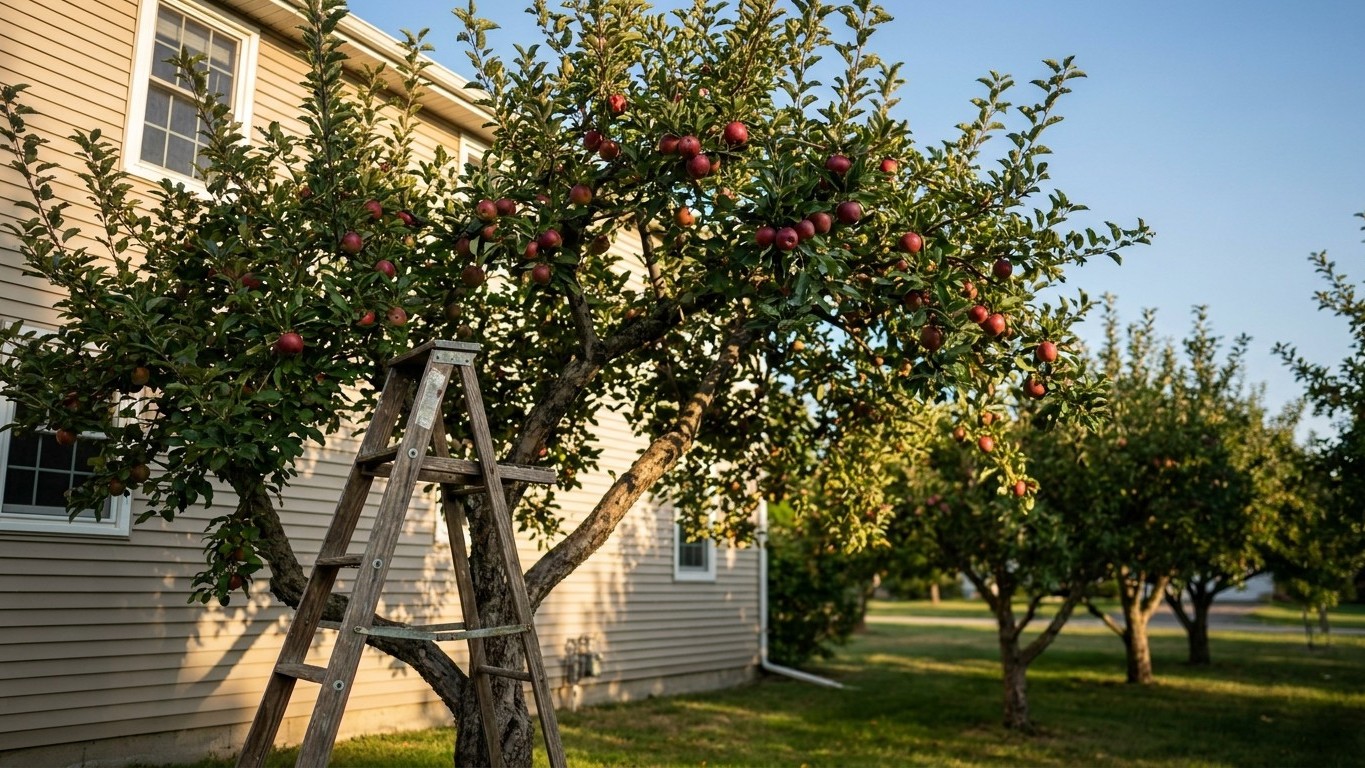
A G.30 apple tree tops out at 18 to 20 feet, according to Utah State University Extension’s rootstock size chart for home orchards.
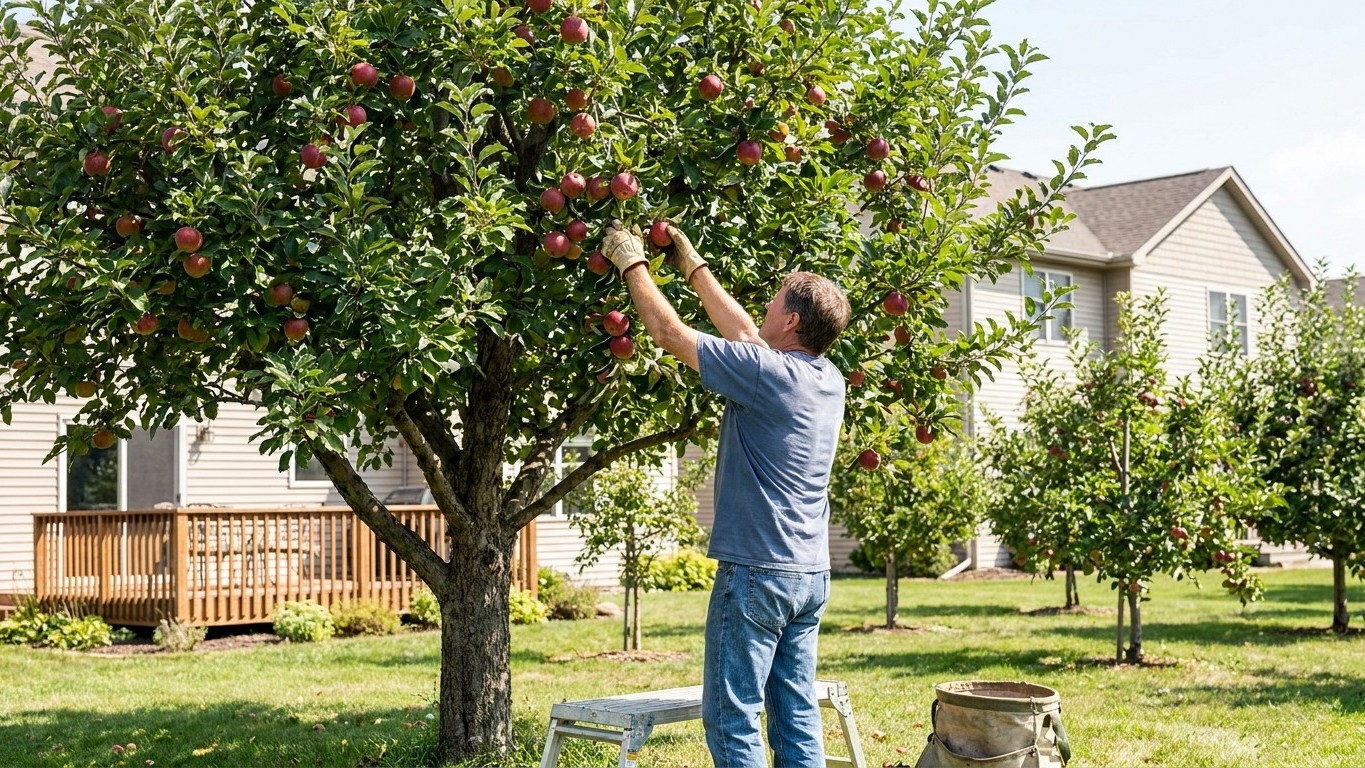
A tree grafted onto G.11 rootstock reaches 12 to 15 feet at maturity, according to Utah State University Extension’s rootstock chart for home garden…
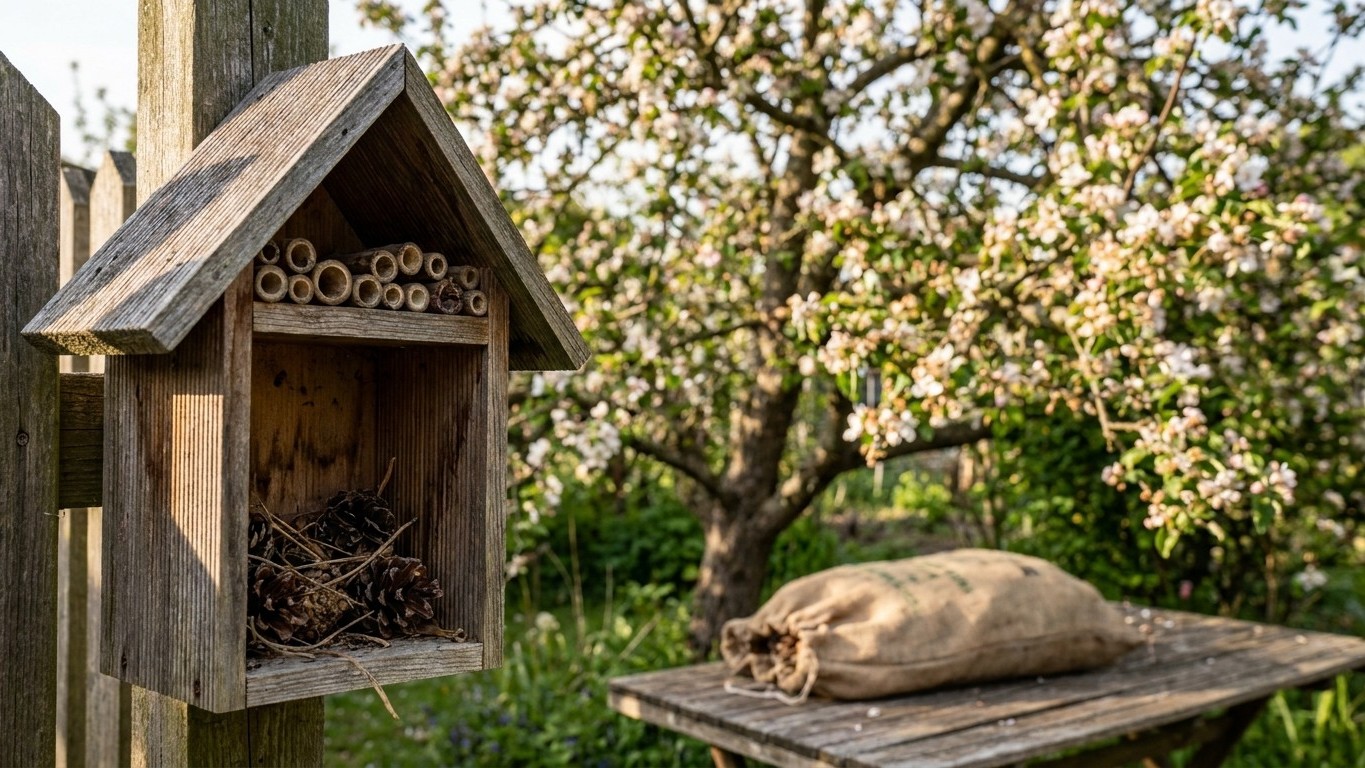
Explains why an apple tree can flower fully yet produce no fruit, covering pollination failure, sterile varieties, frost damage and biennial bearing patterns.
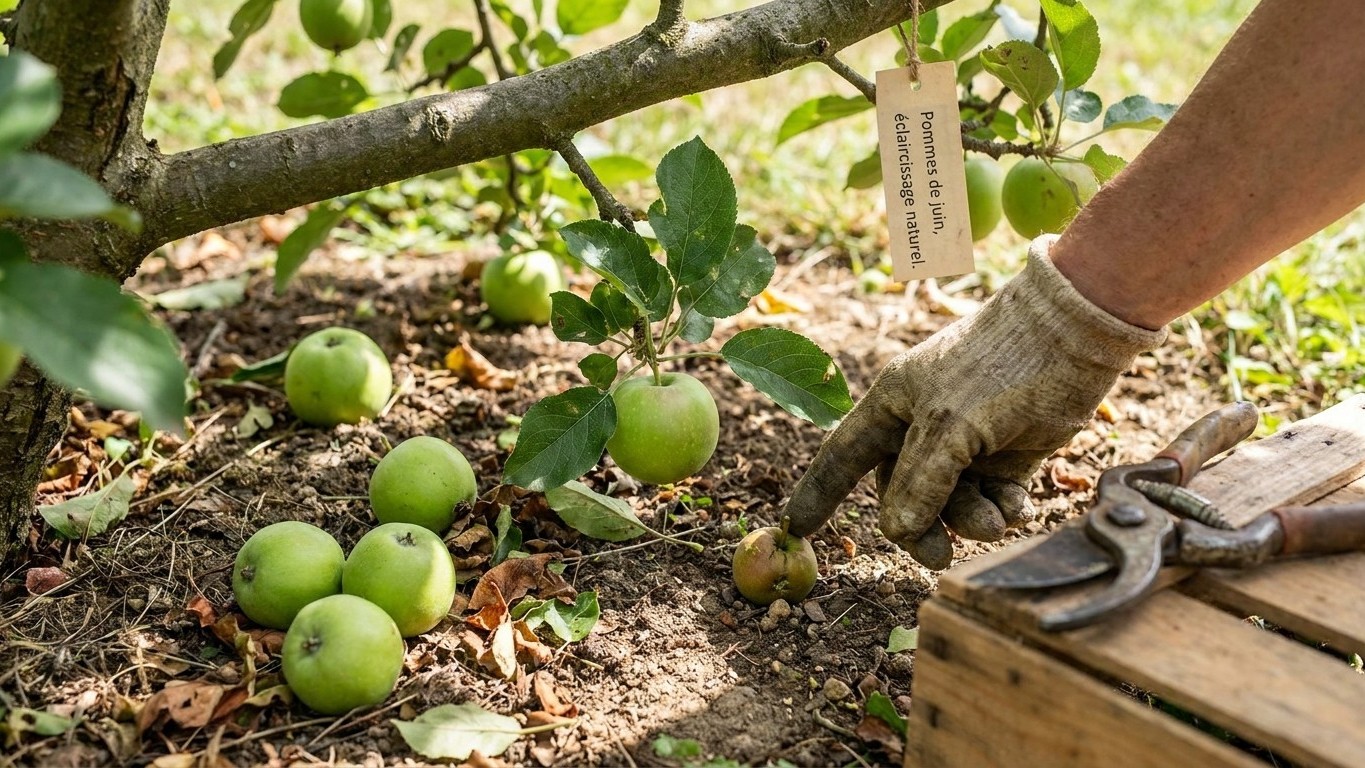
Small apples dropping in June are usually the tree self-thinning after a heavy bloom, not a sign of disease, pests, or poor pollination management.
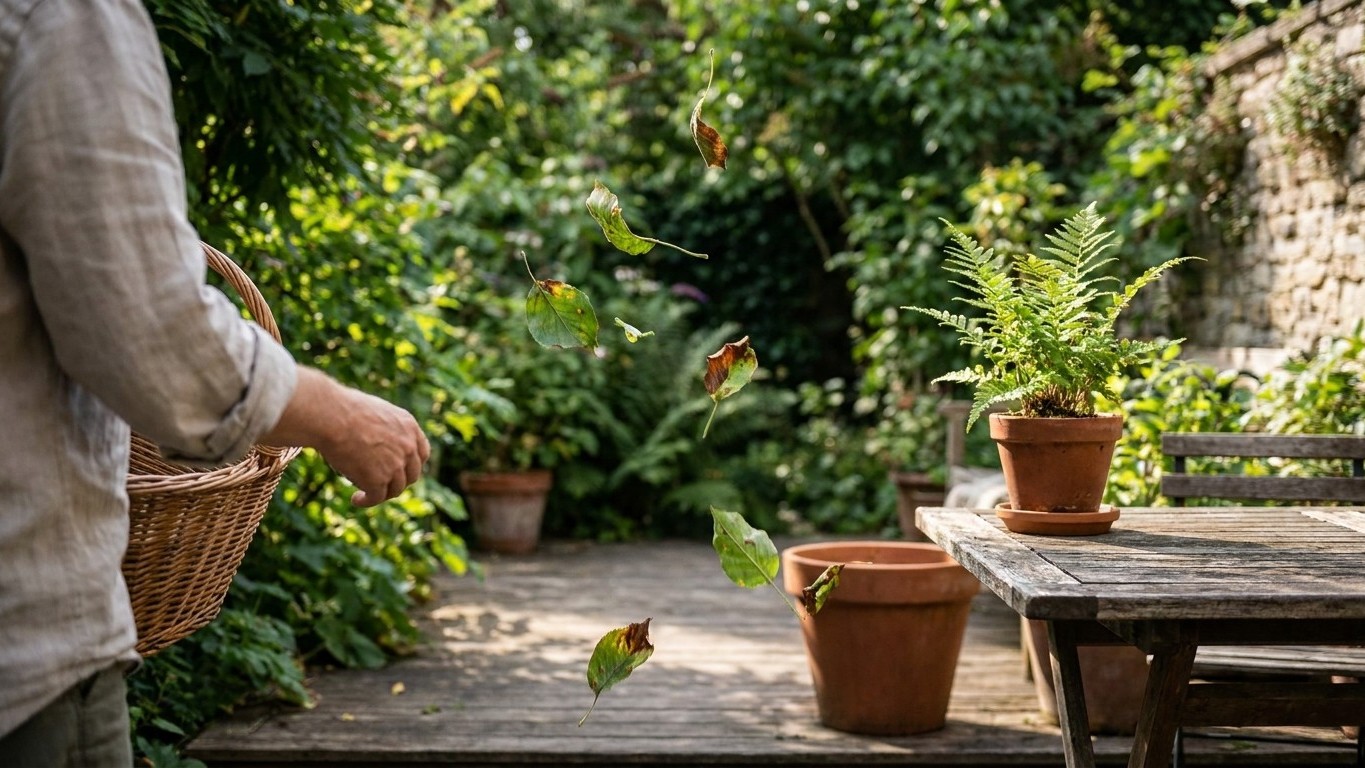
Early leaf drop on apple trees usually means stress, not the arrival of fall. Here’s how to read the pattern and find the real cause.