Apples That Split After Rain
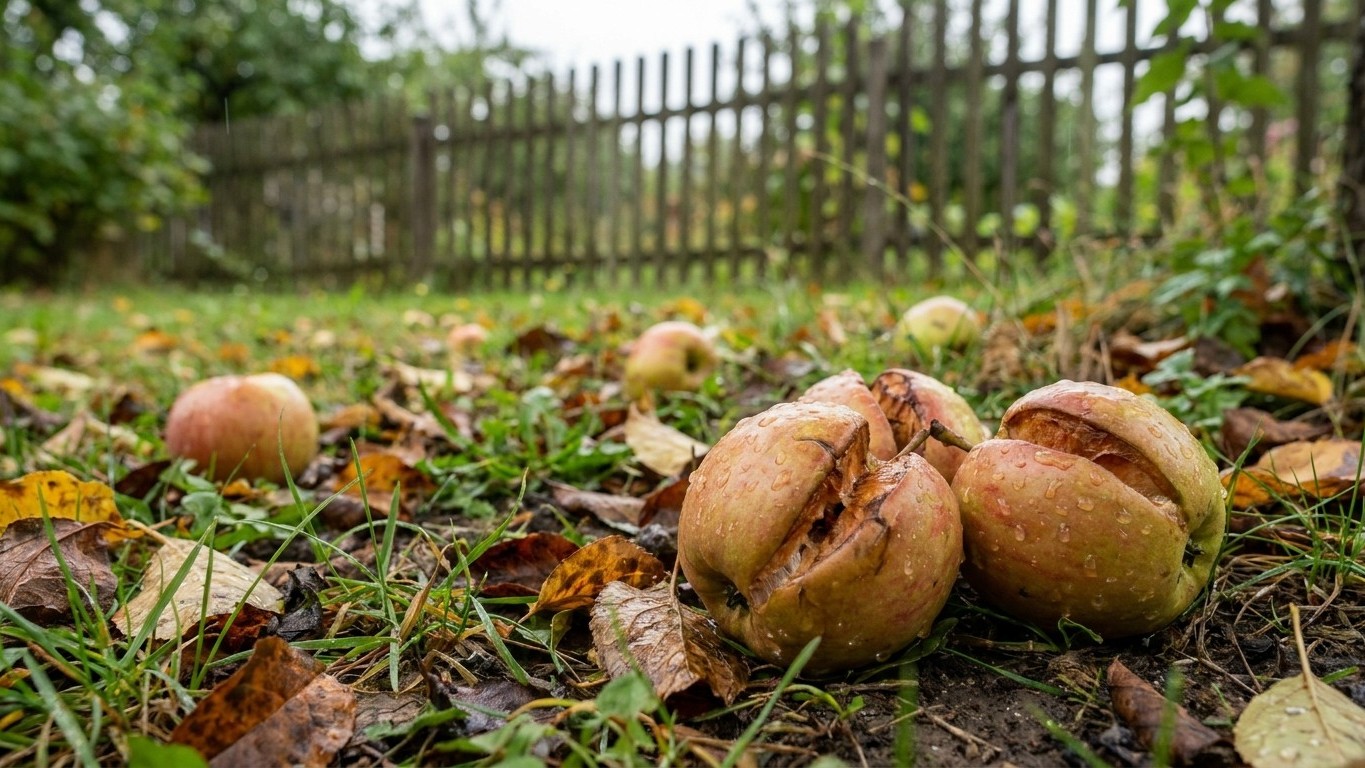
Explains why apples crack open after heavy rain, how to tell a growth crack from sunscald or hail damage, and what to change next season.
Home & garden, state by state
Explains why apples crack open after heavy rain, how to tell a growth crack from sunscald or hail damage, and what to change next season.
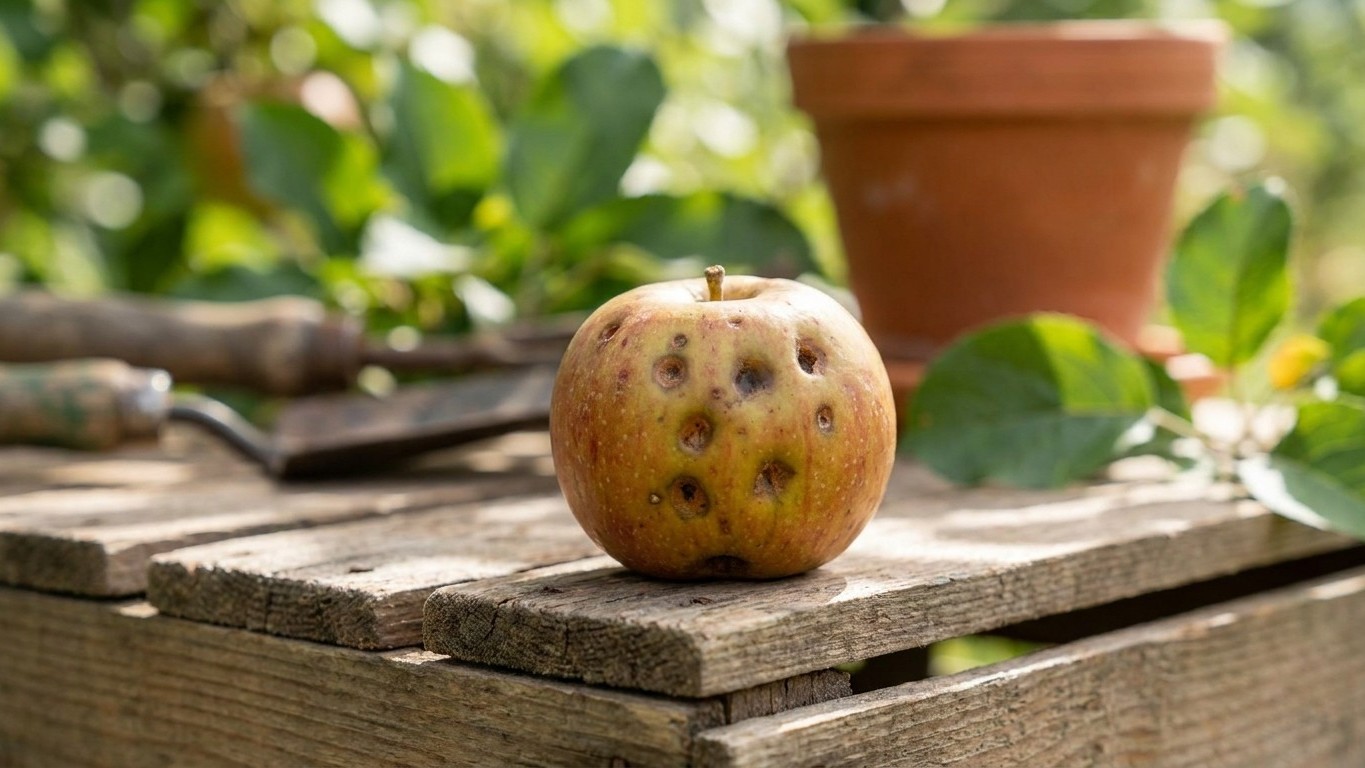
Bitter pit is a calcium deficiency inside the apple, not the soil, causing sunken brown spots that show up at harvest or in storage.
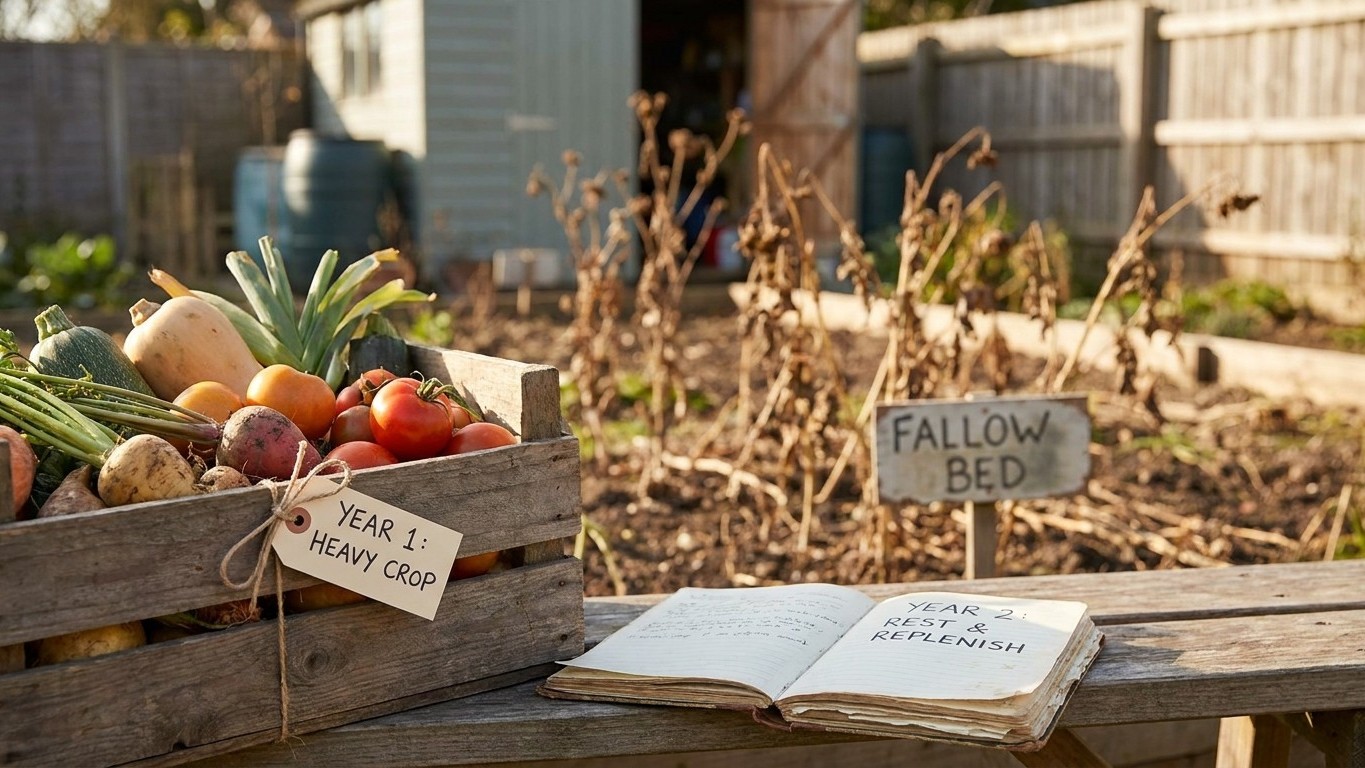
Apple trees that crop heavily one year and barely at all the next are showing alternate bearing, a hormonal pattern you can manage with early fruit thinning.
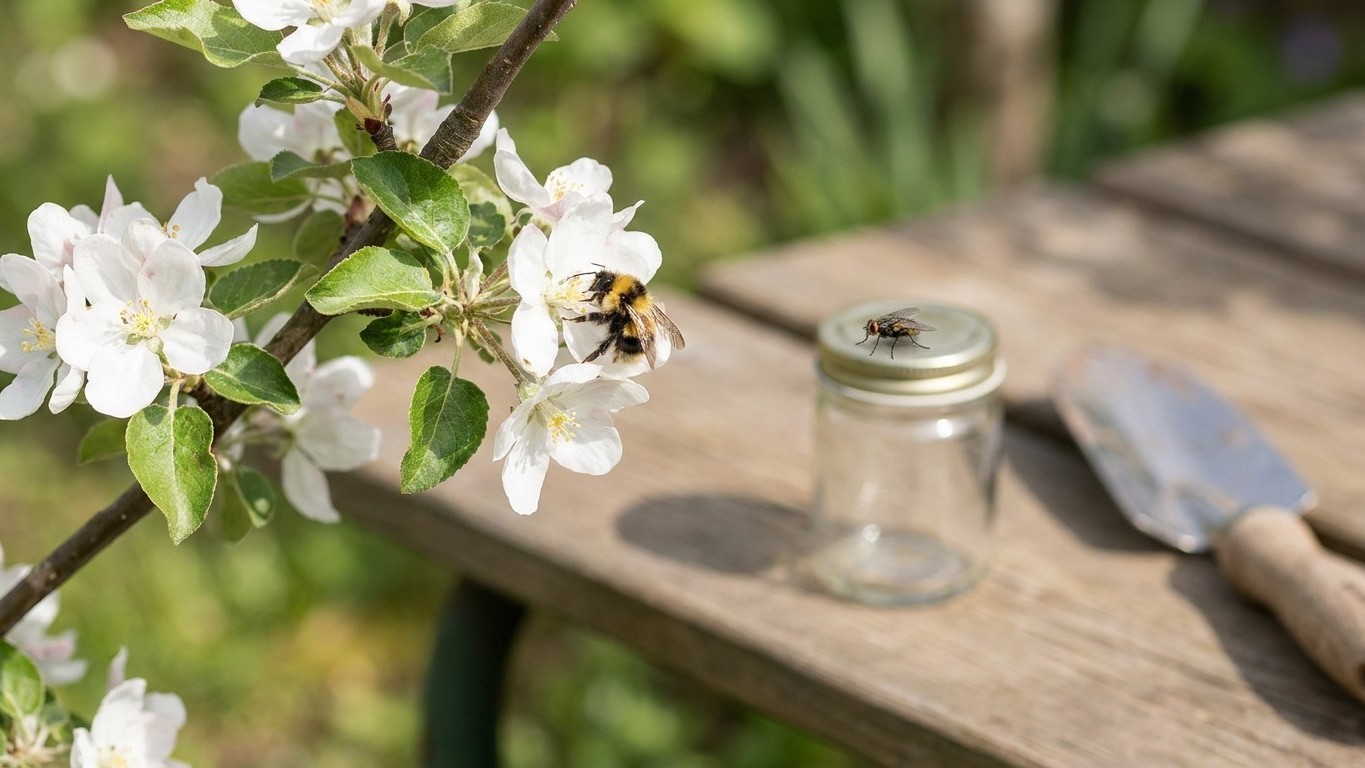
Zestar has no published list of compatible apples, so this page explains how to choose a mid-season pollinator and how many trees you need.
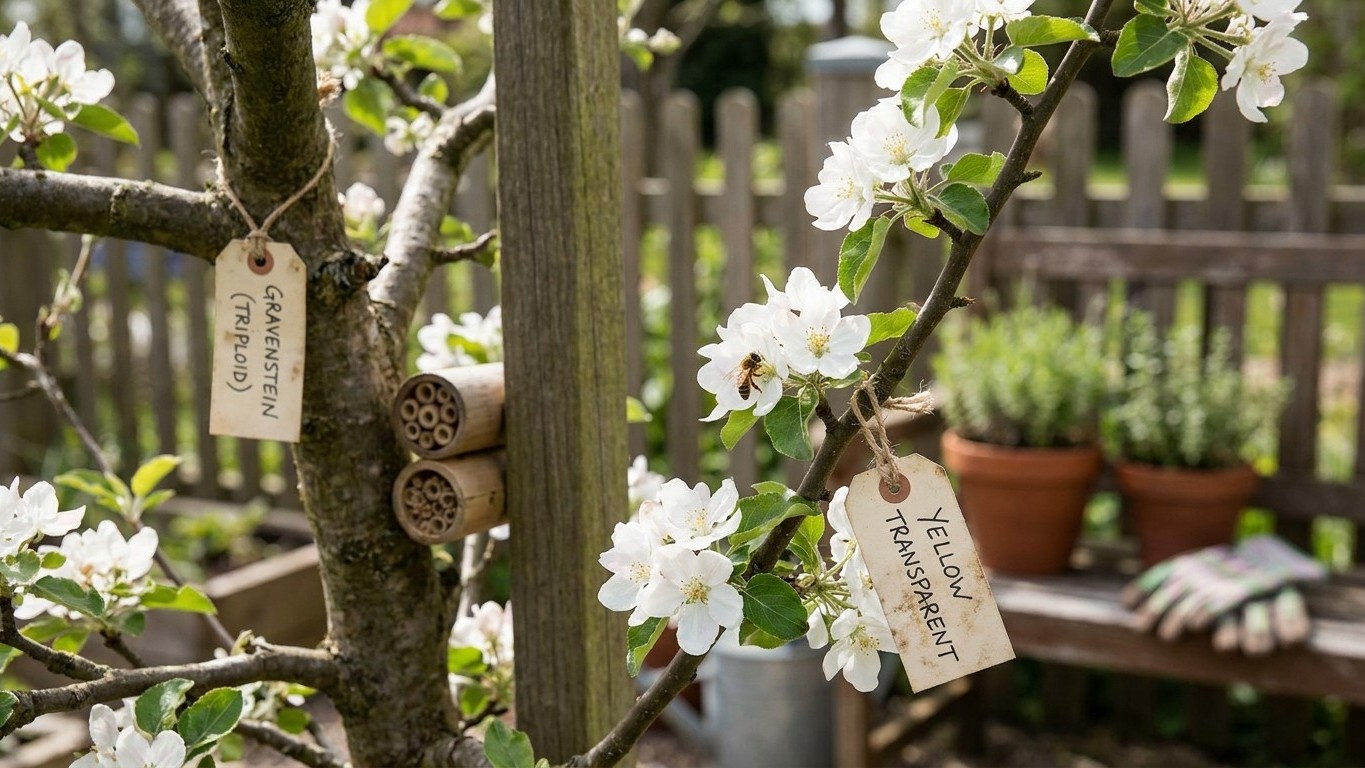
USU Extension gives Yellow Transparent’s bloom timing but no named partner, so this explains how to pick a compatible variety and what won’t work.
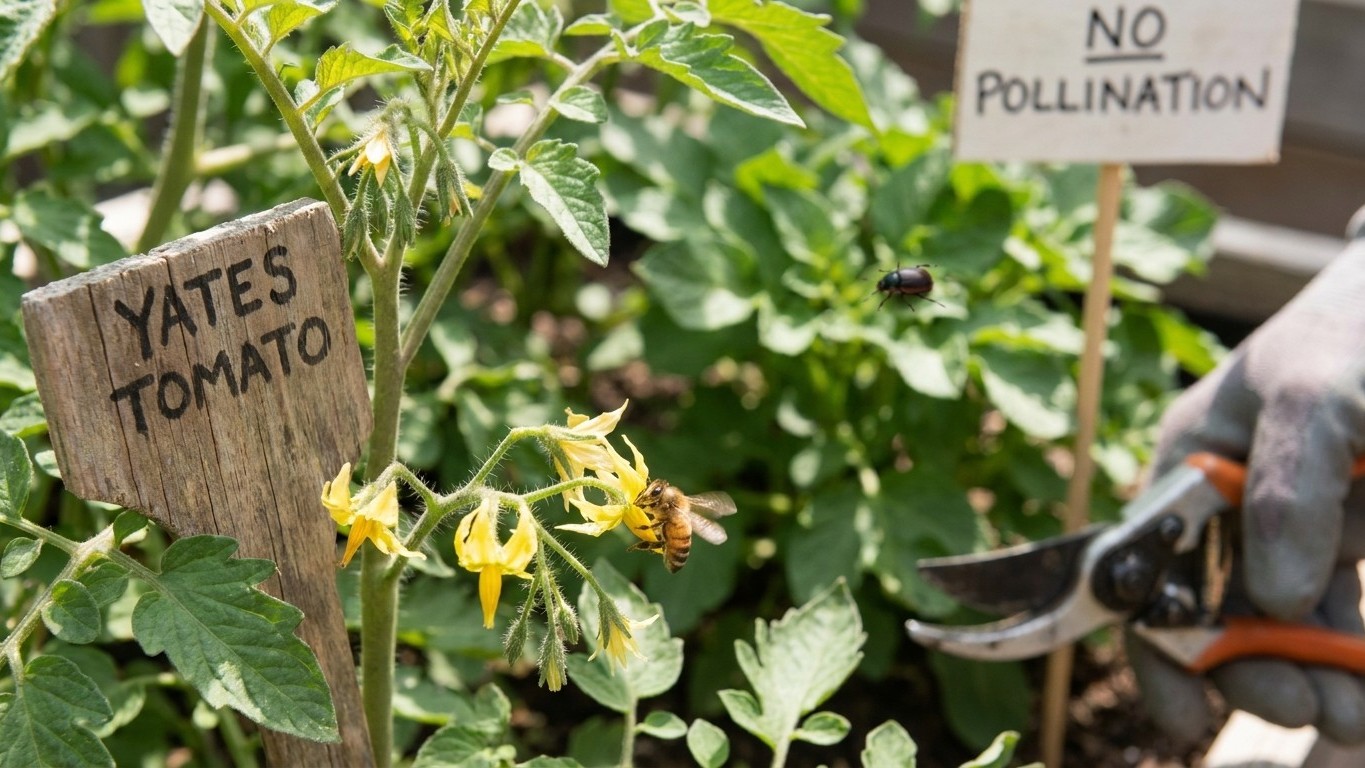
Yates apples need a second tree blooming in the same window, and Clemson Extension lists seven compatible varieties plus one that cannot pollinate it despite matching bloom times.
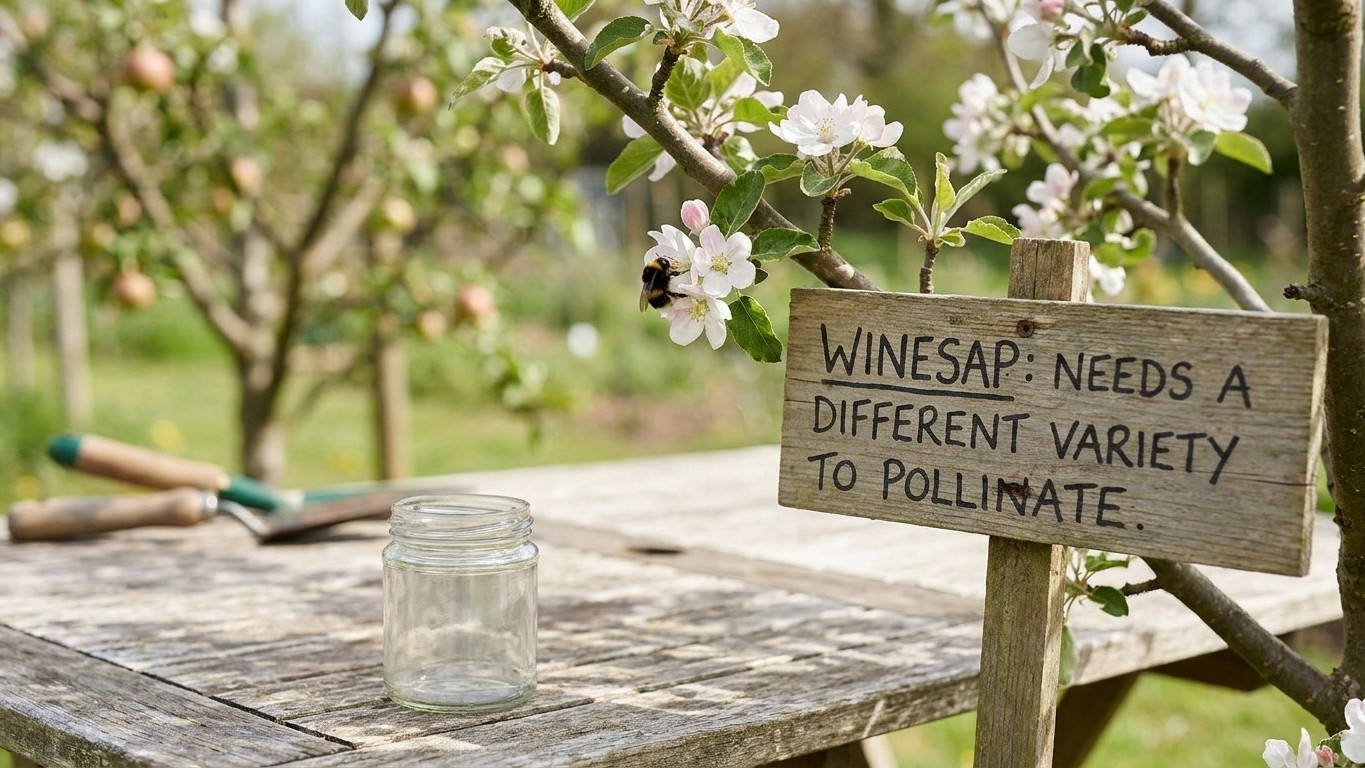
Winesap’s pollen is sterile, so it needs two compatible varieties nearby, not just one, and no specific partner list is published for it.
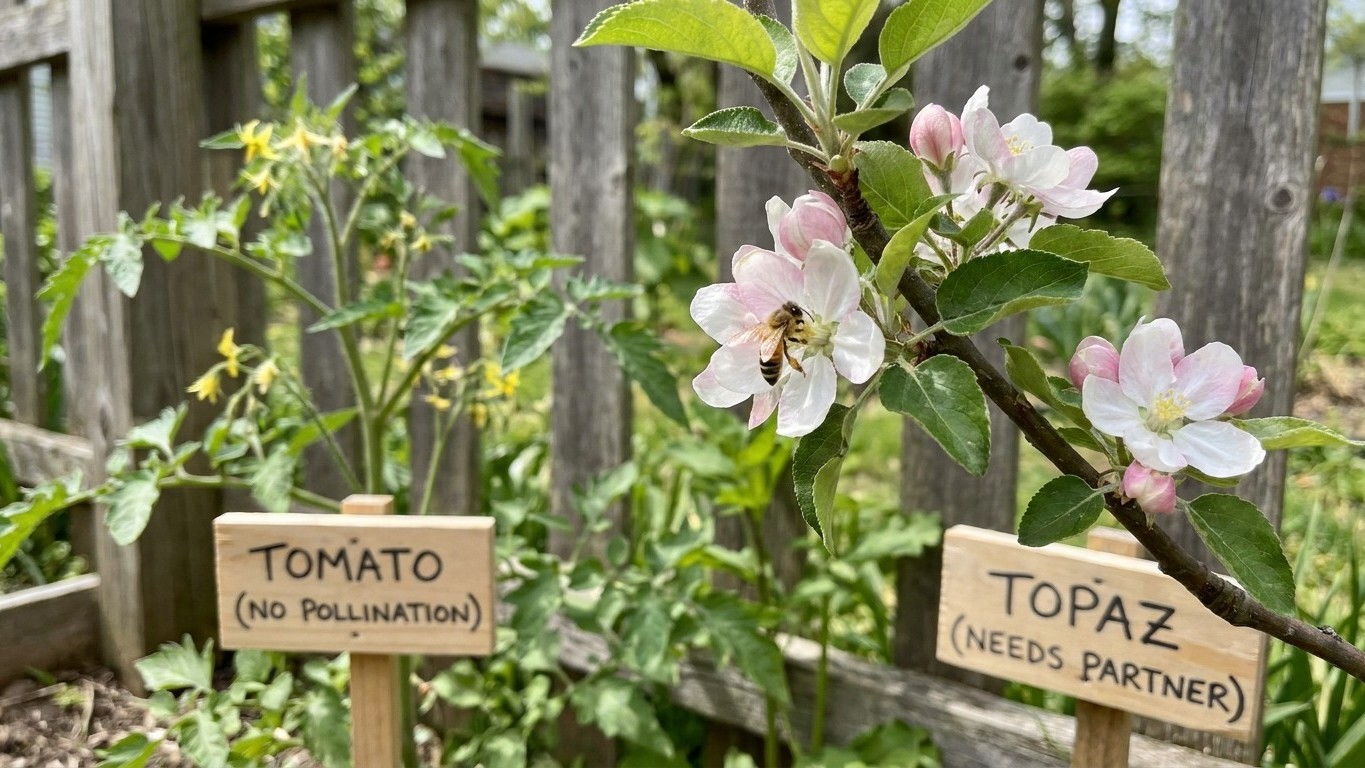
USU Extension lists Topaz as a mid-season bloomer but publishes no partner list, so this explains how to pick a compatible second tree.
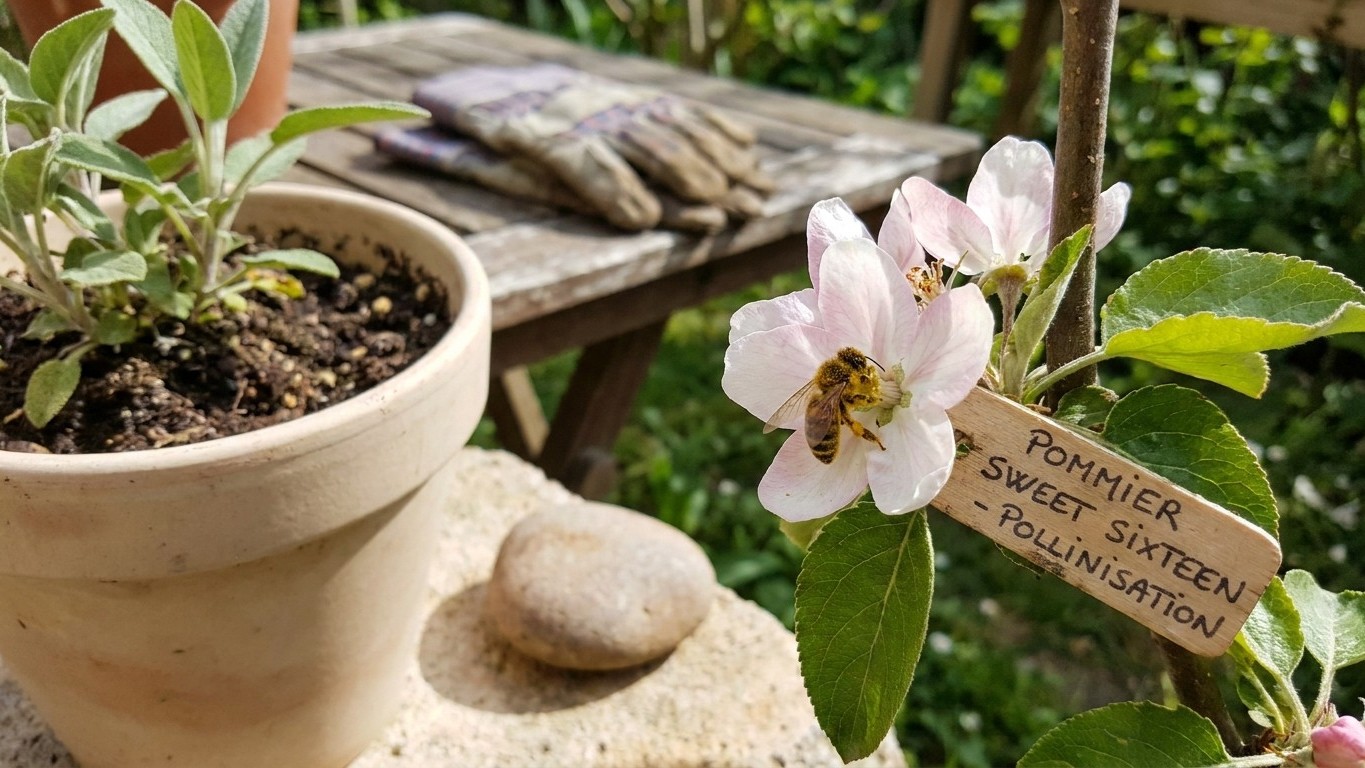
Sweet Sixteen needs a mid-late blooming partner tree since USU publishes no named pollination list, plus what actually stops fruit set.
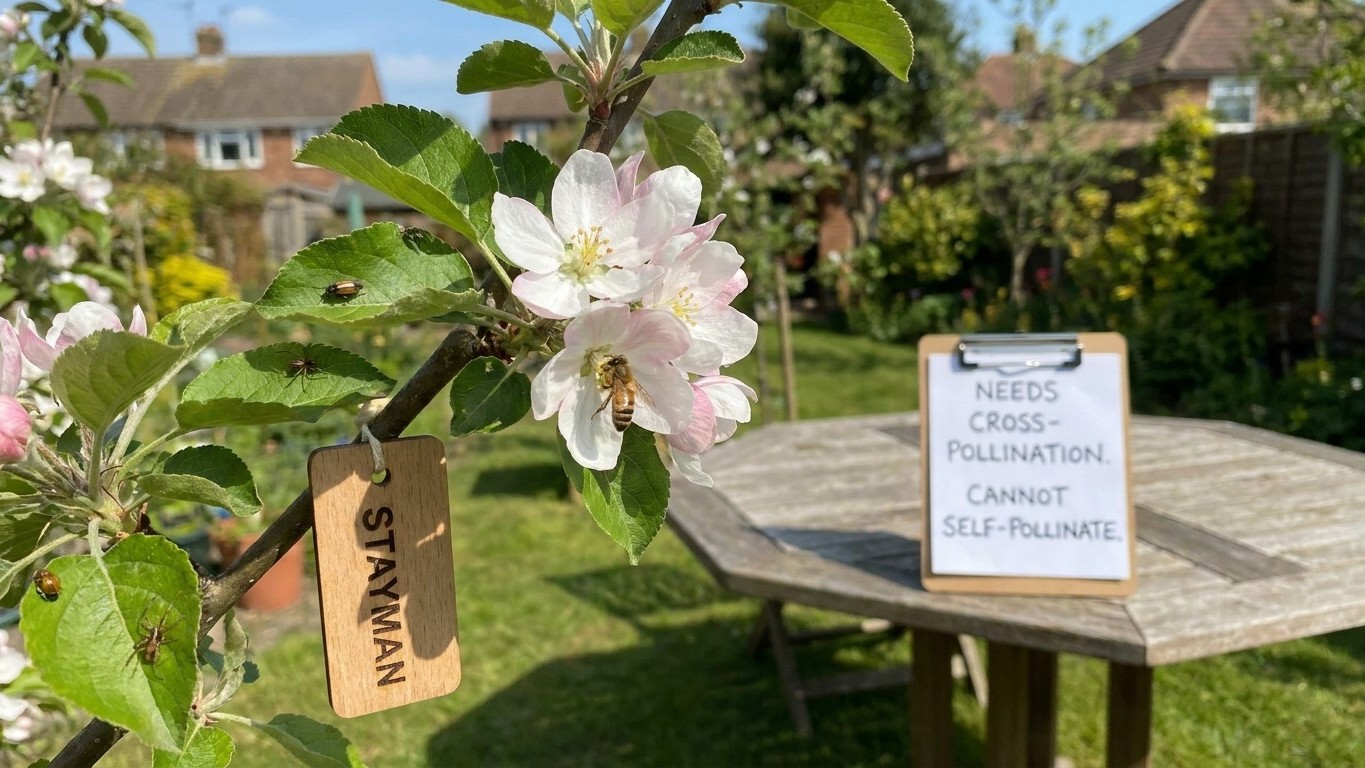
Stayman needs two other apple varieties nearby, one to pollinate it and another to pollinate that partner, because its own pollen is sterile.