The Best Apple Varieties for Arkansas
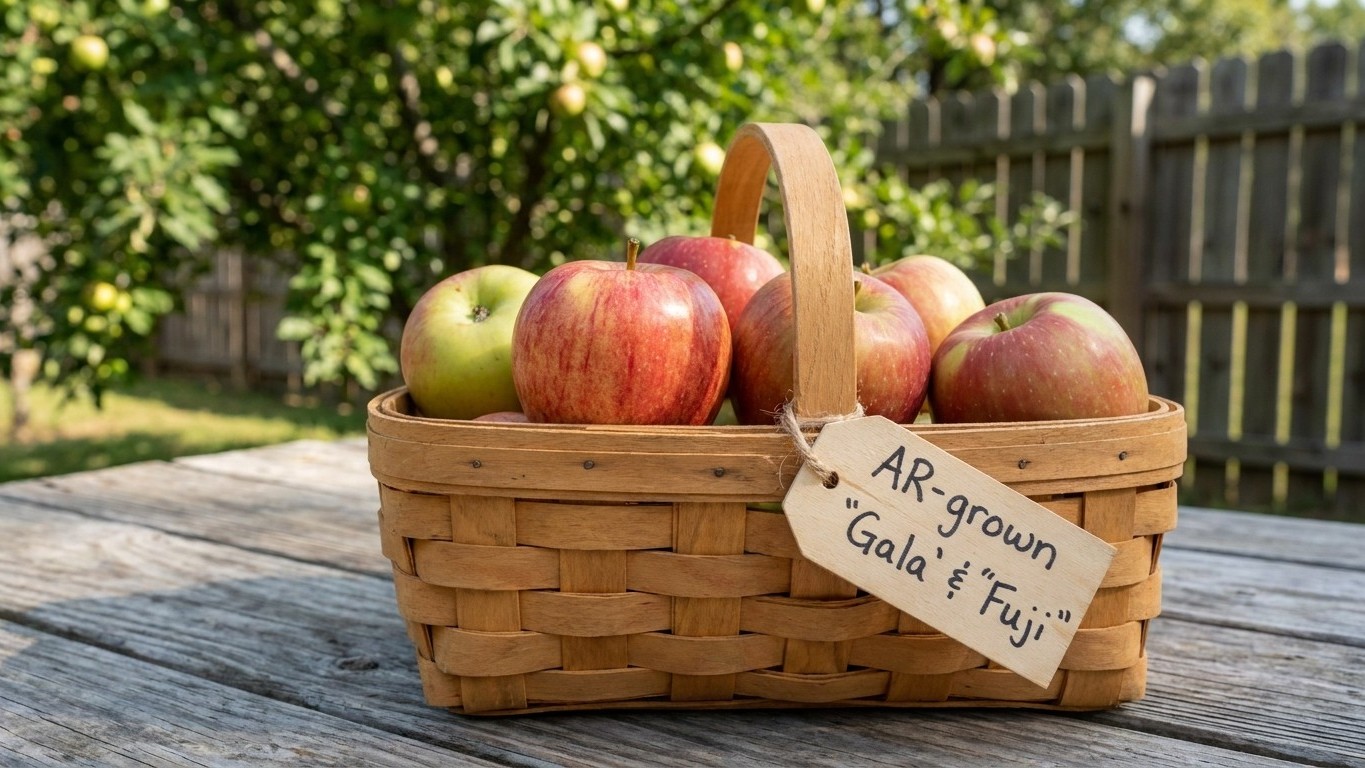
Arkansas apple success depends on matching a tree’s chill and bloom timing to Little Rock’s frost dates, not on a specific variety name alone.
Home & garden, state by state
Arkansas apple success depends on matching a tree’s chill and bloom timing to Little Rock’s frost dates, not on a specific variety name alone.
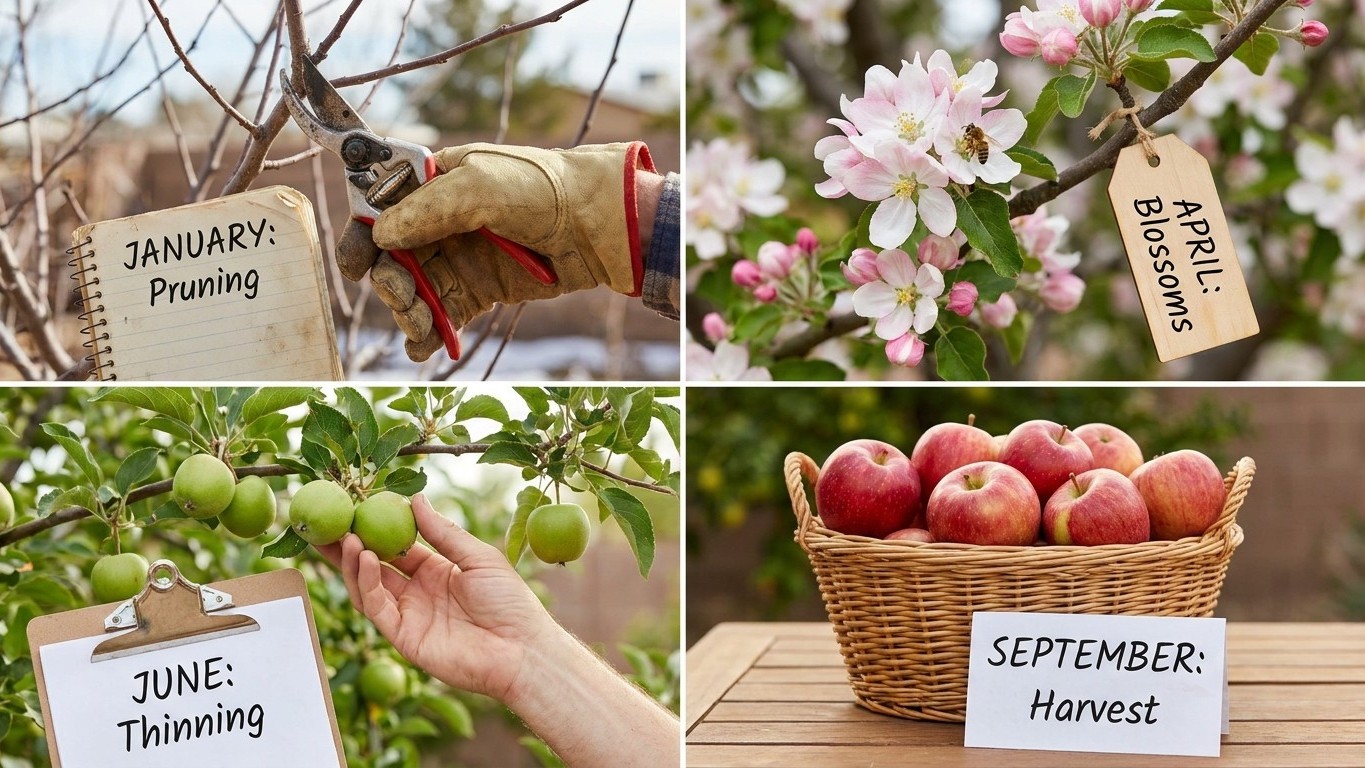
Arizona’s apple calendar runs on winter chill and summer heat, not frost dates, so timing depends on your elevation and the cultivar’s chill requirement.
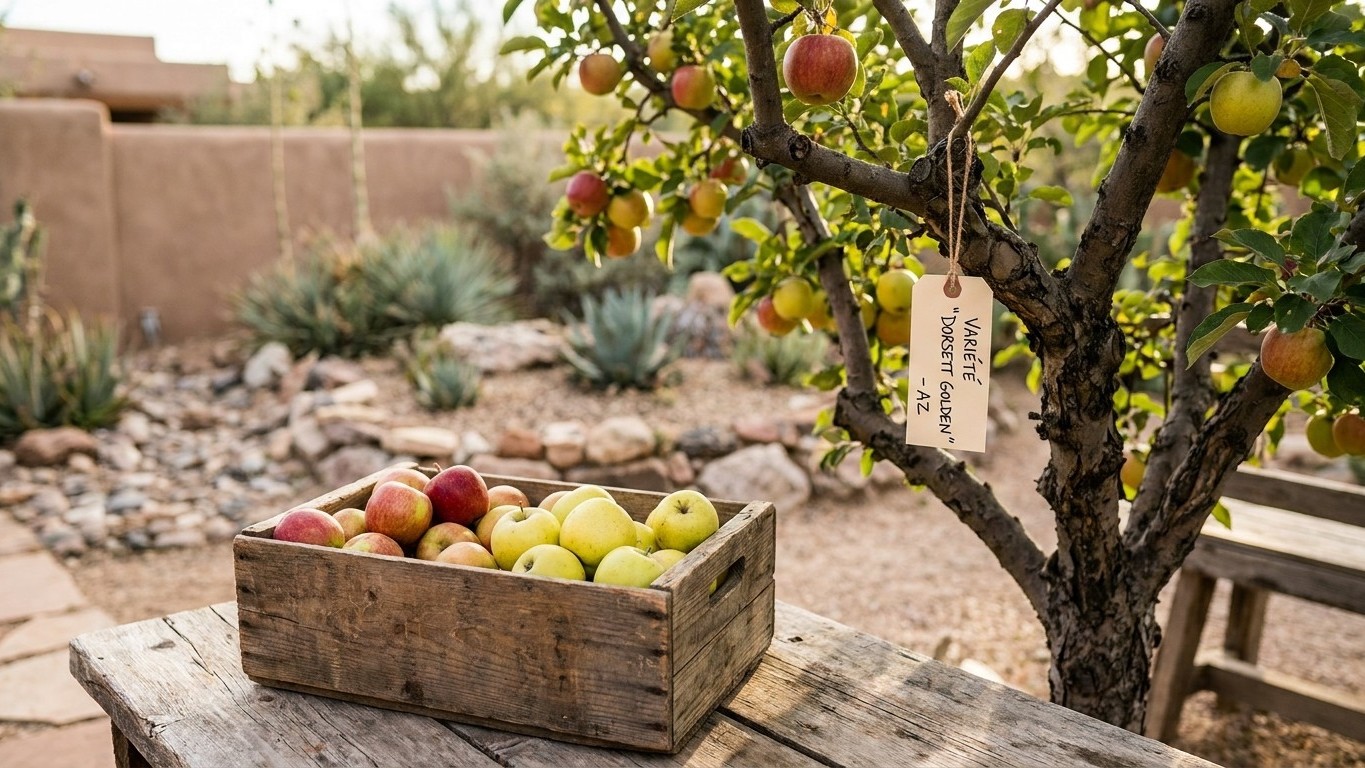
Arizona’s low desert rarely gets enough winter chill for most apple varieties, so choice depends on chill category, elevation, and local extension guidance.
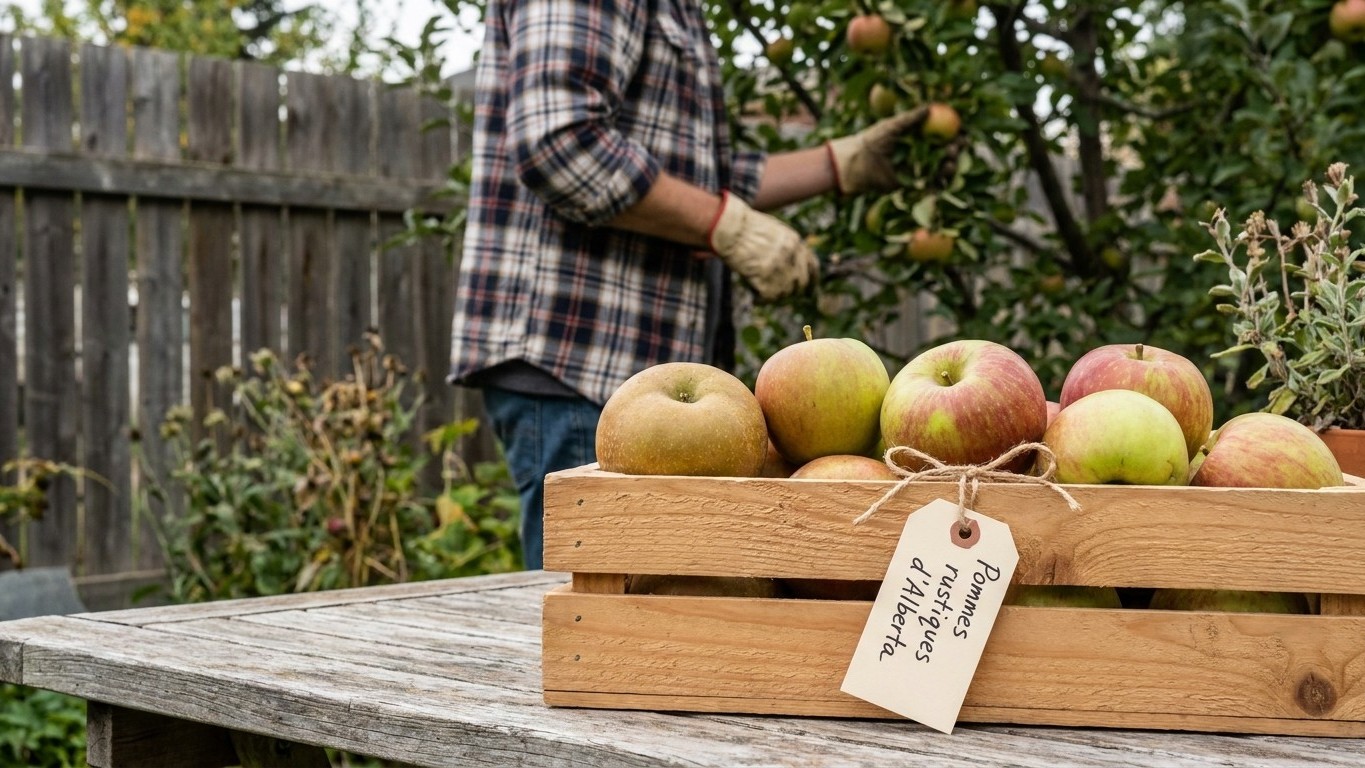
Alberta’s severe winter cold, not its short growing season, determines which apple varieties can survive, using Calgary’s ECCC climate normals as the benchmark.
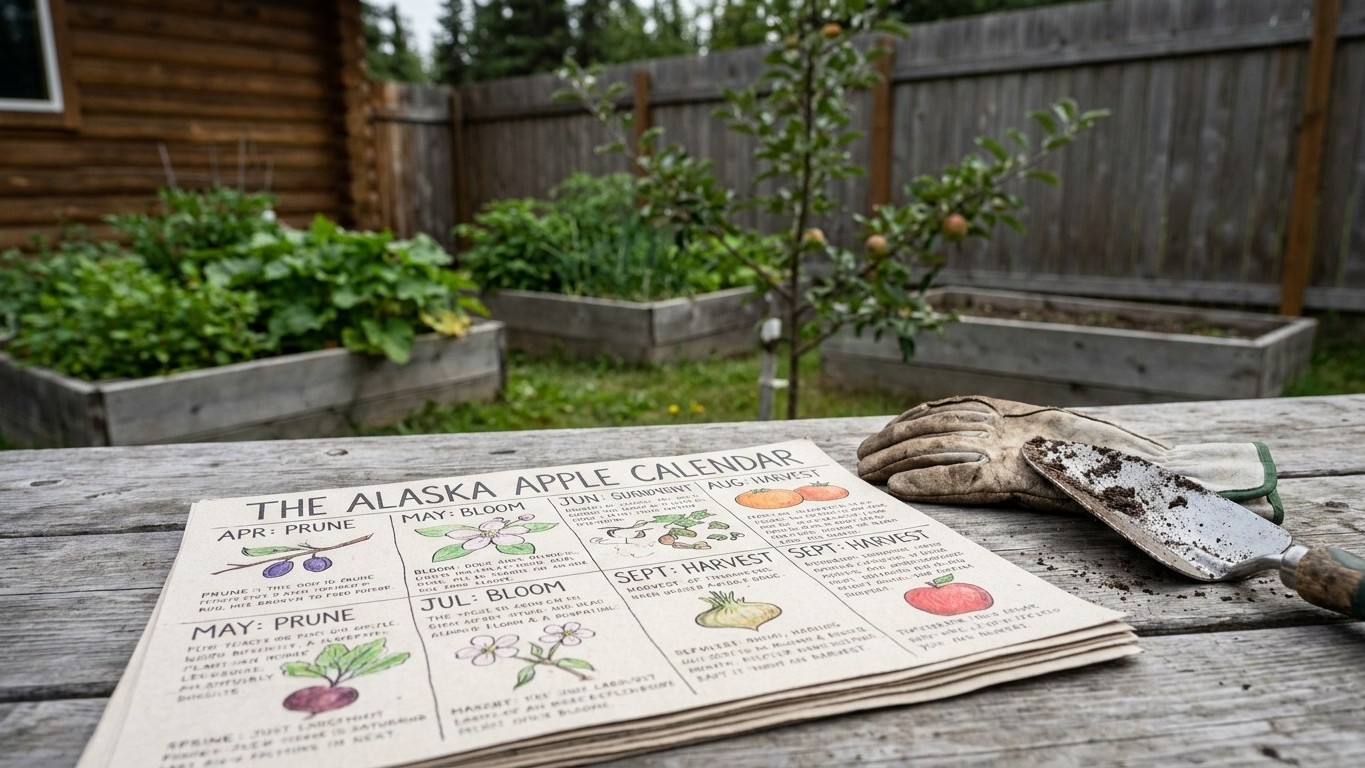
Anchorage’s NOAA frost dates set the apple calendar for Alaska, and this guide walks through each stage from dormancy to harvest with what to check.
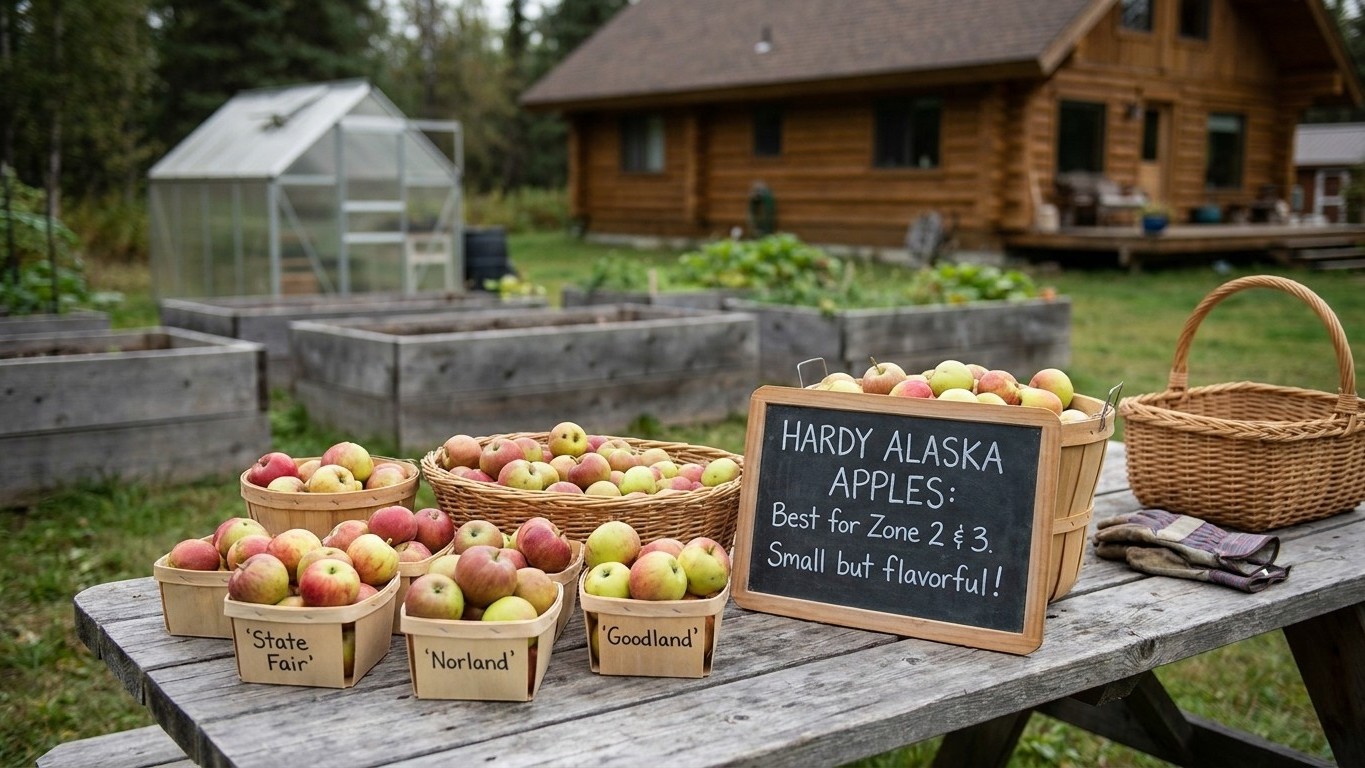
Alaska’s short, cold season limits apple varieties to the hardiest early types, and this page explains what hardiness and chill mean for growers near Anchorage and beyond.
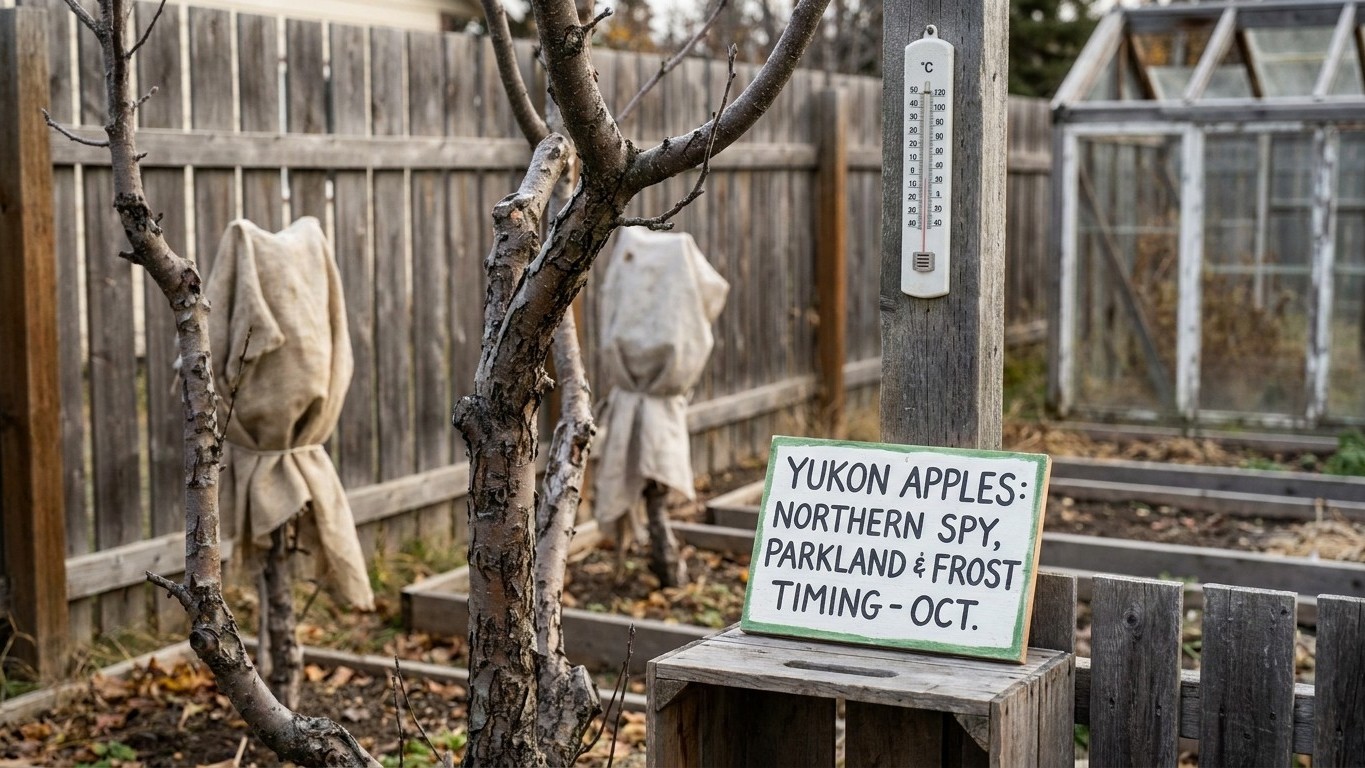
Whitehorse’s brutal winter minimum and short frost-free window mean only a handful of Prairie-bred apple cultivars can survive and ripen fruit in the Yukon.
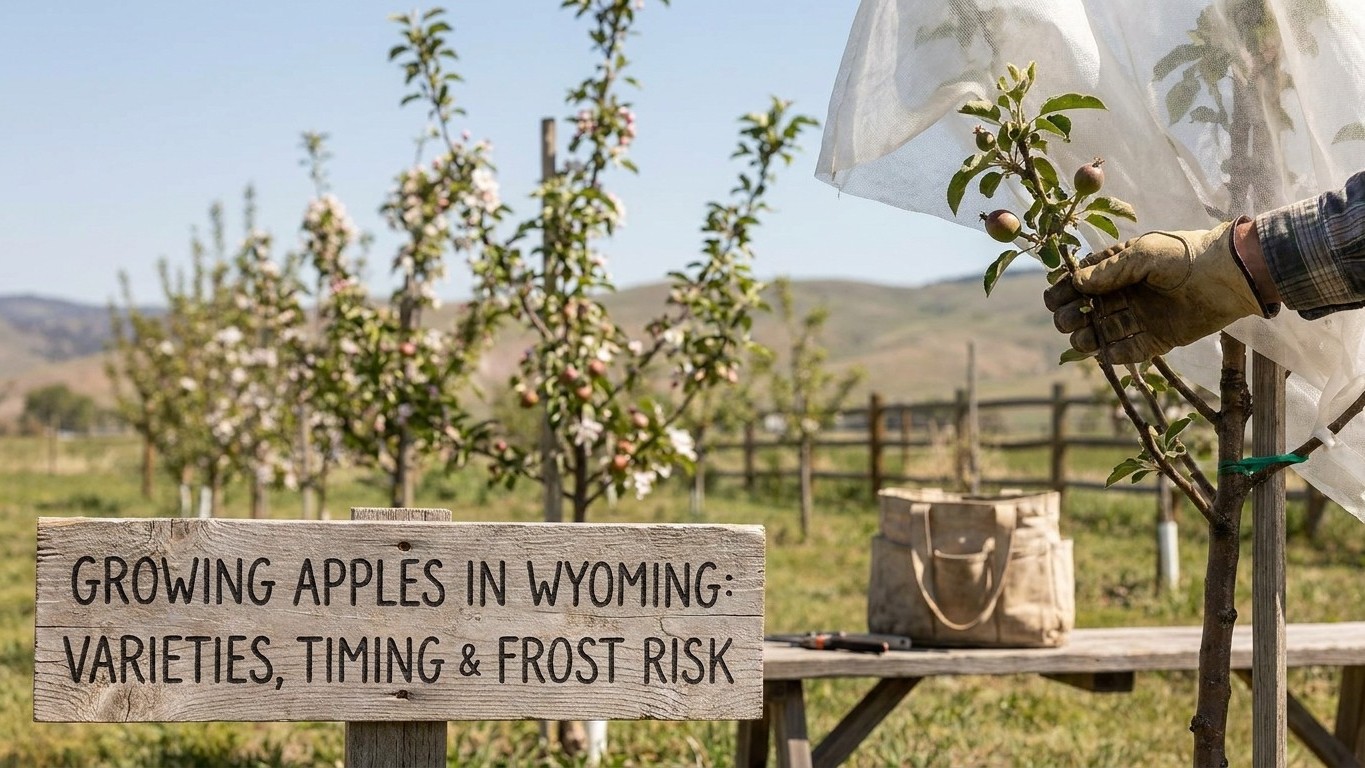
Wyoming spans USDA zones 3a to 6a, and Cheyenne’s climate data shows which cold-hardy apple varieties, pollination pairs, and frost timing actually work here.
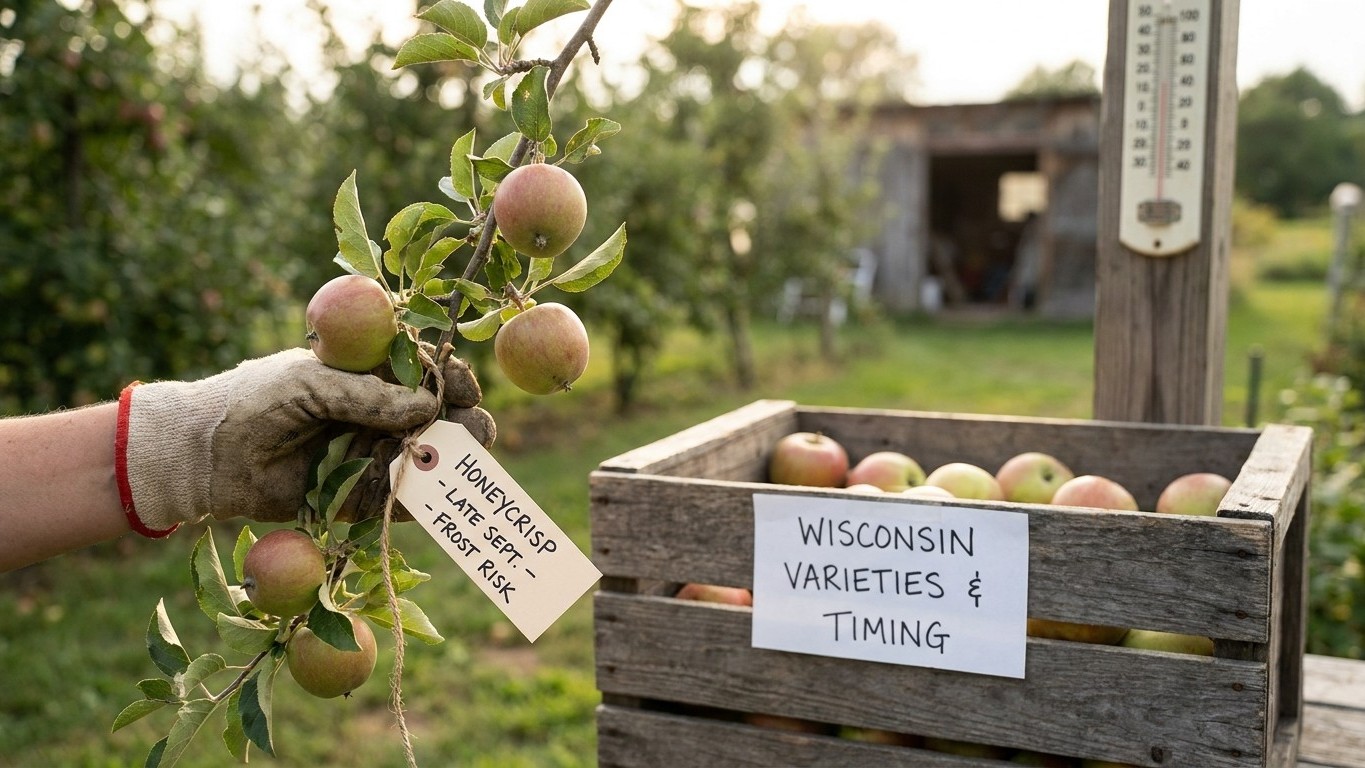
A guide to which apple varieties survive Wisconsin winters, how to pair pollinators correctly, and why the state’s spring frost window can erase a bloom.
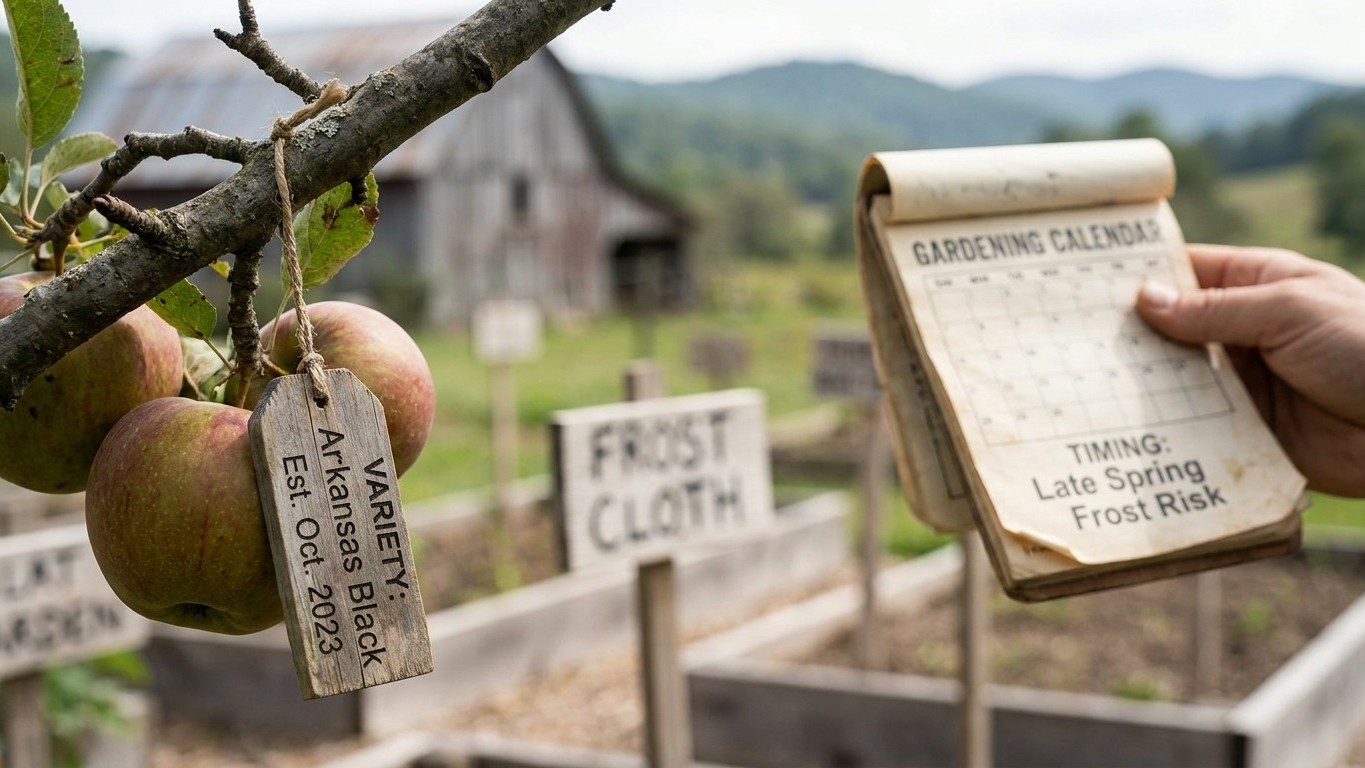
West Virginia spans USDA zones 5a to 7a, and last-frost timing at Charleston shifts earlier or later depending on elevation and variety bloom time.