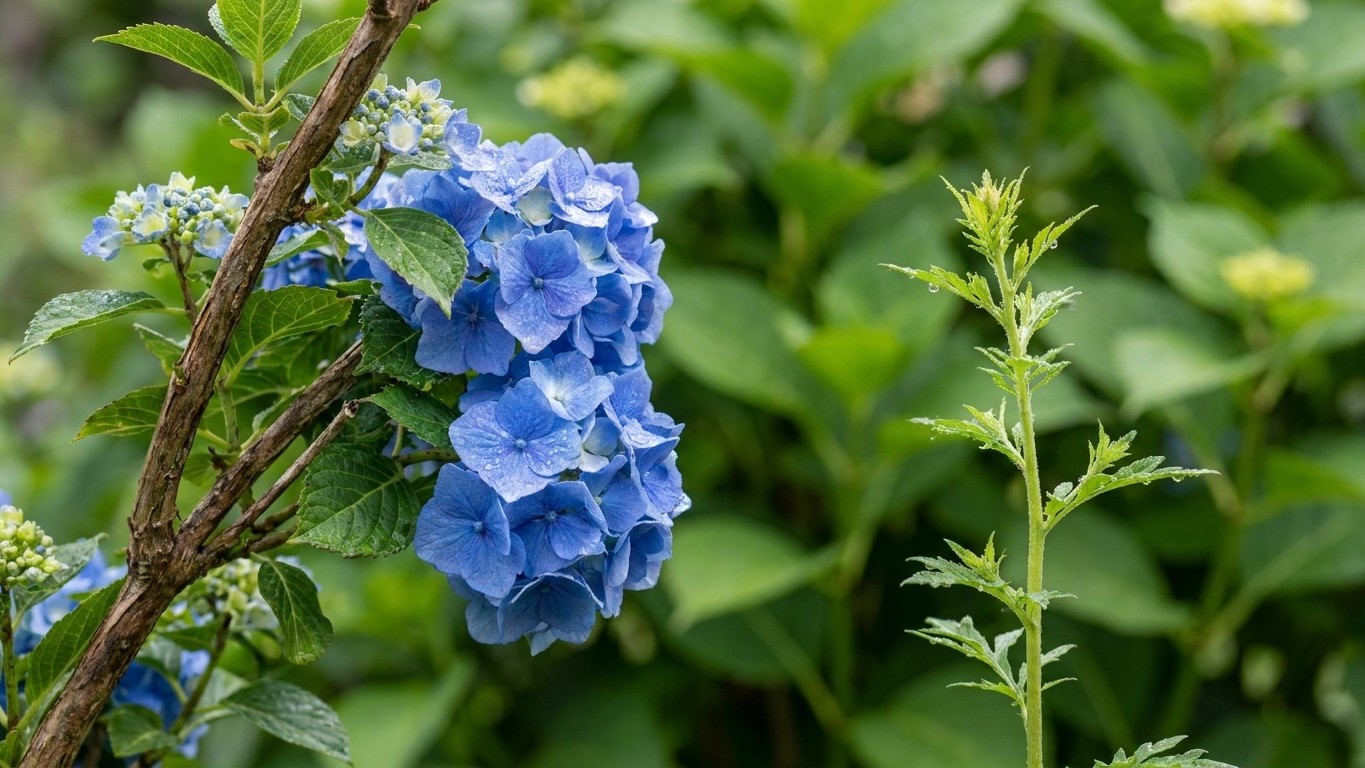

The right month depends on when your hydrangea builds its flower buds. Some types set next summer’s buds on this year’s stems by early fall, so they get pruned right after they bloom. Others flower on stems that grow in spring, so they get cut in late winter. Mix those up and a tidy-looking shrub gives you nothing but leaves. Maryland’s mild winters and late-spring freezes make that sorting matter more than any calendar date.
What this comes down to in Maryland

At Baltimore, the reference station for the state, the normal last spring frost falls between April 3 and April 16, and spring pruning is timed around that window. Hydrangeas that bloom on new growth get cut in the weeks before it, while those that bloom on old wood are left alone in spring and pruned in summer, within a few weeks after the flowers fade. Both dates come from NOAA NCEI Climate Normals for the Baltimore station, which also puts the first fall frost between October 26 and November 5.
That second window explains why summer is the cutoff for old-wood types. Buds for next year’s flowers form in late summer and early fall, so a cut made in August, September or October removes them. A late cut can also push soft new growth that the first freeze then burns.
Which hydrangeas bloom on old wood?
Bigleaf hydrangeas (the mopheads and lacecaps), mountain hydrangeas, oakleaf hydrangeas and climbing hydrangeas all carry their buds on stems that grew the year before. Those buds sit on bare wood all winter, which is why a hard winter or a spring freeze can wipe out the bloom without touching the leaves. Prune these right after the flowers fade, and keep the cuts light: spent flower heads, dead stems, and perhaps a few of the oldest canes taken to the base.
Reblooming bigleaf types flower on old wood and on new growth. They forgive more, but the same rule applies. A light trim after the first flush is safer than a spring haircut.
Which hydrangeas bloom on new wood?
Panicle hydrangeas, with their cone-shaped flower clusters, and smooth hydrangeas, including the white snowball types such as Annabelle, flower on stems that grow in the same season. They can take a cut from late winter to early spring, before the leaf buds open. Panicles can lose some of their height. Smooth hydrangeas can be cut down to a low framework above the ground.
| Type | Flowers on | Best time to prune | How much |
|---|---|---|---|
| Bigleaf | Old wood | Within a few weeks after blooms fade | Spent heads, dead stems, a few old canes |
| Reblooming bigleaf | Old and new wood | After the first flush | Light trim only |
| Mountain | Old wood | Right after bloom | Light |
| Oakleaf | Old wood | Right after bloom | Very light, mostly shaping |
| Panicle | New wood | Late winter to early spring | Up to a third |
| Smooth | New wood | Late winter | Down to a low framework |
Working it out for your own garden
A date on a chart only helps if you know which row your shrub belongs in, and the method works the same after a move or in an odd weather year. Start by naming the type, then tie each cut to the frost windows above.
How do you tell which type you have?
Leaves and flowers usually settle it. Big, glossy, coarsely toothed leaves with round or flat flower heads mean bigleaf. Leaves shaped like oak leaves, with long white flower spikes, mean oakleaf. Cone-shaped clusters that open white and age to pink mean panicle. Thin, soft green leaves with big round white heads on floppy stems mean smooth.
If the tag is long gone and the shrub is a mystery, run a no-cut year. Remove only dead wood and note what happens. Flowers that open in early summer on stems that came through the winter point to old wood. Flowers that start in midsummer on stems that grew that spring point to new wood.
How do you tell dead stems from living ones before cutting?
Wait for leaves. Old-wood hydrangeas can look dead in March and still be fine, and a warm spell can swell buds that a freeze later damages. Once the April 3 to April 16 window has passed and the shrub has begun to leaf out, stems that stay bare are suspect. Scratch the bark with a thumbnail. Green underneath means the stem is alive, so leave it. Brown and dry means cut it back to a living bud or to the base.
What does the calendar look like for each type?
For new-wood types, count back four to six weeks from a last-frost window of April 3 to April 16. That lands in a range, late February to mid-March, and any mild day in it works. For old-wood types, start from the flowers instead. The cut comes when the blooms fade, normally July, which leaves roughly three months before the first fall frost window opens on October 26. The shrub has that long to set next year’s buds without interference.
What changes across the state
The Baltimore dates describe the middle of Maryland. The USDA Plant Hardiness Zone Map, which rates a place only by its average yearly lowest temperature, runs from 5b to 8a across the state. That is a wide spread for one shrub family, and it moves the pruning calendar in both directions.
Western Maryland, meaning Garrett and Allegany counties, is mountainous and runs weeks later than Baltimore. Buds break later, freezes arrive earlier in fall, and winters are colder. Old-wood hydrangeas there lose flower buds to cold more often, so pruning them lightly and late in spring, after leaves show, is the safer habit. Many gardeners at higher elevations lean on panicle and smooth types because their flowers do not depend on buds surviving the winter. Which Hydrangeas Survive a Maryland Winter sorts the types by hardiness.
The Eastern Shore runs milder. Warmth from the water and the flat, low ground let growth start early, sometimes during a stretch of warm days in late winter. That makes the new-wood cut easy to do early, but it also makes the spring freeze after a false start a real risk for swelling buds on old-wood shrubs. Southern Maryland and the Chesapeake shoreline sit between the two extremes. A sheltered spot against a south wall or a hollow where cold air pools can shift timing as much as the county does, so watch your own shrub’s buds as much as the calendar.
The mistakes this state punishes

The most common one is the March cleanup. A warm week in late winter sends gardeners out with loppers, and a bigleaf or oakleaf cut back then loses the buds it was about to open. The shrub survives and grows a full set of leaves, then skips flowering. When the urge strikes, take out only the stems that scratch brown, and wait for the rest.
The second is cutting old-wood types too late in summer. Anything after midsummer trims into the buds that formed for next year, and a fall tidy-up before the first frost window is no safer. Leave the stems standing through winter. They also shelter the buds below them from some of the cold.
Third, pruning a panicle or smooth hydrangea after it has fully leafed out. These bloom on new growth, but a late hard cut resets that growth and pushes flowering later into the season, sometimes into the weeks when the first fall freeze is close. Do the work before the leaf buds open.
Fourth, panicking after a cold winter. Bigleaf stems often die back partway, and cutting everything to the ground in March throws away live buds lower down. Wait until leaves show, then cut each stem back to the first pair of healthy buds.
Last, expecting a pruning cut to change flower color. A hydrangea that blooms pink where you wanted blue is a soil question, and Why Hydrangeas Are Pink in Maryland, and How to Turn Them Blue covers it.
Checking this against your county
The Baltimore dates are a starting point, since your own yard may be weeks ahead or behind. Your county office at University of Maryland Extension can tell you how local conditions shift the timing, and its horticulture staff can help identify a shrub you cannot name. For planting, soil and general care, see the state guide to growing hydrangeas in Maryland.
Common questions
Can I prune hydrangeas in the fall in Maryland?
Only to remove dead or broken stems. The first fall frost window at Baltimore runs from October 26 to November 5, and by then old-wood types have already set their buds. A fall cut takes them off, and on any type it can encourage tender growth right before a freeze.
Should I cut hydrangeas to the ground in winter?
Smooth hydrangeas take it well and often bloom better after a hard cut in late winter. Panicles do better with a trim of up to a third. Bigleaf, mountain and oakleaf types should not be cut to the ground, because that removes the buds they flower from.
Why did my hydrangea not bloom after I pruned it?
The likeliest cause is that it flowers on old wood and the cut took the buds. A cold winter or a spring freeze after early growth can do the same thing. If you did not prune, check for winter damage. Either way, give it a full season of light care and prune only after the next bloom.
What if I cannot tell which type I have?
Remove only dead wood for one year and watch when and where the flowers appear. Flowers on stems that survived winter mean old wood, and flowers on stems that grew that spring mean new wood. After that you can prune on the right schedule.