Growing Apples in Washington: Varieties, Timing and Frost Risk
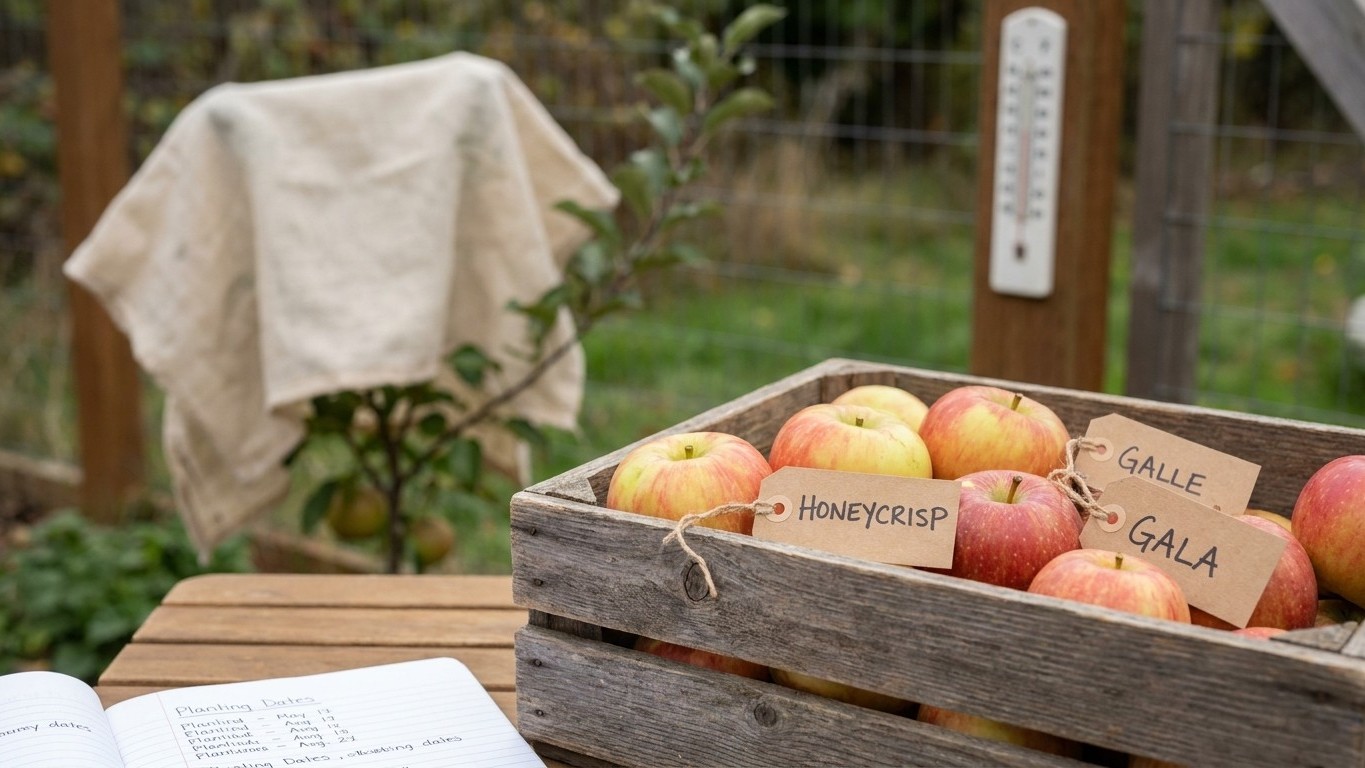
Apple variety, pollination pairing and frost timing all depend on which part of Washington you’re growing in, from the mild coast to the dry east.
Home & garden, state by state
Apple variety, pollination pairing and frost timing all depend on which part of Washington you’re growing in, from the mild coast to the dry east.
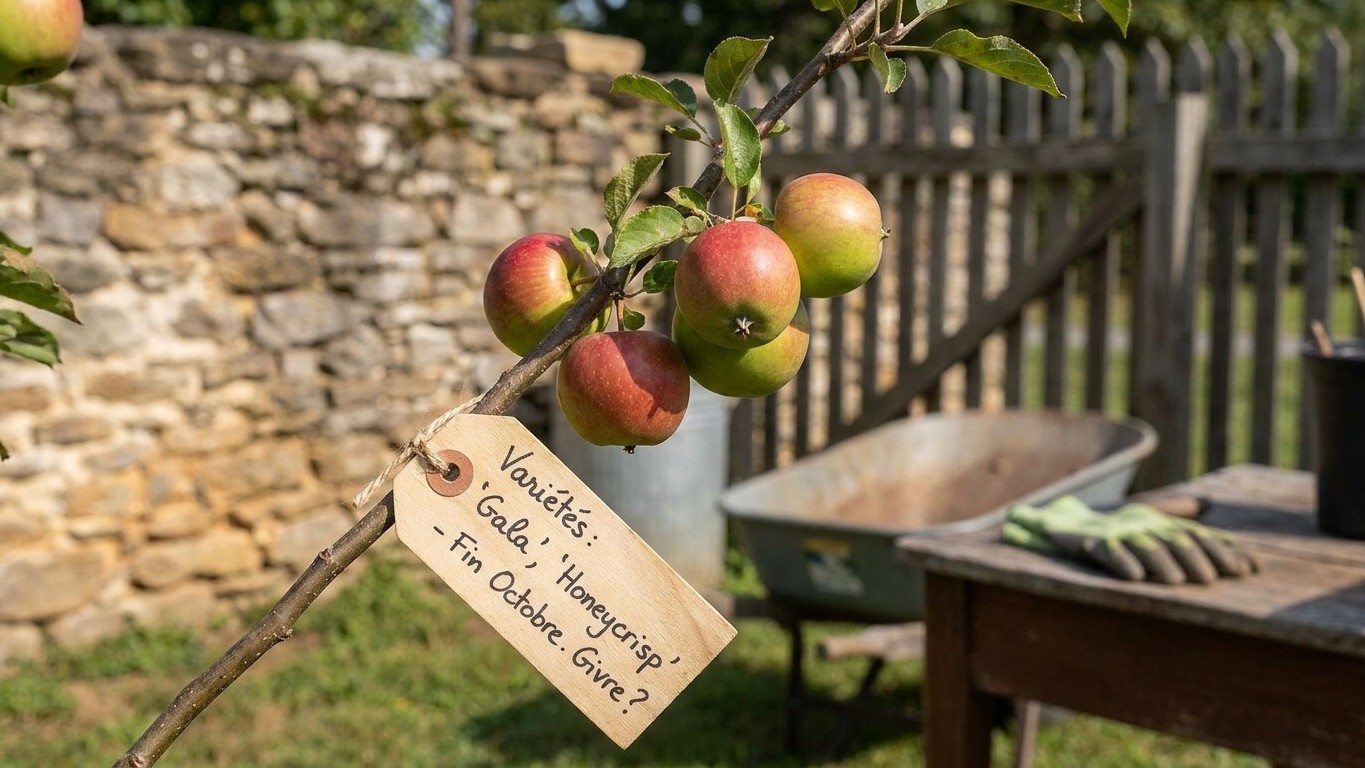
Virginia spans USDA zones 5a to 8b, so apple variety choice, pollination pairing and frost timing depend heavily on where in the state you garden.
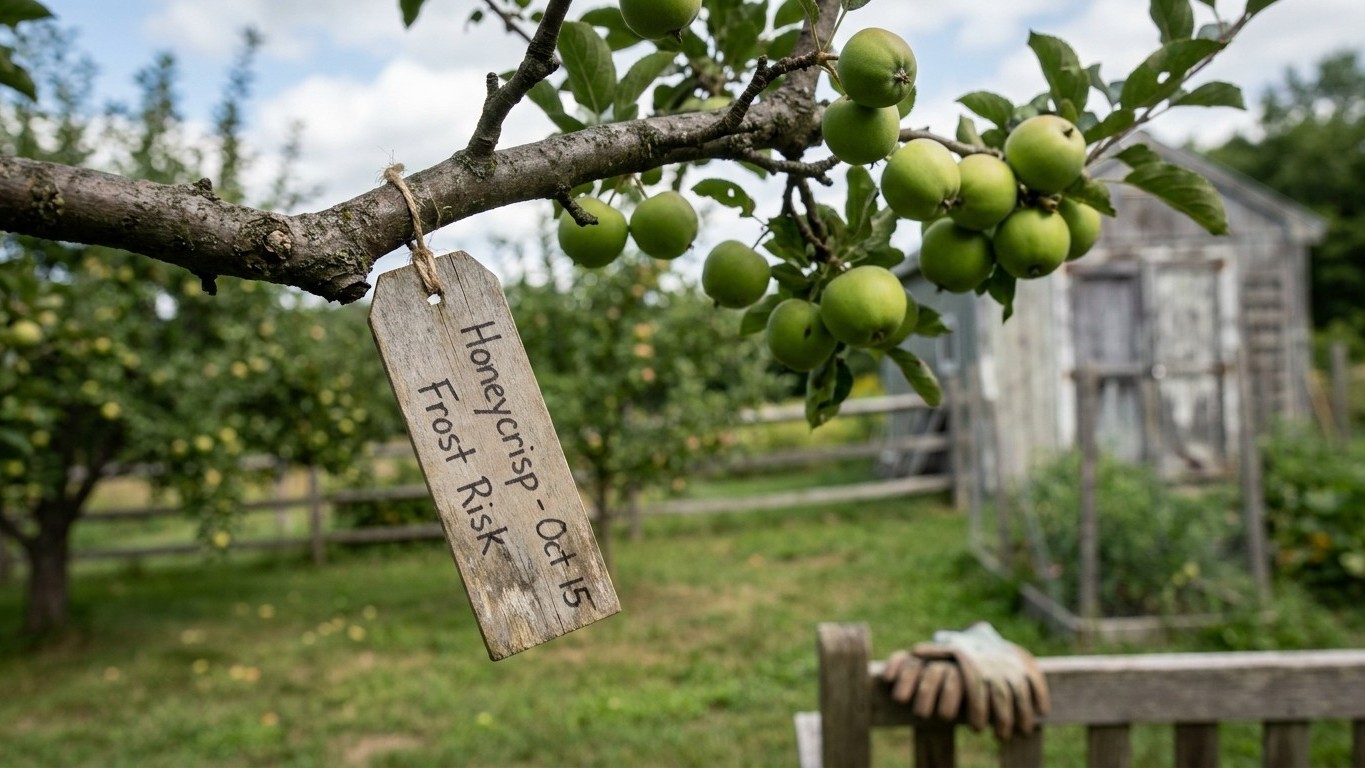
How Vermont’s hardiness zones, winter chill and Burlington frost dates determine which apple varieties actually bear fruit, and how to pair them.
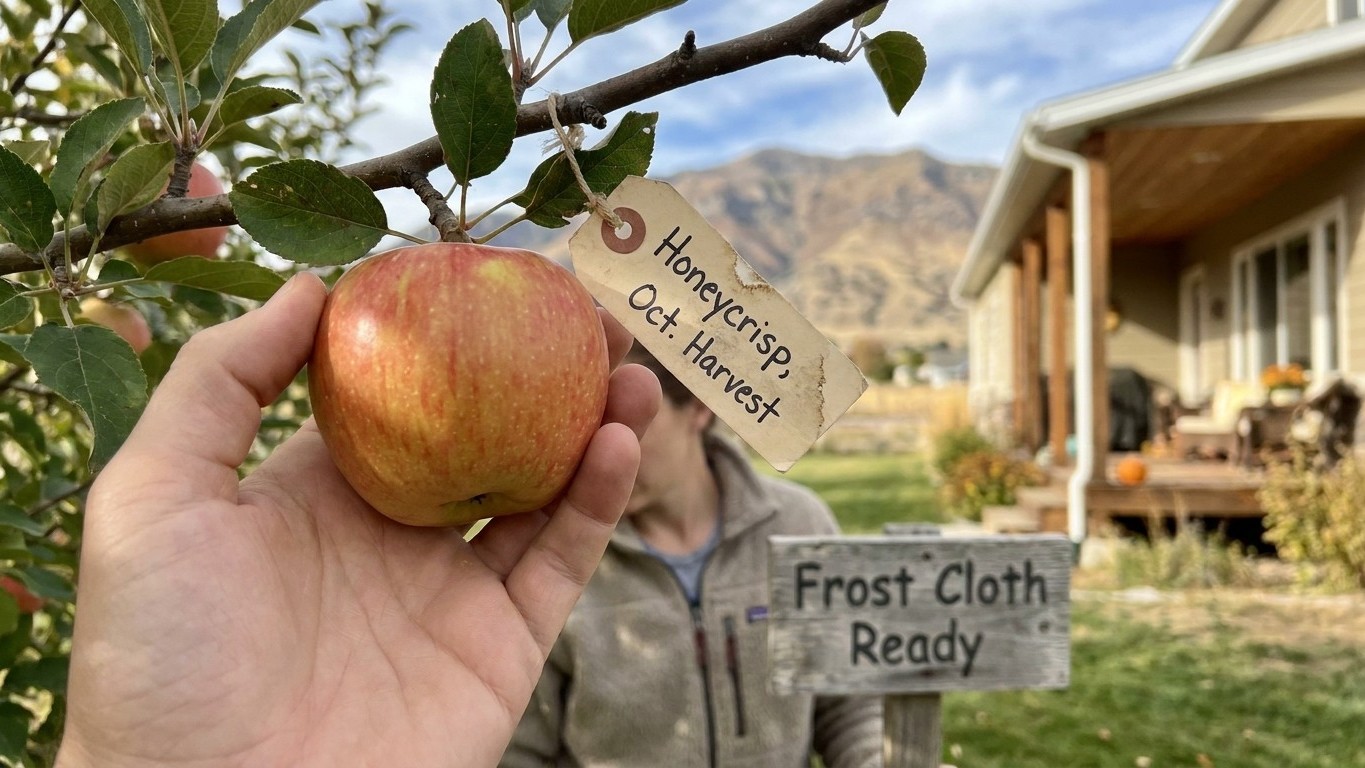
A county-by-county look at which apple varieties survive Utah’s winters, need the right winter chill, and dodge the state’s variable spring frost.
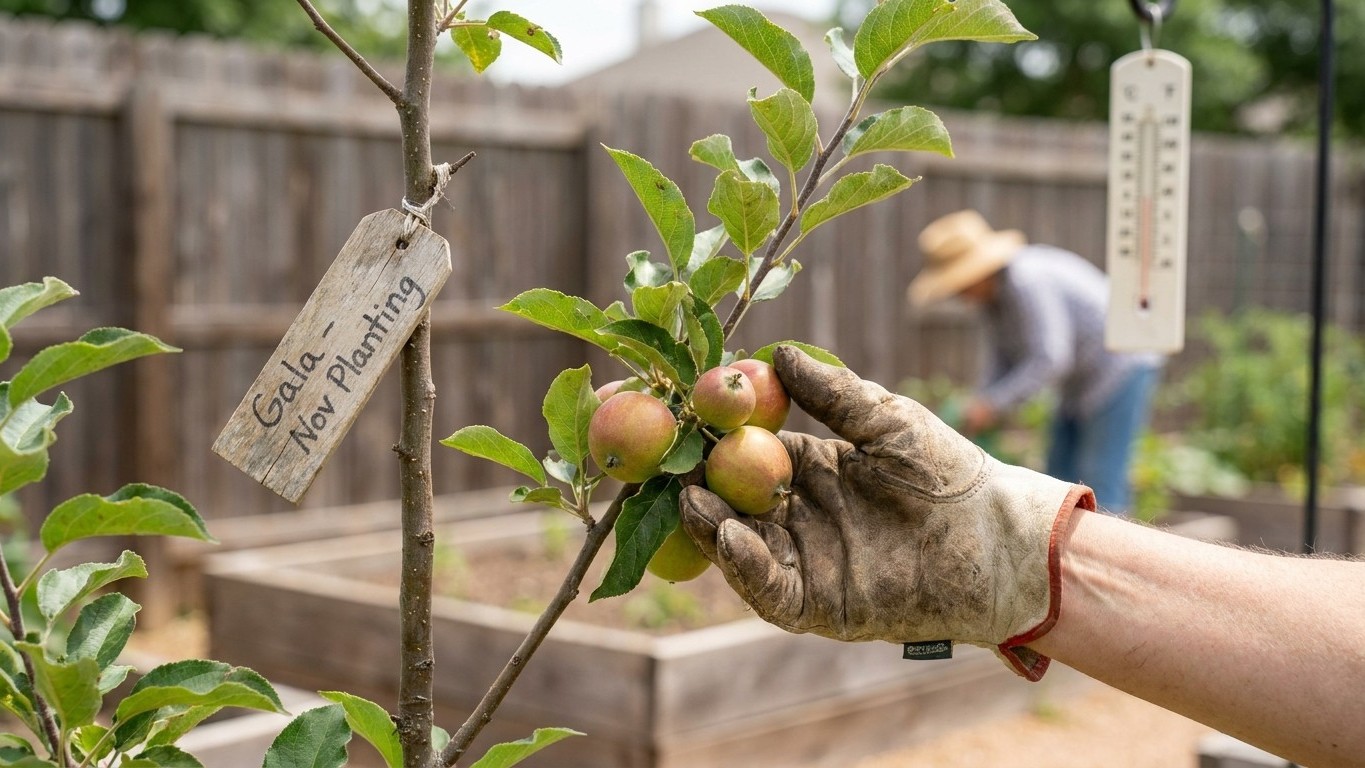
Apples grow across Texas if you match winter chill hours and frost timing to your region, from low-chill Gulf Coast varieties to hardier North Texas types.
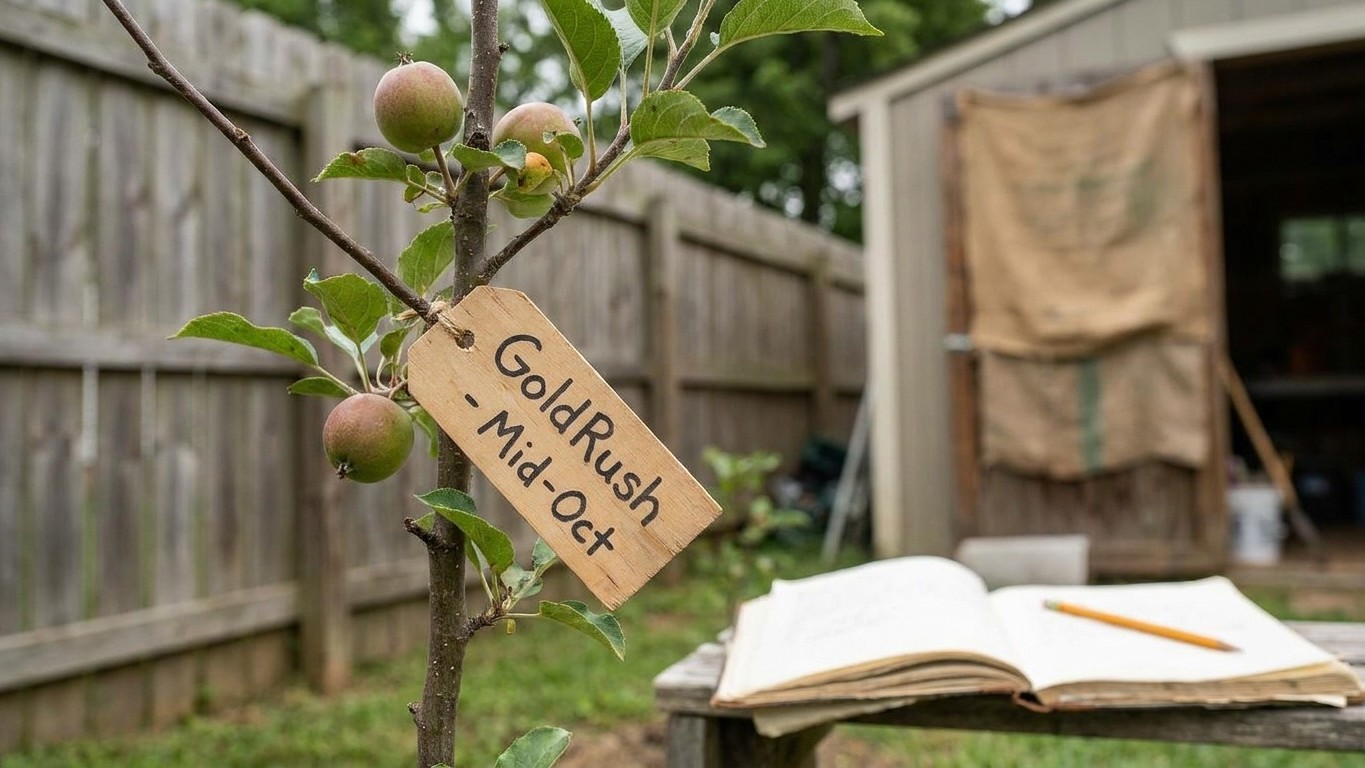
A region-by-region look at which apple varieties, pairings and frost timing actually work across Tennessee’s varied climate zones.
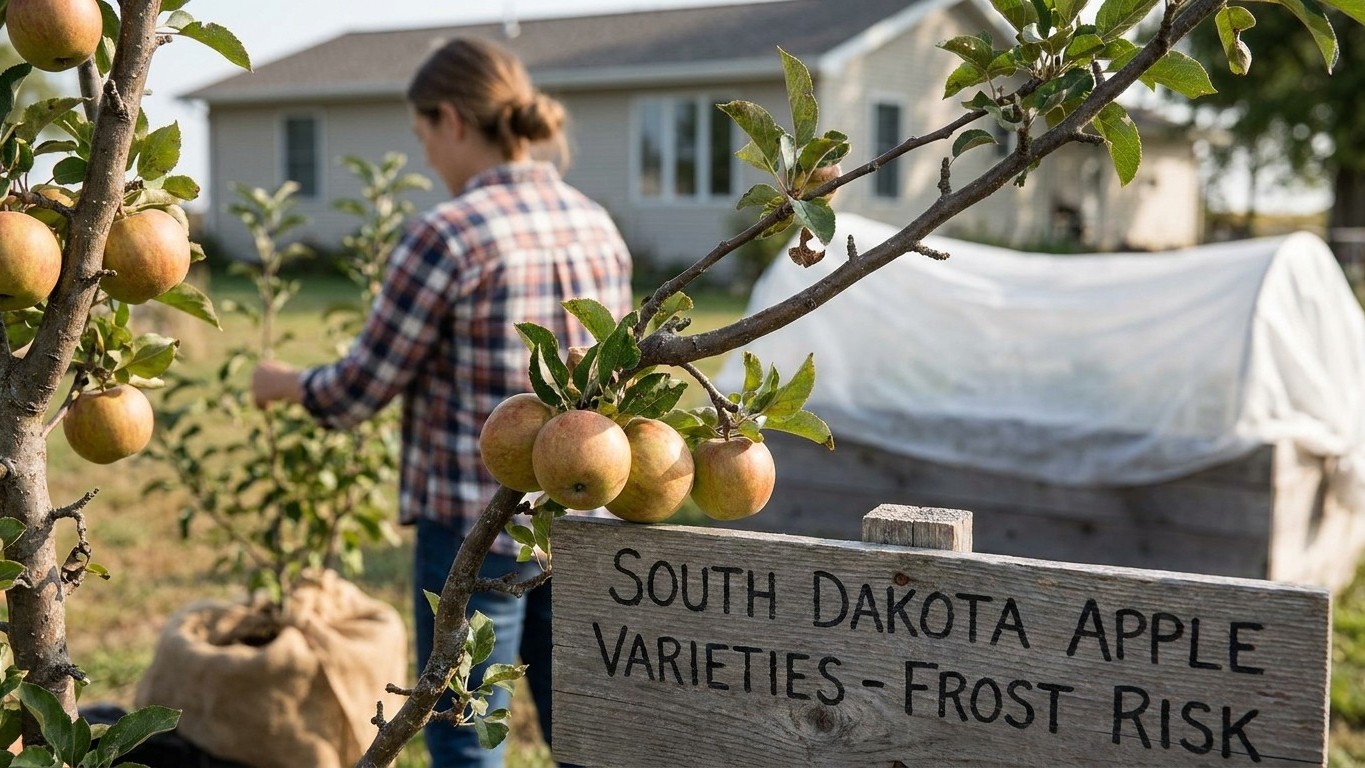
South Dakota spans USDA zones 3b to 5b, and cold-hardy varieties, site choice and frost timing decide whether an apple tree bears fruit.
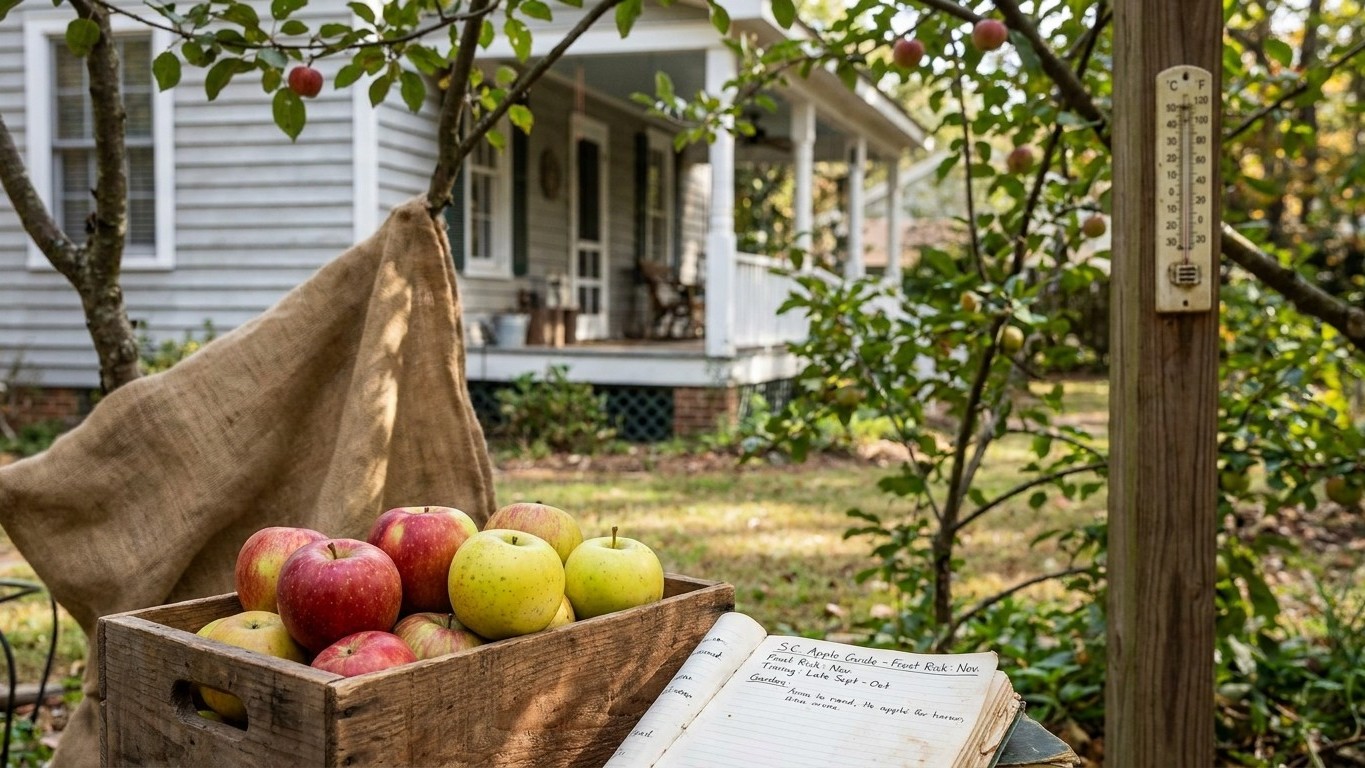
A practical look at which apple varieties suit South Carolina’s mild winters, how to pair them for pollination, and when spring frost puts the crop at risk.
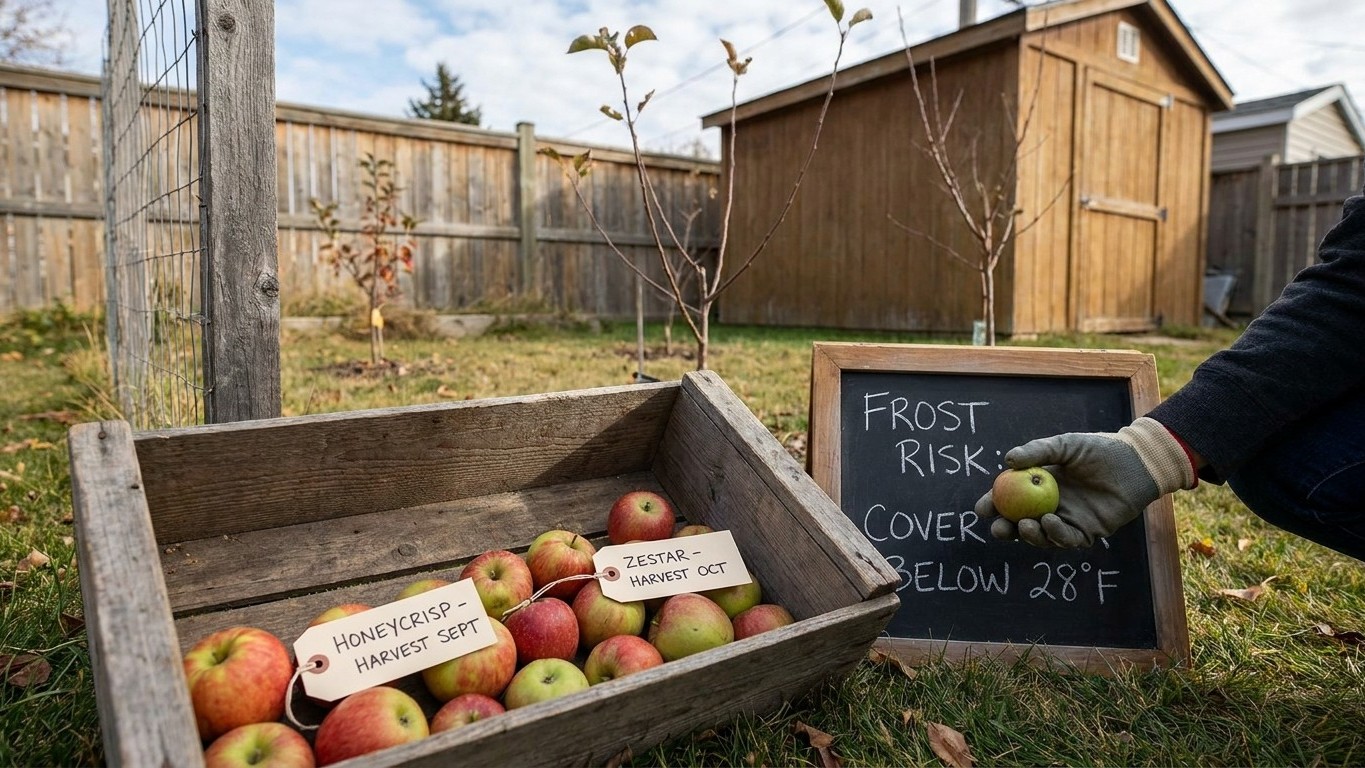
Saskatoon’s frost dates, cold-hardy cultivars like Norland and Goodland, and pollination pairing details for growing apples in Saskatchewan’s short season.
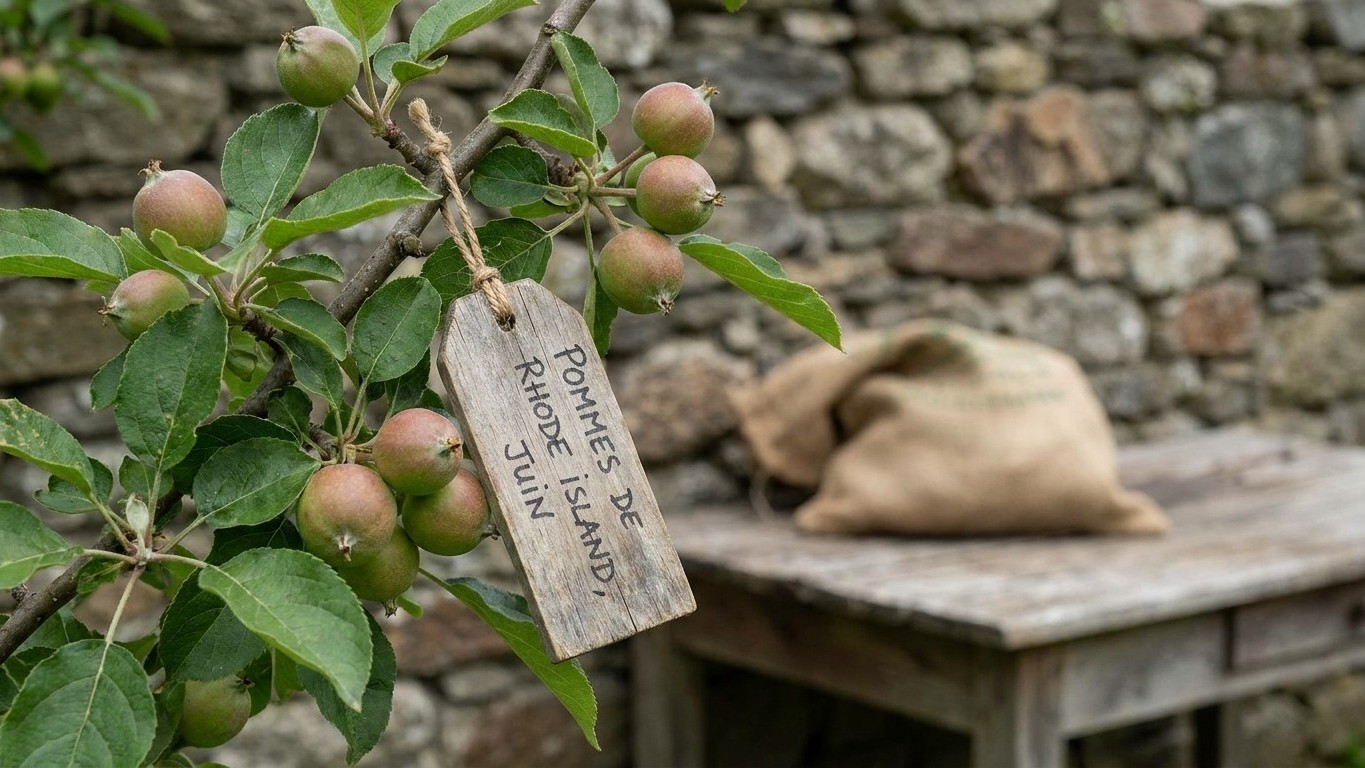
Rhode Island’s USDA zones and Providence’s climate normals show which apple varieties, pairings, and planting timing succeed in the state’s gardens.