Growing Apples in Montana: Varieties, Timing and Frost Risk
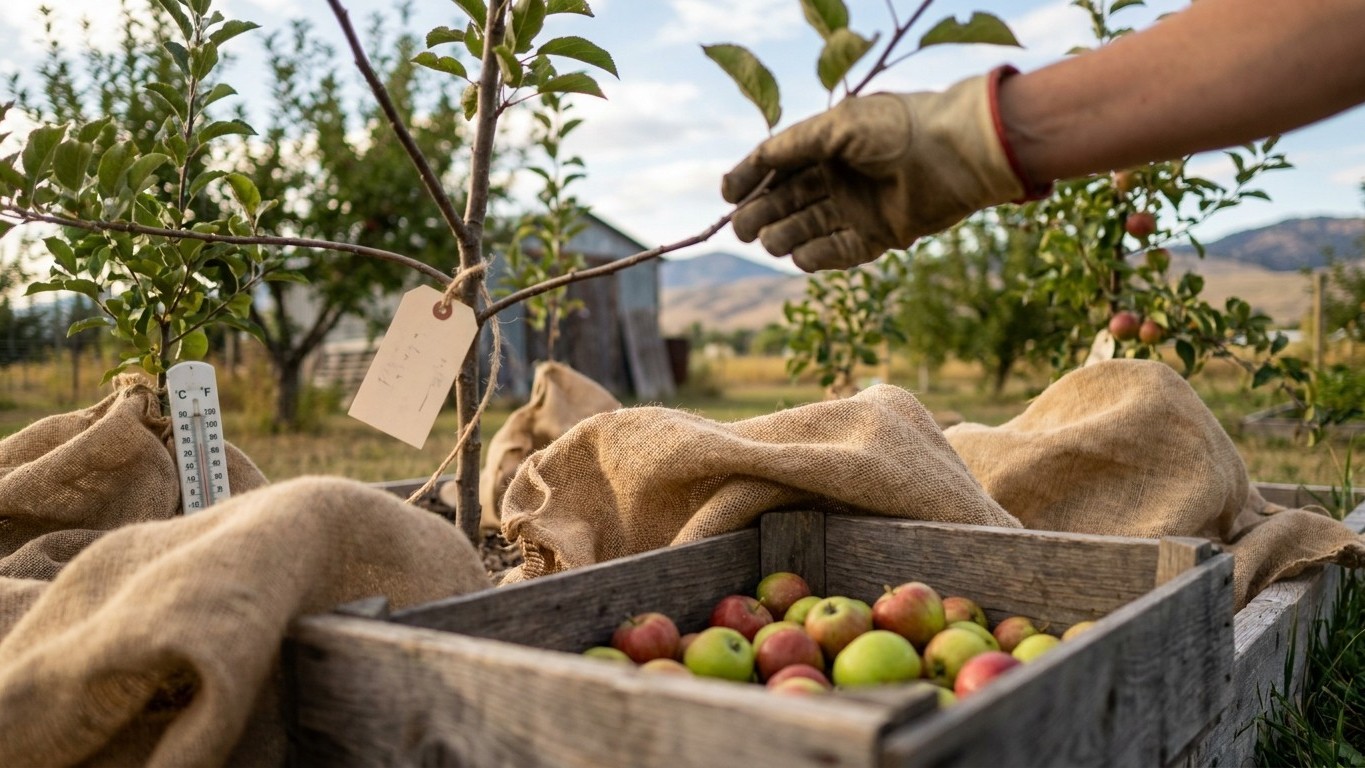
Montana’s growing zones range from 3a to 6a, and choosing a cold-hardy, high-chill apple variety with the right pollination partner determines success.
Home & garden, state by state
Montana’s growing zones range from 3a to 6a, and choosing a cold-hardy, high-chill apple variety with the right pollination partner determines success.
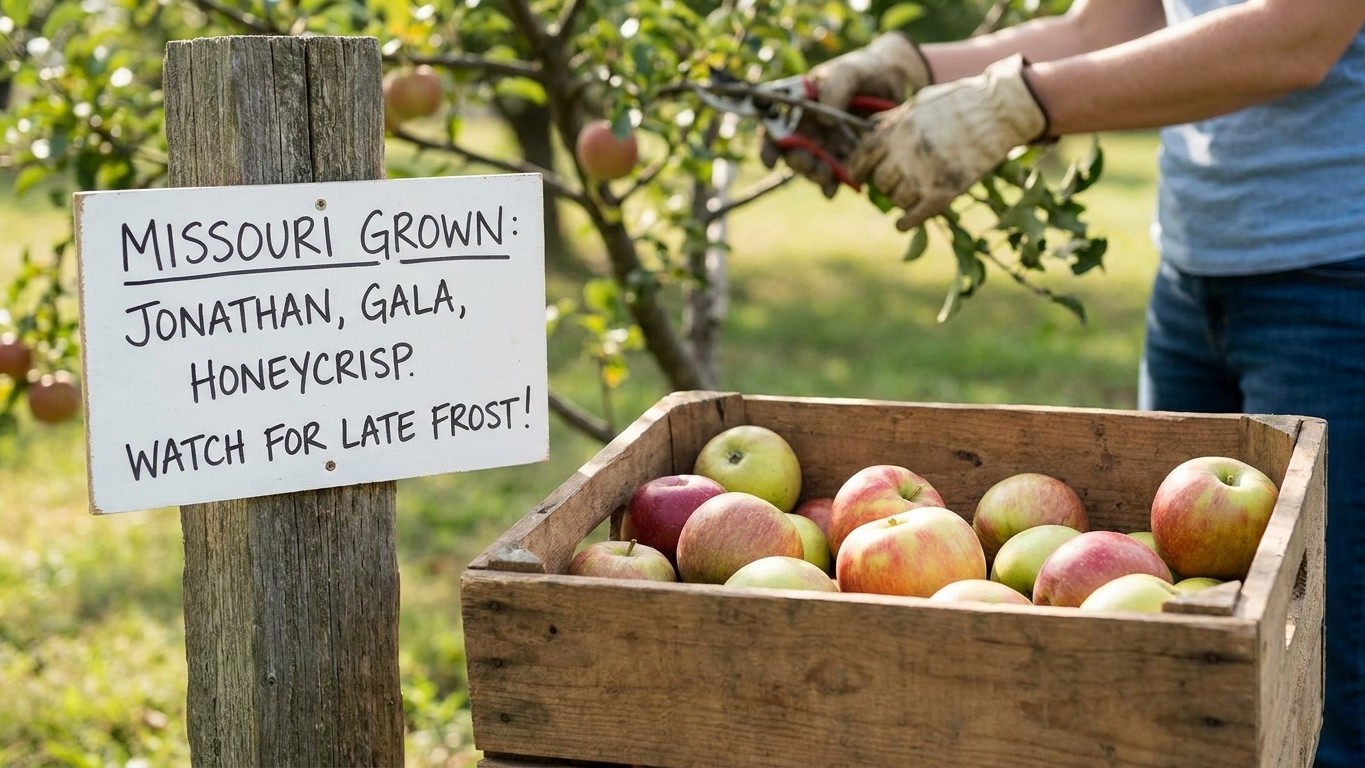
A practical look at USDA zones, frost timing near Kansas City, and which apple varieties and pairs actually bear fruit in Missouri.
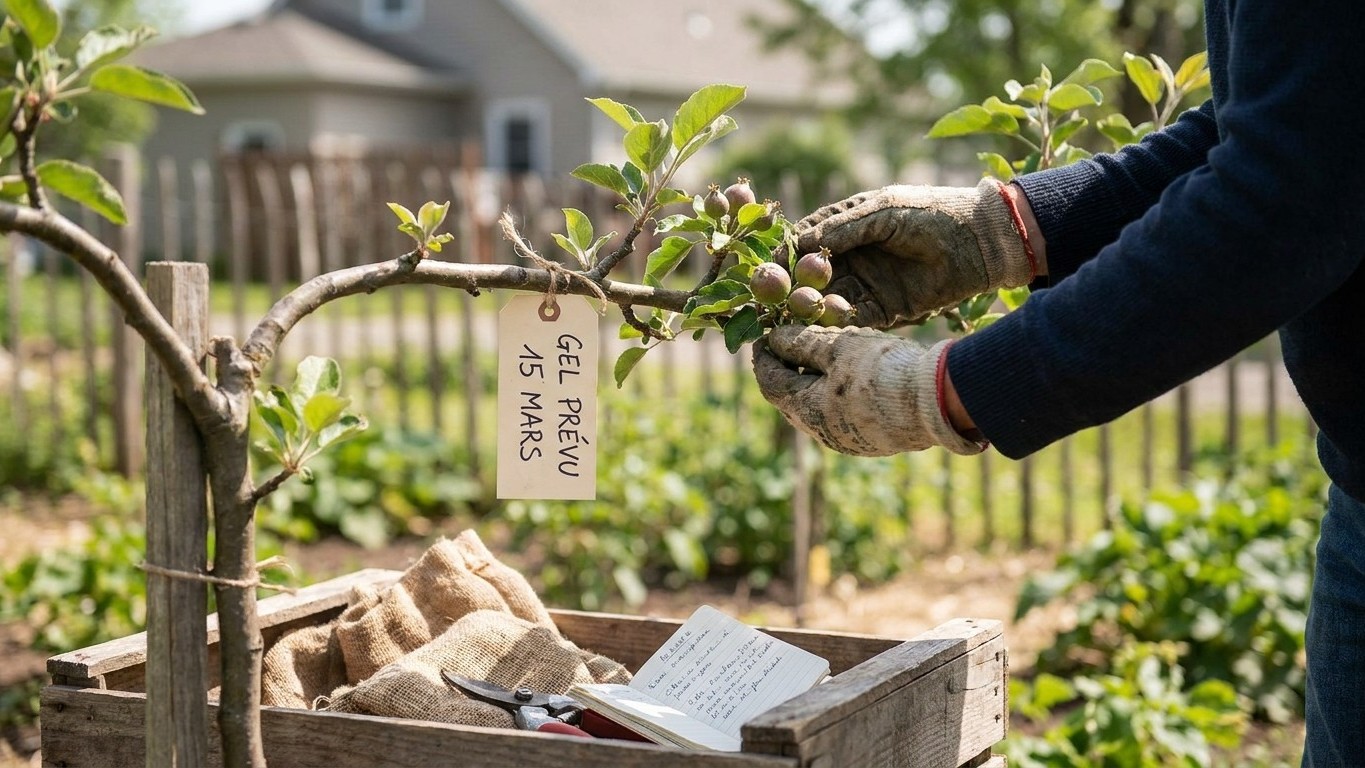
Mississippi growers need low-chill apple varieties and careful frost timing, since the state’s mild winters and early springs limit which cultivars will fruit well.
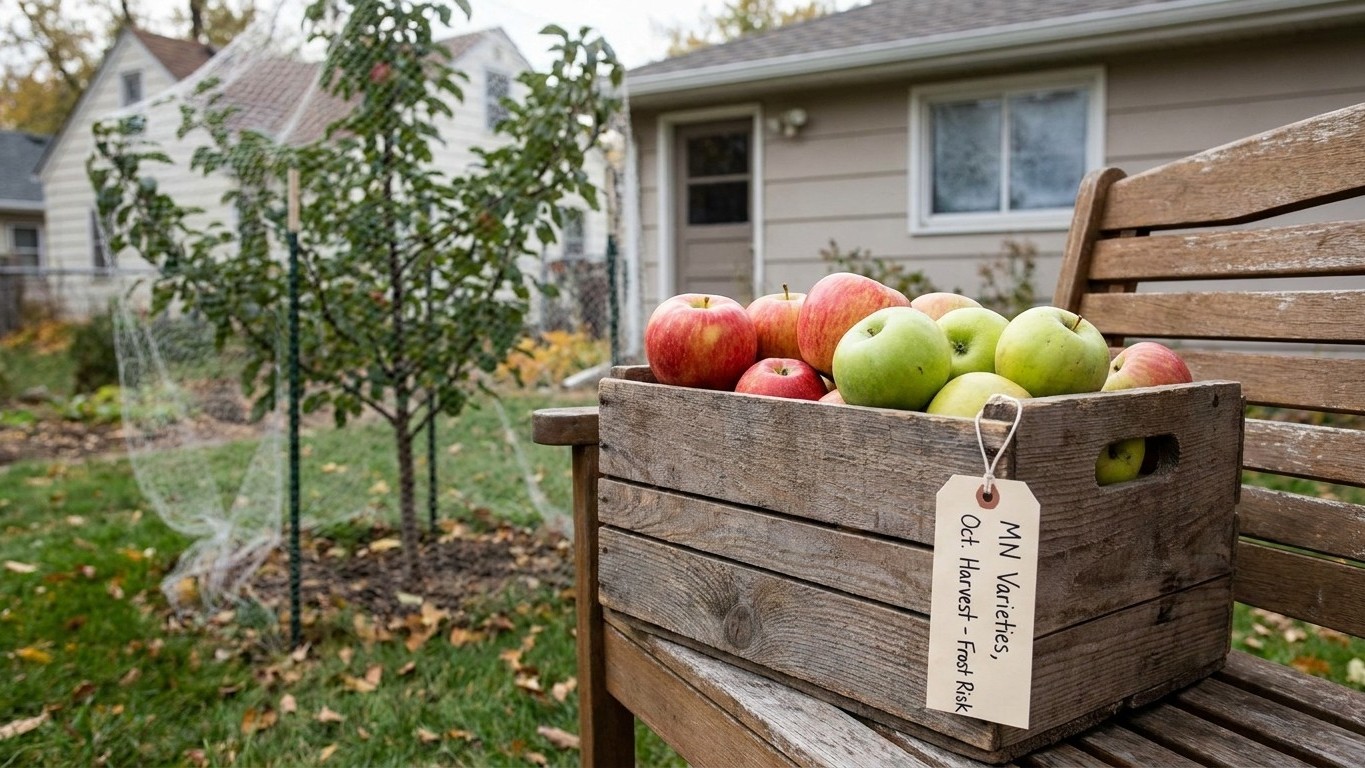
Minnesota apple growers face USDA zones 3a to 5a and a late spring frost window, so variety choice, pairing, and frost timing all matter for a crop.
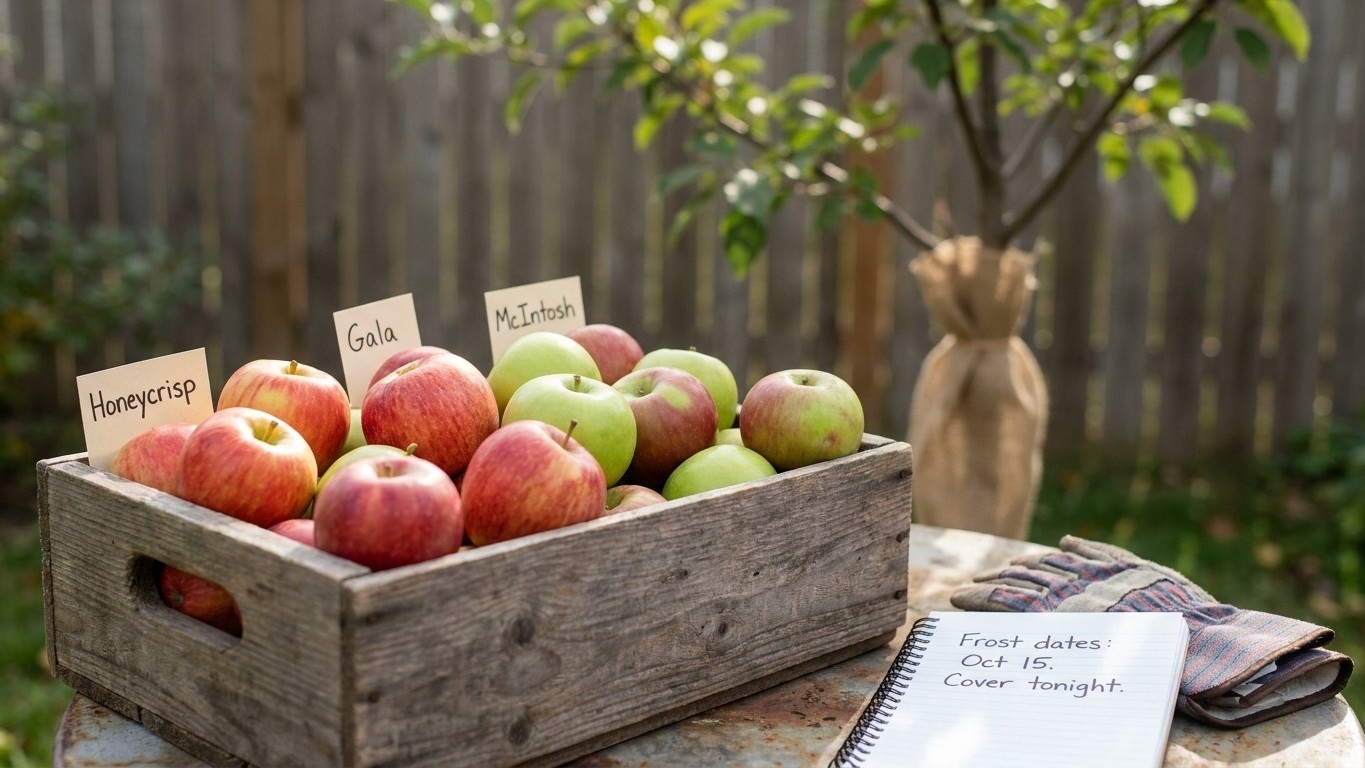
Michigan’s apple-growing conditions range from USDA zone 4a in the north to 6b near Detroit, with variety choice and spring frost timing deciding the harvest.
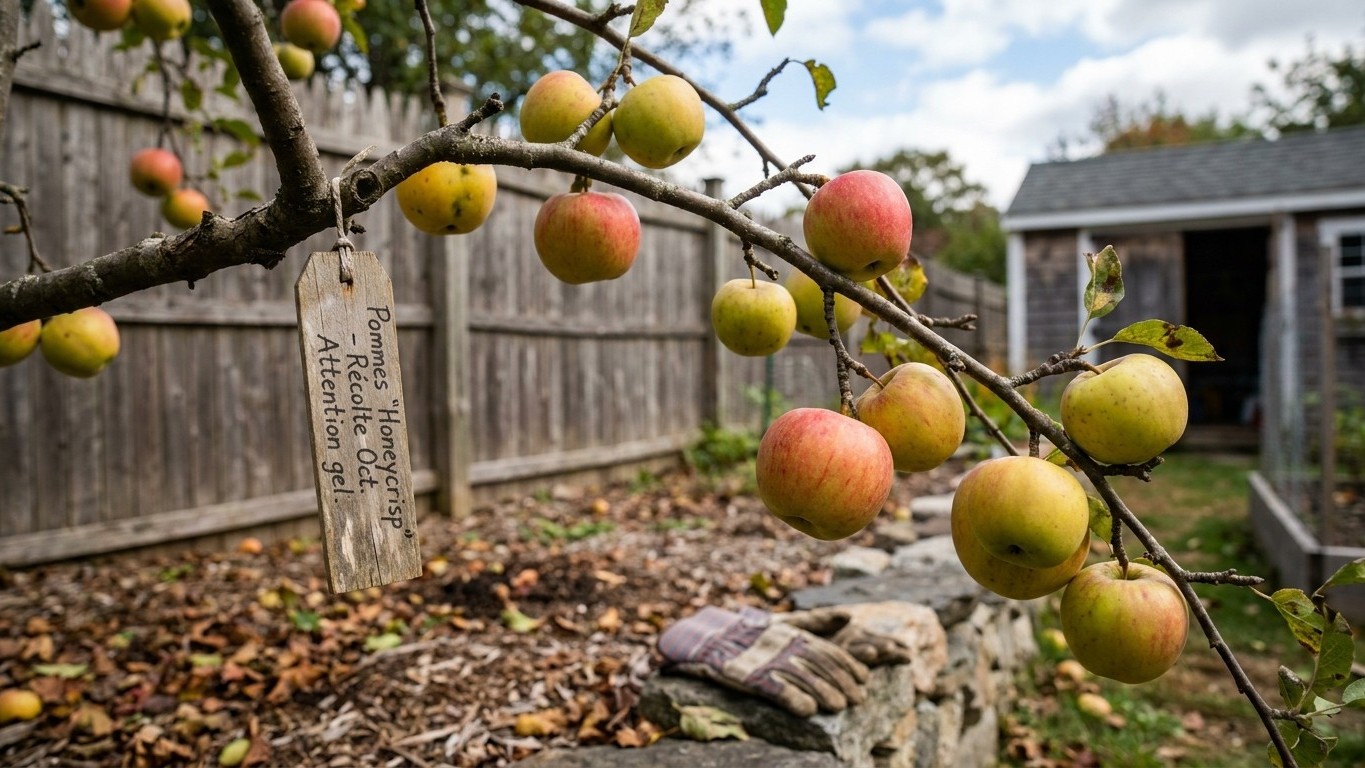
A look at which apple varieties survive Massachusetts winters, bloom together for pollination, and dodge the state’s variable spring frost dates.
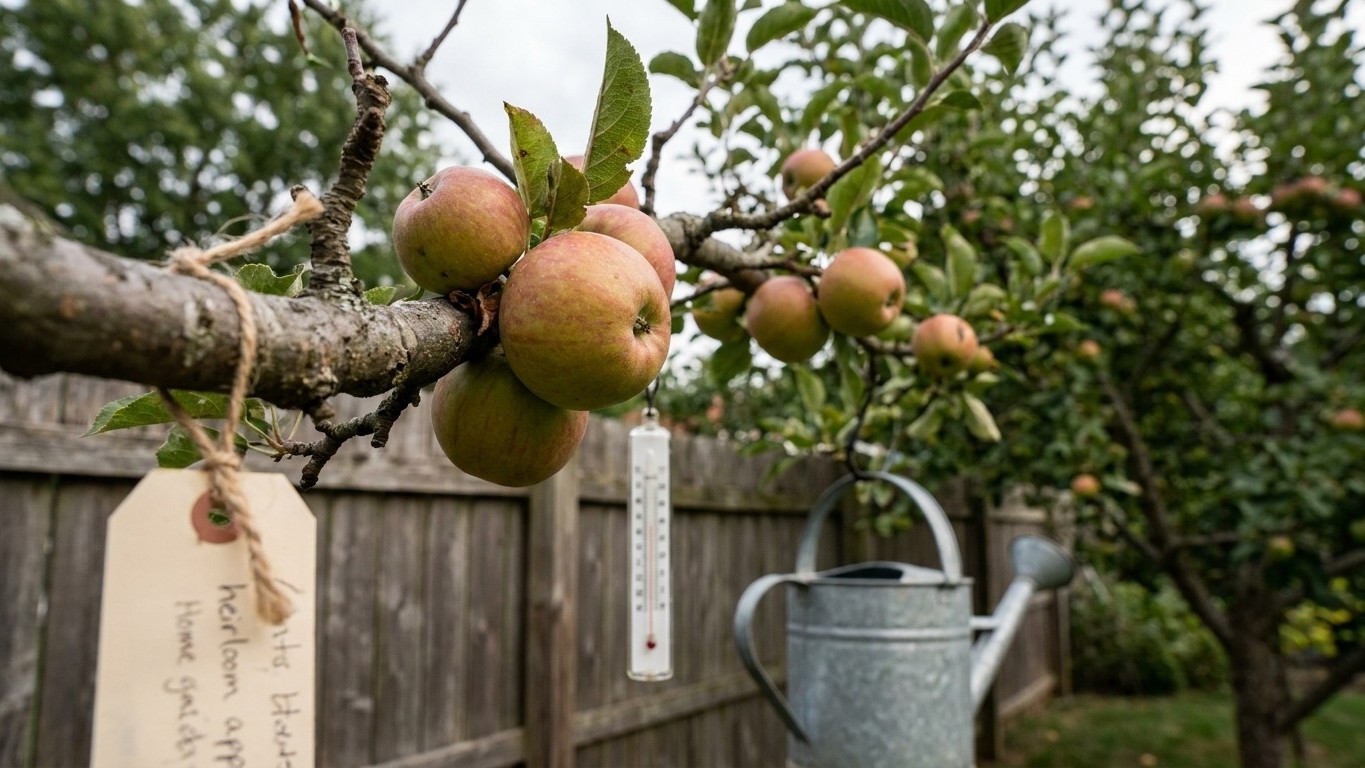
A practical look at which apple varieties suit Maryland’s zones and chill hours, how to pair pollinators, and when frost threatens the bloom.
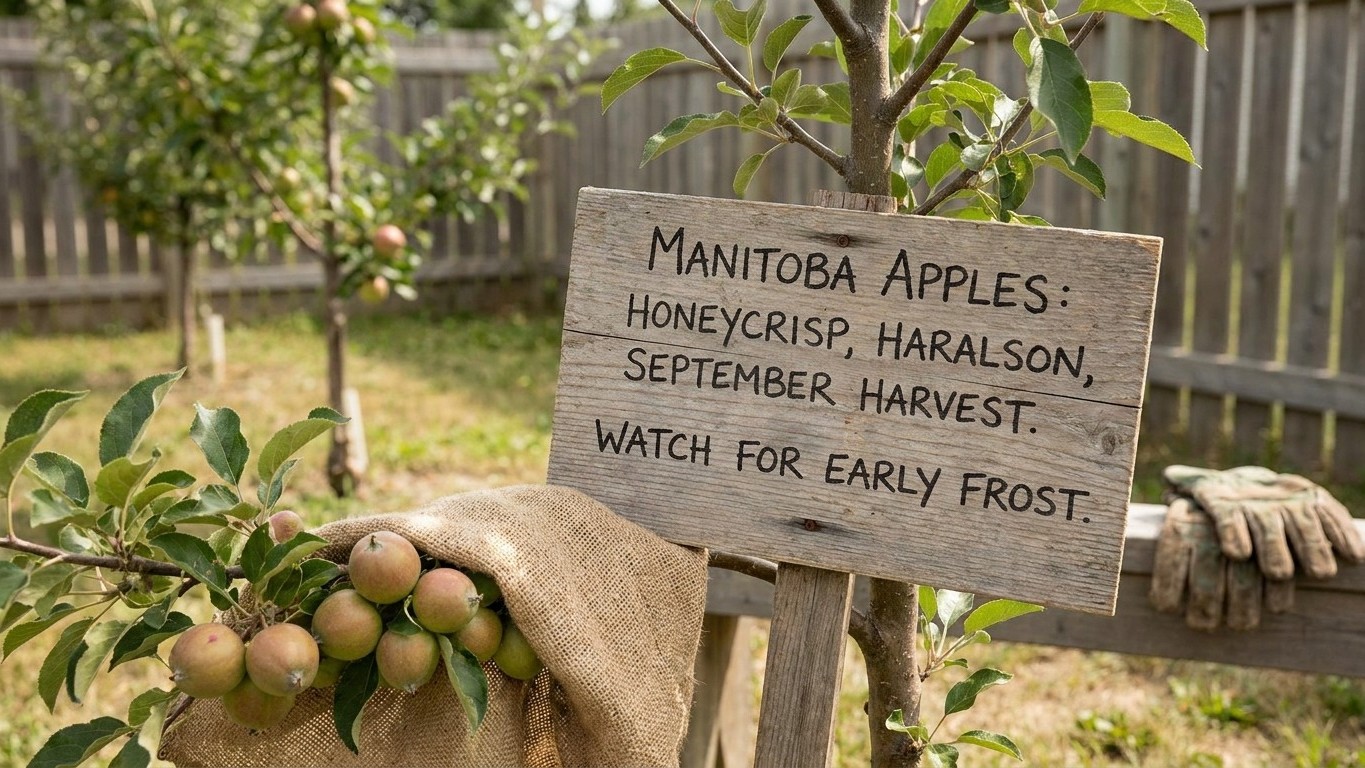
Manitoba’s cold winters demand apple varieties bred for the prairies, and a late spring frost can wipe out the bloom regardless of tree hardiness.
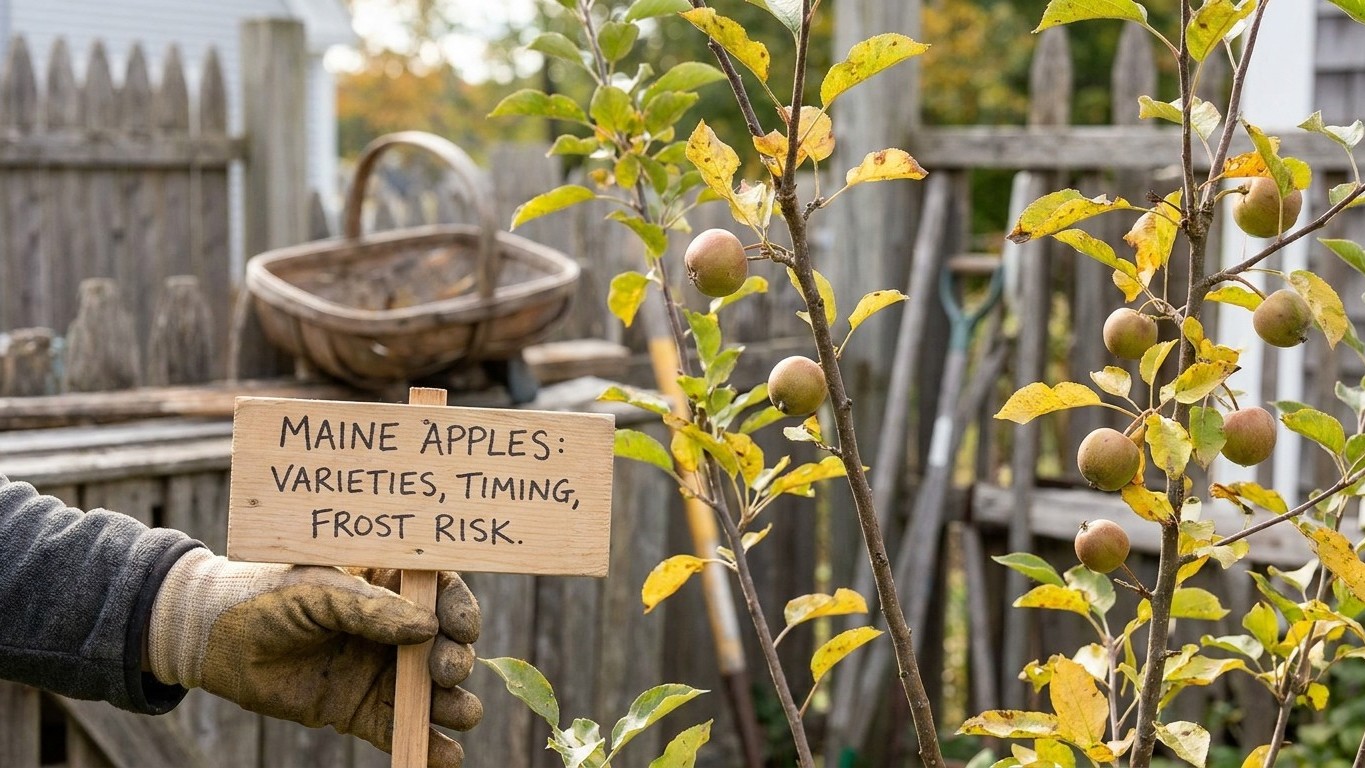
Maine spans USDA zones 3b to 6a, so match apple varieties to cold hardiness and winter chill before choosing a pollinator pair.
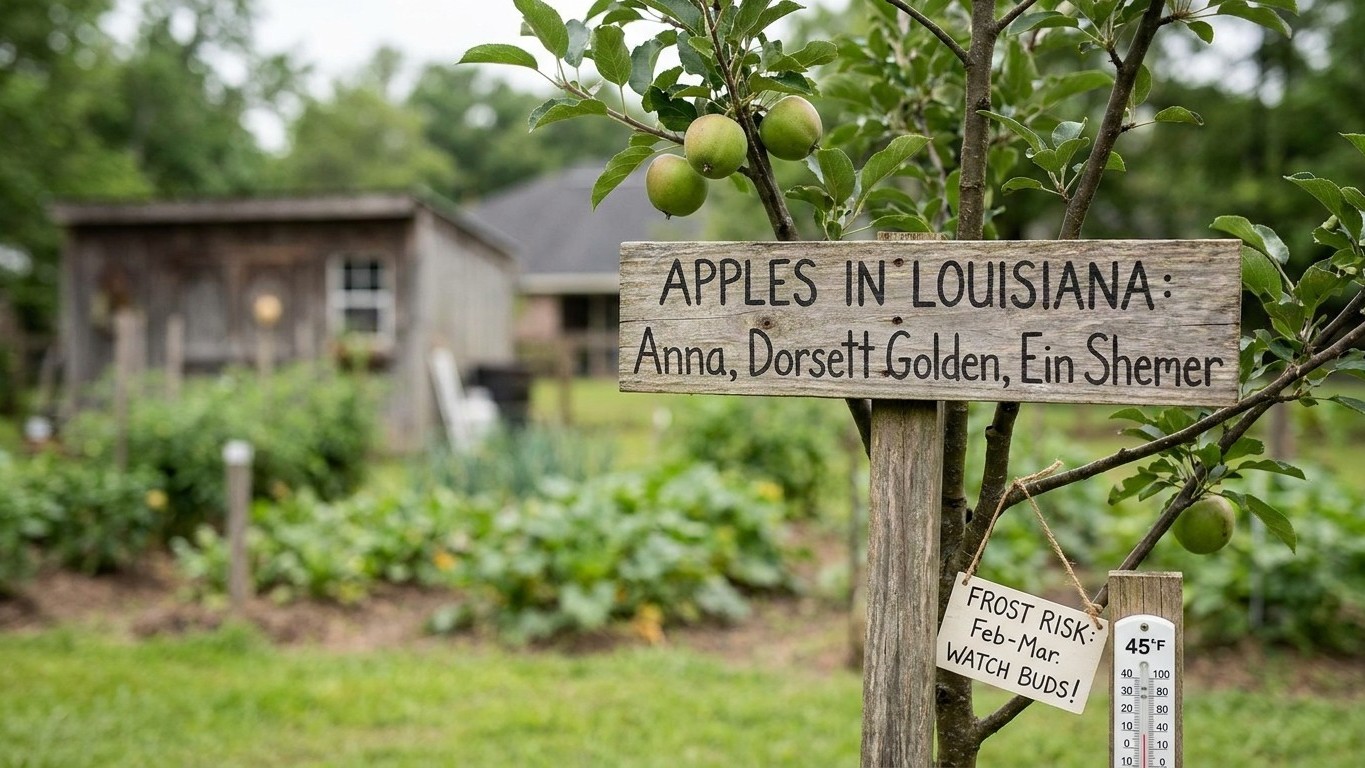
Louisiana apples need low-chill varieties, a fertile pollen partner, and timing around an unusually early frost window near New Orleans.