Growing Roses in British Columbia: Planting Dates, Varieties and Local Pests
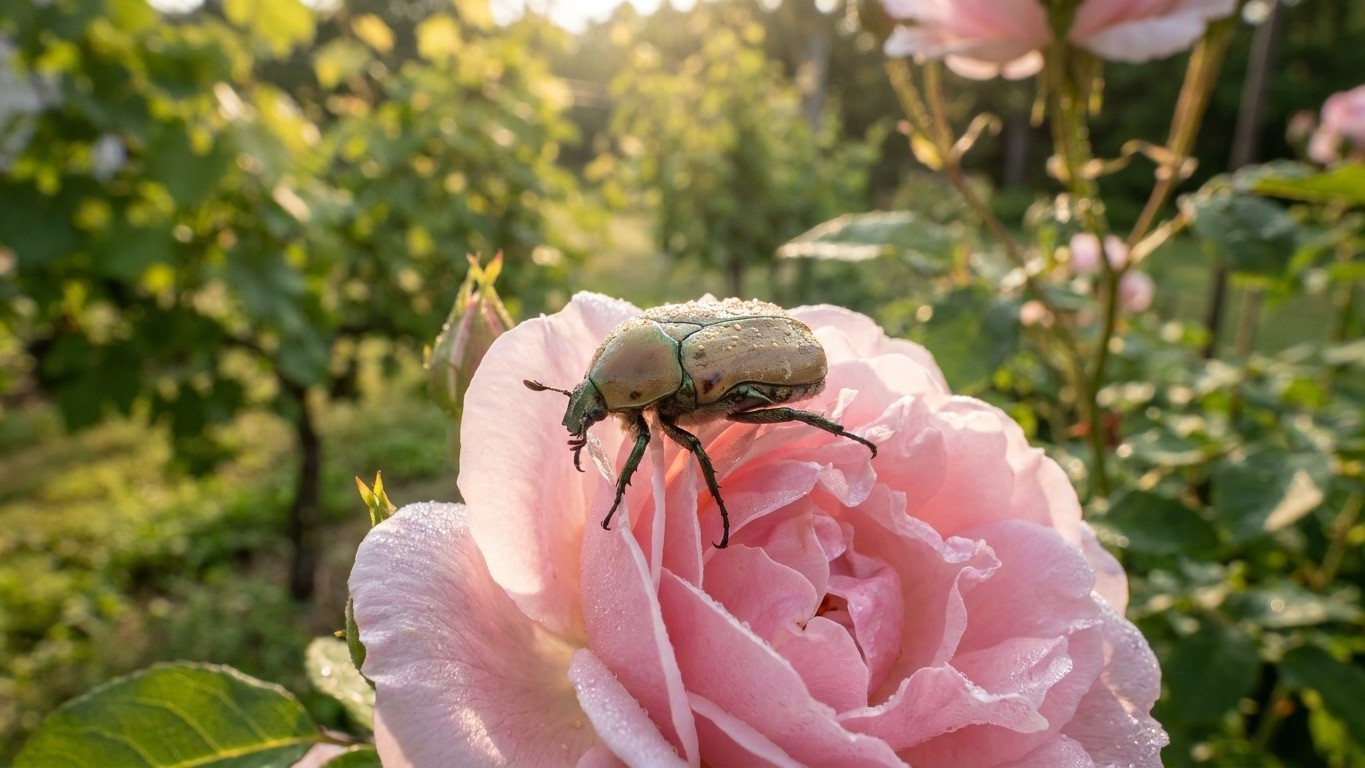
Roses do well across most of British Columbia’s coast, but the calendar and the plant list both shift once you leave the Lower Mainland.
Home & garden, state by state
Roses do well across most of British Columbia’s coast, but the calendar and the plant list both shift once you leave the Lower Mainland.
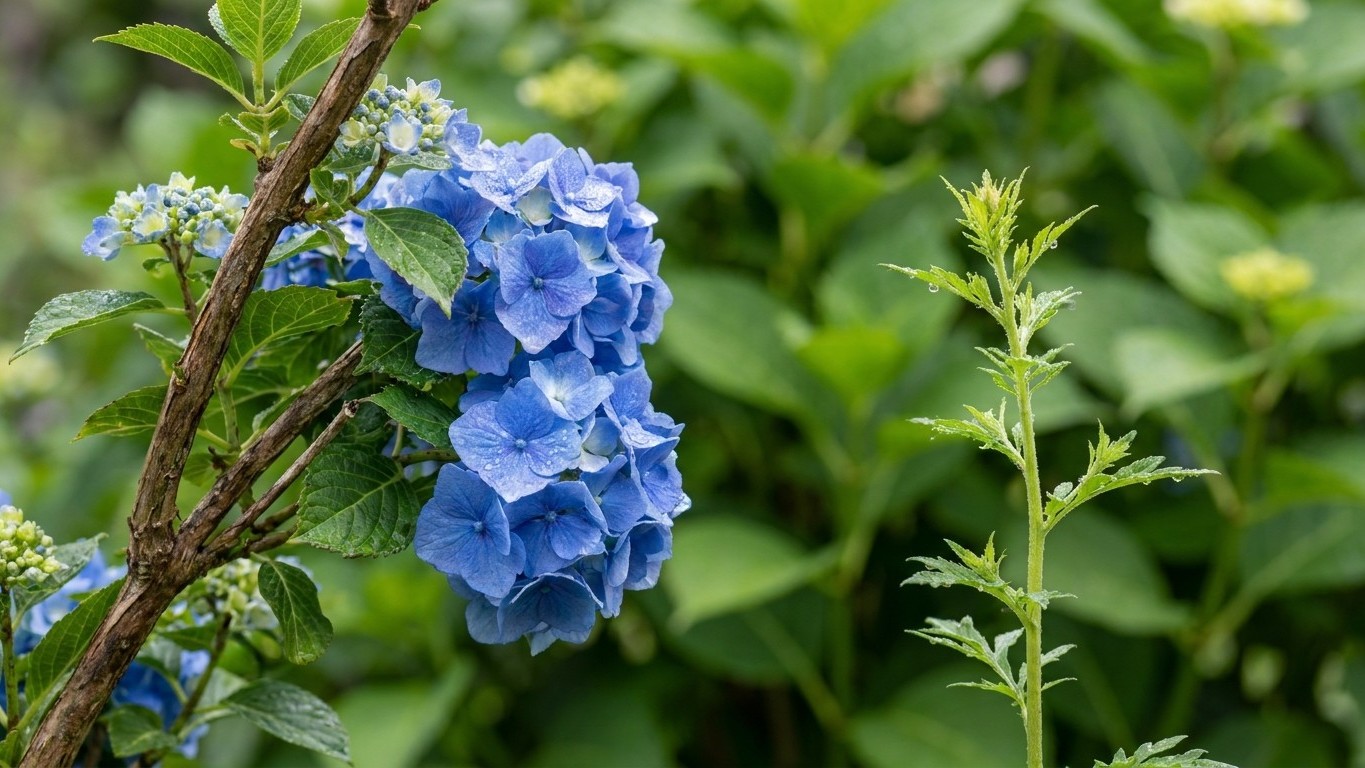
The safest window for planting hydrangeas in most of British Columbia opens once the risk of a hard spring frost has passed, roughly mid-April to late…
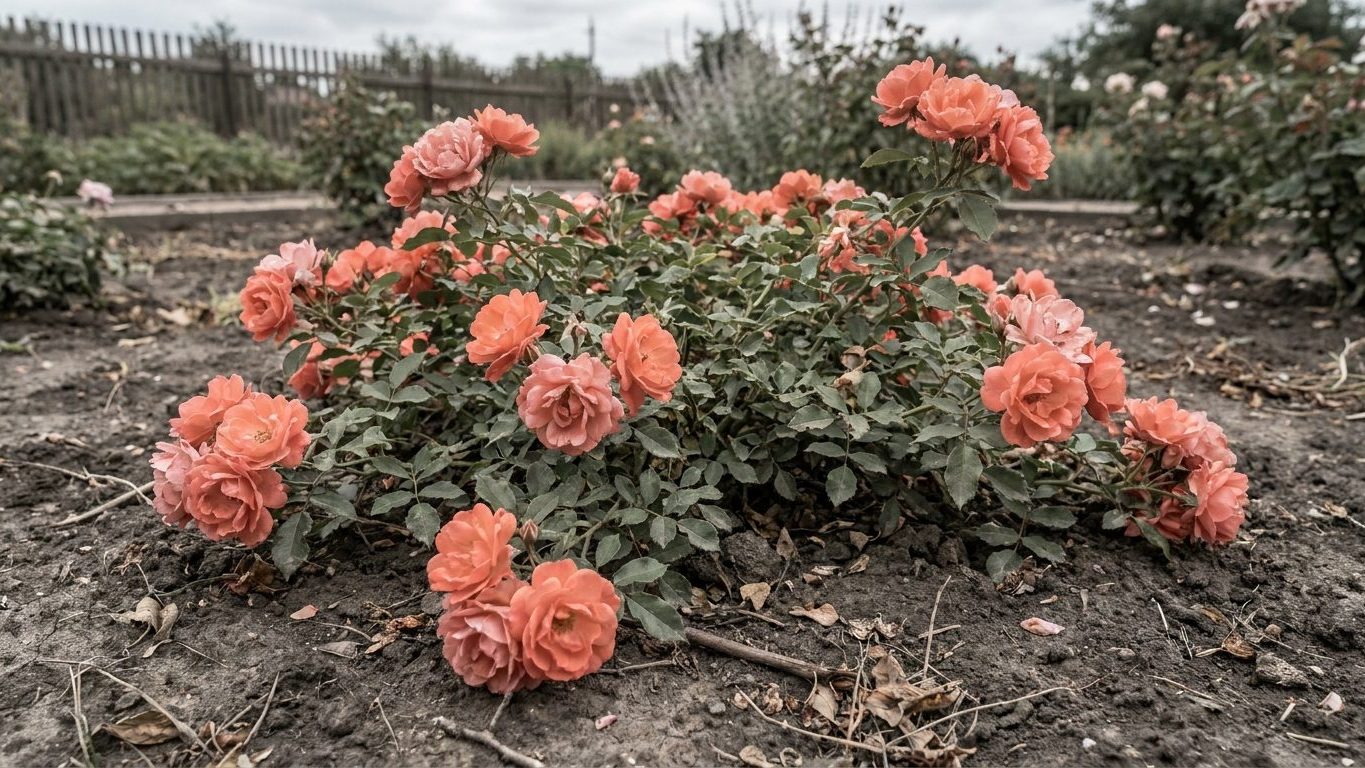
Drift is a compact ground cover rose bred for months of coral or multi-toned bloom, hardy across USDA zones 5a through 11b, and because it flowers on new…
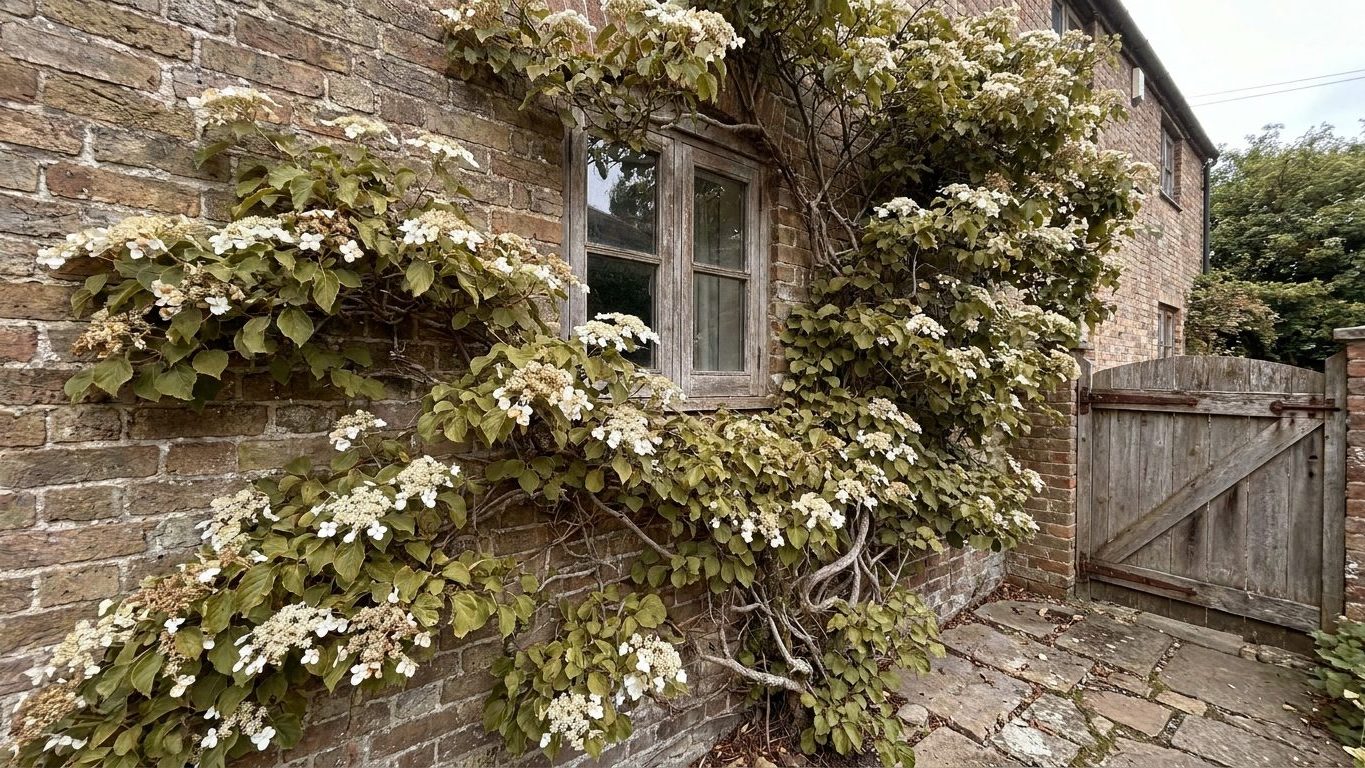
Climbing Hydrangea is the selling name for Hydrangea petiolaris, a self-clinging woody vine hardy in USDA zones 4 through 8.
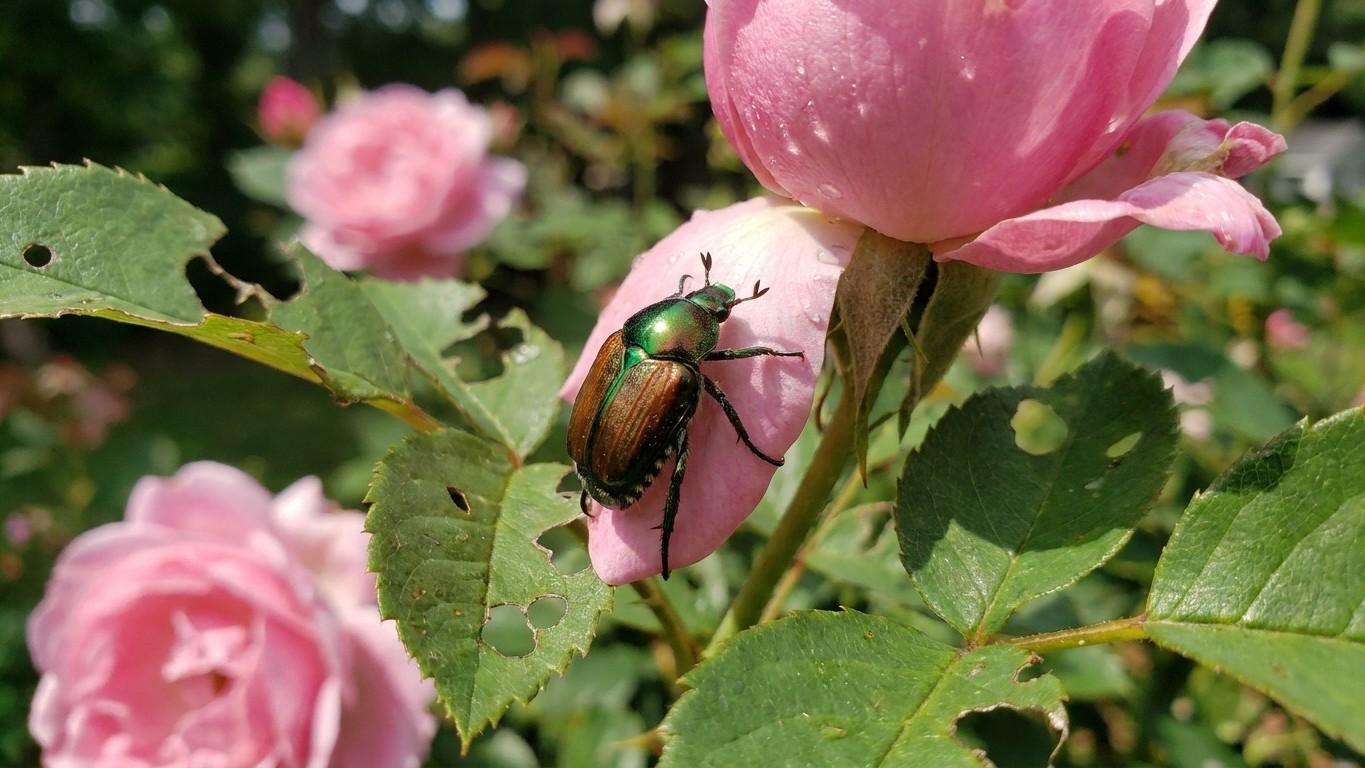
The safe window for pruning roses in Alaska sits after the danger of hard freeze has passed but before canes push out tender new growth that a late cold…
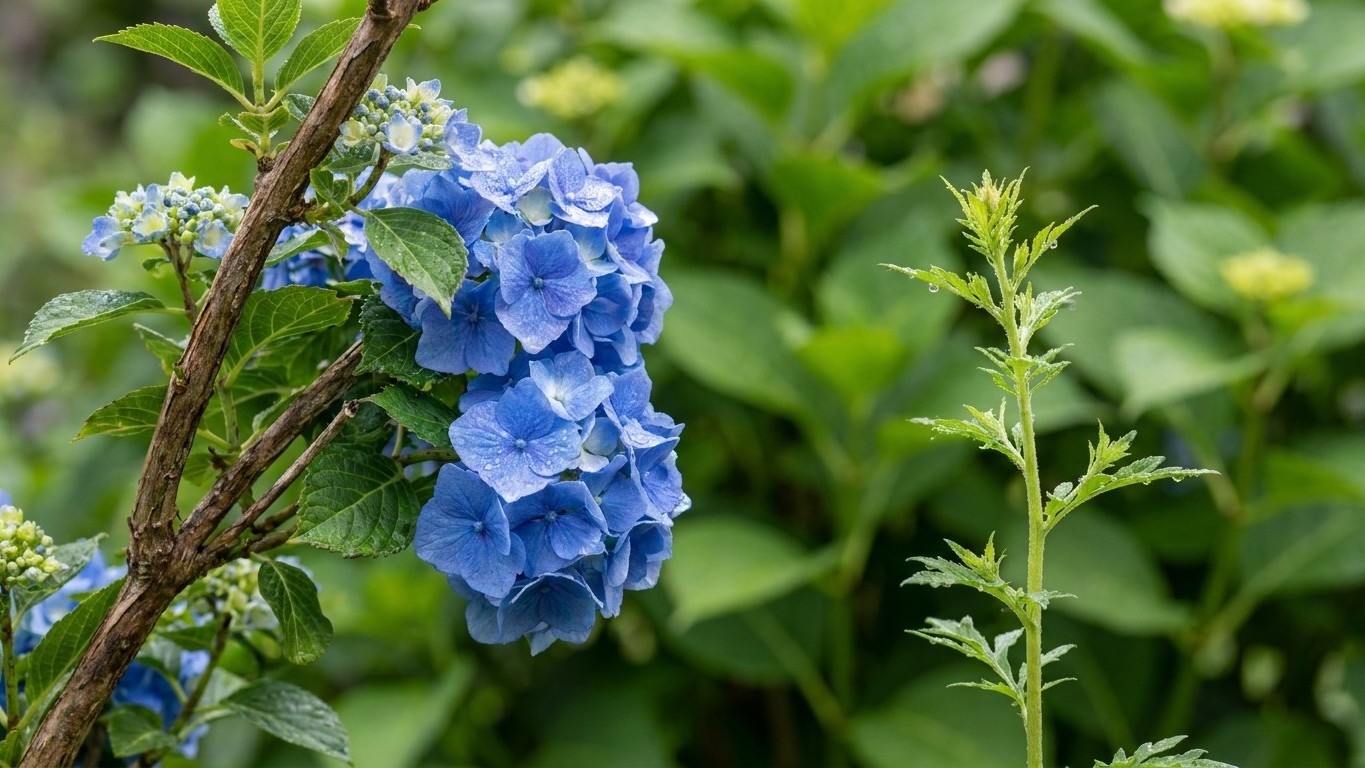
Hydrangeas in Alaska stay pink because most soils here sit at a neutral to alkaline pH, which locks up the aluminum that flowers need to turn blue.
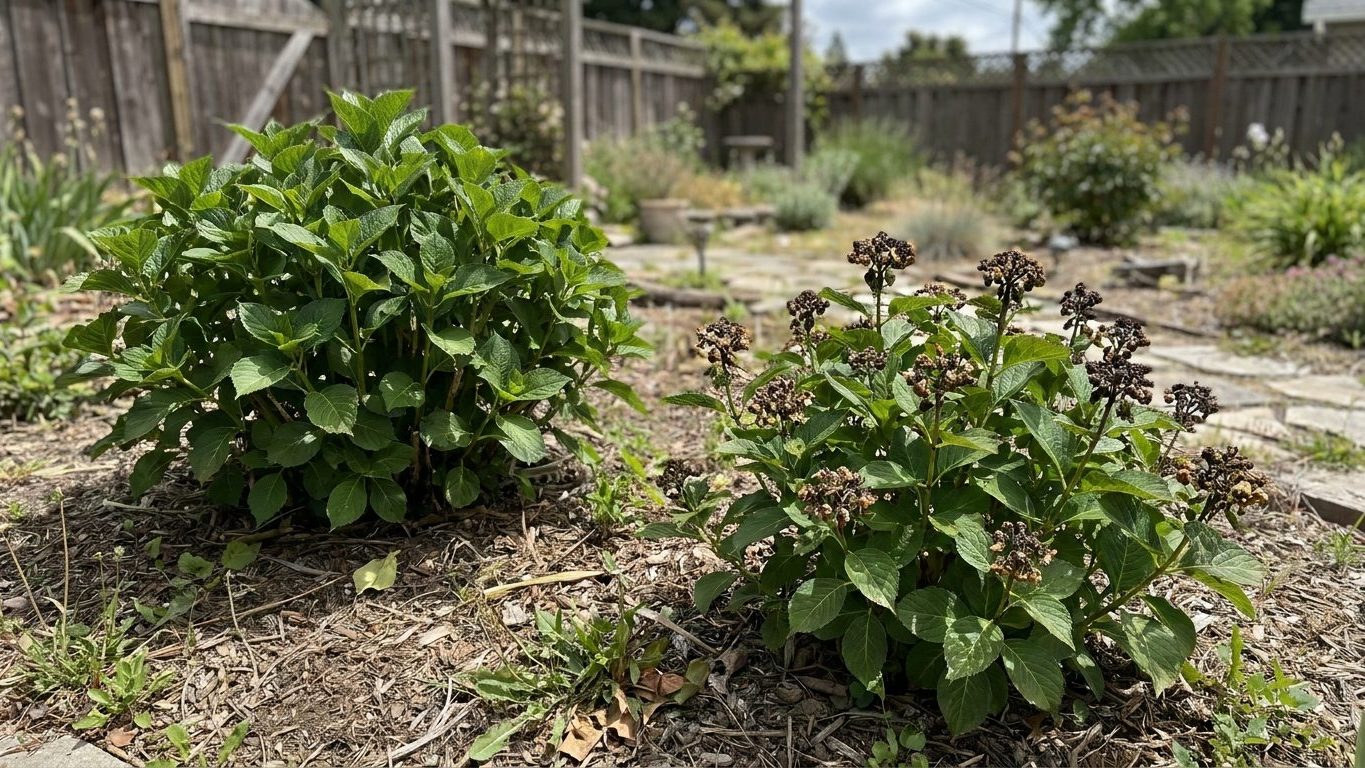
A hydrangea with plenty of green leaves but no flowers is not dying. It usually means the flower buds were removed, frozen, or never had enough light to…
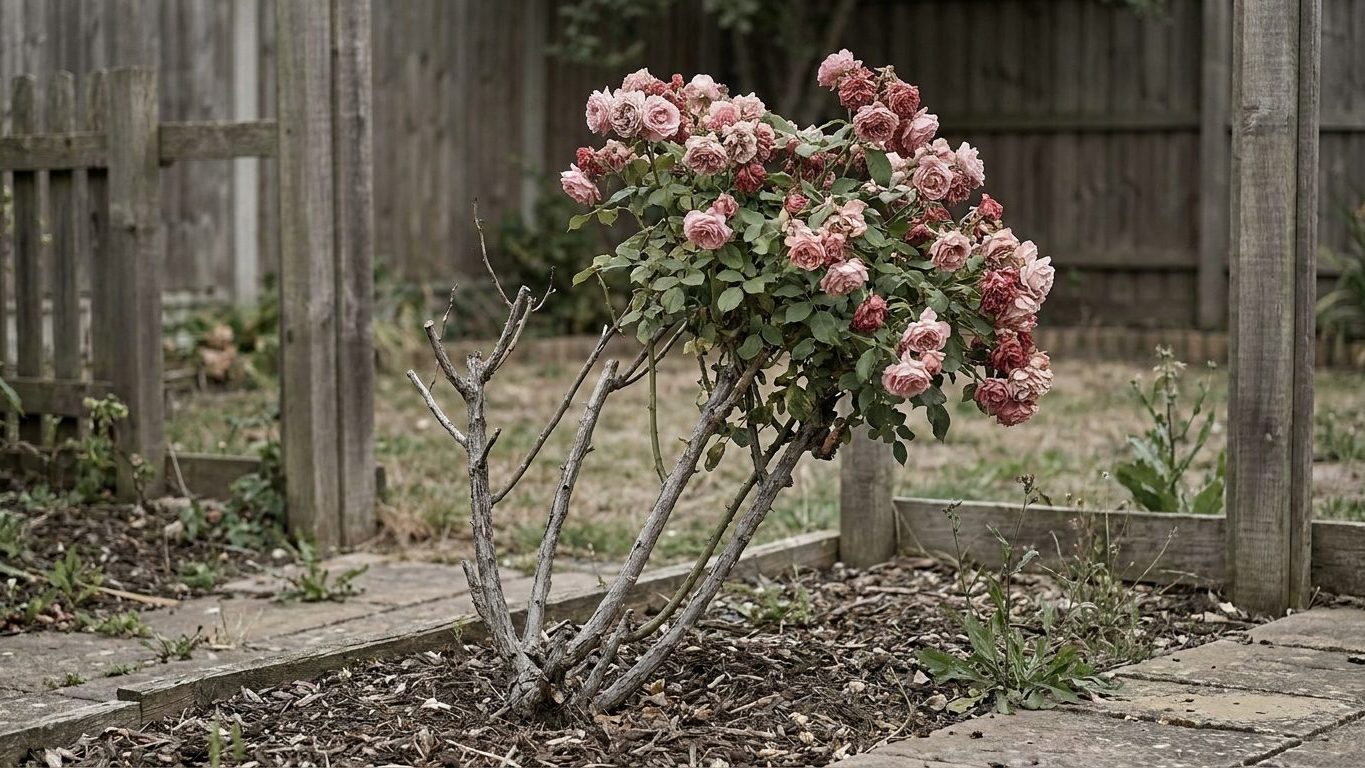
A leggy rose has thick, bare canes at the bottom and all its leaves and flowers crowded near the top, like a shrub standing on stilts.
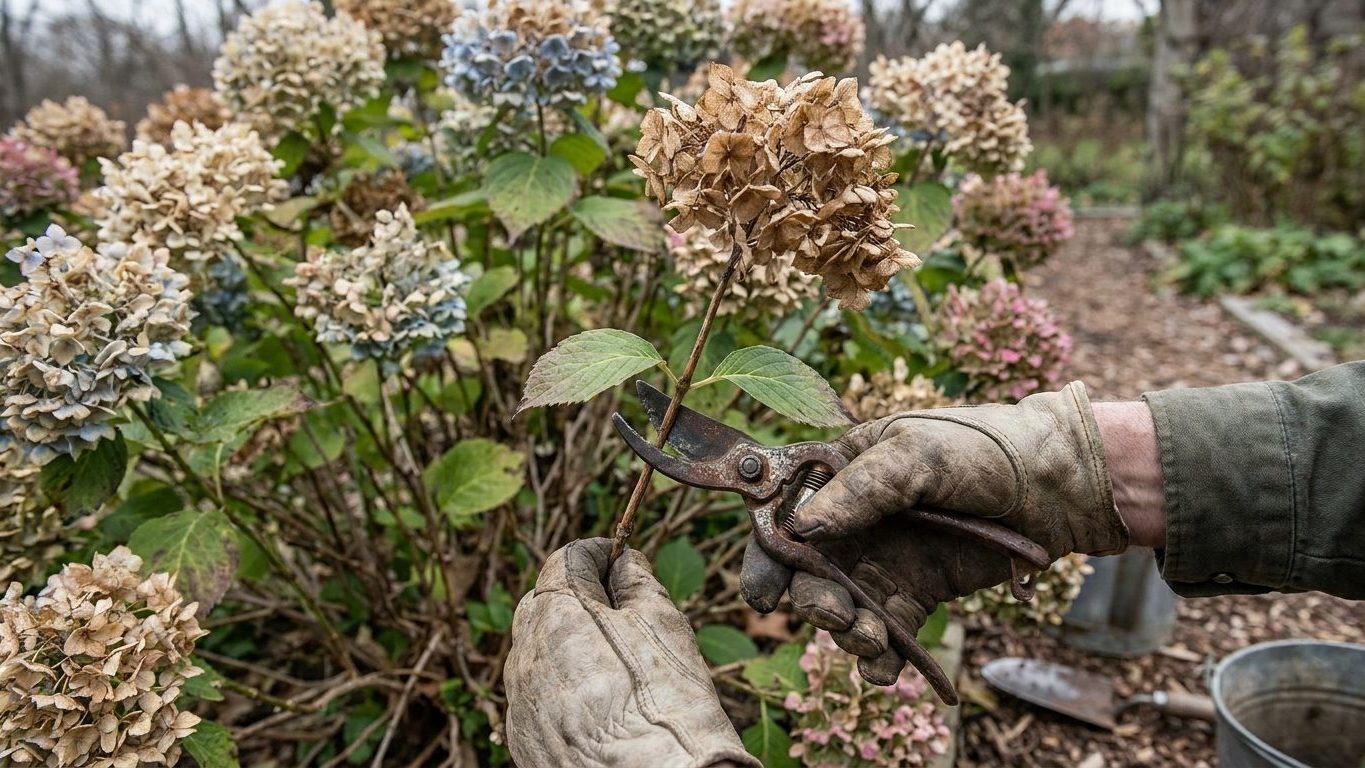
Deadheading means cutting the spent flower head, not the whole stem — snip just above the first full pair of healthy leaves below the faded bloom.
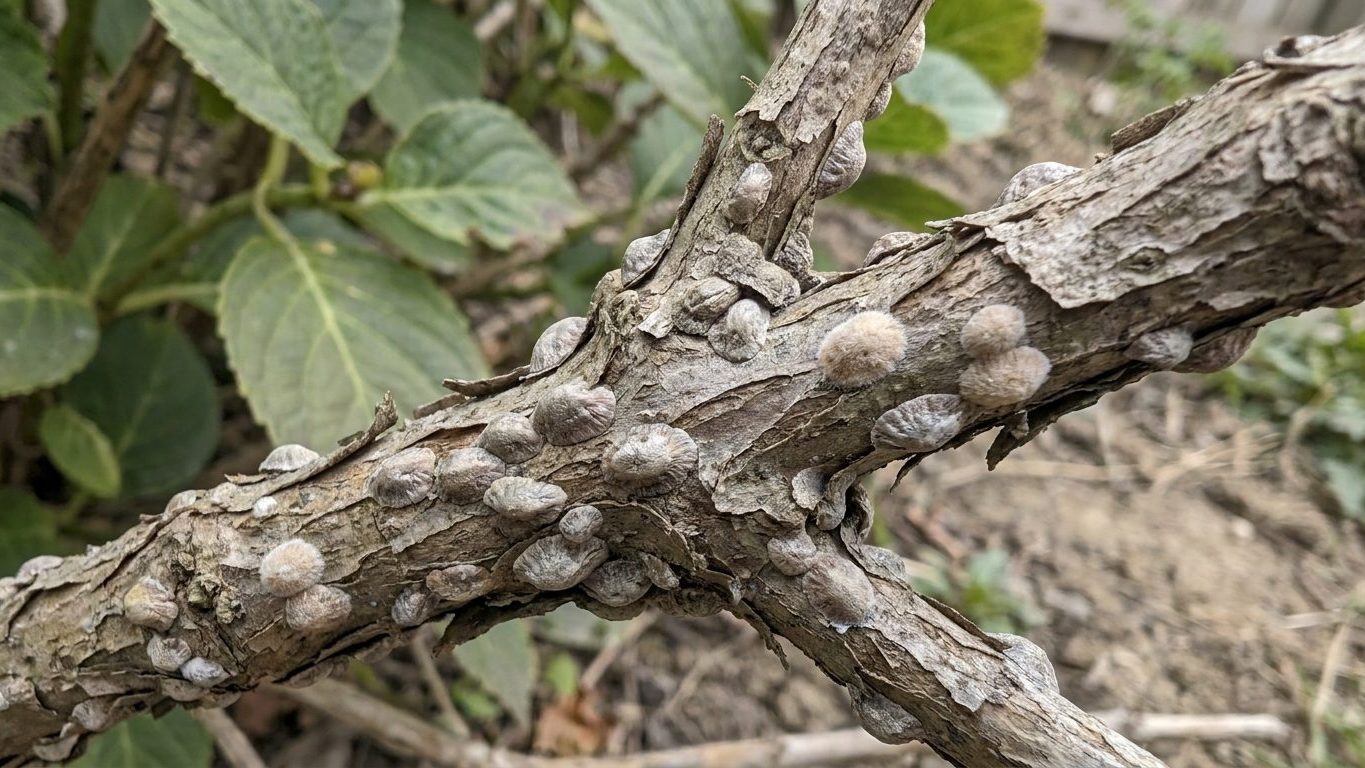
Hard, white to grayish-tan bumps clinging along hydrangea stems, or fuzzy oval masses that don’t wipe off with a finger, are scale insects.