Japanese Beetles on Roses: Why Traps Make It Worse
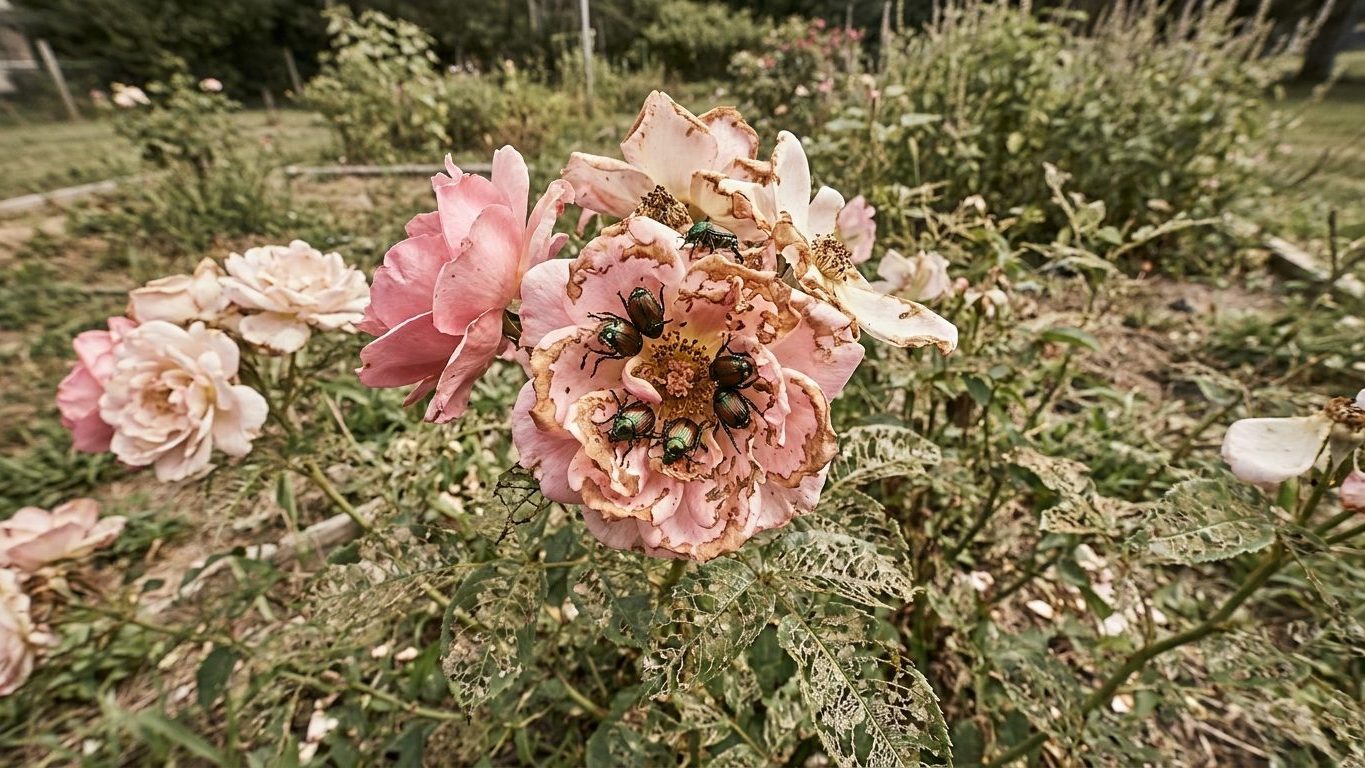
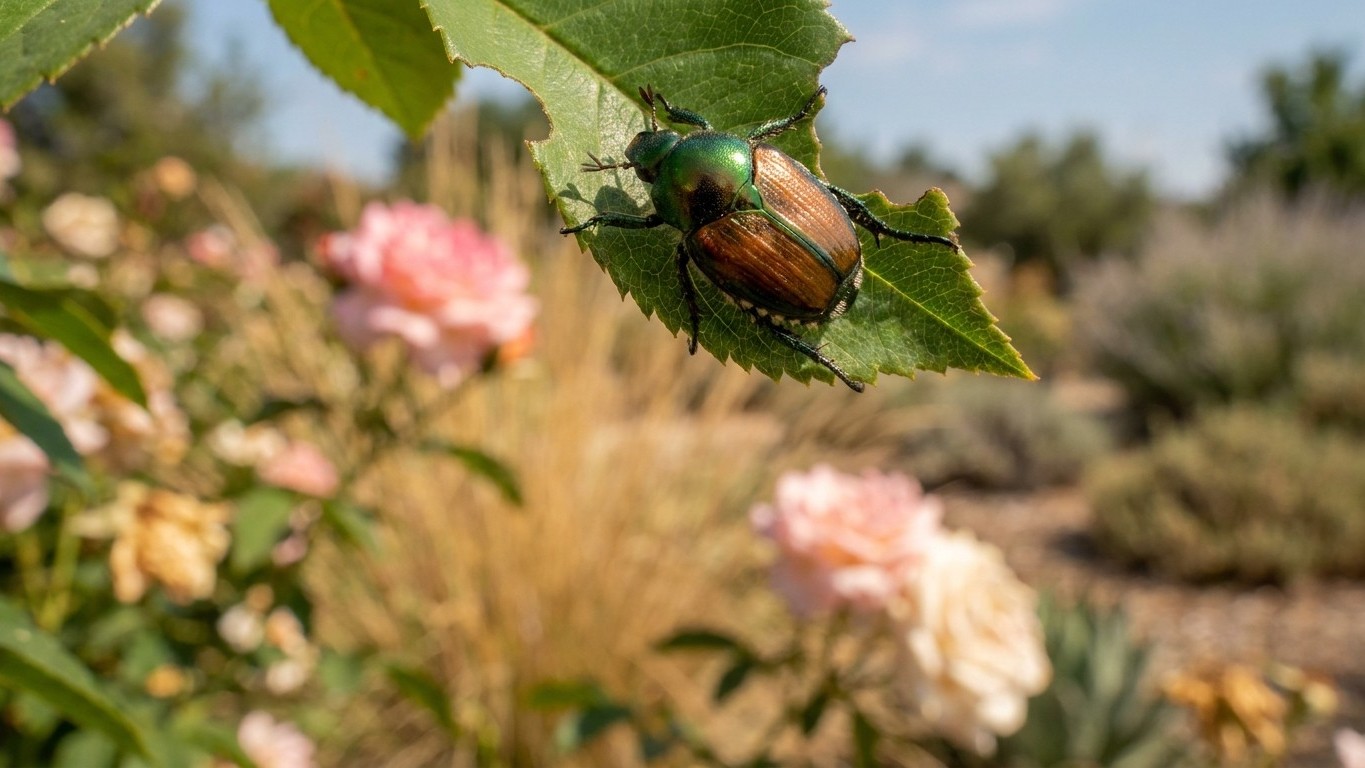
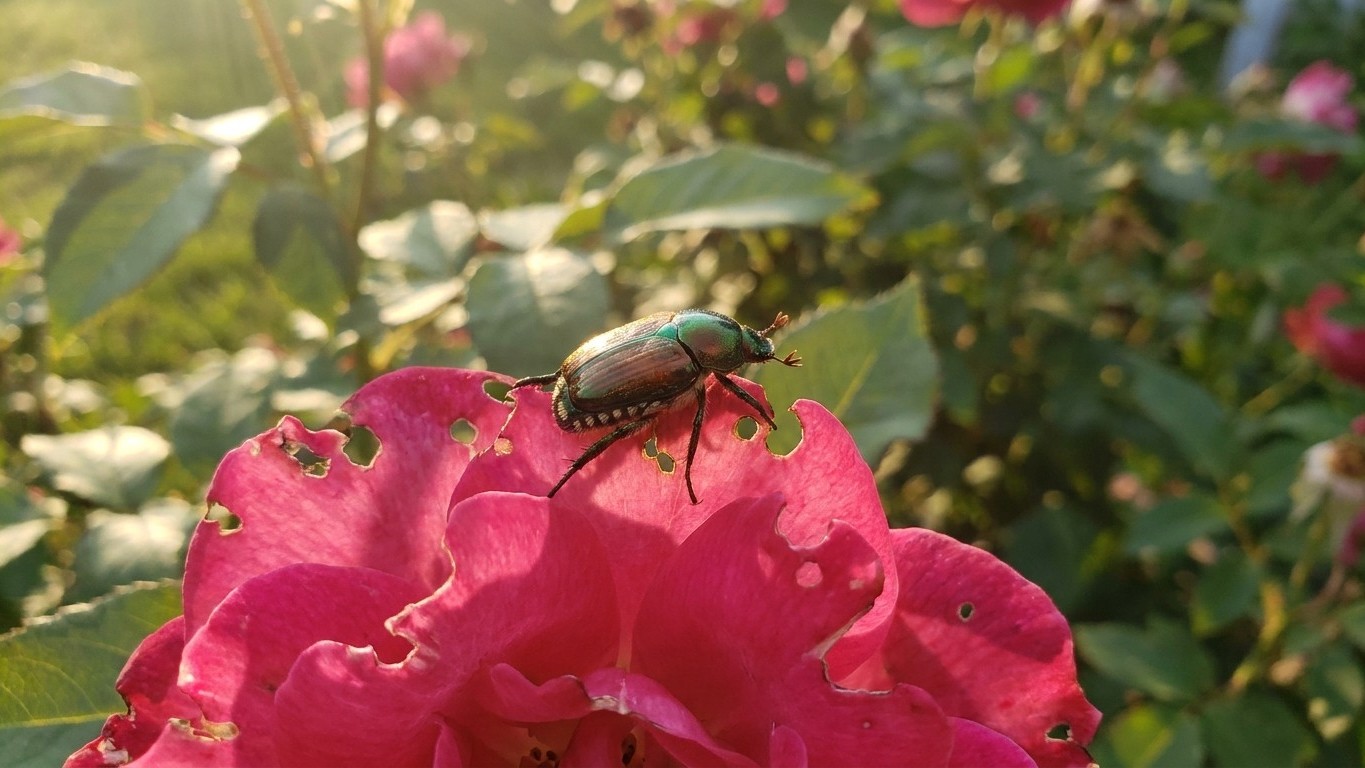
Skeletonized leaves and chewed-up rose blooms in the heat of summer point to one insect: the Japanese beetle.
Home & garden, state by state
Skeletonized leaves and chewed-up rose blooms in the heat of summer point to one insect: the Japanese beetle.
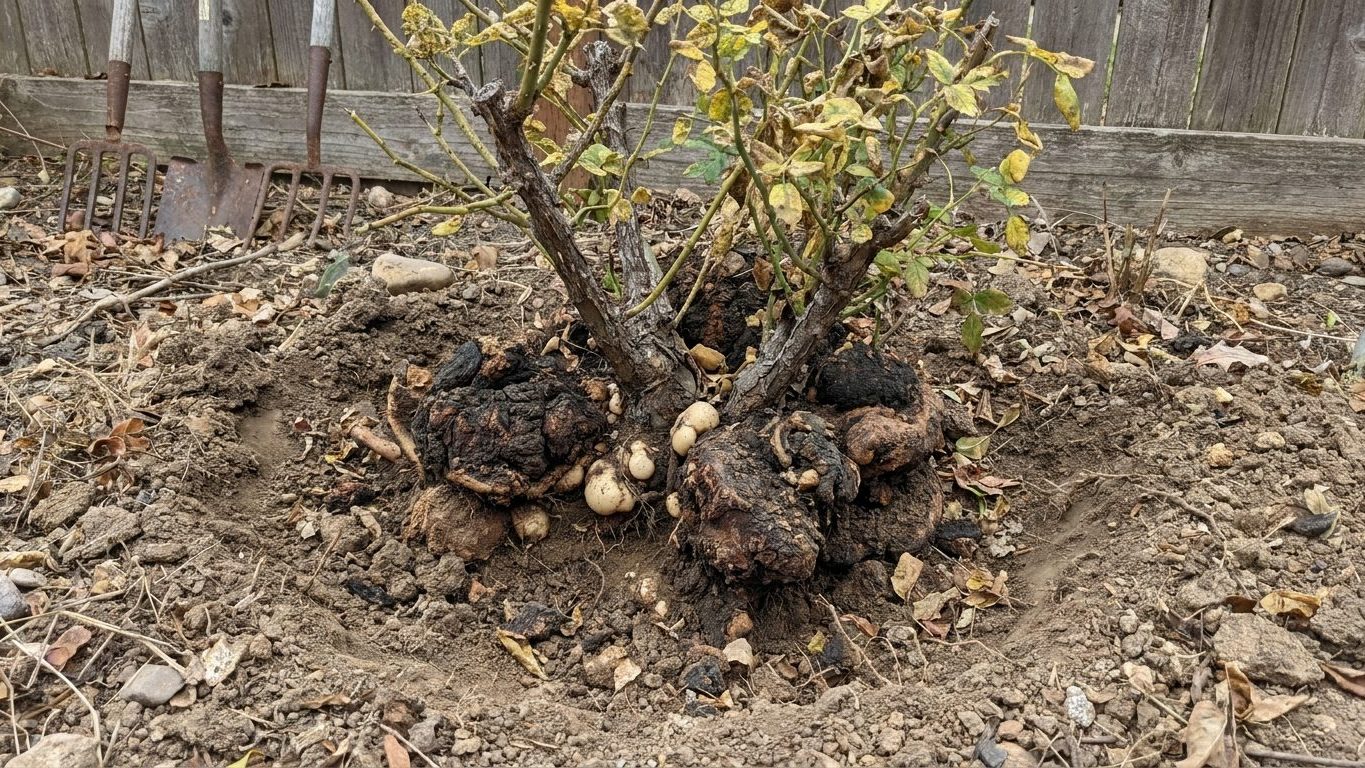
The lump at the base of a rose is crown gall, caused by a soil bacterium that permanently rewrites the plant’s own cells to keep growing tumor tissue.
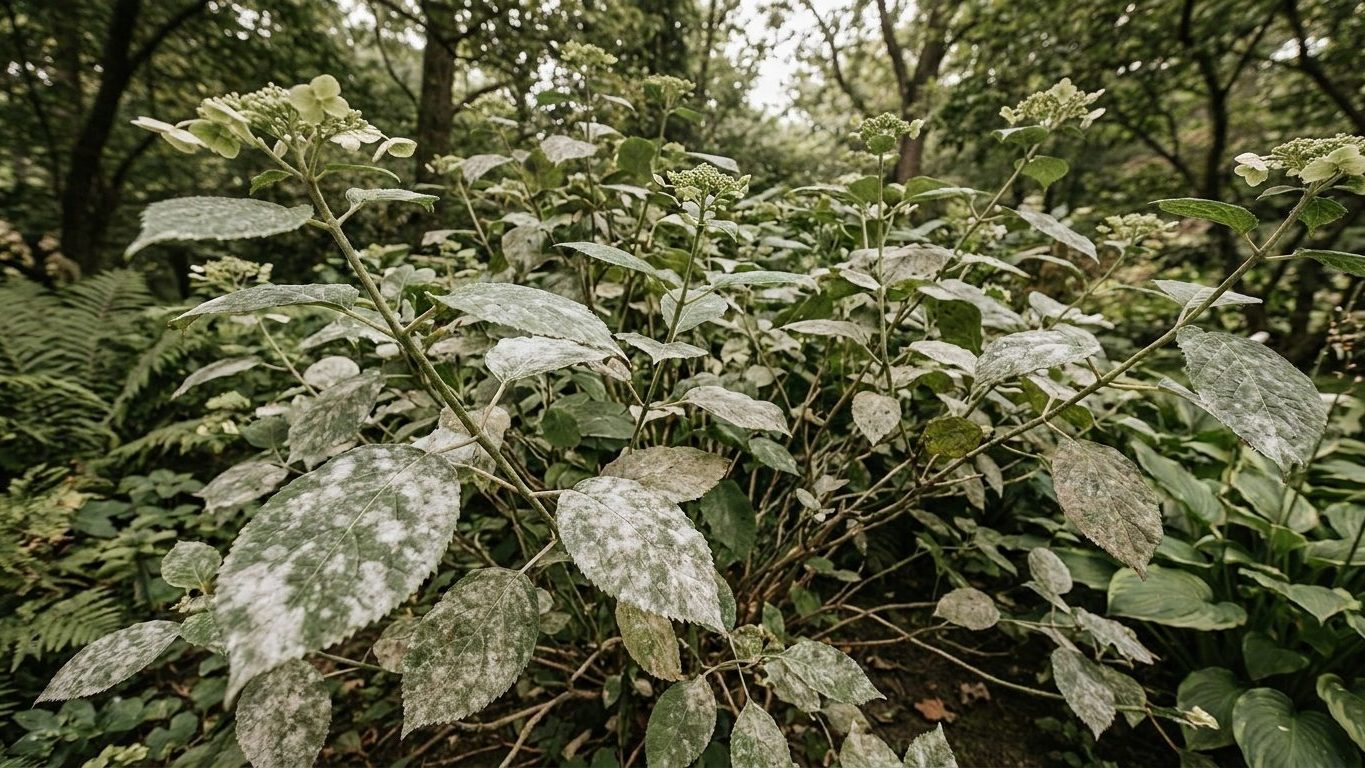
That white, flour-like coating across your hydrangea’s leaves is almost certainly powdery mildew, a fungal disease that looks worse than it usually is.
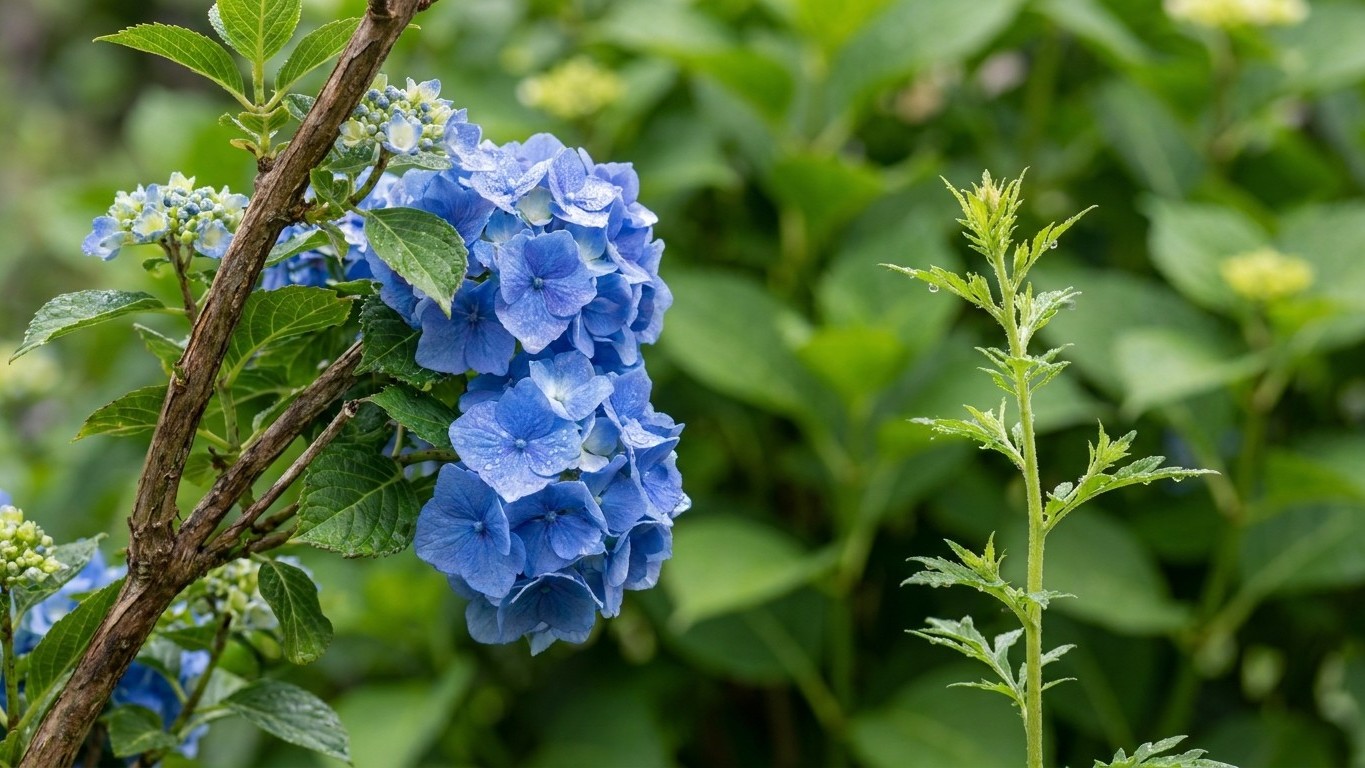
Plant hydrangeas in Arkansas either in early spring once the last frost risk has passed, or better yet in fall while the soil is still warm.
Bare-root roses go in the ground while still dormant, from mid-February through March in central Arkansas, and container roses follow once the last frost…
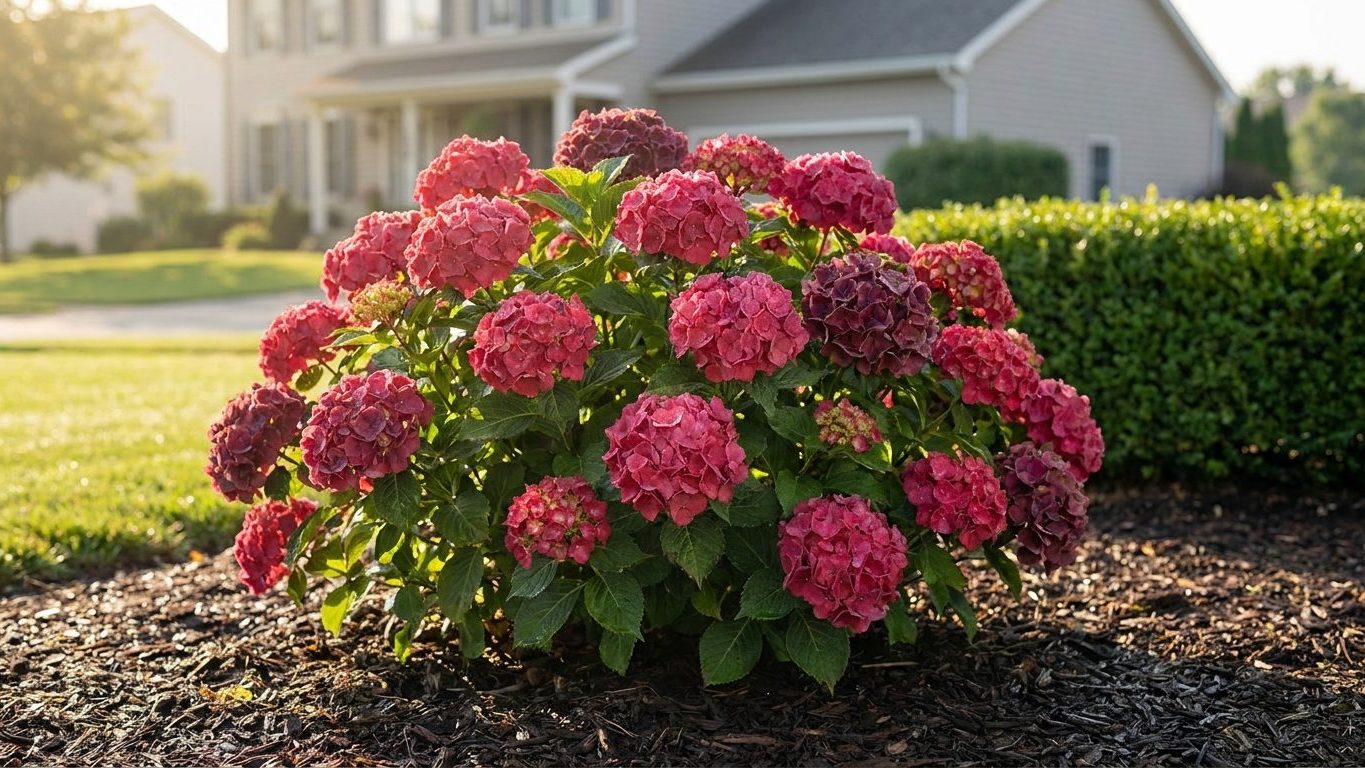
Cityline Paris is a compact bigleaf (mop-head) hydrangea hardy from USDA zone 6a through 11b, grown for dark rose-to-red flower heads that shift toward…
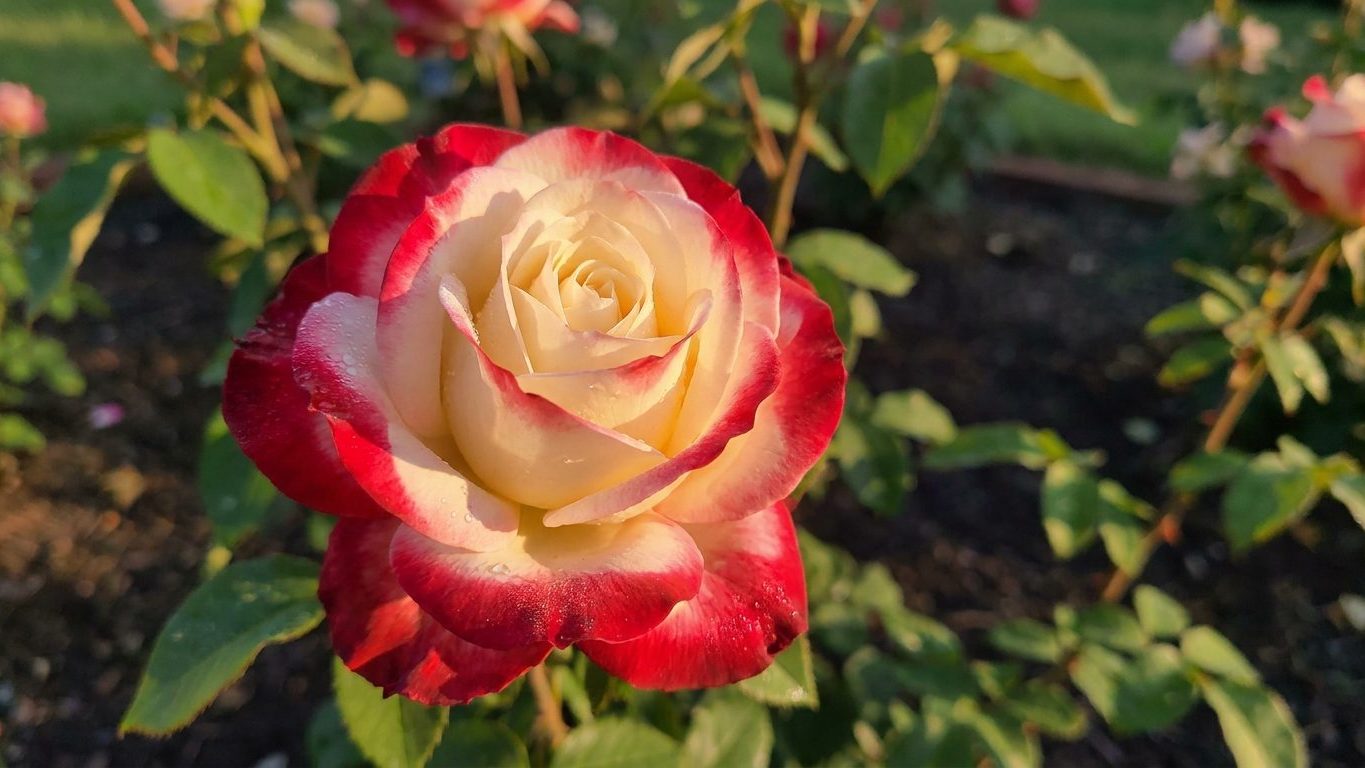
Double Delight is a Hybrid Tea rose grown for its two-tone bloom, cream petals edged in deep red carmine, paired with an intense spicy fragrance that’s…
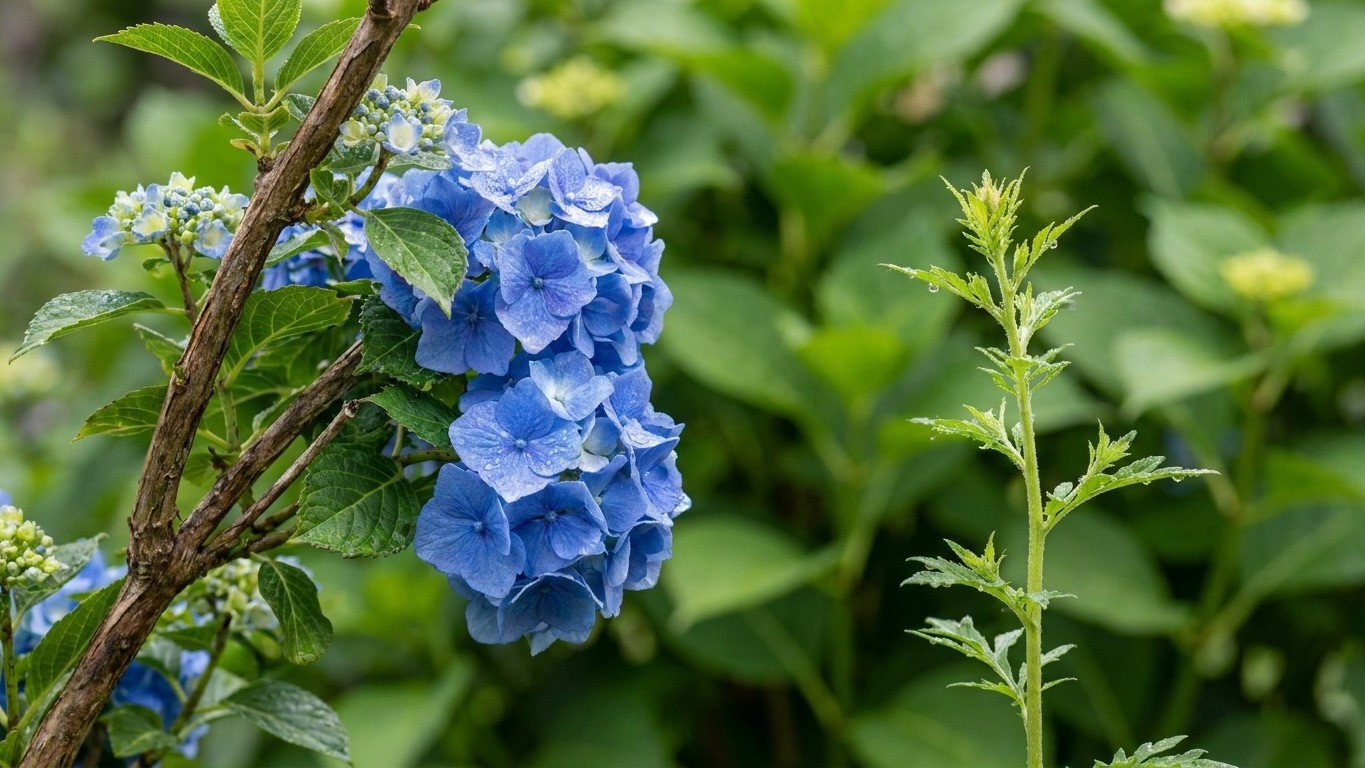
Prune most hydrangeas in Alaska in early spring, timed to the last frost window of May 3 to May 12 in Anchorage, cutting back new-wood bloomers just as…
Alaska’s rose disease pressure comes down to cool, damp conditions rather than heat and humidity.
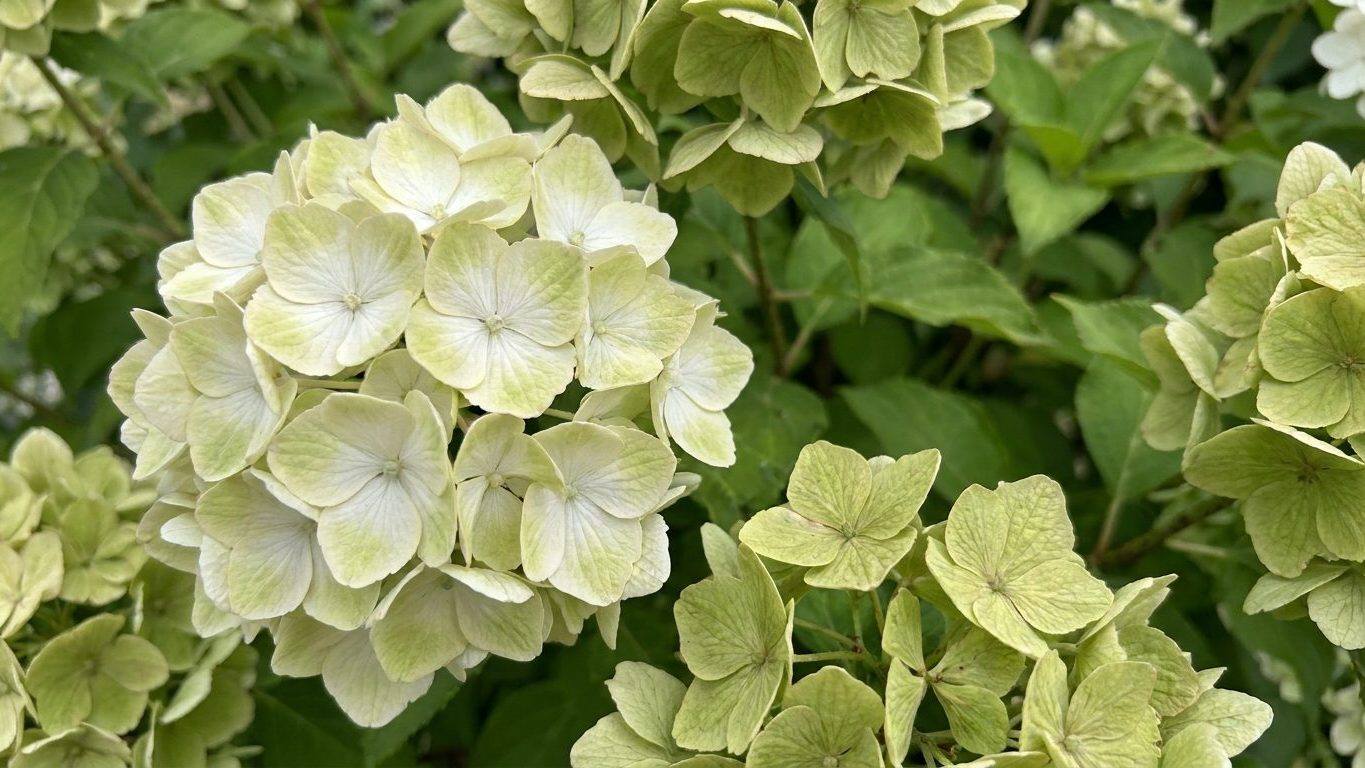
Green hydrangea flowers are almost always a natural aging shift, not a disease.