Skip to content

The Homestead Post

Home & garden, state by state

  • Home
  • Garden
    • Flowers
    • Lawn
    • Soil & Compost
    • Trees & Shrubs
    • Vegetables
  • Home Care
    • Electrical
    • Foundations
    • HVAC
    • Plumbing
    • Roofing
  • Energy
    • Heating & Cooling
    • Insulation
    • Rebates & Credits
    • Solar
  • Pests
    • Ants
    • Mosquitoes
    • Rodents
    • Termites
    • Ticks
  • Decor
    • Bedrooms
    • Kitchens
    • Living Rooms
    • Outdoor Spaces
  • DIY
    • Repairs
    • Tools
    • Weekend Projects
  • State Guides
    • Northeast
      • Connecticut
      • Maine
      • Massachusetts
      • New Hampshire
      • New Jersey
      • New York
      • Pennsylvania
      • Rhode Island
      • Vermont
    • Southeast
      • Alabama
      • Arkansas
      • Delaware
      • Florida
      • Georgia
      • Kentucky
      • Louisiana
      • Maryland
      • Mississippi
      • North Carolina
      • South Carolina
      • Tennessee
      • Virginia
      • West Virginia
    • Midwest
      • Illinois
      • Indiana
      • Iowa
      • Kansas
      • Michigan
      • Minnesota
      • Missouri
      • Nebraska
      • North Dakota
      • Ohio
      • South Dakota
      • Wisconsin
    • Southwest
      • Arizona
      • New Mexico
      • Oklahoma
      • Texas
    • West
      • Alaska
      • California
      • Colorado
      • Hawaii
      • Idaho
      • Montana
      • Nevada
      • Utah
      • Wyoming
    • Pacific Northwest
      • Oregon
      • Washington
    • Canada
      • Alberta
      • British Columbia
      • Manitoba
      • New Brunswick
      • Newfoundland and Labrador
      • Northwest Territories
      • Nova Scotia
      • Nunavut
      • Ontario
      • Prince Edward Island
      • Quebec
      • Saskatchewan
      • Yukon

When to Pick Summer Squash in Kansas — and What to Do With a Glut
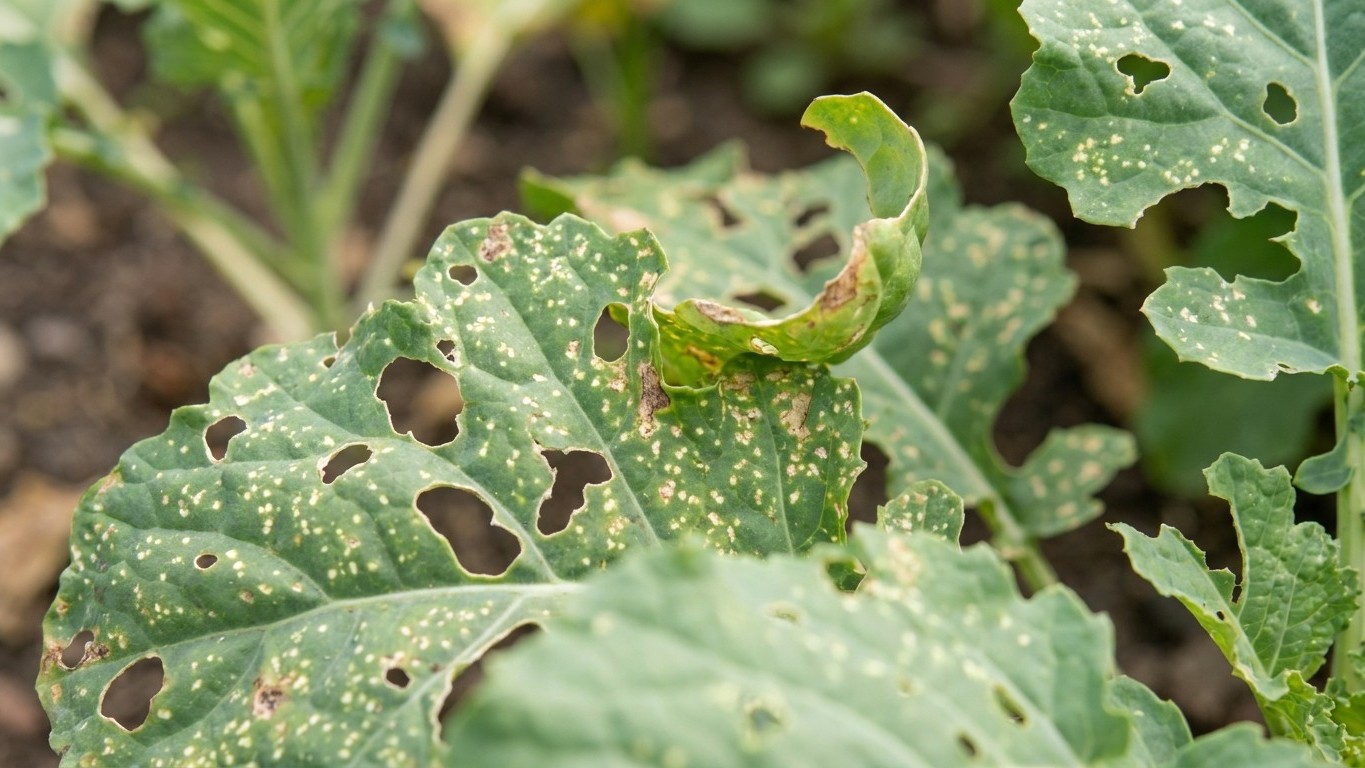
A vegetable plant leaf affected by powdery mildew fungal disease and insect damage with visible holes and white coating.

Summer squash in Kansas signals harvest through size and skin, not the calendar: pick zucchini and yellow squash at 6 to 8 inches, when a fingernail…
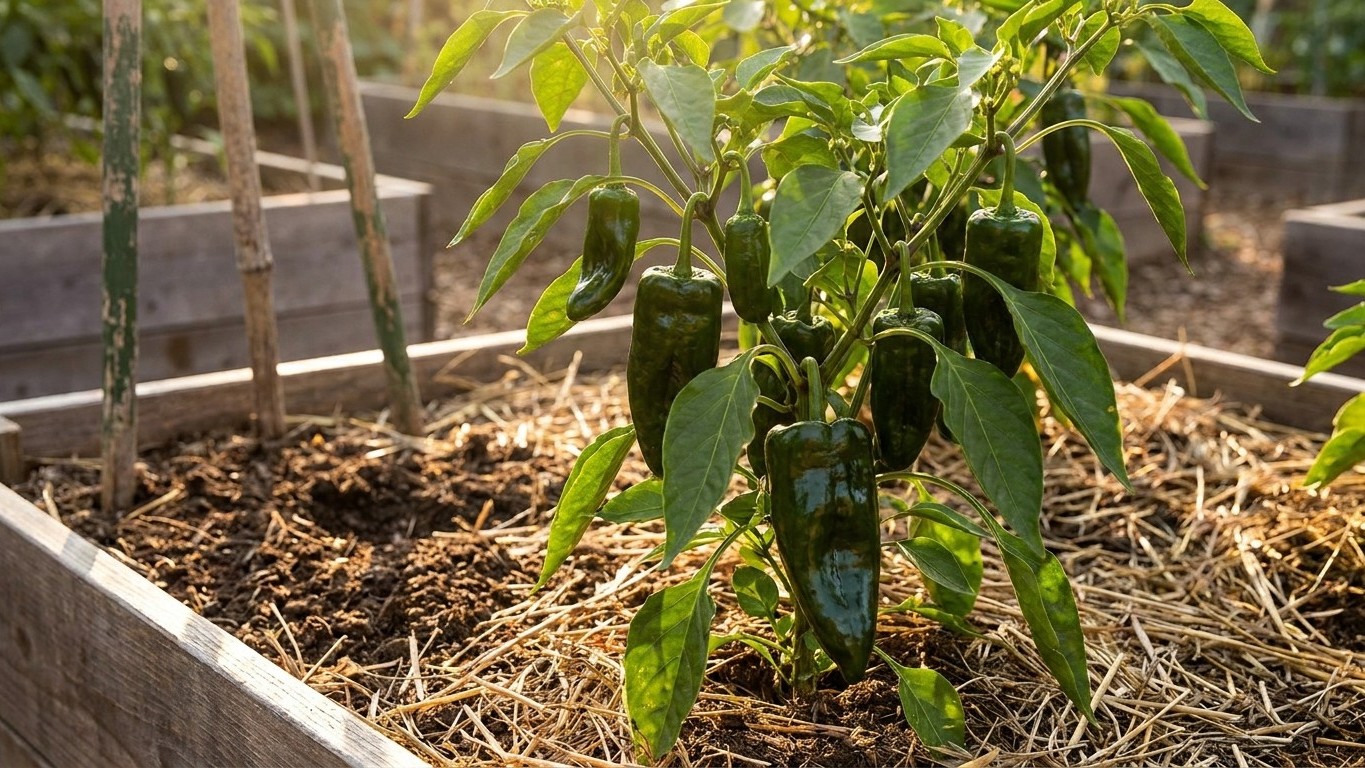
What Eats Pepper in Nevada, and When

Young pepper plants with developing green peppers grow in a raised garden bed with mulch and wooden stakes for support.

Nevada’s verified pepper data doesn’t name a single insect species as the state’s top threat.
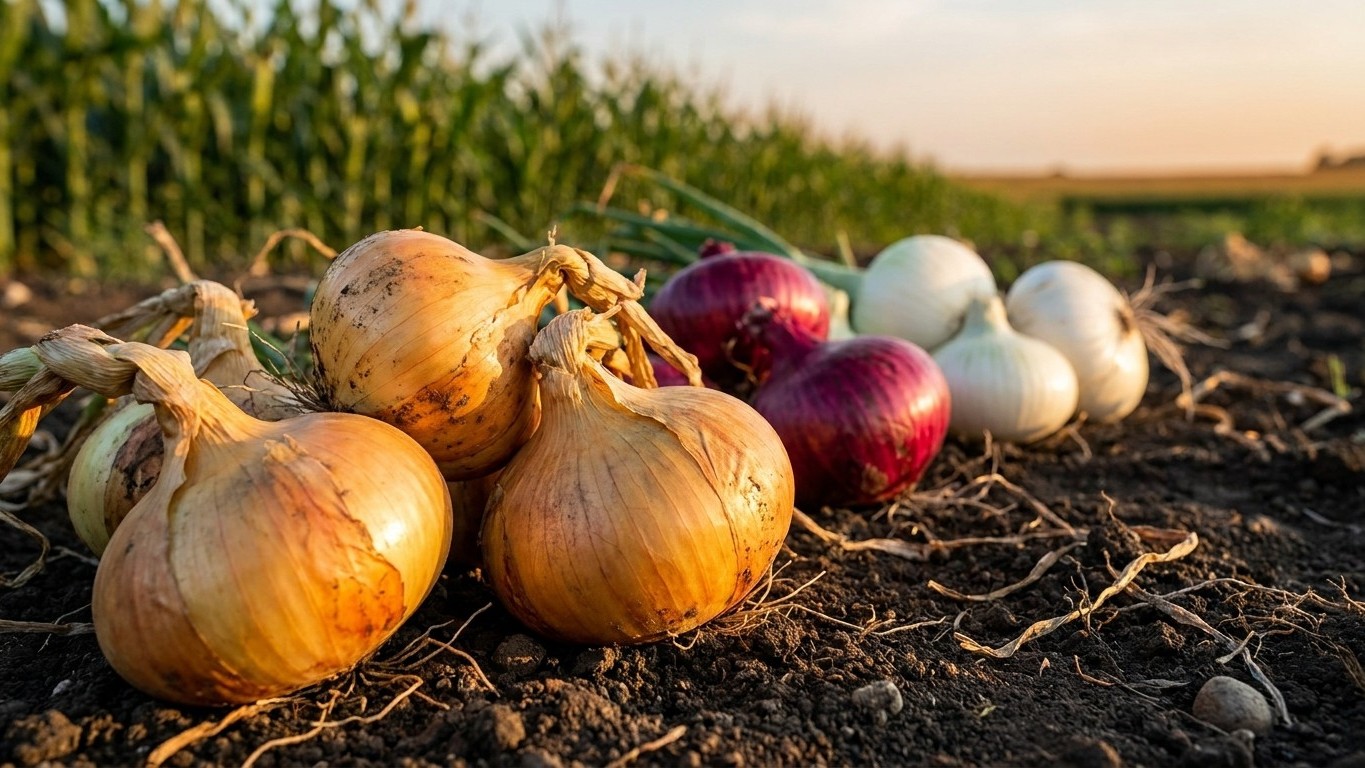
What Eats Onion in North Dakota, and When

Golden, red, and white onions arranged on dark soil with a cornfield visible in the background at sunset.

NDSU Extension publishes fact sheets on six insects common enough across North Dakota to warrant tracking: apple maggot, boxelder bug, Colorado potato…
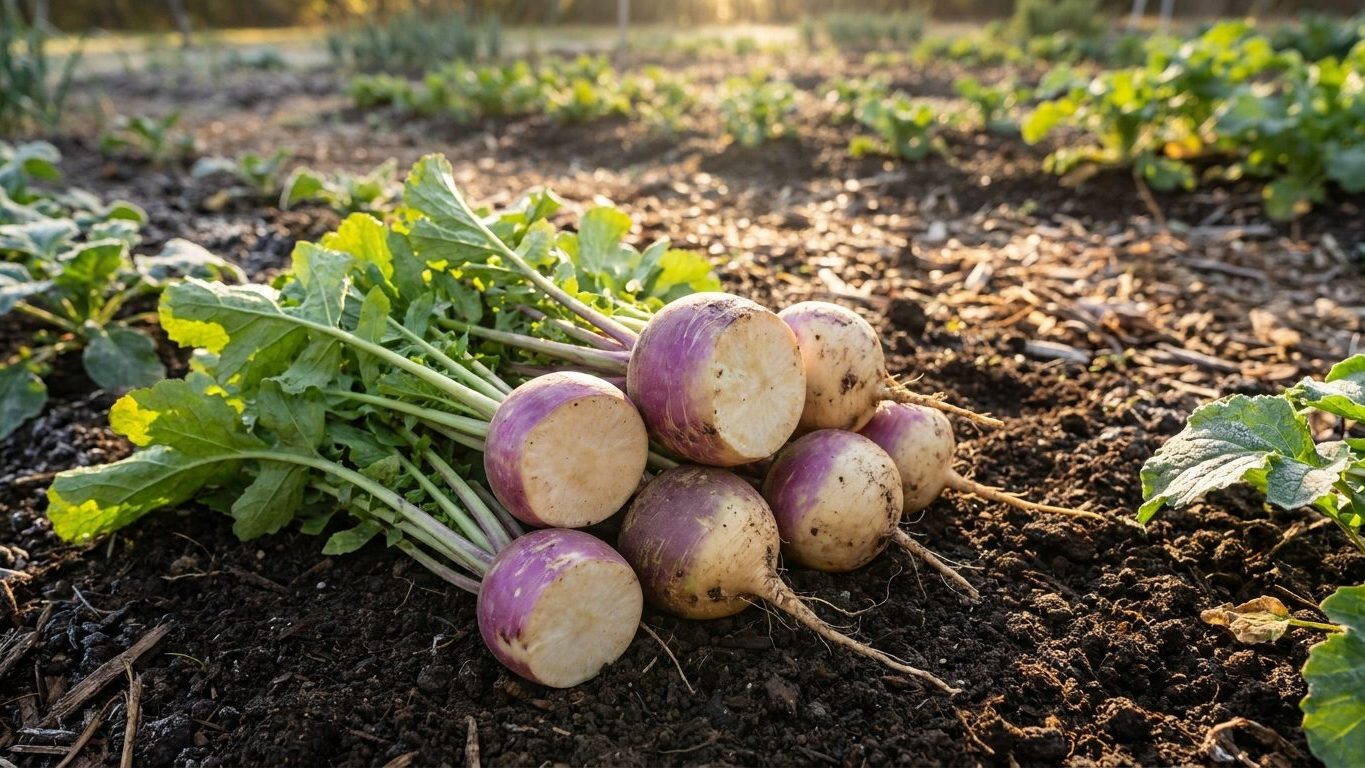
Growing Turnips and Rutabaga in Connecticut

Growing Turnips and Rutabaga in Connecticut

Connecticut’s growing window works against turnips and rutabaga less than gardeners assume: this is a cool-season crop built for the very cold snaps that…
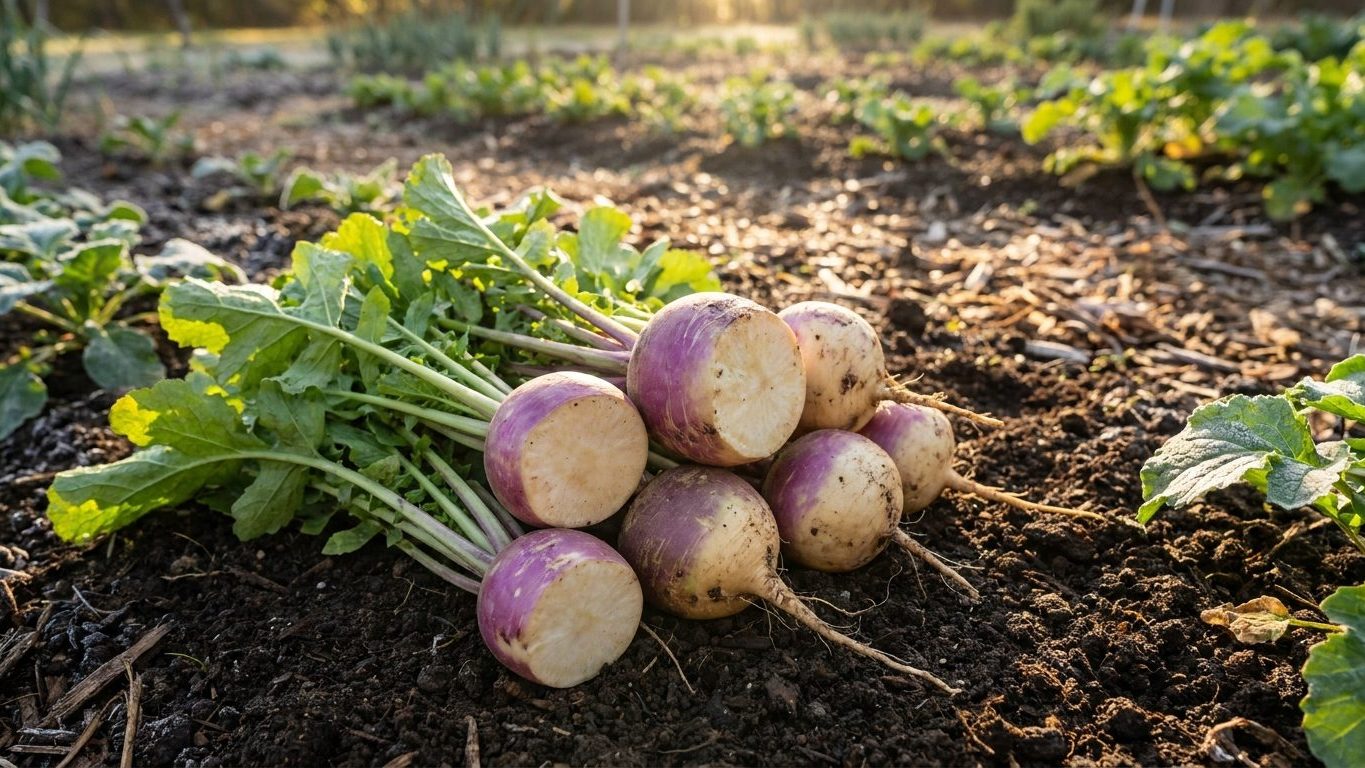
Growing Turnips and Rutabaga in Colorado

Growing Turnips and Rutabaga in Colorado

Turnips and rutabaga in Colorado are best treated as a fall crop, not a spring one.
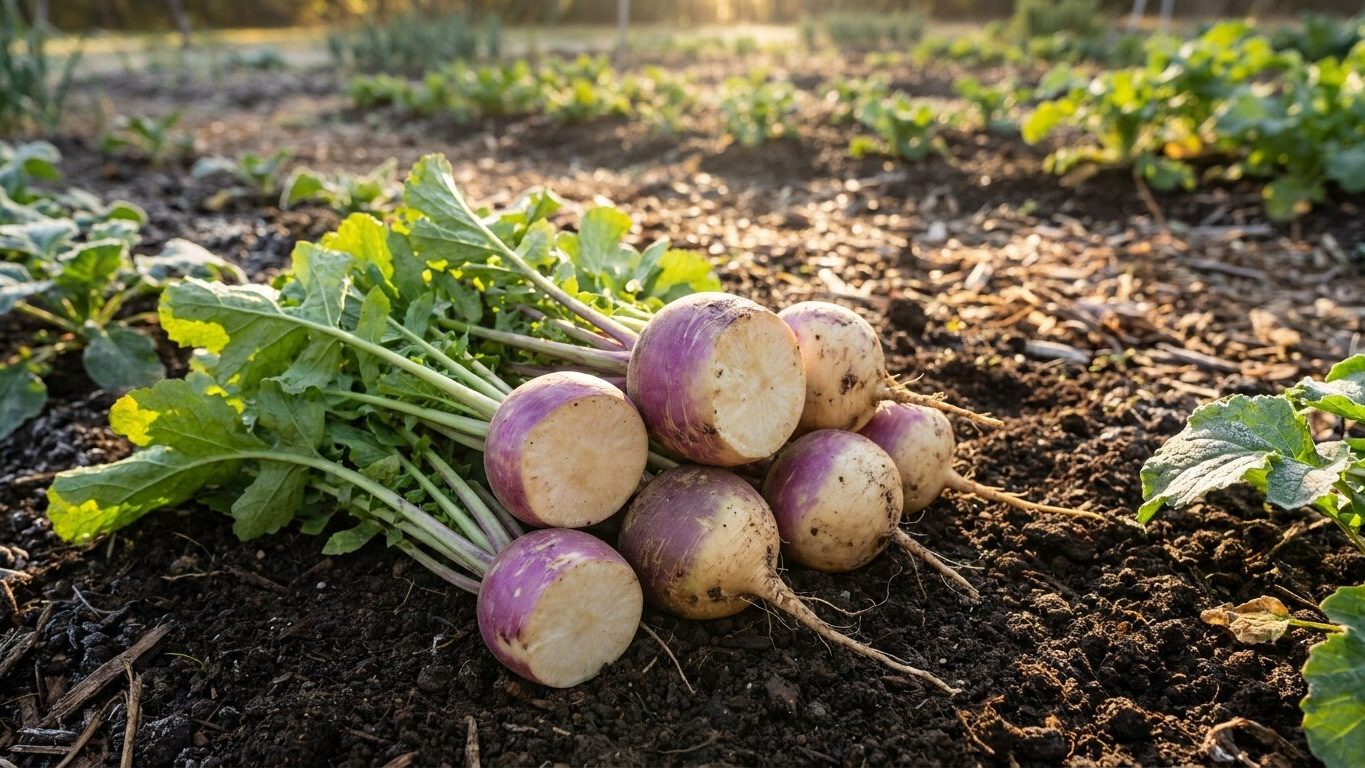
Growing Turnips and Rutabaga in California

Growing Turnips and Rutabaga in California

Coastal and Southern California don’t really have a frost date, so timing turnips and rutabaga there comes down to soil temperature and summer heat, not…
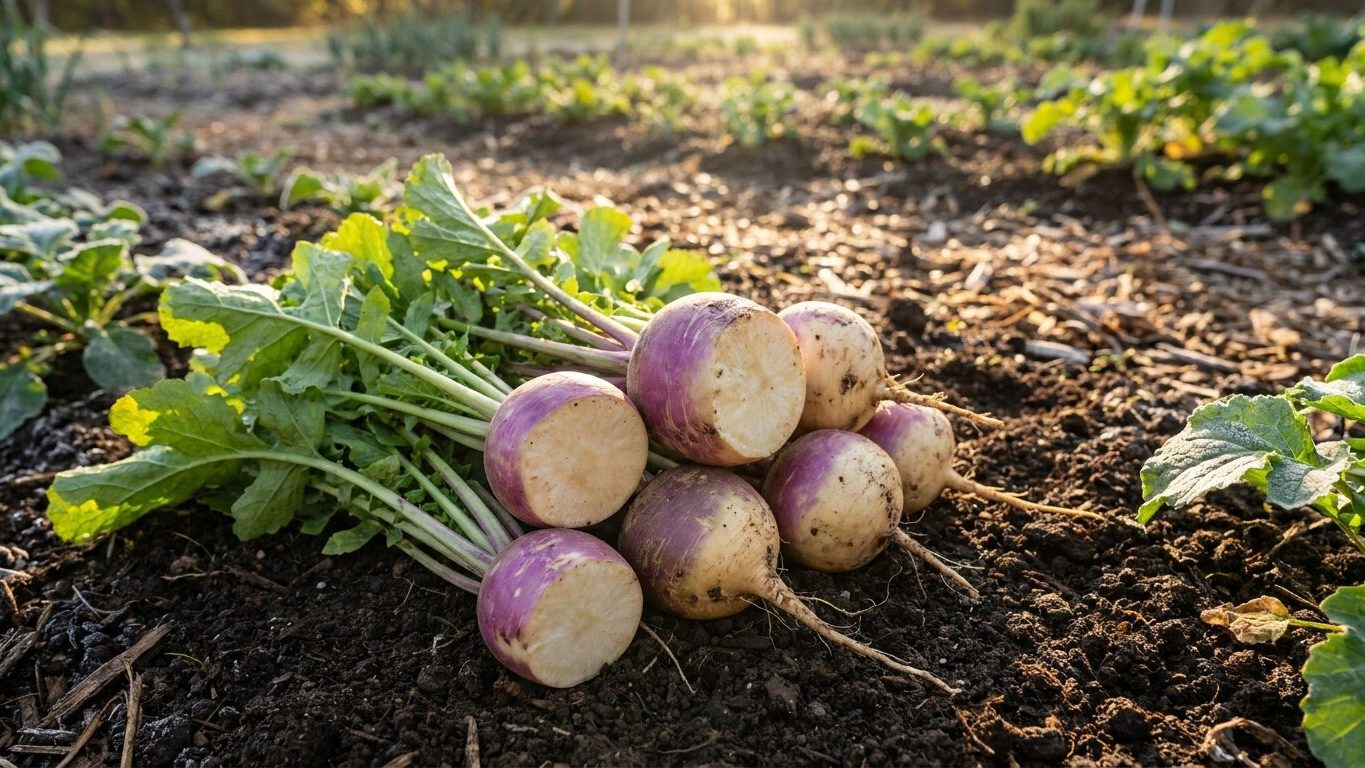
Growing Turnips and Rutabaga in British Columbia

Growing Turnips and Rutabaga in British Columbia

Turnips and rutabaga in British Columbia don’t follow a single calendar rule.
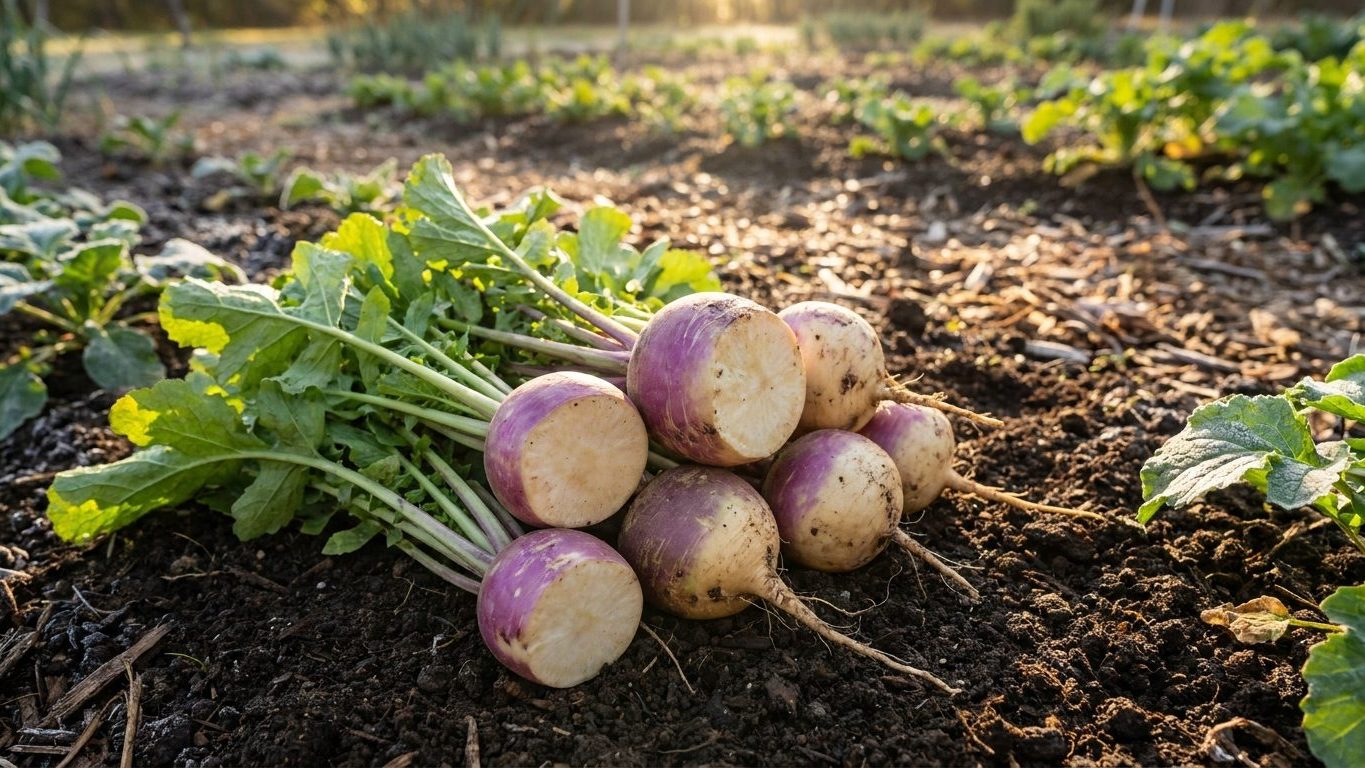
Growing Turnips and Rutabaga in Arkansas

Growing Turnips and Rutabaga in Arkansas

Turnips and rutabaga in Arkansas are best treated as a fall crop, not a spring one.
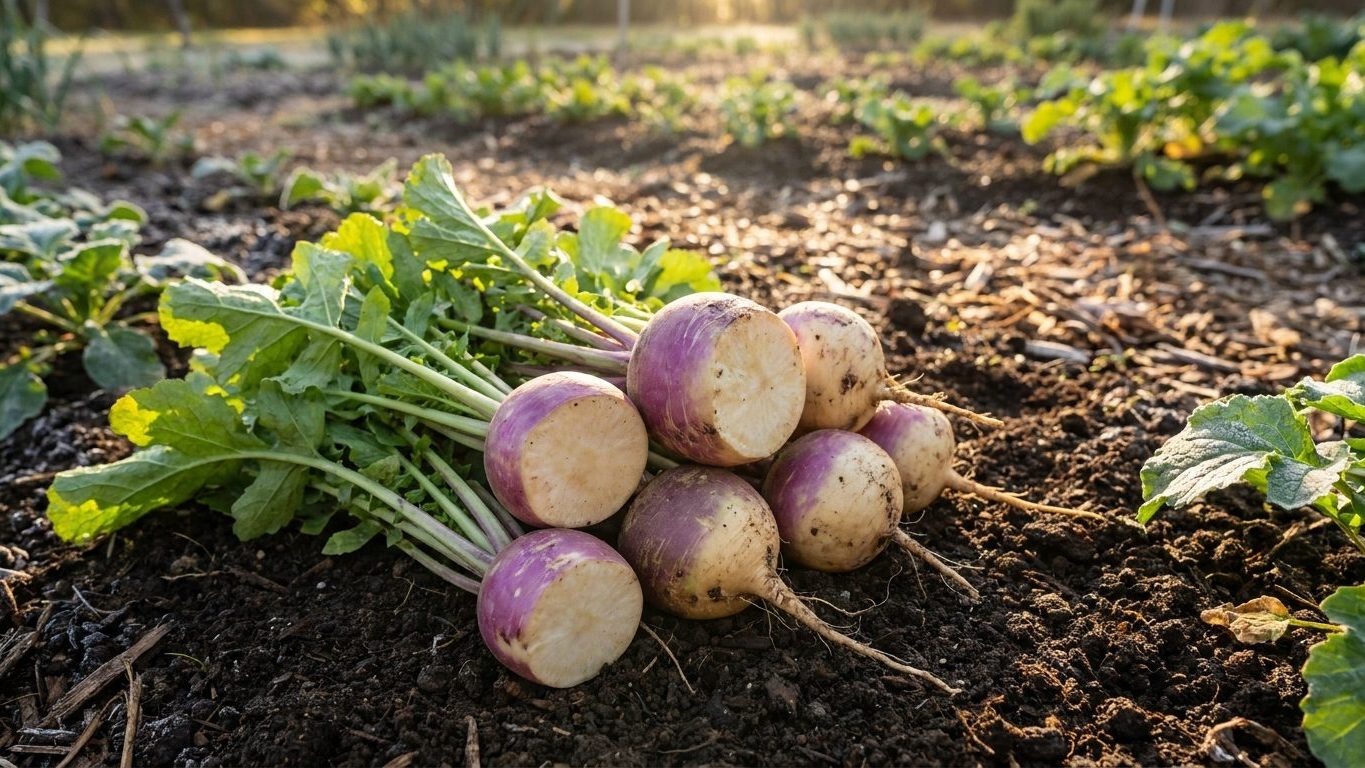
Growing Turnips and Rutabaga in Arizona

Growing Turnips and Rutabaga in Arizona

In Arizona’s low desert, turnips and rutabaga are strictly a cool-season crop: sow them in fall and harvest through winter, because summer heat stops…
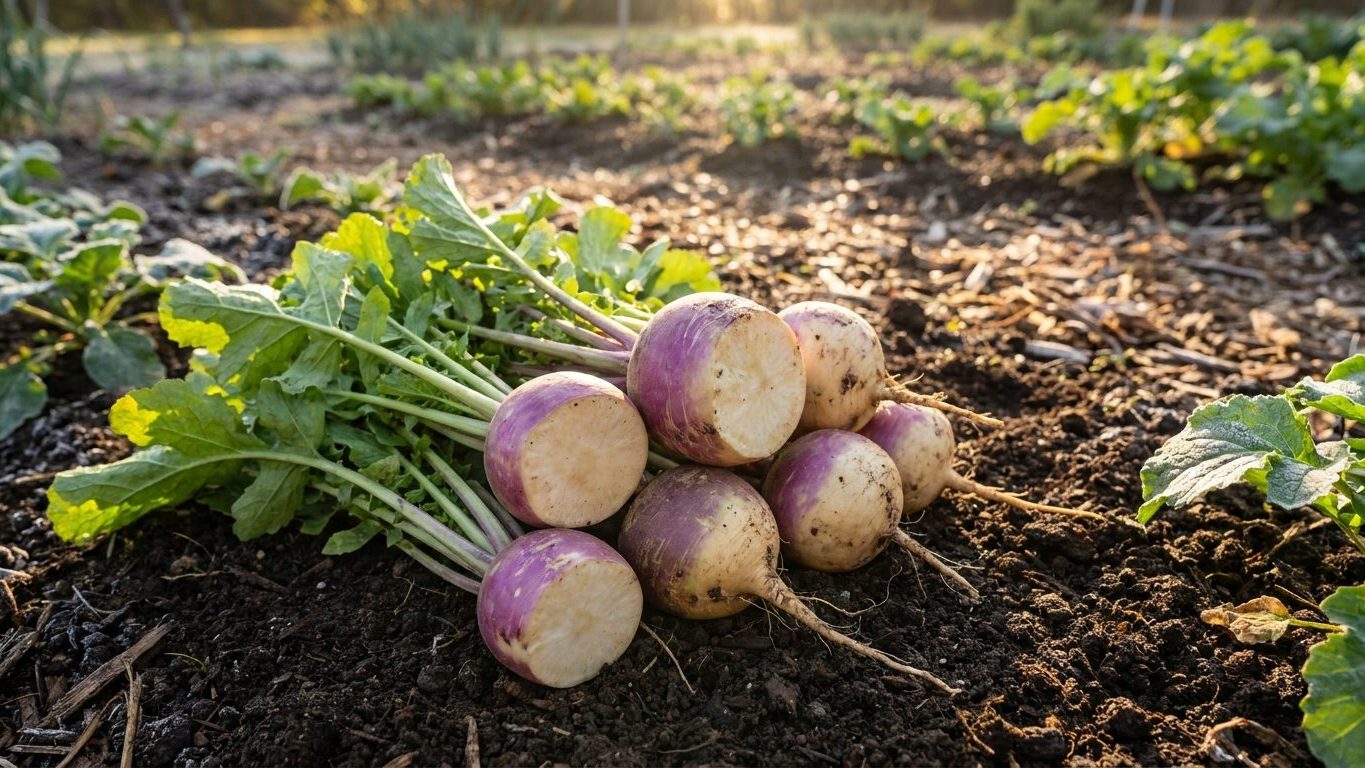
Growing Turnips and Rutabaga in Alberta

Growing Turnips and Rutabaga in Alberta

In most of Alberta, turnips and rutabaga go into the ground once the soil has warmed past the risk of a hard freeze, roughly the third week of May around…

Older posts
Newer posts
← Previous Page1 … Page198 Page199 Page200 … Page735 Next →

The Homestead Post

Home and garden advice with the numbers attached — written for your climate, your season and your local rules.

Sections

  • Garden
  • Home Care
  • Energy
  • Pests
  • Decor
  • DIY

Popular states

  • California
  • Texas
  • Florida
  • New York
  • Pennsylvania
  • Ohio
  • Georgia
  • North Carolina
  • All states →

The Post

  • About us
  • Contact
  • Editorial guidelines
  • Affiliate disclosure
  • Privacy policy
  • Terms of use
© 2026 The Homestead Post·Home & garden, state by state