Growing Melons in Washington
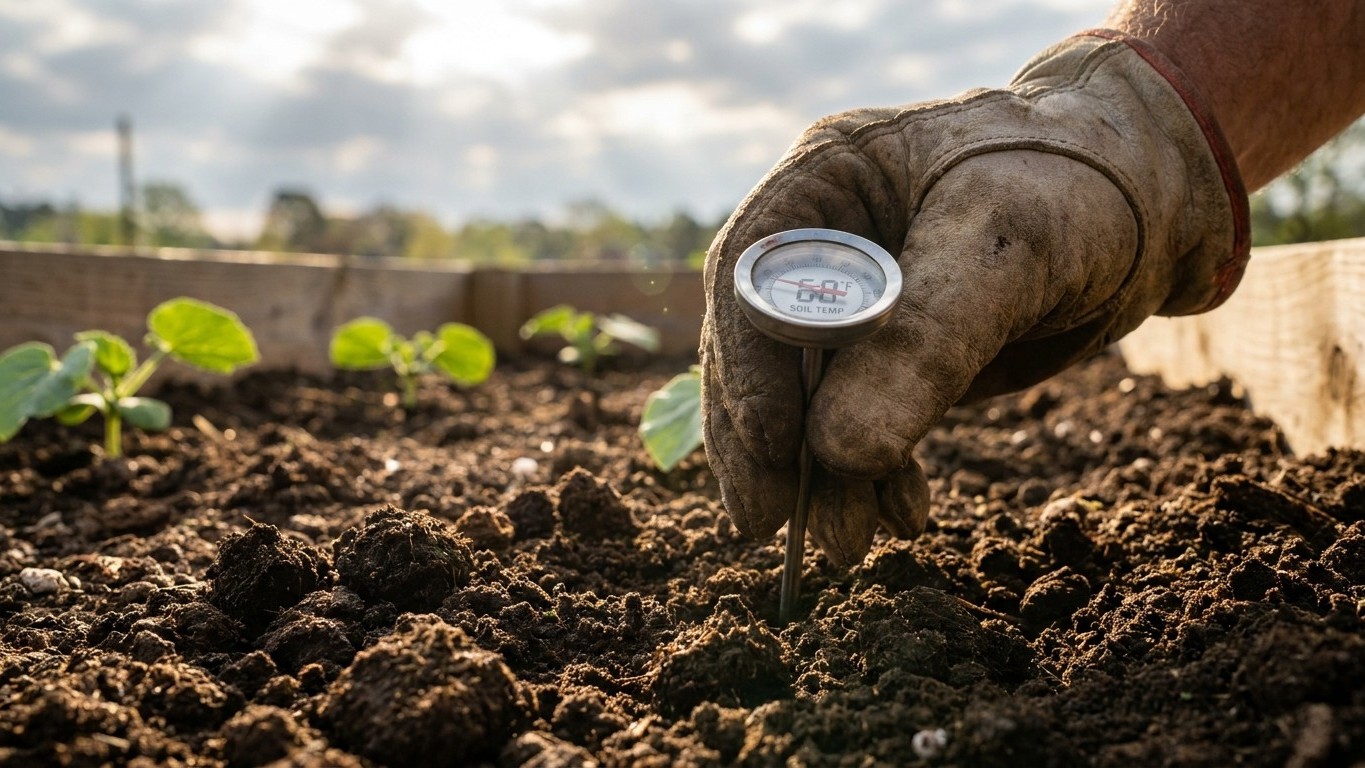
Melons in Washington mean two very different growing realities: a cool, marine-influenced west side where heat is the limiting factor, and a high-desert…
Home & garden, state by state
Melons in Washington mean two very different growing realities: a cool, marine-influenced west side where heat is the limiting factor, and a high-desert…
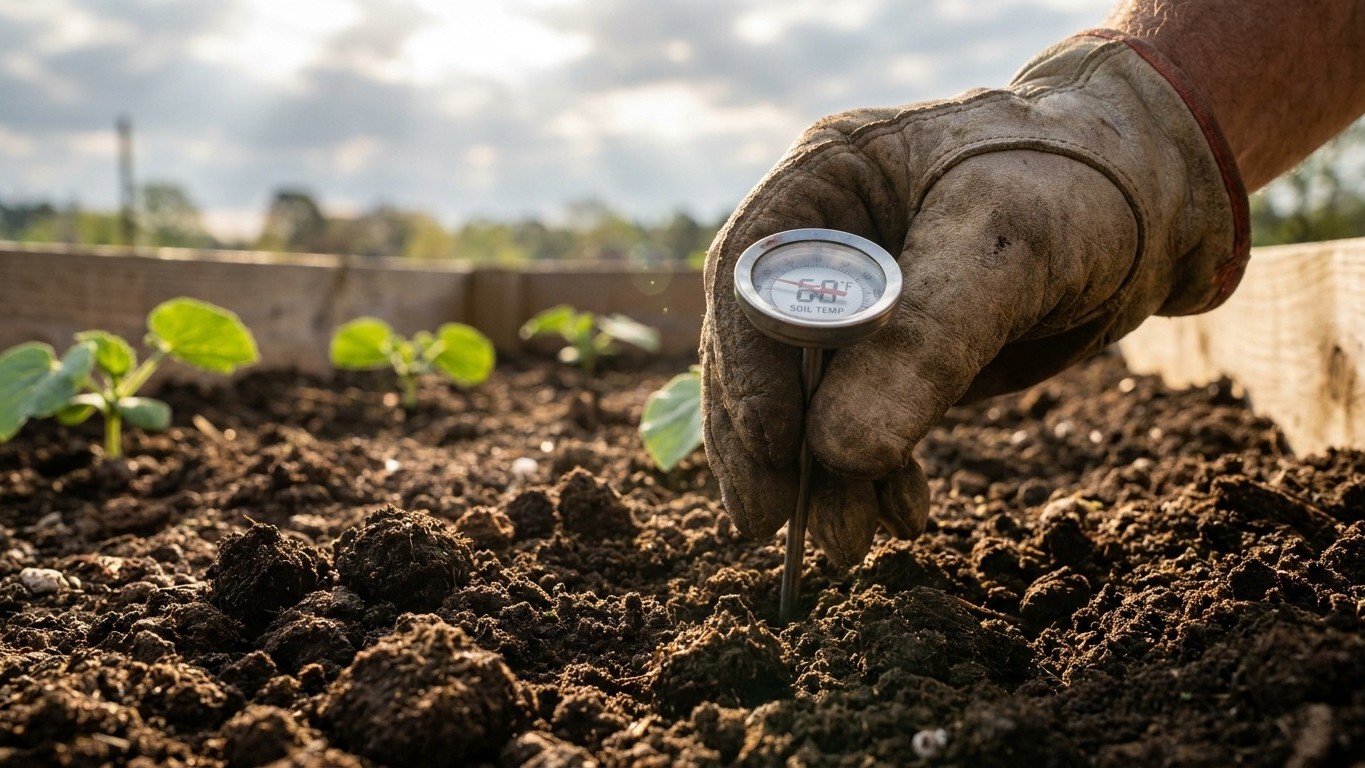
Melons need soil in the mid-60s Fahrenheit and a long stretch of warmth to ripen, and Virginia’s growing window runs from around late March in the…
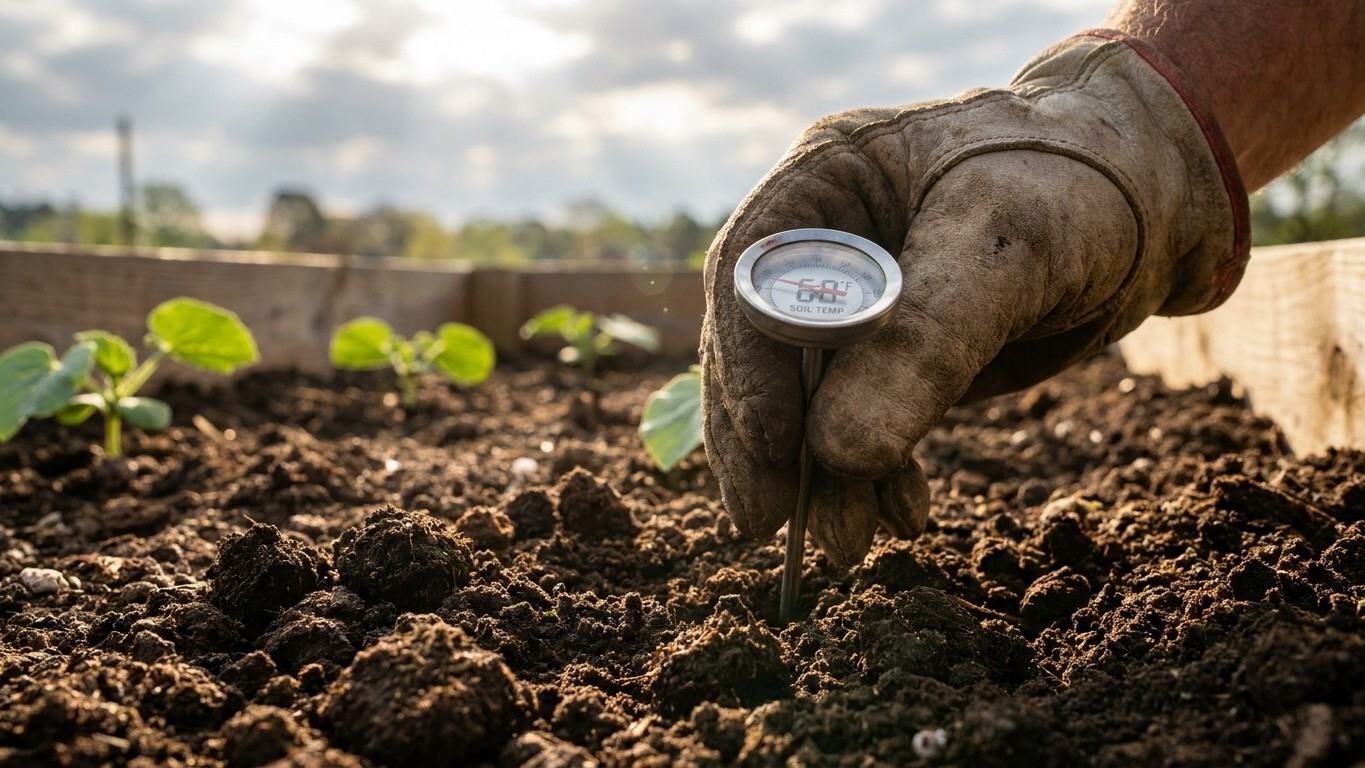
In most of Vermont, growing melons means picking short-season types, warming the soil before you plant, and accepting one harvest window rather than two.
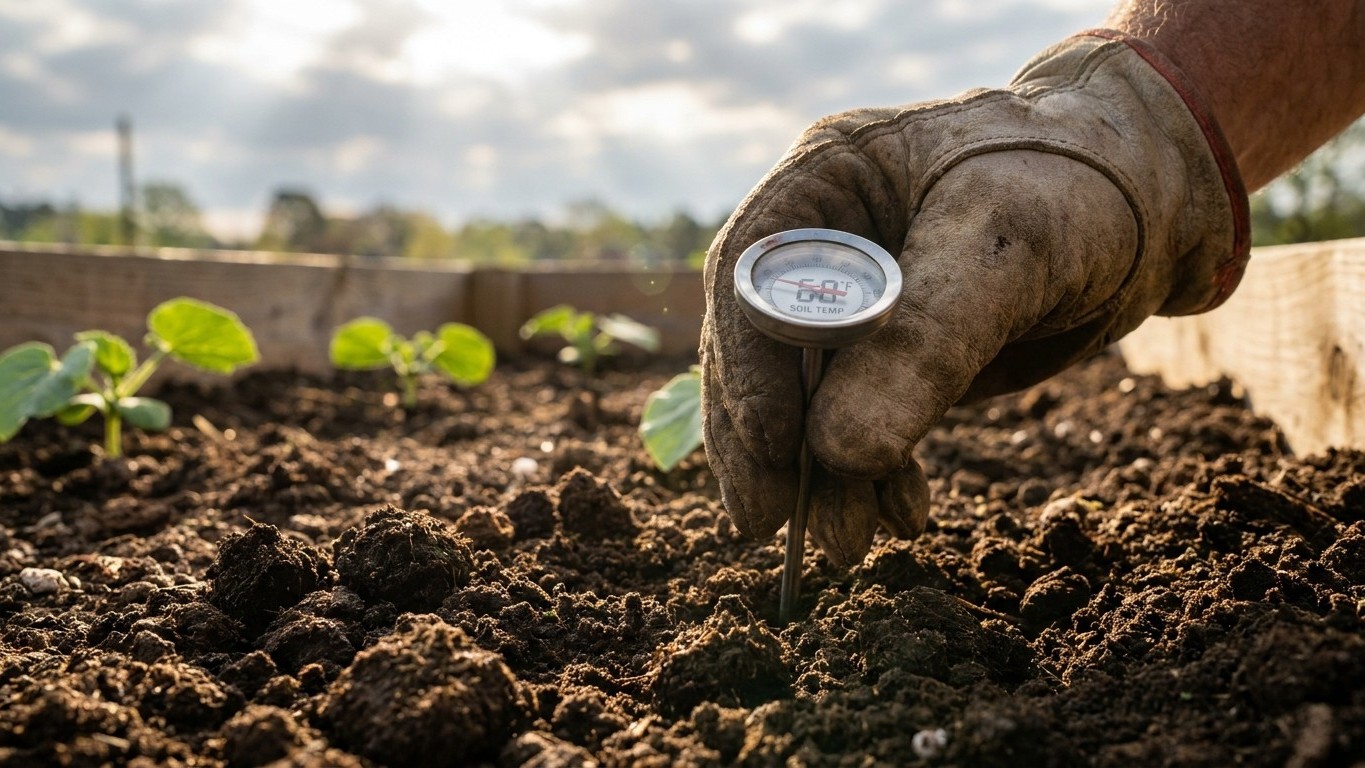
In most of Utah, melon seed and transplants go into the ground only after the soil itself has warmed, which usually lands somewhere between late April…
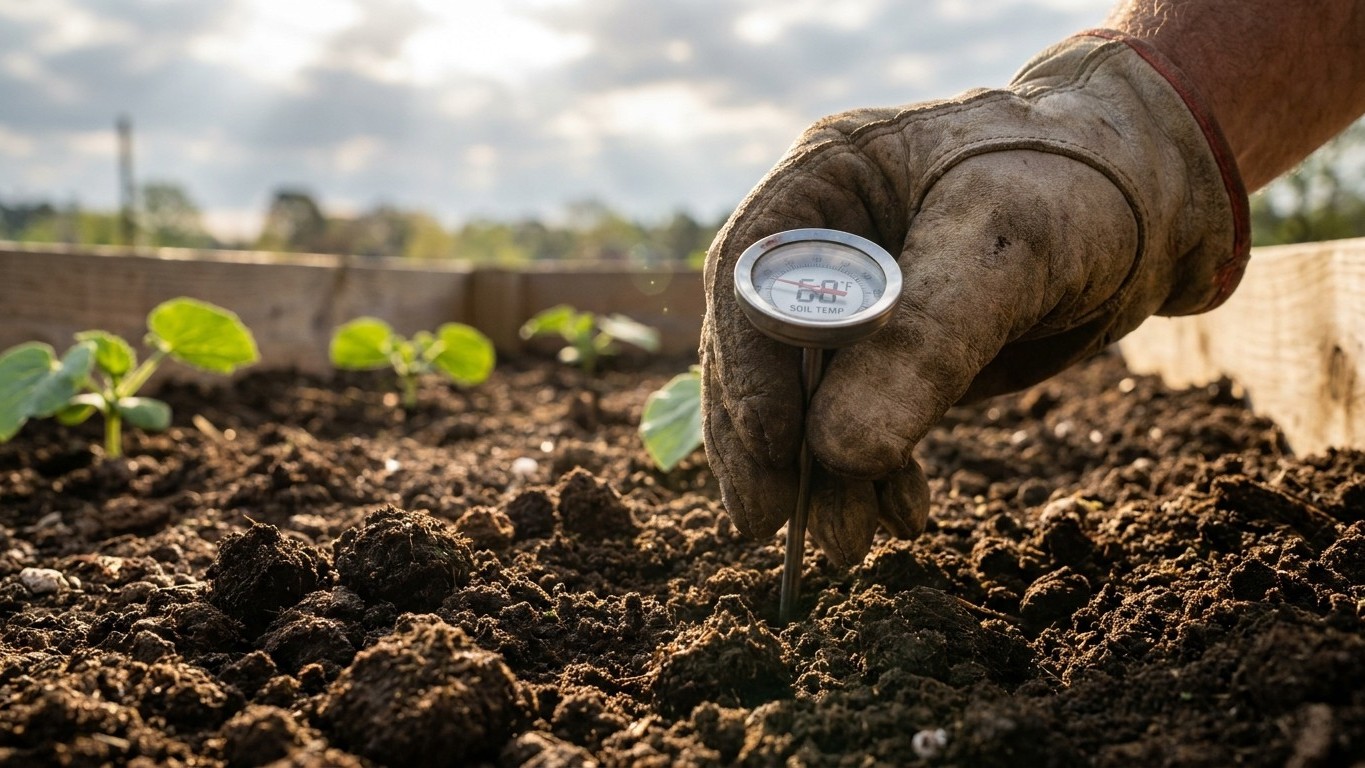
Melons can be grown across nearly all of Texas, but there’s no single answer to “when” or “which kind” because the state spans four USDA hardiness zones.
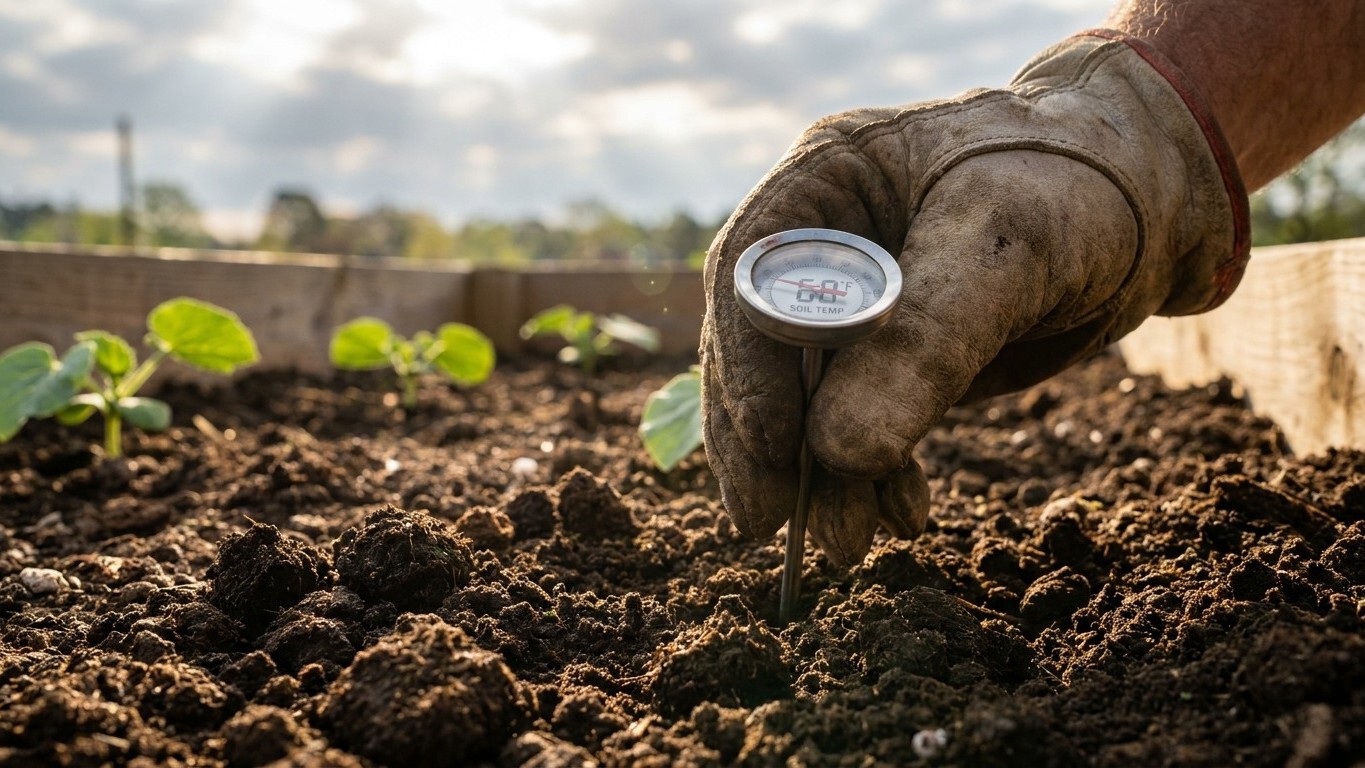
Melon seeds want to go into ground that’s already warm, not just frost-free, and in Tennessee that means waiting until well into spring even after the…
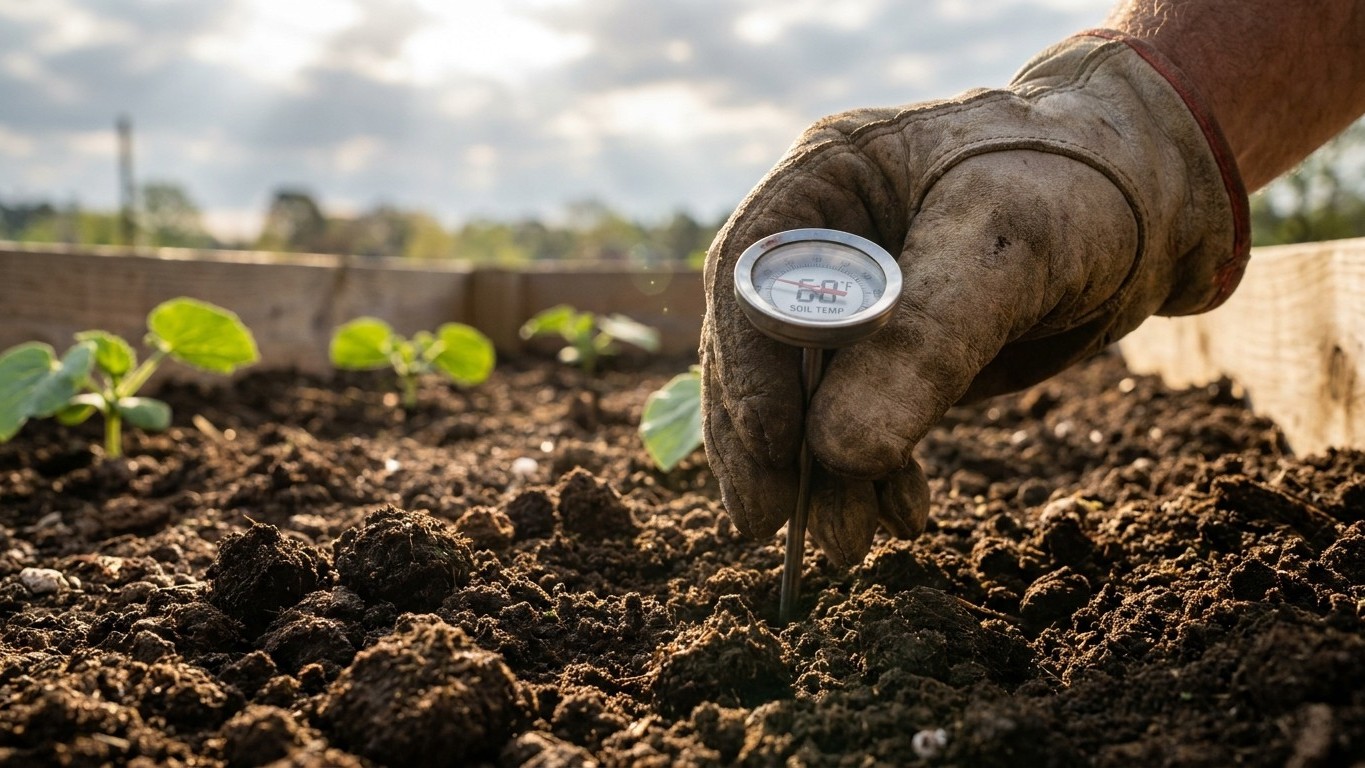
Melons can succeed in South Dakota gardens, but the state’s short frost-free window and modest heat load mean success depends less on the calendar and…
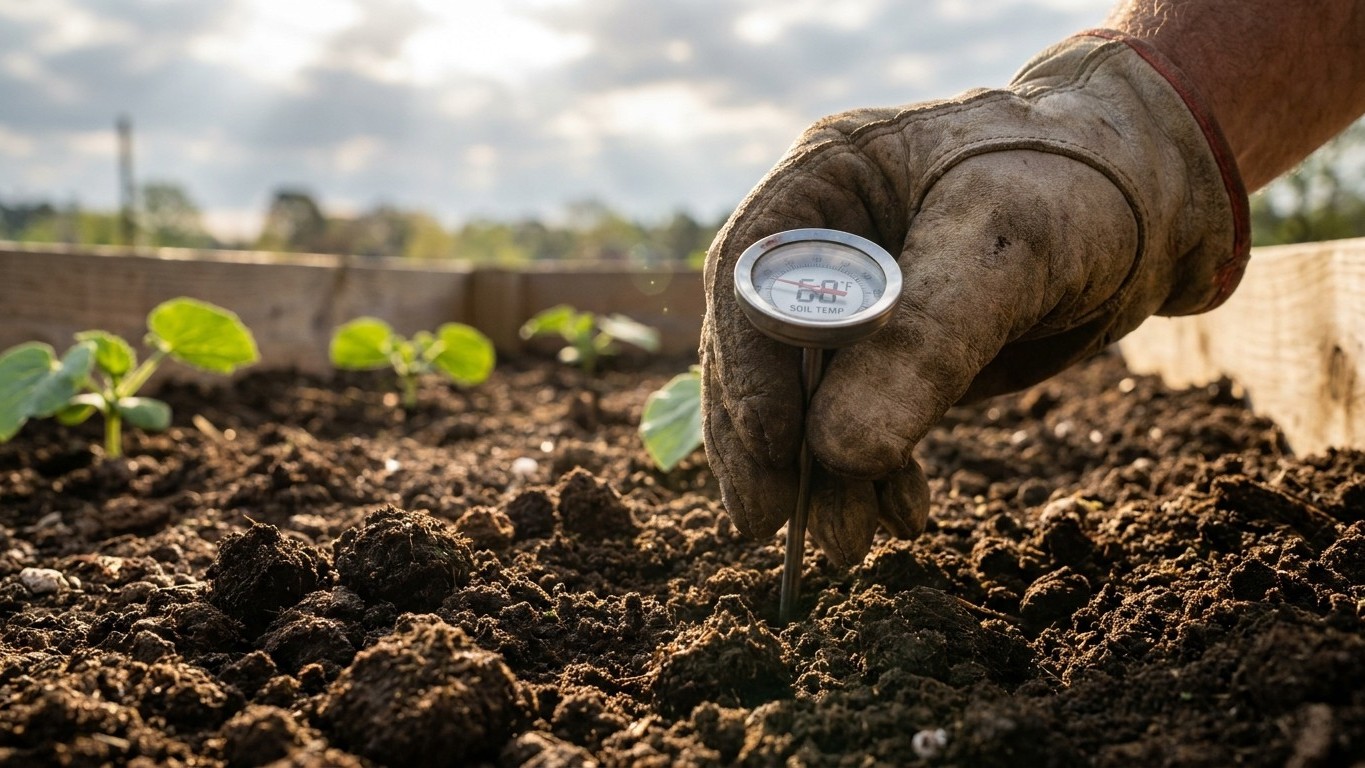
Melons go in the ground in South Carolina once soil temperatures climb into the mid-60s and above, which for most of the state falls somewhere between…
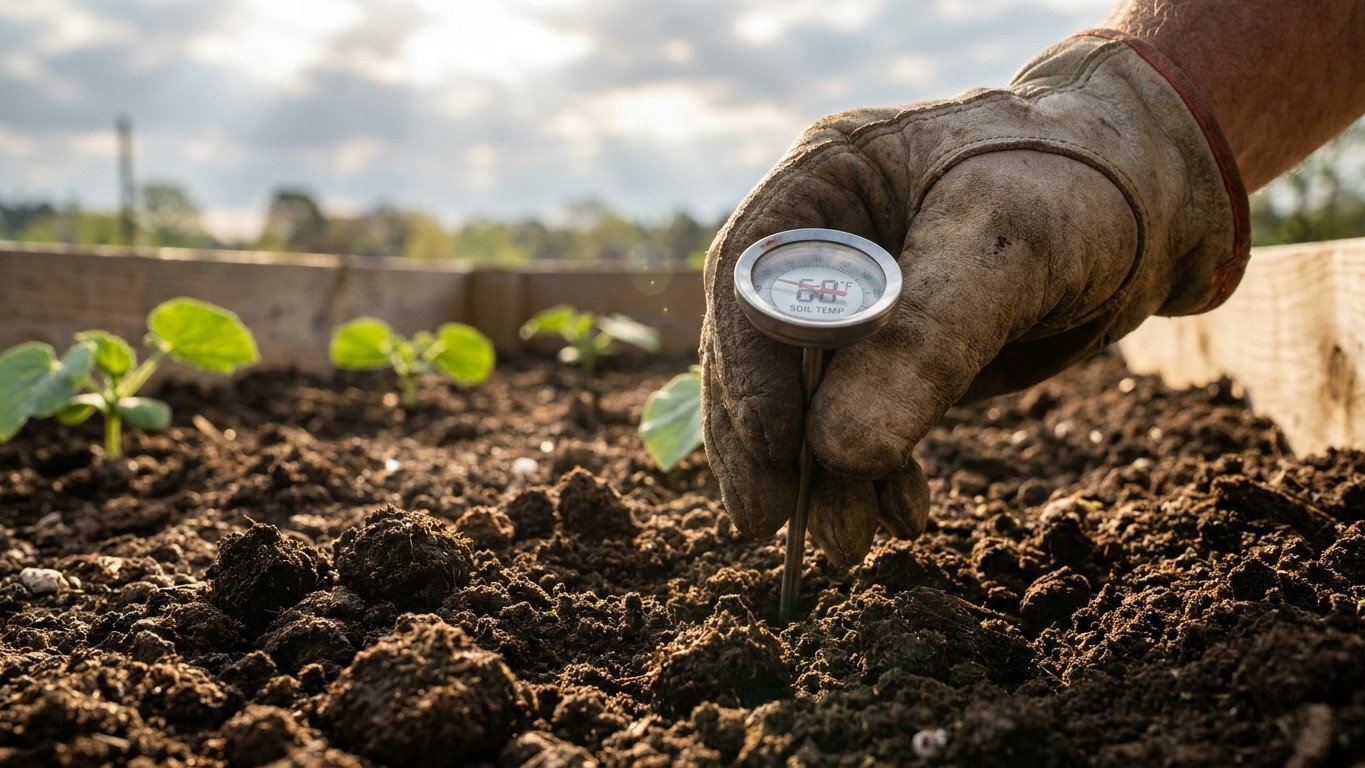
Melons can be grown in Saskatchewan, but the approach differs sharply from a Georgia or Texas garden: the season is short, heat is scarce, and success…
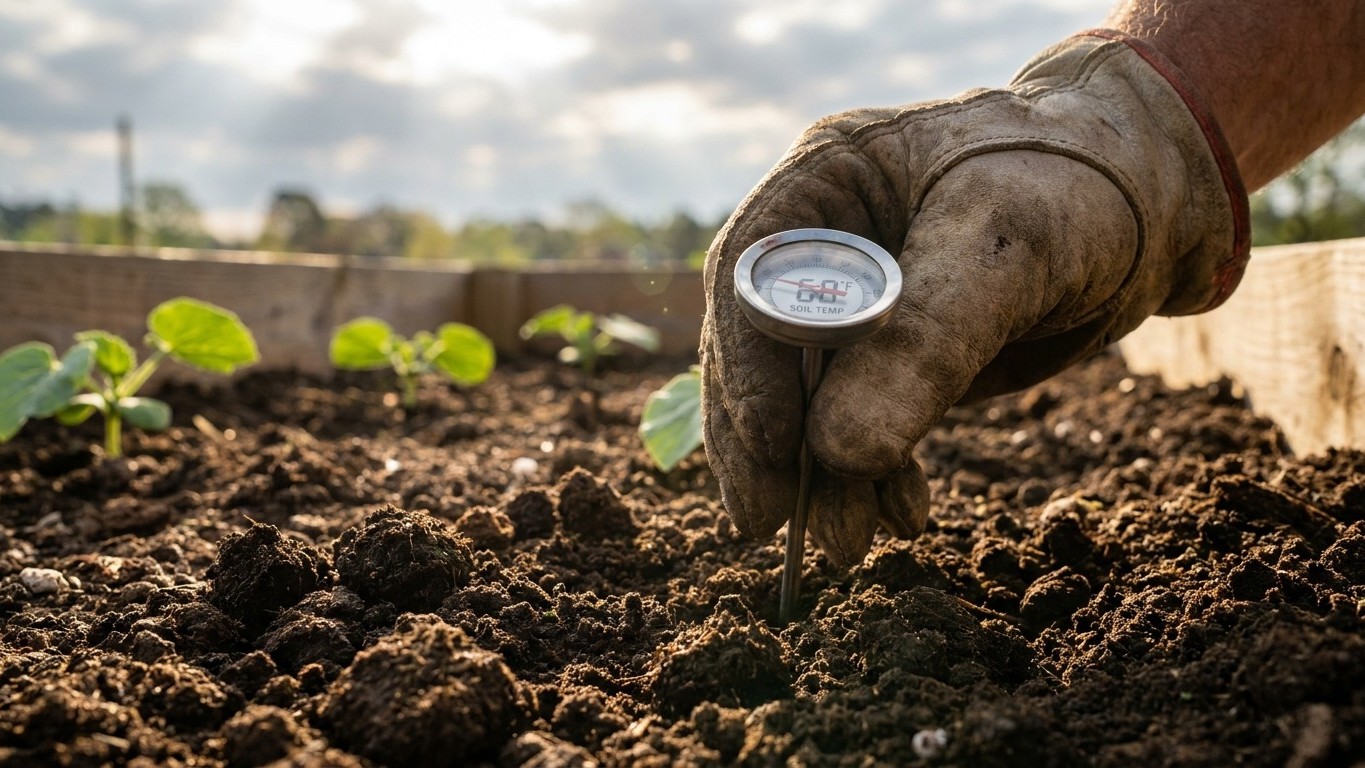
Rhode Island gardeners can start melons outdoors once soil temperatures hold near 65°F, which usually falls in late May here, well after the frost window…