When to Sow Carrots in Wisconsin: Counting Back From the Last Frost
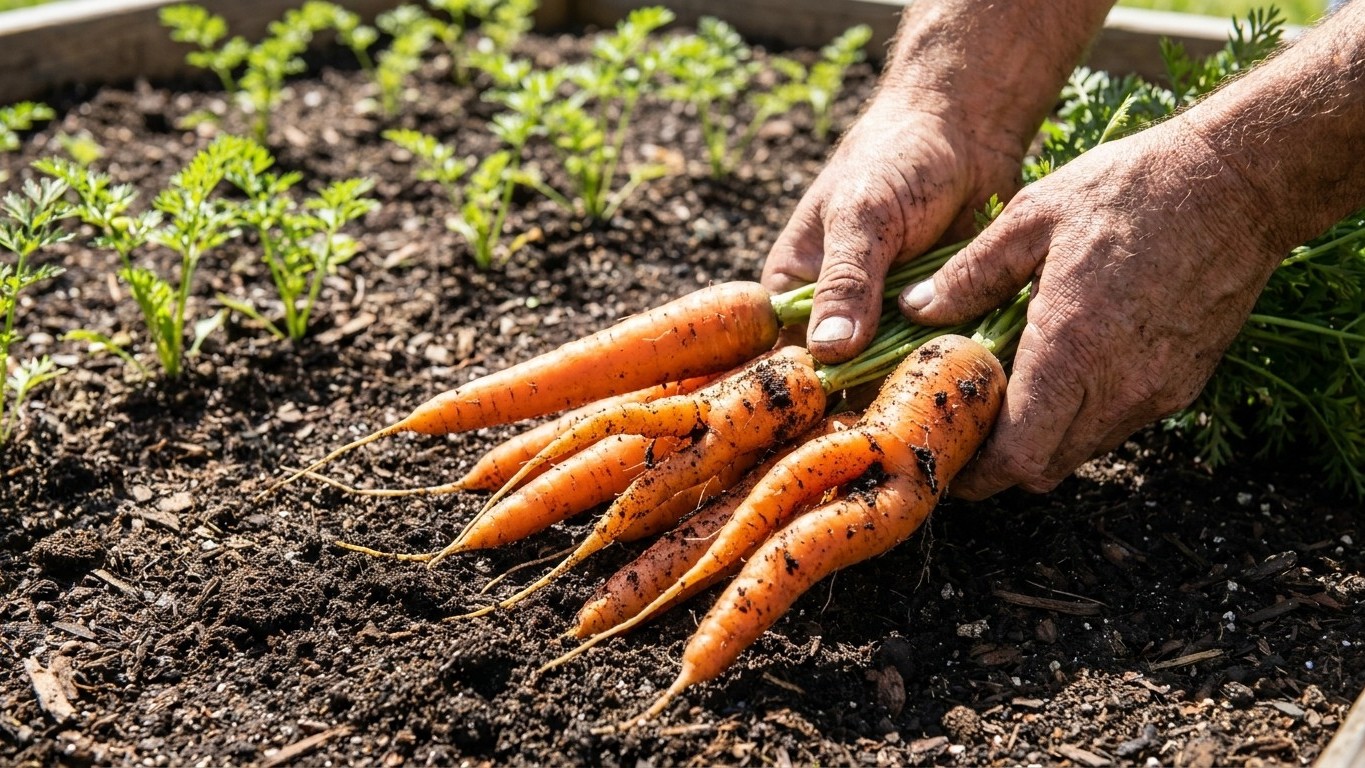
Wisconsin gardeners sow carrot seed directly in the ground once the soil can be worked in spring, weeks ahead of the last frost, because carrot seedlings…
Home & garden, state by state
Wisconsin gardeners sow carrot seed directly in the ground once the soil can be worked in spring, weeks ahead of the last frost, because carrot seedlings…
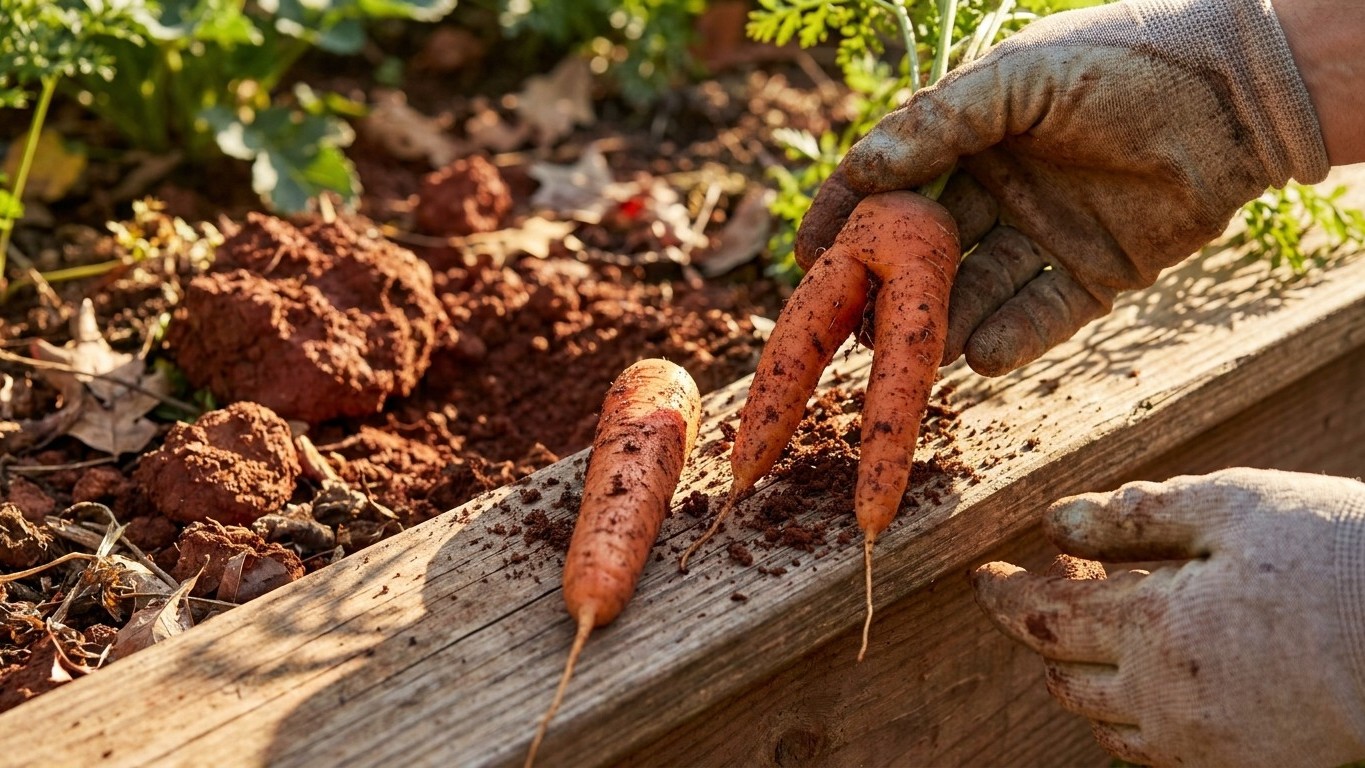
Short answer: probably not much. Wisconsin’s state soil, the Antigo series, is a well-drained silt loam with very little clay, and low-clay, well-drained…
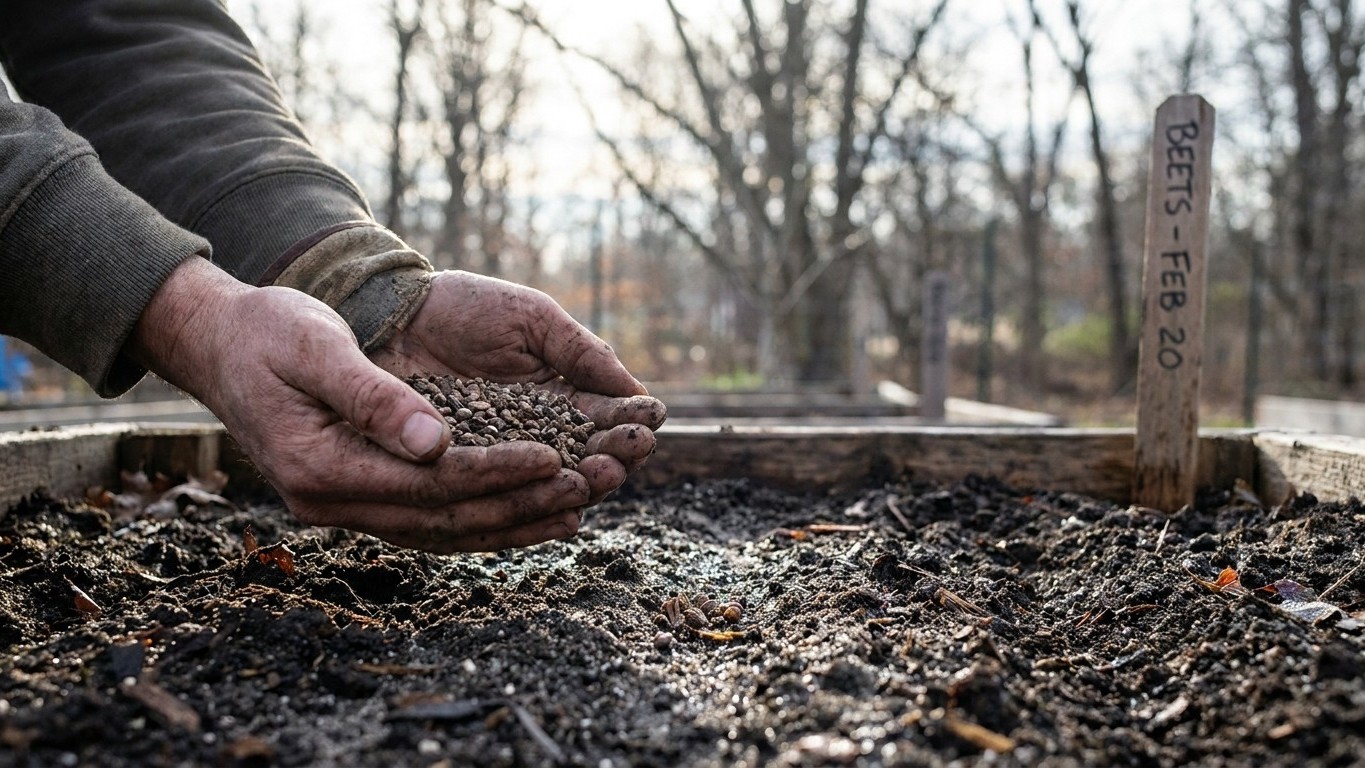
In most of Wisconsin, beets go into the ground two to three weeks before the last spring frost, which falls between April 16 and April 29 depending on…
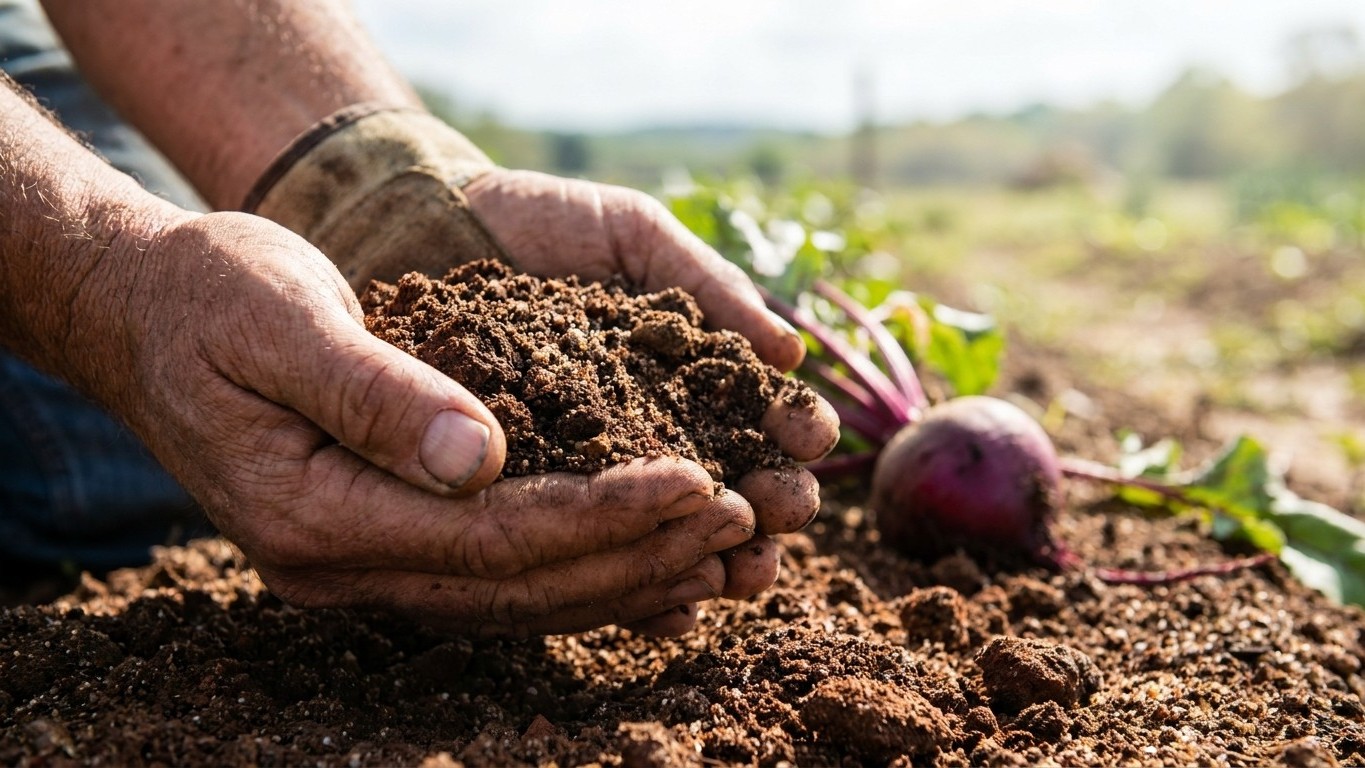
Wisconsin’s own soil, the Antigo series, runs 70 percent silt with only 20 percent sand and 10 percent clay, well drained, mildly acid at a surface pH…
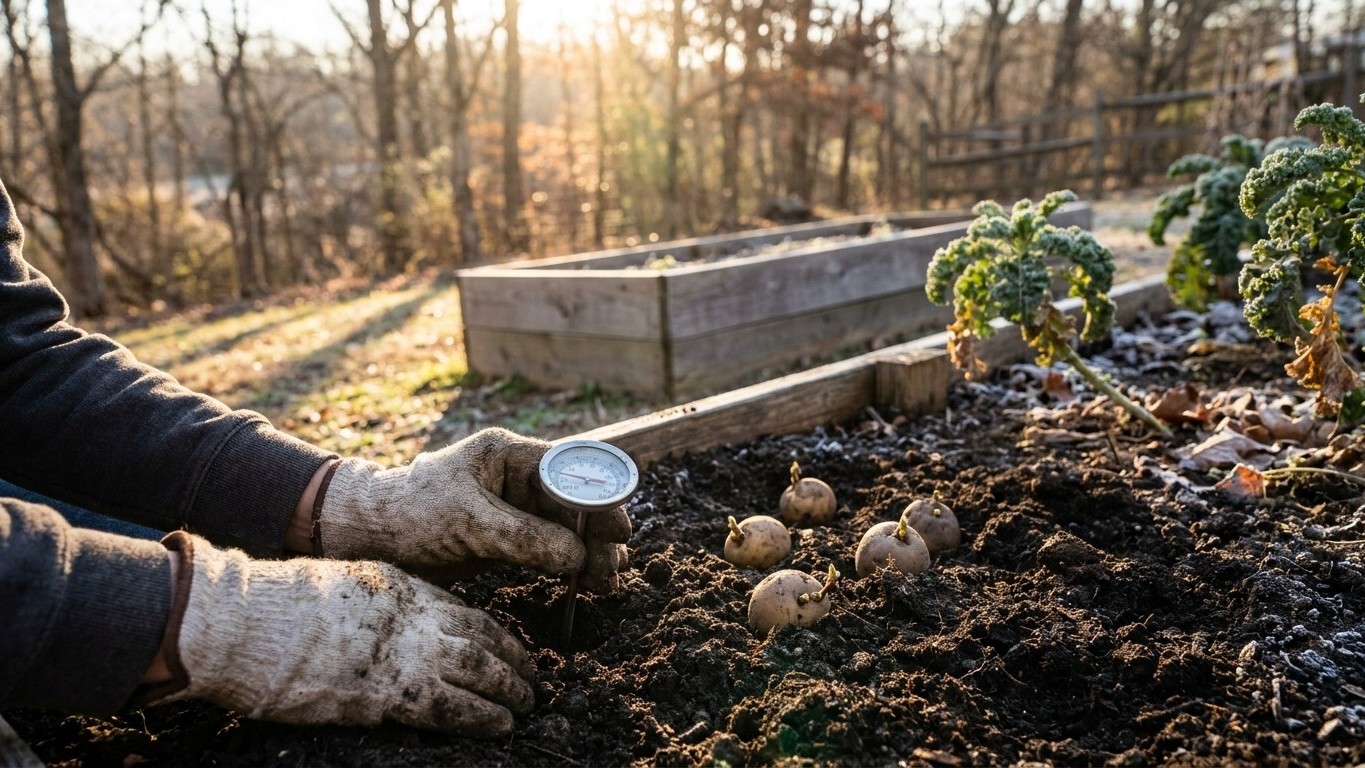
Count back 14 to 21 days from your last spring frost date, once soil temperature hits 50°F, and you’ve got your planting window.
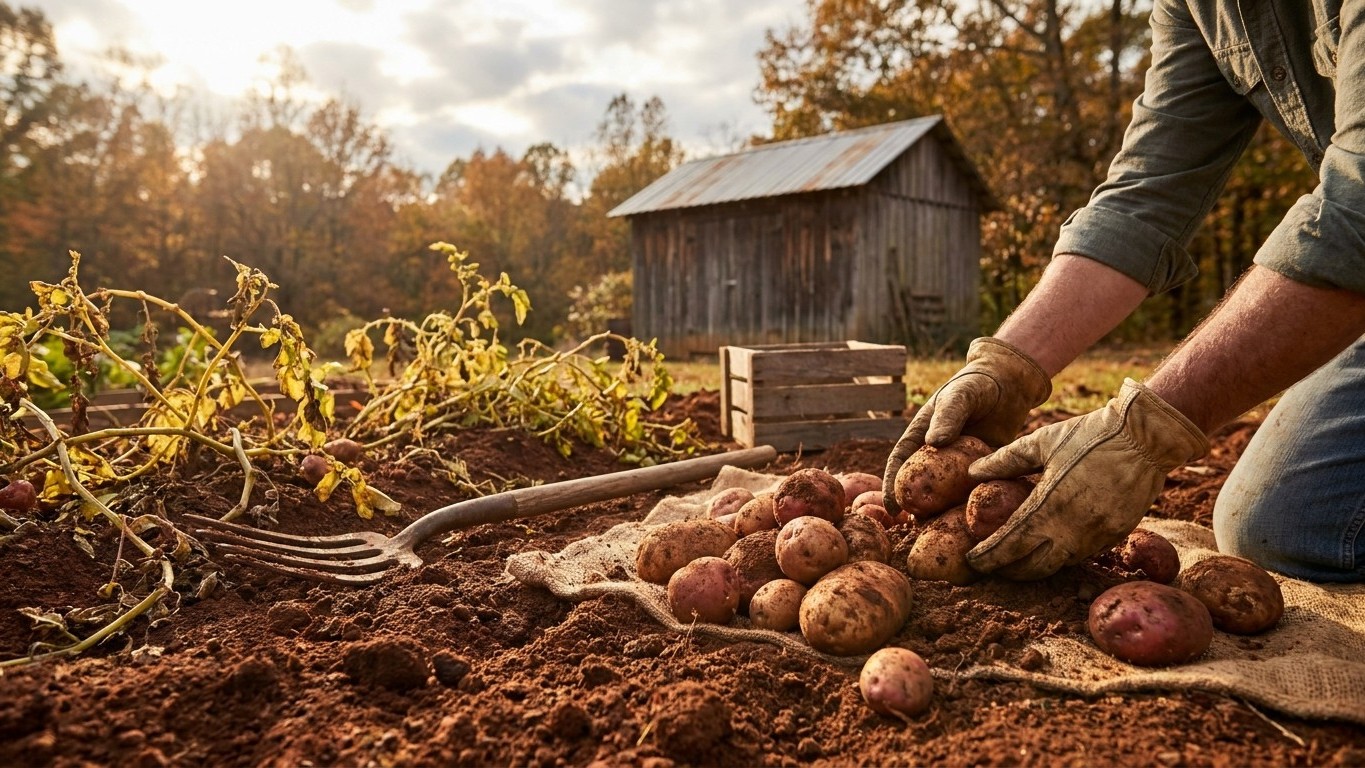
West Virginia growers dig potatoes ahead of the region’s first fall frost window, which lands October 18 to November 1 in the Charleston valley and comes…
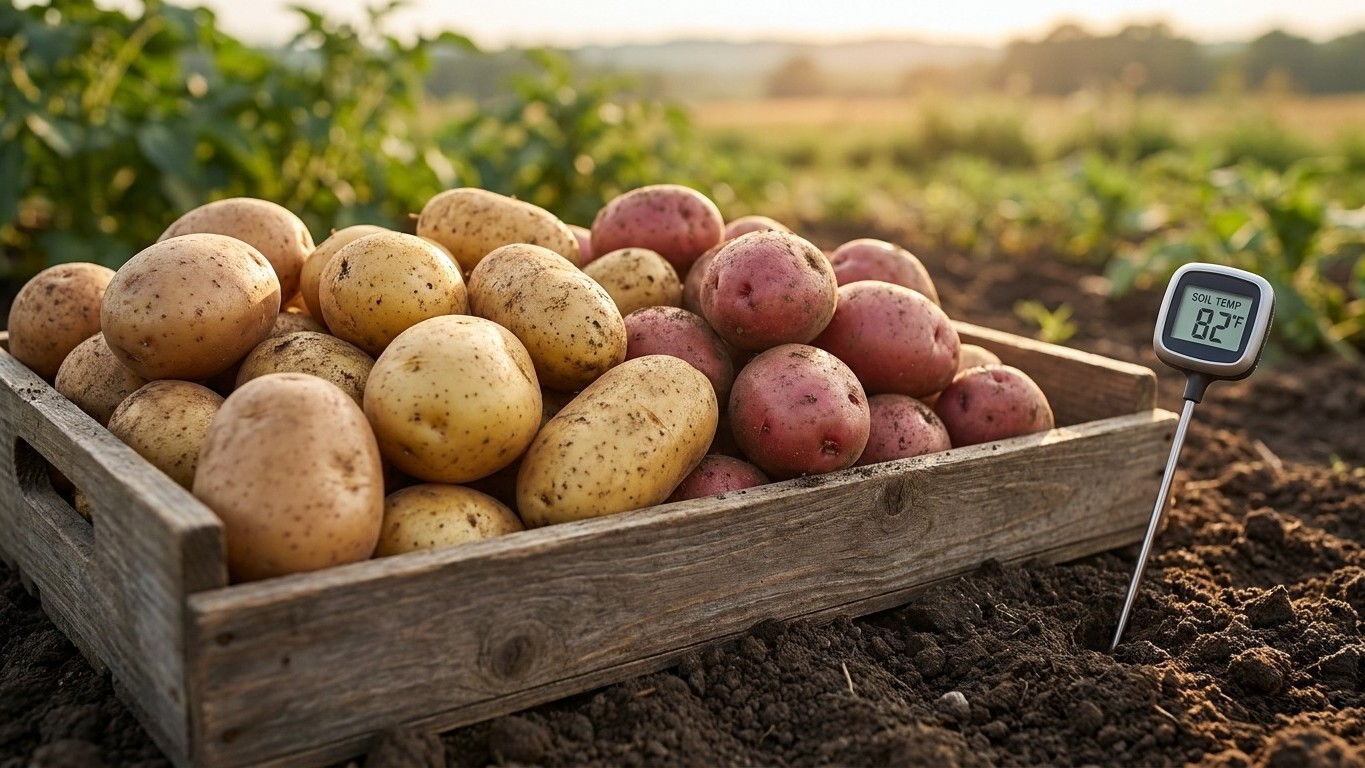
West Virginia gardeners get one real lever with potatoes: season class. In the Charleston area, soil warms to 50°F roughly two to three weeks before the…
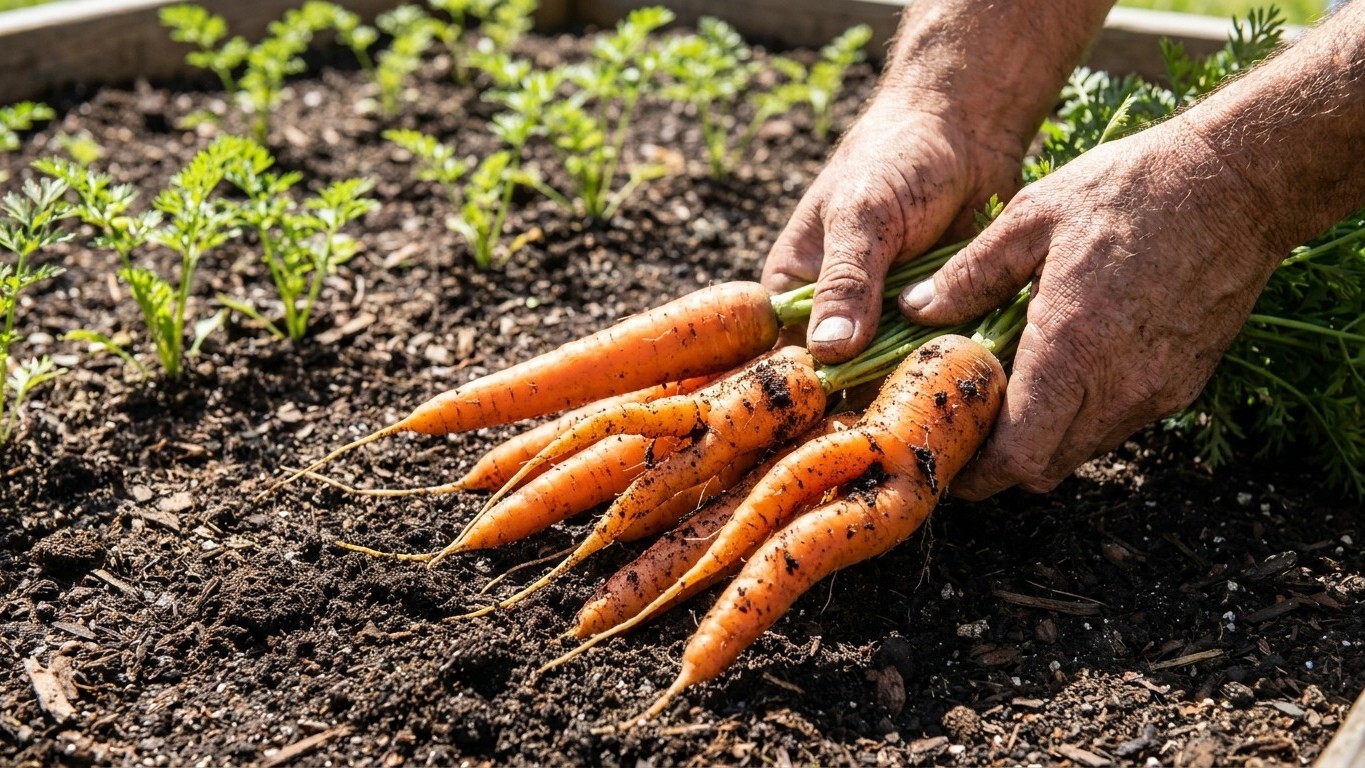
Sow carrot seed directly in the ground here in early spring, as soon as the soil can be worked, since carrots shrug off a light frost and need somewhere…
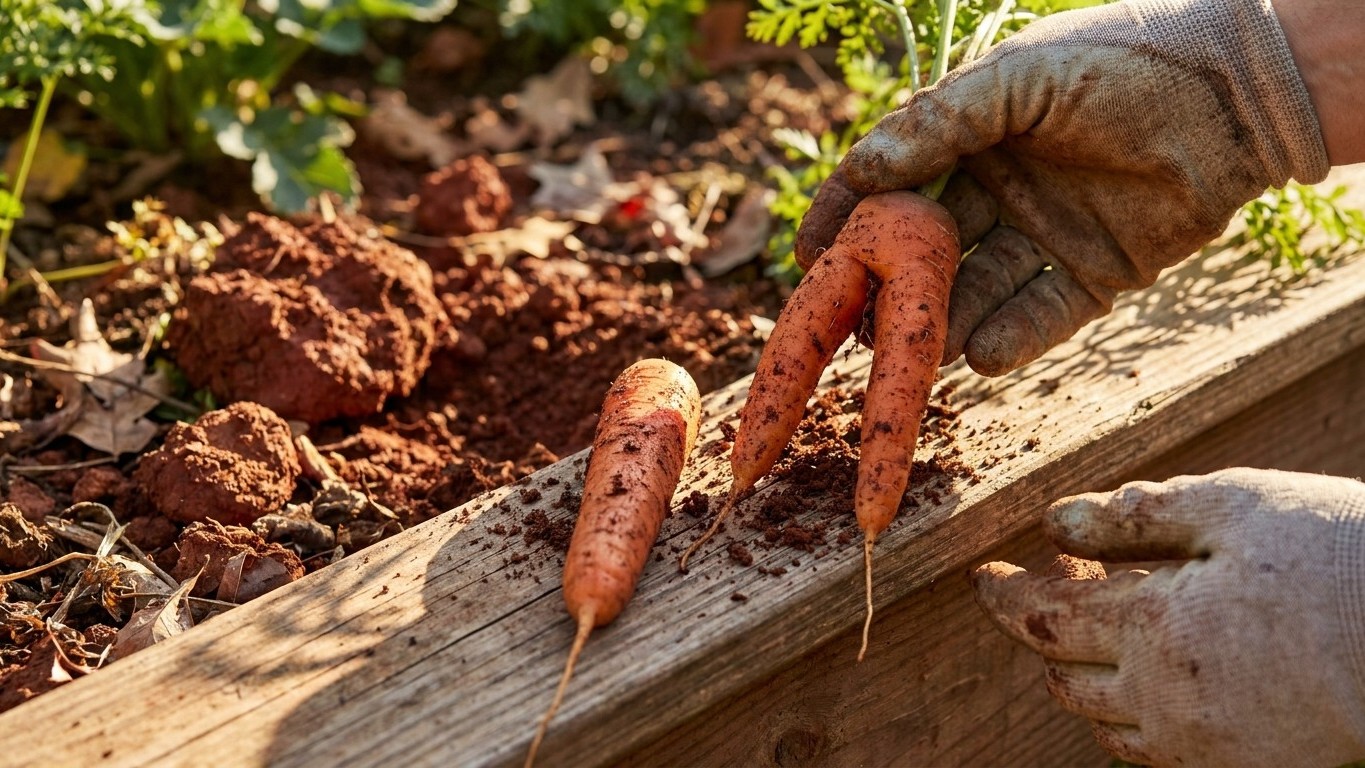
Odds are, yes. West Virginia’s official state soil, the Monongahela series, runs 18 percent clay and only 27 percent sand, with a strongly acid surface…
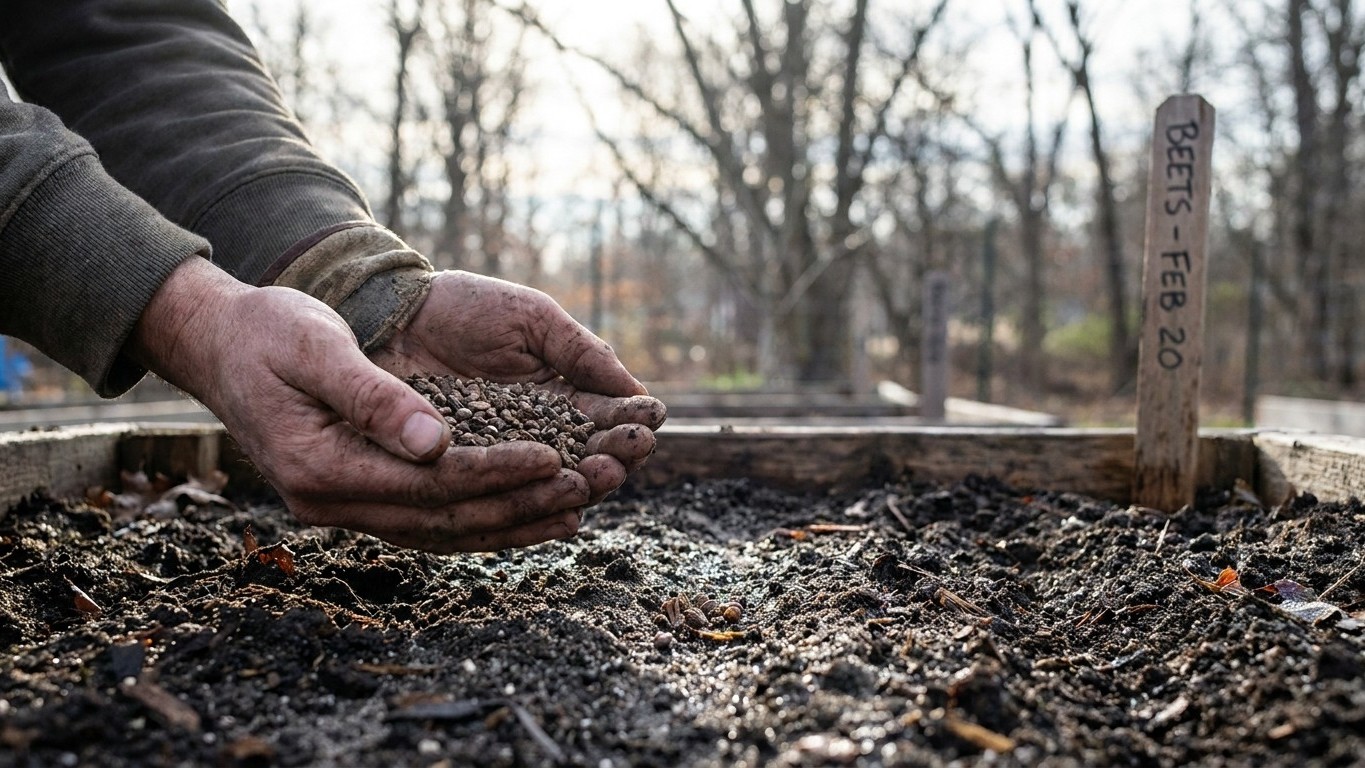
Sow beets in West Virginia two to three weeks before the last spring frost, which for the Charleston area falls between April 9 and April 23.