Tomato Planting Dates in Saskatchewan: Counting Back From Your Frost Window
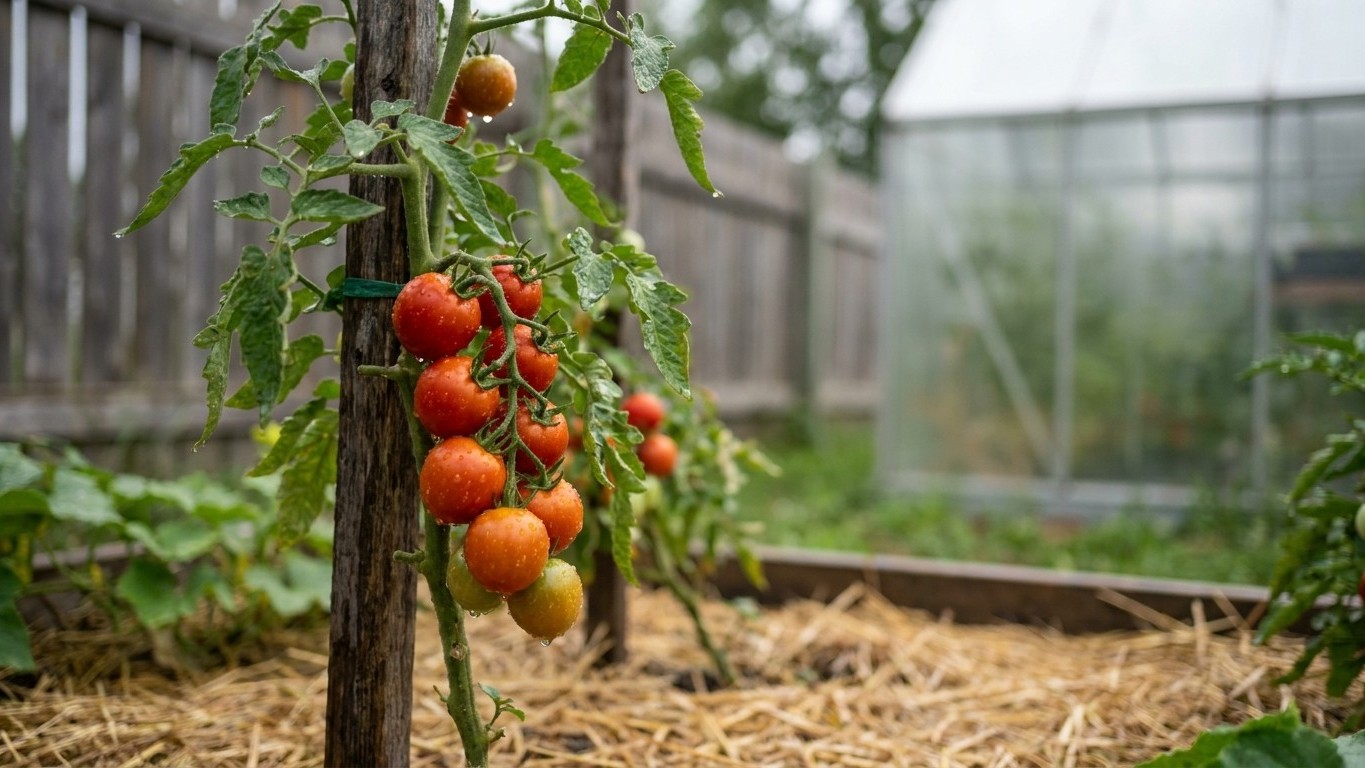
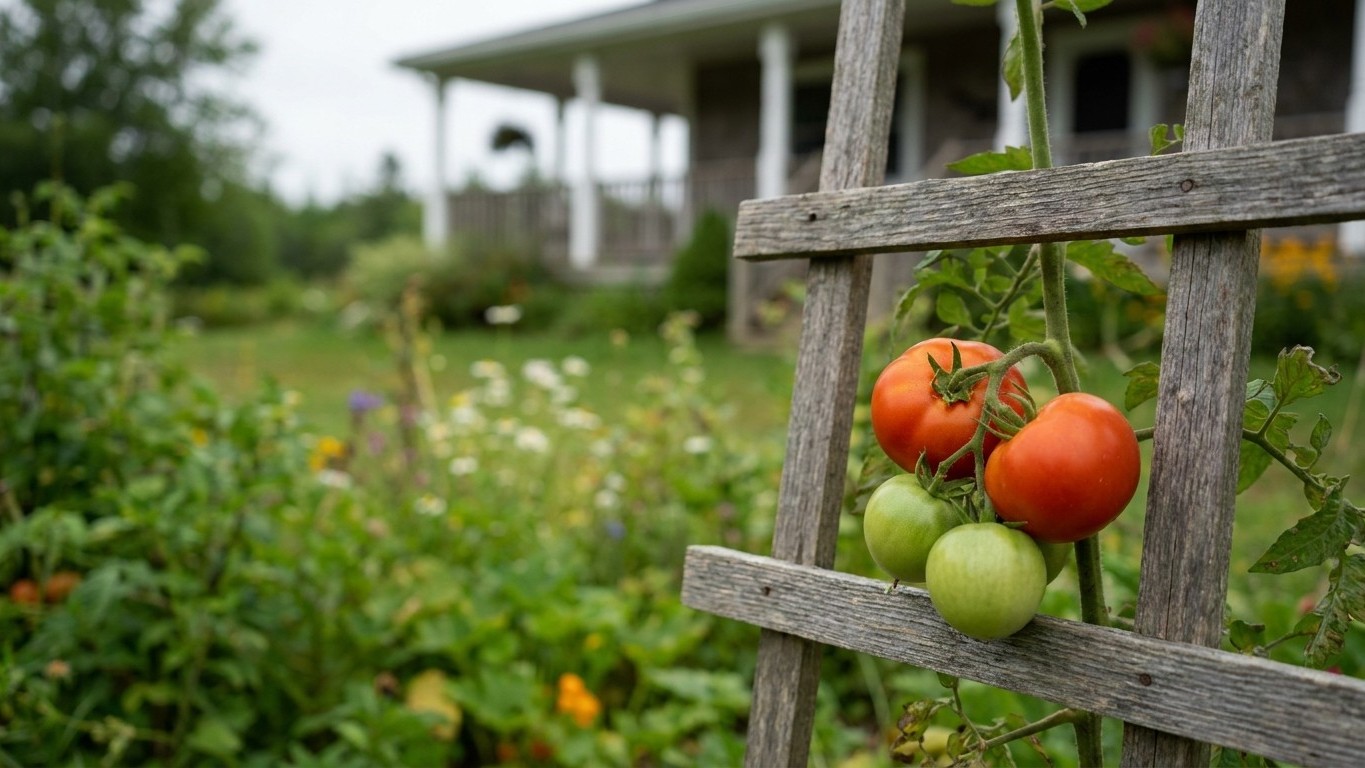
Saskatoon’s mean frost dates set the tomato calendar for Saskatchewan, and this page shows how to count backward from that window to transplant and seed-start dates.
Home & garden, state by state
Saskatoon’s mean frost dates set the tomato calendar for Saskatchewan, and this page shows how to count backward from that window to transplant and seed-start dates.
Manitoba’s average frost dates set a season length that only certain tomato varieties can ripen within, and this page names them by days to maturity.
Eight named tomato cultivars matched against St. John’s mean frost dates, from 55-day cherry tomatoes to 78-day paste types, to show which ones actually finish.
Work out your Northwest Territories tomato transplant date by counting from Yellowknife’s average May 25 last frost and September 18 first fall frost.
Saskatoon’s mean frost dates set the 123-day season used here to rank named tomato cultivars by days to maturity and margin before fall frost.
Using Charlottetown’s average frost dates, this guide sorts fourteen catalogue tomato varieties by how much margin each leaves before the first fall frost.
Named tomato cultivars ranked by how many days of margin they leave before Rankin Inlet’s average first fall frost, from safest to riskiest.
Nova Scotia’s frost-free season runs about five months on average; this guide lists the tomato varieties, from 55-day cherries to 78-day slicers, that ripen inside it.
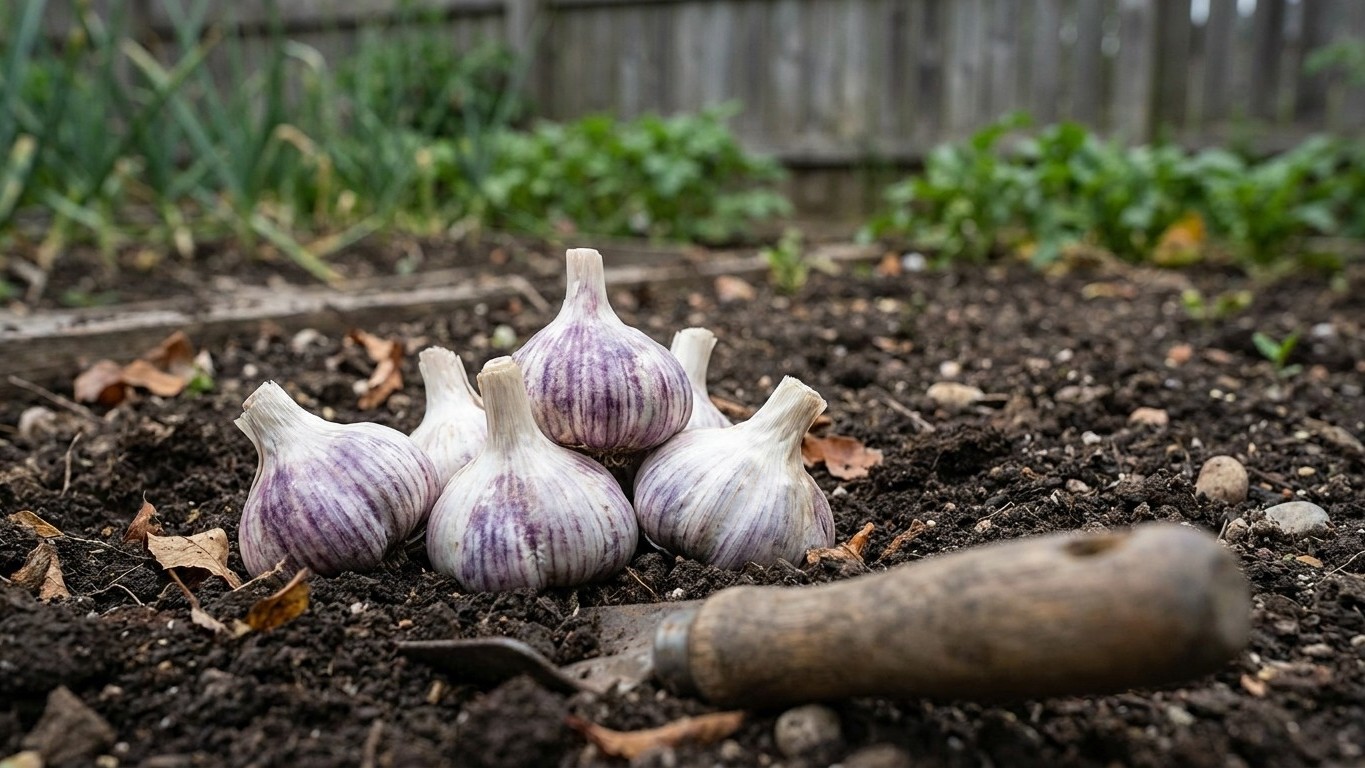
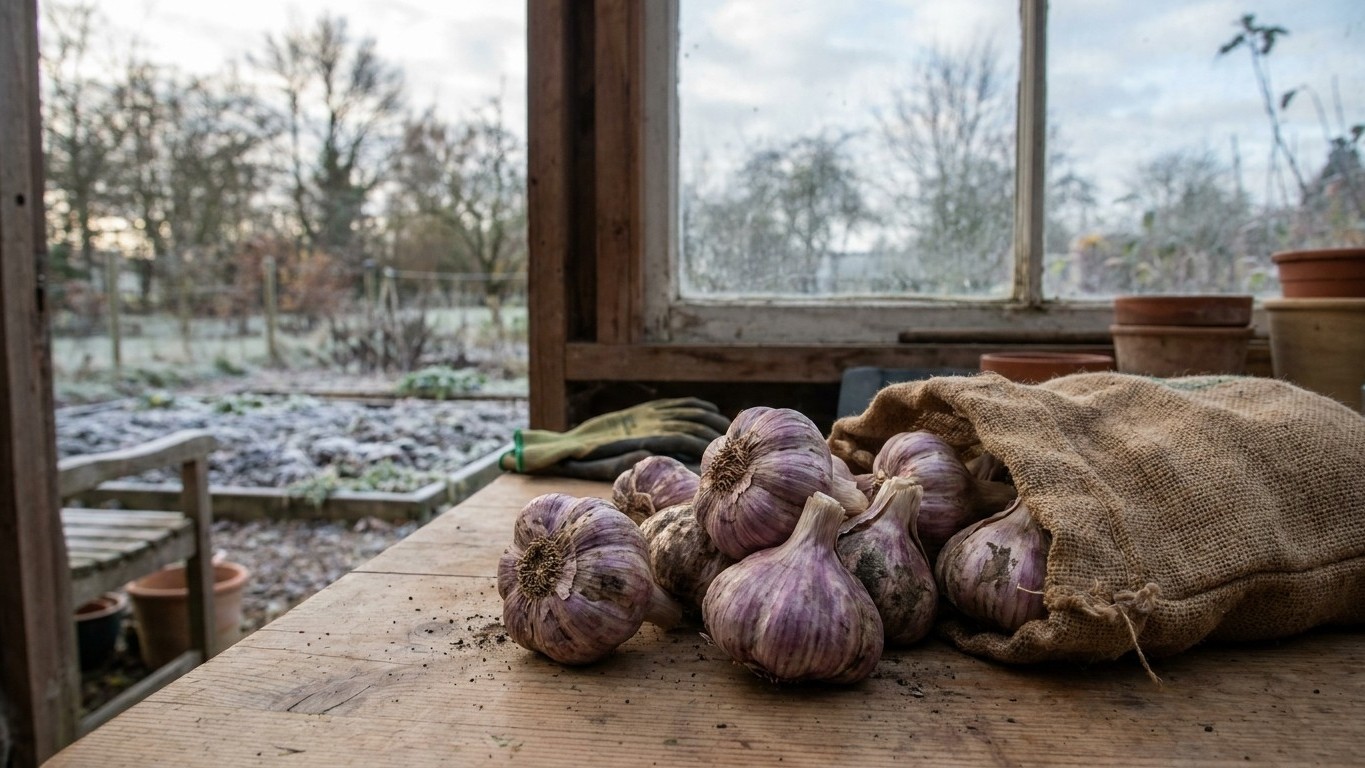
Blue Music is a Porcelain hardneck garlic that needs a real cold winter to divide, plus guidance on when to plant it and how it stores.
Bavarian Purple is a Rocambole hardneck garlic that needs a real cold winter to divide into cloves, and not every US climate delivers it.