Growing Tomatoes in New Brunswick: Planting Dates, Varieties and Ripening Before Frost
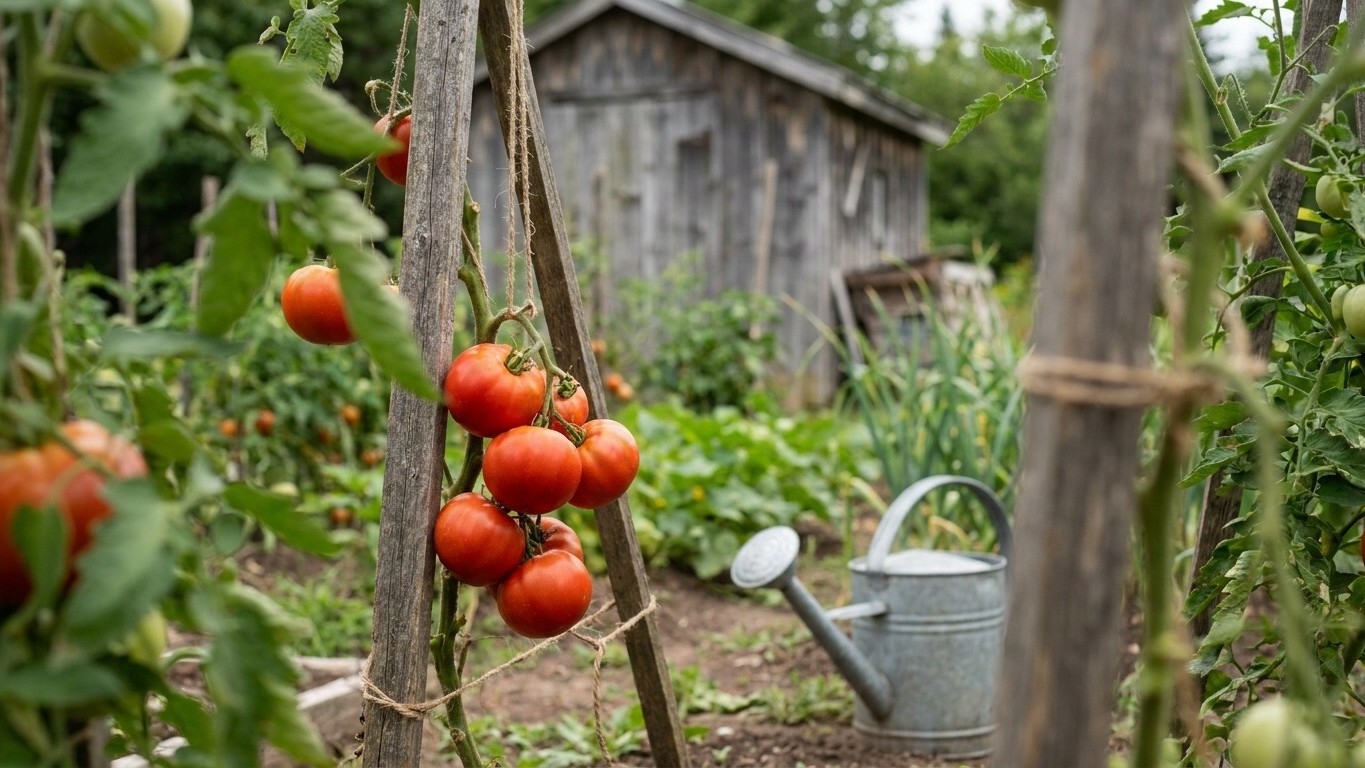
Moncton’s climate normals set New Brunswick’s frost-free season at 131 days on average, which determines which tomato varieties can ripen before October frost.
Home & garden, state by state
Moncton’s climate normals set New Brunswick’s frost-free season at 131 days on average, which determines which tomato varieties can ripen before October frost.
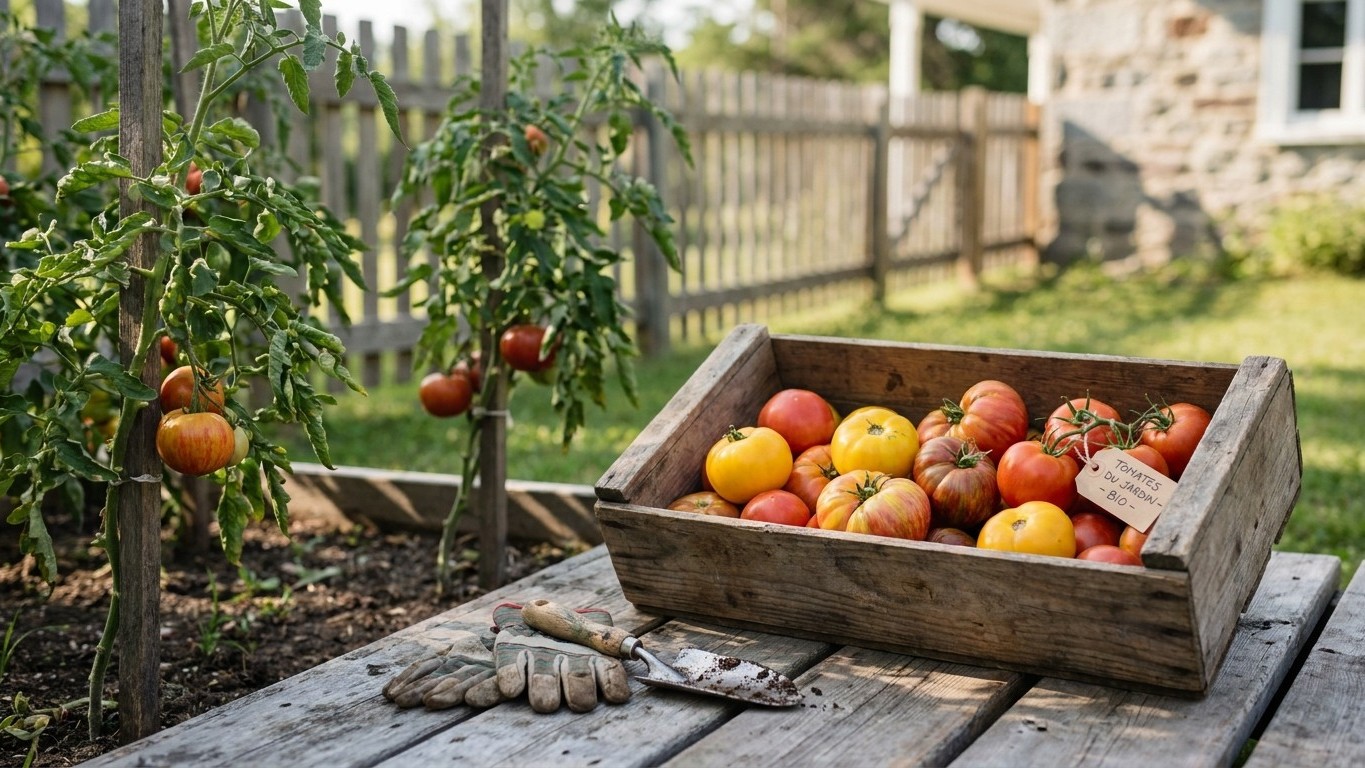
Quebec’s growing season runs about 150 frost-free days from Montreal’s climate data, which limits tomato growers to specific planting windows and days-to-maturity ranges.
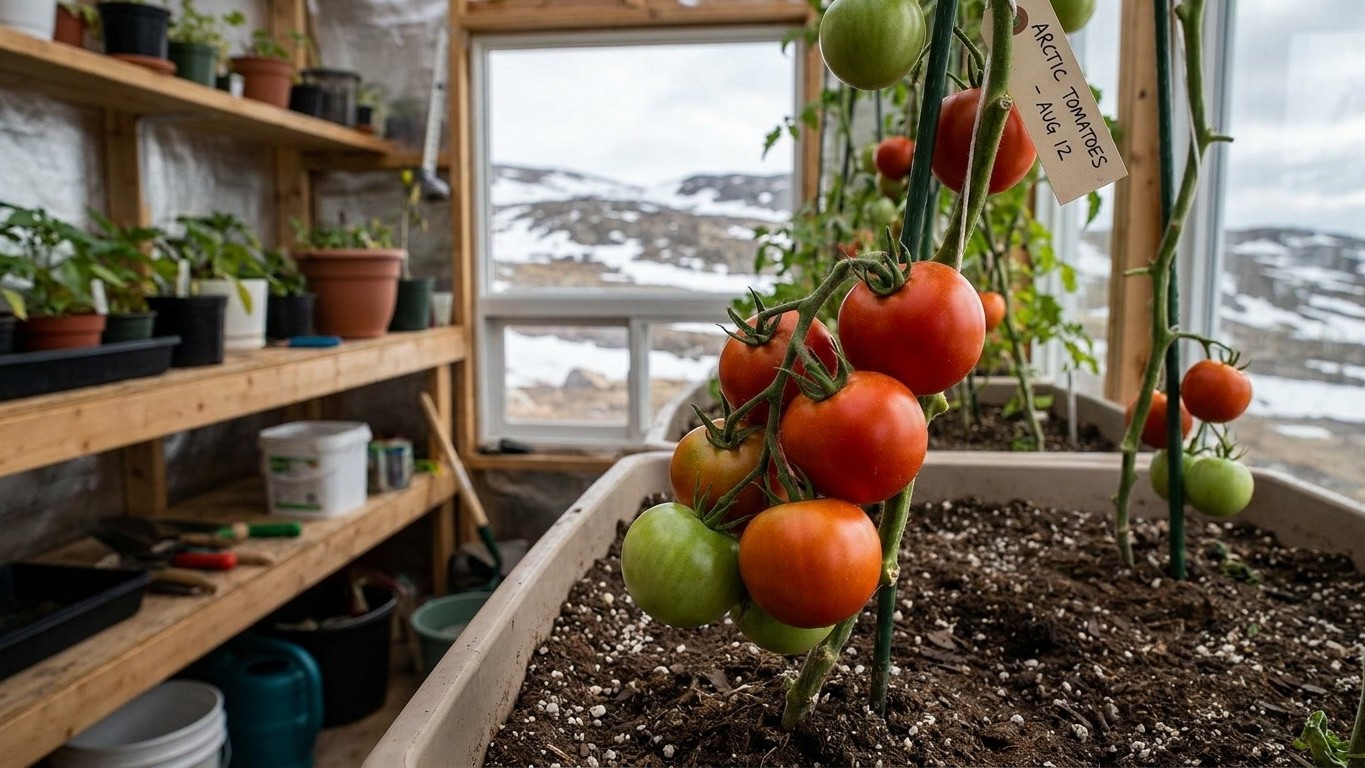
Environment Canada’s Rankin Inlet normals show an 85-day frost-free season, meaning Nunavut tomato growers need short-season varieties and a July transplant date.
Northwest Territories gardeners get about 115 frost-free days at Yellowknife, so early planting indoors and fast-maturing varieties are essential for a ripe harvest.
Alberta’s short, frost-bounded season means picking fast-maturing tomato varieties and timing transplant carefully around Calgary’s average frost dates.
Quebec’s last spring frost falls around May 6 near Montreal on average, so tomato transplants should go out only after that window passes and soil warms.
Alberta’s frost-free season averages about 118 days at Calgary, so tomato variety choice for this state comes down to matching days-to-maturity to that window.
Nunavut’s frost window near Rankin Inlet leaves about an 86-day season, so most tomatoes must be transplanted in early July to ripen before fall frost.
Environment and Climate Change Canada’s climate normals put Toronto’s mean last frost at April 30, a midpoint gardeners should treat as a starting point, not a guarantee.
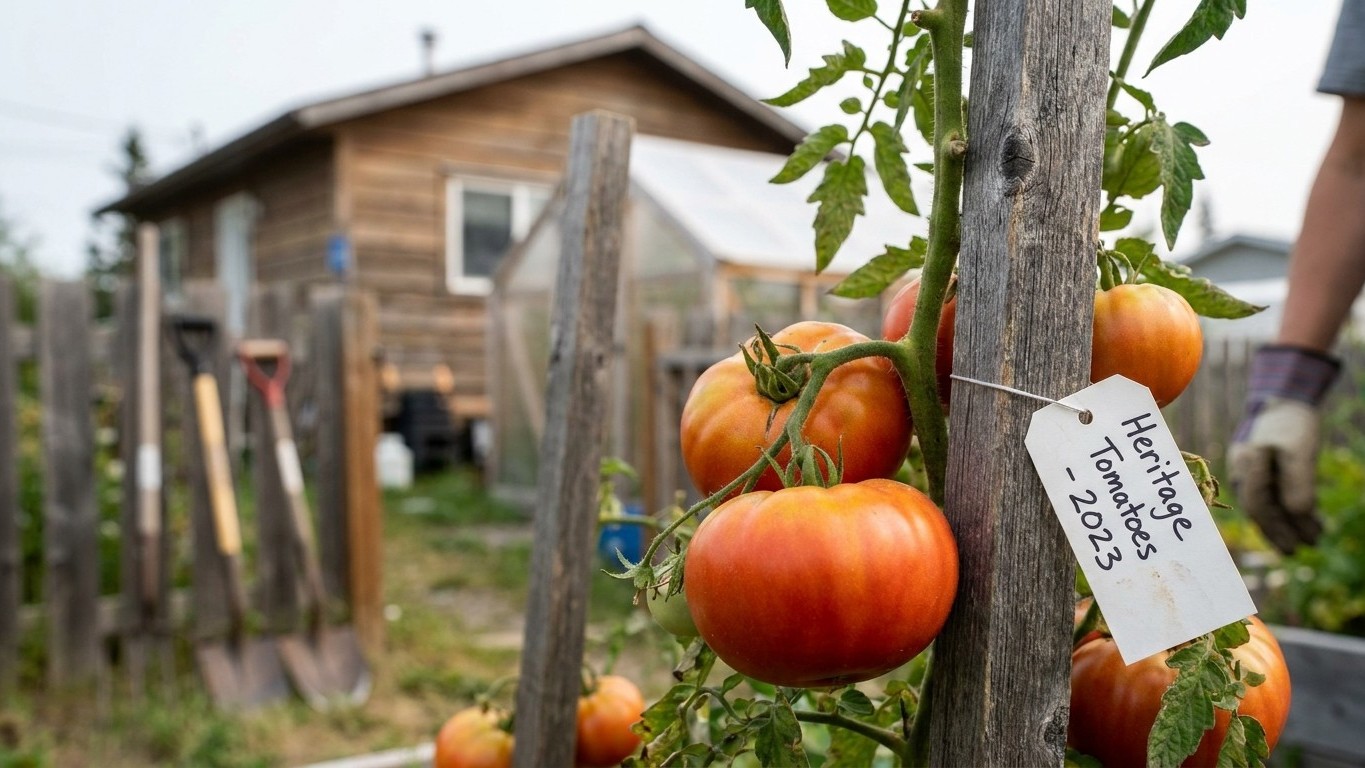
A rundown of tomato varieties, from 55 to 78 days, checked against Moncton’s average frost dates to see which ones actually ripen in New Brunswick.