A Flooded Floor: What Can Be Saved
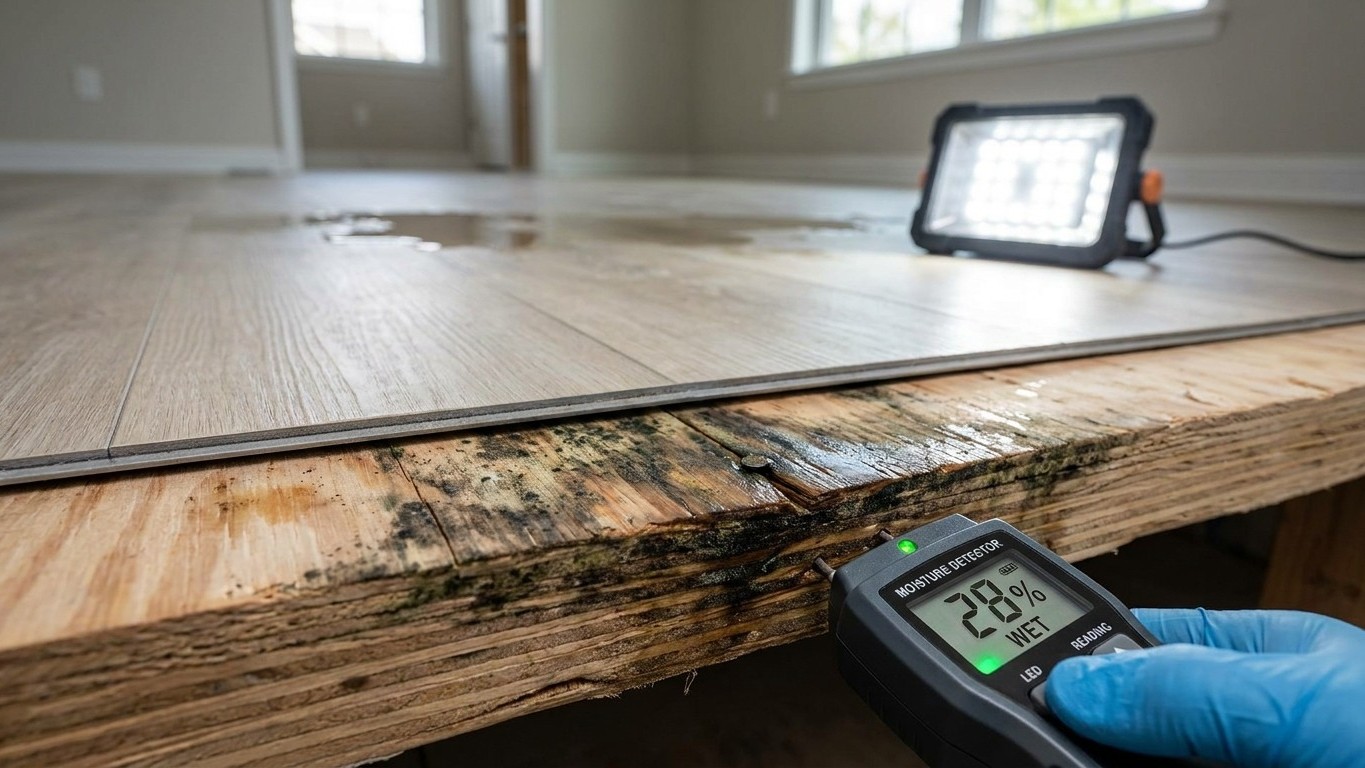
After a flood, hard, sealed surfaces often survive intact. Porous materials rarely do.
Home & garden, state by state
After a flood, hard, sealed surfaces often survive intact. Porous materials rarely do.

Lifting vinyl almost always comes down to one of two things: the glue holding the sheet or plank to the subfloor has given out, or moisture pushing up…
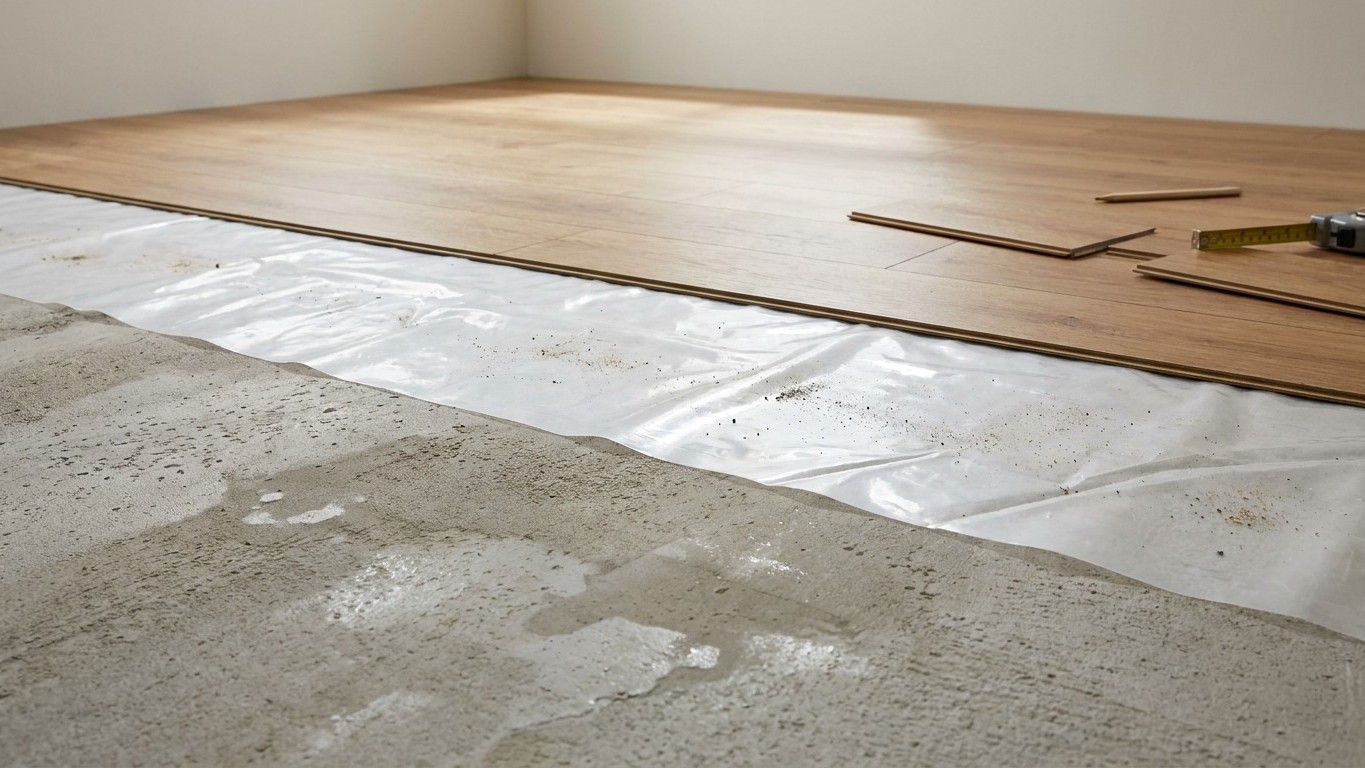
Underlayment is the thin layer installed between a subfloor and the finished floor covering, and what it needs to do depends entirely on what sits above…

Tile is the toughest surface most homes will ever have underfoot, but it never fails on its own terms.

The subfloor is the structural panel fastened to the floor joists, sitting between the framing and everything you walk on.
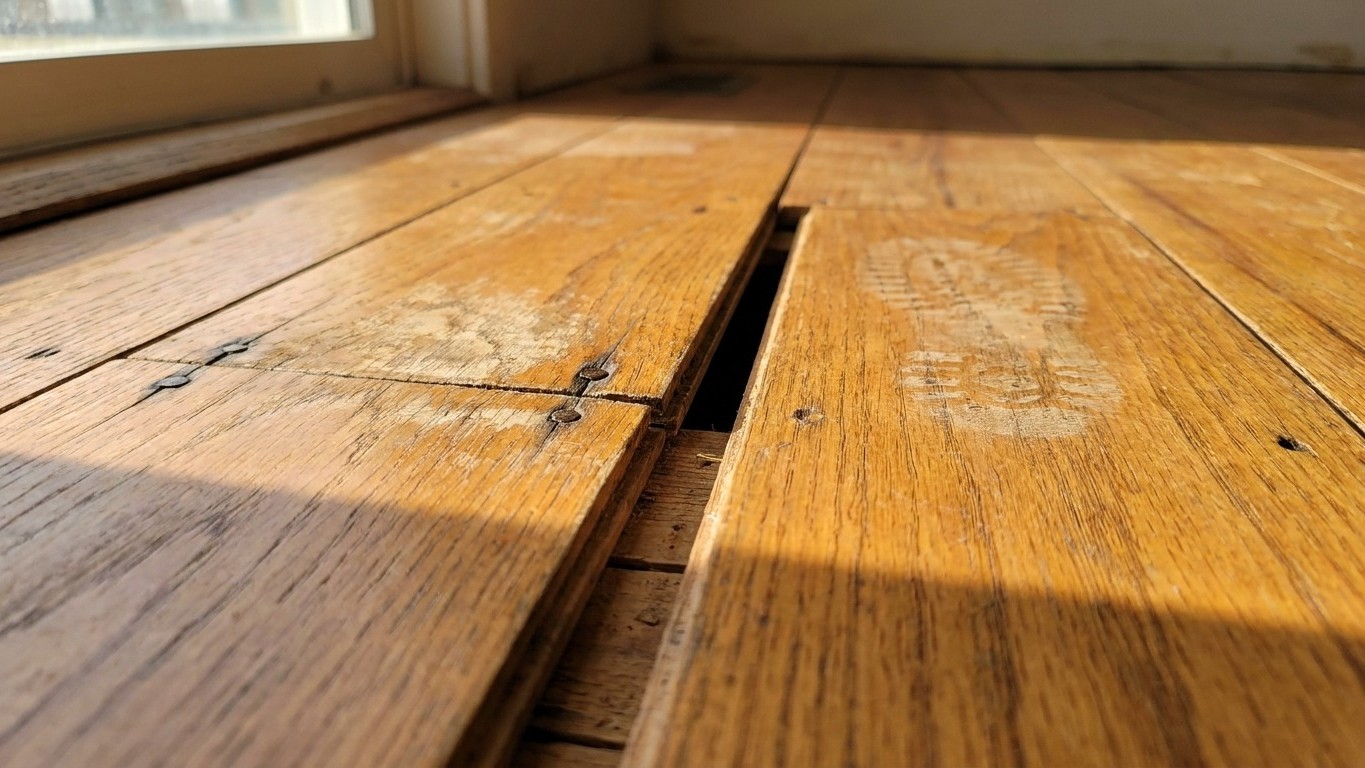
A squeaky floor is friction between two surfaces that used to sit still and now don’t.
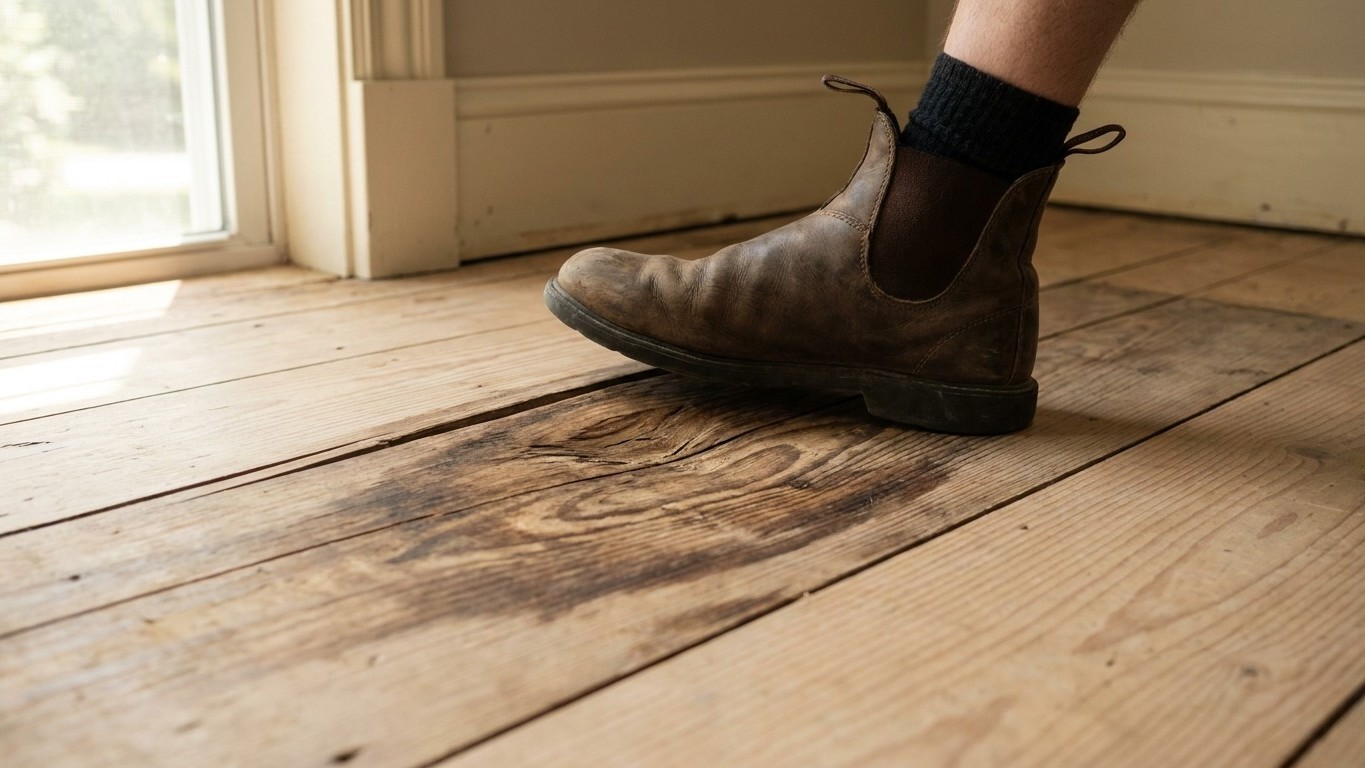
A soft spot in a floor means water got into the subfloor at some point and never fully dried out, softening the wood or particleboard until it flexes…
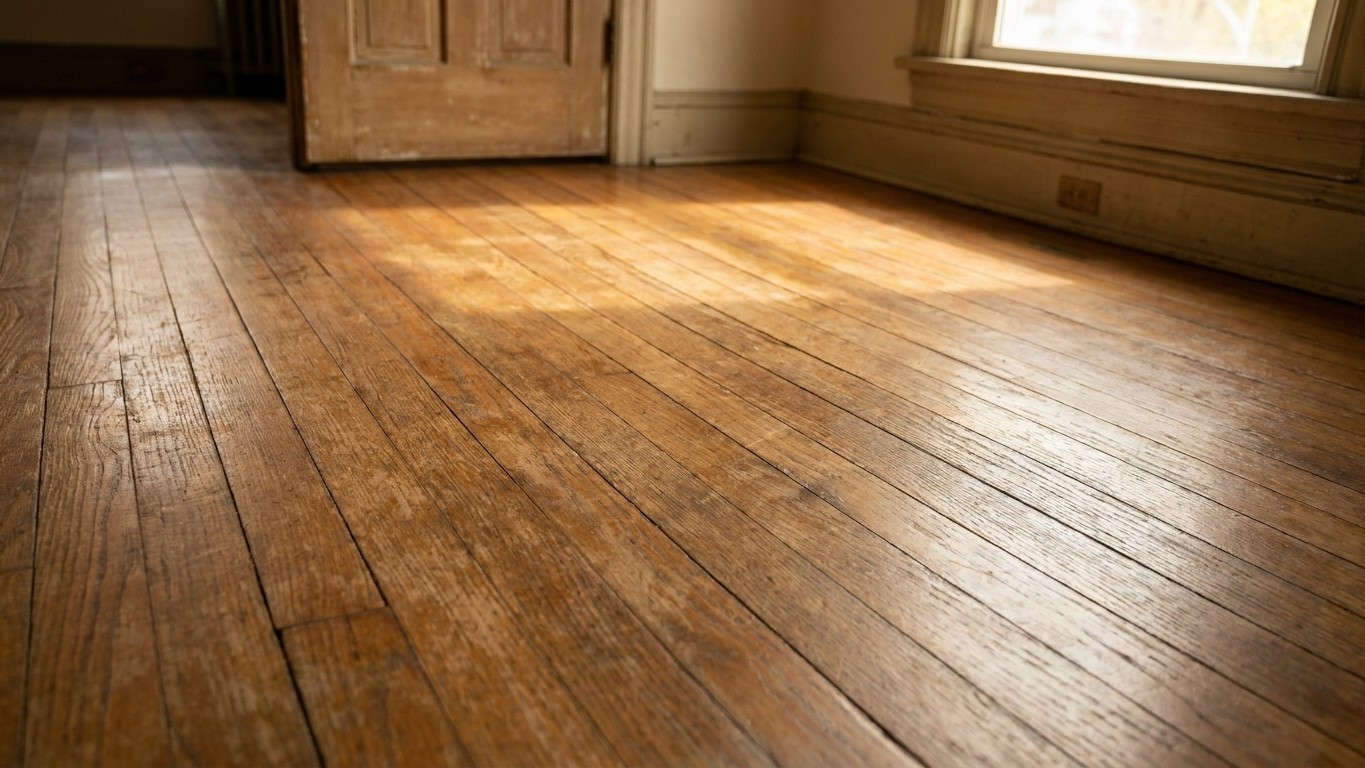
A sloping floor worries people because it looks structural, but most of the time it’s old news: houses settle once, early in their life, and the slope…
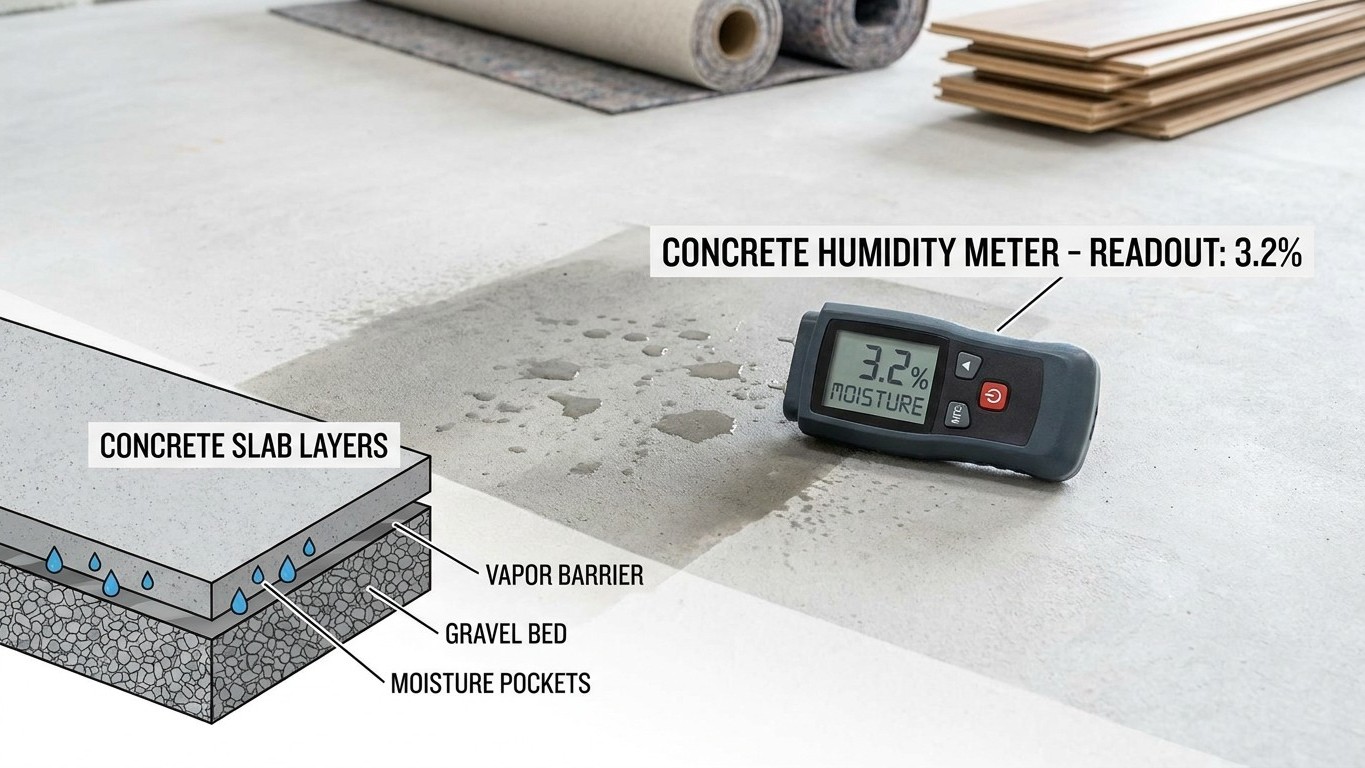
Testing a slab means confirming, before flooring goes down, that the concrete has released enough of its internal moisture and that its surface chemistry…
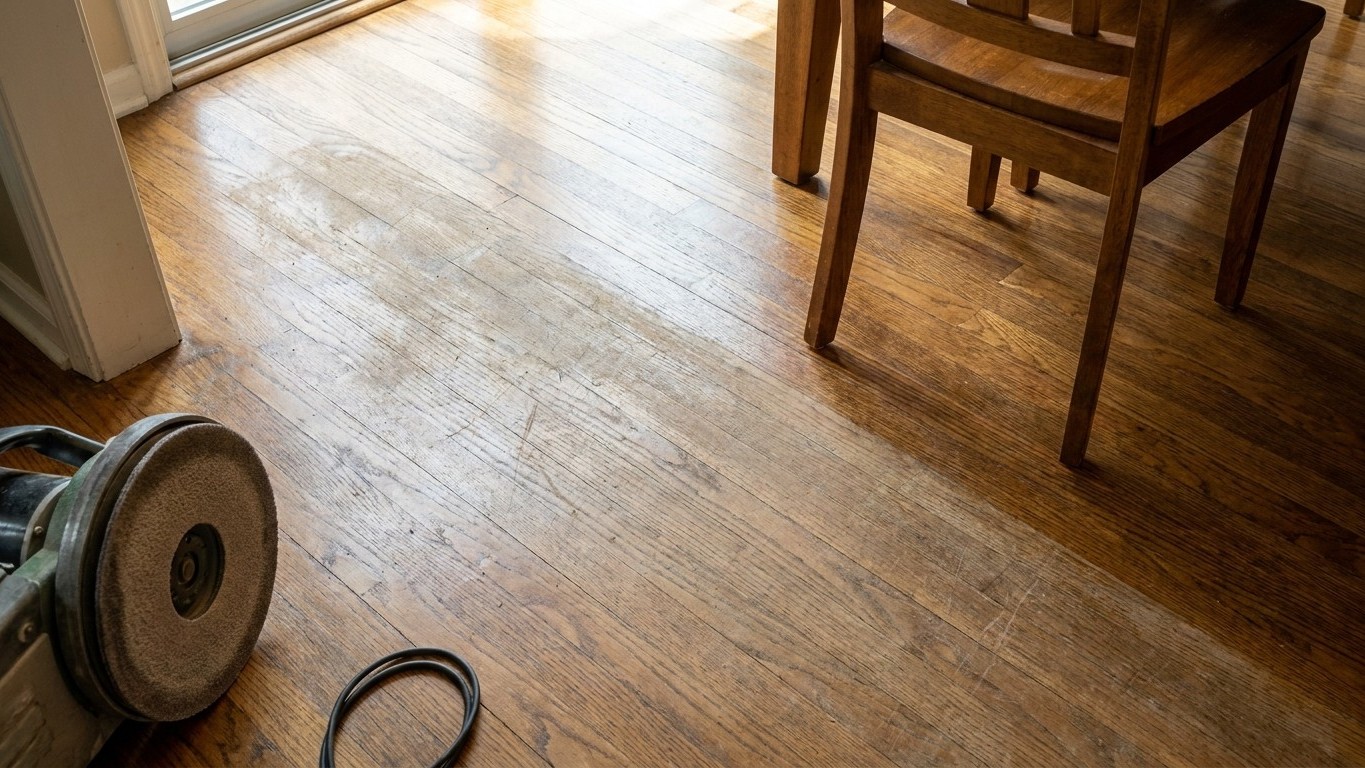
A screen and recoat scuffs up the existing finish and lays down a fresh topcoat, no sanding to bare wood involved.