The Best Grass Seed for Indiana Lawns
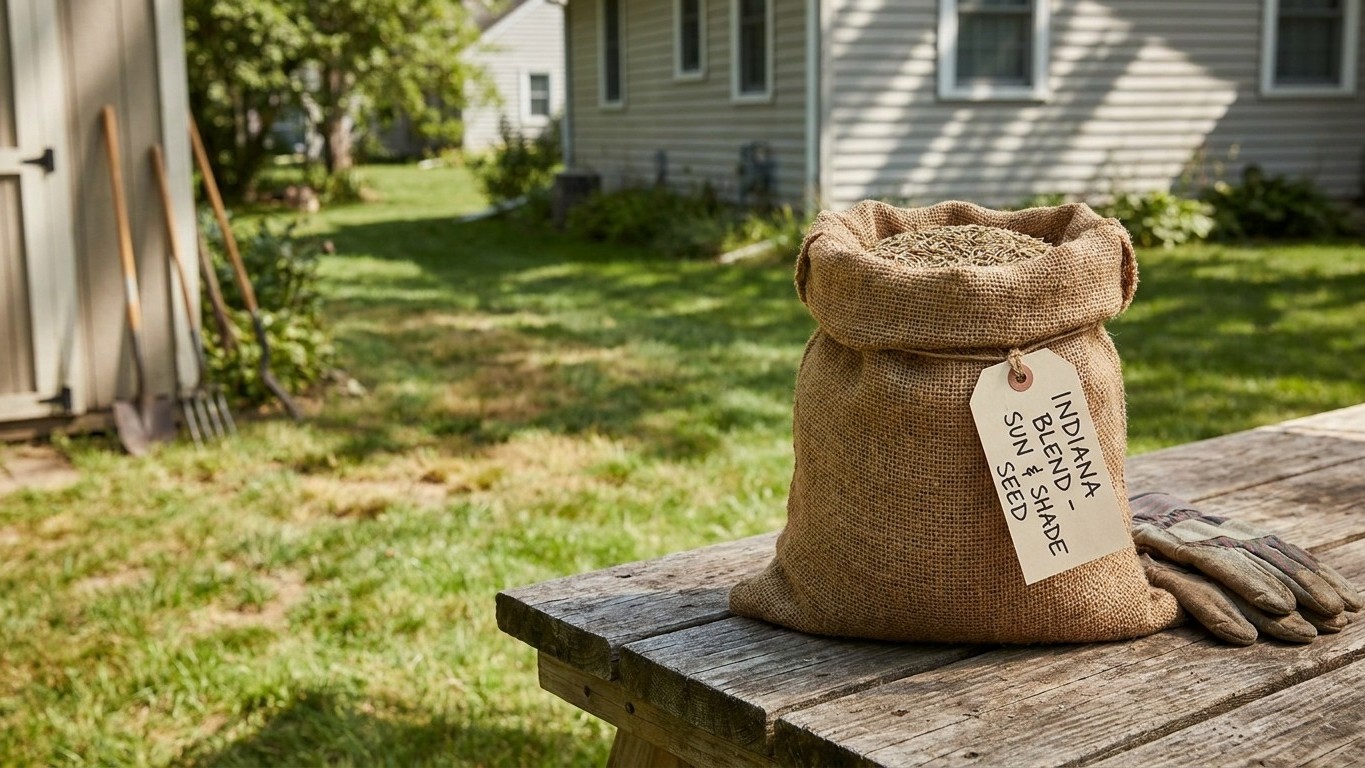
Indiana’s cool-season climate favors tall fescue, Kentucky bluegrass, and fine fescue blends, seeded in fall ahead of the first frost.
Home & garden, state by state
Everything we have worked out for Indiana: what to plant and when, which varieties finish in time, the pests that actually turn up here, and the jobs that pay off month by month. We also cover the rest of the property, from lawns and soil to home care and energy, because a garden rarely stops at the vegetable bed.
The numbers first, because everything else follows from them. Measured at the weather station in Indianapolis, the last spring freeze runs April 9 to April 21 and the first fall freeze runs October 21 to October 30, USDA zones 5b-7a, 3,822 growing degree days in the year.
Garlic does well: 21.8 weeks below 40 °F, comfortably past the six it needs to form a proper head.
Elsewhere on the property in Indiana: the pests that turn up here.
Figures from NOAA's 1991-2020 climate normals. A state is not one climate: elevation, a large lake or the coast can move these dates by two weeks either way, so check your own county with the extension service before you spend money.
Indiana’s cool-season climate favors tall fescue, Kentucky bluegrass, and fine fescue blends, seeded in fall ahead of the first frost.
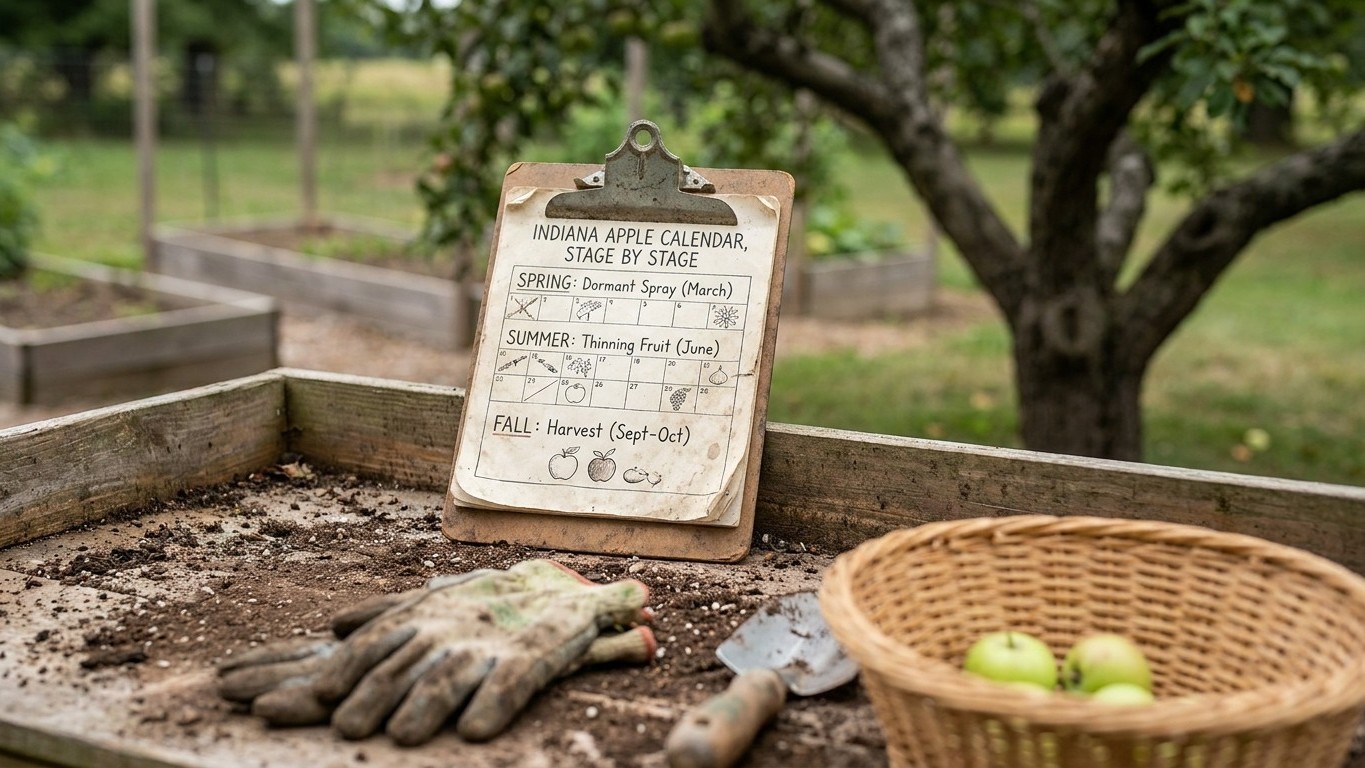
A stage-by-stage guide to timing Indiana apple pruning, bloom protection, and harvest against NOAA’s Indianapolis frost normals and Purdue Extension’s county advice.
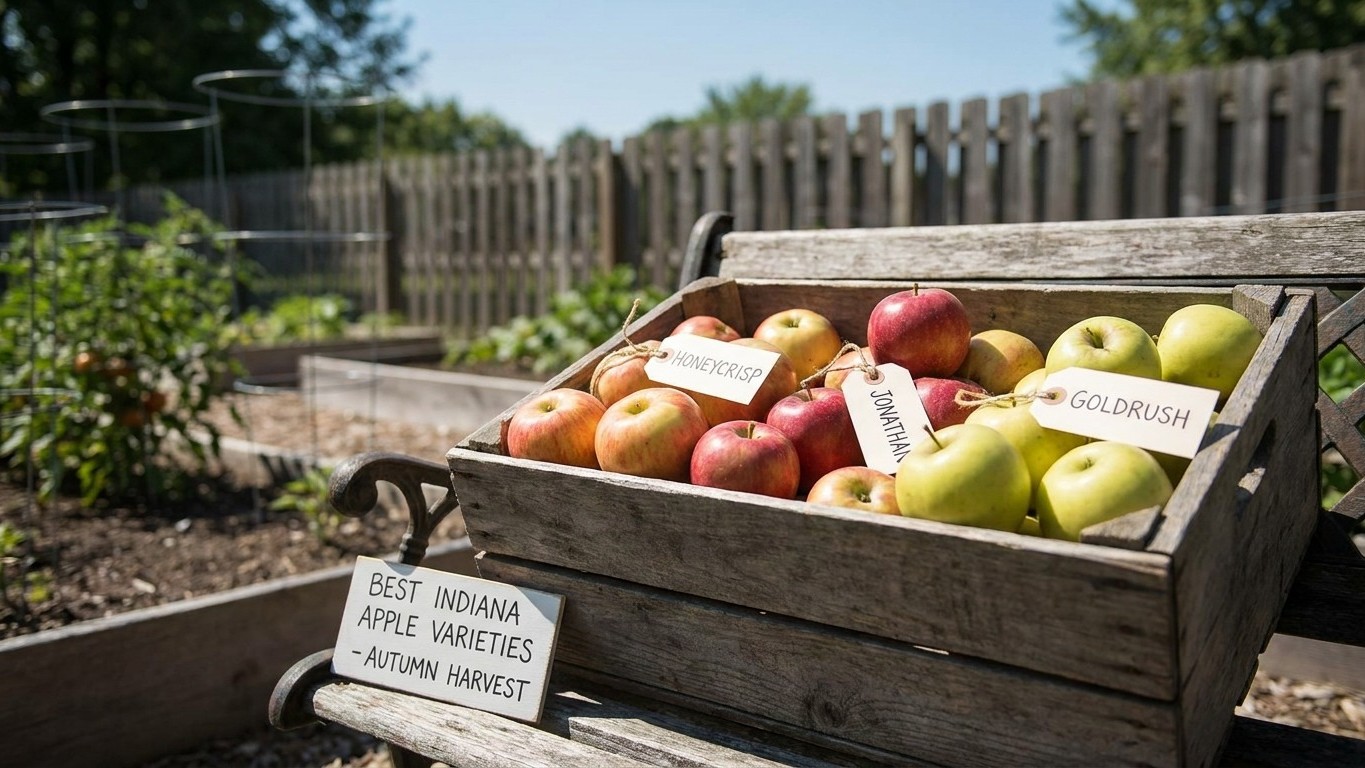
Indiana has no statewide best apple: bloom timing against the frost window, winter hardiness, and disease pressure decide which cultivar works in your yard.
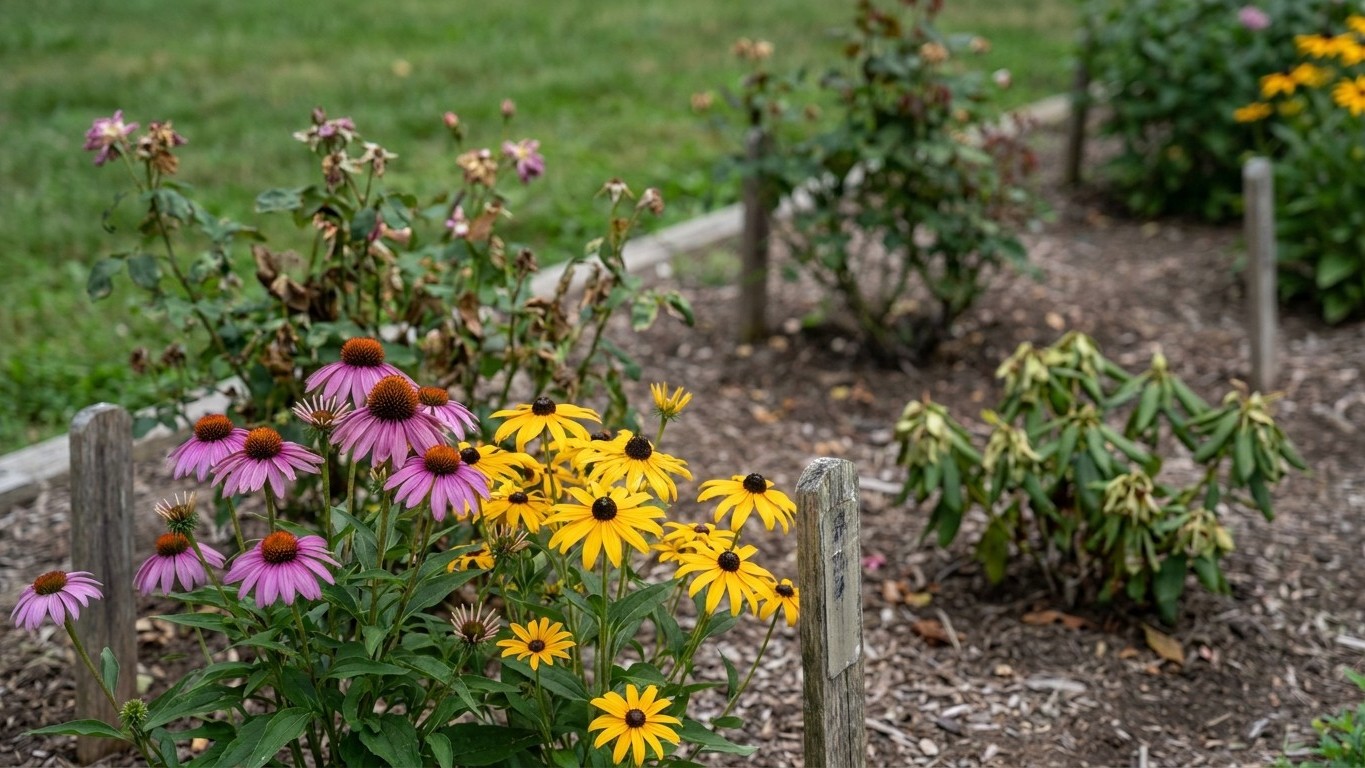
A look at which flowers handle Indiana’s cold winters and humid summers, which need extra care, and how to build a border that blooms all season.
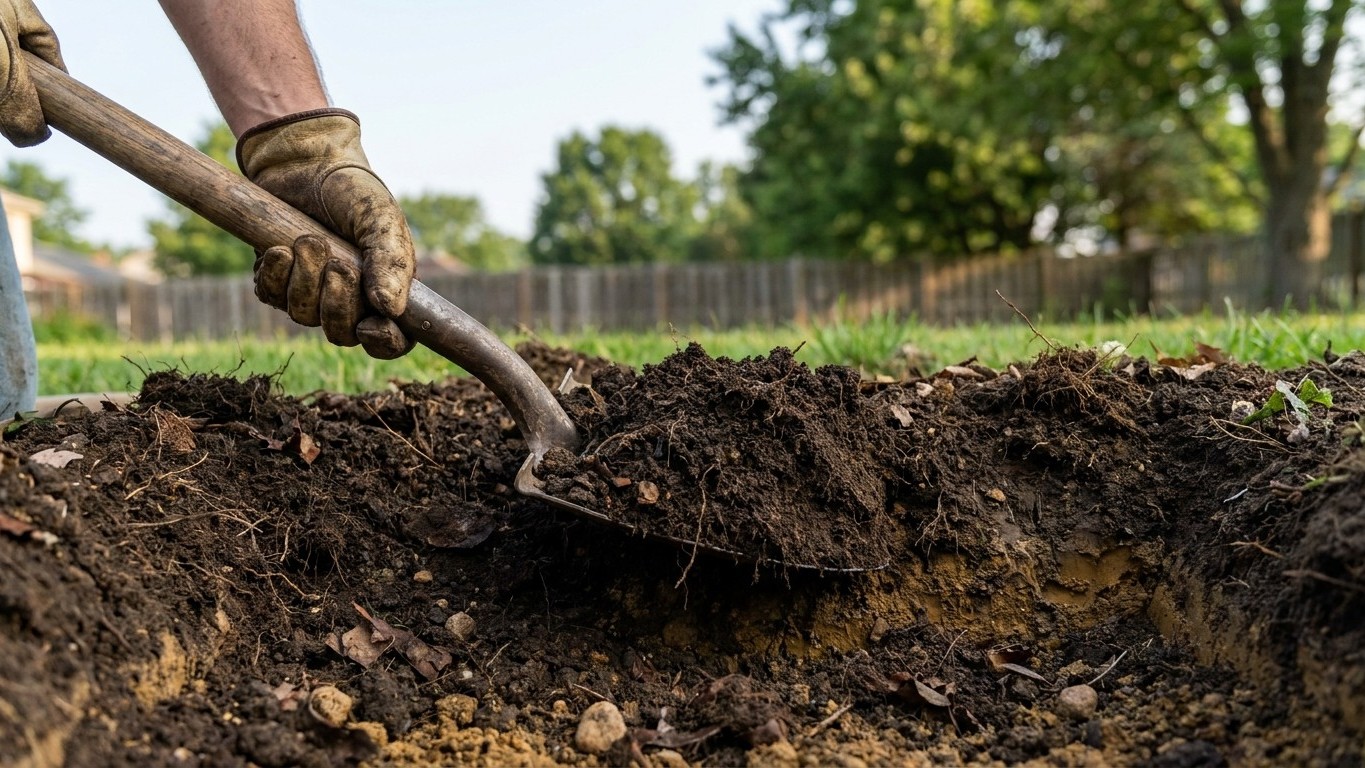
Dig a shovel into an Indiana yard and there’s a good chance you’ll hit the Miami series, a loam-to-silt soil that formed under hardwood forest and covers…
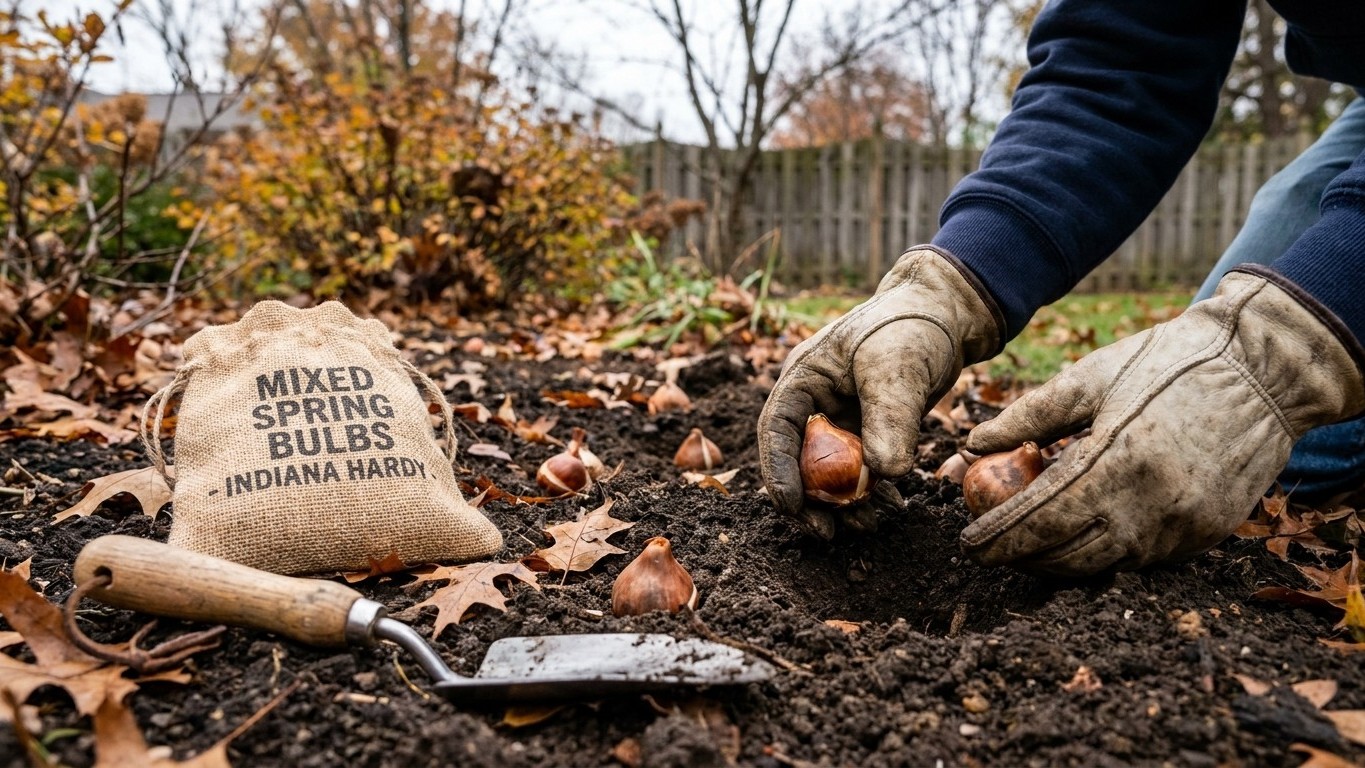
Spring bulbs go into Indiana soil once the ground has cooled but before it locks up for winter, and whether a given bulb even wakes up in April depends…
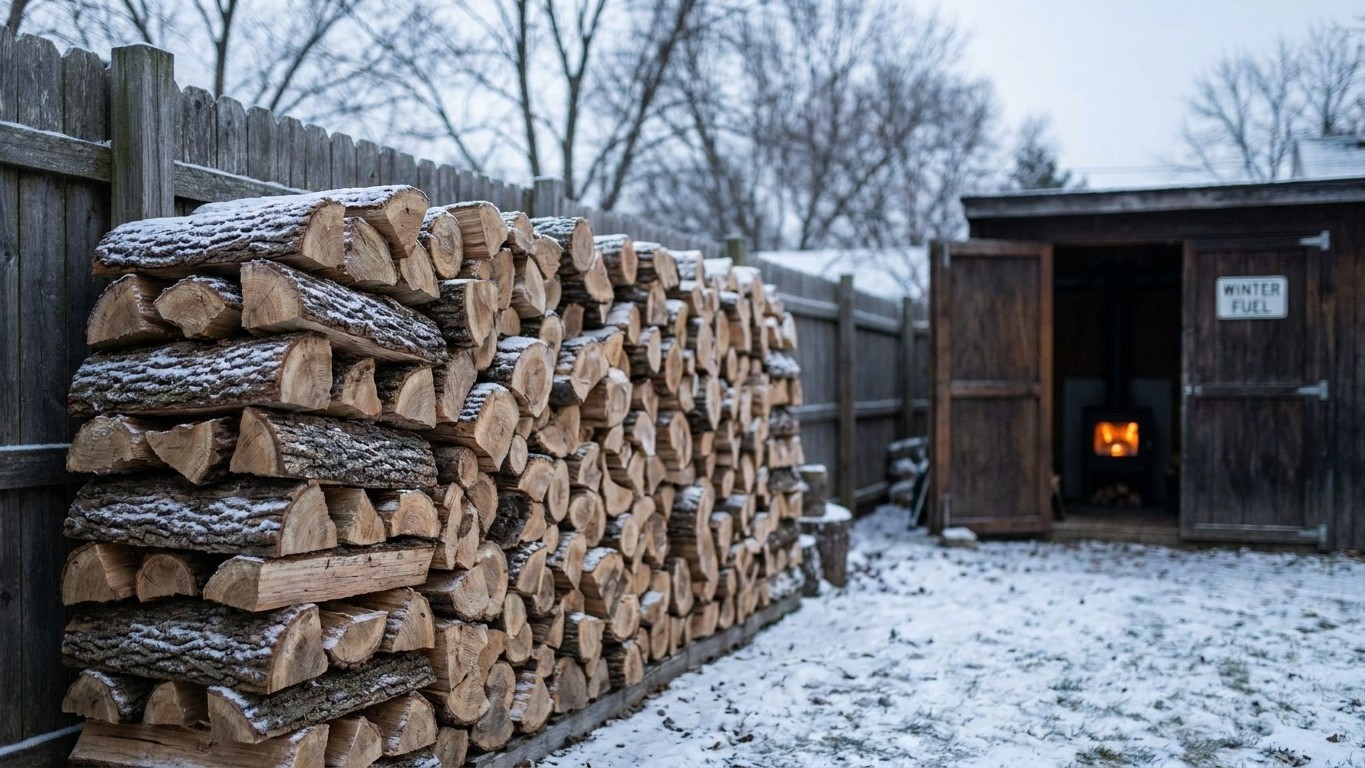
Indianapolis averages a coldest-month low of 20.9°F, cold enough that a wood stove or fireplace insert is doing real work most winters, not just adding…
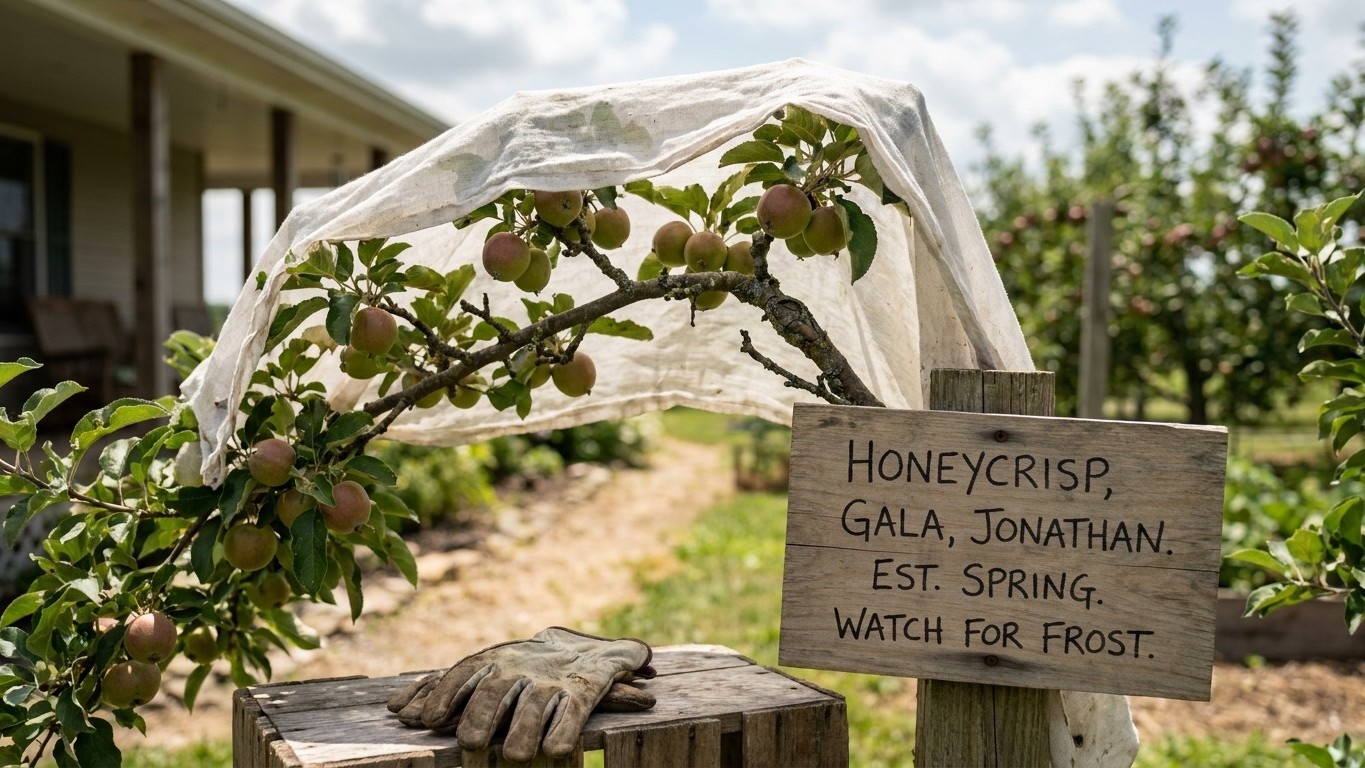
Indiana’s apple-growing range covers Zone 5b to 7a, with winter hardiness rarely the limiting factor and spring frost at bloom the real risk to watch.
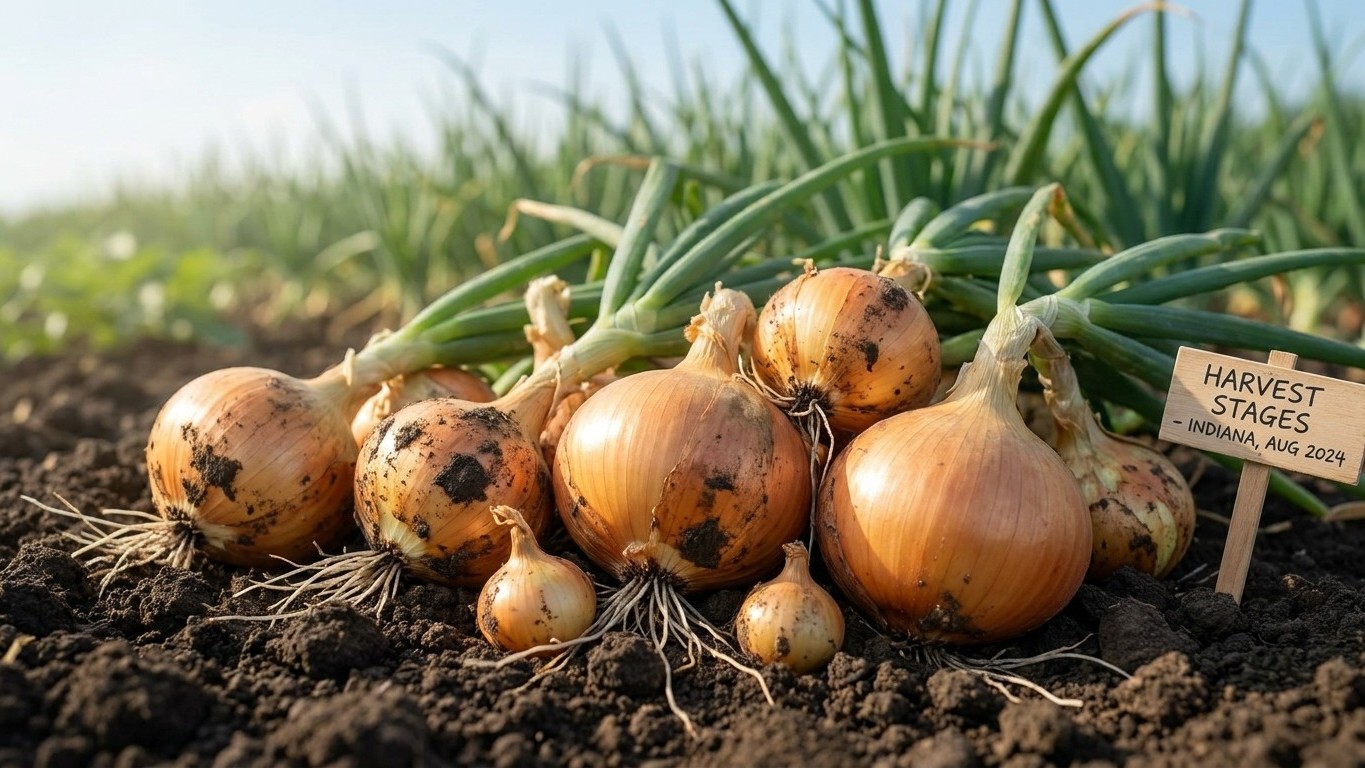
Indianapolis sits at 39.71 degrees north, and on the longest day of the year the sun gives it 14 hours and 49 minutes of daylight.
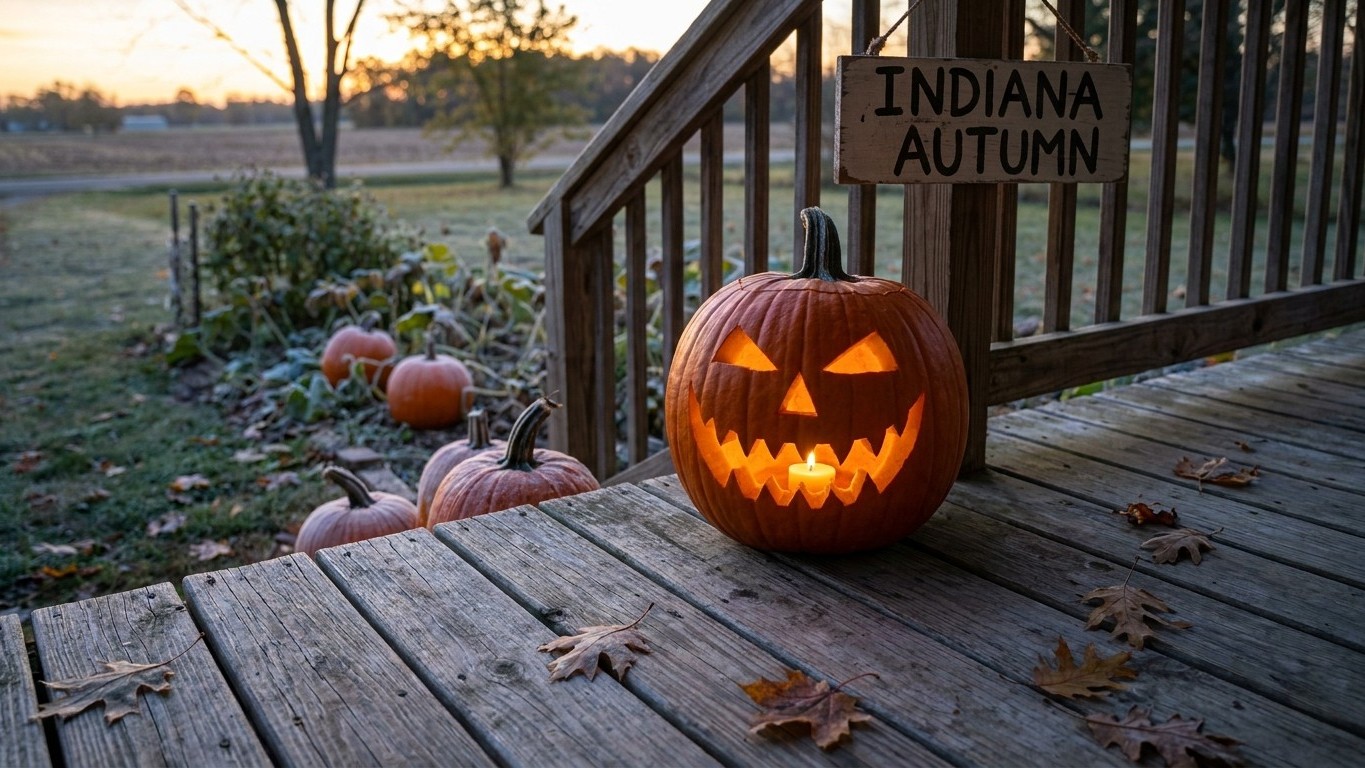
Indianapolis sees its average first fall frost somewhere between October 21 and October 30, which puts it right on top of Halloween, not weeks ahead of it.