What Eats Beet in Kentucky, and When
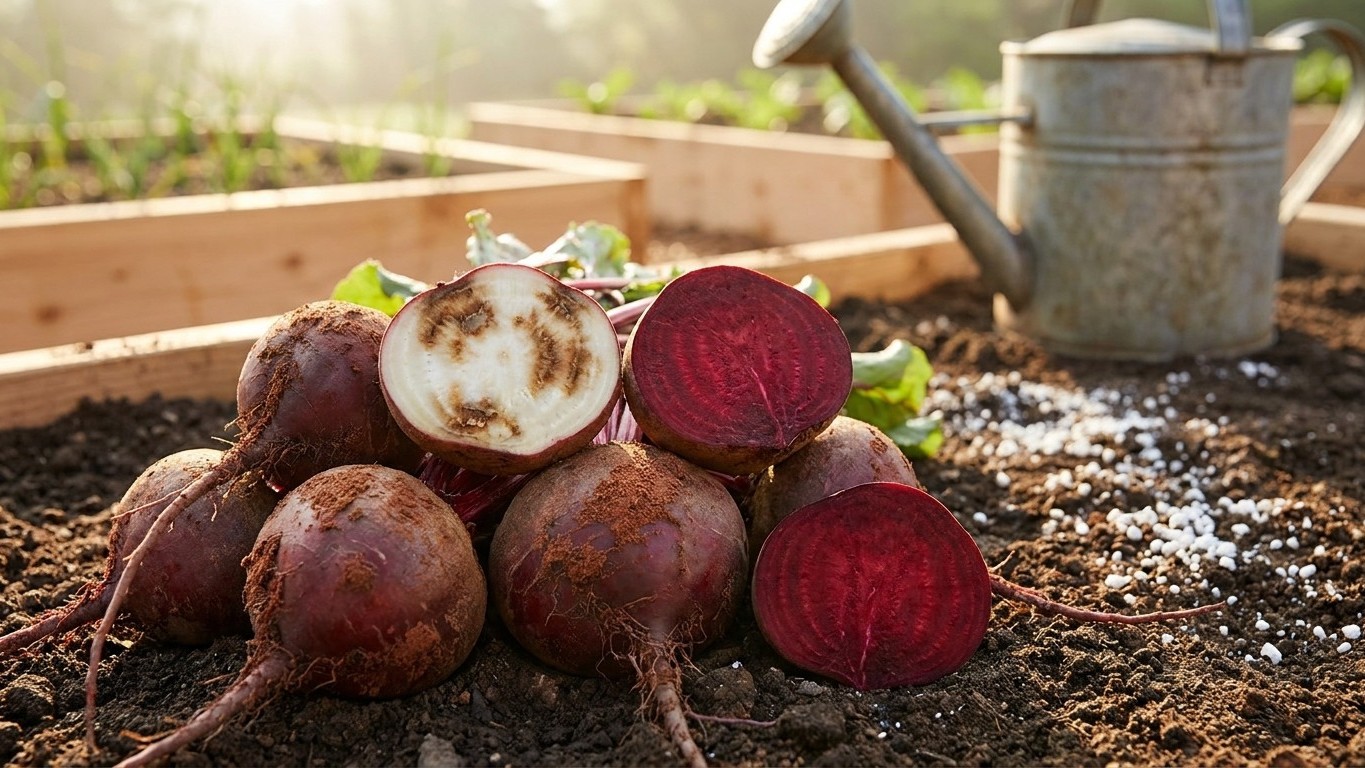
Kentucky’s extension entomologists document ten insects for the state, and only a few have any business in a beet row.
Home & garden, state by state
Everything we have worked out for Kentucky: what to plant and when, which varieties finish in time, the pests that actually turn up here, and the jobs that pay off month by month. We also cover the rest of the property, from lawns and soil to home care and energy, because a garden rarely stops at the vegetable bed.
The numbers first, because everything else follows from them. Measured at the weather station in Louisville, the last spring freeze runs March 24 to April 4 and the first fall freeze runs November 2 to November 12, USDA zones 6a-7a, 4,712 growing degree days in the year.
Garlic does well: 21.8 weeks below 40 °F, comfortably past the six it needs to form a proper head.
Elsewhere on the property in Kentucky: the pests that turn up here.
Figures from NOAA's 1991-2020 climate normals. A state is not one climate: elevation, a large lake or the coast can move these dates by two weeks either way, so check your own county with the extension service before you spend money.
Kentucky’s extension entomologists document ten insects for the state, and only a few have any business in a beet row.
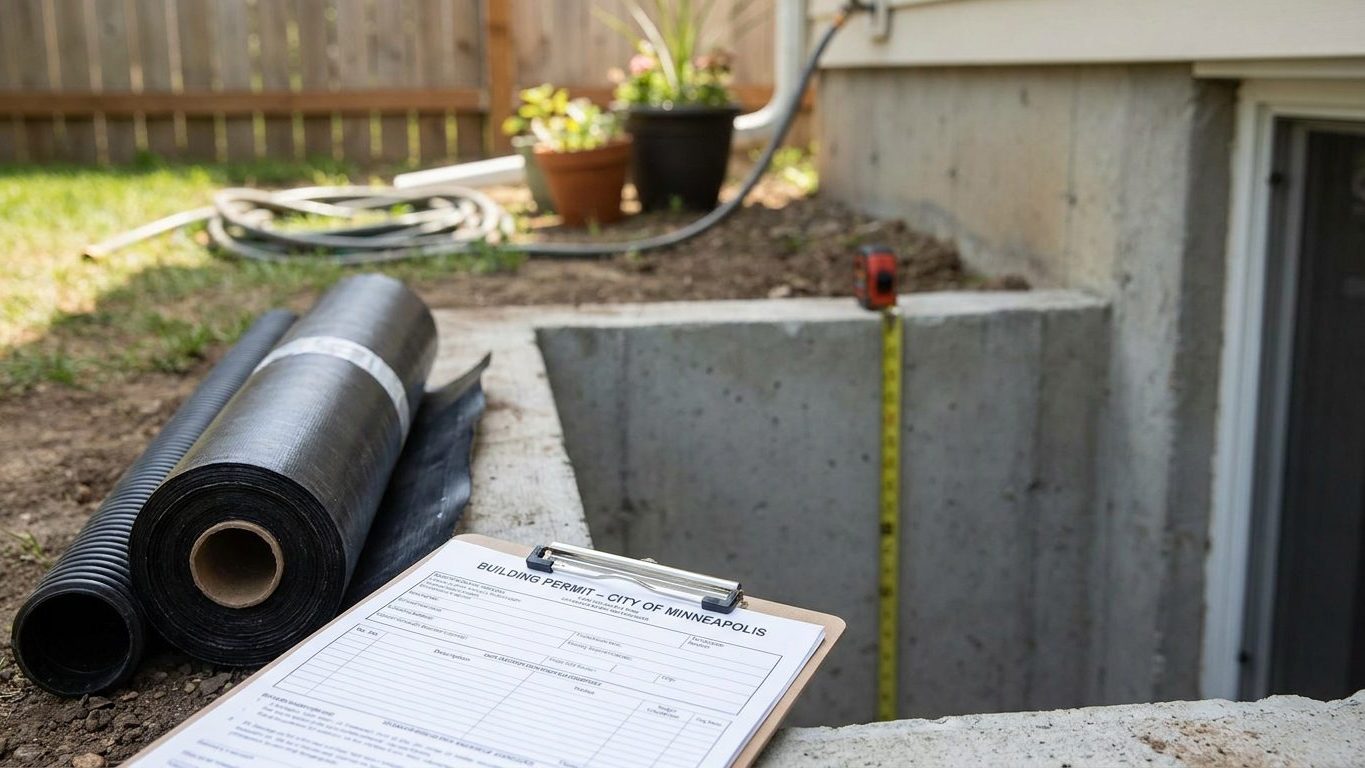
Kentucky’s code drops the alteration exemption other states allow, so basement egress, ceiling height and permits follow full new-construction rules statewide.

Kentucky is a central-air state through and through. Ninety-five percent of homes run some form of cooling, and 84% of them do it with a central system…
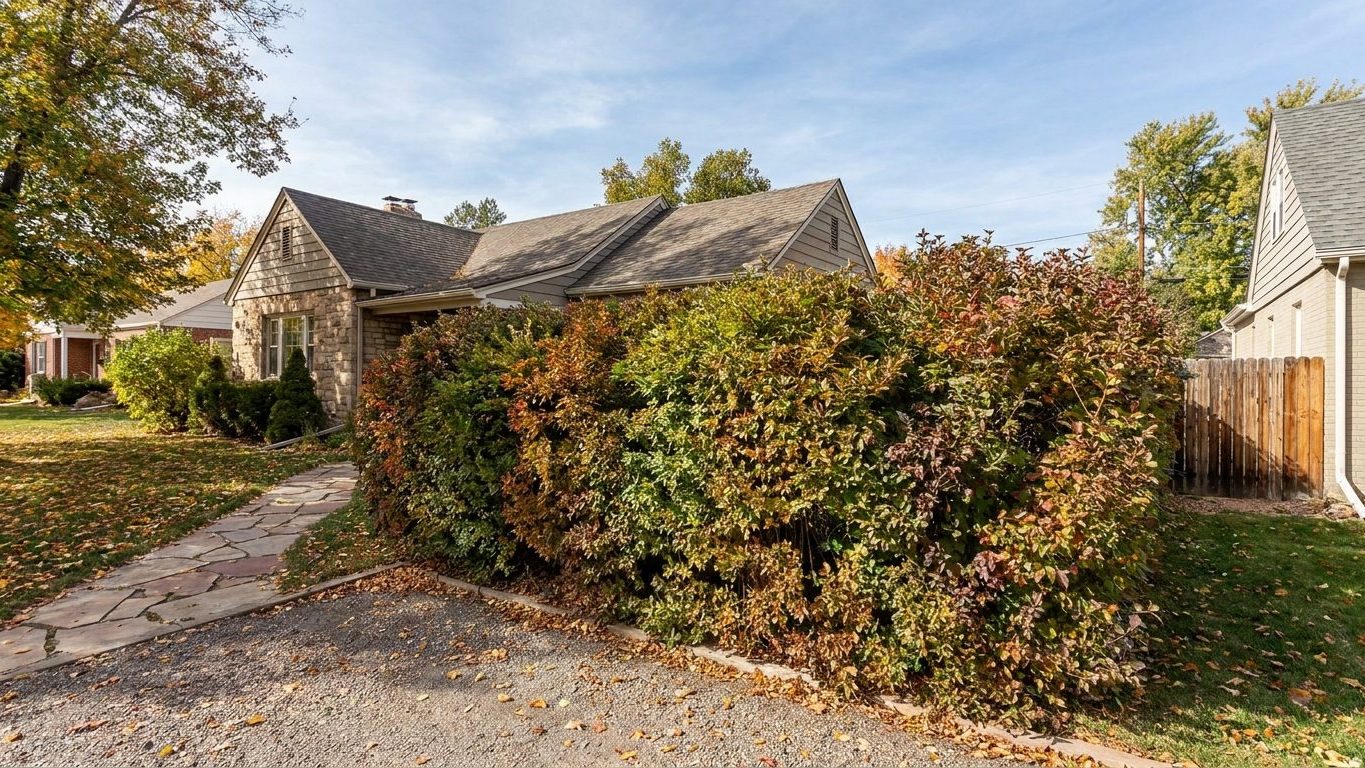
The direct answer is that Kentucky has no statewide hedge height limit. No Kentucky Revised Statute sets a number in feet for how tall a hedge, screen…
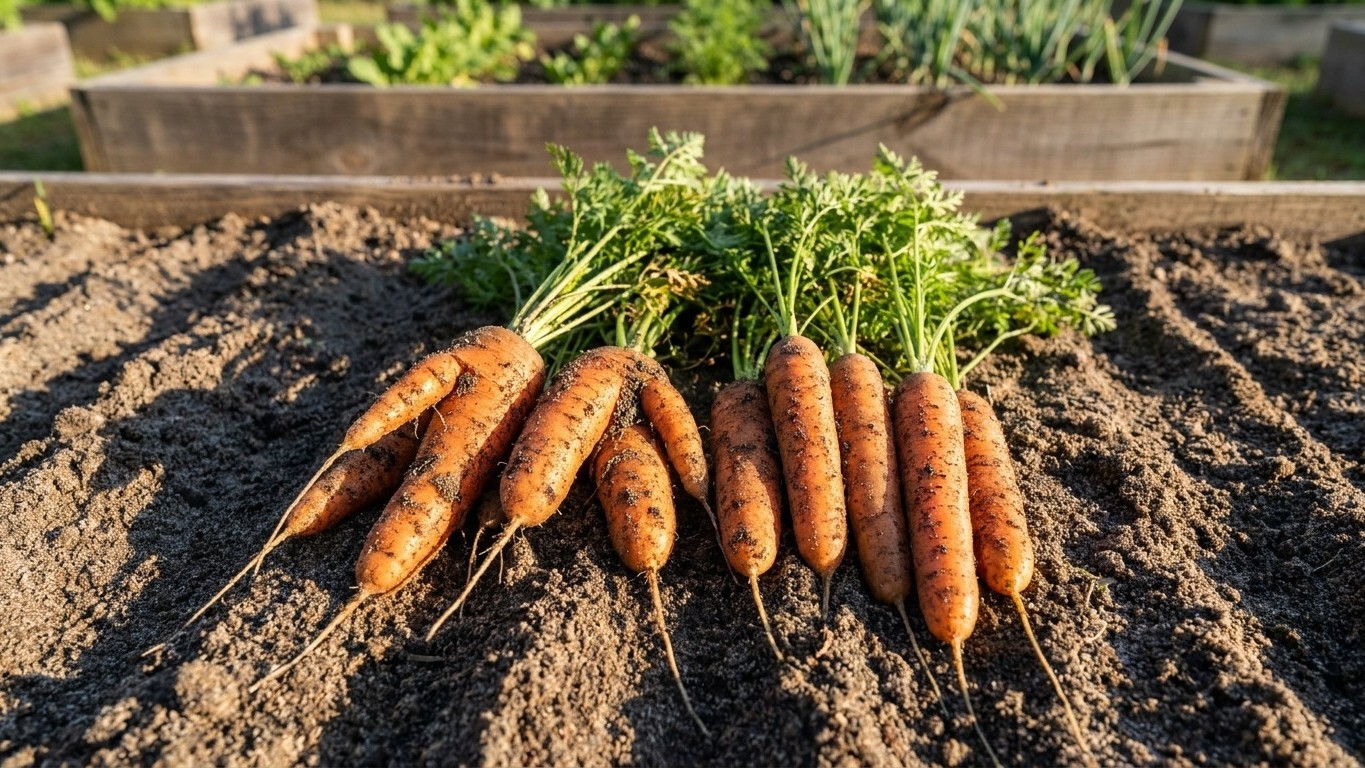
Kentucky’s own extension records don’t publish a species-by-species list of carrot pests for the state.
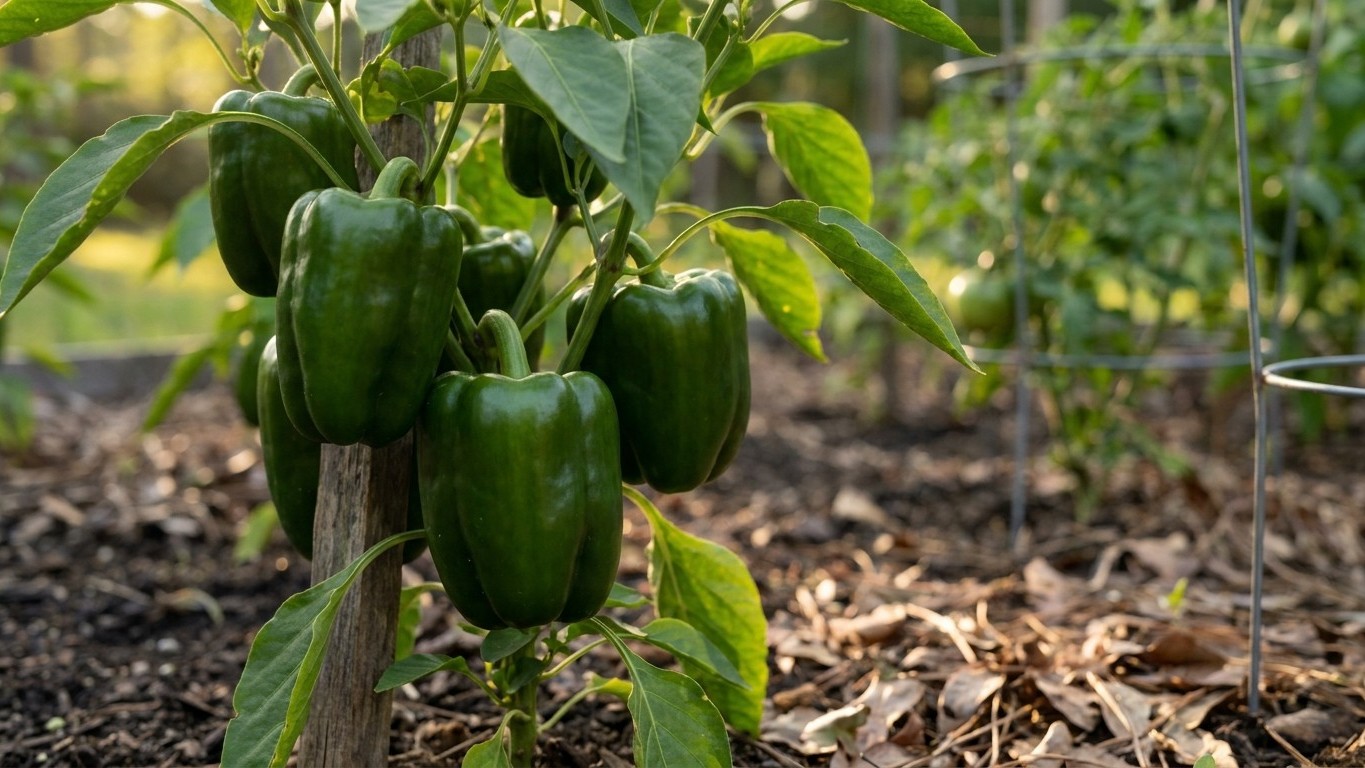
The honest answer is less about insects and more about the thermostat. Kentucky’s pepper trouble usually starts with heat stress and frost timing rather…
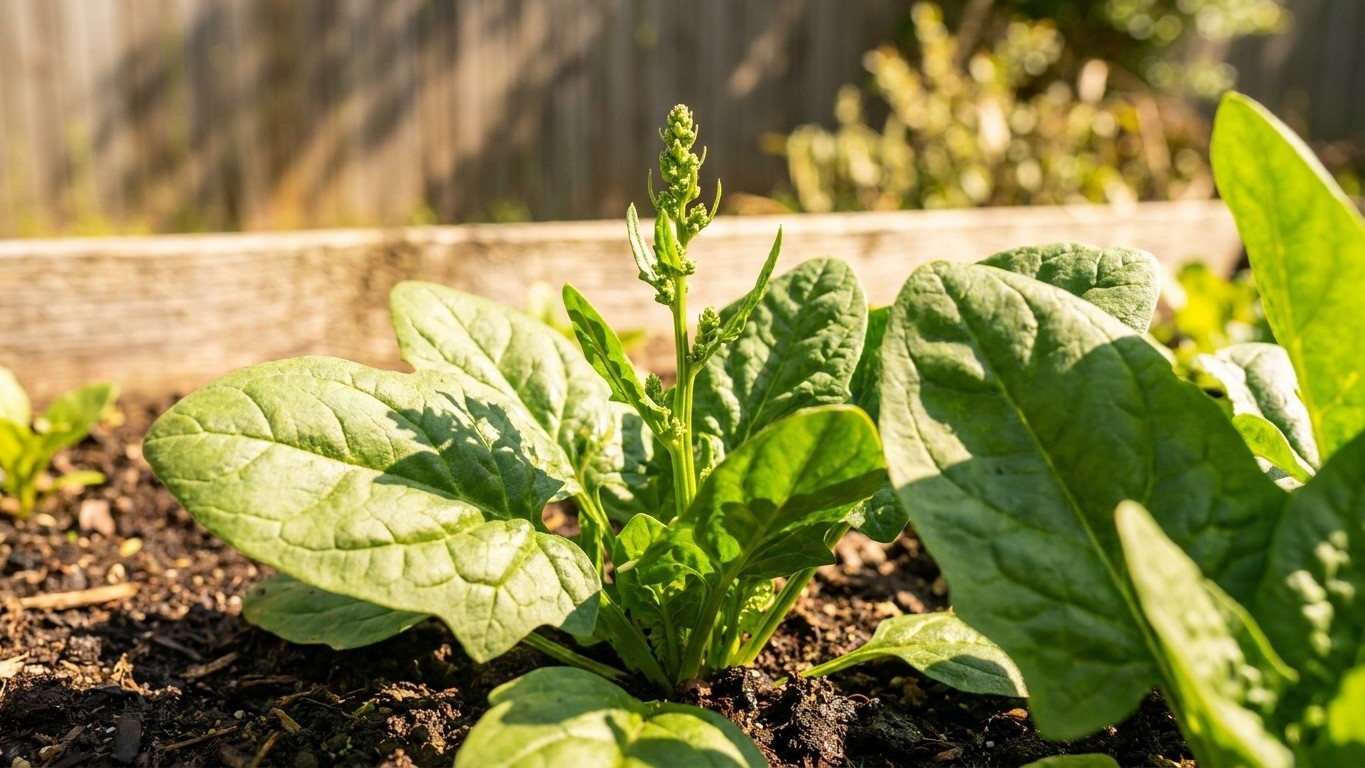
University of Kentucky Extension Entomology does not name a single spinach specialist among the pests it tracks statewide.
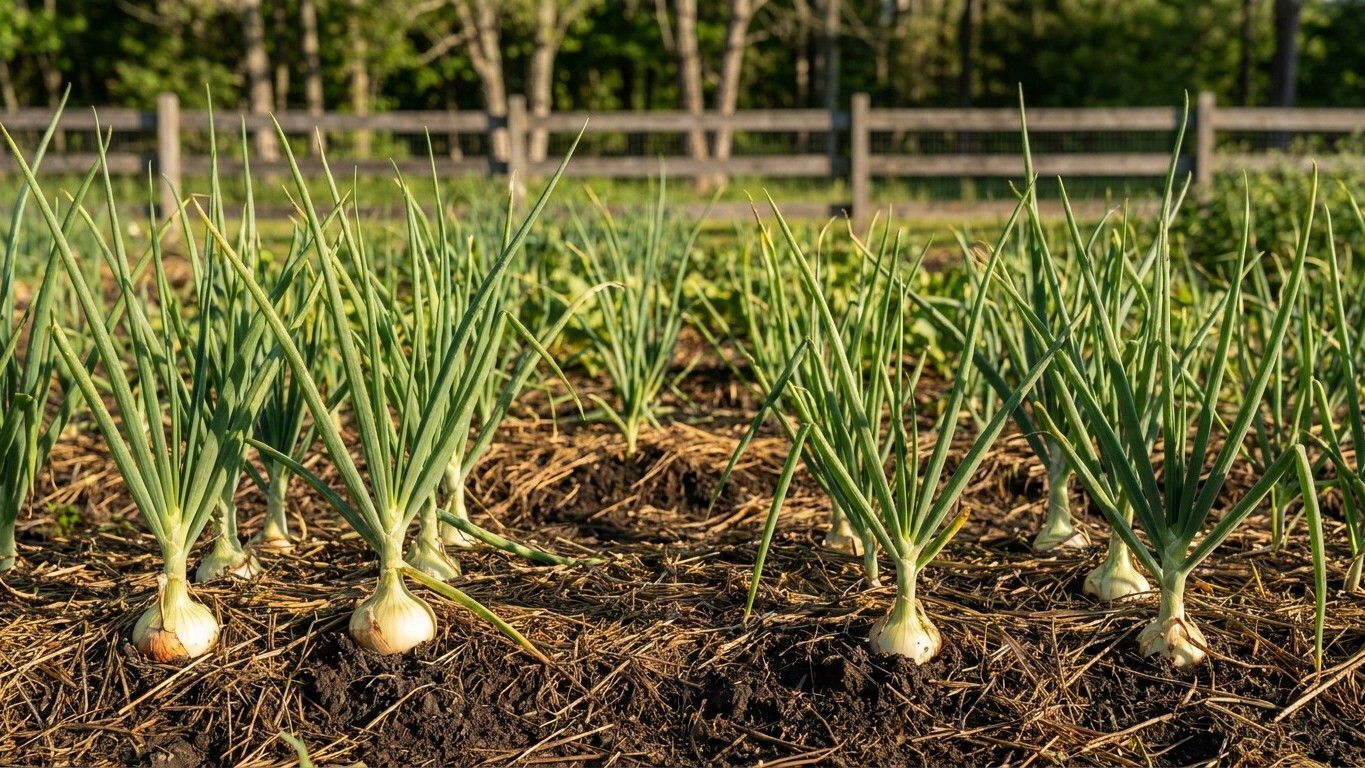
Kentucky’s official pest tracking for gardens and landscapes doesn’t include a single insect that treats onion as a preferred meal.
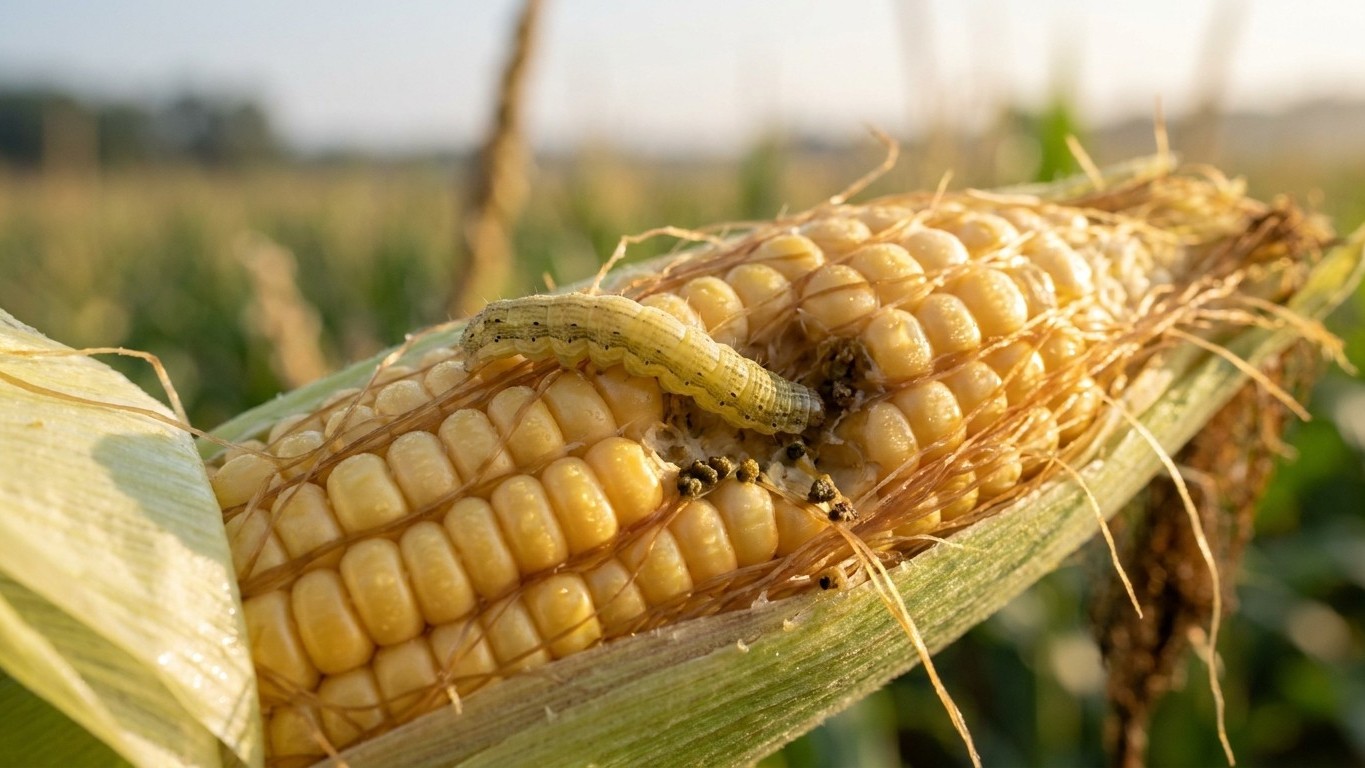
Three insects account for the corn damage documented in Kentucky gardens: spotted cucumber beetle, Japanese beetle, and brown marmorated stink bug.
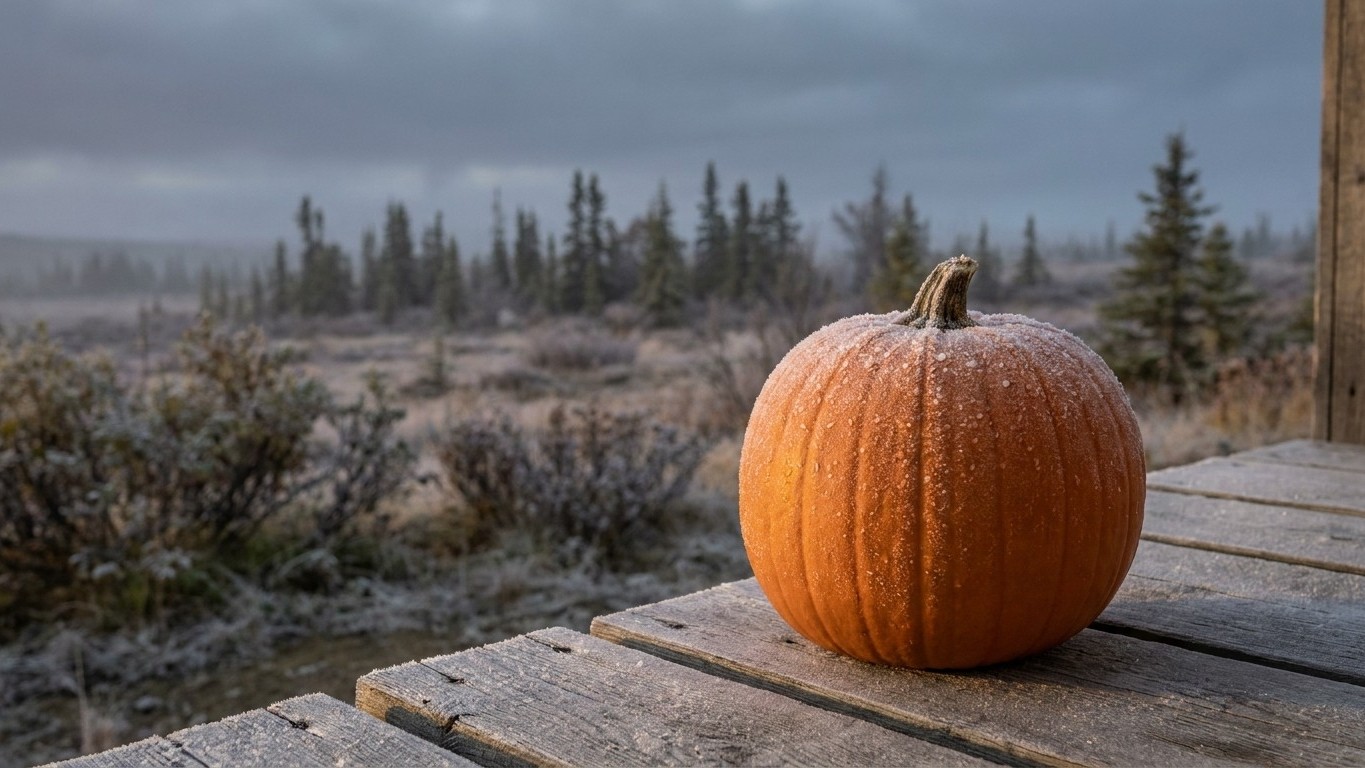
Four insects on University of Kentucky Extension Entomology’s list actually feed on pumpkin foliage, blossoms, or fruit in this state: squash bug, squash…