When to Sow Carrots in Kentucky: Counting Back From the Last Frost
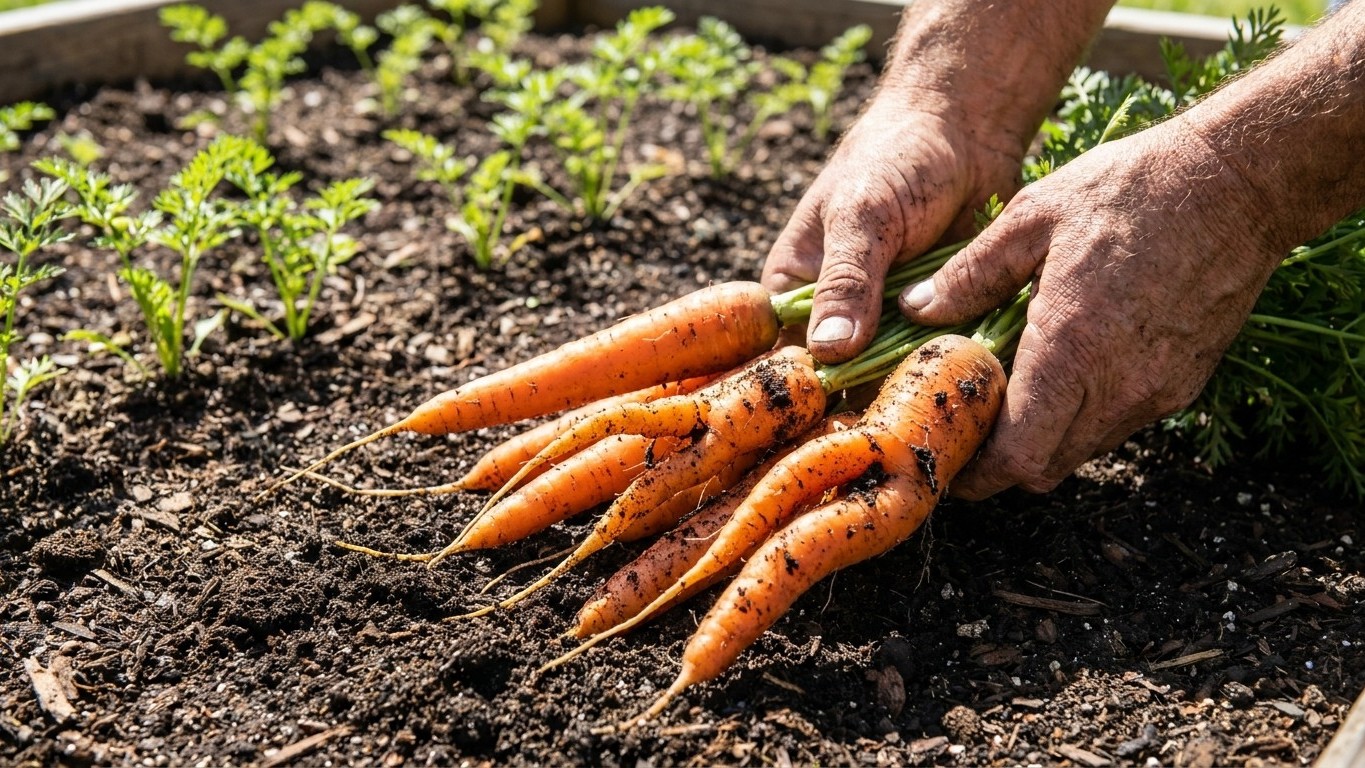
Carrots in Kentucky are sown directly into the ground, counted backward from your local last spring frost, since the crop is never transplanted.
Home & garden, state by state
Everything we have worked out for Kentucky: what to plant and when, which varieties finish in time, the pests that actually turn up here, and the jobs that pay off month by month. We also cover the rest of the property, from lawns and soil to home care and energy, because a garden rarely stops at the vegetable bed.
The numbers first, because everything else follows from them. Measured at the weather station in Louisville, the last spring freeze runs March 24 to April 4 and the first fall freeze runs November 2 to November 12, USDA zones 6a-7a, 4,712 growing degree days in the year.
Garlic does well: 21.8 weeks below 40 °F, comfortably past the six it needs to form a proper head.
Elsewhere on the property in Kentucky: the pests that turn up here.
Figures from NOAA's 1991-2020 climate normals. A state is not one climate: elevation, a large lake or the coast can move these dates by two weeks either way, so check your own county with the extension service before you spend money.
Carrots in Kentucky are sown directly into the ground, counted backward from your local last spring frost, since the crop is never transplanted.
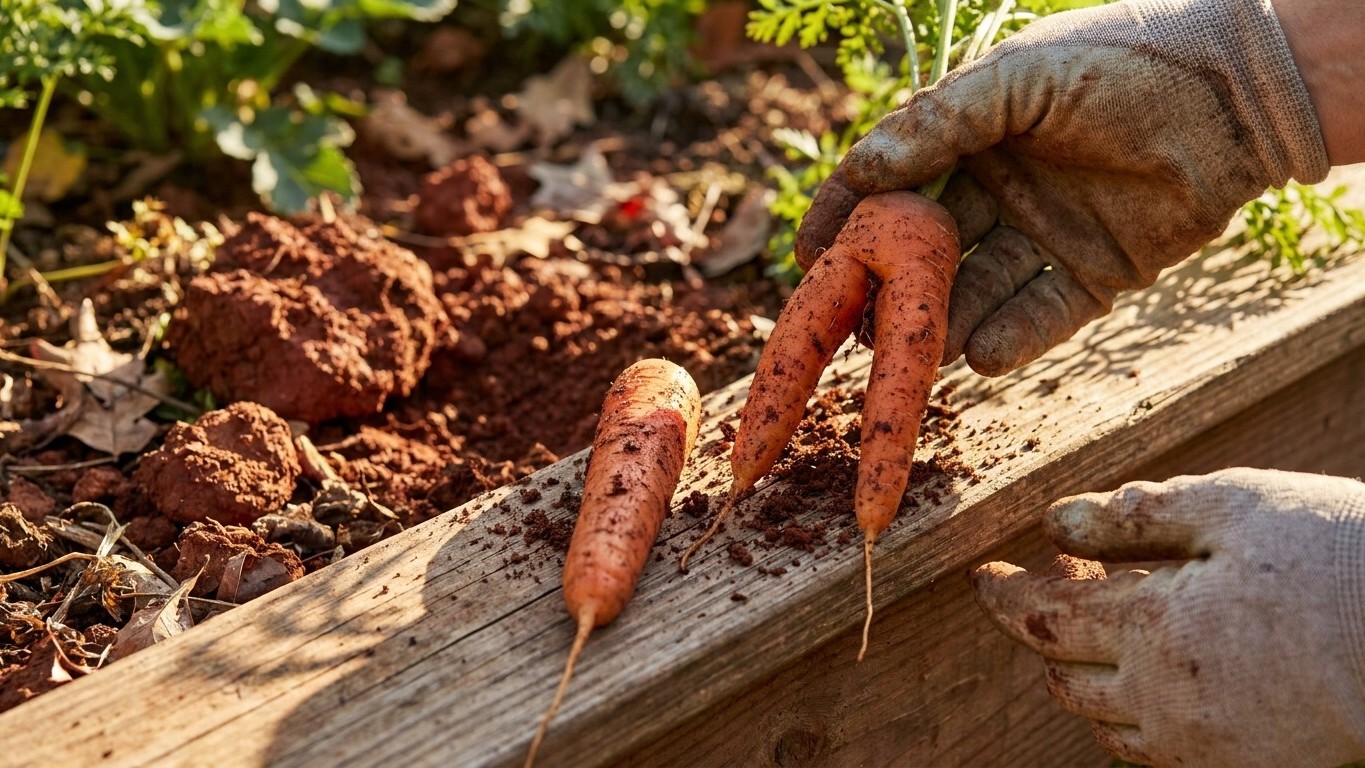
Kentucky’s official soil, the Crider series, is a well-drained silt loam with only 19 percent clay.
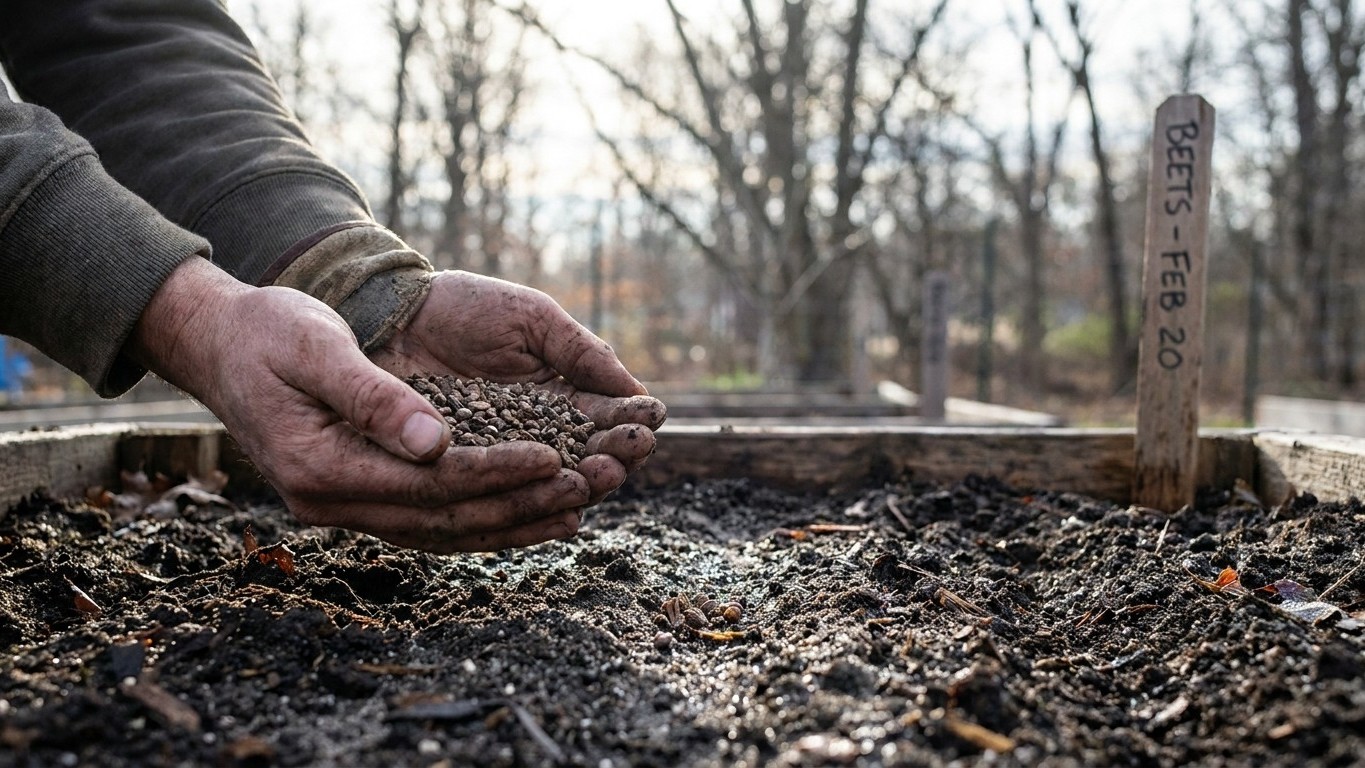
Kentucky gardeners get a workable window: sow beet seed directly in the ground two to three weeks before the last spring frost, which NOAA’s 1991-2020…
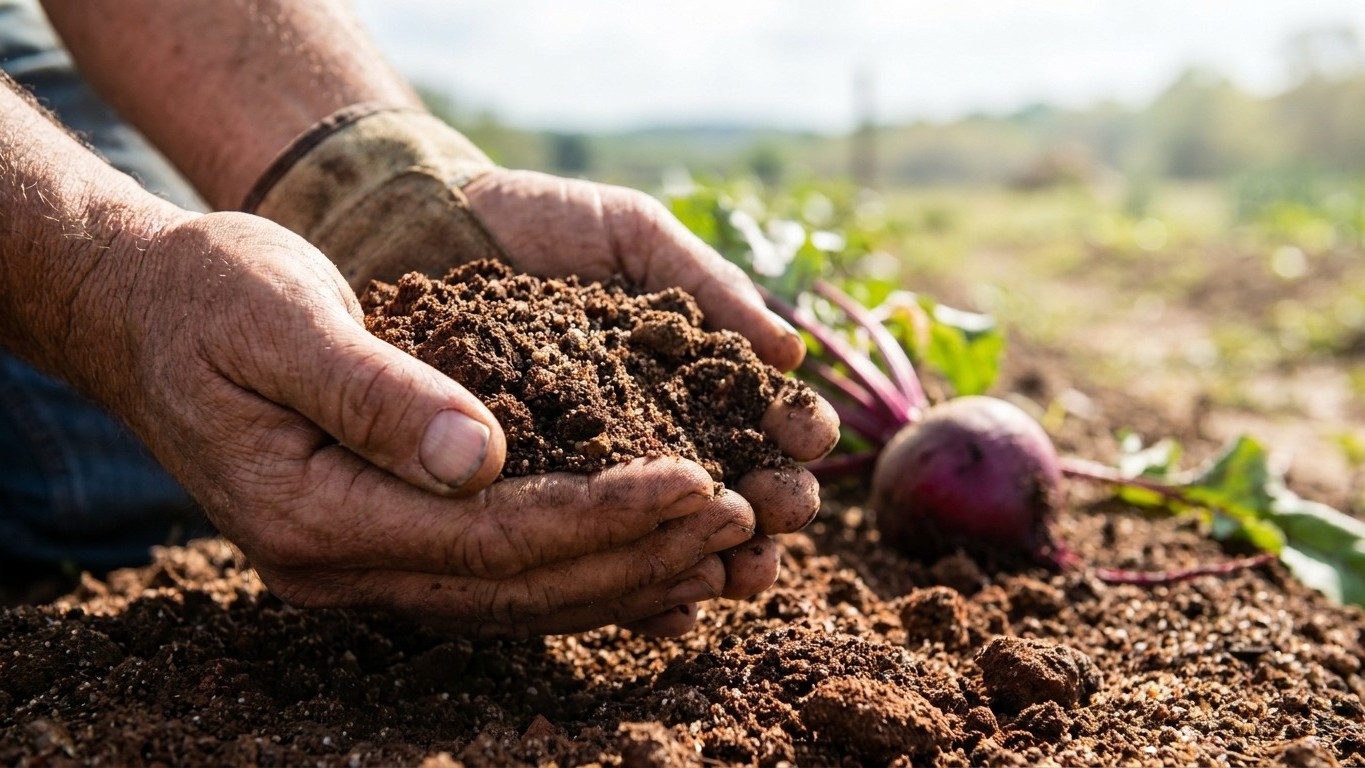
Kentucky’s own state soil, the Crider series, is a well-drained silt loam built for trees, not row crops, and that matters more to a beet than most…
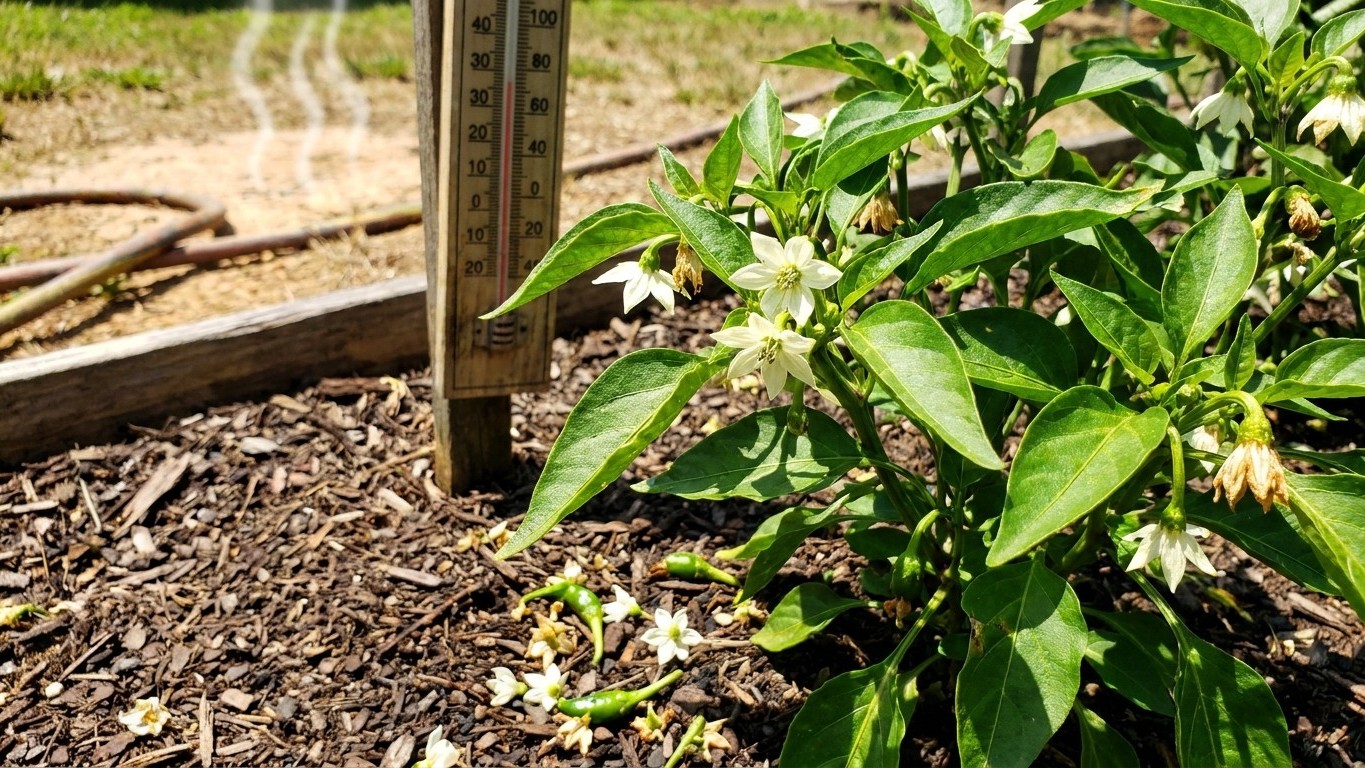
Kentucky peppers stall out mainly on the hot side. Louisville logs an average of 37.2 days a year at 90°F or above, and that heat load is enough to knock…
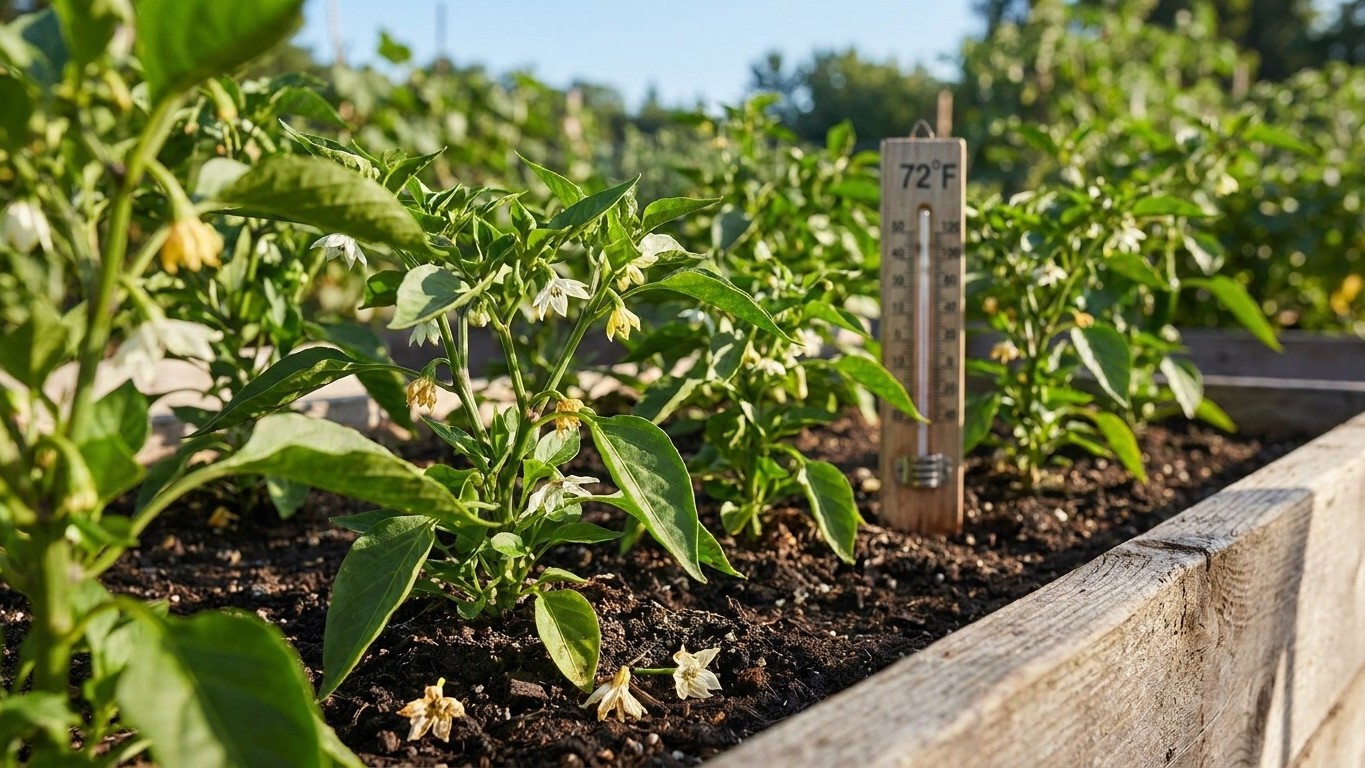
In Kentucky, the target window for starting pepper seed indoors is mid-January through early February, counting back 8 to 10 weeks from a transplant date…
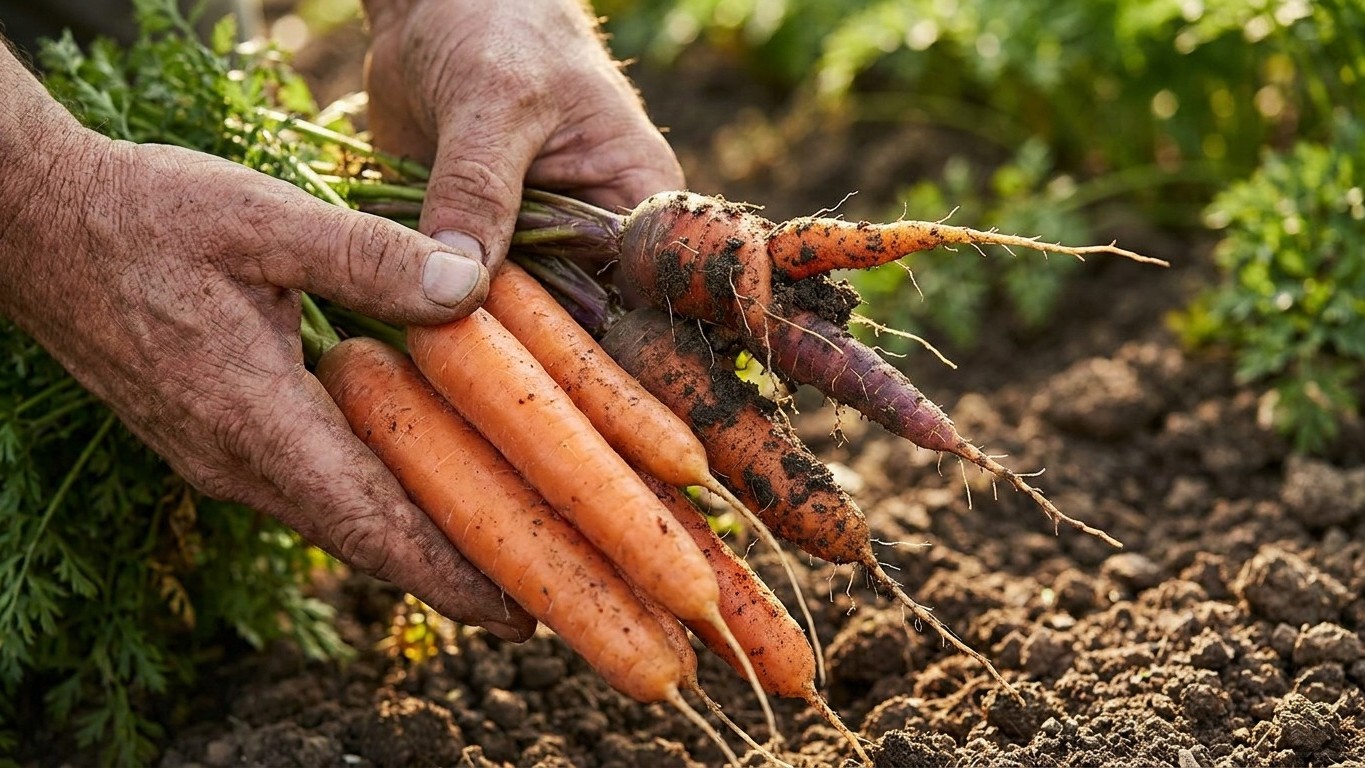
The Crider series, Kentucky’s official state soil, is a well-drained silt loam sitting at a surface pH near 6.2, which puts most gardens broadly in…
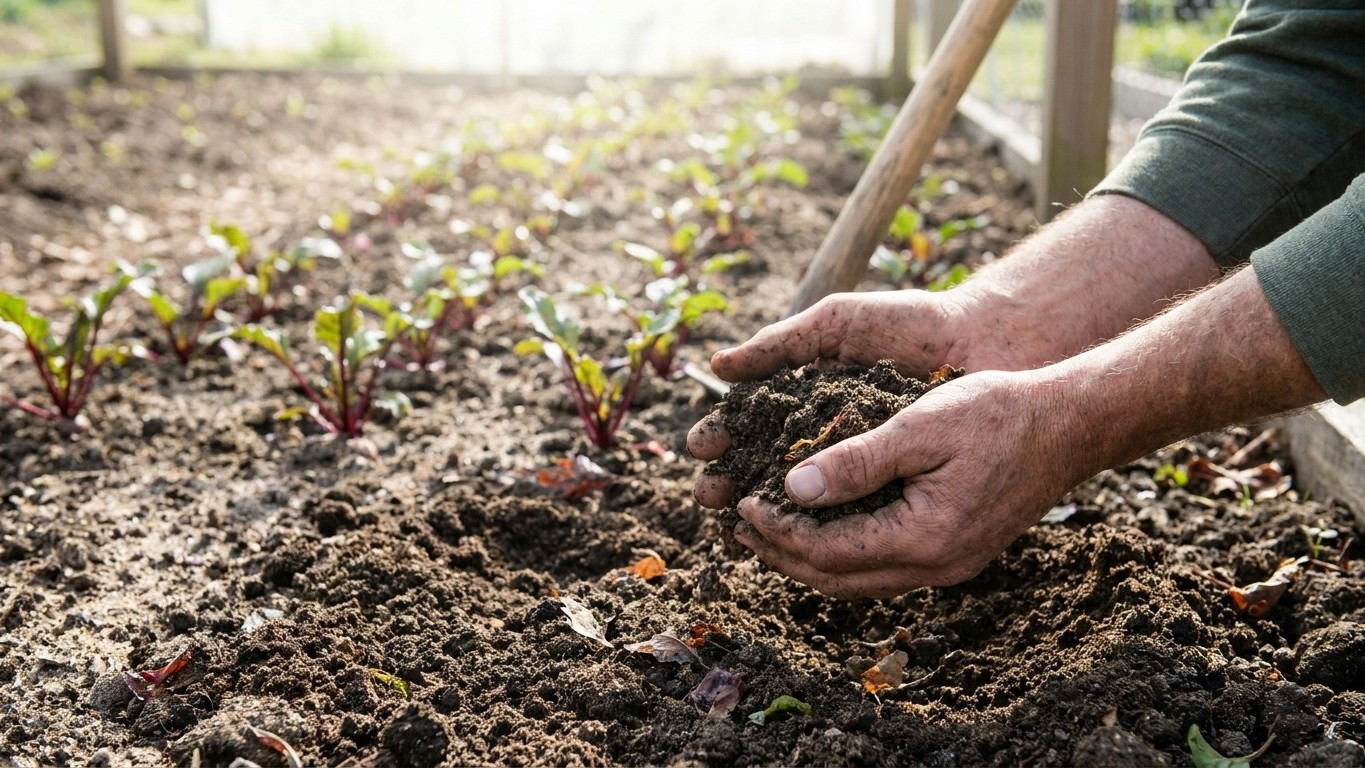
Kentucky’s official state soil, the Crider series, is a well-drained silt loam with a mildly acid pH near 6.2, plenty of clay and almost no sand.
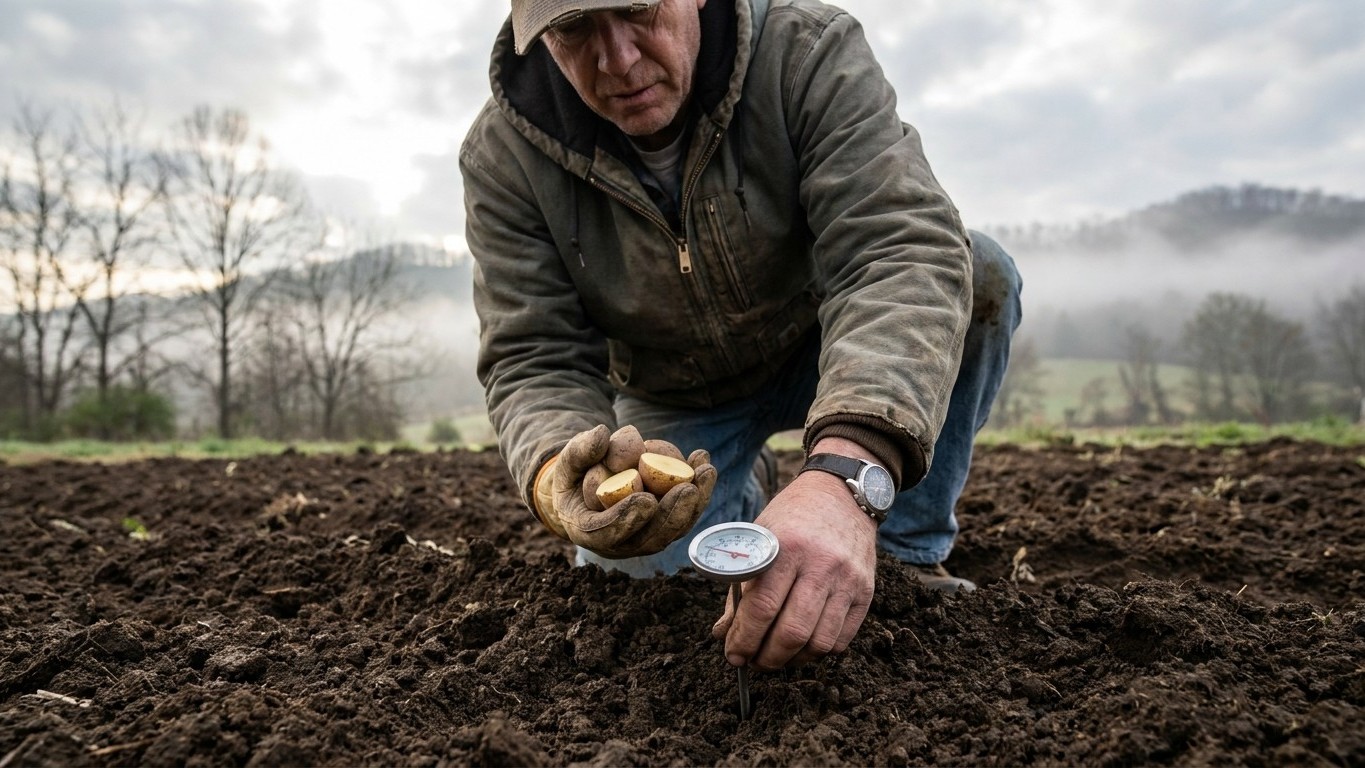
For gardeners near Louisville, the math starts with a single climate figure: NOAA puts the last spring frost date there, at 32°F, somewhere between March…
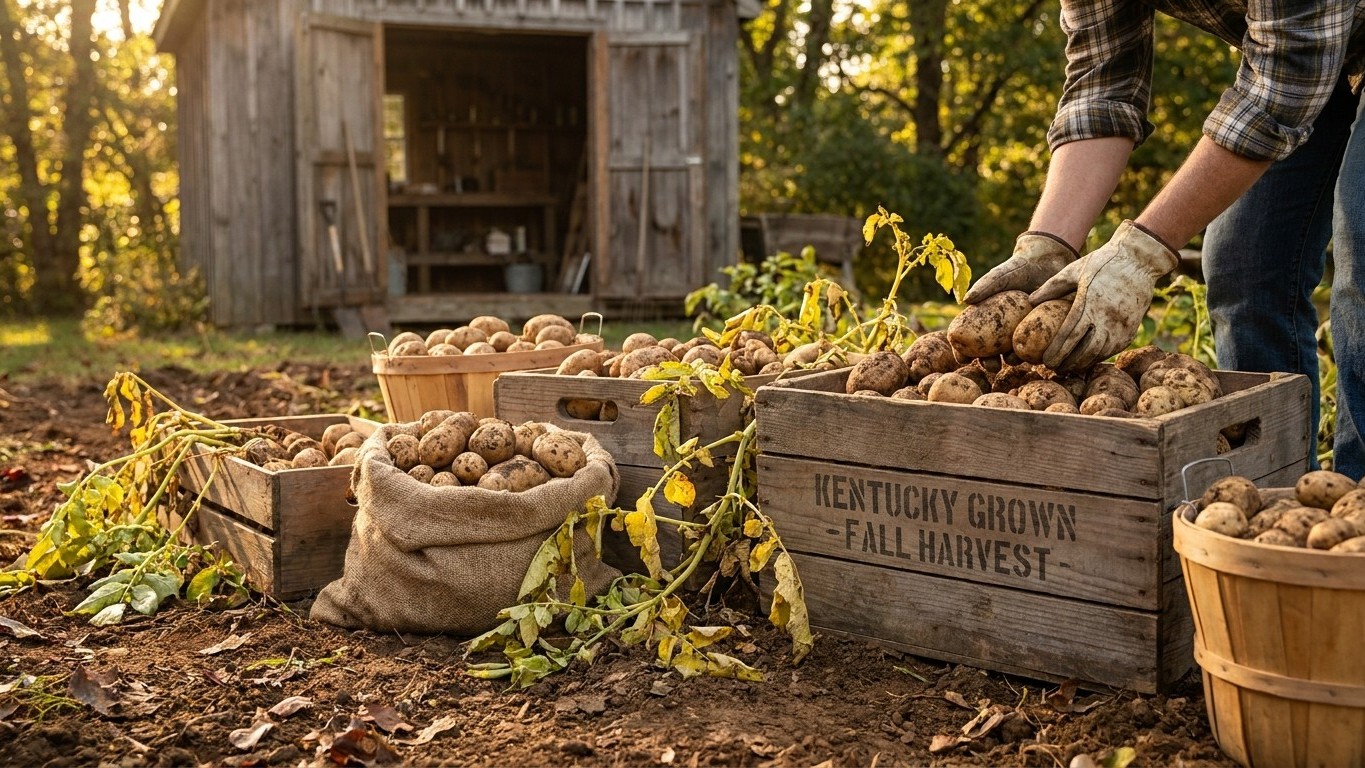
Kentucky gardeners should have potatoes out of the ground well before the first fall frost, which arrives statewide between November 2 and November 12.