What to Plant in Kentucky in February
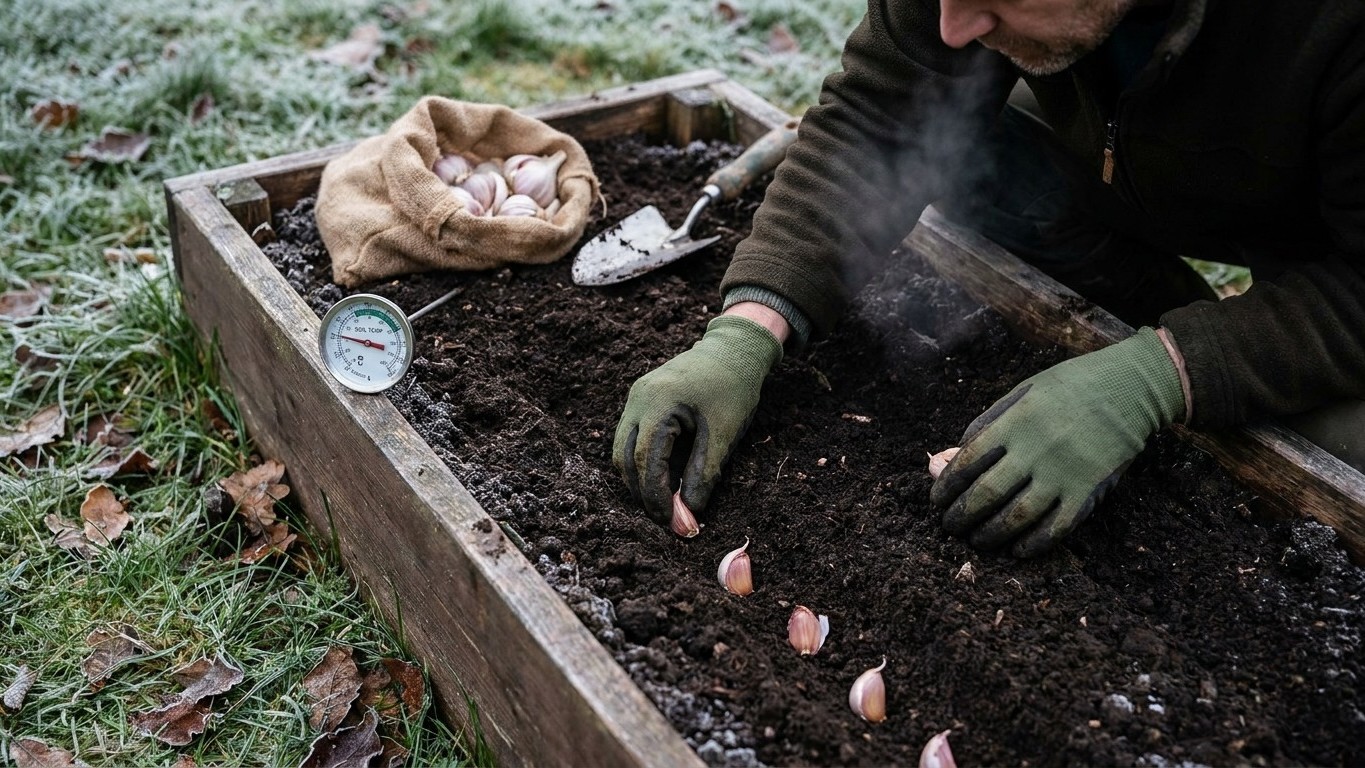
February in Kentucky sits roughly six to eight weeks before the last frost window, which NOAA records as March 24 to April 4 for the Louisville area.
Home & garden, state by state
Everything we have worked out for Kentucky: what to plant and when, which varieties finish in time, the pests that actually turn up here, and the jobs that pay off month by month. We also cover the rest of the property, from lawns and soil to home care and energy, because a garden rarely stops at the vegetable bed.
The numbers first, because everything else follows from them. Measured at the weather station in Louisville, the last spring freeze runs March 24 to April 4 and the first fall freeze runs November 2 to November 12, USDA zones 6a-7a, 4,712 growing degree days in the year.
Garlic does well: 21.8 weeks below 40 °F, comfortably past the six it needs to form a proper head.
Elsewhere on the property in Kentucky: the pests that turn up here.
Figures from NOAA's 1991-2020 climate normals. A state is not one climate: elevation, a large lake or the coast can move these dates by two weeks either way, so check your own county with the extension service before you spend money.
February in Kentucky sits roughly six to eight weeks before the last frost window, which NOAA records as March 24 to April 4 for the Louisville area.
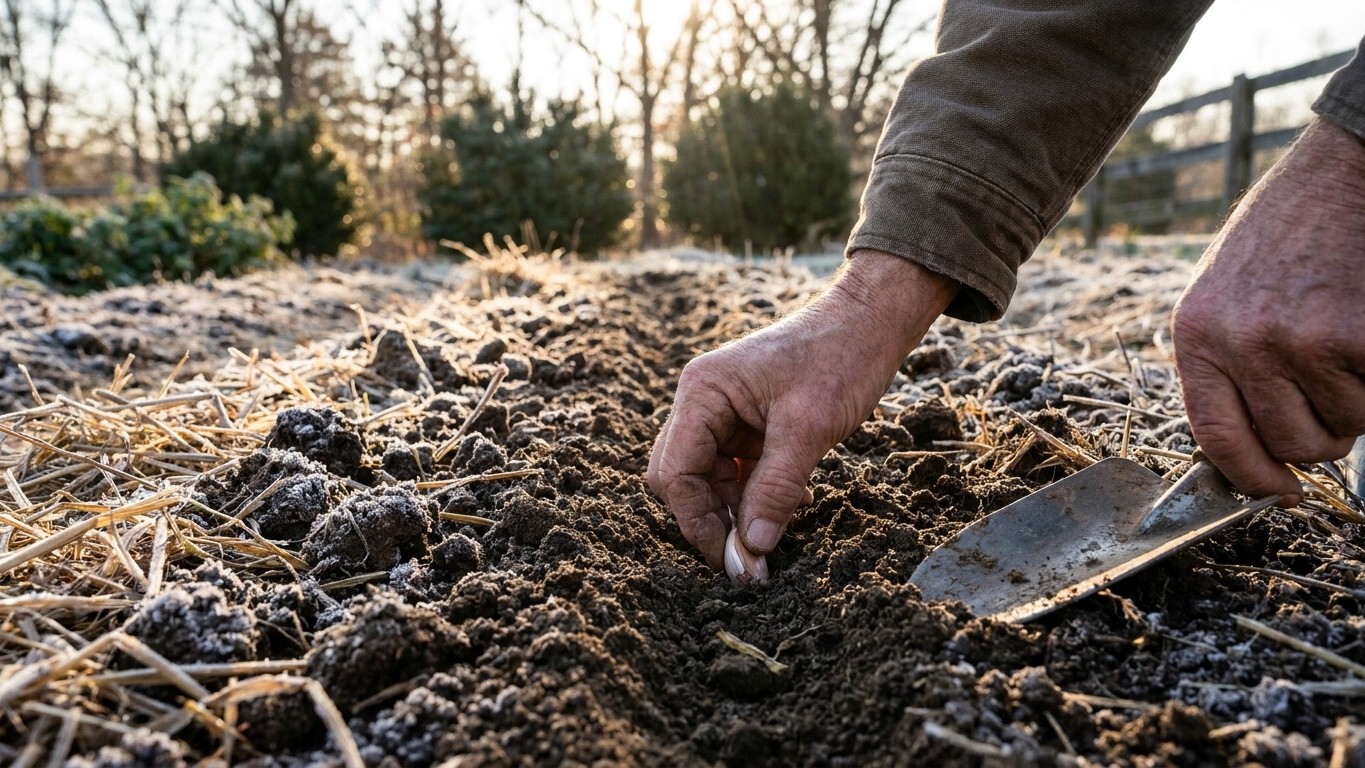
By December, Kentucky’s fall frost window (November 2 to November 12, per NOAA’s 1991-2020 Climate Normals) is weeks behind you, and the ground has…
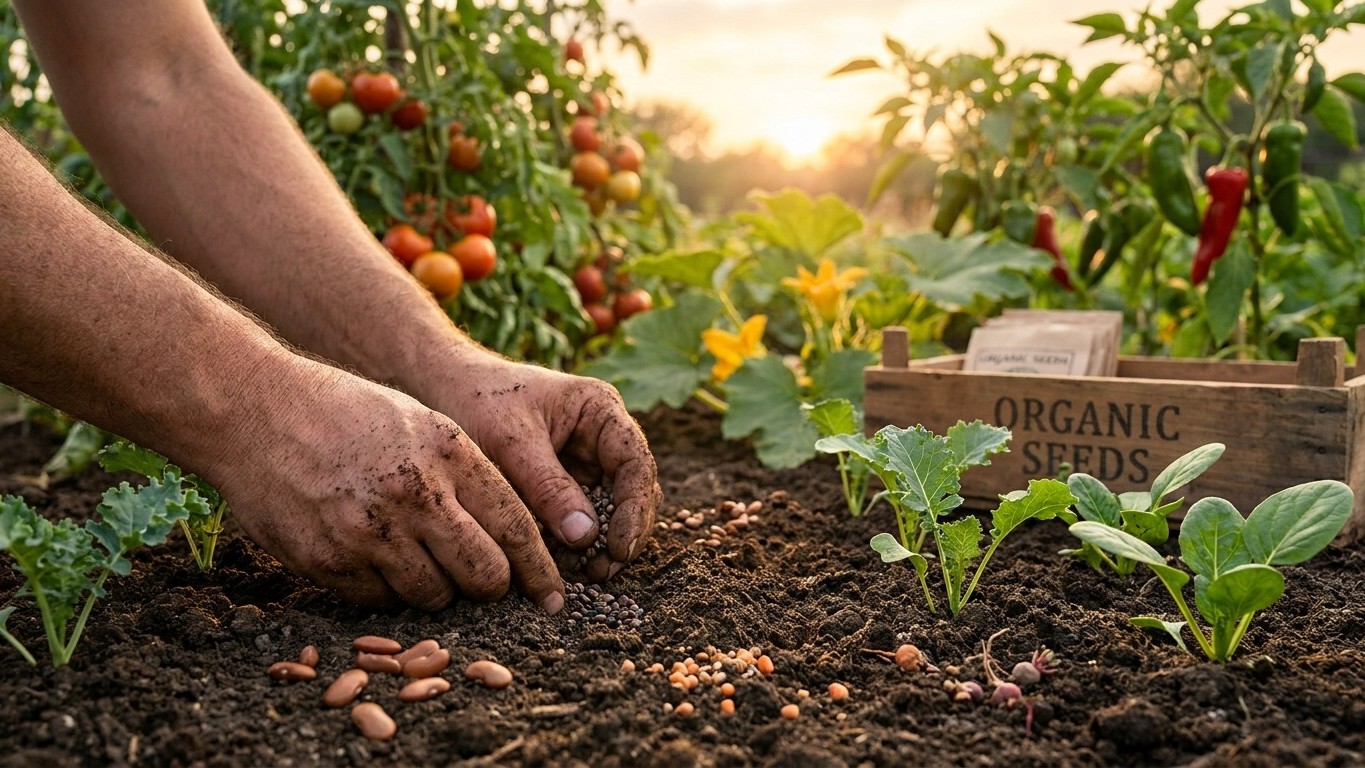
Direct-sow bush beans, beets, carrots, and the full run of fall greens: kale, collards, turnips, mustard, and spinach.
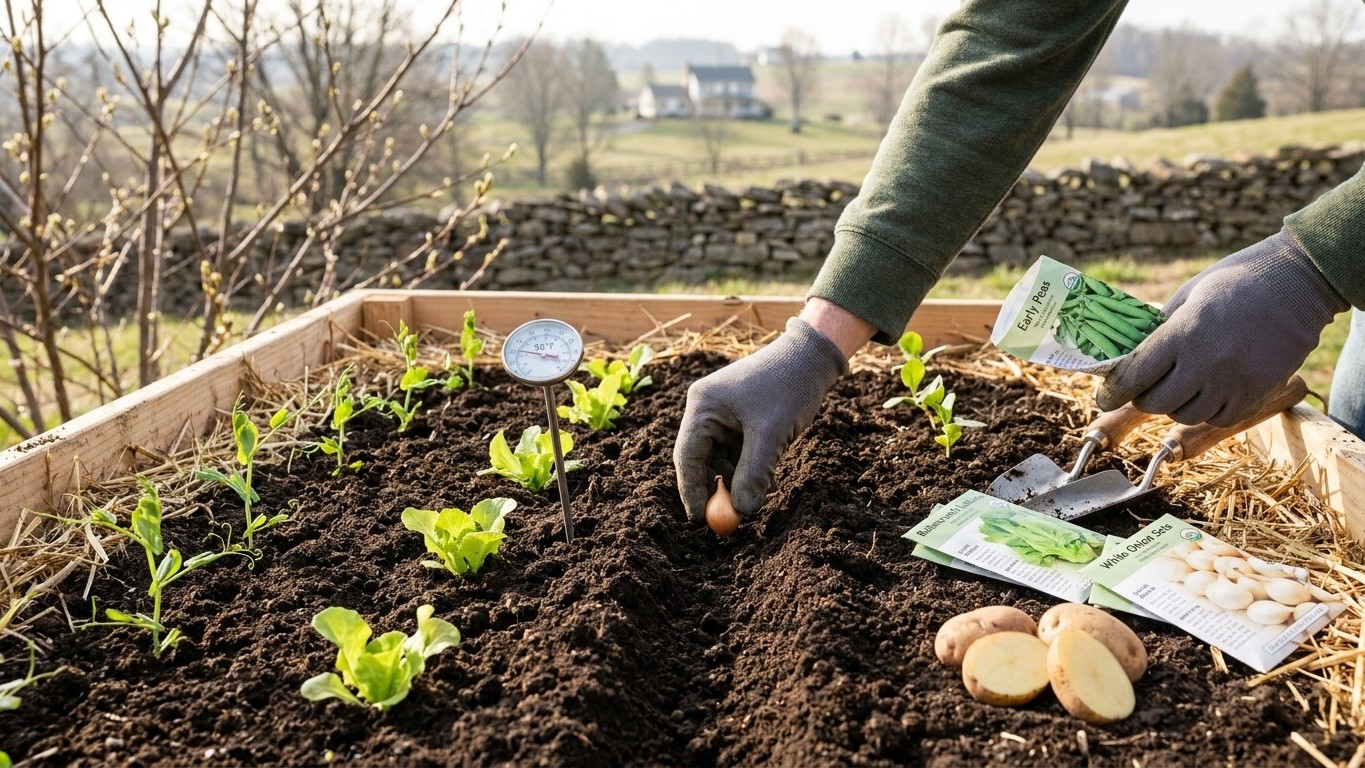
Kentucky’s April sits right on top of the state’s average last frost, which falls between March 24 and April 4 at the Louisville reporting station.
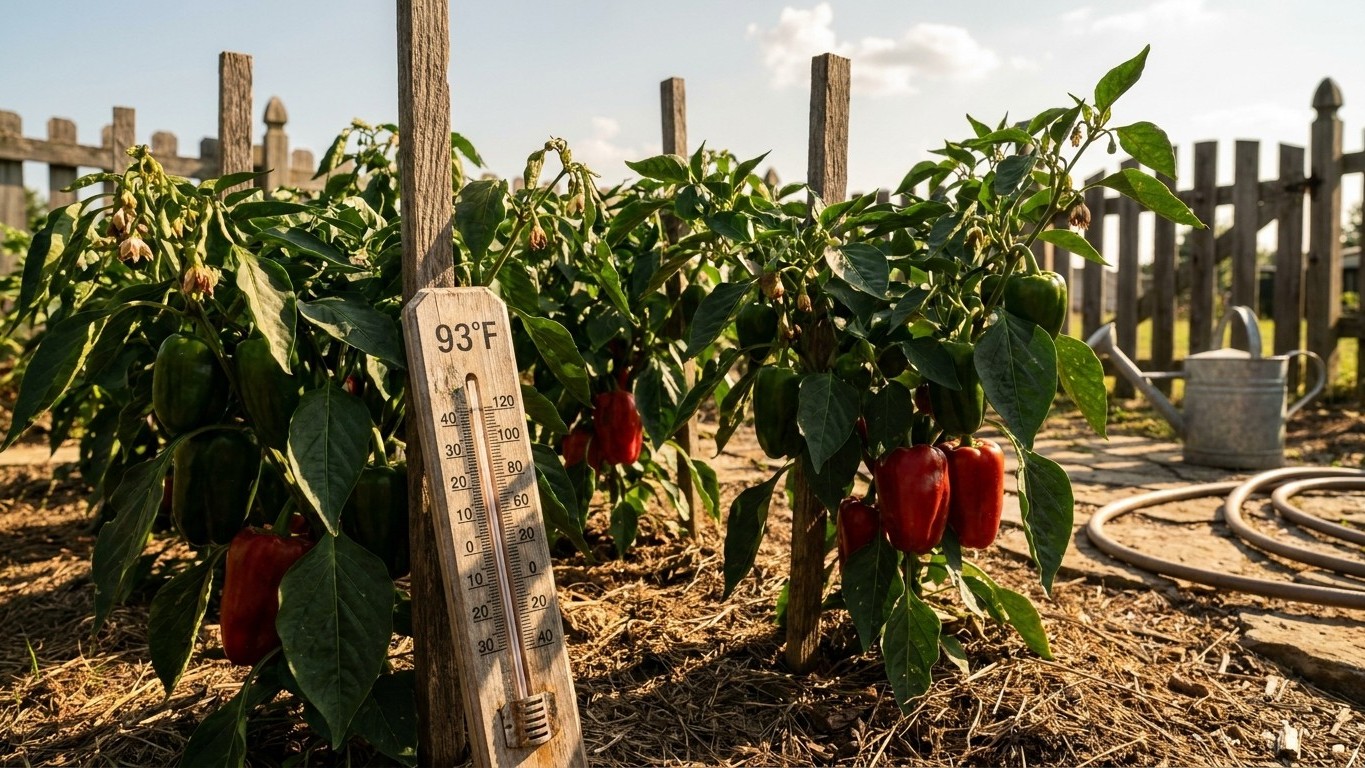
Kentucky pepper plants face two real risks: hot days that abort blossoms and cool nights that do the same thing from the other direction.
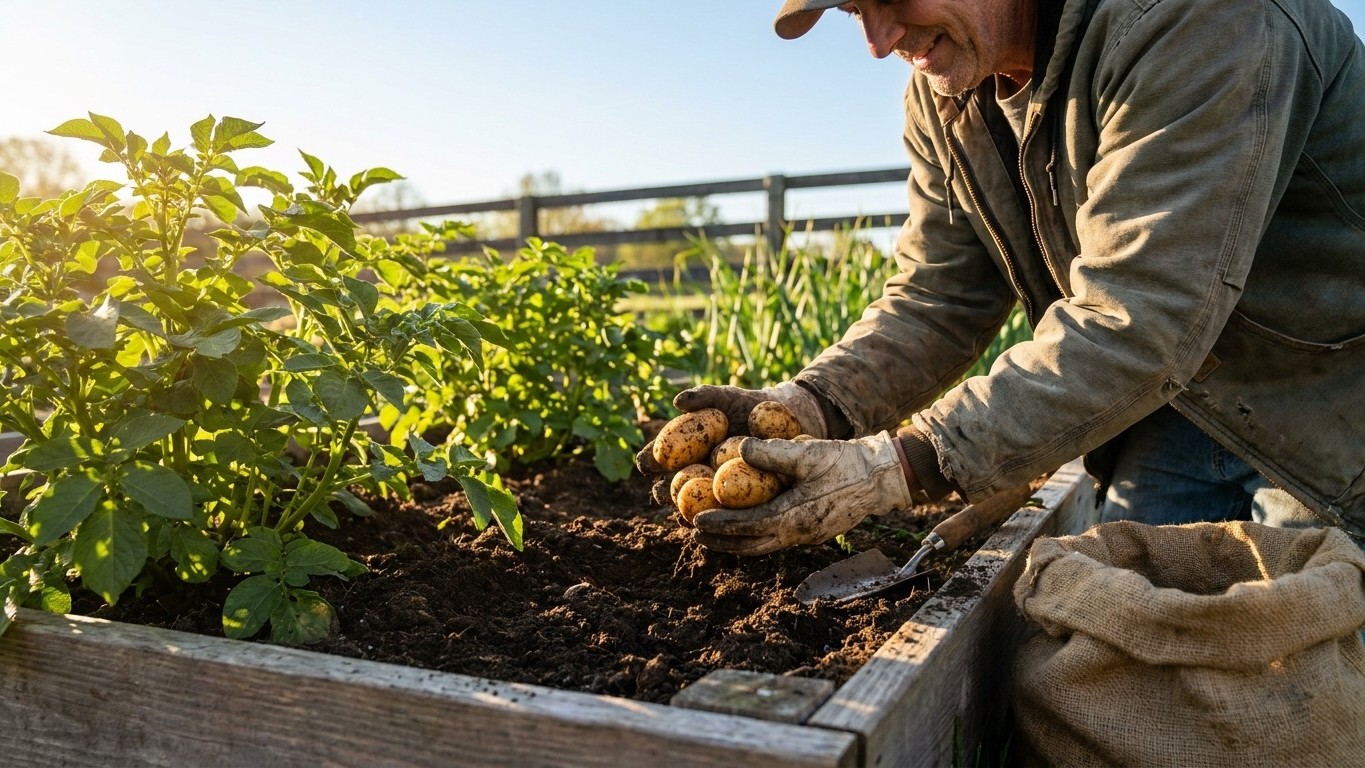
Louisville averages 37.2 days a year at 90 F or hotter, and the last spring frost there falls between March 24 and April 4.
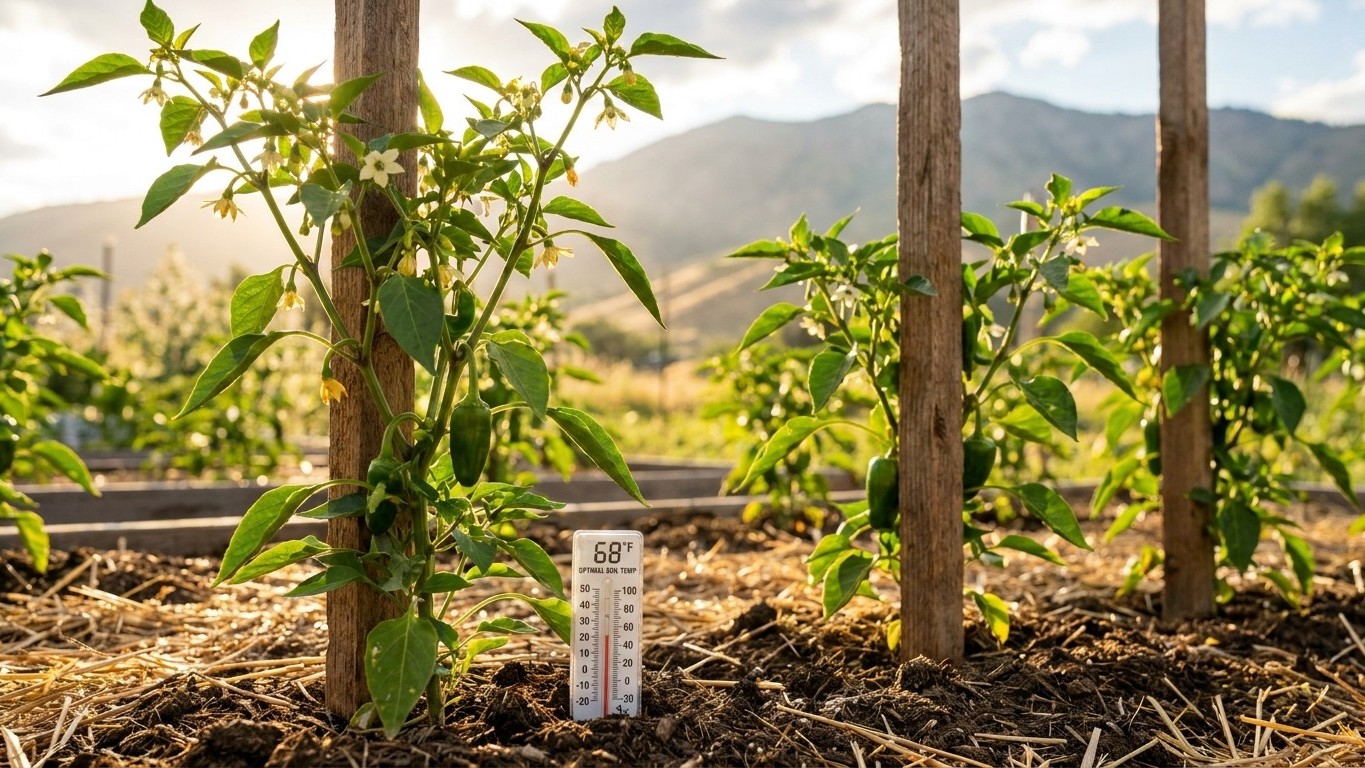
In Kentucky, a pepper variety ripens if it can flower and set fruit before the summer heat load shuts pollination down and after the last spring freeze…
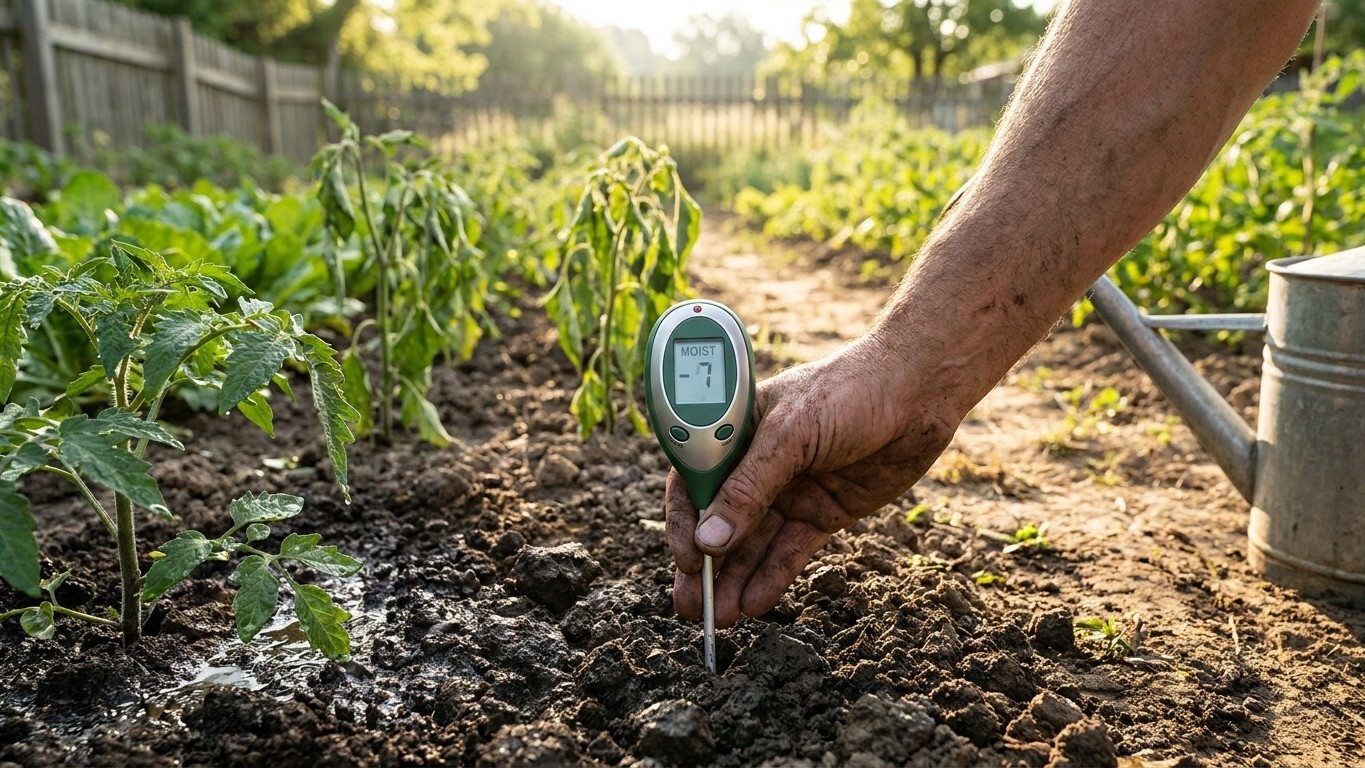
Kentucky gardeners lose the water fight not because the state is short on rain, but because that rain refuses to show up on schedule.
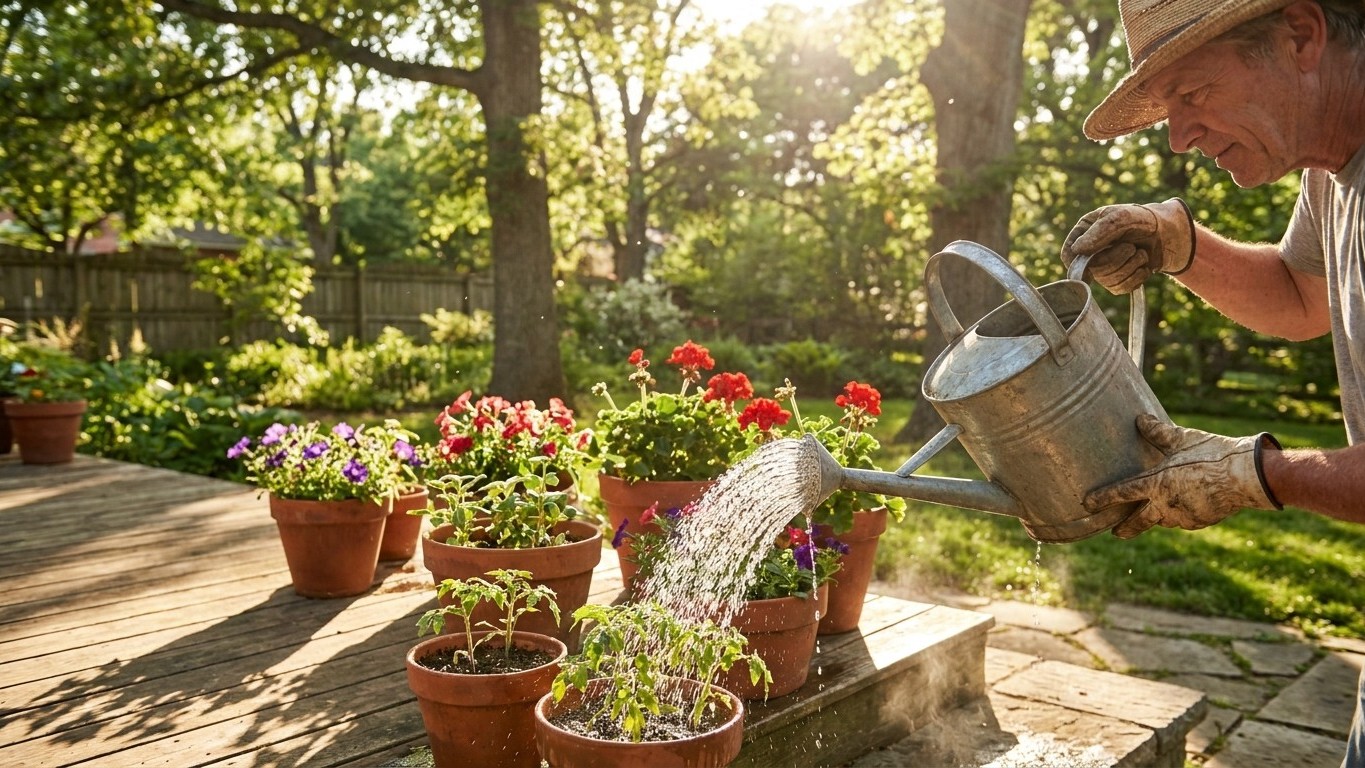
Kentucky gardens need roughly an inch of water a week to thrive, but August, the driest summer month, delivers only about 3.71 inches over the entire…
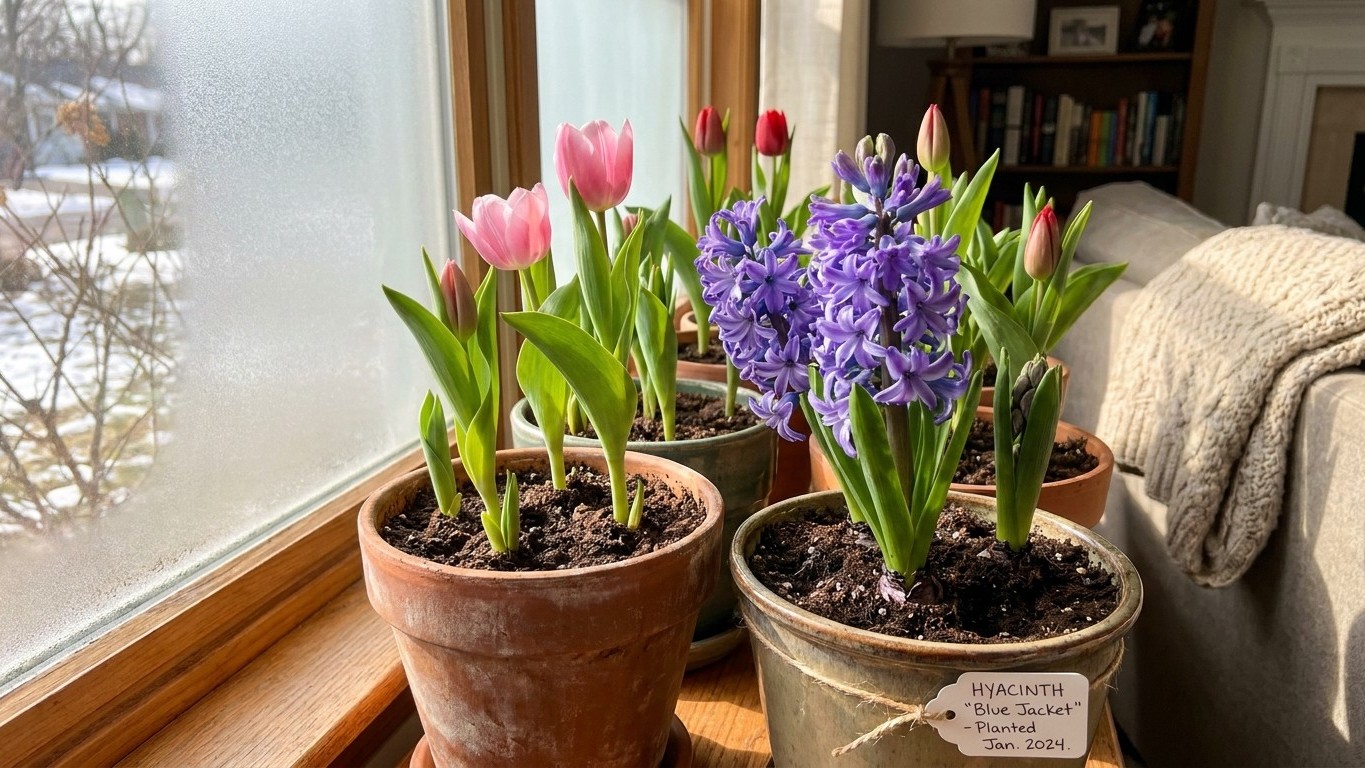
Forcing works in Kentucky because the challenge here isn’t a missing winter, it’s a pot that can’t survive one on its own.