
Ready means the skin gives just slightly under a fingernail and the fruit is still glossy, not dull. For zucchini and yellow squash that’s usually 6 to 8 inches long; for pattypan, about 3 inches across. Louisiana’s long warm season means that signal can show up as early as May and keep showing up into fall, but the squash itself never keeps more than a week in the fridge, so the real skill here is picking small, picking often, and knowing What to Do With the surplus before it turns rubbery.
When summer squash are ready in Louisiana
Forget the calendar for a second. The plant tells you before the date does. A summer squash stops setting new fruit the moment one on the vine matures fully, so a gardener who lets a zucchini balloon to baseball-bat size isn’t getting a bonus harvest, they’re shutting the whole plant down. Small and frequent picking is what keeps the vine producing through July and August.
Clemson Cooperative Extension puts the timeline at about 55 days after planting for the first harvestable fruit, and that number travels well because it’s tied to plant growth, not weather. What doesn’t travel is a fixed date, because Louisiana’s frost calendar is unusual. Around New Orleans, the last spring freeze typically falls between January 18 and February 8, and the first fall freeze doesn’t show up again until December 17 to January 8, according to NOAA’s 1991-2020 Climate Normals. In roughly one year out of seven, that station records no 32°F freeze at all. Frost, is barely a factor for summer squash timing in south Louisiana.
Heat is the real ceiling. New Orleans averages 70.7 days a year at or above 90°F, and summer squash blossoms drop when daytime temperatures push into the mid-90s for stretches, especially with the humidity that comes alongside it. That’s why gardeners across the southern part of the state often plant twice, once in early spring for a harvest before the worst heat sets in, and again in late summer for a fall crop that beats the first frost window. North Louisiana, sitting in a cooler part of the state’s 8a-10a hardiness range, freezes more reliably and gets a bit more breathing room on both ends of the season, but the same heat pressure applies through July.
Rainfall complicates the picture too. Summer brings about 21.3 inches of rain across June, July and August at the reference station, with July, the driest of the three, still delivering 6.79 inches. That’s not a drought signal, it’s a humidity signal: wet, hot conditions are exactly what squash vine borers and powdery mildew prefer, and a plant under fungal stress often aborts blossoms early, shrinking the harvest window from the plant’s side rather than the weather’s.
Keeping them, and for how long
Here’s the fact that changes how a lot of people plan their garden: summer squash does not store. Clemson’s Home & Garden Information Center is direct about it, stating that harvested squash should go “in a plastic bag in the refrigerator for up to 1 week.” That’s it. No root cellar, no basement shelf, no burying in sand the way a butternut or acorn squash would tolerate. Winter squash keeps for months because it’s harvested with a hardened rind. Summer squash is harvested precisely because the rind is still soft, and that softness is what makes it perishable.
A week is also a maximum, not a promise. It assumes the squash went into the bag clean, dry, and unbruised, and that the refrigerator itself holds a steady, cold temperature the whole time. A squash picked in the heat of a Louisiana afternoon, left on a porch table for a few hours before it makes it inside, has already used up some of that shelf life before the clock even starts in the fridge.
This is why the plant’s habit of overproducing matters so much here. One healthy zucchini vine can put out more fruit in a week than a household can eat in that same week, and since none of it can be banked for later in a cool dark room the way potatoes or onions can, the excess has to go somewhere fast: shredded and frozen for winter bread and soups, sliced and pickled, or given away to a neighbor before it turns. Treating the harvest schedule as identical to the storage schedule is the single most common mistake with this crop.
Freezing does work, though it changes the squash’s texture, which is fine for casseroles and baking but not for a fresh salad. Blanching before freezing preserves color and slows enzyme activity, a step most extension guides recommend for any vegetable headed for the freezer rather than the fridge. Beyond that, the safest assumption for a home gardener in this region is simple: whatever isn’t eaten or preserved within that one-week window is gambling against both time and Louisiana’s own humidity.
Where in the house that actually is
Most Louisiana homes don’t have a root cellar, and that’s actually not a loss here, because summer squash wouldn’t want one anyway. A cellar sits in the 50s with high humidity, ideal for potatoes and winter squash, but too warm and too damp for something this tender. The correct spot is the crisper drawer of the refrigerator, set as close to the low-to-mid 30s as the unit allows without freezing the fruit outright.
That’s the tension worth understanding. A standard kitchen fridge, especially an older one, can run colder in certain zones than summer squash actually tolerates, and a freeze-damaged squash turns soft and weeps liquid within a day of thawing out, even partially. The fix costs nothing: keep the squash in a loosely closed plastic bag, away from the back wall of the fridge where cold air blows directly, and check the setting with an actual refrigerator thermometer rather than trusting the dial.
A heated kitchen counter, on the other hand, is the wrong direction entirely for this climate. With New Orleans averaging close to 71 days a year above 90°F, and summer humidity keeping kitchens warm even with air conditioning running, a squash left out overnight is already softening by morning. A garage doesn’t help either. Louisiana garages swing with the outdoor temperature and often trap heat worse than the house itself during summer, closer to an oven than a root cellar during the exact months squash comes in from the garden.
So the practical answer for this territory is narrower than it would be for a homeowner storing potatoes or apples: there is no in-between space. It’s the refrigerator crisper or it’s the freezer after blanching. Skip the fridge and the countdown to spoilage starts within a day, not a week, because Louisiana’s ambient kitchen temperature through summer sits well above what this crop can tolerate for even a short stretch.
What goes wrong here
The freezing-cellar problem that trips up gardeners in colder states doesn’t really apply in Louisiana, where a hard freeze is rare enough that root cellars barely factor into local storage habits at all. The failures here run the opposite direction: heat and moisture.
The first is rot from humidity. With summer rainfall running close to 21 inches over June, July and August, squash left in a damp garden bed or a humid shed for even a few extra hours can develop soft spots before it ever reaches the kitchen. Harvesting in the cool of the morning, once dew has dried but before midday heat, and getting the fruit into the fridge the same day, heads this off.
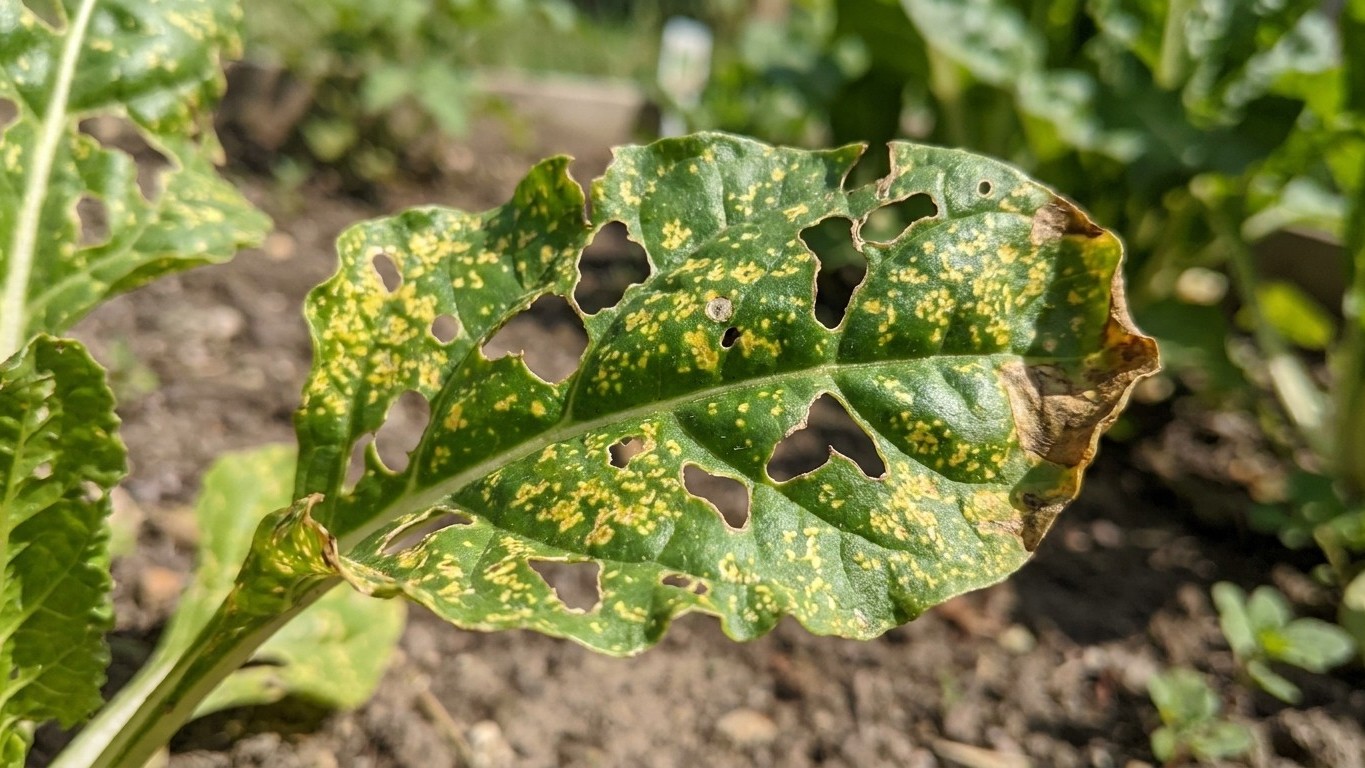
The second is the glut nobody can eat. Because one plant keeps producing as long as fruit gets picked, and because none of that harvest keeps more than a week, a single warm week in July can generate more zucchini than a family can use before it turns. LSU AgCenter documents several pests that make this worse by damaging fruit before it even reaches the kitchen, including squash bug, squash vine borer, and pickleworm, all of which thrive in the same warm, humid stretch that pushes squash to overproduce. A plant already stressed by pests often drops fruit early or produces smaller, blemished squash, which shortens the usable storage window even further.
The third failure is simplest: waiting too long to pick. An oversized zucchini isn’t a bonus, it’s tough, seedy, and it signals the plant to stop setting new fruit, which turns one missed picking day into a shorter season overall.