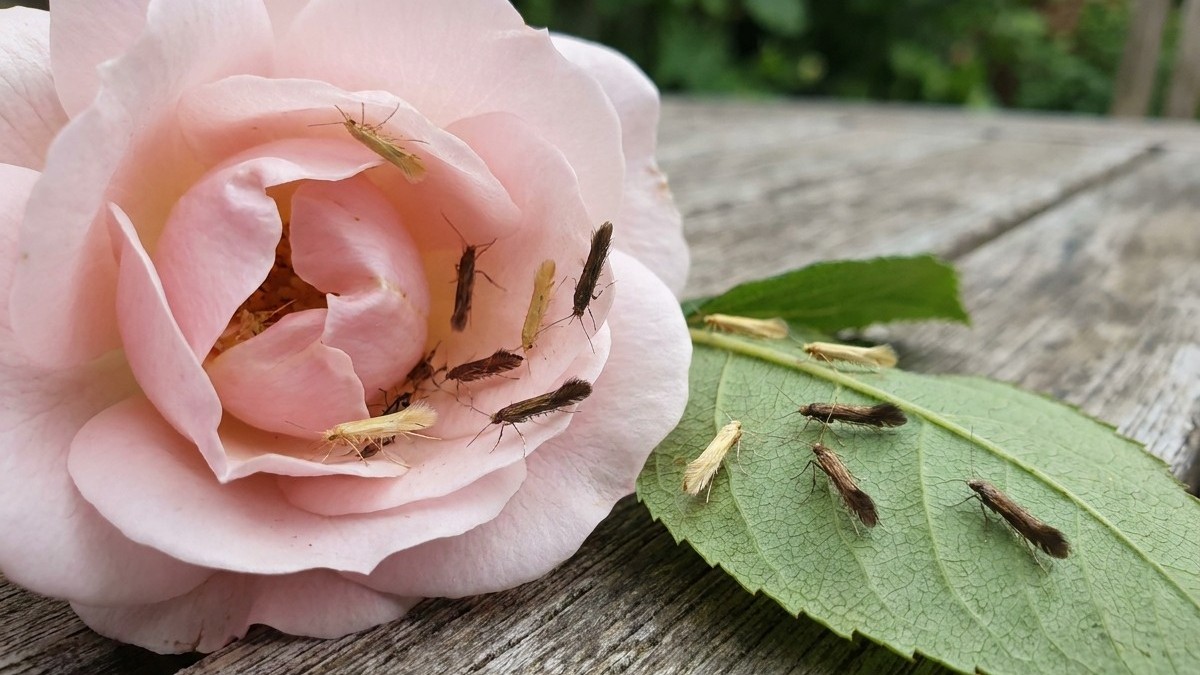

For roses that bloom on new growth (hybrid teas, floribundas, shrub and landscape roses), prune in the weeks around the last spring freeze. Roses that flower only once, in late spring or early summer, follow a different rule and get pruned just after they bloom. Cut those in March and you lose the year’s flowers.
When to prune roses in Maryland
The dates come from the freeze record. NOAA’s NCEI climate normals put the last spring freeze (32°F) at the Baltimore-area reference station between April 3 and April 16, depending on how much risk you will accept. Pruning at the front of that band lets you see which canes made it through winter, and it leaves only a short stretch for a late freeze to catch tender shoots.
What is the rose doing in late March?
The plant is coming out of dormancy. Roots warm first, sap starts moving, and the buds along the canes swell and turn plump and reddish. Each cut tells the nearest healthy bud to break, so pruning is what sets the plant’s spring growth in motion. Prune in January and that signal arrives too soon, and the plant answers it during the first warm spell.
Late March has another advantage. Winter injury only becomes visible once the buds wake up. Canes killed by cold look shriveled and dull brown, and when you slice one open the center is brown instead of white. In midwinter you cannot tell a sleeping cane from a dead one.
How do you know the window has opened?
Go by the plant first and the calendar second. Forsythia in full bloom is the old signal, and it usually lines up with the buds swelling on the roses. The other check is the forecast: wait until no hard freeze shows in the coming week or so. If buds are fat and green-tipped, go ahead. If the canes are still tight and dormant, wait another week.
The window moves with the ground you are standing on. The USDA Plant Hardiness Zone Map, which rates zones by a single measure (the average annual extreme minimum temperature), runs from 5b to 8a across the state. The Baltimore dates above sit in the middle of that spread. Garrett and Allegany counties are mountainous and run weeks later. The Eastern Shore runs milder, so gardeners there can start earlier.
The date is not the same for every type of rose
Late March to early April is the right time only for roses that flower on new wood, meaning shoots that grow this spring. Some roses flower on old wood, canes that grew last year and carry flower buds through winter. Prune those in March and the flowers go in the trash. Which group a rose belongs to decides its date.
| Type of rose | Flowers on | When to prune |
|---|---|---|
| Hybrid teas, grandifloras, floribundas | New wood | Late March to early April, as buds swell |
| Shrub and landscape roses that repeat bloom (including Knock Out) | New wood | Late March to early April |
| Repeat-blooming climbers | New side shoots off older canes | Trim side shoots in late March to early April |
| Ramblers | Old wood | Right after the single flush of bloom, usually June |
| Once-blooming old garden roses (gallicas, damasks, albas, centifolias) | Old wood | Right after bloom, June to early July |
Which roses bloom on new wood?
Hybrid teas, floribundas and grandifloras are the standard case. They grow vigorous new canes every spring and flower on them from late May through frost, so a hard cut in late winter costs nothing. Repeat-blooming shrub roses work the same way. Climbers sit in between. Their main canes are permanent framework, and the flowers come on side shoots grown from those canes. Leave the framework alone and shorten the side shoots in the standard window.
Which roses bloom on old wood?
Ramblers and once-blooming old garden roses set their buds the previous summer and open them in one big show in late spring. The correct move is to prune them right after they finish flowering. That gives the plant the whole summer to grow the canes that will carry next year’s flowers. In March, limit yourself to removing wood that is plainly dead or broken. A climber that blooms only once in June behaves like a rambler, so give it the same post-bloom timing.
How far back to cut here
The target height depends on what the winter did to the canes. Gardeners often learn this the hard way: a cut that works in a mild year leaves dead wood on the plant after a cold one. Dieback gets removed first, and the cut goes below it, into wood that is alive.
How far back do you cut?
Hybrid teas, grandifloras and floribundas are usually cut back hard, leaving a shorter framework of canes. Knock Out and similar landscape roses are cut back hard, then they fill back out quickly. On repeat-blooming climbers, leave the main canes and shorten each side shoot back to a few buds. Make each cut just above an outward-facing bud, angled so water sheds off the bud. Outward-facing buds grow canes away from the center, which keeps the shrub open to air.
Why is the cut lower after a cold winter?
In the colder parts of the state, including the mountain counties and higher ground in the zone 5b and 6 areas, winter often kills canes back well below the tips. A rose there may need cutting back hard, well into the older wood, before you reach living wood. A cane is alive where the center is white and the bark is green. Where it is tan or brown, keep cutting in small steps until the white shows.
Warmer spots, such as the Eastern Shore and the Baltimore and Washington suburbs, often lose only the tips in a normal winter. A grafted rose that dies to the ground may regrow from the rootstock instead of the variety you bought, which is a good reason to protect the base in fall. Protecting Roses Through a Maryland Winter covers how. While you are in there, take out any cane thinner than a pencil, anything crossing through the middle, and any stems with dark lesions. If you cut diseased wood, wipe your pruners with rubbing alcohol before the next plant. Rose Diseases in Maryland: What the Climate Here Actually Brings explains what those lesions usually mean.
What pruning too early costs in Maryland
A hard freeze after pruning can kill the new growth that the cut triggered. Every cut sends a signal to the buds below it, and a warm spell in February or early March can answer that signal within days. The freeze usually comes later, because the reference station’s last freeze falls between April 3 and April 16, and the buds are then left exposed.
What does freeze damage on new rose growth look like?
The soft red shoots turn limp, then blacken and curl, and the new leaves shrivel and look water-soaked before they go brown. Older canes below the damage stay firm. The plant is not dead. It spent stored energy on growth that is now gone, so the first bloom may come later than usual.
What should you do afterward?
Wait until the plant can show where it is still alive, then cut only the blackened shoots back to the first healthy bud. Don’t prune further, and don’t fertilize right away, since feeding pushes yet more tender growth into the next cold night. Secondary buds lower on the cane usually break and carry the plant through.
Prevention costs little. If a hard freeze is forecast after the new shoots have started, cover the plants overnight with frost cloth or an old sheet held off the foliage, and pull it off in the morning. Skip plastic against the leaves, because it transmits cold. If you are on the fence about timing, wait. A rose pruned in early April rarely looks worse than one pruned in mid-March, but a rose hit by frost usually does.
Checking this against your own county
Elevation and distance from water move the date inside the state. The mountain counties of Garrett and Allegany run weeks behind Baltimore, while the Eastern Shore and the land near the Chesapeake Bay warm earlier. Your own yard may also differ from the town average, since low spots hold cold air. Ask the University of Maryland Extension office for your county what the local rose-pruning timing is, and compare it with how your own buds look. Let the swelling buds, not the calendar, make the final call. For the full picture of care across the seasons, see growing roses in Maryland.
Common questions
These are the questions that come up most often once the main schedule is settled.
Can I prune roses in fall?
Only lightly. The first fall freeze at the Baltimore reference station falls between October 26 and November 5. Tipping back very long canes that would whip in winter wind is fine, and so is removing diseased leaves. A hard cut in fall can start growth that the first freeze then kills, so save it for spring.
Is forsythia a reliable signal?
Mostly. When forsythia is in full bloom, rose buds are usually swelling too. In a year with a long warm spell followed by cold, both can jump the gun, so check the forecast along with the shrub. The state’s range of zones means a forsythia in the mountains and one on the Shore bloom weeks apart.
Can I prune on a warm day in February?
You can remove dead or broken canes, but hold off on the hard cut. A warm day does not change the odds of a freeze weeks later, and a rose pruned in February may leaf out right into one.
Do I prune roses in summer?
Yes, lightly. Remove spent flowers on repeat bloomers by cutting back to a healthy leaf, which keeps bloom coming. Ramblers and once-blooming old garden roses get their real pruning right after they flower.