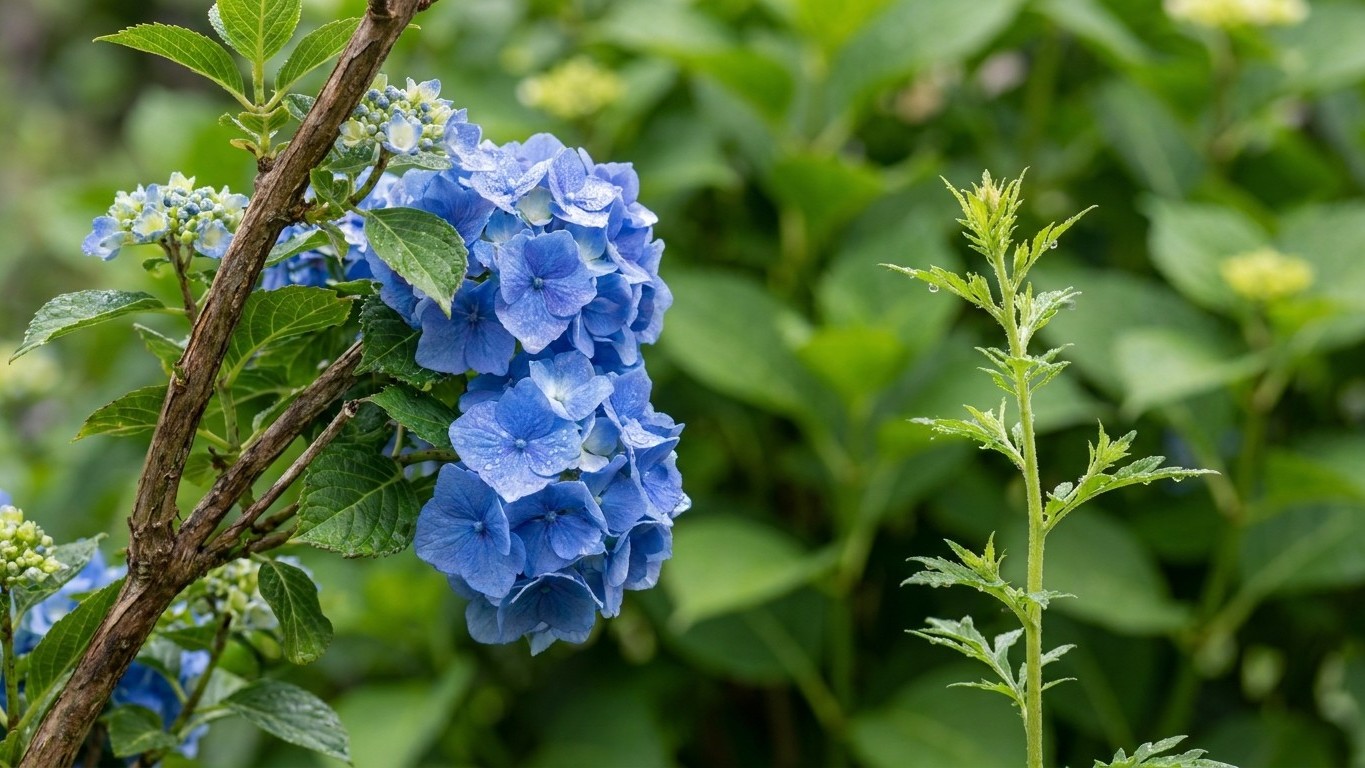

Panicle, smooth, and oakleaf hydrangeas come through a Maryland winter with little fuss, and they bloom on schedule. Bigleaf hydrangeas are the ones that disappoint. The shrub usually lives, but a hard cold snap or a late freeze can kill the flower buds it set the summer before. You end up with a healthy green plant and no blooms. The group a hydrangea belongs to matters more than almost any other choice you make.
What this comes down to in Maryland

At Baltimore, the reference station for the NOAA NCEI 1991-2020 Climate Normals, the last spring frost falls between April 3 and April 16, and the first fall frost between October 26 and November 5. Hydrangeas that flower on the current season’s growth ignore both windows. Those that carry next year’s flowers through winter inside old buds have to get through the cold months and the spring window.
The USDA Plant Hardiness Zone Map spans zones 5b to 8a across Maryland. That system is built on a single variable, the average annual extreme minimum temperature. It tells you whether a shrub’s stems can take the deepest cold of a normal year. It says nothing about a freeze that arrives after buds have swelled in a warm April. Hydrangea losses here usually come from that second kind of event.
Species sort into two groups. Smooth (Hydrangea arborescens) and panicle (Hydrangea paniculata) types make their flowers on new wood, so a winter that kills stems to the ground costs you almost nothing. Bigleaf (Hydrangea macrophylla) types mostly flower on old wood, which means the buds sit exposed on the stems from late summer until spring. Oakleaf (Hydrangea quercifolia) also blooms on old wood, but its buds are tougher. The cultivars below run from the most dependable to the most exposed.
Incrediball
A smooth hydrangea bred for thicker stems that hold its big white blooms upright after rain. It flowers on new wood, so it will bloom even after a winter that cuts it to the ground. It is among the safest choices for the western counties.
Annabelle
The classic smooth hydrangea, with large white mophead blooms. It has the same cold tolerance as Incrediball, but its slender stems tend to flop in heavy rain. Winter is not the problem with this one.
Limelight
A panicle type with lime-green cones that age to cream and pink. It blooms on new wood and tolerates cold well below what Maryland delivers. A late April freeze may nip emerging shoots, but flowers form later on the new growth.
Snow Queen
An oakleaf cultivar with upright white flower cones, peeling bark, and red fall color. Its buds survive most Maryland winters, and it handles the whole state better than most bigleafs. It does best with some shelter from hard wind in open sites.
Endless Summer The Original
A bigleaf that flowers on both old and new wood. If winter or a spring freeze kills the old buds, it still sets blooms on fresh growth, only later in summer. It is one of the better bigleaf choices for gardeners who want blue or pink flowers and a safety net.
Nikko Blue
A traditional bigleaf that flowers on old wood alone. A bad winter or a late freeze can remove an entire season of blooms. It can still perform well in sheltered, mild spots, but it is the cultivar here most likely to fail.
Working it out for your own garden
A named list helps until you meet a cultivar that is not on it. A better habit is to ask three questions about any hydrangea tag: which species is it, on which wood does it flower, and when do its buds become vulnerable. The tag or the grower’s catalog usually answers the first two. The third comes from the frost window.
Start with the window itself. Baltimore’s last spring frost lands between April 3 and April 16, and hydrangea buds begin to swell and break open as the weather warms. Any old-wood hydrangea that wakes up before the window closes is exposed. The fall side matters less, because the first fall frost between October 26 and November 5 arrives after the plant has already set its buds and slowed down.
Take Nikko Blue as a worked case. It sets flower buds in late summer, carries them bare through winter, and starts swelling them during the first warm stretch of spring. If a freeze arrives inside the April window, those buds turn brown and dry, and no flowers follow. The shrub itself leafs out normally, so it looks healthy while being barren. Now take Limelight. It has no flower buds to lose in April, because its flowers will not exist until new shoots grow. The same freeze might singe a few young leaves and that is all. Endless Summer sits between them: the old buds may die, but the new growth carries a second chance.
To tell whether a stem is alive after winter, wait until the spring window has closed, then scratch a small patch of bark with a thumbnail. Green underneath means live tissue. Brown and dry means dead wood. Pruning decisions depend on that test, and the timing is covered in When to Prune Hydrangeas in Maryland.
A hydrangea that looks dead in March is often fine. New shoots frequently appear from the base weeks after the stems seem finished, so judging too early can cost you a healthy shrub. For protection options once you know what you have, see Protecting Hydrangeas Through a Maryland Winter.
What changes across the state
Baltimore’s dates are one reference point, and the state spreads out from it in both directions. The mountains of Western Maryland, mainly Garrett and Allegany counties, run weeks later in spring and colder through winter. Buds there stay dormant longer, which sometimes protects them from early swelling. But the deeper winter cold reaches the lower hardiness zones, and an unprotected bigleaf can die back to the ground. Smooth and panicle types are the dependable picks in the high country.
The Eastern Shore and the lower Chesapeake shoreline run milder. Water moderates the coldest nights and the warm spells arrive earlier, which sounds helpful but sets up its own trap. Buds break sooner, so a cold snap in early spring can hit swollen tissue. Gardeners near the bay often find that bigleaf hydrangeas bloom well in most winters and fail in a few, which is a pattern that surprises people who expected an easy year-in, year-out result.
Between those poles, the central Piedmont and the Washington and Baltimore corridors sit in the middle. Cities hold heat, so a planting beside a south-facing brick wall can run a zone warmer than an open field a few miles out. Elevation changes things within a single county, and cold air pools in low hollows on clear nights. A site at the bottom of a slope can freeze when the top of the same slope stays above it. Plant your most tender hydrangeas on the higher, protected side of the yard.
The mistakes this state punishes

The first mistake is putting an old-wood bigleaf in an open, windy spot and expecting it to flower every year. Wind and exposure take buds that shelter would have saved. Put these shrubs on the east side of a house or fence, where they get morning sun and some protection from cold northwest wind. If that site is not available, choose a smooth, panicle, or oakleaf type instead.
The second mistake is cutting old-wood hydrangeas back in fall or very early spring. Pruning removes the buds that were going to bloom. Wait until you can see which stems are alive, and then cut only what is dead.
Third is feeding late in summer. Fertilizer late in the season pushes soft new growth that does not harden before the first frost between October 26 and November 5. Stop heavy feeding by midsummer and let the shrub settle into dormancy on its own schedule.
Fourth is removing winter protection too early. A warm week in March tempts people to pull mulch and covers, and then the April freeze window arrives. Leave covers on or keep them nearby until the window closes. A frost cloth thrown over a shrub on a cold night costs little and can save a season of flowers.
Last, resist replacing a bigleaf that failed to bloom after one bad year. Check the stems first. If they are alive, the plant is fine and the next normal winter will bring flowers back.
Checking this against your county
A reading from Baltimore is a starting point. Your own yard can run weeks ahead or behind it. Call or visit your county office of University of Maryland Extension for local frost experience and plant recommendations. The wider guide to growing hydrangeas in Maryland covers planting, soil, and care.
Common questions
Do bigleaf hydrangeas die in a Maryland winter?
Rarely. The plant usually survives, and what is at risk is the flower buds. In the coldest western areas stems can die to the ground, but the roots send up new shoots in spring.
Which hydrangea is the most reliable for flowers every year?
Smooth and panicle types, such as Incrediball, Annabelle, and Limelight, are the dependable ones. They flower on new wood, so winter damage rarely affects the display.
Why did my hydrangea leaf out but never bloom?
An old-wood type probably lost its buds to winter cold or a freeze after buds had swelled. The leaves come from a different set of buds than the flowers, so a plant can look healthy and still be barren. Reblooming bigleafs offer a second chance on new growth.
When can I tell if a hydrangea is dead?
Wait until the spring window has closed, which at Baltimore means after mid-April, and then scratch a stem with your thumbnail. Green tissue means the stem is alive. Give the base time to send up shoots before you dig anything out.