Hedge Plants for Minnesota: What Holds, and What Only Looks Hardy
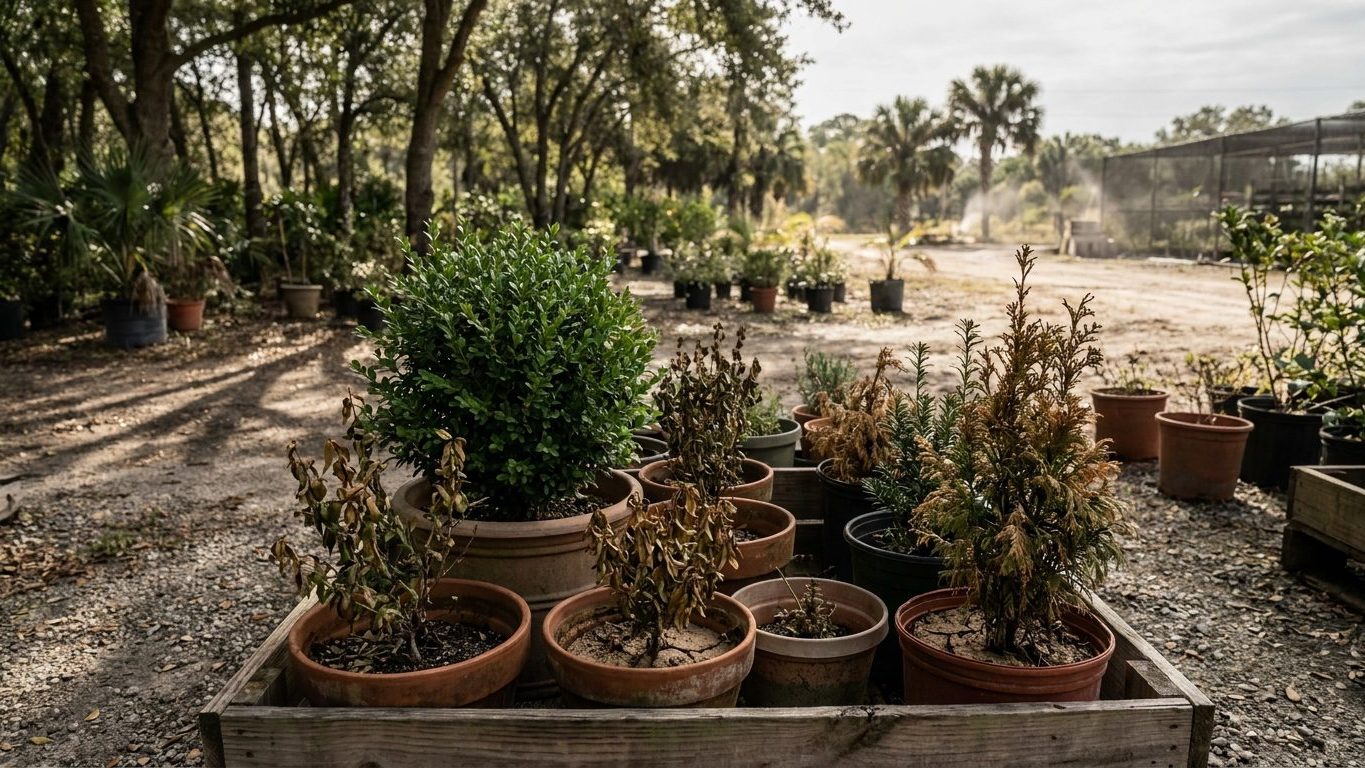
Six of the twelve hedge species tracked for this region survive the whole state, from the Iowa border to the edge of Canada.
Home & garden, state by state
Everything we have worked out for Minnesota: what to plant and when, which varieties finish in time, the pests that actually turn up here, and the jobs that pay off month by month. We also cover the rest of the property, from lawns and soil to home care and energy, because a garden rarely stops at the vegetable bed.
The numbers first, because everything else follows from them. Measured at the weather station in Minneapolis, the last spring freeze runs April 17 to April 30 and the first fall freeze runs October 11 to October 23, USDA zones 3a-5a, 3,013 growing degree days in the year.
Garlic does well: 30.4 weeks below 40 °F, comfortably past the six it needs to form a proper head.
Elsewhere on the property in Minnesota: the pests that turn up here.
Figures from NOAA's 1991-2020 climate normals. A state is not one climate: elevation, a large lake or the coast can move these dates by two weeks either way, so check your own county with the extension service before you spend money.
Six of the twelve hedge species tracked for this region survive the whole state, from the Iowa border to the edge of Canada.
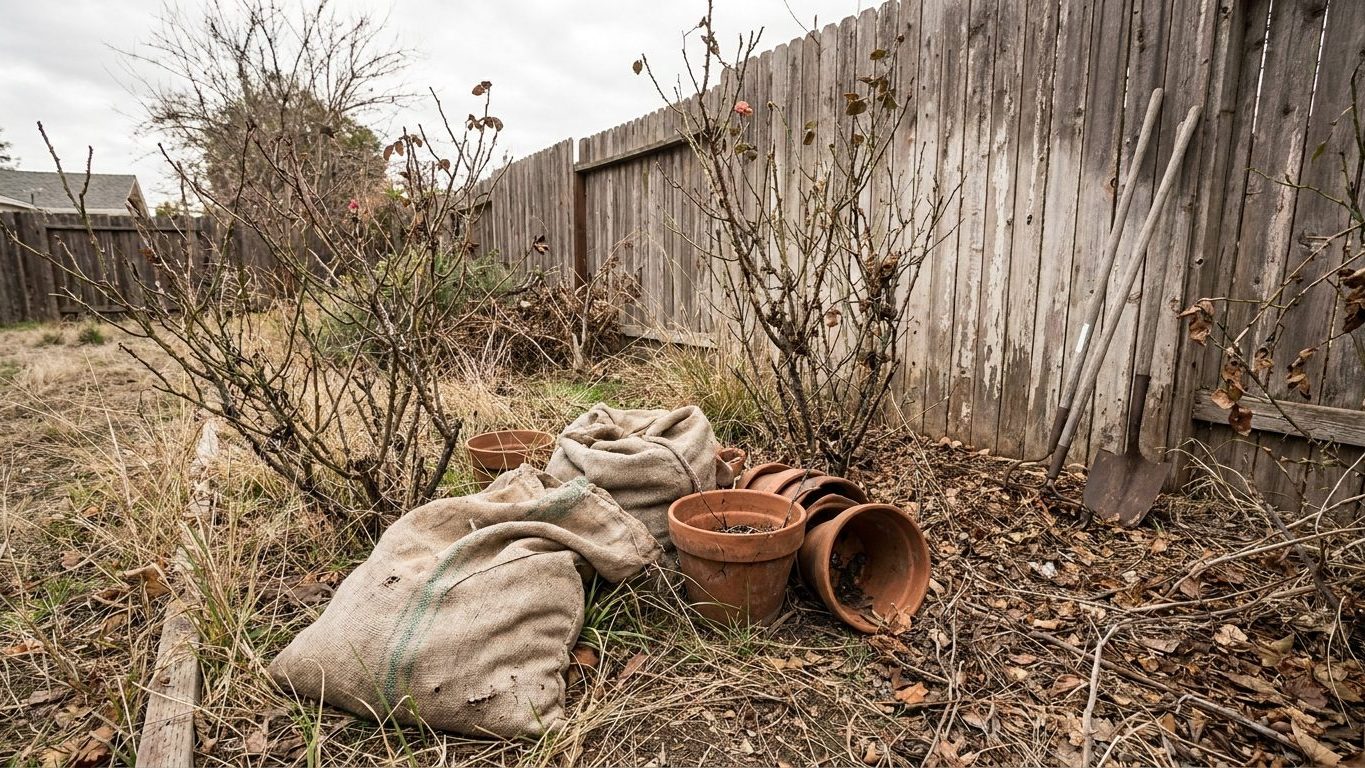
In the Twin Cities area, the station that anchors Minnesota’s official climate data, the last spring frost typically falls between April 17 and April 30…
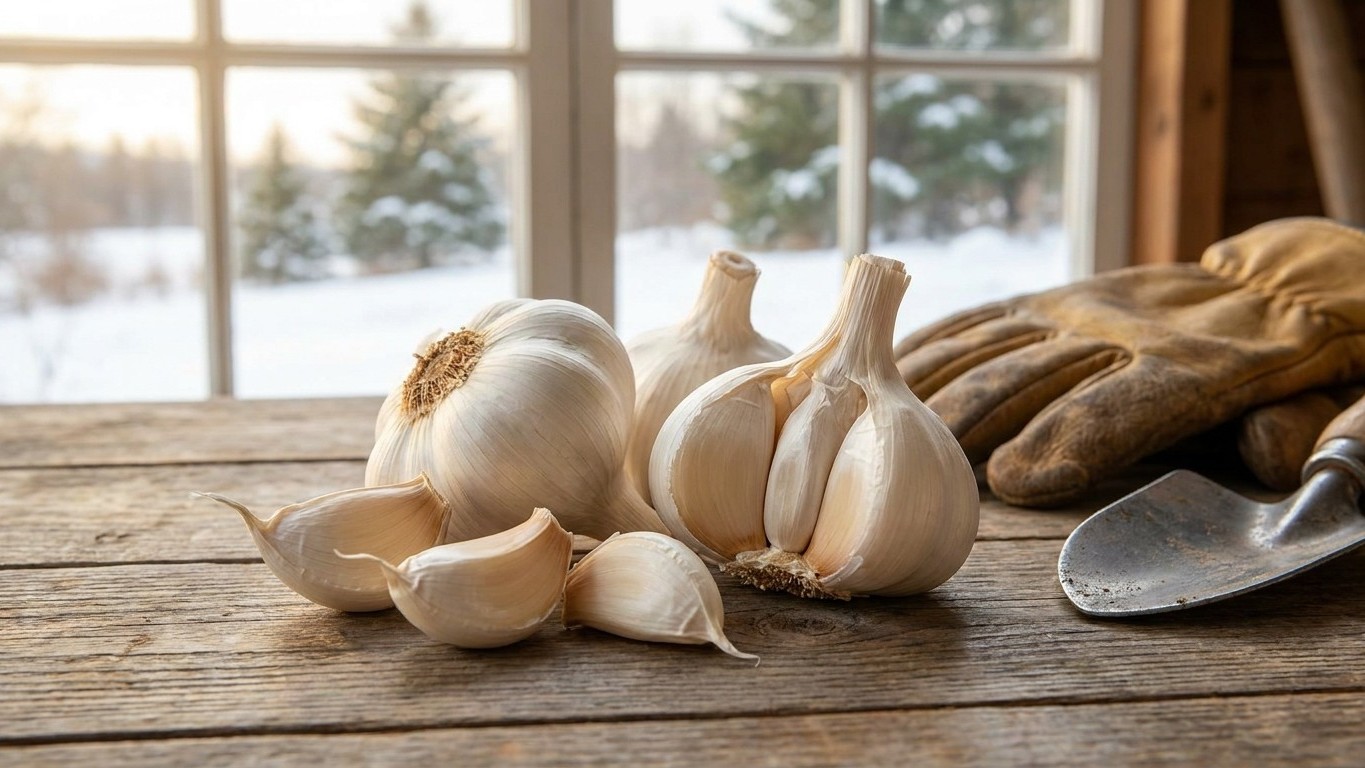
Garlic in Minnesota comes out of the ground by leaf color, not by a date circled on the calendar: once the lower leaves have browned and dried while the…
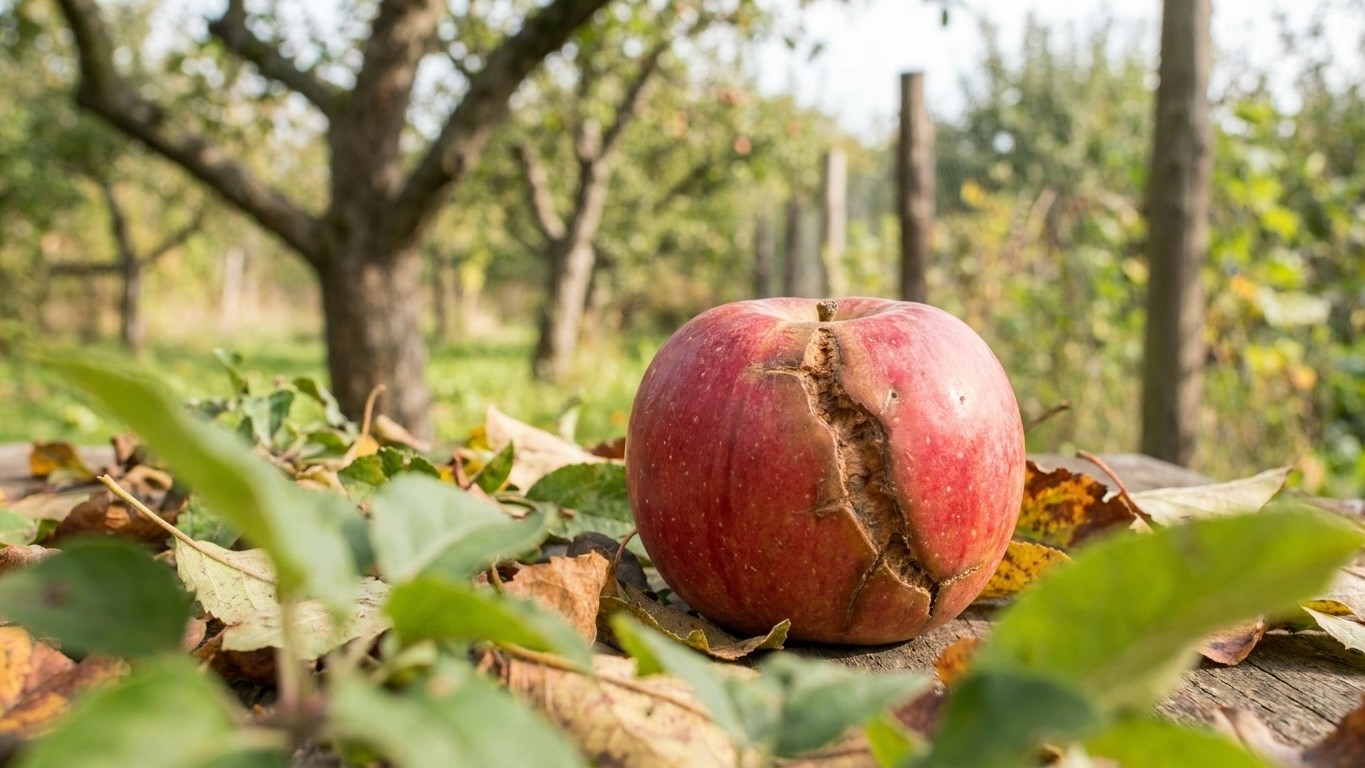
In Minnesota, apple harvest isn’t tied to a date on the calendar. It’s tied to variety and to how each tree reads the season: early types finish by late…
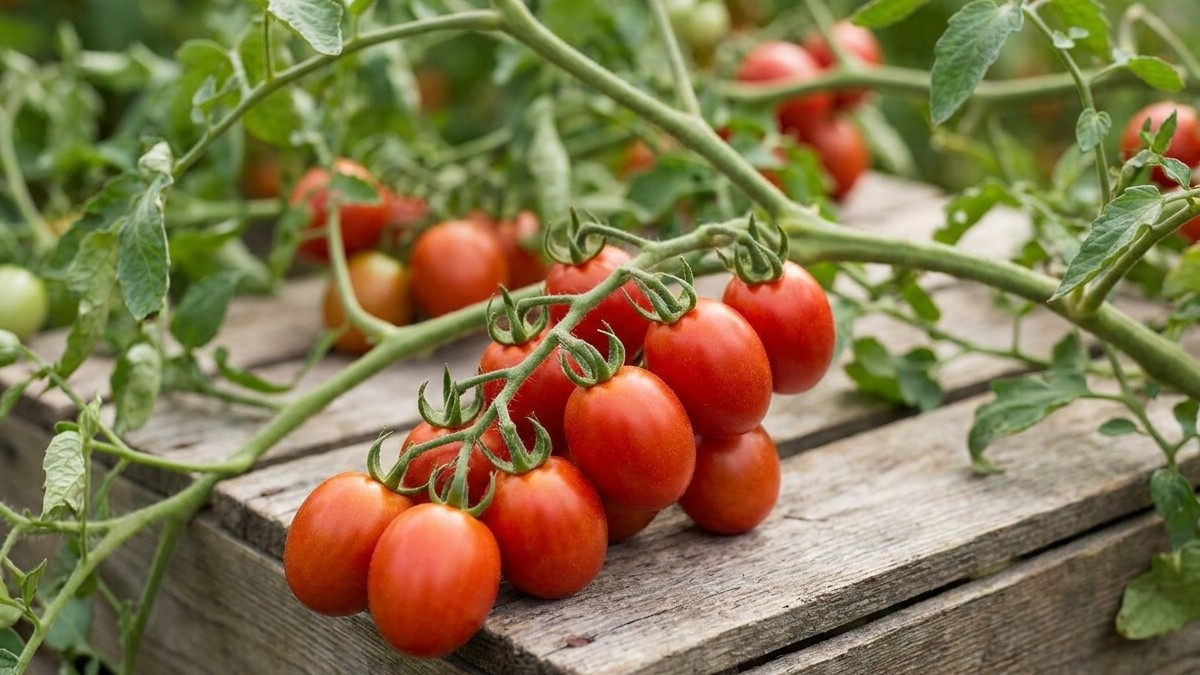
Minneapolis’s fall frost window starts October 11, so this guide covers when to harvest ripe tomatoes, save the green ones, and ripen them safely indoors.
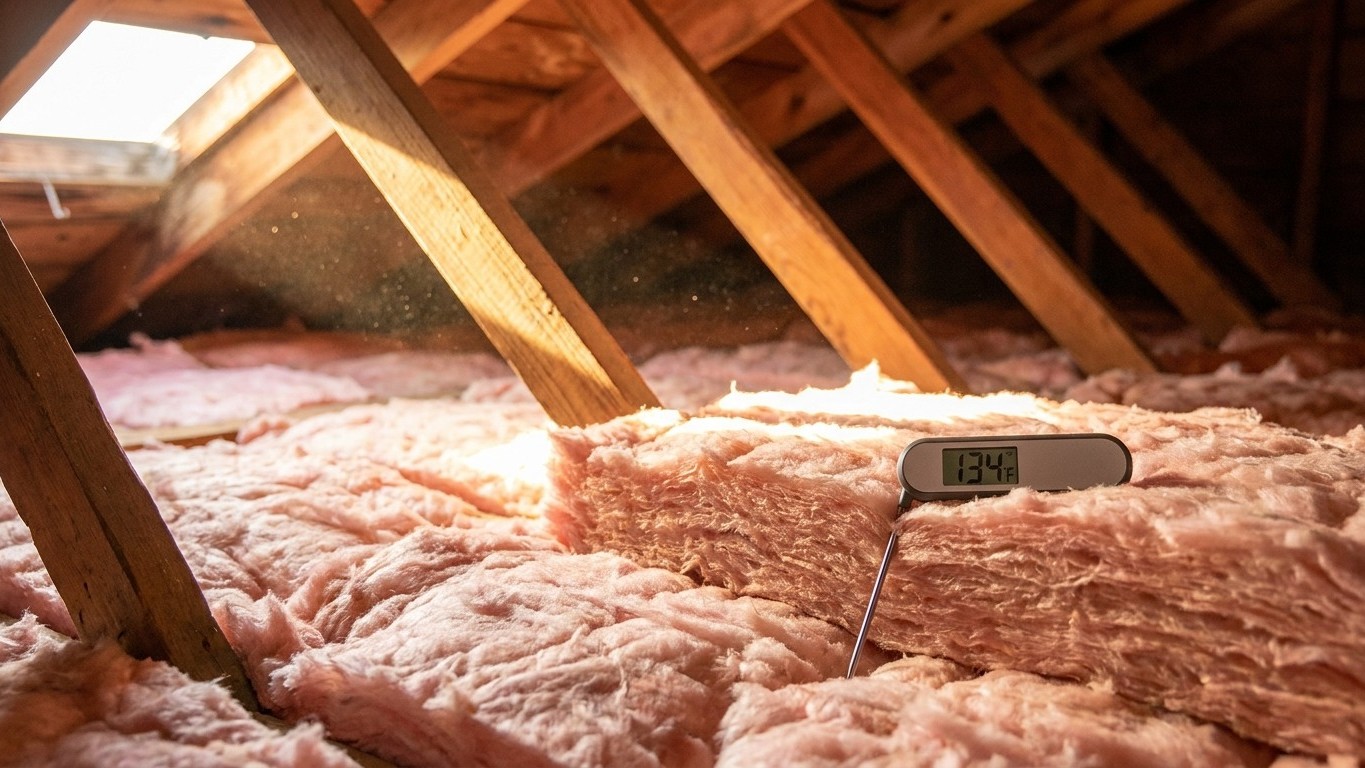
Yes, but the case for it in Minnesota rests more on winter than on July. With an average of just 10.6 days a year reaching 90°F at the Minneapolis…
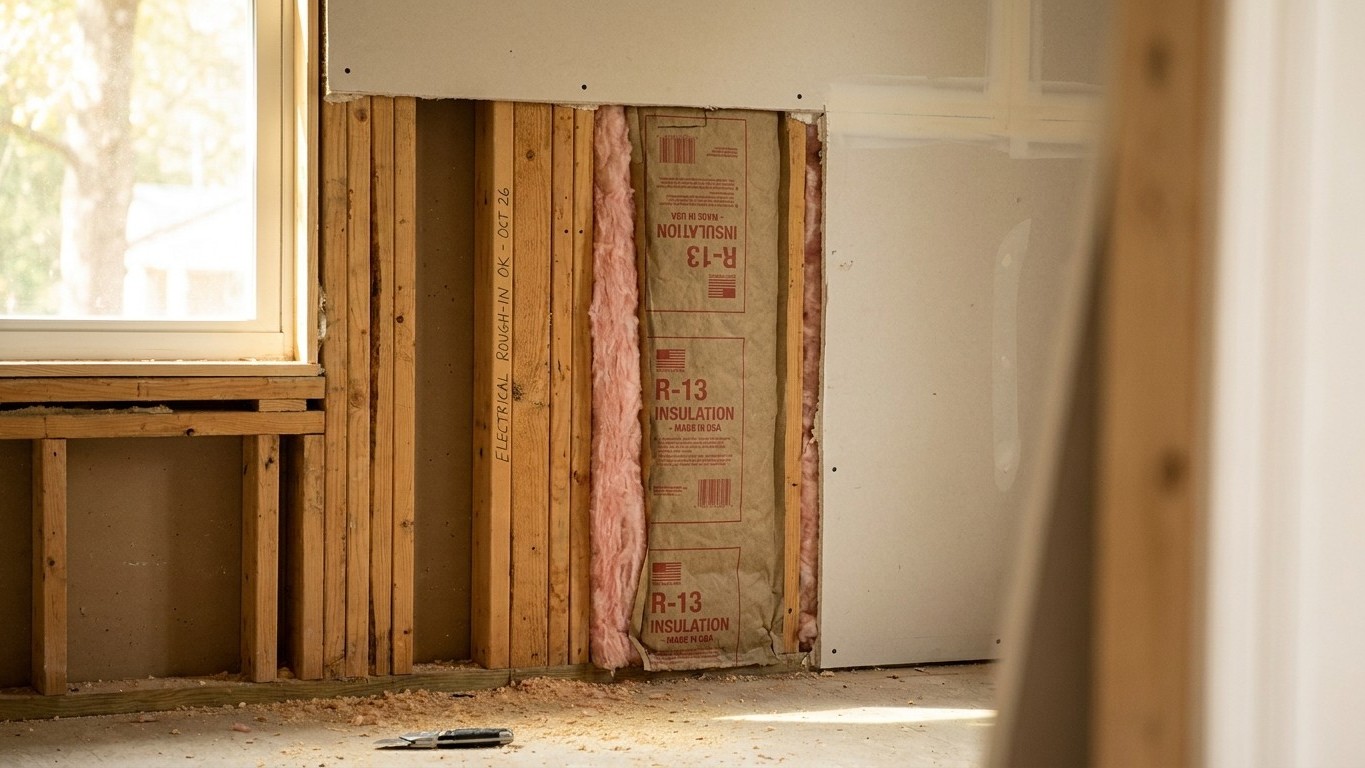
In Minnesota, the answer is yes. The 2021 International Residential Code requires a vapor retarder on the interior side of framed walls, and the code’s…
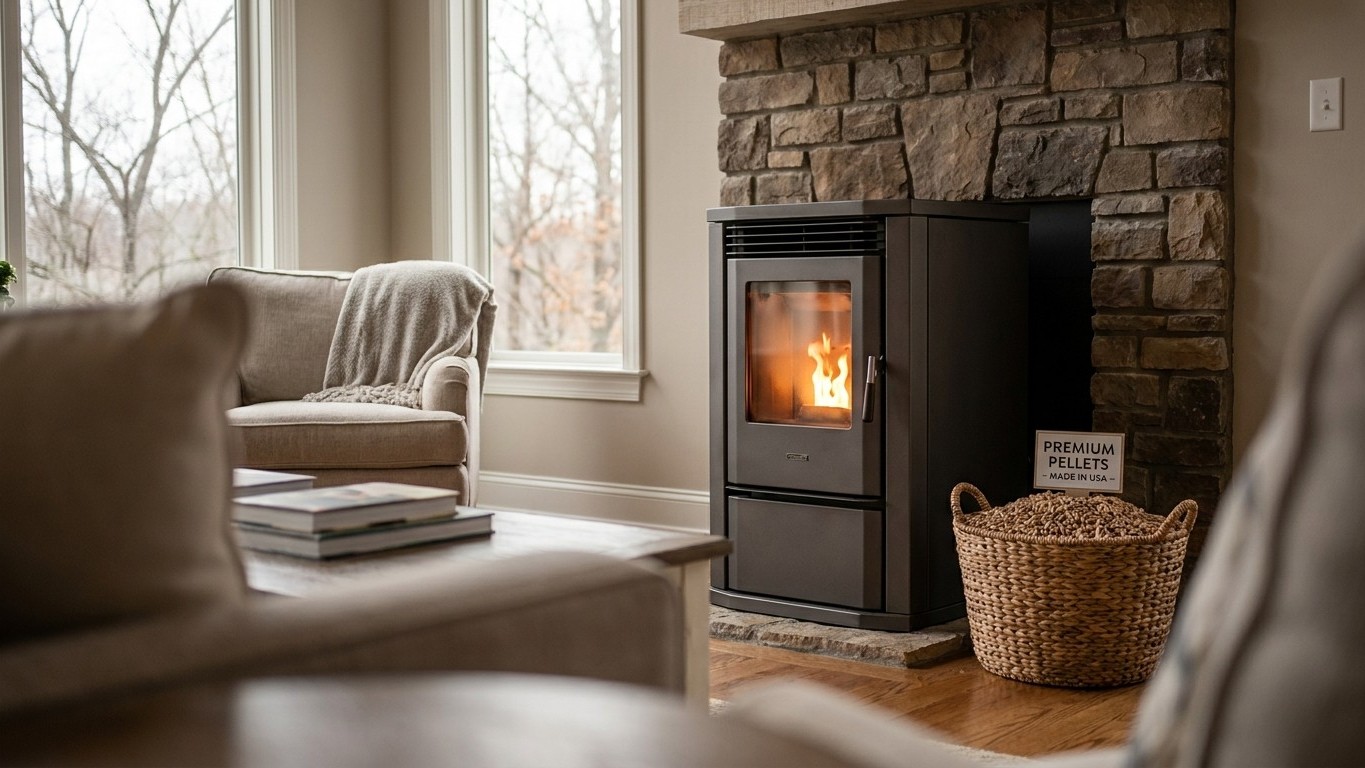
Minneapolis logs roughly 7,399 heating degree days a year, one of the highest totals of any major U.S. metro.
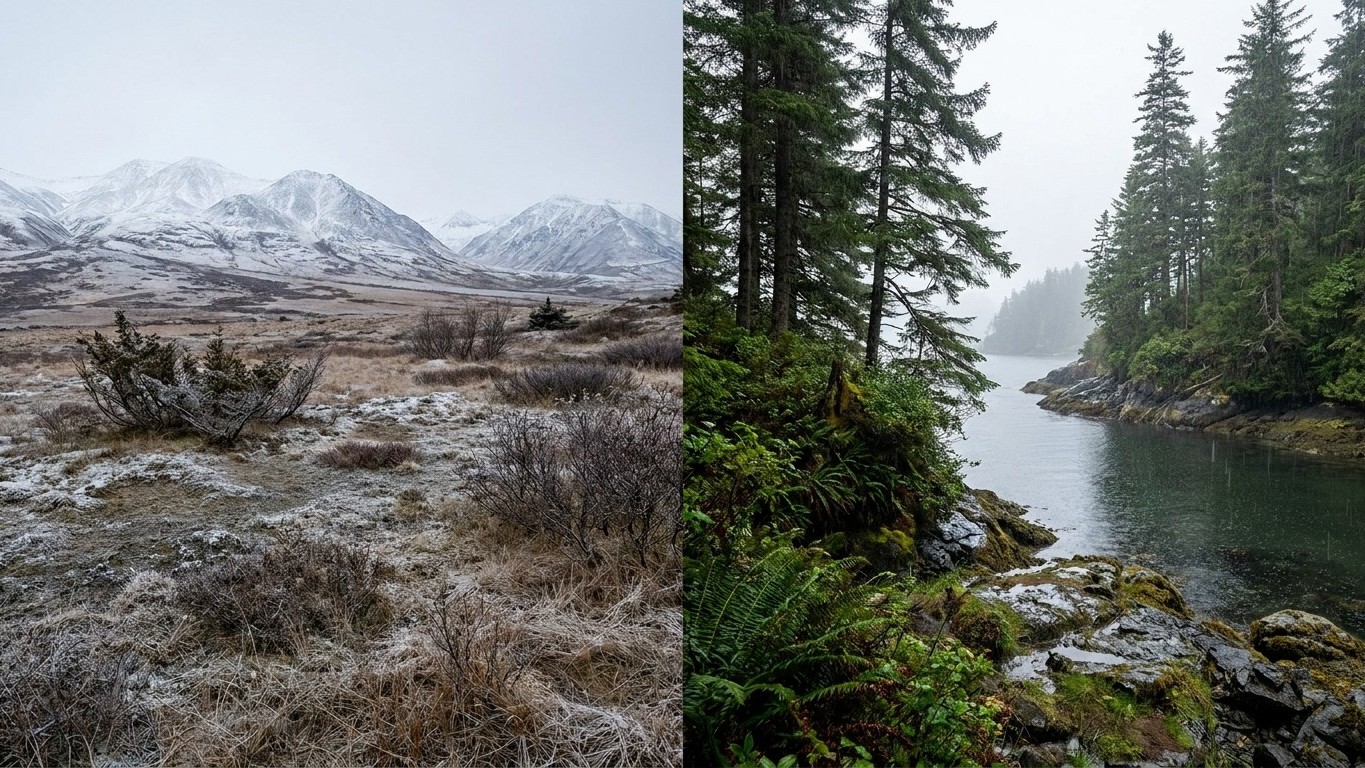
Minnesota’s USDA hardiness range runs from 3a to 5a, a spread wide enough that a plant thriving in the Twin Cities can freeze out entirely near the…
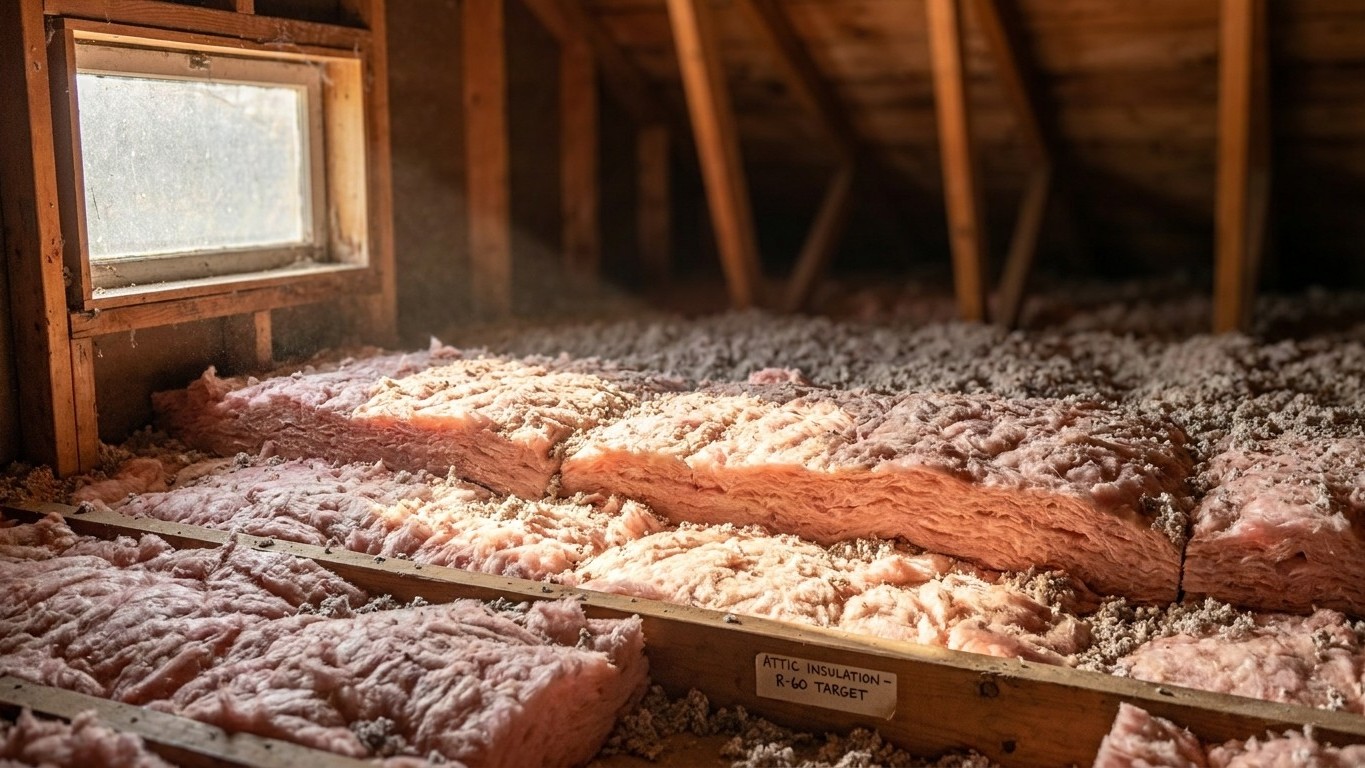
Minnesota spans three IECC climate zones, so the right R-value depends on which county a home sits in, not on the state as a whole.