When to Cut Pumpkins in Minnesota, and How Long They Keep
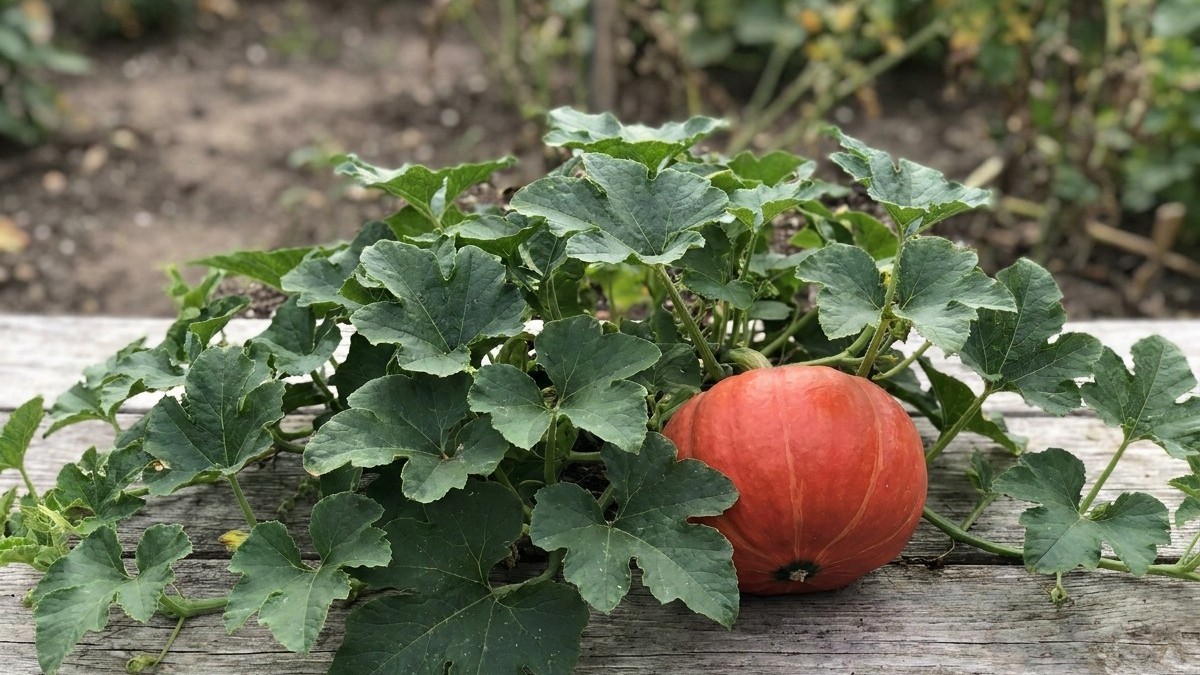
Cut pumpkins when the rind is too hard for a thumbnail to dent, the color is deep and even, and the stem has dried to a woody brown.
Home & garden, state by state
Everything we have worked out for Minnesota: what to plant and when, which varieties finish in time, the pests that actually turn up here, and the jobs that pay off month by month. We also cover the rest of the property, from lawns and soil to home care and energy, because a garden rarely stops at the vegetable bed.
The numbers first, because everything else follows from them. Measured at the weather station in Minneapolis, the last spring freeze runs April 17 to April 30 and the first fall freeze runs October 11 to October 23, USDA zones 3a-5a, 3,013 growing degree days in the year.
Garlic does well: 30.4 weeks below 40 °F, comfortably past the six it needs to form a proper head.
Elsewhere on the property in Minnesota: the pests that turn up here.
Figures from NOAA's 1991-2020 climate normals. A state is not one climate: elevation, a large lake or the coast can move these dates by two weeks either way, so check your own county with the extension service before you spend money.
Cut pumpkins when the rind is too hard for a thumbnail to dent, the color is deep and even, and the stem has dried to a woody brown.
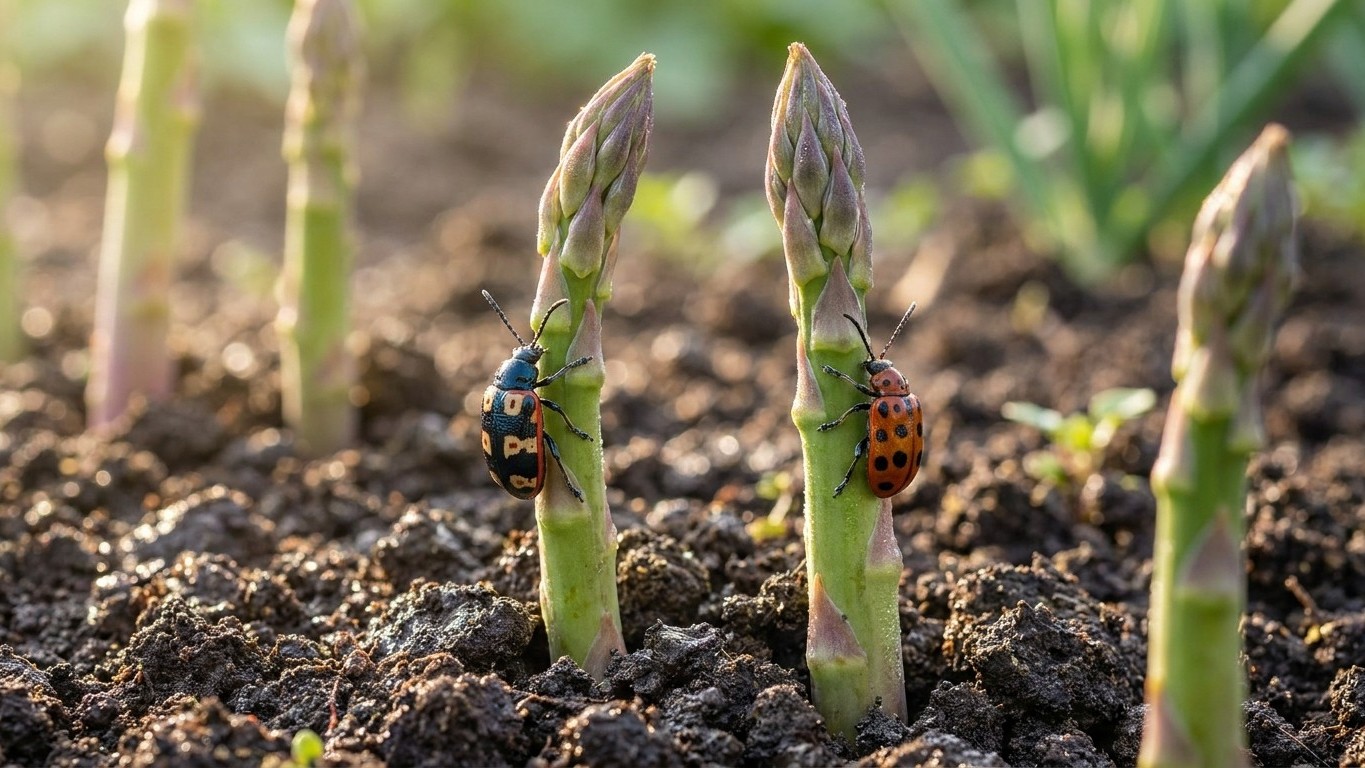
Stop cutting when most of the spears coming up are thinner than a pencil, whatever the calendar says.
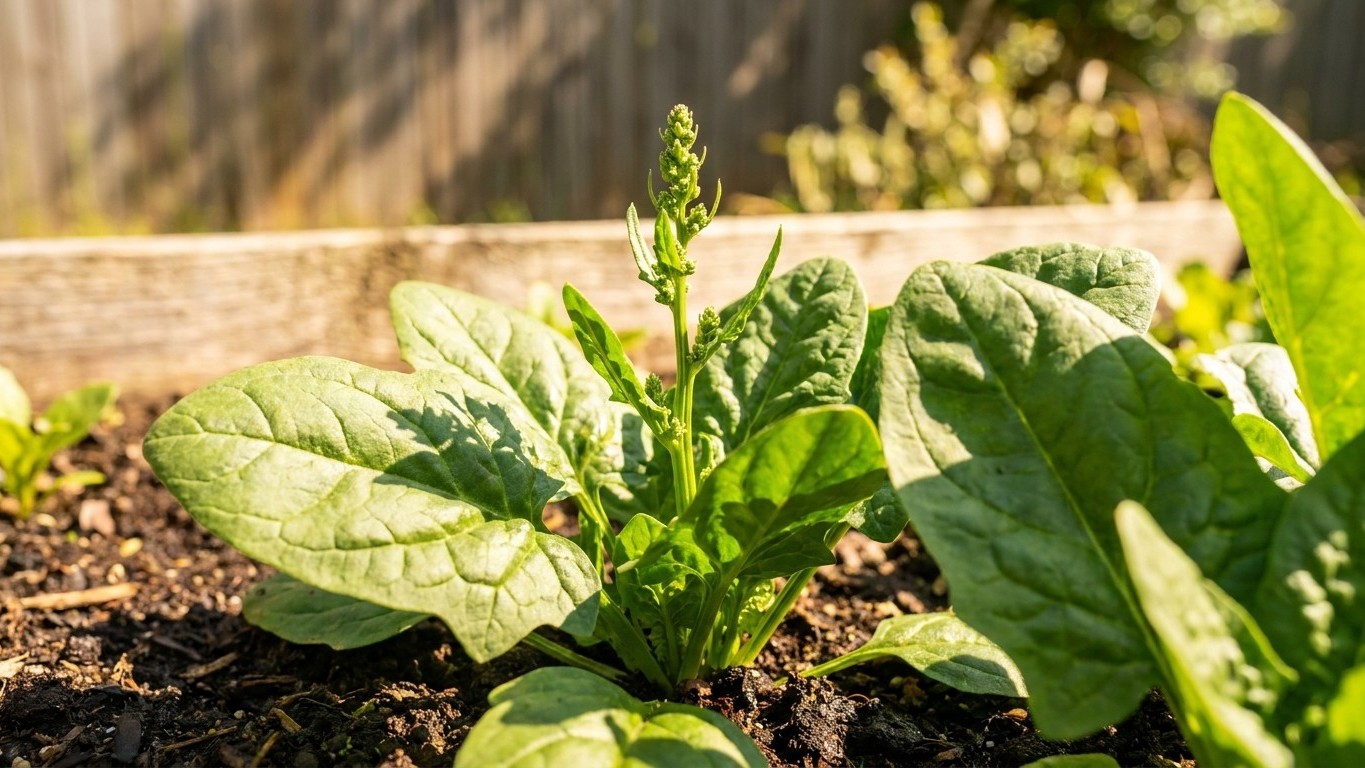
Spinach in Minnesota gets eaten by a short list of feeders: insects that chew holes, insects that tunnel inside the leaf, sap-feeders that curl new…
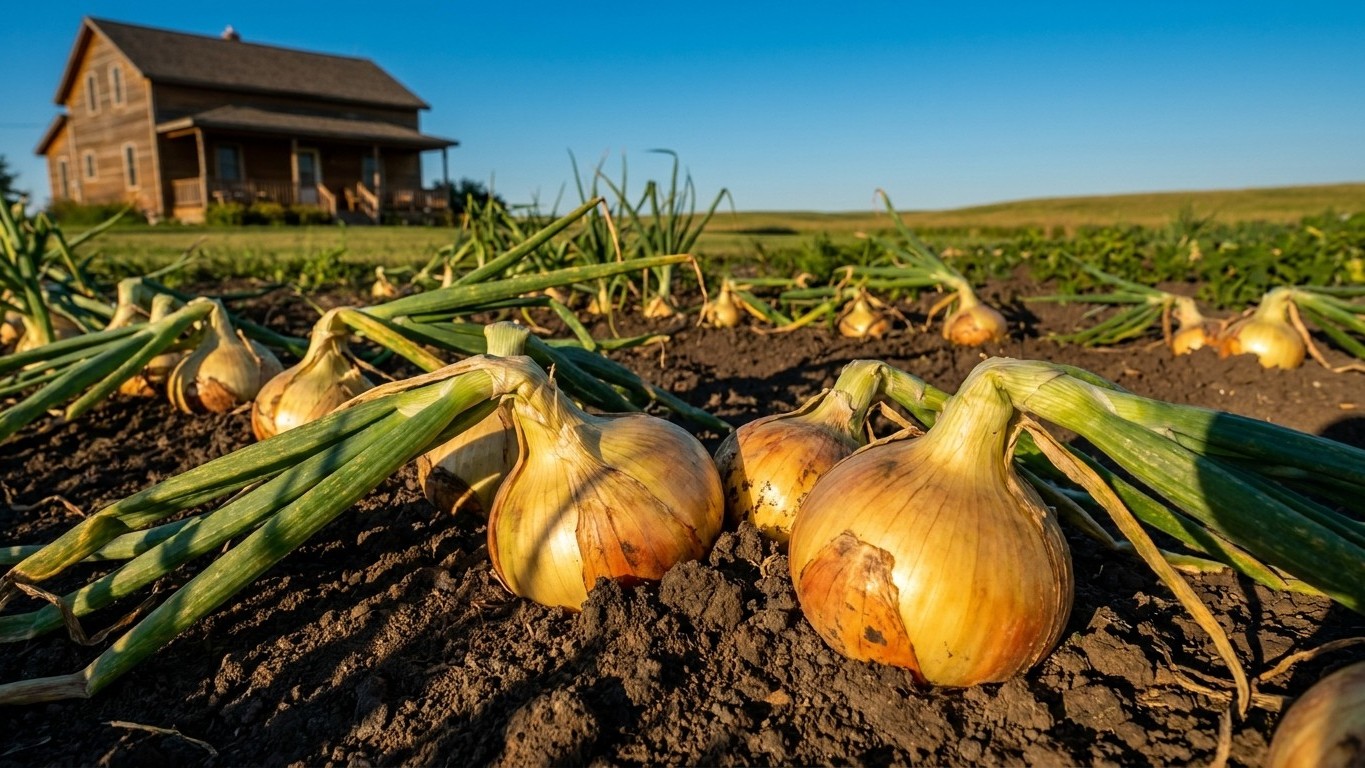
Lift onions in Minnesota when the tops fall over on their own and the necks go soft, then cure the bulbs until the necks are tight and the skins papery.
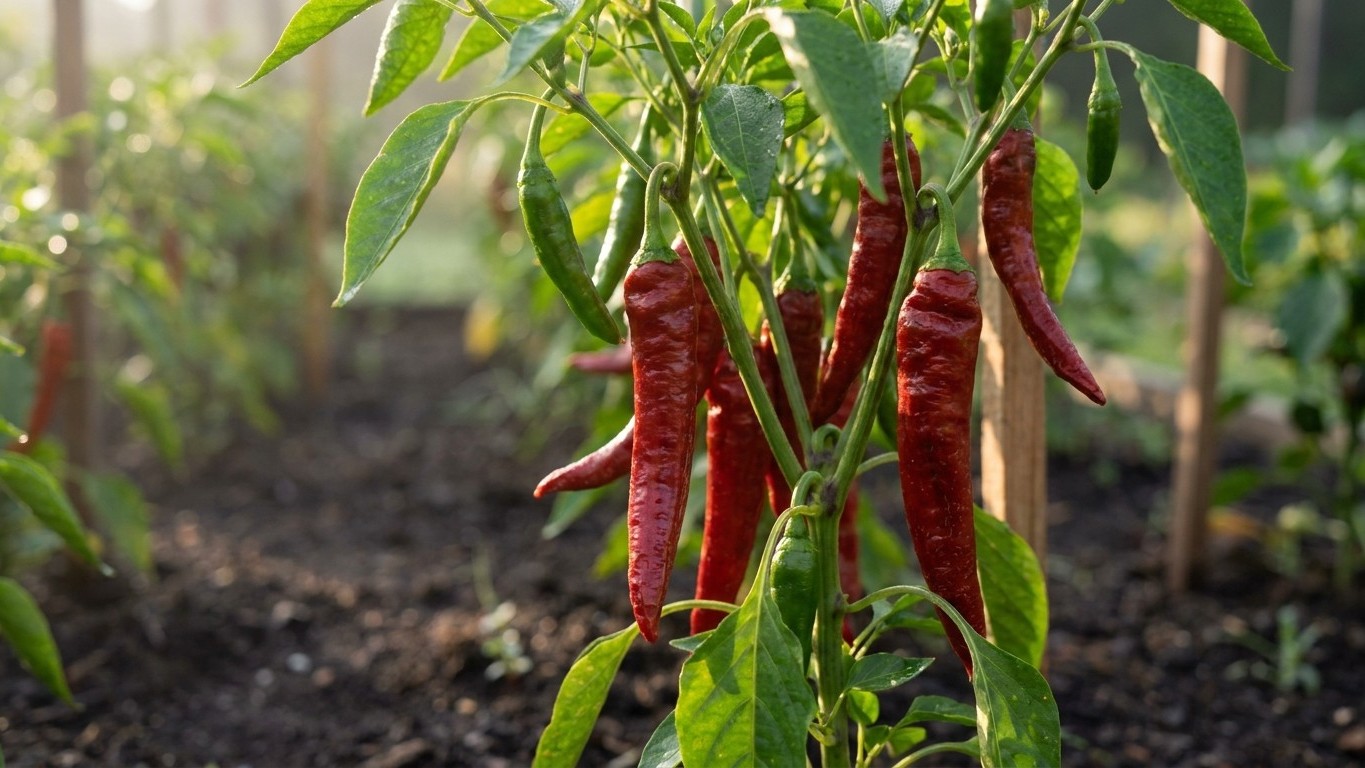
Pick peppers when the fruit is full size, firm and glossy. Clemson Extension puts that at about 70 to 85 days after transplanting.
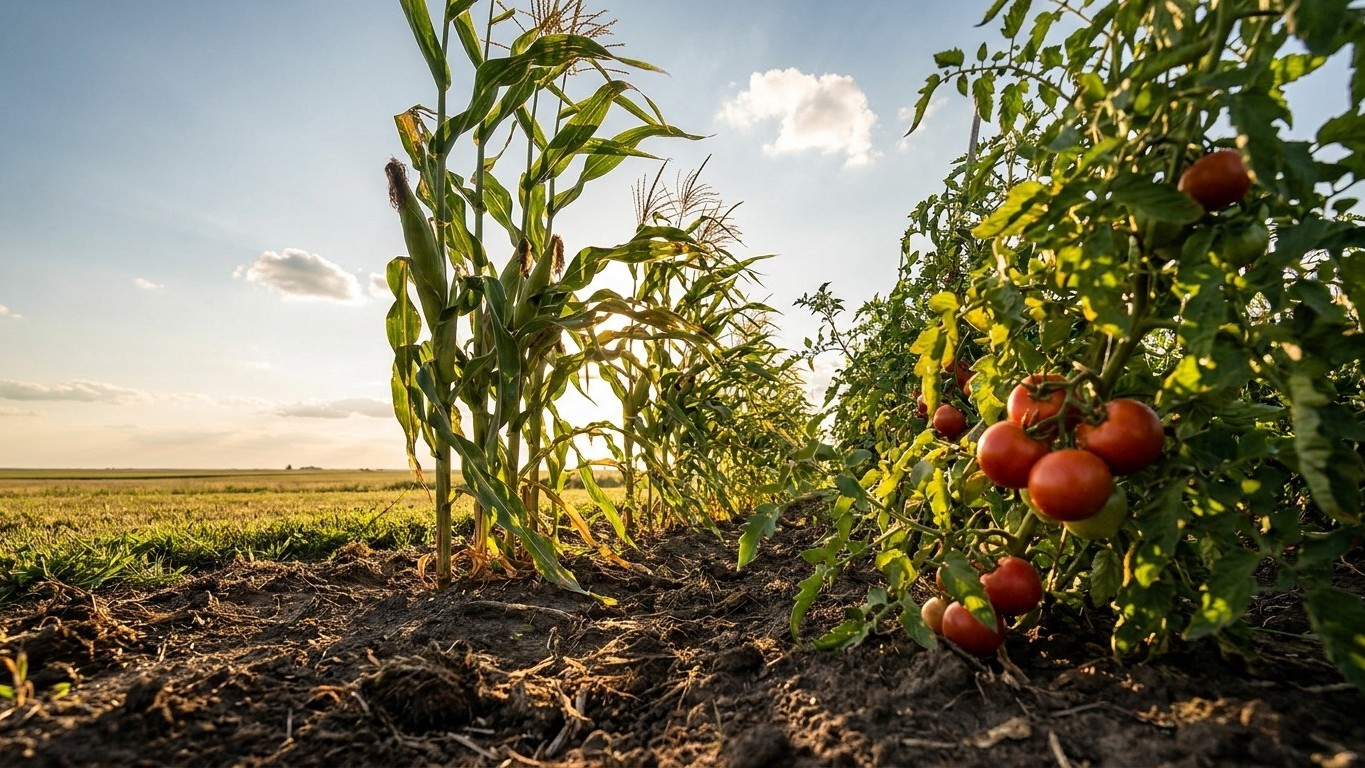
In Minnesota, what ruins a corn crop is usually the calendar, not a creature. Cold soil rots seed before it sprouts. A late variety runs out of autumn.
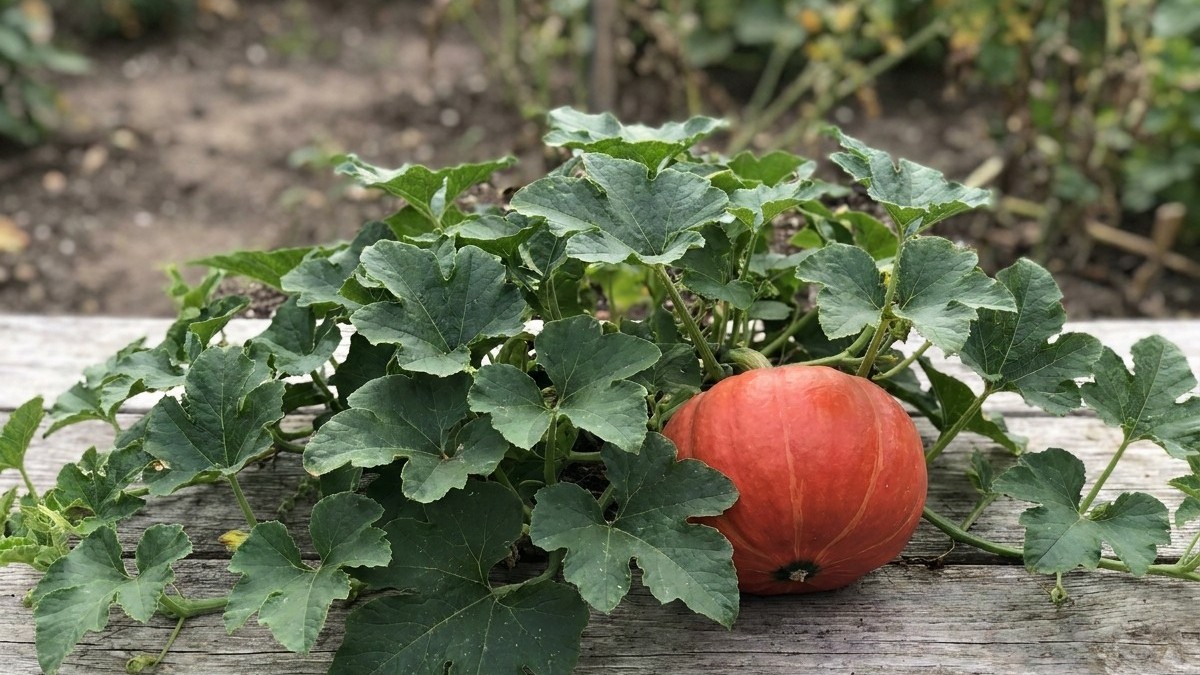
Mostly, the calendar. In Minnesota the thing that ends the most pumpkins is the first fall freeze, which arrives in the second half of October and stops…
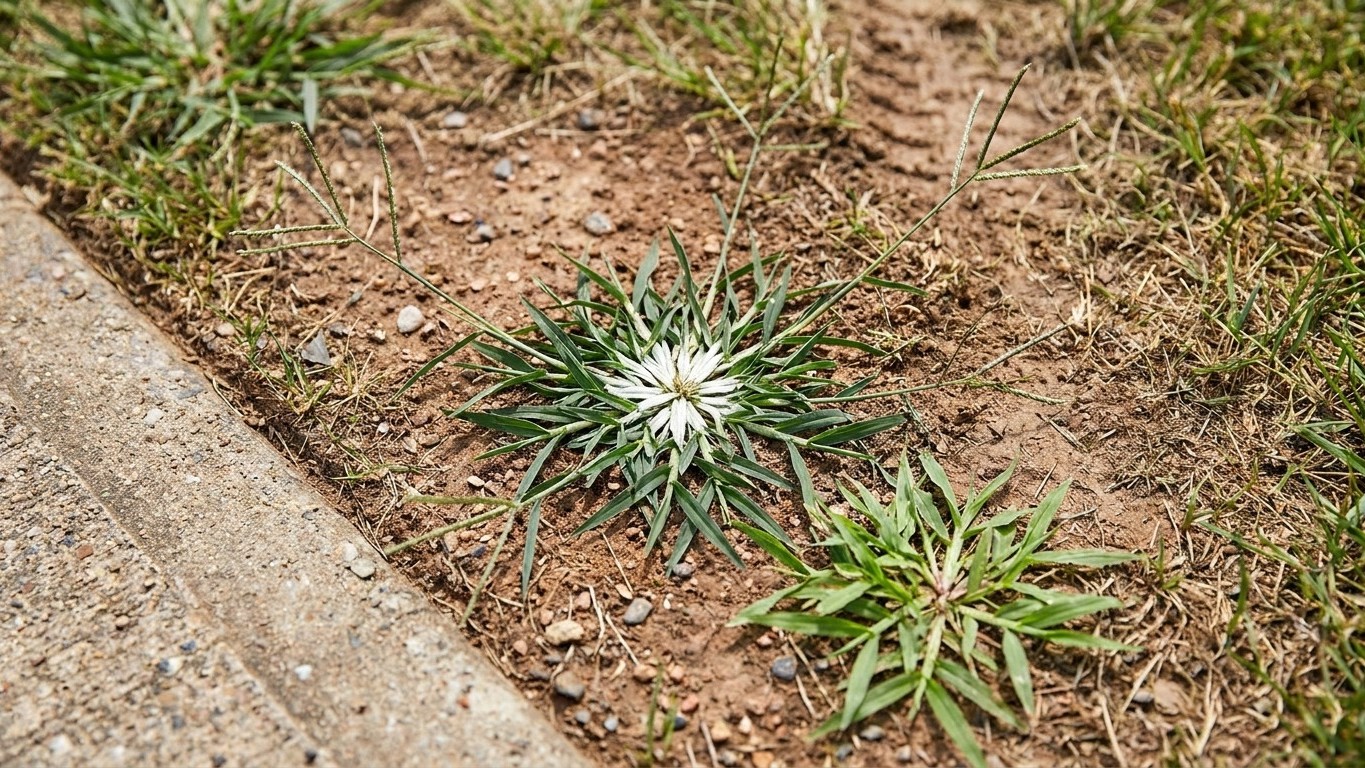
Minnesota lawns of Kentucky bluegrass or fine fescue take a mowing height of 2 to 3 inches.
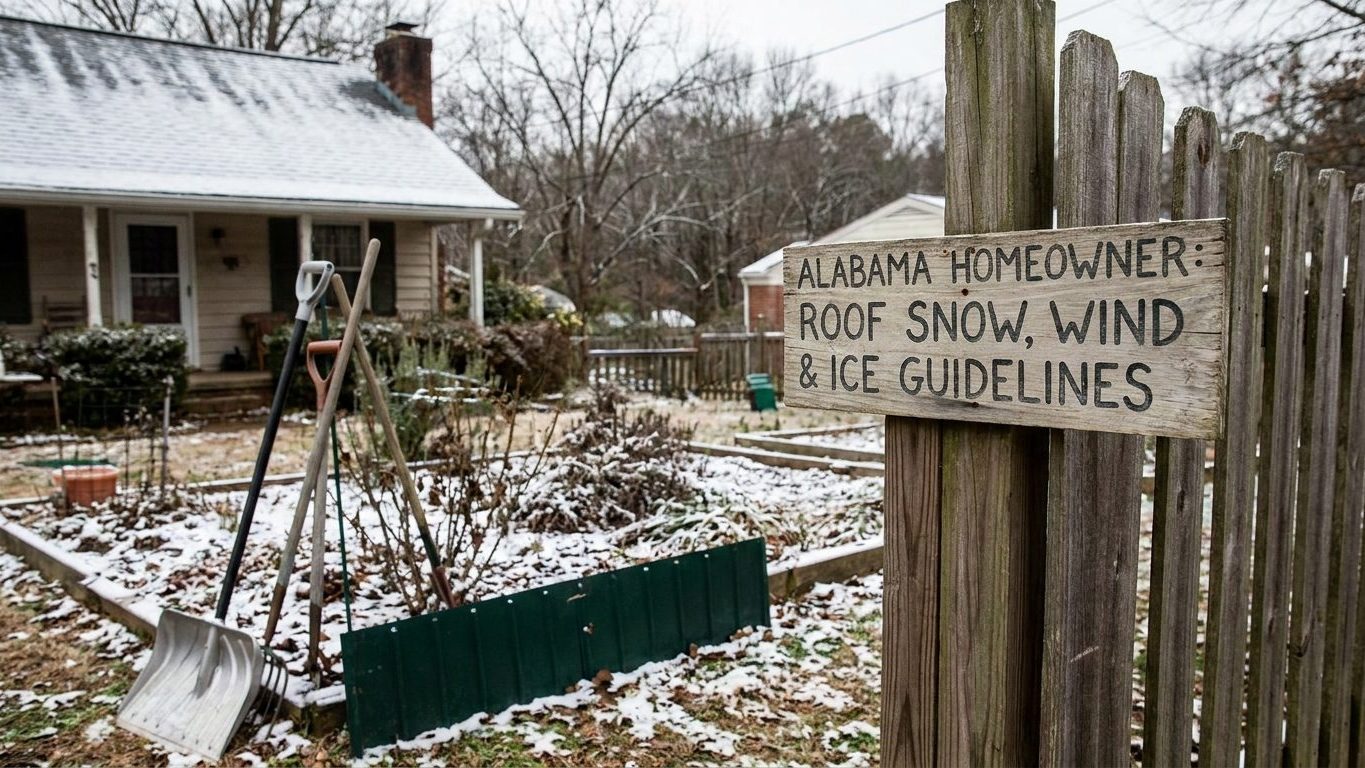
Minneapolis’s ground snow load, design wind speed and Minnesota’s own ice-barrier and code rules explained with the numbers a building permit uses.
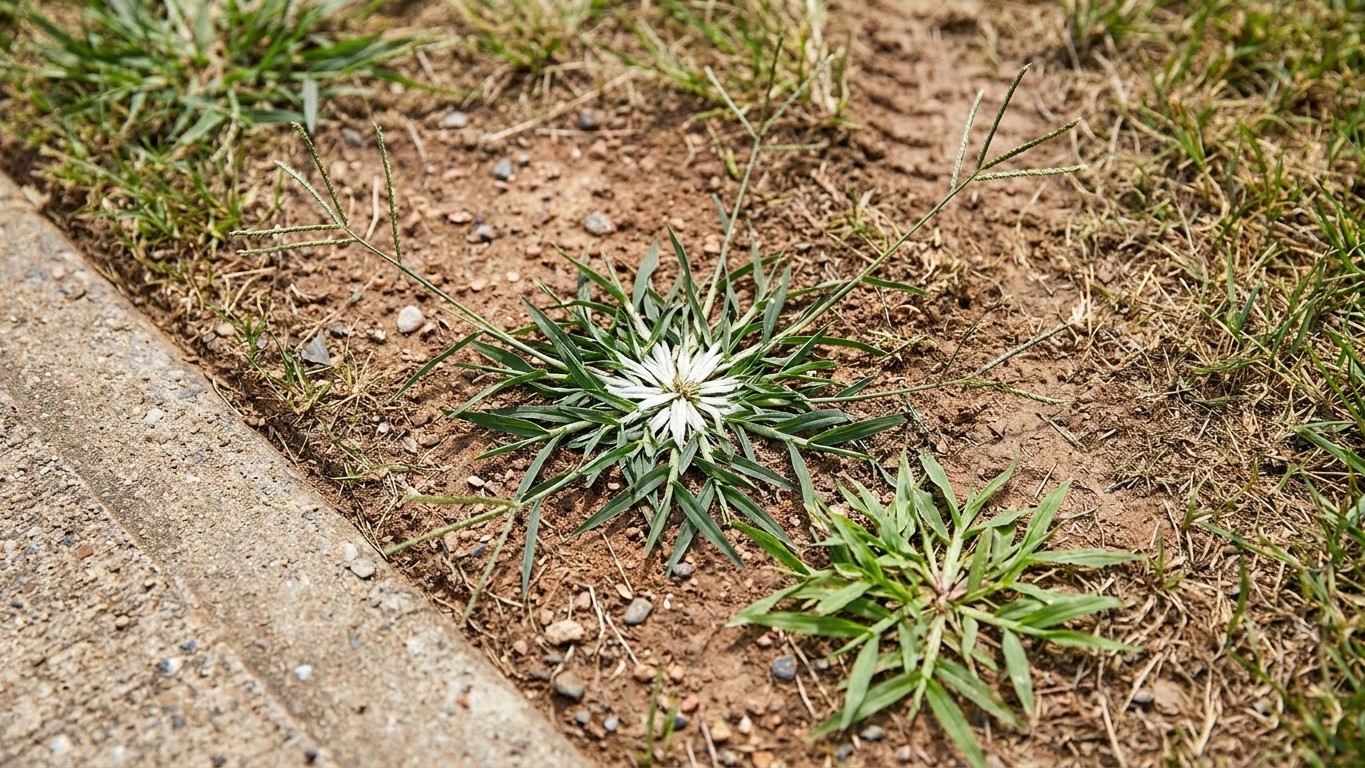
Most Minnesota lawns never need dethatching. Cut a wedge of turf with a spade and measure the brown, spongy layer: under 0.5 inch is healthy, and you…