Flowers That Actually Thrive in Montana, and the Ones That Struggle
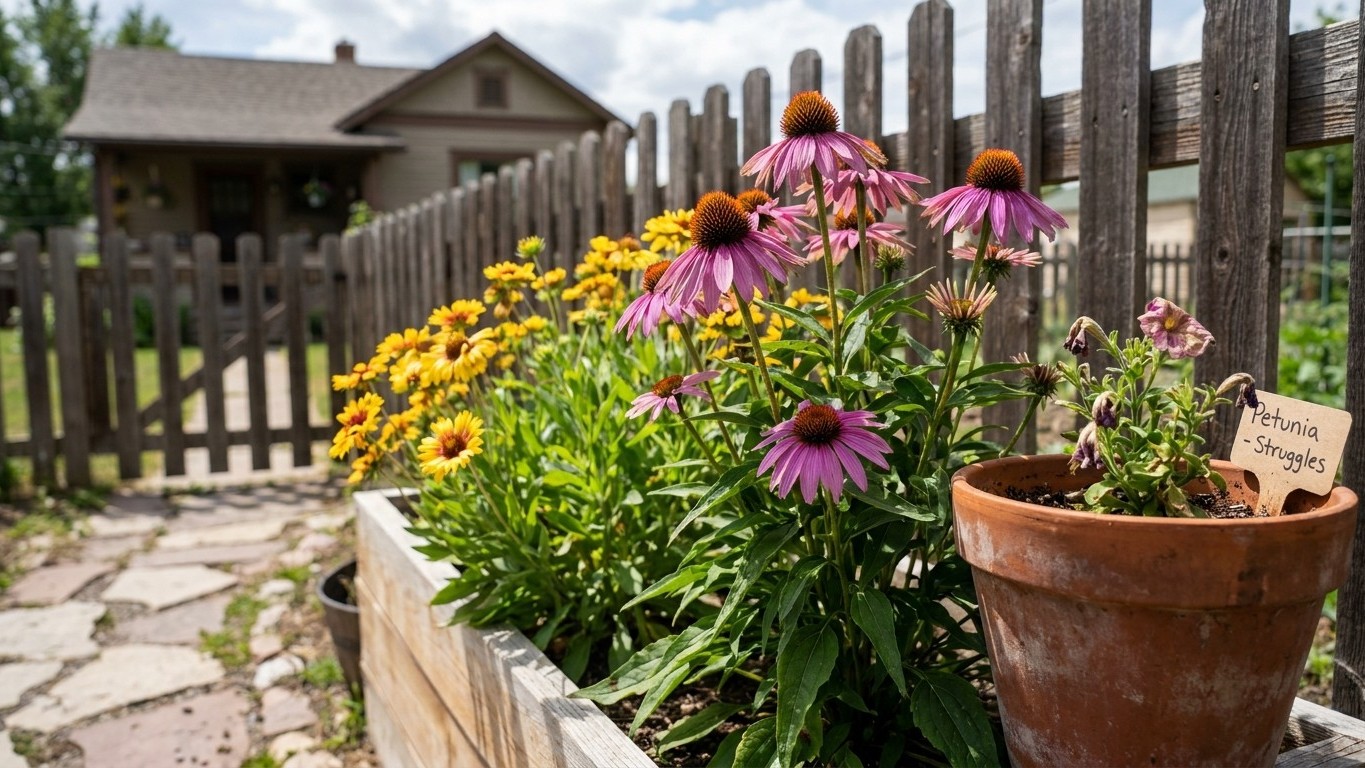
A look at which flowers hold up to Montana’s cold winters and hot summers, and which ones need replanting every year.
Home & garden, state by state
Everything we have worked out for Montana: what to plant and when, which varieties finish in time, the pests that actually turn up here, and the jobs that pay off month by month. We also cover the rest of the property, from lawns and soil to home care and energy, because a garden rarely stops at the vegetable bed.
The numbers first, because everything else follows from them. Measured at the weather station in Billings, the last spring freeze runs April 29 to May 10 and the first fall freeze runs October 1 to October 14, USDA zones 3a-6a, 2,855 growing degree days in the year.
Garlic does well: 30.4 weeks below 40 °F, comfortably past the six it needs to form a proper head.
Elsewhere on the property in Montana: the pests that turn up here.
Figures from NOAA's 1991-2020 climate normals. A state is not one climate: elevation, a large lake or the coast can move these dates by two weeks either way, so check your own county with the extension service before you spend money.
A look at which flowers hold up to Montana’s cold winters and hot summers, and which ones need replanting every year.
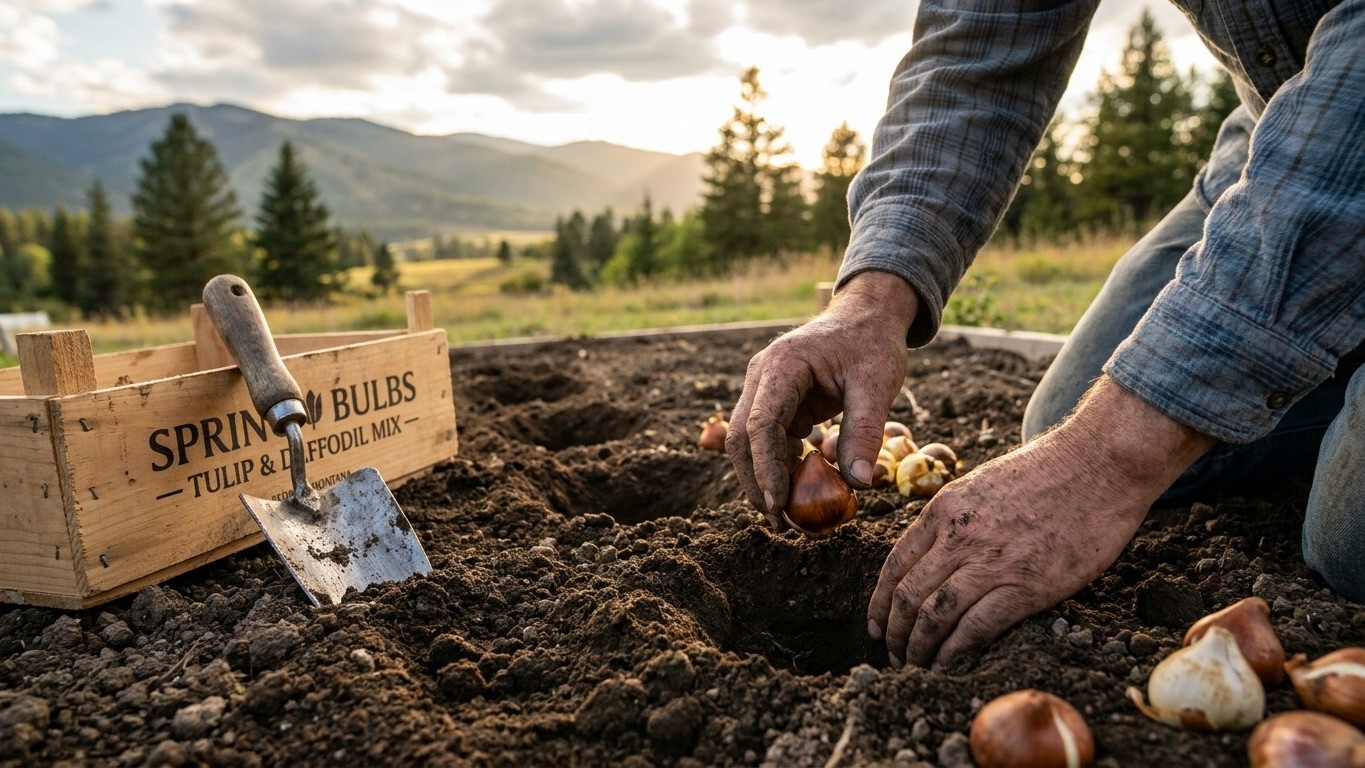
Spring bulbs go into Montana ground on a tighter calendar than most catalogs admit, and the deciding factor isn’t the calendar at all: it’s whether your…
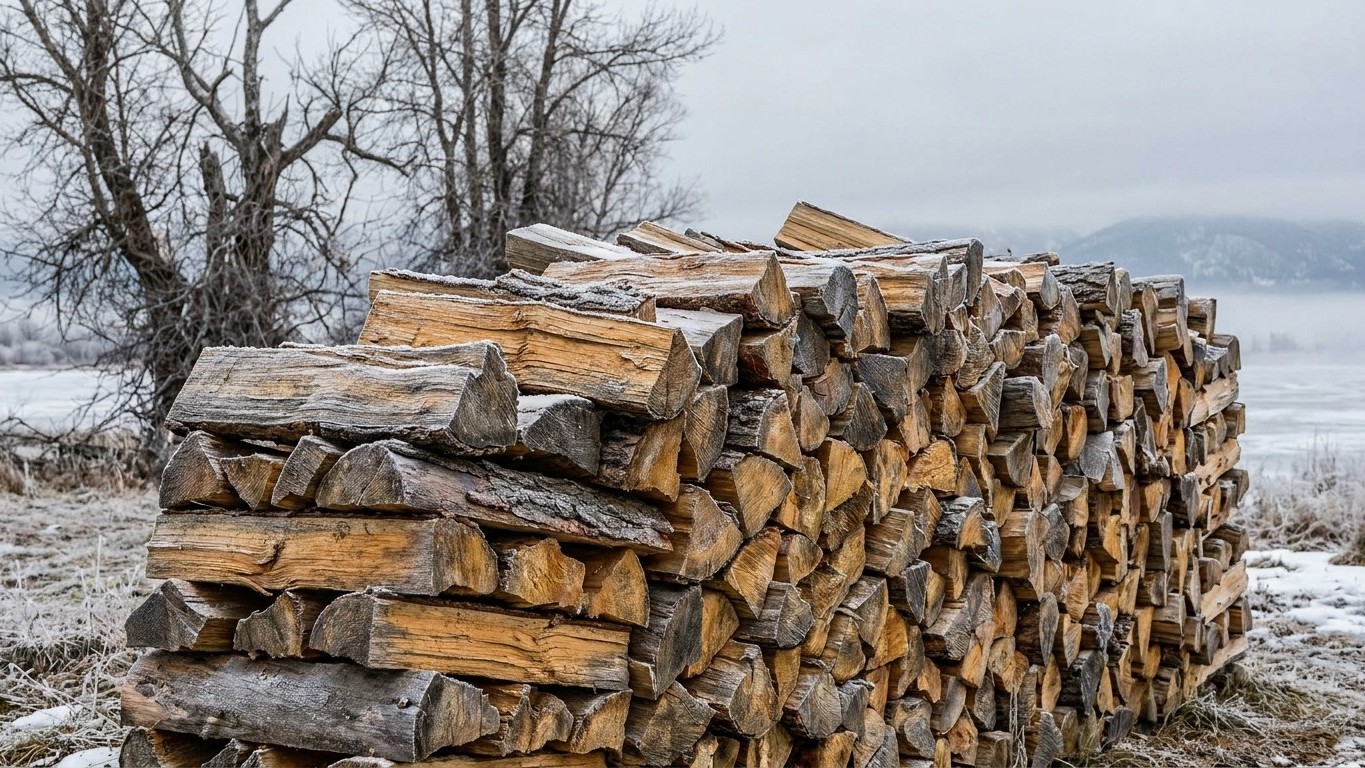
Winter in Montana isn’t polite about it: temperatures fall fast, stay down for months, and demand a heating plan that actually works.
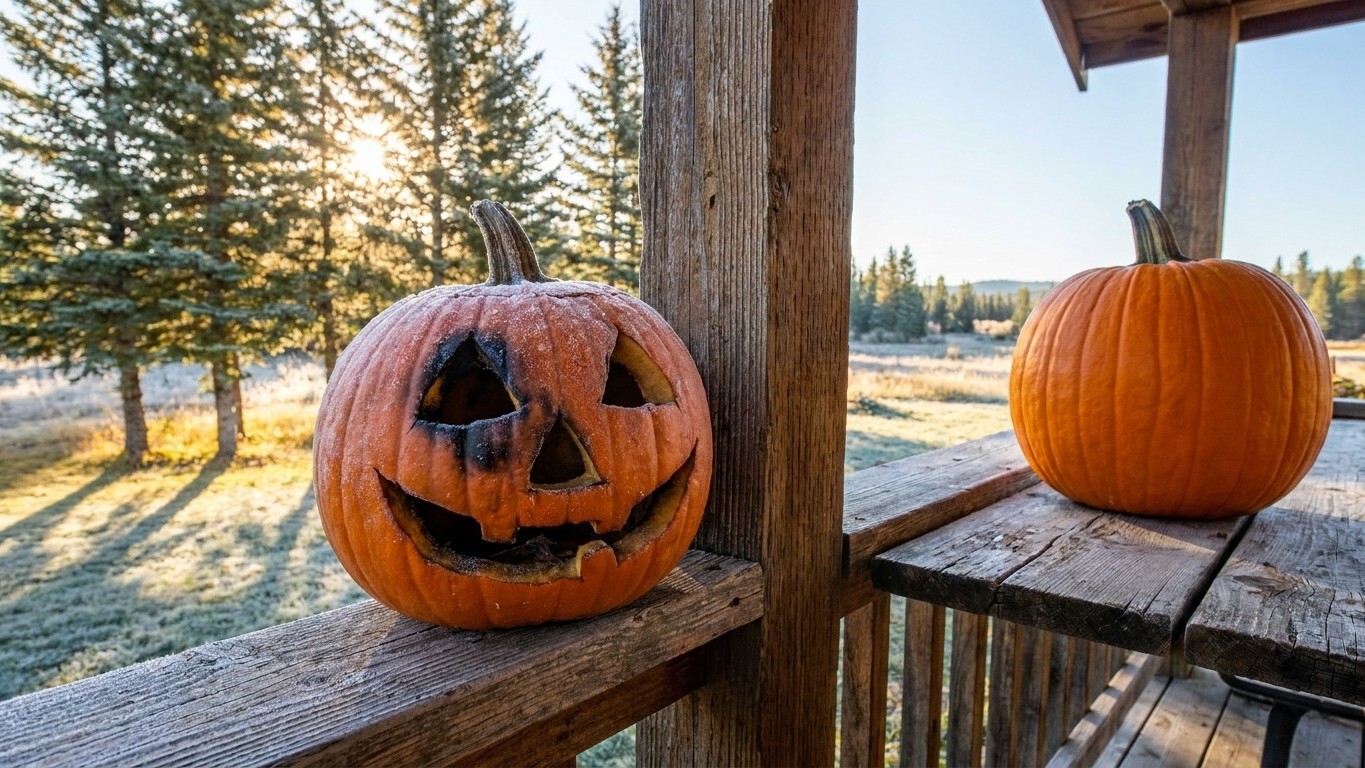
Around Billings, the mean first fall frost lands somewhere between October 1 and October 14, which puts it two to four weeks ahead of Halloween in most…
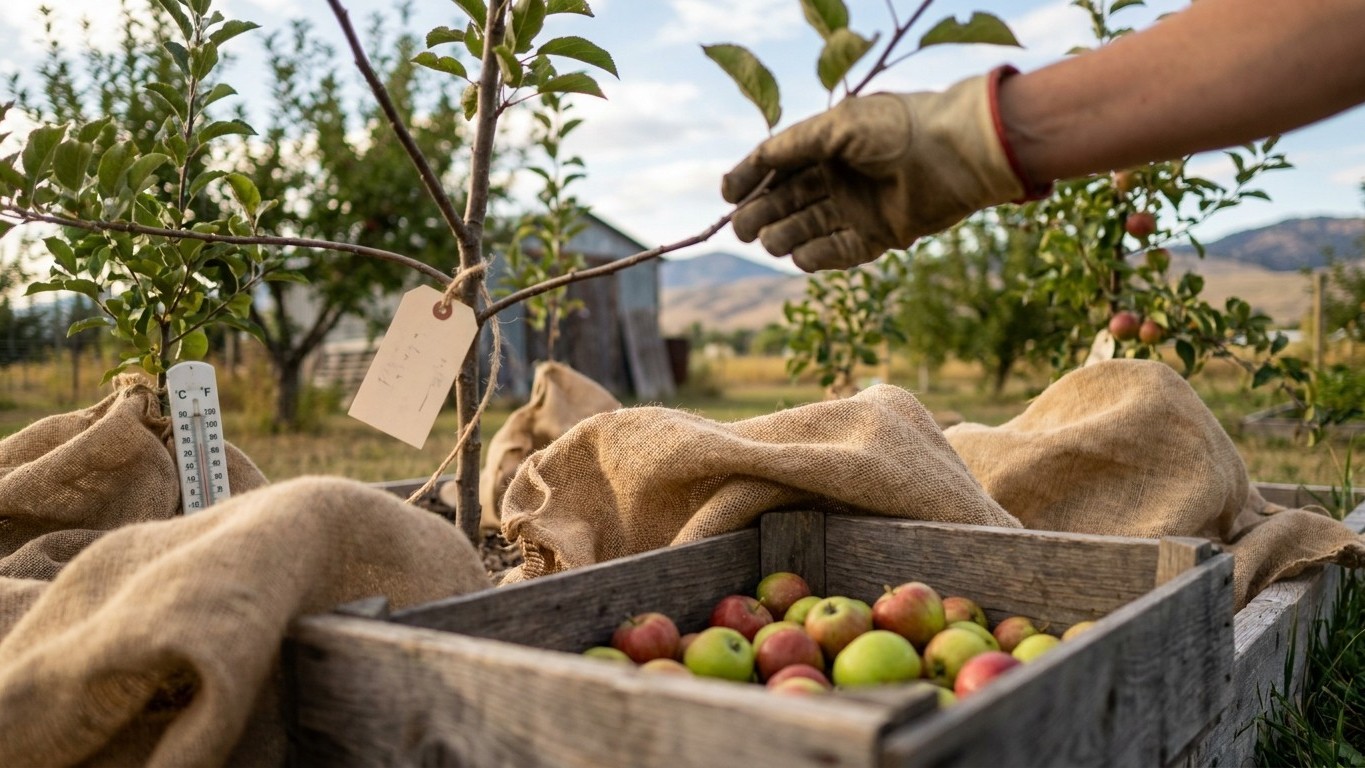
Montana’s growing zones range from 3a to 6a, and choosing a cold-hardy, high-chill apple variety with the right pollination partner determines success.
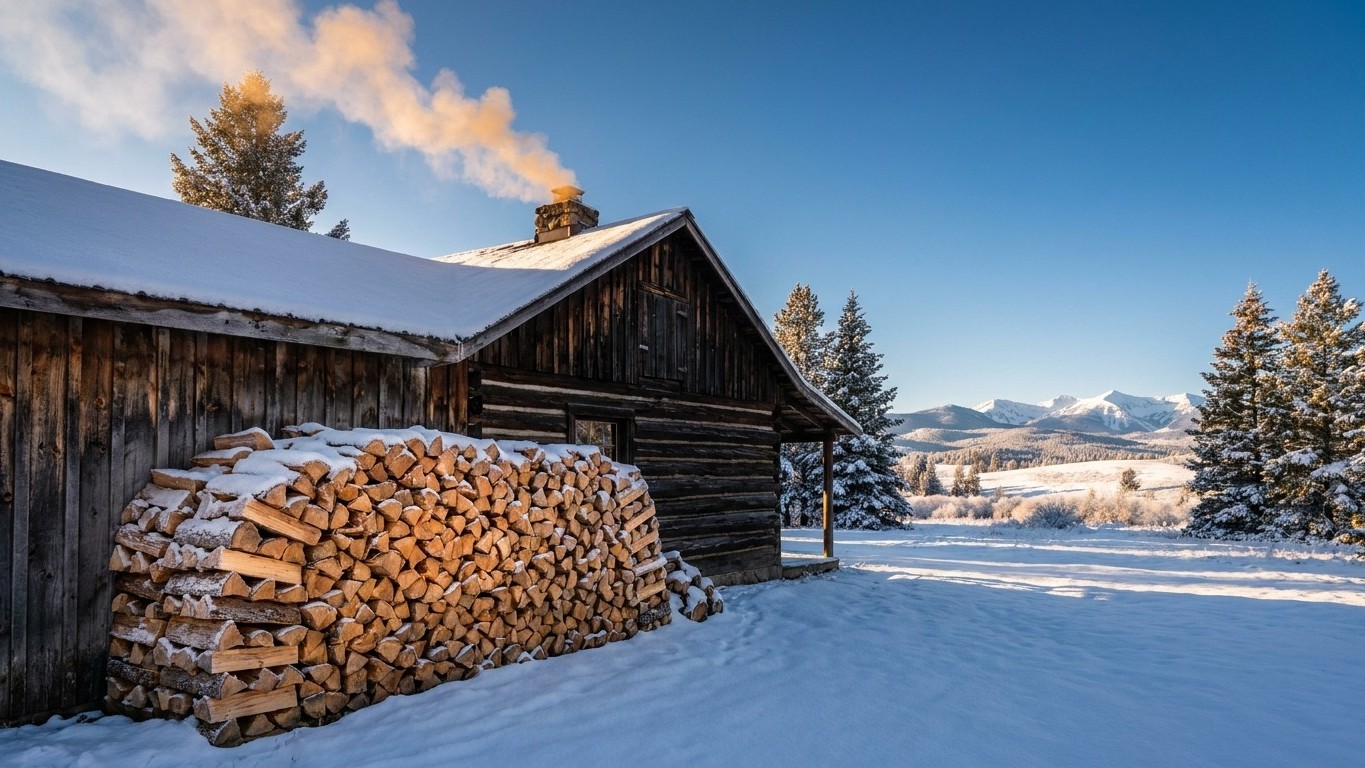
Montana winters ask a lot of a heating system, and the numbers back that up. Billings sits at a coldest-month minimum of 17.9°F, which sounds manageable…
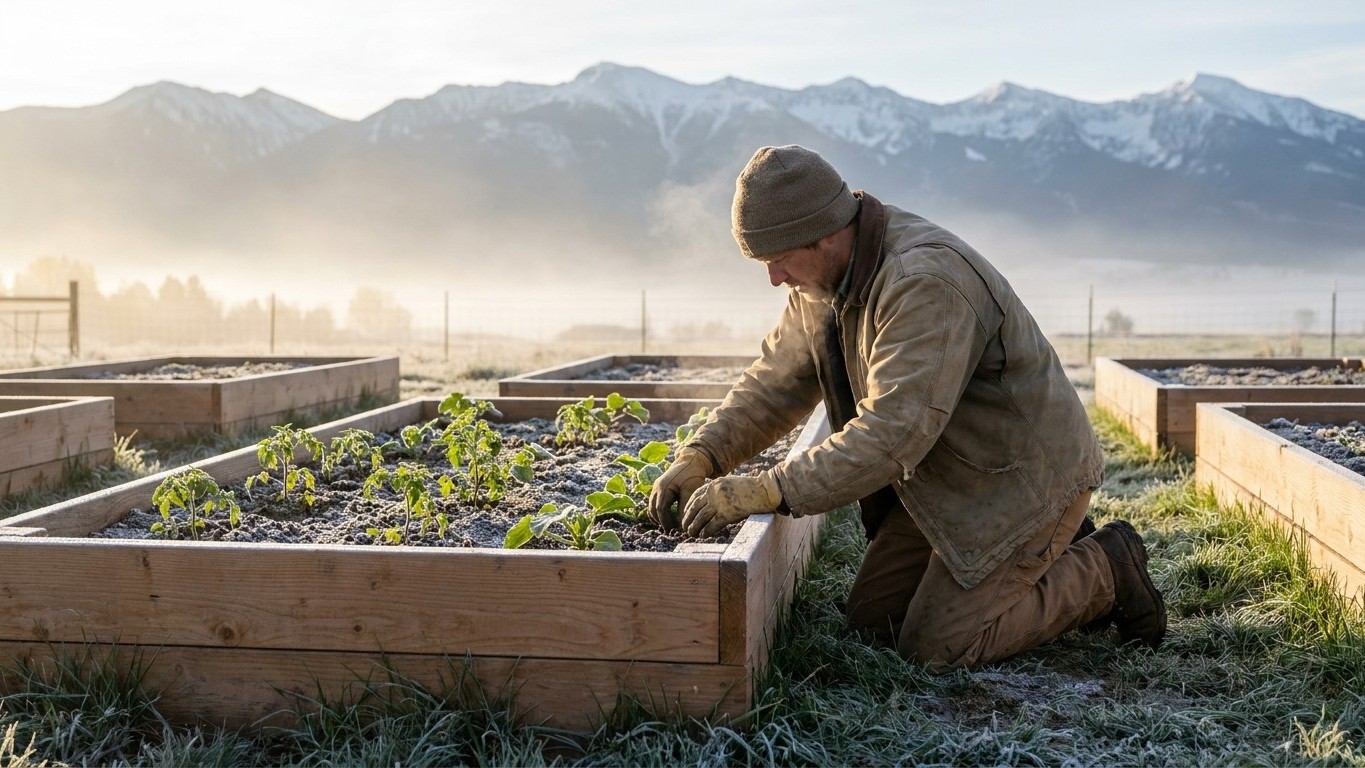
Montana gardeners work with a frost-free window that runs roughly from early May to early October, in a state that spans hardiness zones 3a to 6a.
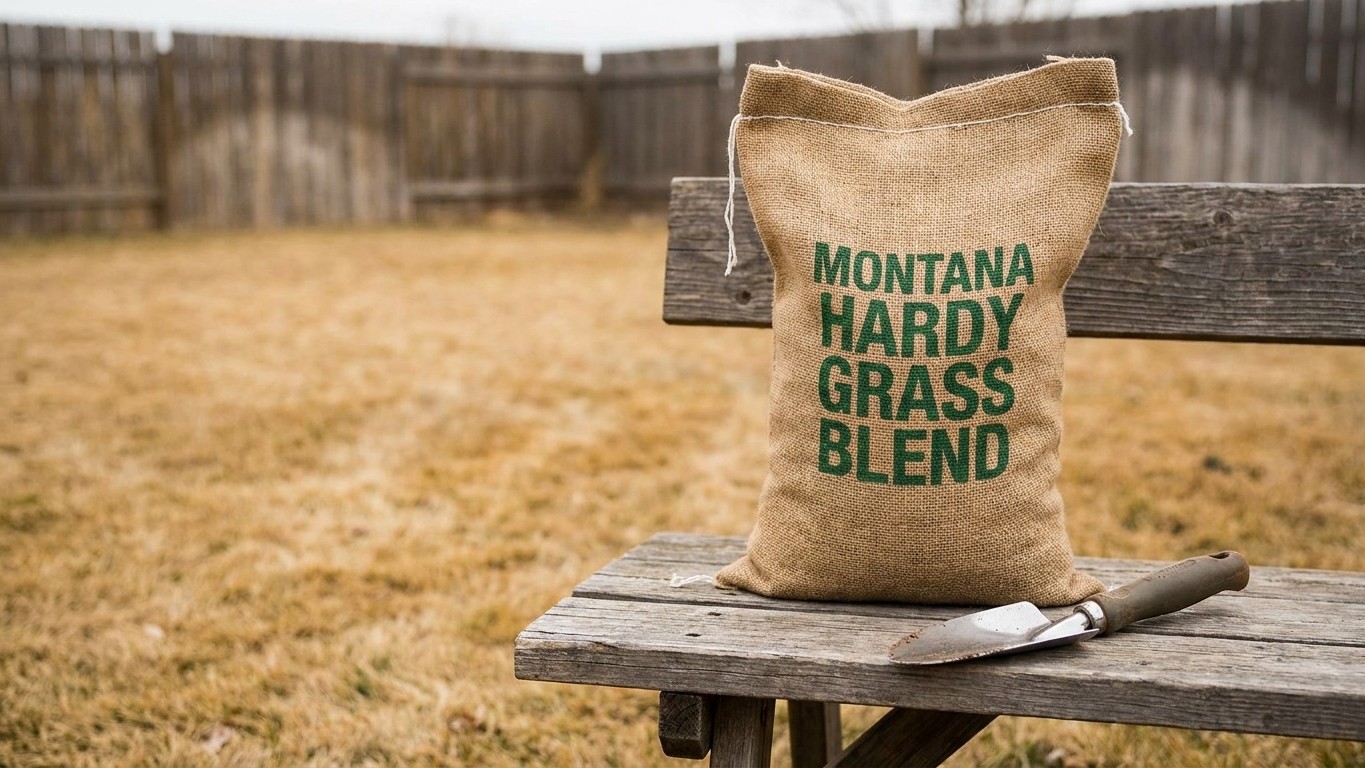
Montana’s mix of cool-season and warm-season options means no single grass wins statewide, so this breaks down what each choice trades off, season by season.
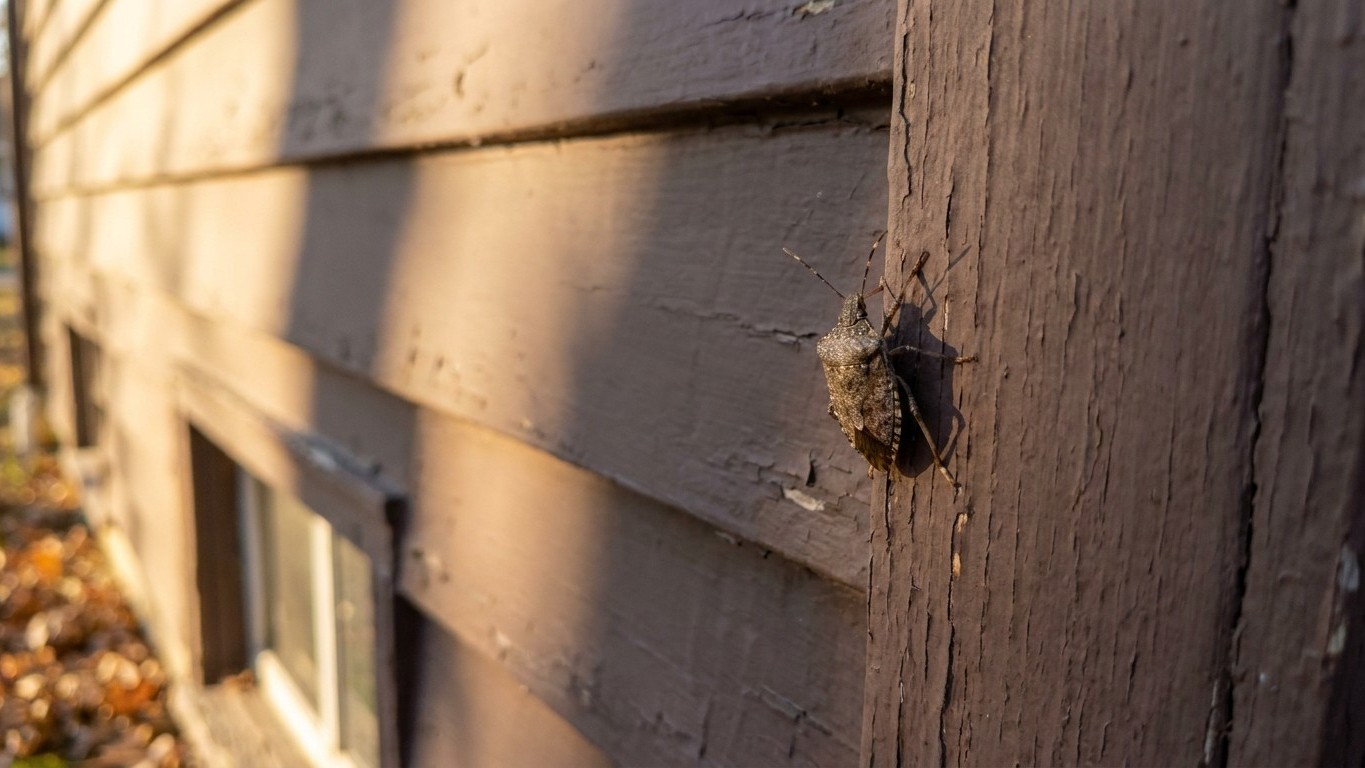
Brown marmorated stink bugs have been confirmed in Montana, but the state is nowhere near the infestation levels seen in Pennsylvania, Virginia, or Ohio.
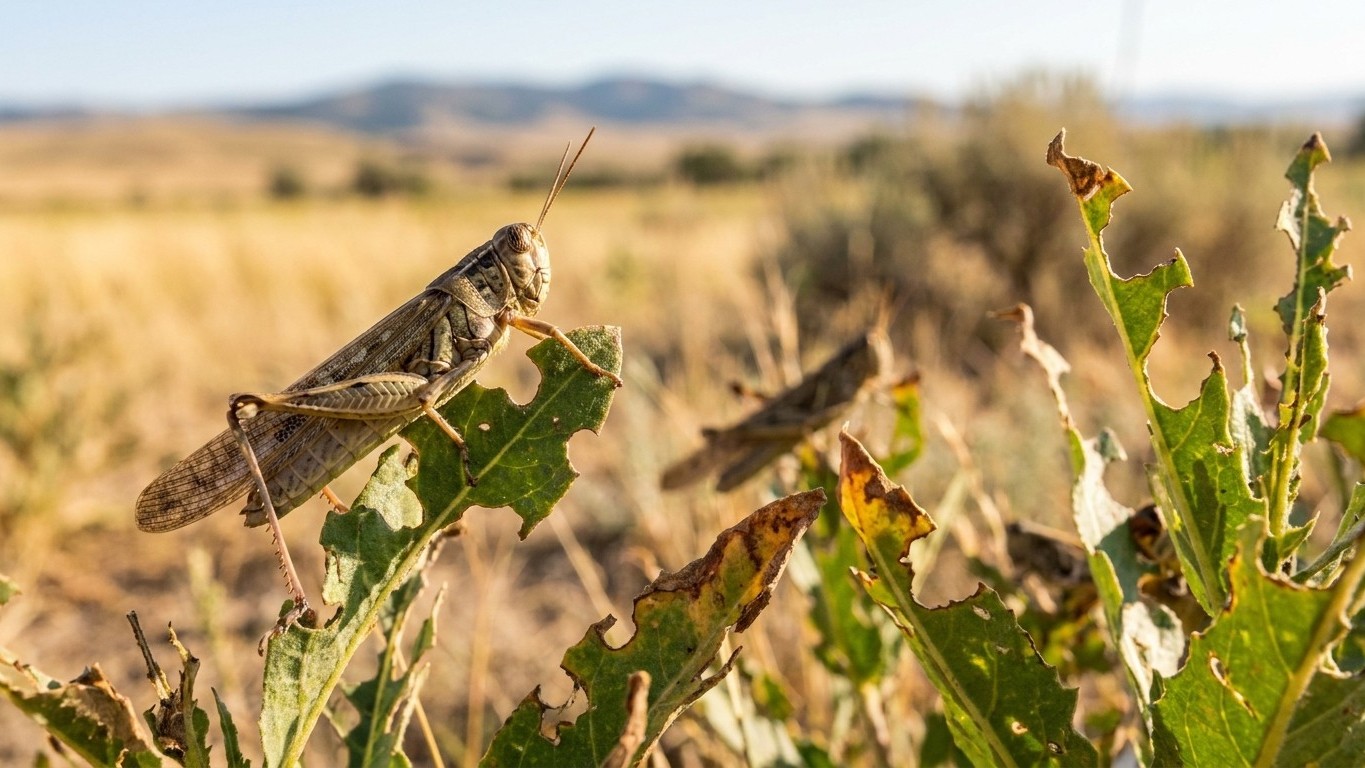
Grasshoppers become a real problem across Montana from late June through August, when nymphs finish molting into winged adults and start moving through…