Canning at Altitude in Montana: What Your Elevation Changes
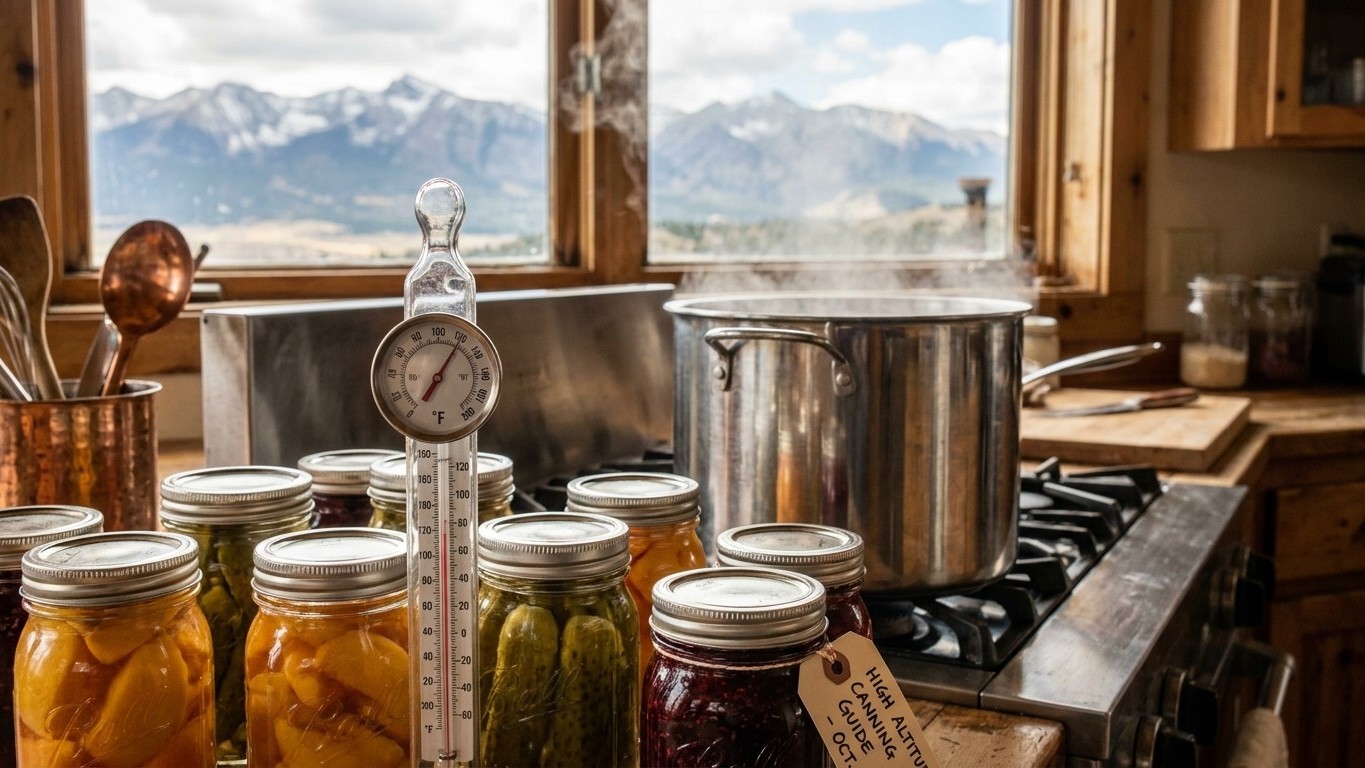
Billings sits at 3,123 feet, where water boils between 204°F and 208°F instead of the 212°F you’d get at sea level. That’s not a rounding error.
Home & garden, state by state
Everything we have worked out for Montana: what to plant and when, which varieties finish in time, the pests that actually turn up here, and the jobs that pay off month by month. We also cover the rest of the property, from lawns and soil to home care and energy, because a garden rarely stops at the vegetable bed.
The numbers first, because everything else follows from them. Measured at the weather station in Billings, the last spring freeze runs April 29 to May 10 and the first fall freeze runs October 1 to October 14, USDA zones 3a-6a, 2,855 growing degree days in the year.
Garlic does well: 30.4 weeks below 40 °F, comfortably past the six it needs to form a proper head.
Elsewhere on the property in Montana: the pests that turn up here.
Figures from NOAA's 1991-2020 climate normals. A state is not one climate: elevation, a large lake or the coast can move these dates by two weeks either way, so check your own county with the extension service before you spend money.
Billings sits at 3,123 feet, where water boils between 204°F and 208°F instead of the 212°F you’d get at sea level. That’s not a rounding error.
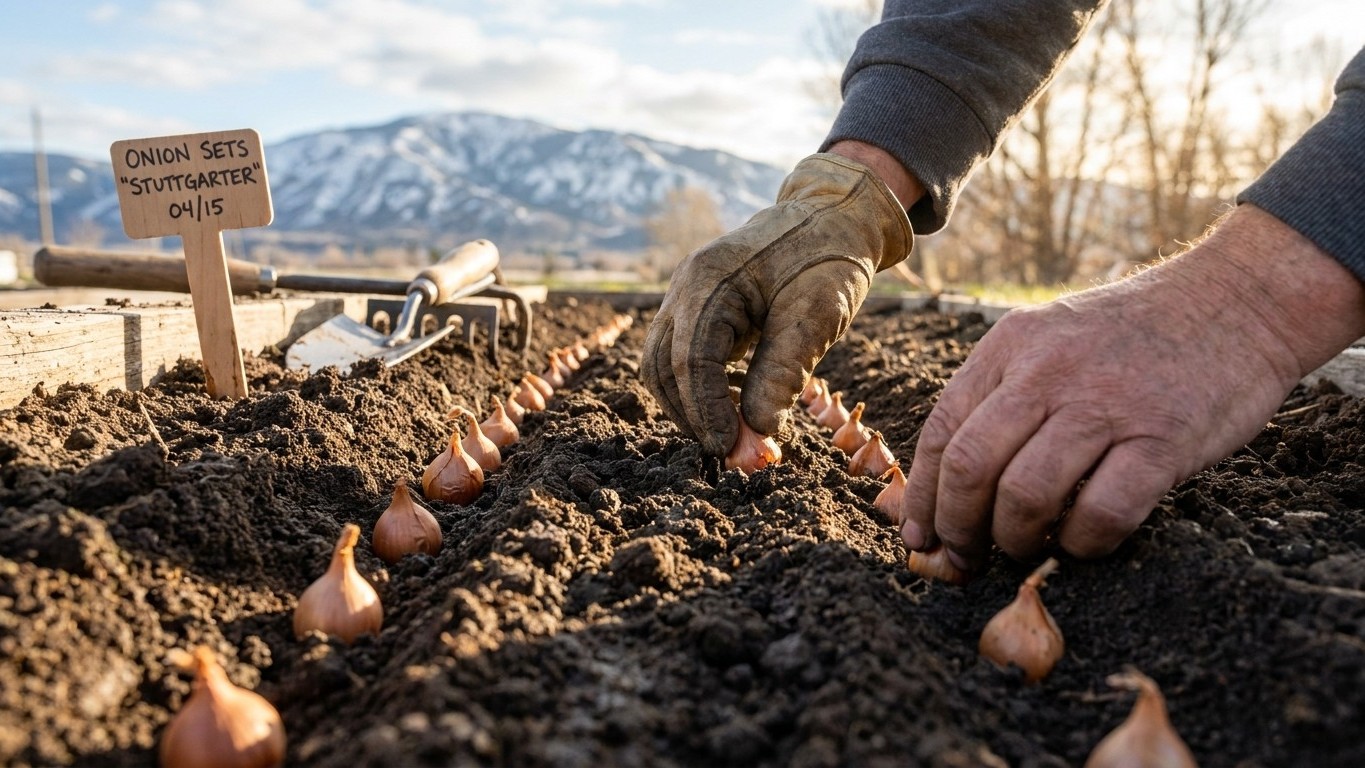
Montana sits at 45.81 degrees north latitude at the reference station in Billings, where the longest day of the year delivers 15 hours and 32 minutes of…
Montana sits at 45.81 degrees north, the latitude of Billings, and on the longest day of the year that spot on the map gets 15 hours and 32 minutes of…
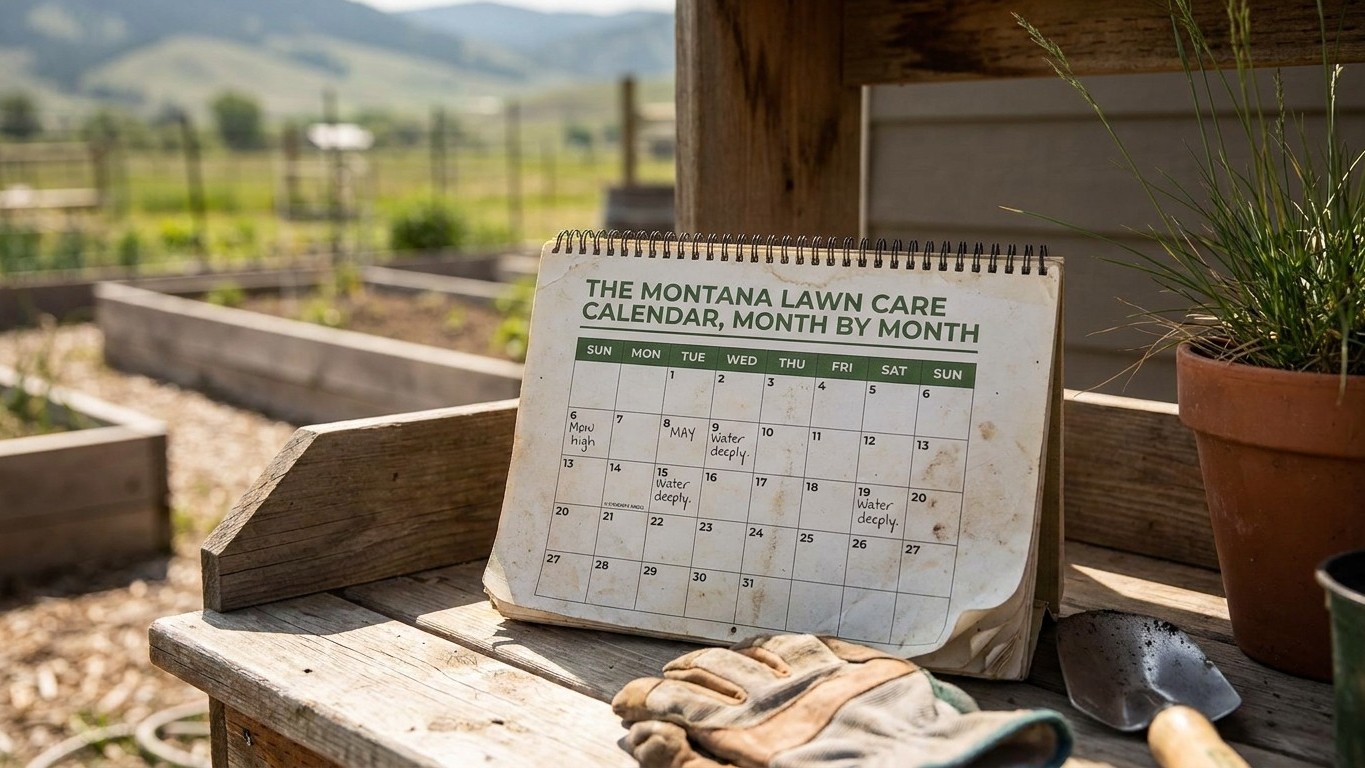
A month-by-month guide to feeding, mowing, and seeding a Montana lawn, built around Billings’ NOAA frost data and the Clemson maintenance calendars.
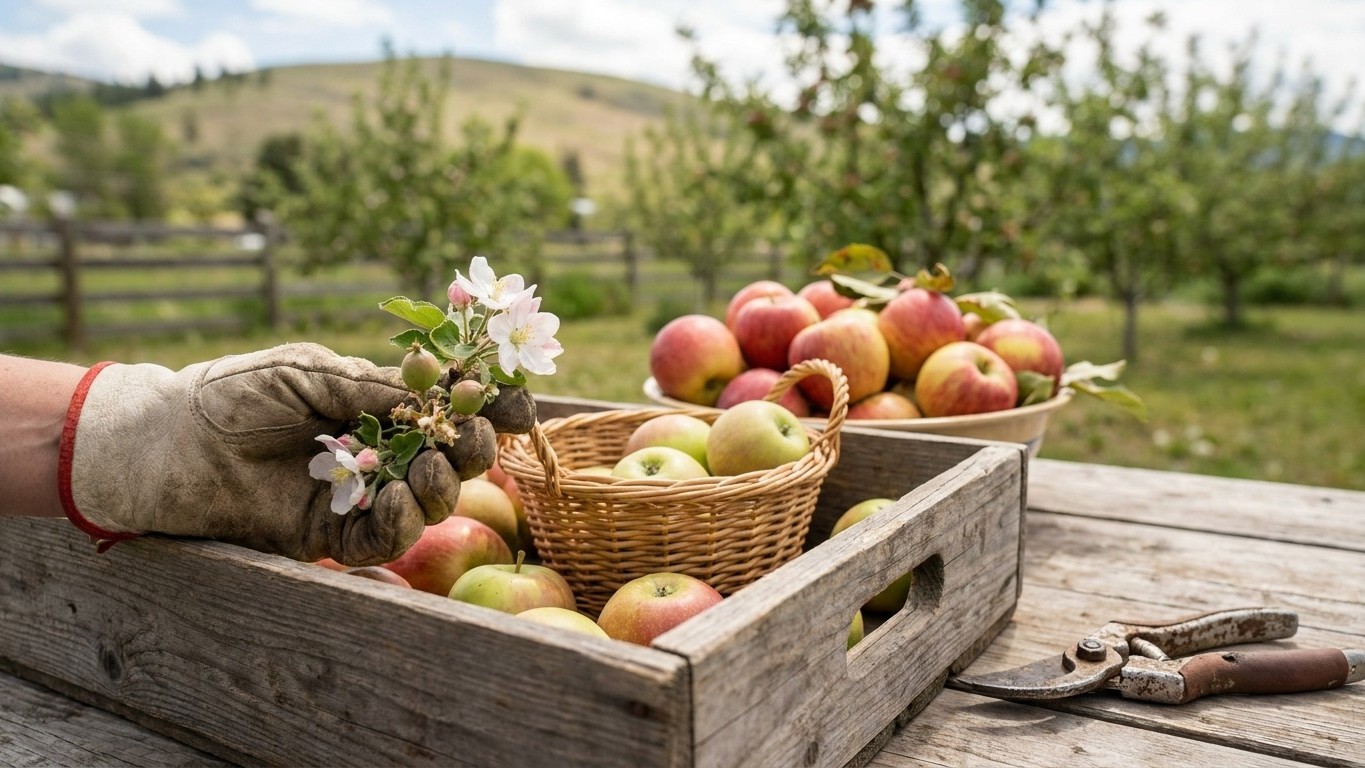
Montana’s apple stages are timed against NOAA’s Billings frost dates, not the calendar, with each stage carrying its own frost tolerance and task.
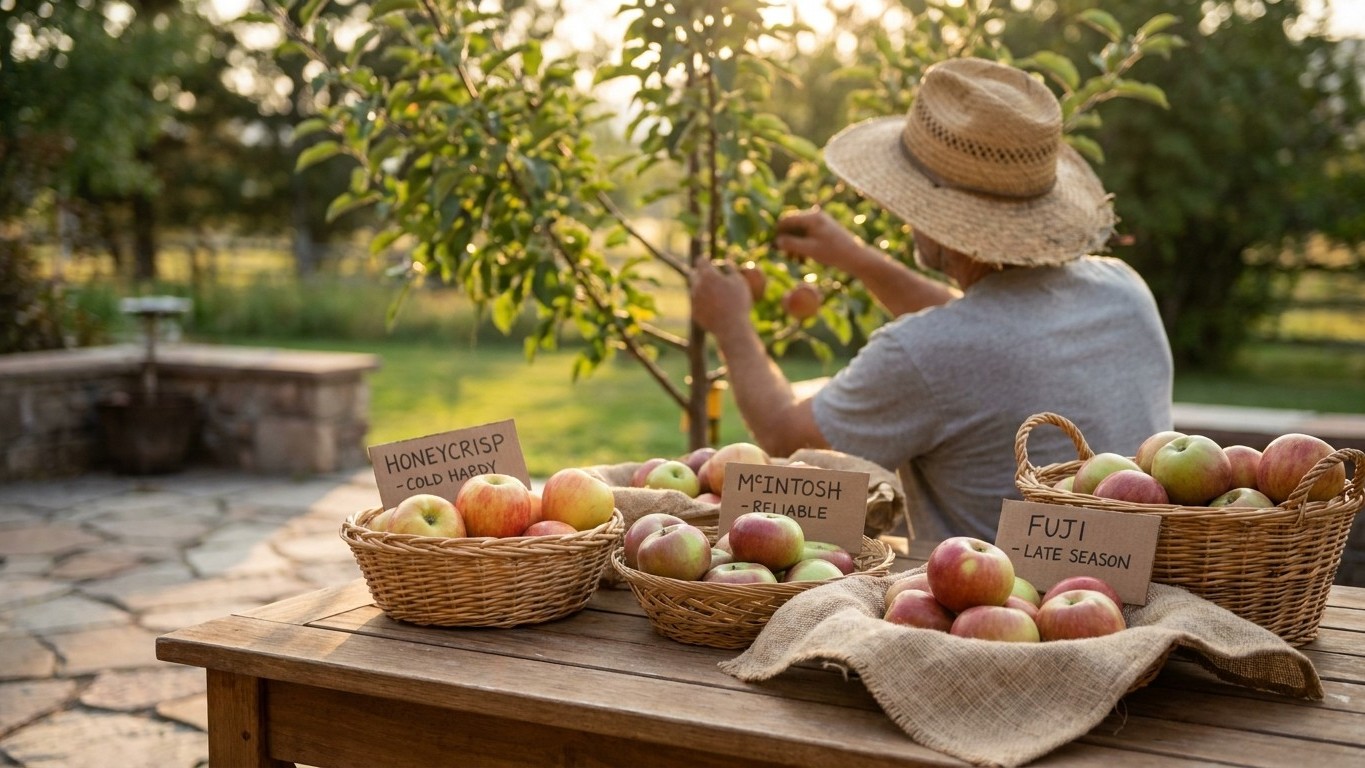
Montana’s harsh winters and short frost-free window narrow the realistic apple choices to hardiness-first picks, checked against NOAA and Montana State University Extension data.
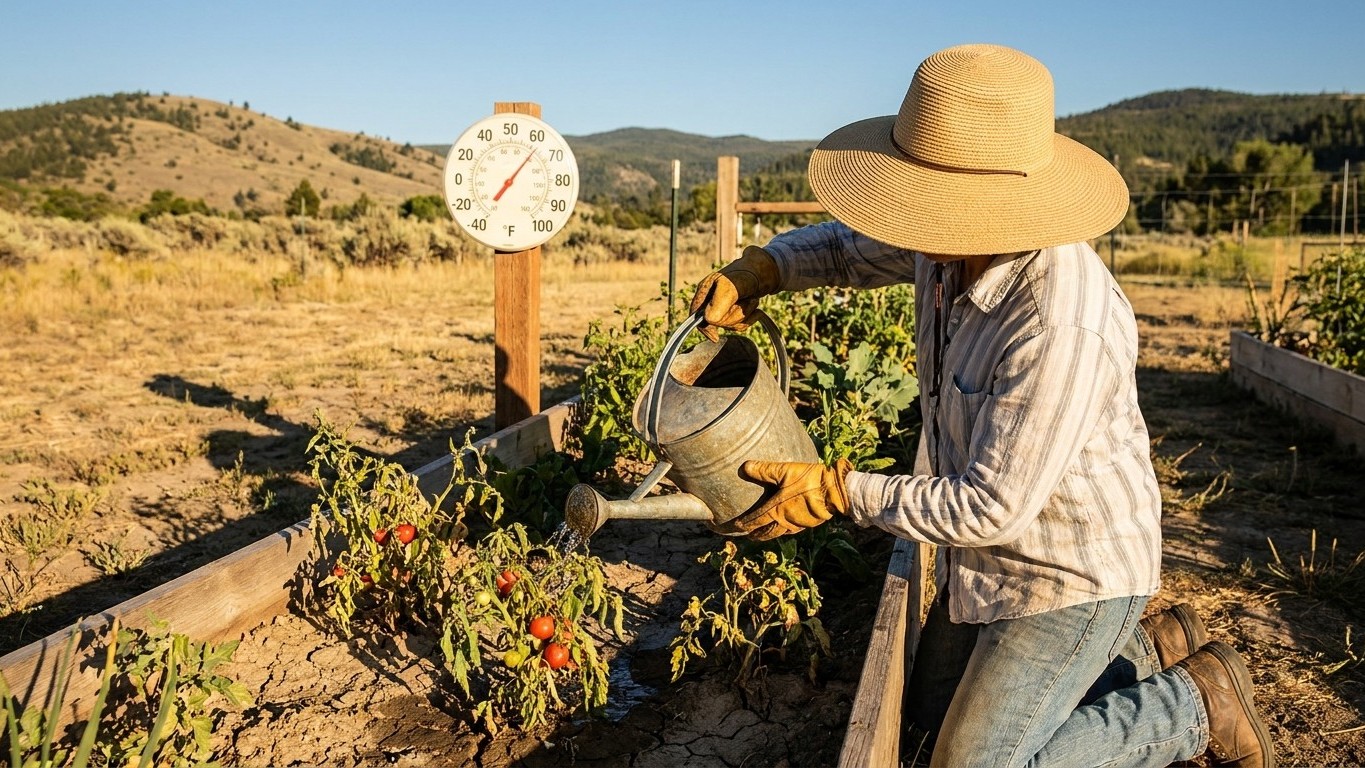
Montana gardens live and die on two numbers: how many days climb past 90F each summer, and how far apart the rain actually falls.
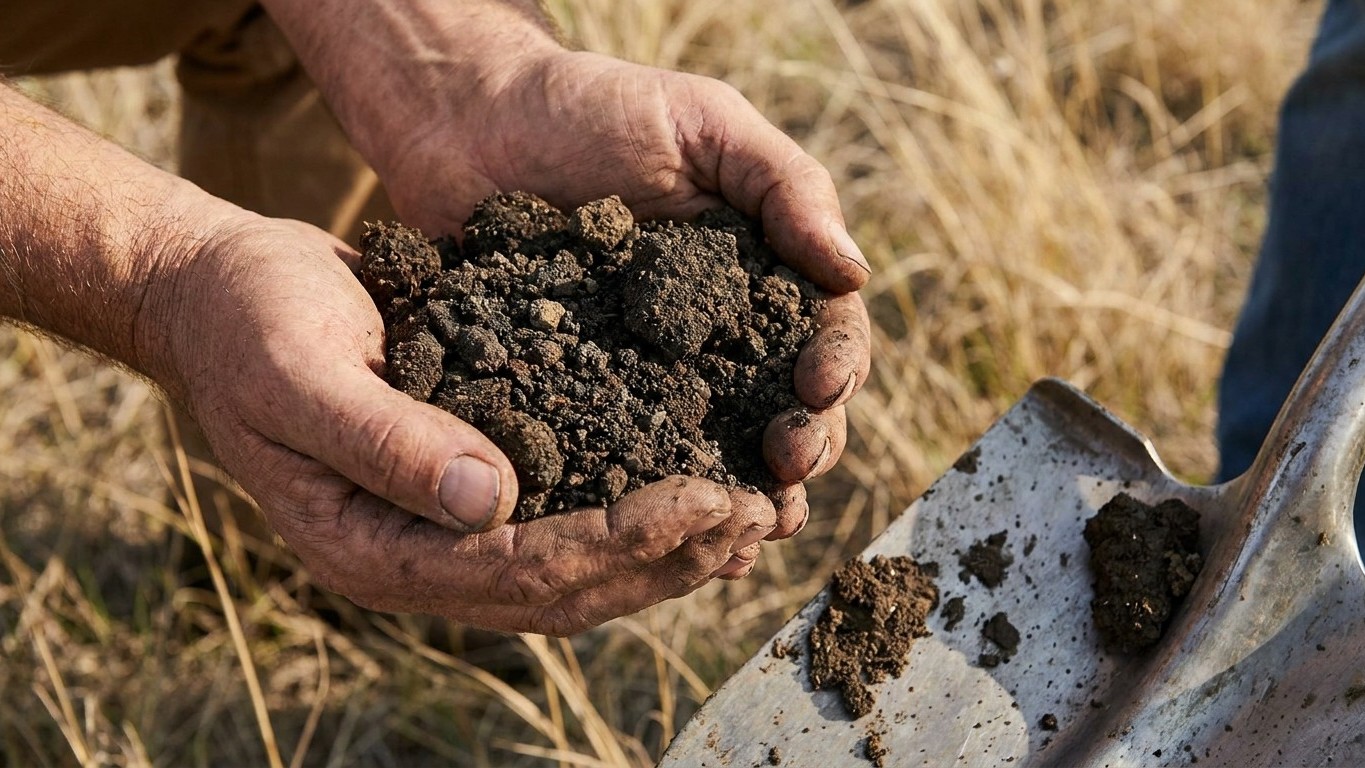
Dig a shovel into most of Montana’s dryland prairie and you’ll hit dark, crumbly ground that holds together in a ball but doesn’t turn to concrete.
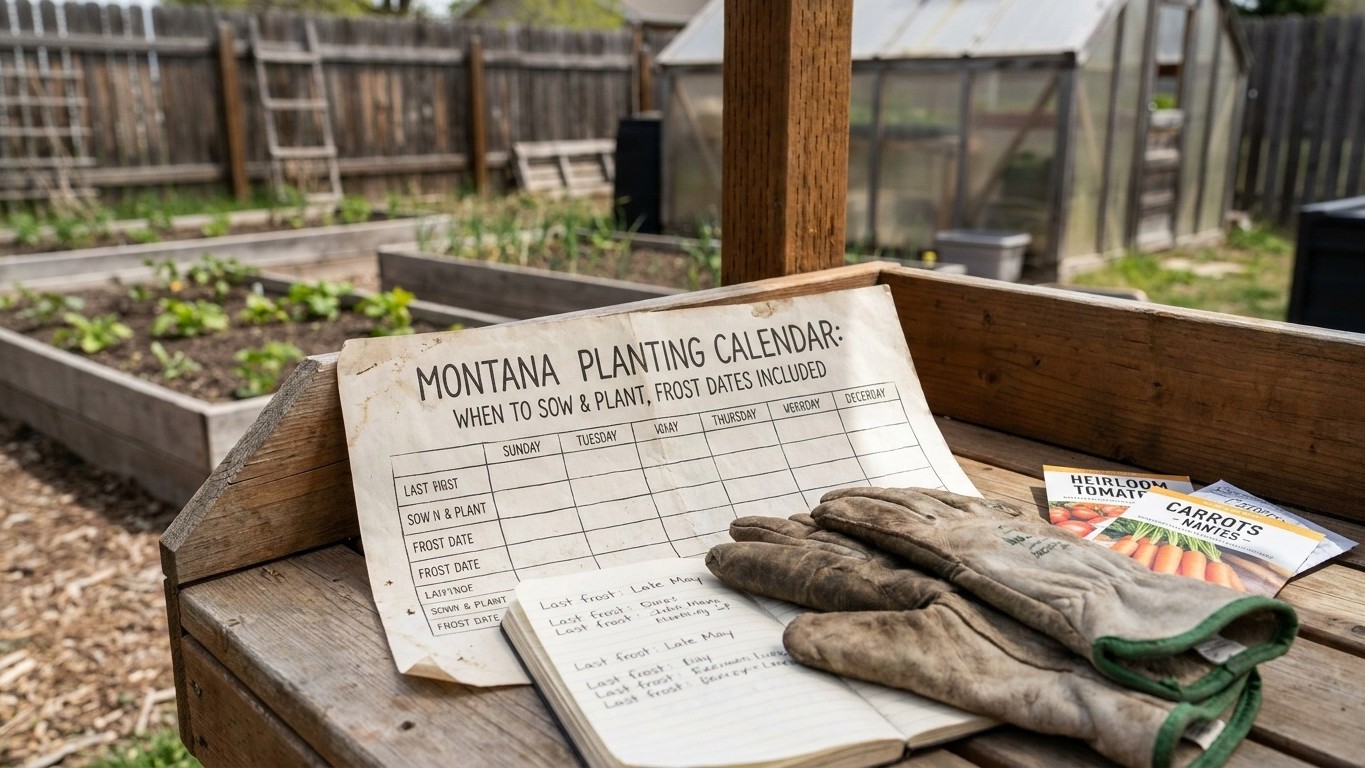
Montana’s last spring frost falls April 29 to May 10 near Billings, and first fall frost falls October 1 to 14, according to NOAA’s climate normals.
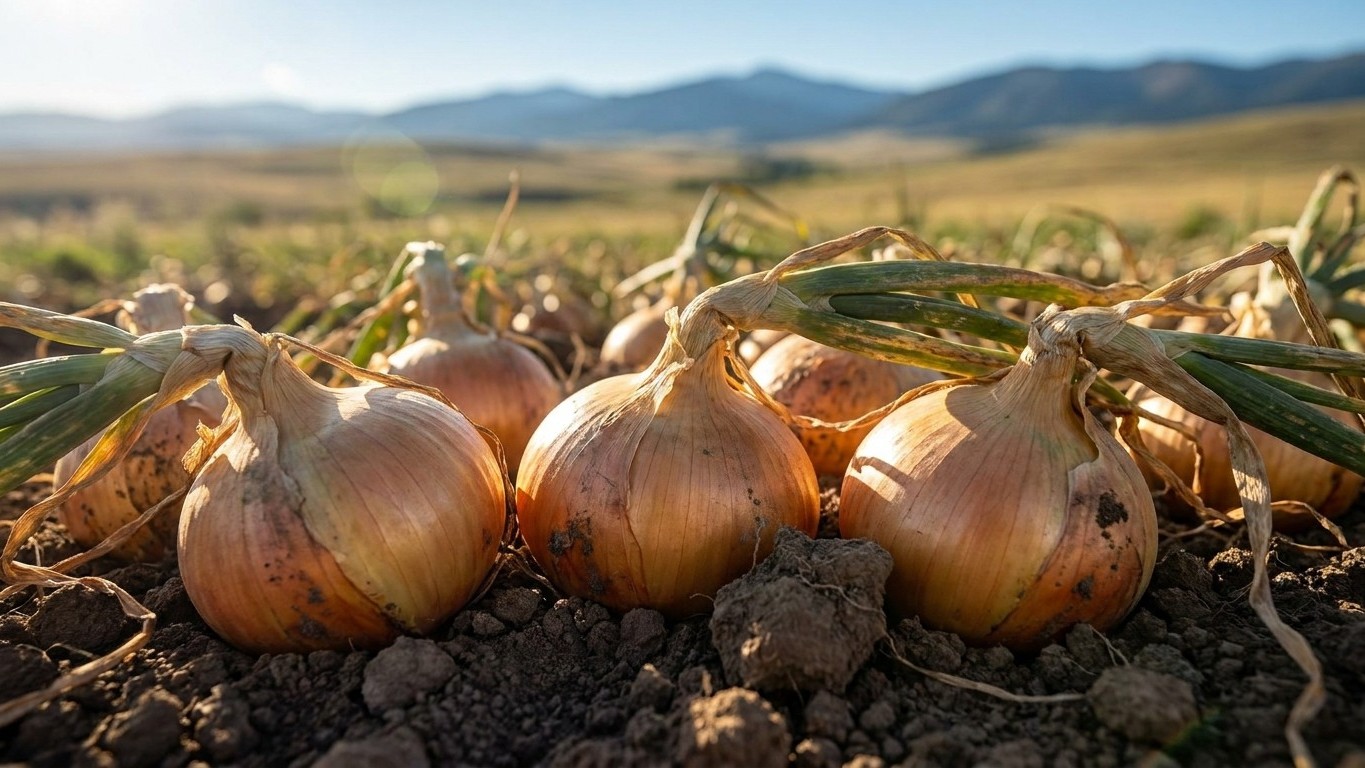
The reference point for Montana growing conditions is Billings, sitting at 45.81 degrees north latitude with 15 hours and 32 minutes of daylight on the…