When to Aerate a Lawn in Montana
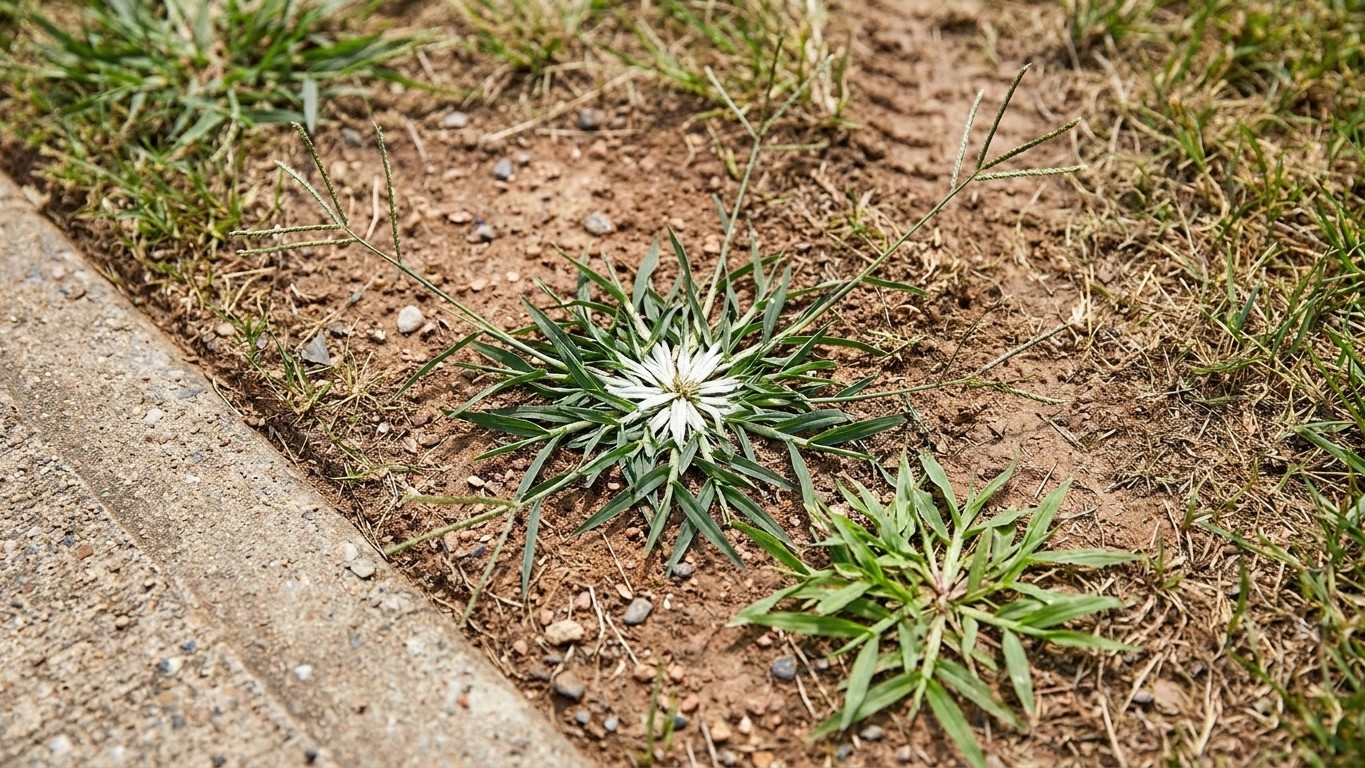
In Montana, aerate a cool-season lawn in fall while the grass is still growing, and finish before the first fall frost window.
Home & garden, state by state
Everything we have worked out for Montana: what to plant and when, which varieties finish in time, the pests that actually turn up here, and the jobs that pay off month by month. We also cover the rest of the property, from lawns and soil to home care and energy, because a garden rarely stops at the vegetable bed.
The numbers first, because everything else follows from them. Measured at the weather station in Billings, the last spring freeze runs April 29 to May 10 and the first fall freeze runs October 1 to October 14, USDA zones 3a-6a, 2,855 growing degree days in the year.
Garlic does well: 30.4 weeks below 40 °F, comfortably past the six it needs to form a proper head.
Elsewhere on the property in Montana: the pests that turn up here.
Figures from NOAA's 1991-2020 climate normals. A state is not one climate: elevation, a large lake or the coast can move these dates by two weeks either way, so check your own county with the extension service before you spend money.
In Montana, aerate a cool-season lawn in fall while the grass is still growing, and finish before the first fall frost window.
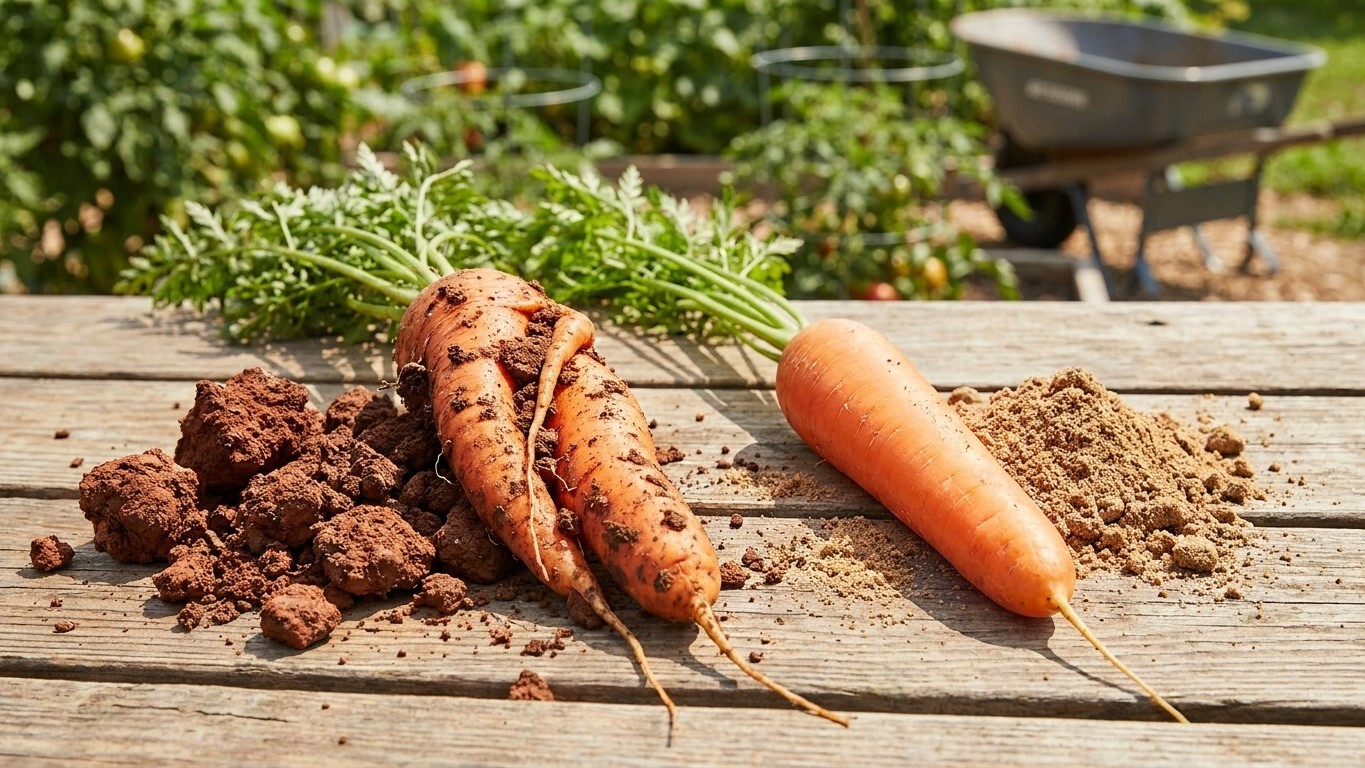
Start checking carrots about 65 to 75 days after planting, the window Clemson Cooperative Extension gives, and keep counting toward 70 to 100 days from…
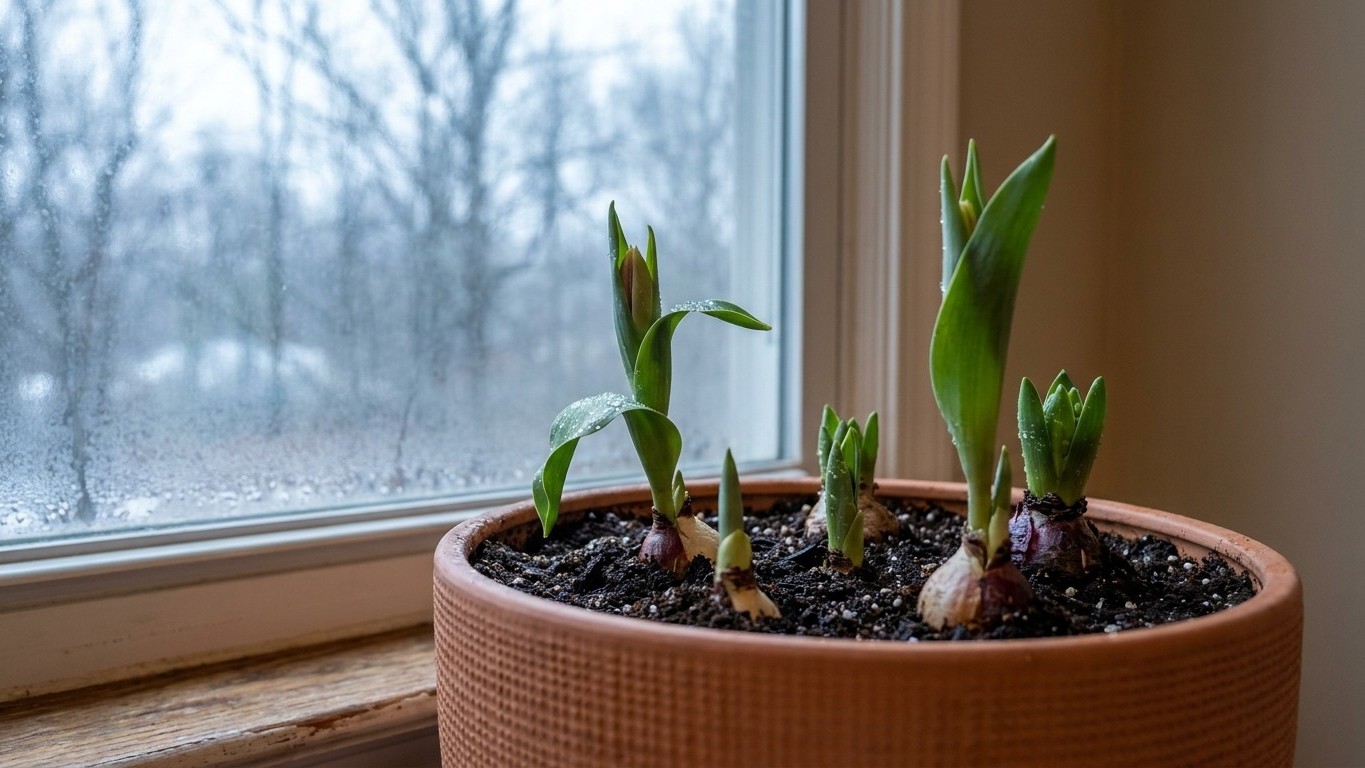
Dig dahlias, cannas and gladiolus in Montana once a frost has blackened the foliage, and get them out within a week or two.
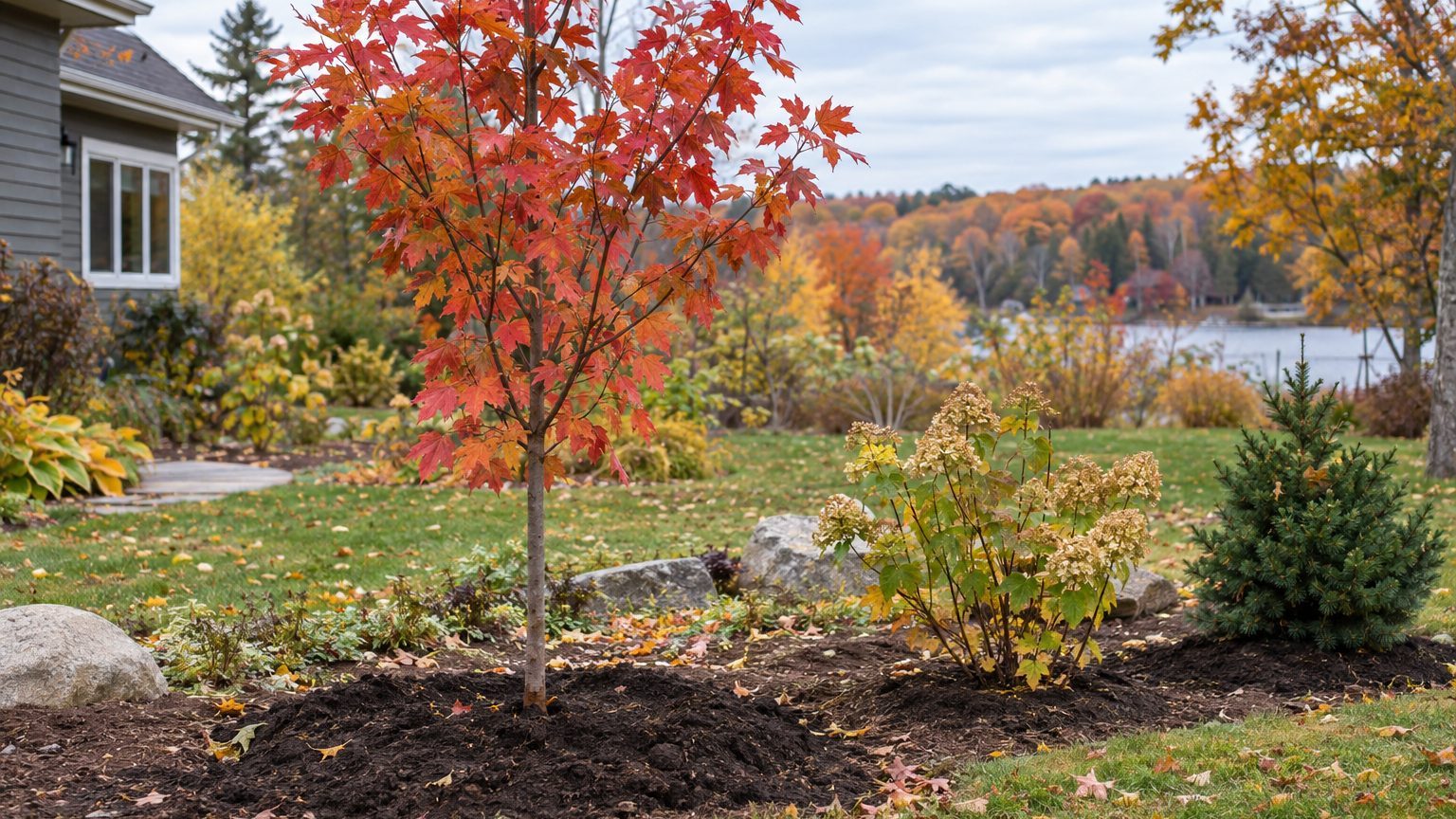
The safe target is to have trees and shrubs in the ground six weeks before the first fall frost.
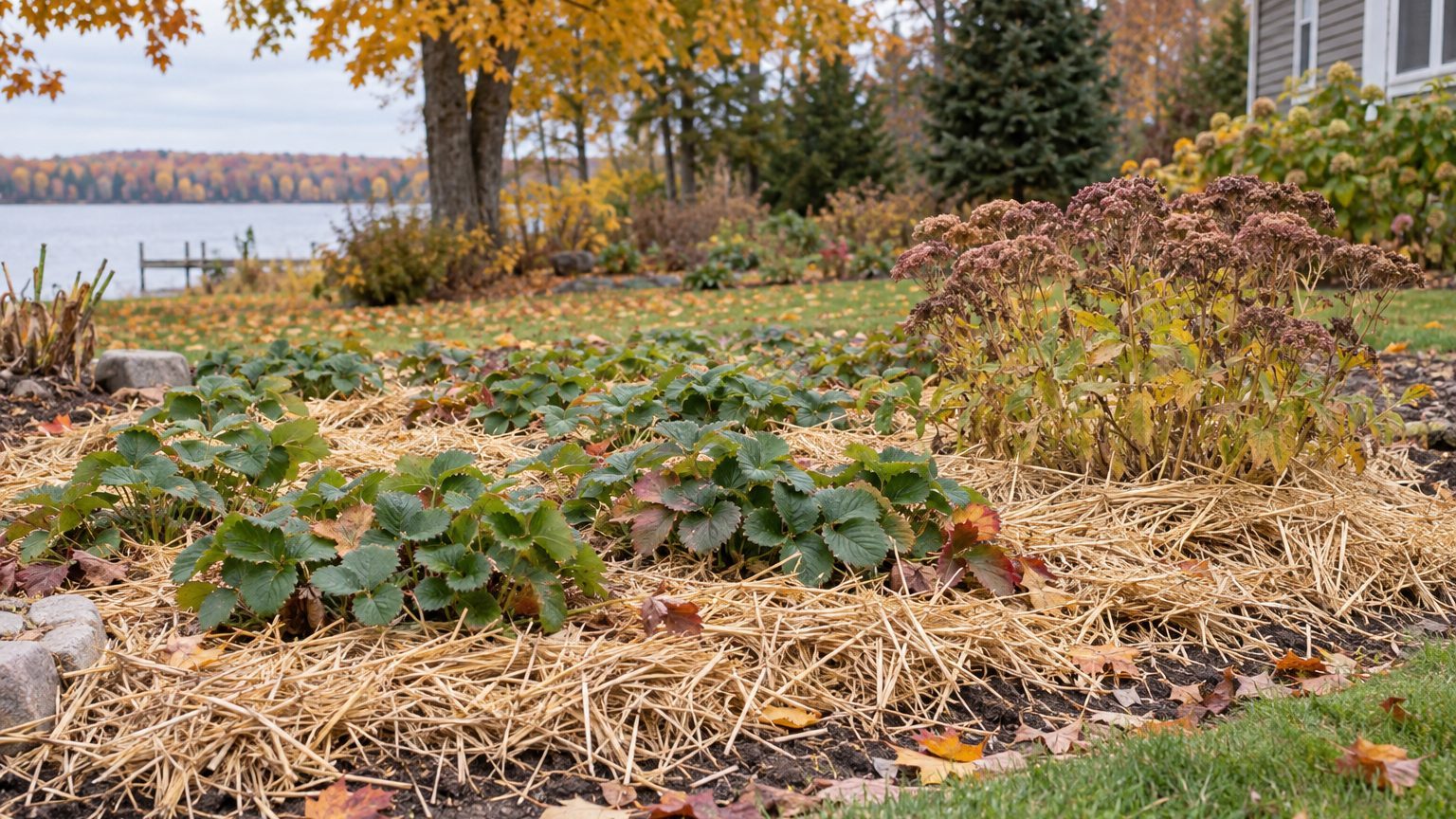
At Billings, strawberries and borderline perennials get their winter mulch after the ground starts to freeze.
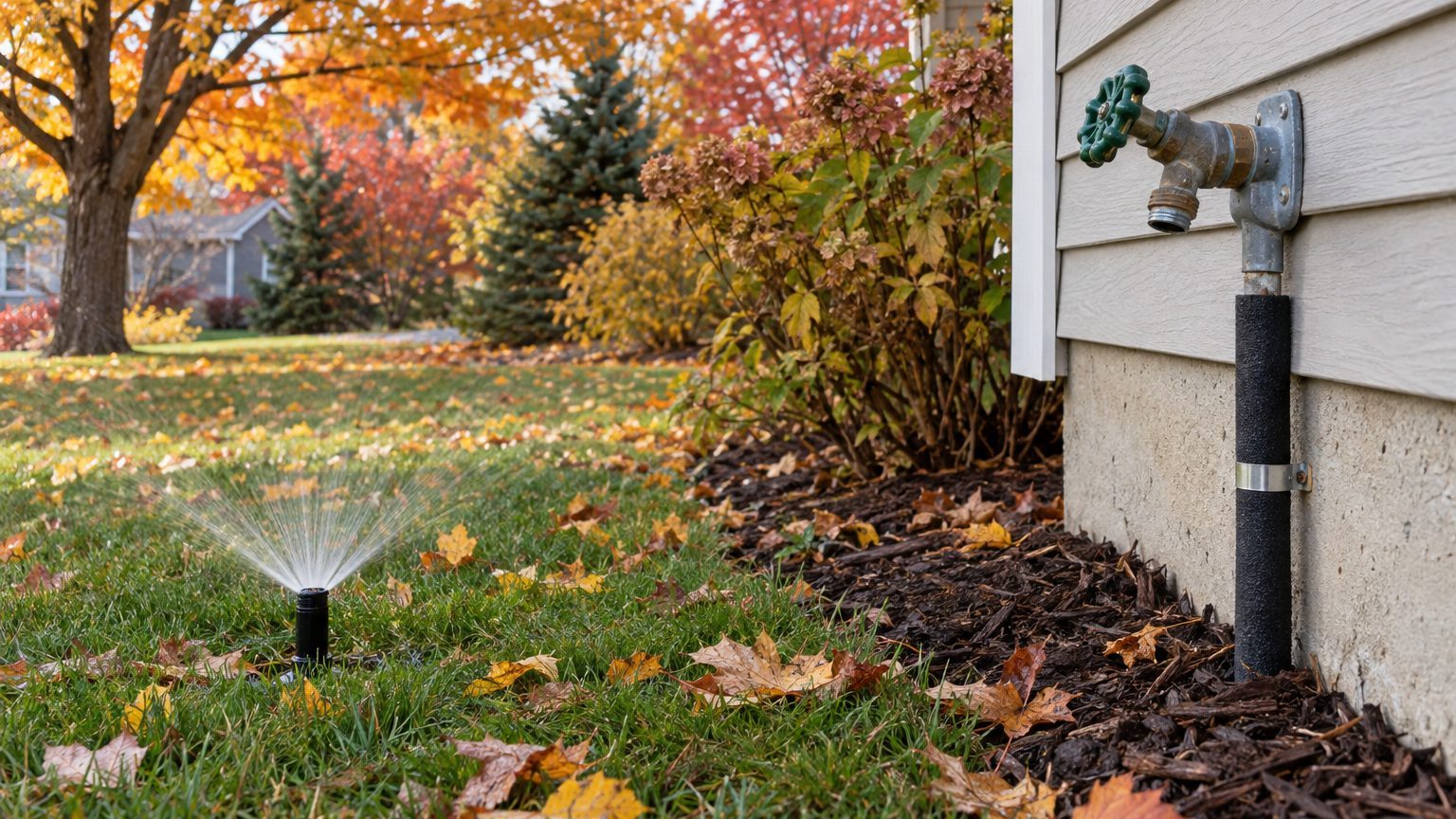
Montana’s cold arrives on a timetable set by elevation, not the calendar. Billings, one of the milder valleys, sees its first fall freeze in early to mid…
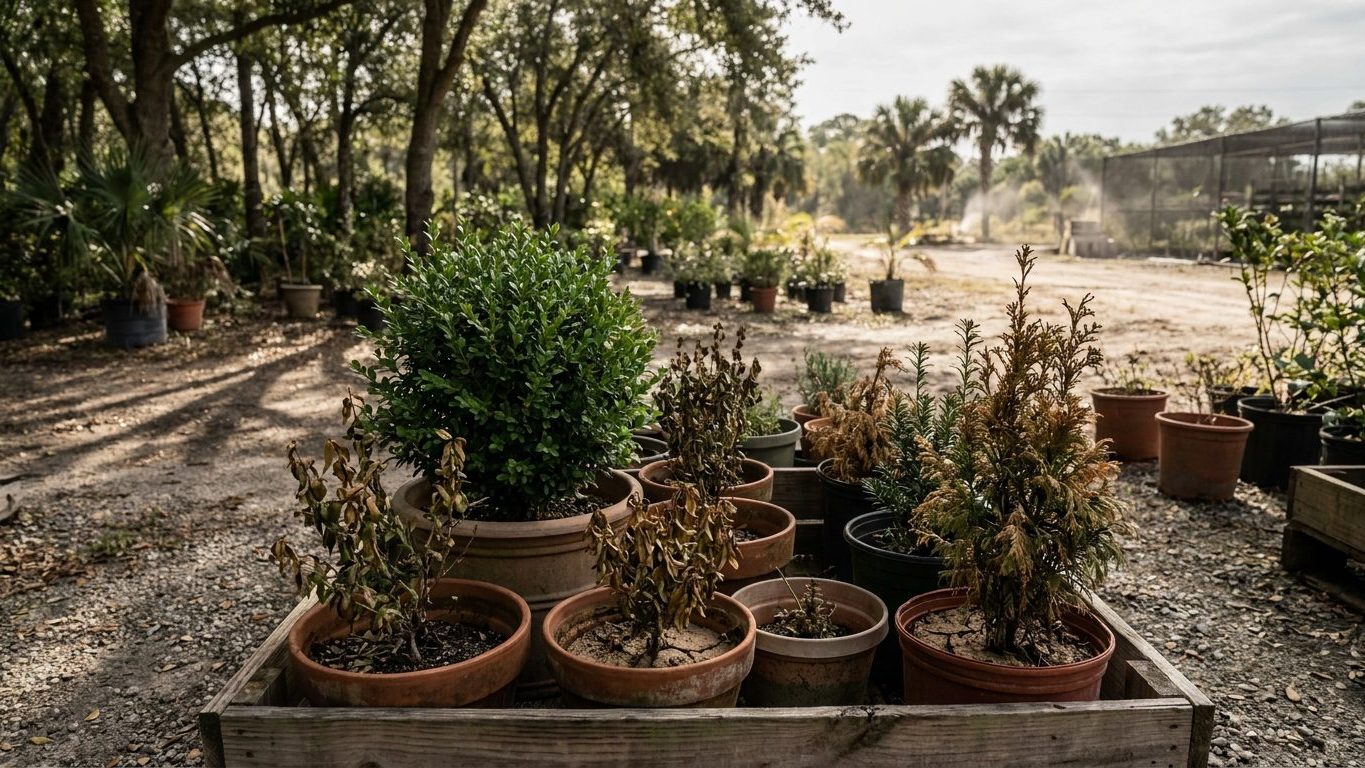
Montana’s hedge palette is narrower than most nursery catalogs suggest. Of the twelve hedge species tracked here, six hold across the state’s full USDA…
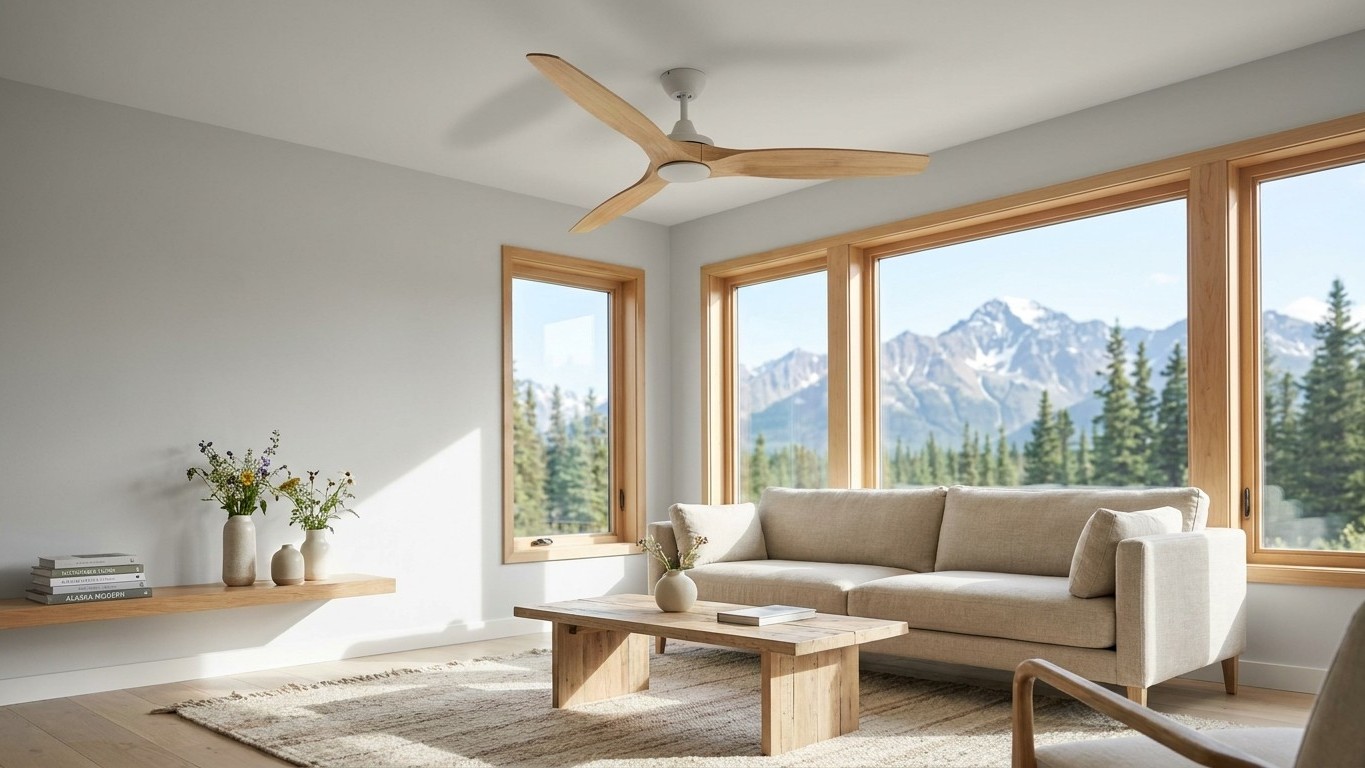
Montana homes split their cooling into three groups: about two in three have some form of air conditioning at all, and among those, a central system…
Montana’s design snow load, wind speed and ice-barrier rules come from Billings-area data, but adoption of the state residential code is decided locally, county by county.
Two insects on Montana State University Extension’s documented list actually feed on potato plants: grasshoppers and thrips.