How High Can a Hedge Be in Montana? What the Law Actually Says
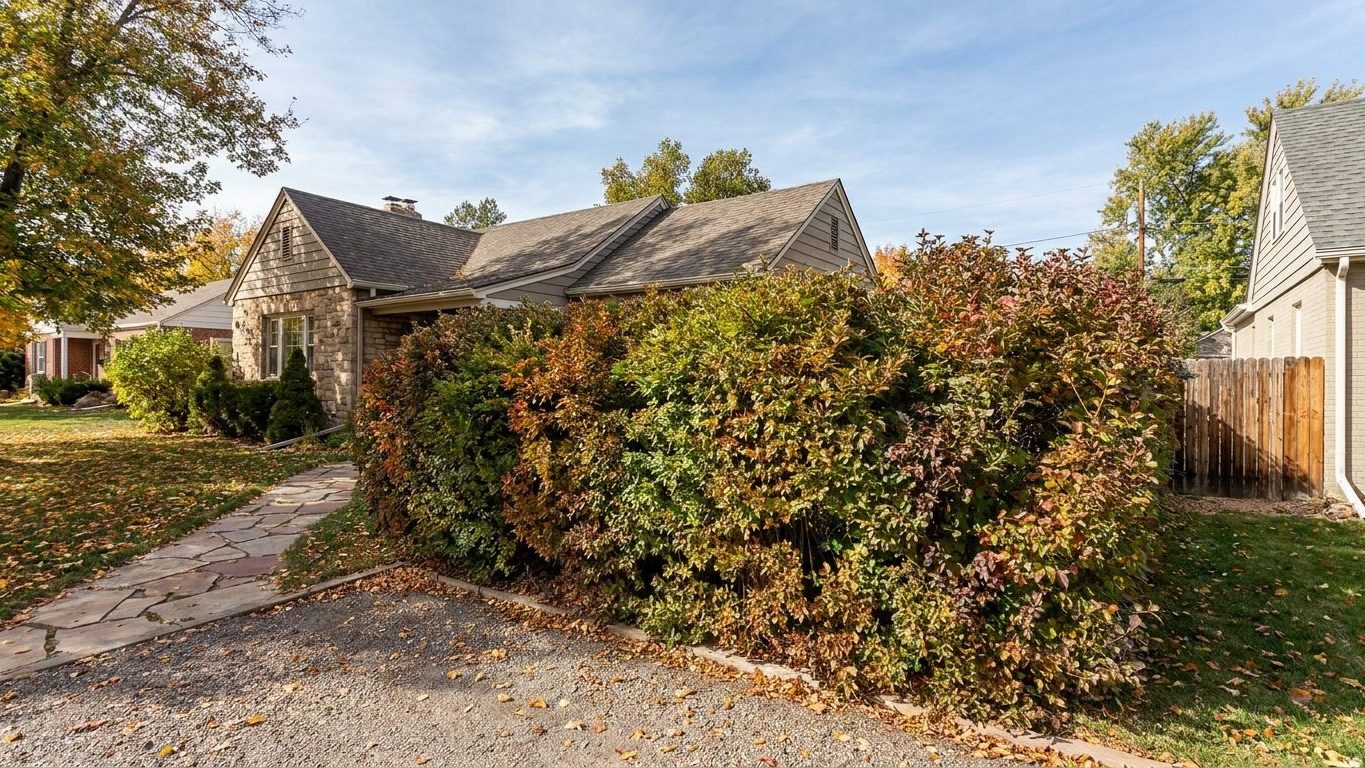
Montana has no statewide limit on how tall a hedge can grow. There is no single number, and a website that quotes one for the whole state is guessing.
Home & garden, state by state
Everything we have worked out for Montana: what to plant and when, which varieties finish in time, the pests that actually turn up here, and the jobs that pay off month by month. We also cover the rest of the property, from lawns and soil to home care and energy, because a garden rarely stops at the vegetable bed.
The numbers first, because everything else follows from them. Measured at the weather station in Billings, the last spring freeze runs April 29 to May 10 and the first fall freeze runs October 1 to October 14, USDA zones 3a-6a, 2,855 growing degree days in the year.
Garlic does well: 30.4 weeks below 40 °F, comfortably past the six it needs to form a proper head.
Elsewhere on the property in Montana: the pests that turn up here.
Figures from NOAA's 1991-2020 climate normals. A state is not one climate: elevation, a large lake or the coast can move these dates by two weeks either way, so check your own county with the extension service before you spend money.
Montana has no statewide limit on how tall a hedge can grow. There is no single number, and a website that quotes one for the whole state is guessing.
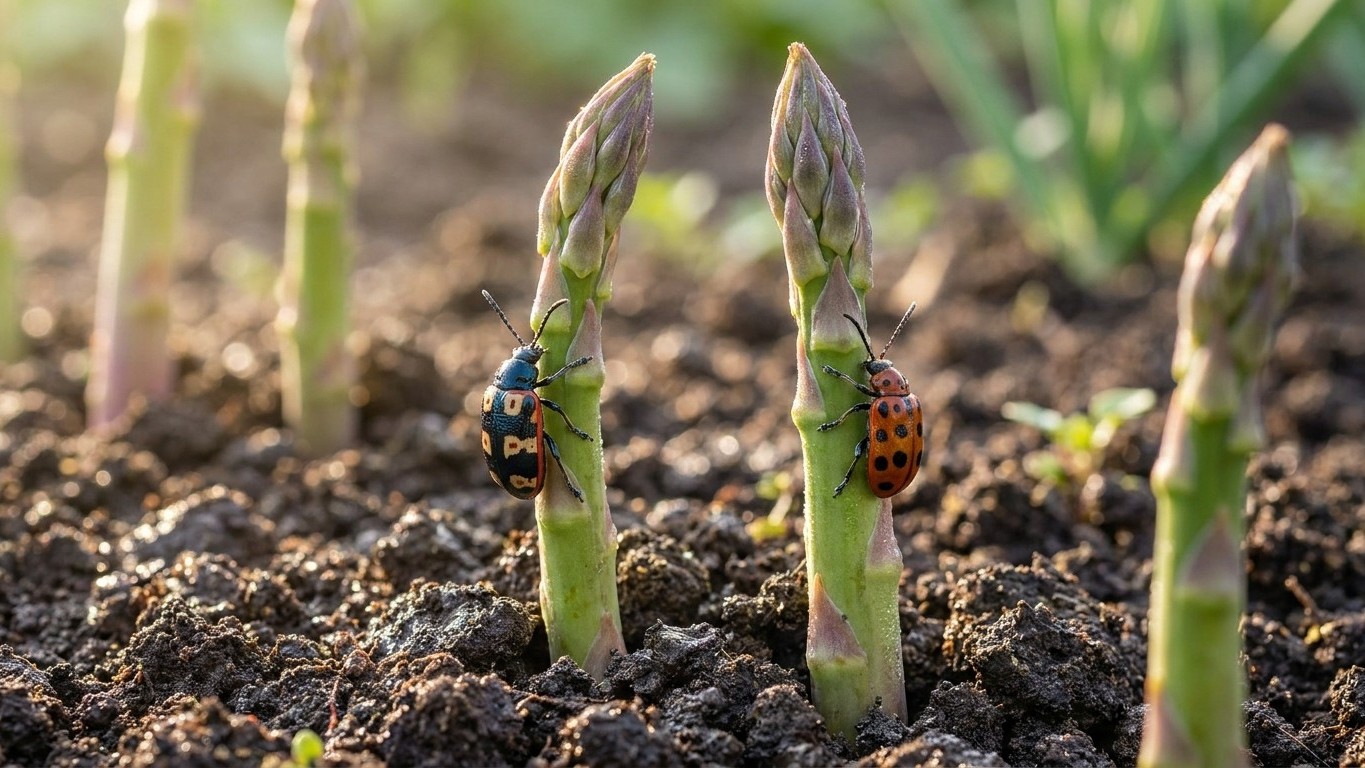
This page cannot give you a pest calendar, because the sources behind it do not publish one.
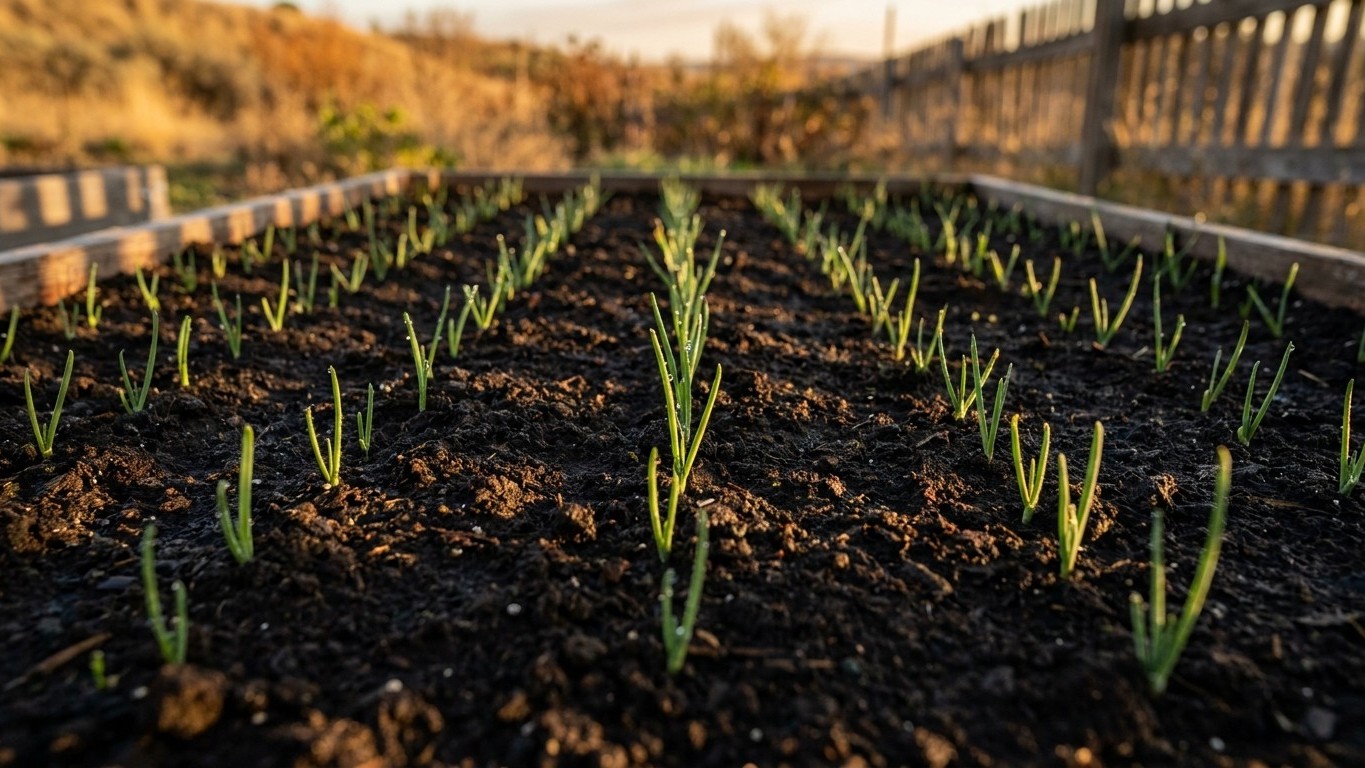
Voles and mice in the mulch. Wireworms and onion maggots in the soil. Thrips and wheat curl mites on the leaves, and grasshoppers in a dry July.
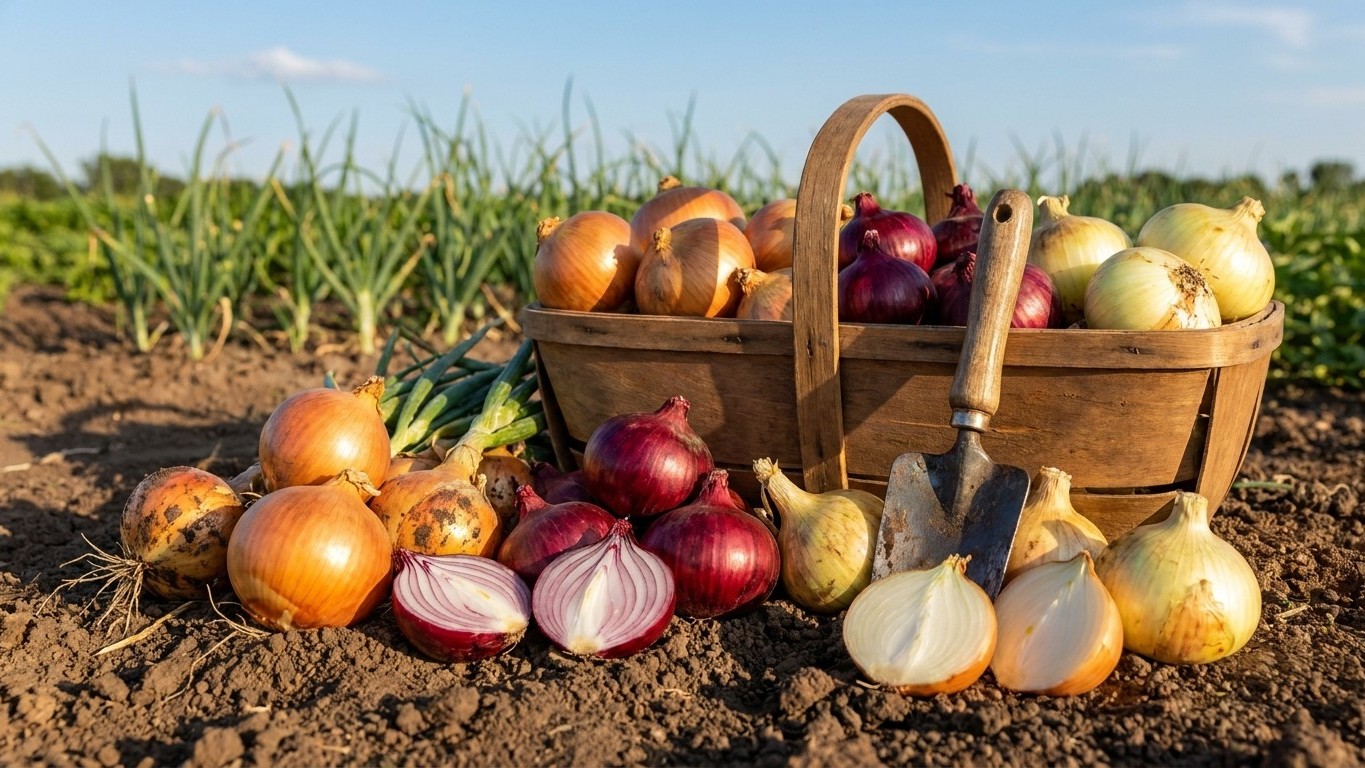
Lift Montana onions when the tops flop over and turn yellow, then cure them somewhere warm, dry and airy until the necks are tight and the skins papery.
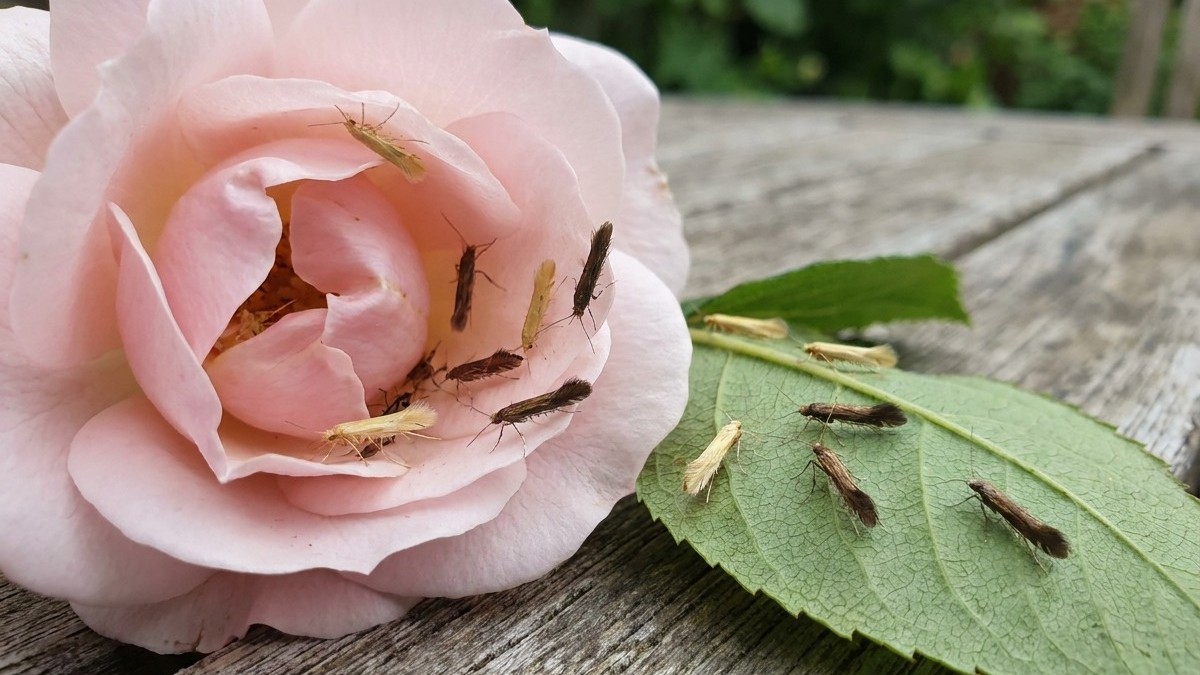
Plant potted roses after the last spring freeze window, which at Billings runs April 29 to May 10, and put bare-root plants in as soon as the soil can be…
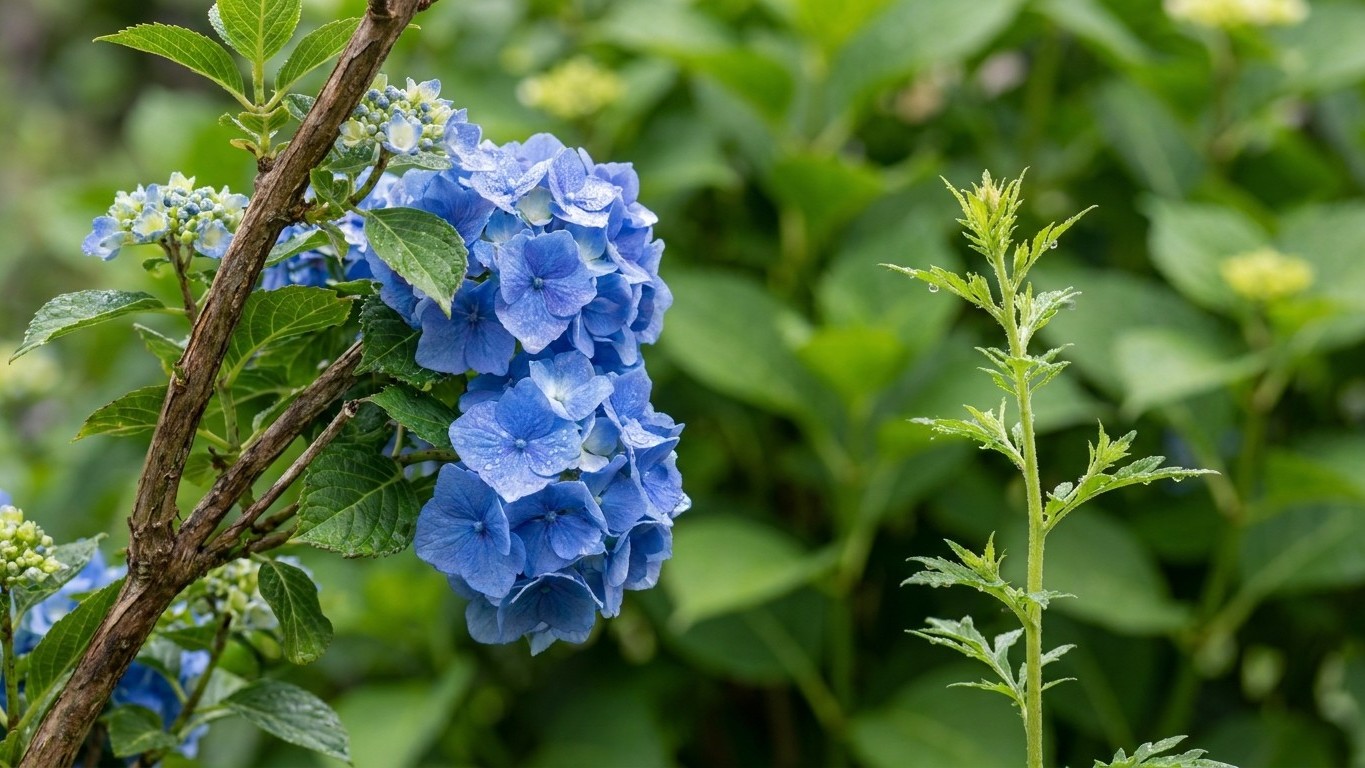
Hydrangeas can grow in Montana, but the species you pick matters more than anything else.
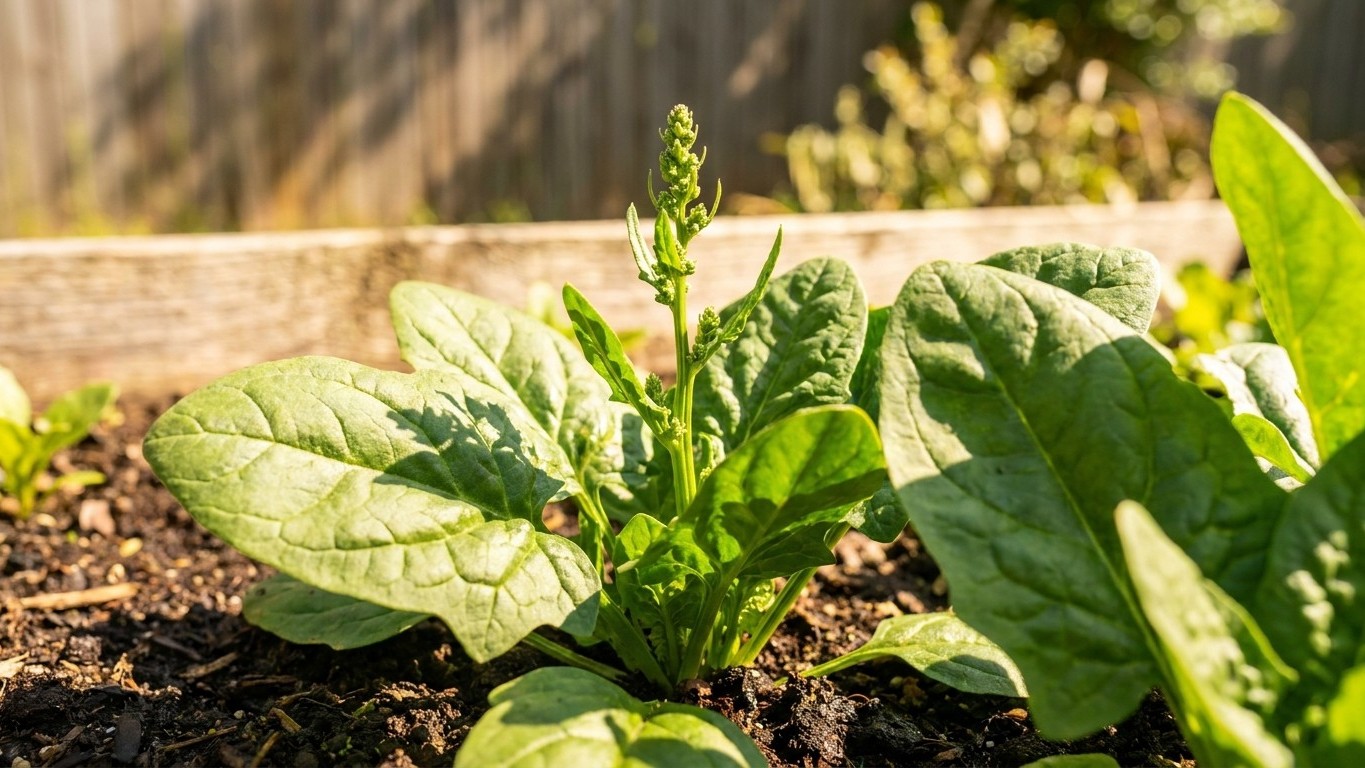
Cut Montana spinach in spring, before heat and the longest days push it to flower, and try a second crop in autumn if the soil cooperates.
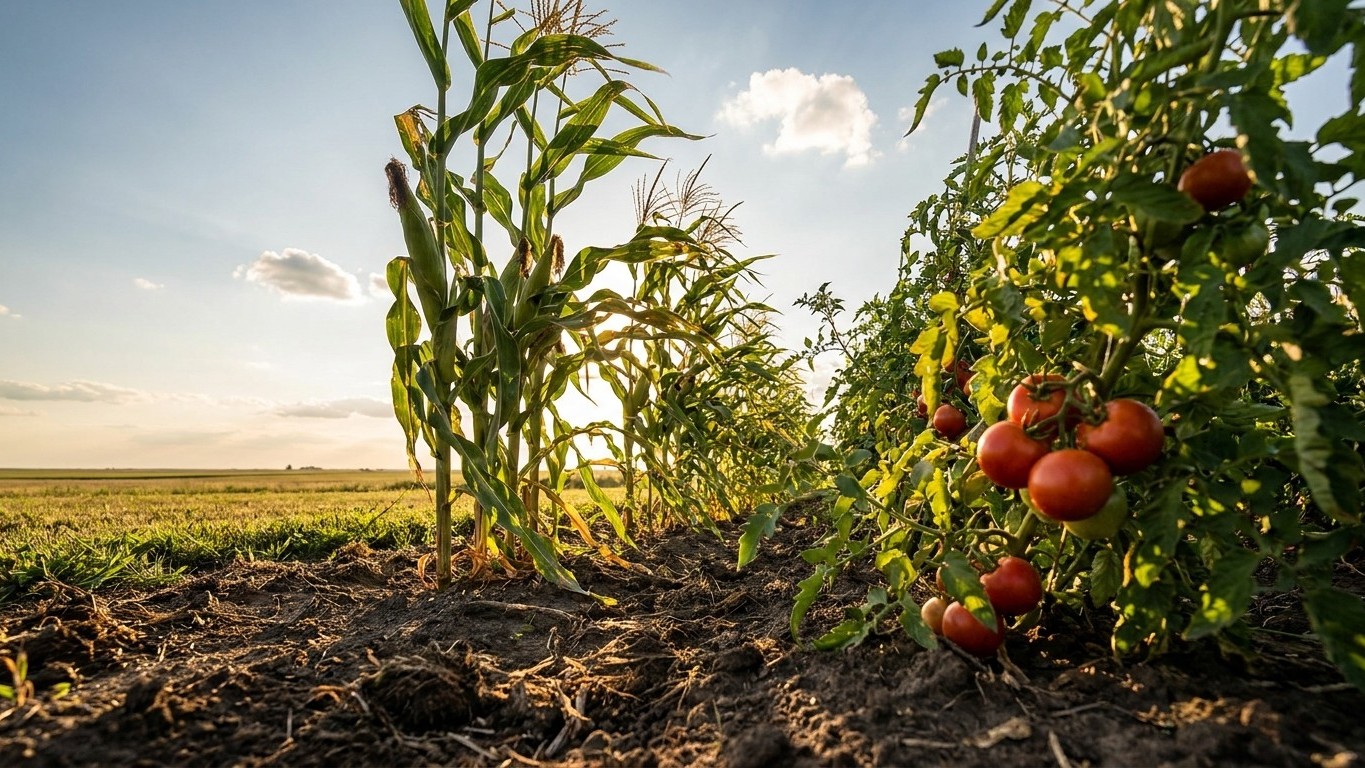
In Montana, sweet corn is ready 60 to 90 days after it goes into soil that has reached 60 F, and that soil arrives well after the last frost, not on it.
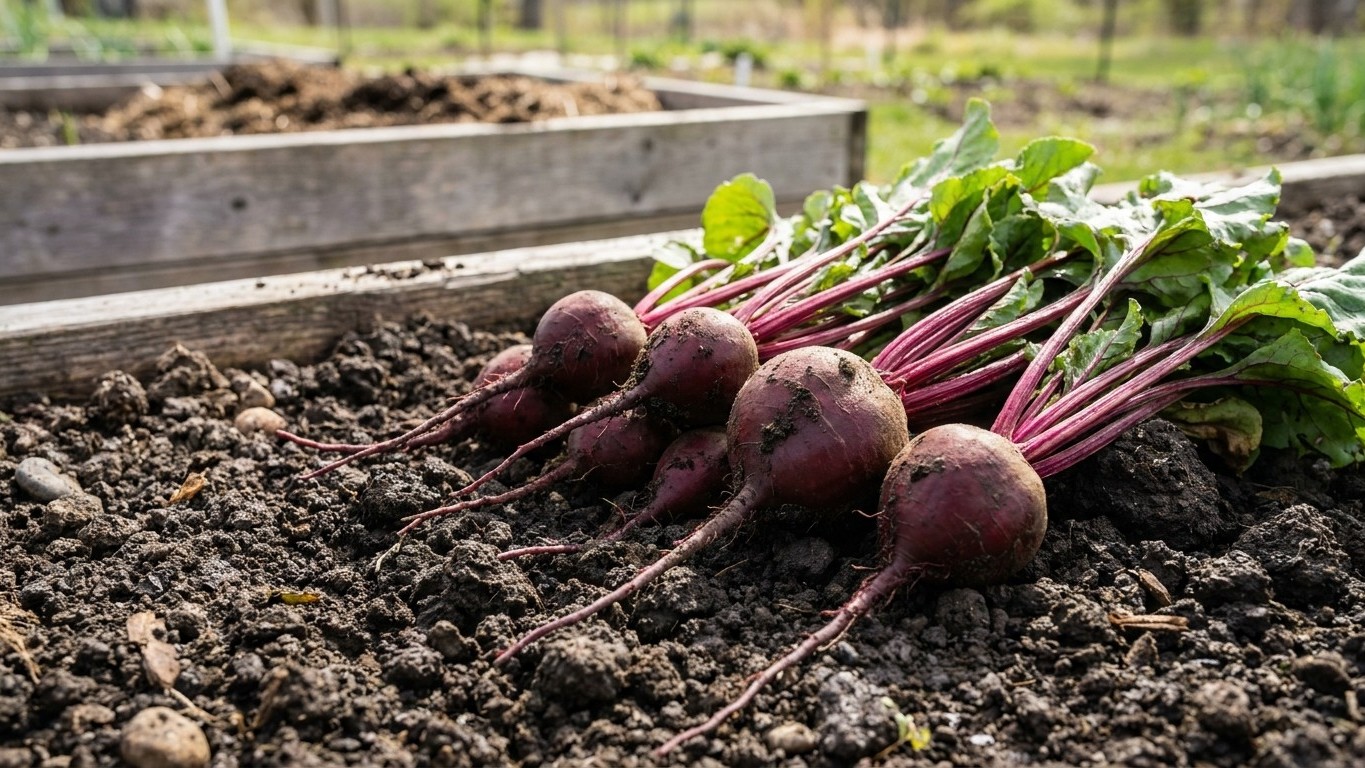
In Montana, beets mostly lose to weather and water. Thirst in the first six weeks sends plants to flower, heat above 85 F on dry ground turns roots…
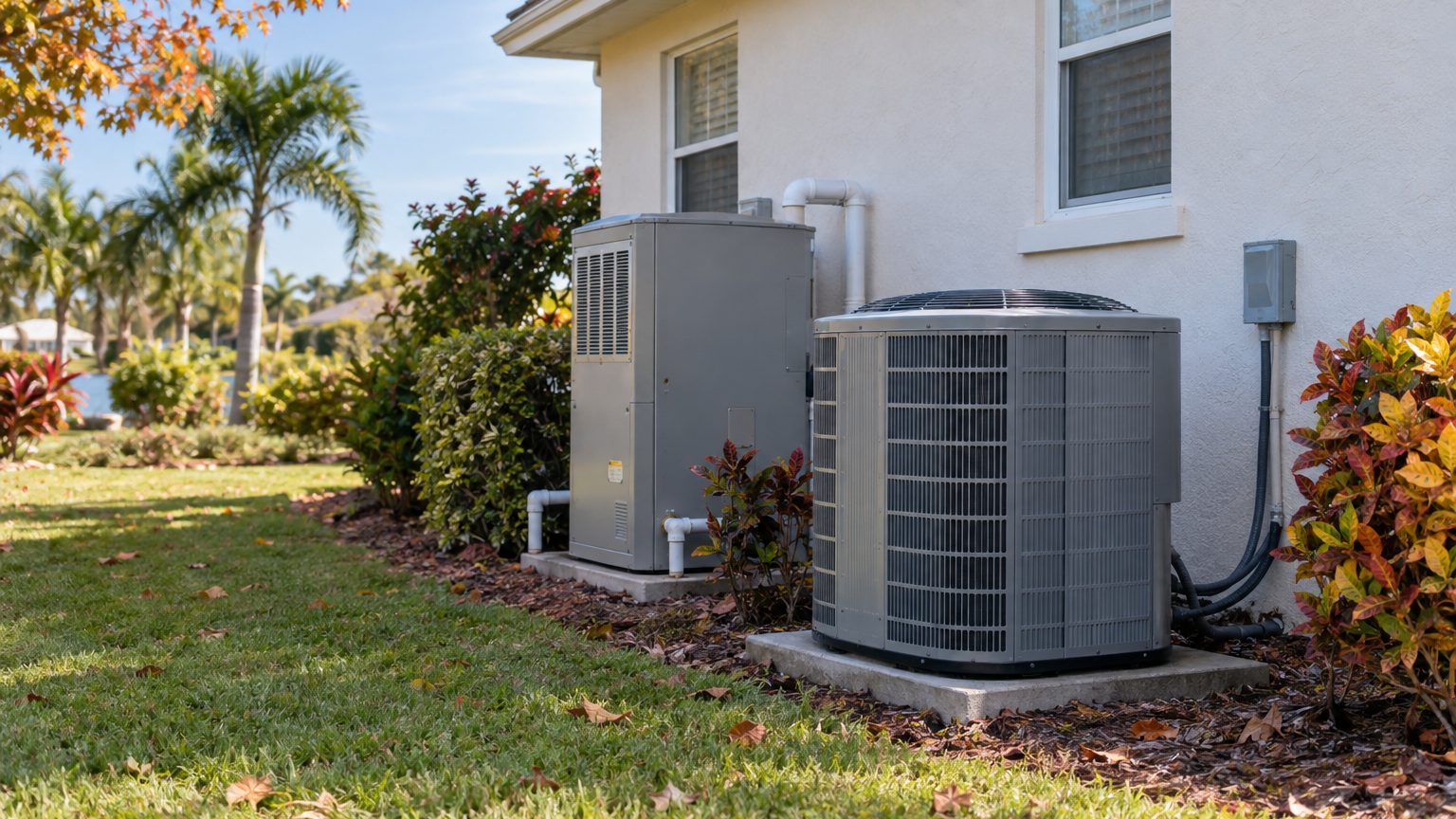
In Montana, a natural gas furnace costs less to run than a heat pump, and by a wide margin.