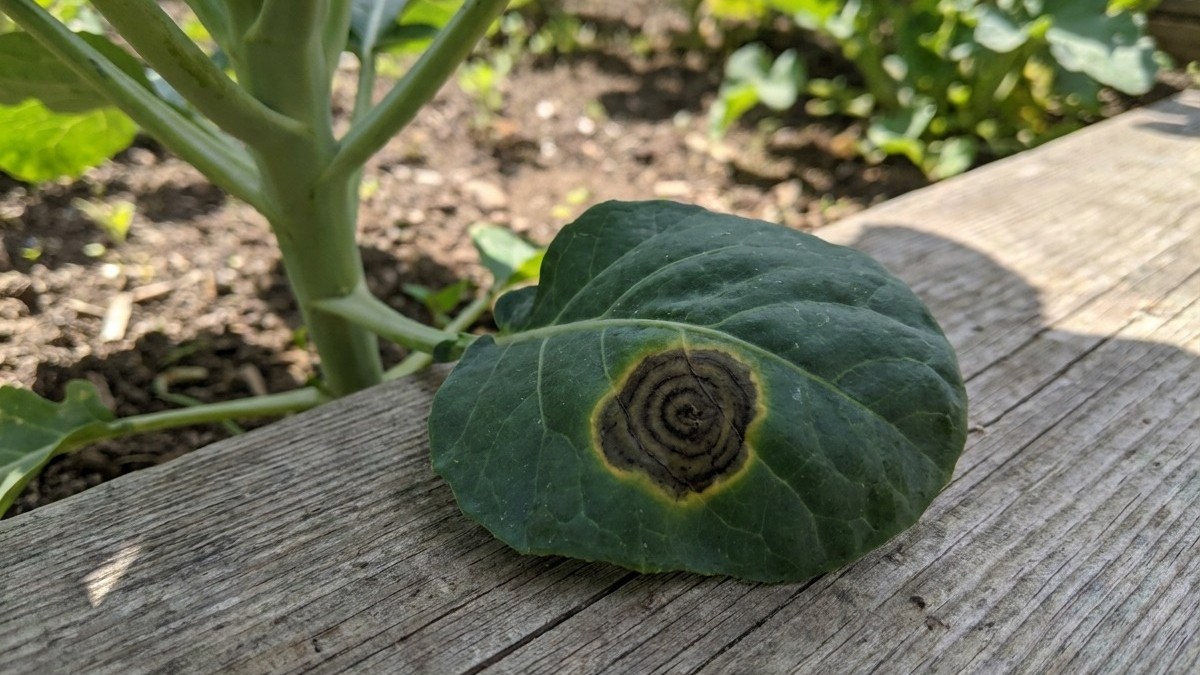

Two insects account for most of the chewing and sucking on pumpkin vines: squash bugs and cucumber beetles. Both show up while the plants are still small and keep working until frost. The damage is easy to mistake for thirst, disease or hail, so the first skill is reading the plant, and the second is knowing how much season you have left, since pumpkins need 45 to 55 days after flowering to finish.
Which pests attack pumpkin in Nebraska
Two insects are the usual suspects on Nebraska pumpkin vines: the squash bug and the cucumber beetle. Both feed on pumpkin leaves, stems and, later, fruit. This site covers each one on its own page, so the details of their life cycles live there rather than here.
How do squash bugs and cucumber beetles differ?
Squash bugs are flat-backed, shield-shaped insects that suck sap from leaves and stems. Cucumber beetles are small, elongated beetles that chew. They feed on seedlings, leaves, flowers and sometimes the rind of young fruit, leaving shallow scars. A beetle you can see eating is a cucumber beetle problem. A vine that wilts with no obvious chewing is worth a close look at the leaf undersides and the base of the stems, where squash bugs gather.
Whichever insect it is, the pumpkin’s own clock decides how much damage you can afford. The fruit needs 45 to 55 days after flowering to mature, and at the reference city’s airport weather station the first fall frost arrives between October 15 and October 26. A vine that loses leaves in August has less energy to put into fruit that still has weeks to go.
When each one shows up, and what it does first
Pumpkins are sown when the soil reaches 65 F. That is a soil reading, and it lags the air by weeks, so it does not match the last spring frost date, which at the reference station falls between April 12 and April 23. Seedlings that go in at 65 F soil come up into the season when the first insects are moving, and that is when a small plant is least able to absorb damage.
Cucumber beetles tend to arrive early, so watch for them as seedlings emerge. The first sign is ragged holes in the seed leaves and young true leaves, sometimes with a plant that stops growing or vanishes overnight. Look for small yellow-and-black beetles on the leaf surface or tucked inside the flowers. On a larger vine they keep eating leaves, and on young fruit they leave pale, scabby scars on the rind.
Squash bugs usually become obvious later, once vines are running. The first sign is not an insect. It is a cluster of eggs glued to the underside of a leaf, often tucked in the angle between veins. Wilting follows: a leaf or a whole runner goes limp in the afternoon, then crisp and dark. Where feeding is heavy, small nymphs bunch up near the crown of the plant. By late summer both adults and nymphs sit on fruit and stems.
The frost window turns this schedule into a deadline. A flower that opens late in summer may not have the full 45 to 55 days left, and counting back from the reference station’s October 15 to 26 frost range puts the cutoff for useful flowers around late August to mid-September. Suburban and rural gardens often see the first fall frost one to two weeks earlier than the airport, so move that cutoff up accordingly. Insect damage that strips leaves in the weeks after flowering costs more than the same damage in early summer, because the fruit is still sizing up when the days run out. The Will Pumpkins Ripen Before Frost in Nebraska? page walks through that count in detail.
Telling the damage apart from everything else
Most wilted pumpkin vines turn out not to be an insect problem, and spraying for the wrong cause wastes a week you do not have. The table below pairs the common symptoms with the usual look-alikes and the check that separates them. It does not diagnose your plant. It tells you what to look at before you decide.
| What you see | Insect sign | Look-alike | What settles it |
|---|---|---|---|
| Leaves wilt in the afternoon | Egg clusters or crowded bugs near stem bases; runners dying one at a time | Dry soil or a hot, windy day | Push a finger into the soil beside the plant. If it is damp and the vine still droops, look at the stem base. If the leaves perk up by morning, thirst is likely. |
| Holes in leaves | Beetles visible on the leaf, or ragged holes starting on seedlings | Hail or wind tearing | Hail tears run across many leaves in the same direction and the same day. Insect holes appear a few at a time, mostly on one plant. |
| Yellowing leaves | Yellow stippling around small feeding spots | Nutrient shortage, or a disease | Nutrient yellowing is even and starts on older leaves. A spreading powdery white coating on the leaf surface points to a disease and not an insect. |
| Scarred rind | Shallow, scabby scars with a beetle nearby | Sunscald, or rubbing against soil and stems | Sunscald shows on the side facing the sun. Scarring with feeding marks near the stem end points to a chewing insect. |
One rule saves the most guesswork: look at the underside of the leaves and the base of the stem before you decide anything. If you cannot find an insect, an egg cluster or a feeding mark, an insect is not your first suspect. Take a clear photo and a cutting to your county Extension office, which can look at the actual plant and tell you what is on it.
What actually works here, and what is a waste of time
On a season this short, a physical barrier set at the right moment beats almost any treatment. A floating row cover laid over seedlings or young transplants keeps both insects off the plants during the weeks when they are most vulnerable. It has to come off when the female flowers open, because the bees need to reach them. Check the leaf undersides every few days after that.
Hand work is plain and effective when the numbers are small. Scrape or crush egg clusters on the leaf undersides, and knock adults into soapy water. A flat board left near the plants overnight gives squash bugs a place to gather, and you can collect them from under it. None of this takes long if you do it weekly.
Timing does more than most people expect. Sowing when the soil reaches 65 F, not on the first warm afternoon, gets seedlings growing quickly instead of sitting in cold ground where they can be chewed down. Our When to Sow Pumpkins in Nebraska page covers that planting window. After harvest, clear the old vines out of the bed so adults have fewer places to shelter over winter.
Some common habits do not pay off. Spraying open flowers risks the bees that set your fruit. Spraying at the first wilted leaf is usually too late, because the damage is already done. Planting later to dodge insects is the worst trade here, because a late flower leaves a green fruit when the frost arrives. What is registered for use on pumpkins in your state changes, so ask your county Extension office before you buy anything. The full growing picture sits on Growing Pumpkins in Nebraska.
Where to check this for your own county
Your county Extension office is the right place to take a question about a specific pest. Staff there know which insects are active in your part of the state in a given year, and they can identify a sample from a photo or a cutting. Pest numbers vary within Nebraska, from one county to the next, and a pest listed for the state as a whole does not tell you what is on your vines.
The same caution applies to the frost dates. The October 15 to October 26 range for the first fall frost and the April 12 to April 23 range for the last spring frost come from airport weather data for the reference city, published in the NOAA NCEI U.S. Climate Normals for 1991 to 2020 (NOAA NCEI normals data). Gardens outside a city typically get their last spring frost later and their first fall frost earlier, often by one to two weeks, and more at elevation. Ask the county office what the frost dates look like where you live, then count back 45 to 55 days from the fall date to see how late a flower can open and still become a ripe pumpkin.
Common questions
Do squash bugs and cucumber beetles attack at the same time?
Their timing overlaps but not completely. Cucumber beetles tend to find seedlings first, and squash bug egg clusters and nymphs become obvious once vines are growing. Both can be present on the same plant through late summer.
Is 65 F soil the same as the last frost date?
No. The last frost date is about air temperature, and the soil warms weeks behind it. Pumpkins are sown when the soil reaches 65 F. At the reference station the last spring frost falls between April 12 and April 23, but soil can still be too cool well after that.
How long does a pumpkin need after it flowers?
Pumpkins take 45 to 55 days to mature after flowering. The count does not start at seeding. Harvest with the stem attached, before frost, and count back from your own frost date to see whether a flower still has time.
How long will a harvested pumpkin keep?
A whole pumpkin keeps for three to six months in a cool, dark place between 45 and 50 F. Store it away from ripening fruit and vegetables such as apples, potatoes or tomatoes, because the gas they give off ages the pumpkin faster.